



We caught up with the brilliant and insightful Theophilus Annor a few weeks ago and have shared our conversation below.
Theophilus, looking forward to hearing all of your stories today. We’d love to hear about when you first realized that you wanted to pursue a creative path professionally.
In the bustling town of Asamankese, Ghana, I found my calling amidst the clangor of metal and the dance of sparks. It was a moment etched in the symphony of creation when I knew I wanted to pursue art as a metal artisan. My childhood home was a treasure trove of discarded metal pieces – remnants of old bicycles, worn-out car parts, and forgotten tools. As a curious child, I spent my afternoons dismantling these discarded artifacts, intrigued by the stories each piece told. Little did I know that these fragments would become the building blocks of my artistic journey.
One day, under the scorching Ghanaian sun, I witnessed a local metal artisan shaping molten metal with a rhythmic dance of his hammer. The transformation was mesmerizing, turning formless metal into a masterpiece that told tales of craftsmanship and resilience. It was in that moment that the idea took root within me, like a seed eager to break through the soil and with unwavering determination, I began experimenting with the discarded metals in our backyard. My makeshift anvil, a repurposed slab of stone, became my canvas, and an old hammer, my brush. I was on a quest to breathe life into the lifeless, to craft beauty from the forgotten.
As my hands became attuned to the language of metal, each strike resonated with my burgeoning passion. I discovered the alchemy of transformation, turning discarded scraps into sculptures that echoed the soul of the metal itself. The challenges of limited tools only fueled my creativity, leading to innovative techniques that would become my signature.
Again, I was not just making these metal sculpture and objects but I began to sketch my imaginations and reference images of the sculpture pieces and objects I wanted to create. I started making drawings of cartoon characters, which gave me the recognition in my elementary school.
The journey from a backyard tinkerer to a budding metal artisan was a testament to the transformative power of passion. In the echoes of hammer strikes and the glow of molten metal, I found not only my calling but a medium through which I could shape my identity and contribute to the rich tapestry of Ghanaian artistry. The sparks that ignited my artistic journey continue to dance, lighting the way for a future forged in the fires of creativity and determination.

Awesome – so before we get into the rest of our questions, can you briefly introduce yourself to our readers.
Theophilus Annor is a metal artisan and a 3D model artist, born in Accra and bred in Asamankese, Ghana in 1999. He is a second-year MFA candidate in the Metal, Jewelry and CAD-CAM program at Tyler School of Art and architecture, Philadelphia whose work intimately linked to community and societal values. He holds a Bachelor of Arts degree in Integrated Rural Art and Industry from Kwame Nkrumah University of Science and Technology, Kumasi Ghana.
Annor’s work inspired by the rich tapestry of Ghanaian culture, he draws upon the deep well of African symbolism and traditions, weaving intricate narratives that resonate with contemporary audiences paying homage to his roots while pushing the boundaries of contemporary art. He counts the symbolic culture and his personal experience in Philadelphia where he currently resides as a major influence in his practice incorporating contemporary observances through the lens of the African diaspora.
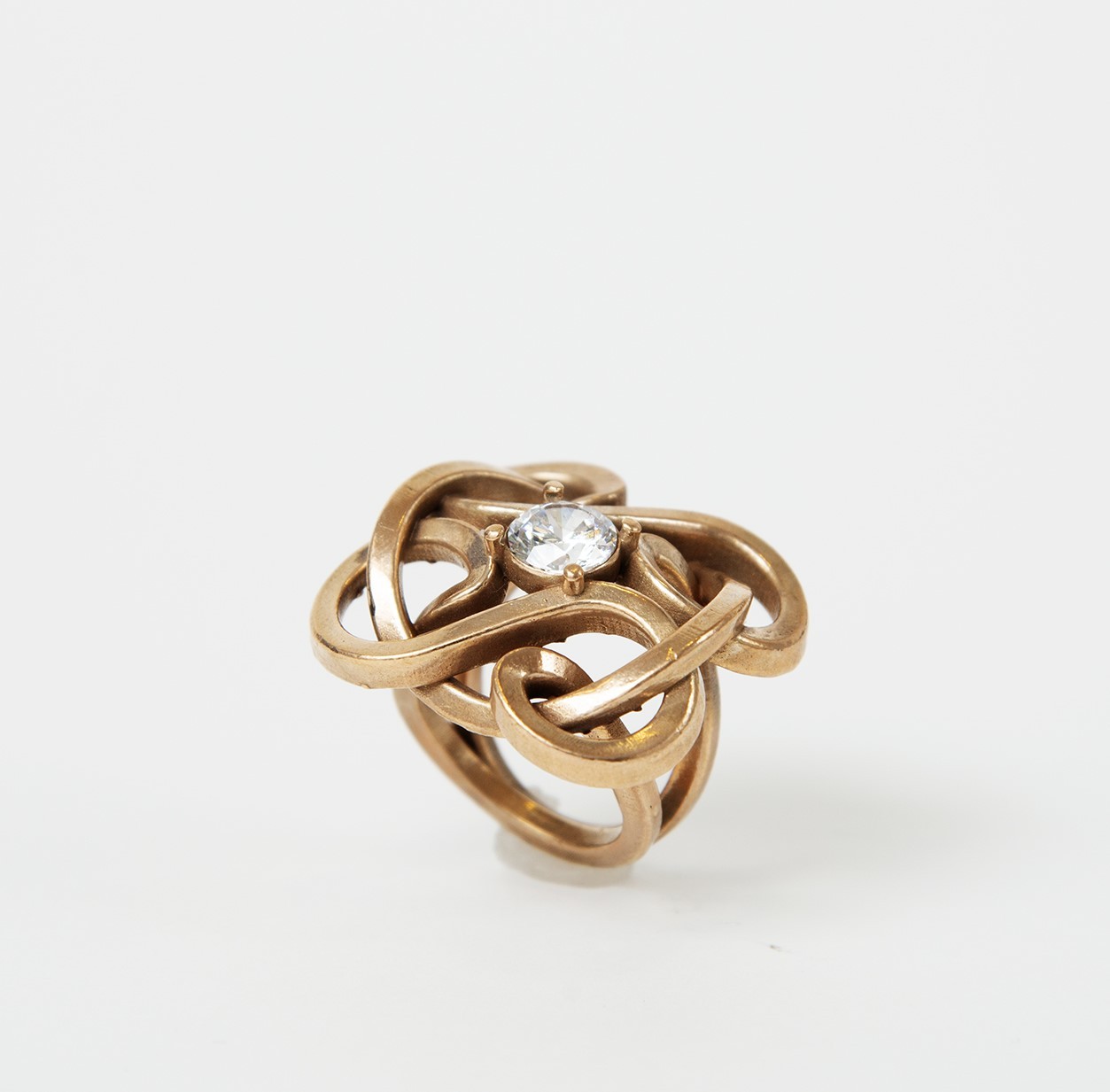
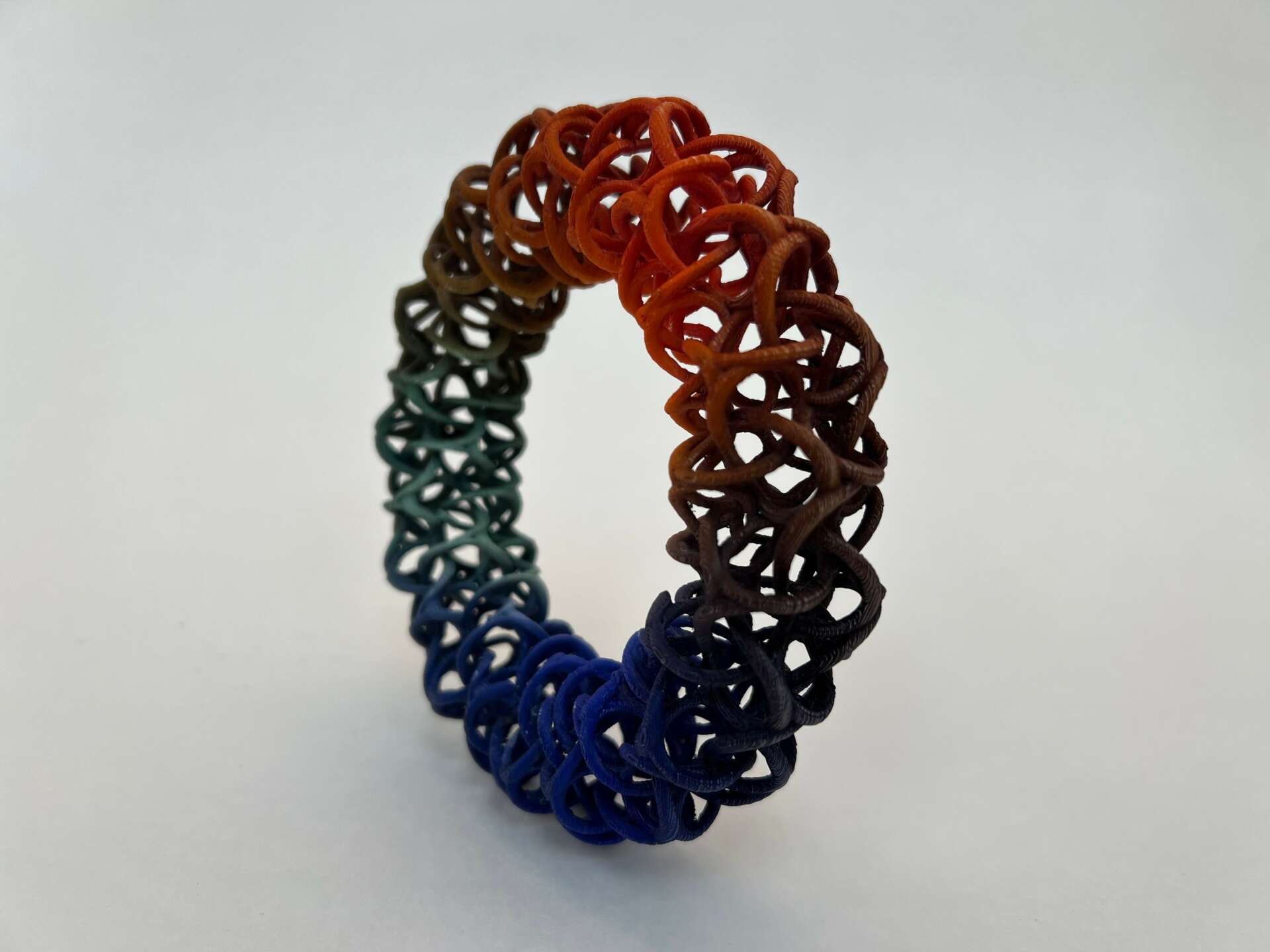
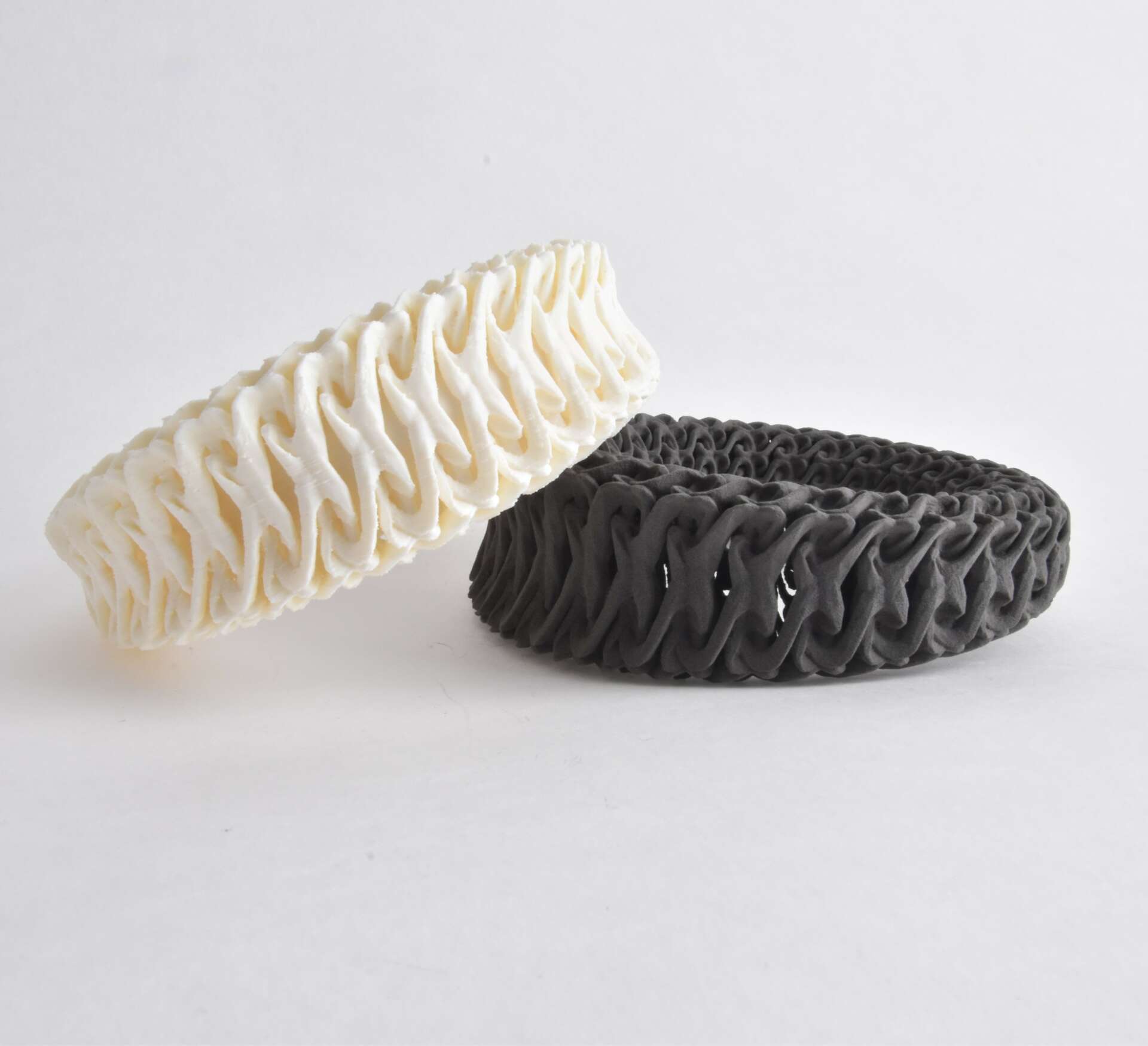
As a metal artisan and a 3D model artist, he focuses on making adornments that bridge the gap between African Symbolism and Technological innovation through embodied identity connecting with other Africans in the diaspora, understanding the African culture in a new socio-cultural space and the challenges they face.
One of the things that distinguish Annor’s works from other artists’ is the use of Contemporary and Traditional Techniques to reimagine and redefine the African craft using technology.

We’d love to hear a story of resilience from your journey.
In the vibrant city of Philadelphia in the U.S.A., surrounded by tall buildings and busy streets, I began my adventure as an international student. The thrill of seeking education in a strange country was complemented by the obstacles that lay ahead. Initially, I found it more challenging than expected to acclimate to a new culture and comprehend the complexities of a distinct educational system. The initial feeling of longing for home posed a risk of diminishing my enthusiasm, but I made a firm decision to transform this obstacle into a chance for personal development.
I encountered instances of skepticism and ambiguity, I persevered. I derived comfort from a heterogeneous group of fellow international students who had comparable challenges. Collectively, we established a network of assistance that surpassed cultural limitations, offering motivation throughout the most challenging moments.
Throughout the course of the semesters, I experienced significant growth and success in my academic, social, and personal endeavors. The obstacles that were earlier perceived as impossible to overcome transformed into opportunities for personal growth and achievement. As graduation approaches, I contemplate the profound transformation I have undergone, transitioning from an overwhelmed foreign student to someone who has not only persevered but thrived.
My experience as an international student in the United States transformed into a tale of perseverance, flexibility, and self-development. This was more than simply an educational experience; it was a demonstration of the resilience that arises when one directly meets difficulties, with a strong determination to transform obstacles into chances for growth.

What’s a lesson you had to unlearn and what’s the backstory?
With a sense of optimism and ambition, I began my trip as an international student to the United States, eagerly anticipating the prospects that awaited me. During my upbringing, I was imbued with the importance of humility, a principle profoundly embedded in the cultural tapestry of Ghana. I was instructed to minimize my accomplishments, allowing my deeds to make a more significant impact than mere verbal expression. Although this lesson was beneficial in my town, it quickly became evident that the American school system had a distinct terrain.
Upon reaching the premises of a renowned American institution, I discovered that I was encompassed by a rich assortment of cultures and backgrounds. The academic setting fostered a culture that promoted self-promotion, boldness, and proactive participation. Nevertheless, my deeply rooted modesty contrasted with this new way of thinking. Initially, I had reservations about participating actively in class, being hesitant to display my accomplishments or participate verbally to conversations. I embraced the belief that my work should be able to stand on its own merits, an attitude that appeared to be at odds with the American academic society which placed importance on promoting oneself. Throughout the course of the semesters, I came to see the necessity of relinquishing the ingrained lesson of modesty and silence that had been instilled in me from childhood. It was not about showing off or being conceited, but rather acknowledging the significance of expressing my opinions, sharing my experiences, and actively engaging in the scholarly conversation.
I sought counsel from mentors and participated in extracurricular pursuits that pushed me outside my comfort zone. Gradually, although steadily, I started to discover my own unique expression. I actively participated in collaborative assignments, actively voiced my viewpoints during academic discussions, and critiques. I discovered that self-advocacy does not include belittling others, but rather recognizing my own value and the distinctive viewpoints I provide.
During this transforming experience, I realized that it might be difficult yet necessary to let go of deeply rooted beliefs in order to achieve personal development. I developed a harmonious equilibrium between modesty and assertiveness, recognizing that articulating one’s achievements may be a potent strategy for personal and career progress.

Contact Info:
- Instagram: annorphilus_creatives
- Linkedin: Theophilus Annor
Image Credits
William L Toney