
We caught up with the brilliant and insightful The Artist ZIAZ a few weeks ago and have shared our conversation below.
The Artist ZIAZ, thanks for joining us, excited to have you contributing your stories and insights. Did you always know you wanted to pursue a creative or artistic career? When did you first know?
My career as an artist felt like the natural consequence of being a deaf child recovering from hearing restoration surgery with no way to pass the time except through drawing or sleeping. That was before we all had smartphones, which meant my mother also had no way to pass the time-except through drawing and entertaining her languishing child, who was loudly complaining that the boredom inflicted a worse pain than any of the incisions the doctors had made. To distract herself, my mother would sit beside me, sketchbook in hand, and she would draw. When I peeked over, I noticed she was drawing a fight scene between two warrior characters. I looked at her in awe, and asked a million questions: who were they? Why were they fighting? I asked her how she learned to draw so well, and I asked if I could do it too. Turns out I could! After that, I had always associated art with healing, joy, and curiosity. Those passions and interests bled into a love of character design, which led me into the career of theatrical costume design and eventually from there into painting, drawing, and graphic novel writing/illustration.
As always, we appreciate you sharing your insights and we’ve got a few more questions for you, but before we get to all of that can you take a minute to introduce yourself and give our readers some of your background and context?
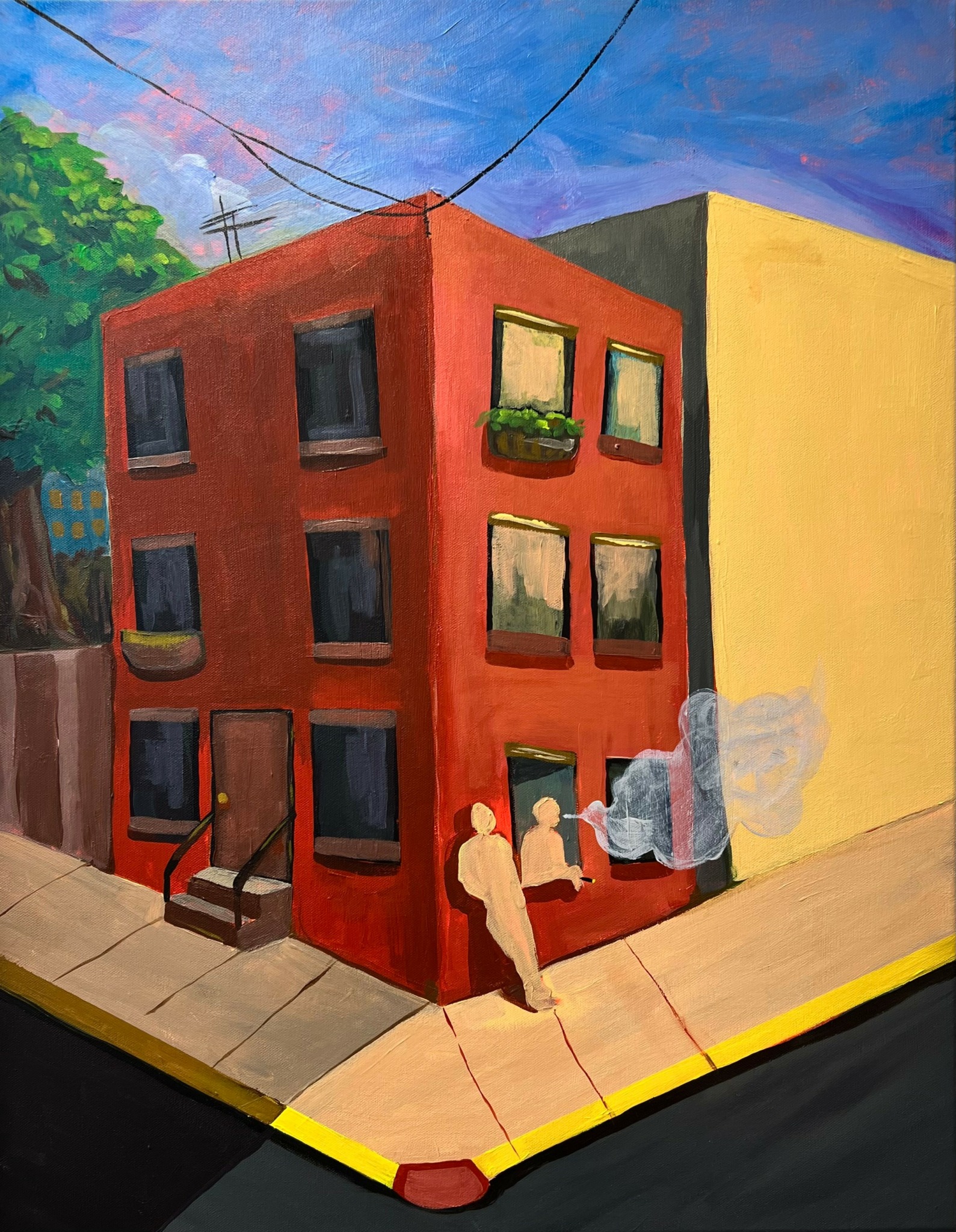
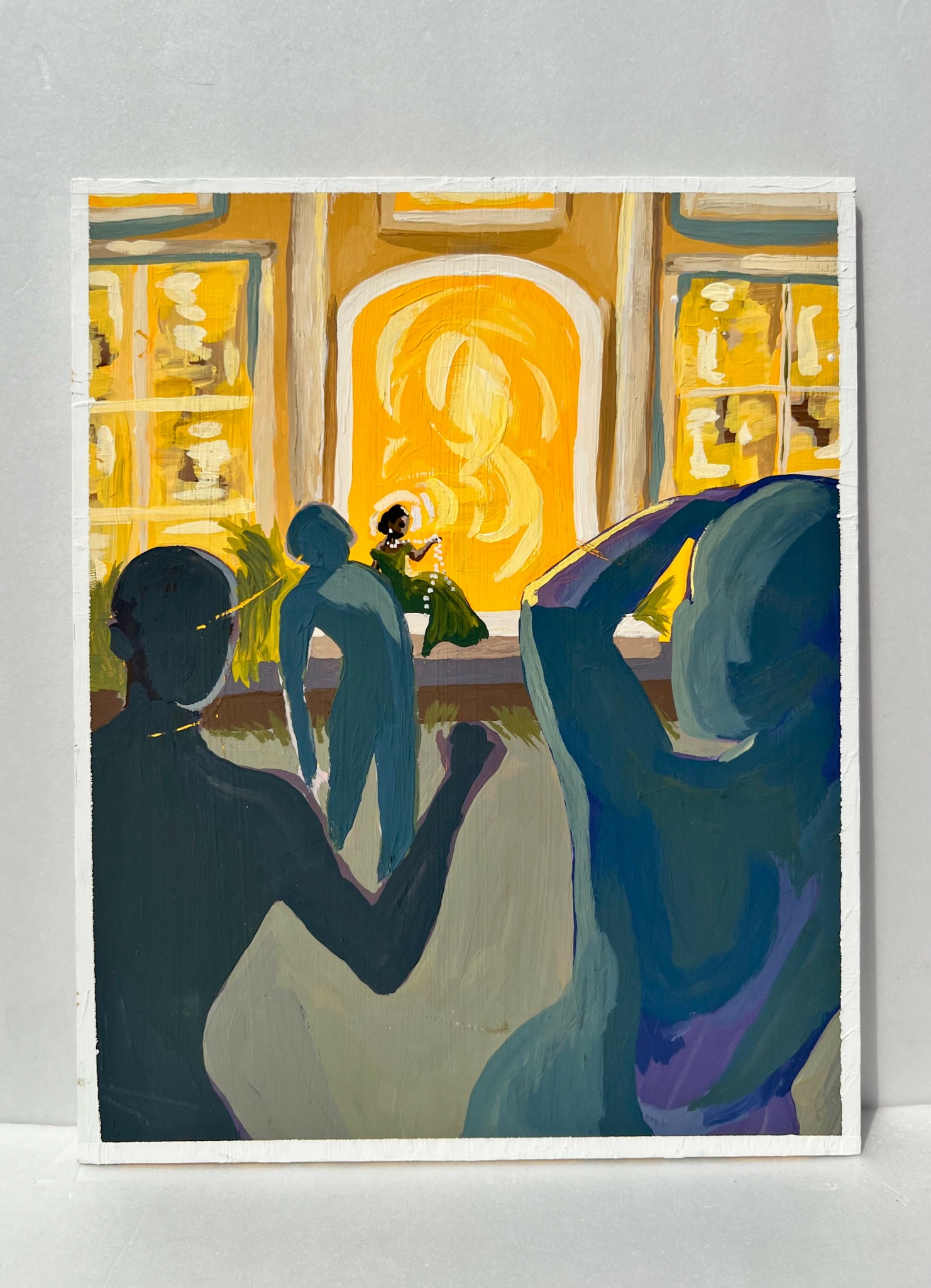
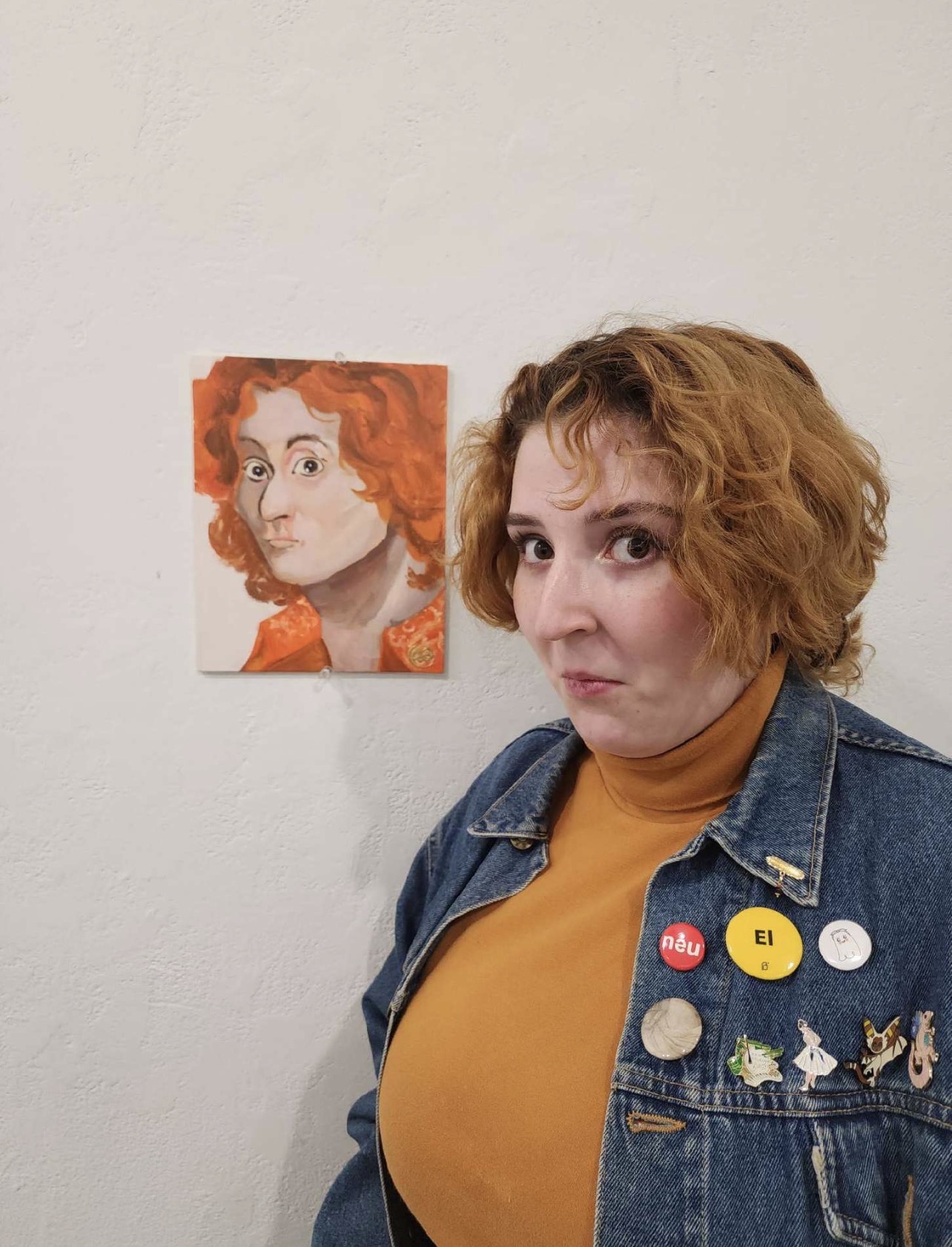
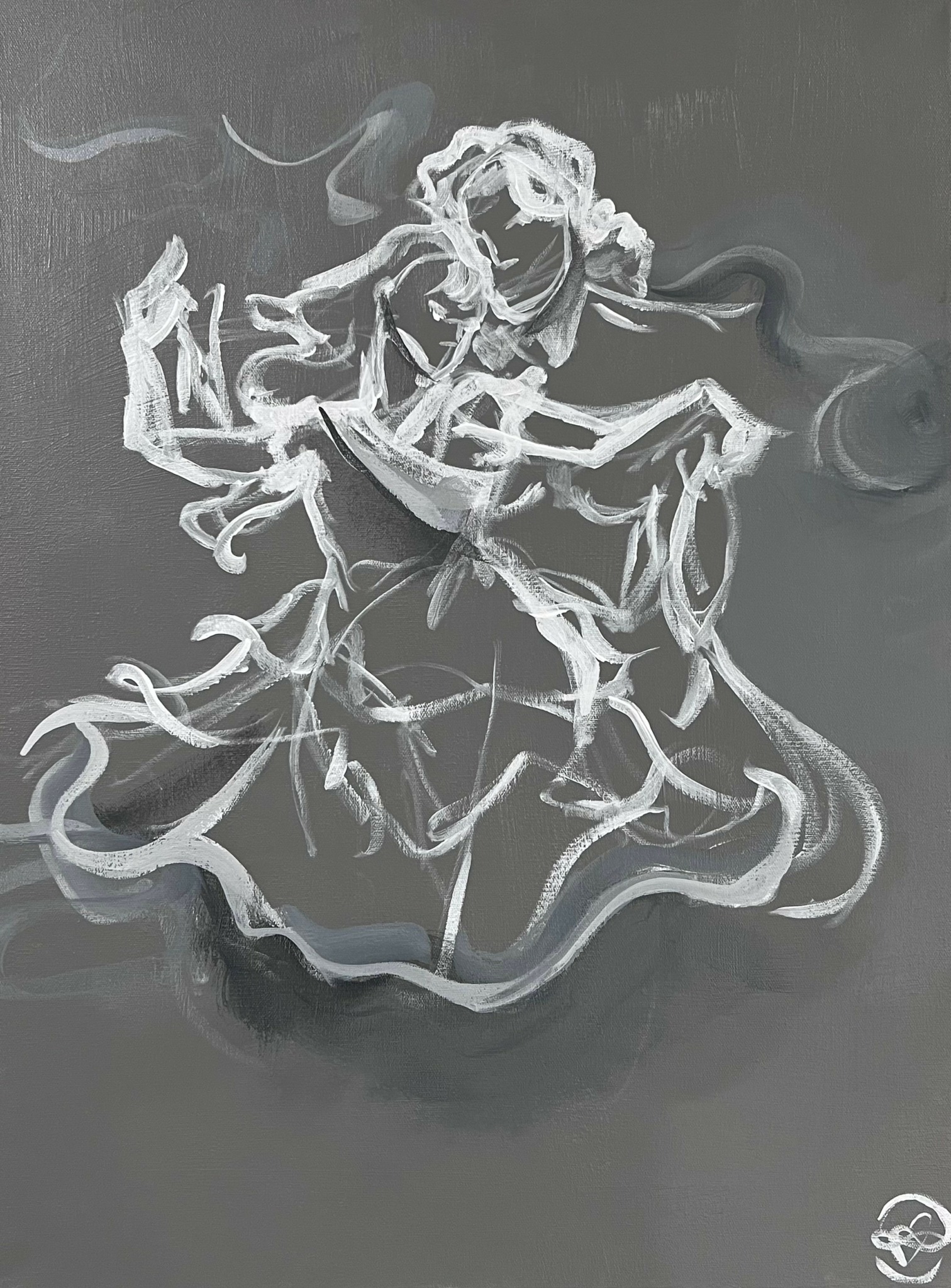
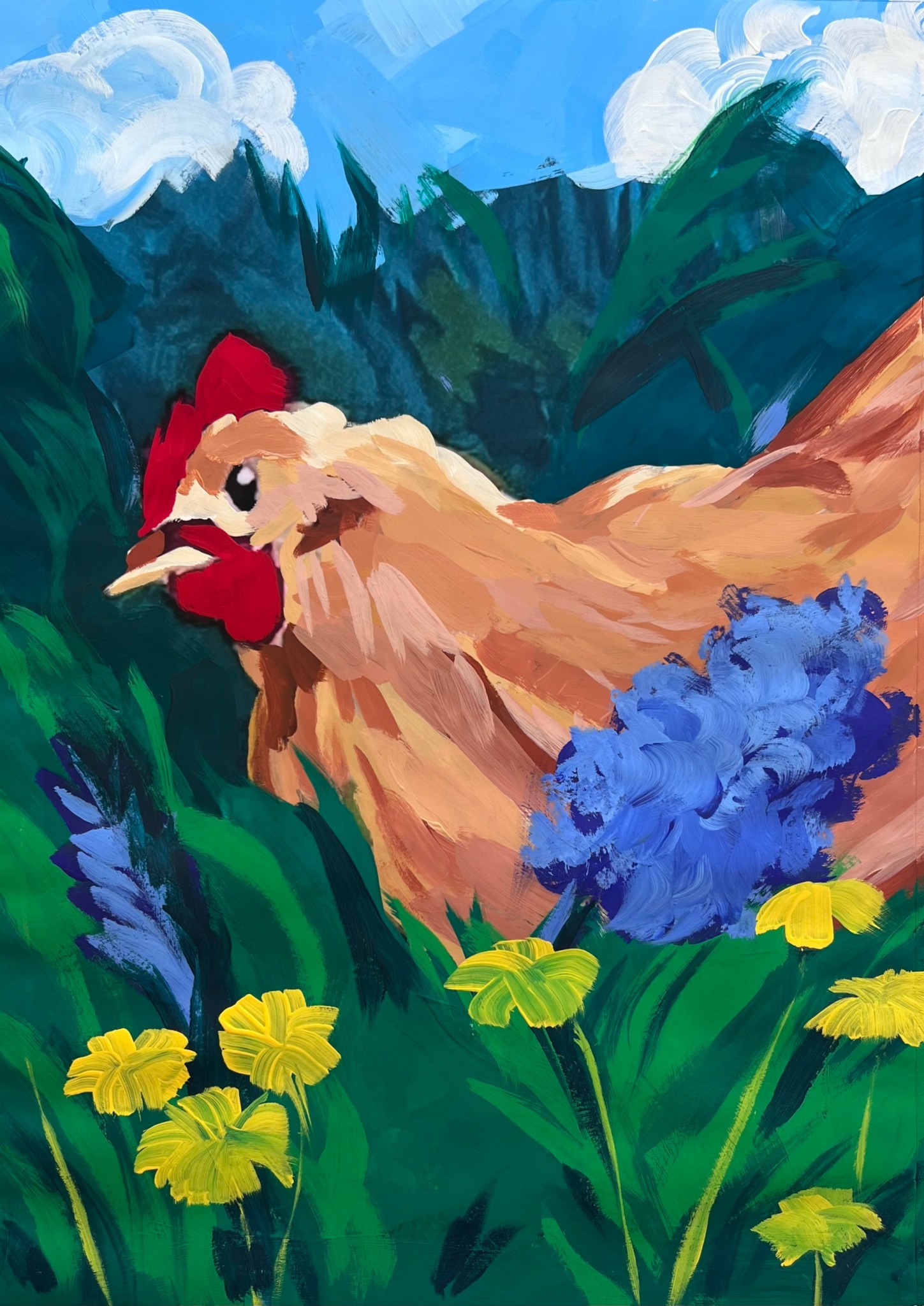
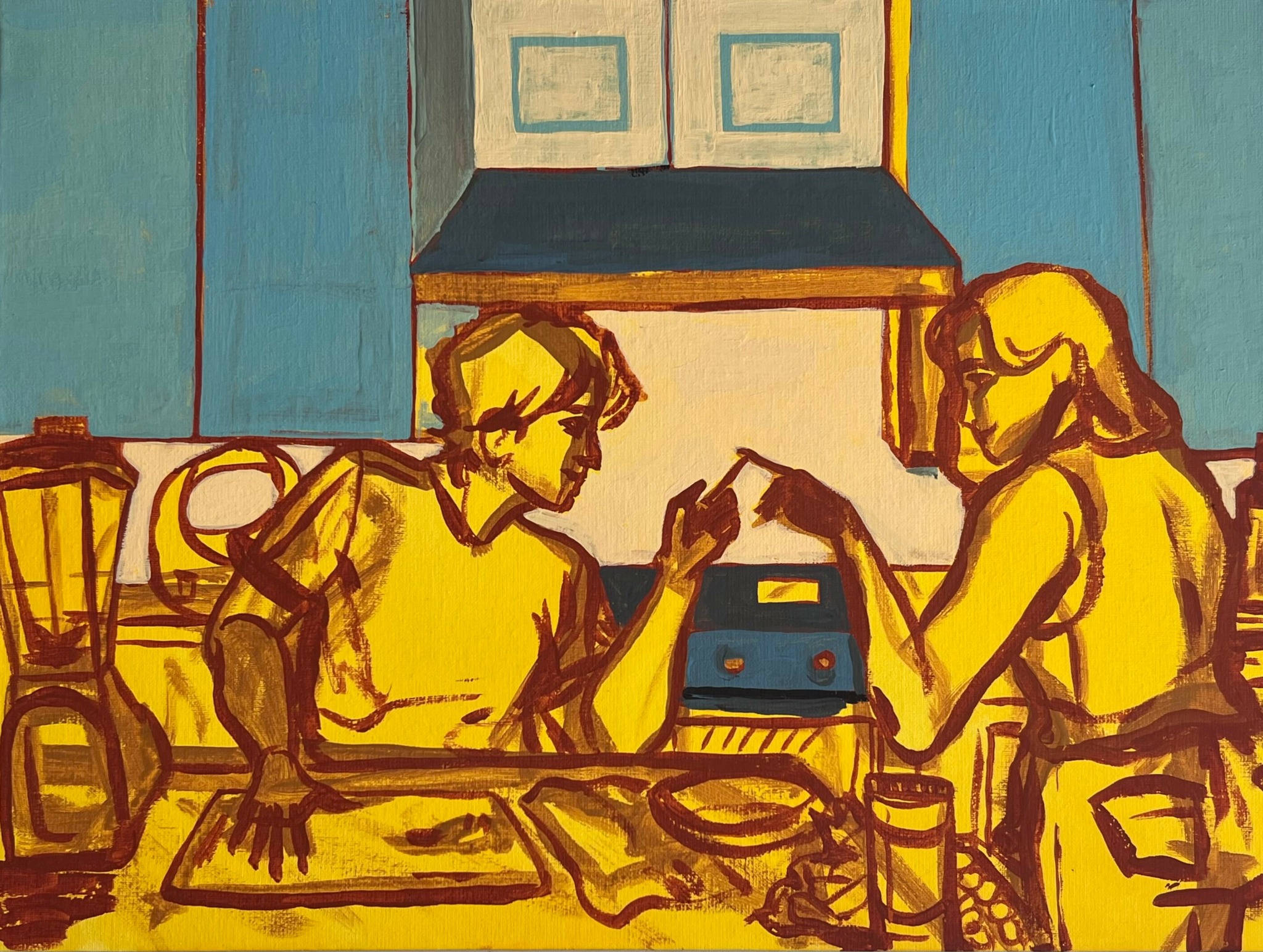
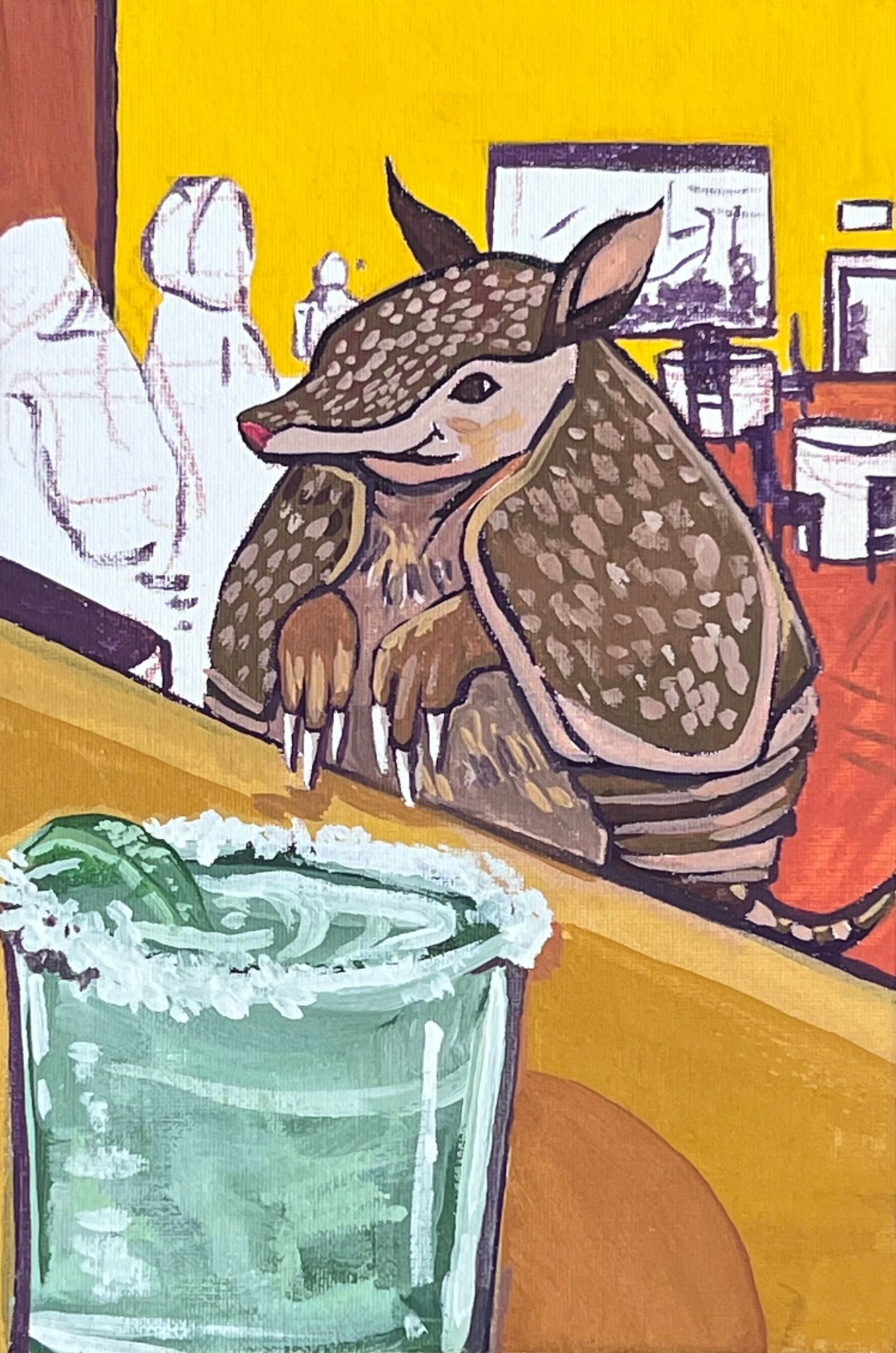
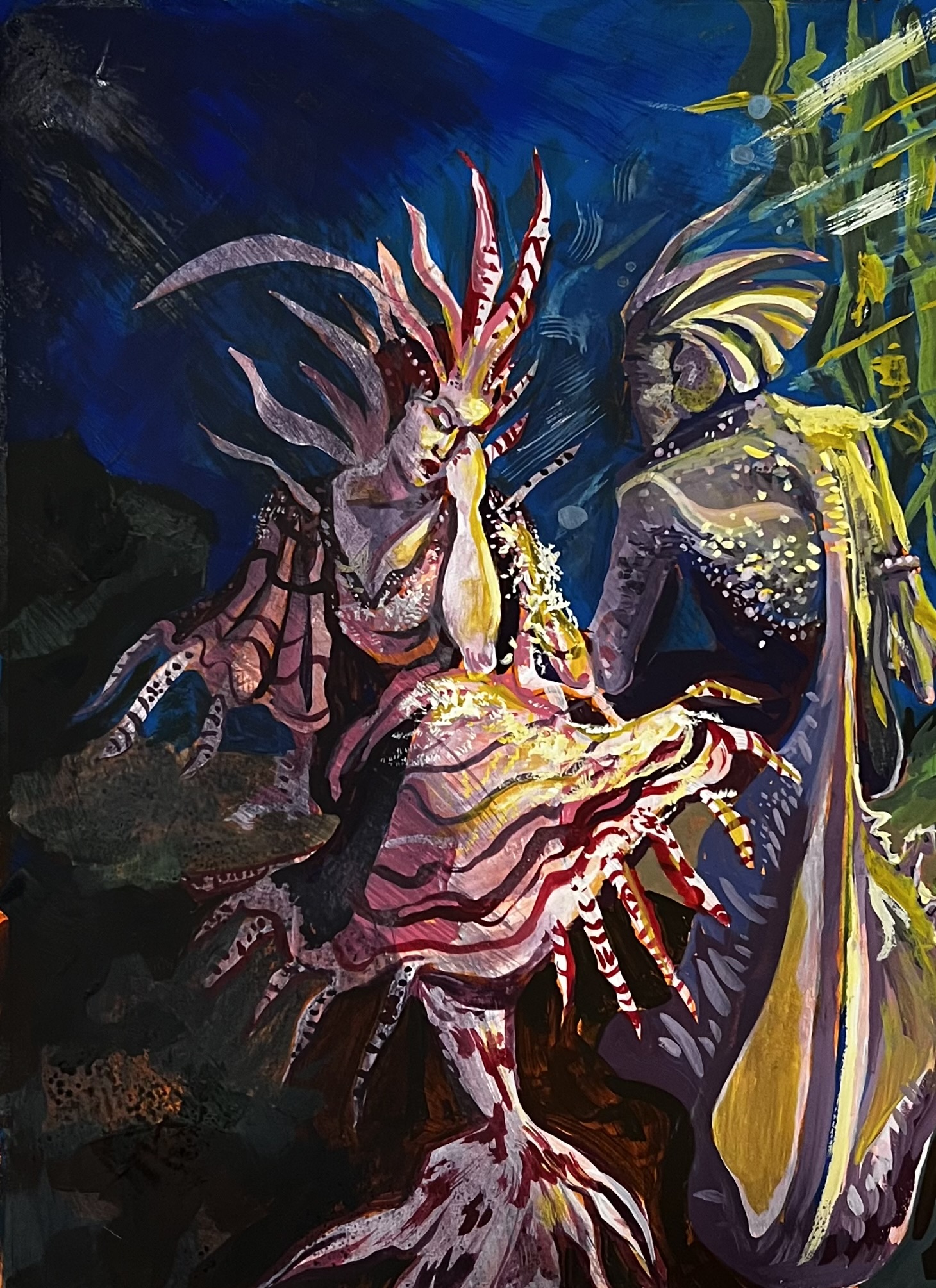
I am The Artist ZIAZ and I make paintings to prove to you that I was alive. I am a non-binary, Cuban-American artist from Hudson County New Jersey. I paint with acrylic gouache and also do pen and ink illustrations. My most successful work often explores themes of identity, time, whimsy, and love. I get a lot of joy from utilizing aggressively non-local color as well as elements of draftsmanship to cultivate a dream-like atmosphere conveying specific, yet universal feelings such as isolation, belonging, grief, recognition, and joy. My drawings combine elements of manga and the conventions of American comic books with the sculptural lines of Albrecht Durer and the shape language of Art Nouveau. I don’t know how to exist without making art. I maintain that those who are meant to connect with my artwork will, in a way that is difficult to define or articulate. I want to make art that feels like a conversation, and tell stories that connect the audience to ideas and people throughout time and space. I write what I think, and I paint when I can’t, and when I can’t say a thing, that’s when I sing and I dance.
Can you tell us about a time you’ve had to pivot?
For most of my youth, I worked backstage in theater, often in the costume department or as a stage manager. My passion for character design and illustration, transferred over into the medium of Theatre very cleanly-especially in the various costume departments that I worked in. It was a profession where my job was to design and articulate everything from emotion to power dynamics, intentionally and compellingly-to tell whatever story the narrative demanded.
Through my time in the theater industry I have met, befriended and worked alongside some of the most brilliant and innovative artists that I have the privilege of calling my dear friends. The world of theater is a petri dish of insurmountably talented and inspired visionaries with integrity who inspire me in many ways to this day. These are the people who I can trust with my imagination, and whom I often turn to for support and critique. Many of these friendships go way back, as I started in that career path at the age of eleven, designing and making jewelry for my local high school’s spring musical. Throughout middle and high school, I lived, breathed, and bled for the art form. I sacrificed attending weddings of my loved ones. I sacrificed attending funerals of loved ones, praying that they’ll forgive me for my absence as they parted from this world. I sacrificed my own health, and any timeline in which I could pursue a “normal”, conventional job, by always working on some show, somewhere. I sacrificed being emotionally present as a friend, I sacrificed any and all spare time, time that I could have used to formulate an identity outside of the world of theater. It felt natural and like the correct course of action to achieve my dreams and my goals of storytelling through this medium.
When asked at my first college pre-screen interview, “why do you do this” I replied: I believe in storytelling and it’s preservation. I got accepted into a conservatory of technical theater, and the first thing they told me was: “If you can do LITERALLY anything else, do that.” Everyday in professional training, (as well as in the fast paced, hungry world of live performance) instructors, and superiors affirmed that this line of work must cure you like a prize cut of meat. You must sacrifice EVEN more. You must now sacrifice your artistic vision. You must sacrifice your personal safety to achieve inhuman visuals. You must sacrifice your dignity, as a professor berates you in front of the entire costume shop for wearing a shirt that exposes your midriff (despite the sweltering shop temperatures and any efficient, correct completion of your expected tasks). You are told these sacrifices are required in order to be successful. That they are justified because your ambition begets opportunities to squeak in an idea or two during a meeting (often as the only woman, the only disabled individual, the only gender-queer person, and/or person of color at these tables in these rooms). This demanding culture was not only normalized, but this culture struggled to accommodate the 2020 COVID 19 pandemic. American hustle culture, finally had to reckon with the fact that this lifestyle is not sustainable or productive, yet this culture of exhaustion, irritation, heartbreak, and the high of a successful opening night persisted and morphed into a new, bastardized version of the craft.
Until suddenly there was no art on the proverbial easel. There was no end in sight to the misery I brought upon myself by choosing this stifling, almost corporate approach to preserving memories, voices and stories. I saw many of my brilliant artist friends forfeit their promising careers as burnout destroyed any semblance of passion they had left. This world of glitz and glamour, had become tainted by every possible disqualifying behavior, attitude, deadline and betrayal. By the time I was 19, I was watching the death of my soul, powerless to ignite any approximation of the joy and passion I once carried. I remember wishing that life didn’t have to feel like that, like a horse tied to a plastic lawn chair. Unchanging, and again, powerless to change my circumstances. Until I realized, that a horse is a lot stronger than whatever cheap plastic chair it is tethered to. I realized that I did in fact have the power to just *leave*.
It was one of the hardest decisions I had ever had to make. Everything ultimately had been for nothing. There I was…a washed up, failed designer at the age of 20, without so much as a degree to show for it. As if my time in theater doesn’t directly inform the approach I take to my paintings’ compositions or the dialogue I write for my comic books. I had to leave the only professional and artistic world I had ever been a part of, but that didn’t mean I couldn’t find refuge in the other arts, where I was embraced, understood, challenged, and always accepted for who I am, and my original vision of telling and preserving stories.
The entire time I worked in theater, I was simultaneously training my technical drawing abilities, mostly as a hobby-as an escape from the tumultuous schedules, interdepartmental affairs and the suffocating deadlines and budget constraints. I was regarded as one of my classes’ most talented traditional artists, and I held the skillset close to my chest like some kind of security blanket. My sketches and experiments reminded me that I do not have to treat my artistic integrity as a product. That I could do things and still tell captivating stories that touched people personally, made them feel seen, and even represented and understood. The uncertainty of safety after a tenure of toxicity was one of the hardest career and identity pivots I’ve ever experienced, but dear reader, with everything in my renewed soul and on the life of every living thing, your safety and freedom are worth it, despite the fear, despite standing at the beginning of the beautiful life you deserve.
What can society do to ensure an environment that’s helpful to artists and creatives?
To support artists and creatives, talk to us! Talk about our work- find artwork that resonates with you and bring it into your home! Live among artwork that inspires you! Share our artwork, celebrate living artists while we are here with you! Value the arts by reading books, by learning from each other, by really pausing and metabolizing ideas and experiences that you might not have lived! Understand that you are never as alone as you think you may be. We are just as human as you are! To value the arts is to value humanity, to find the beautiful things, and cherish them. Ask questions and seek answers. This is the perfect time to appreciate the arts, it’s never too late to get into it!
Contact Info:
- Instagram: @i.drawfromtimetotime
- Youtube: @ziazoutofnowhere
- Other: Email: dangerchesssuite@gmail.com