
Alright – so today we’ve got the honor of introducing you to Tete Song. We think you’ll enjoy our conversation, we’ve shared it below.
Tete, appreciate you joining us today. Can you take us back in time to the first dollar you earned as a creative – how did it happen? What’s the story?
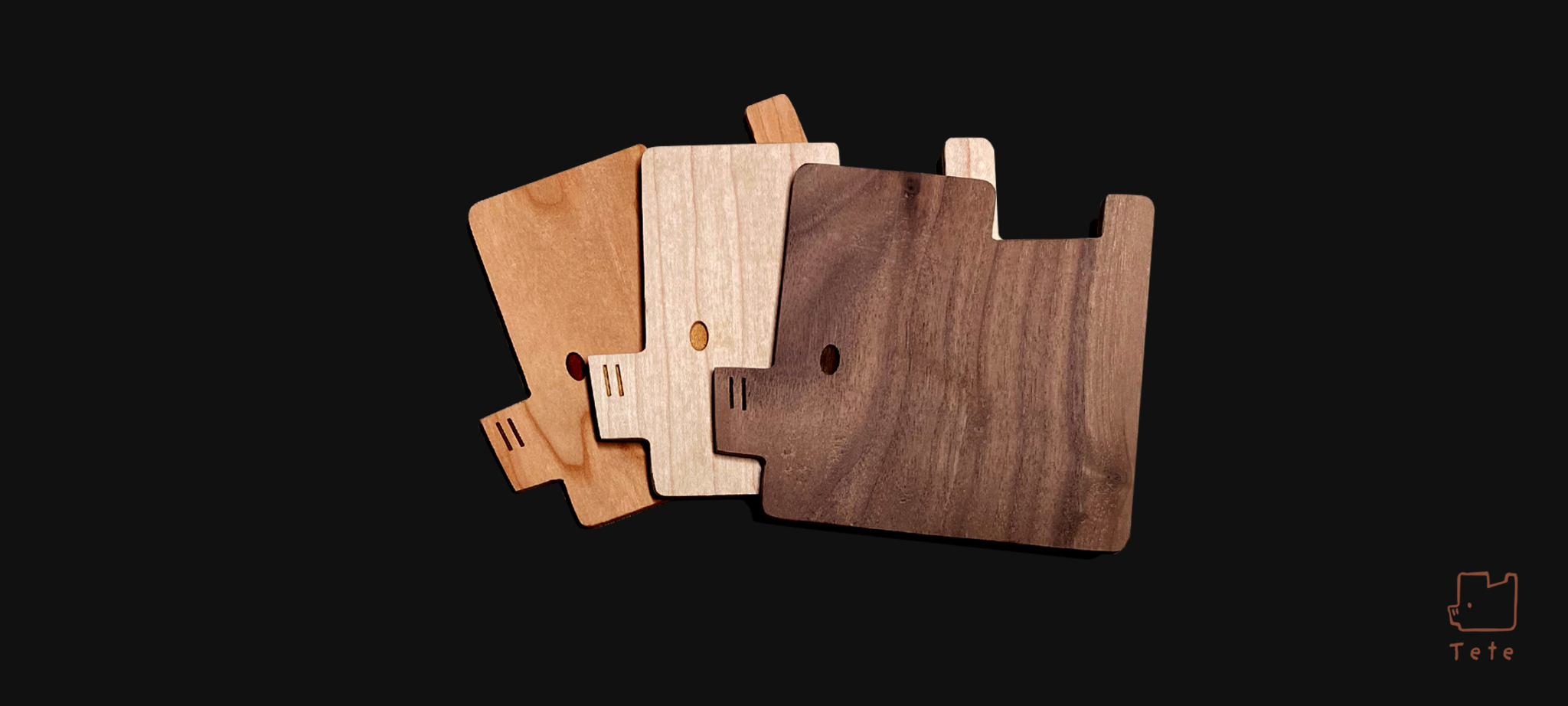
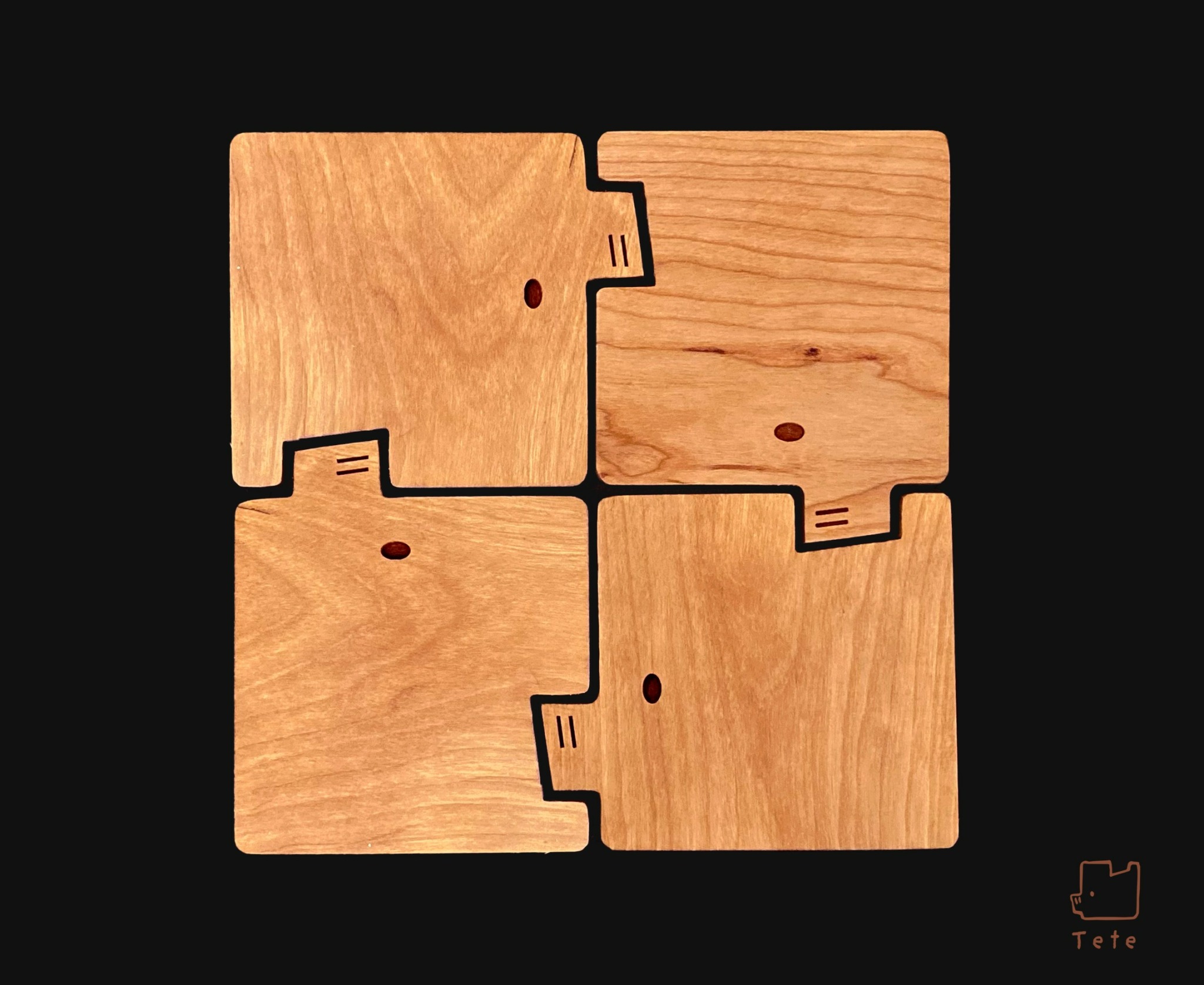
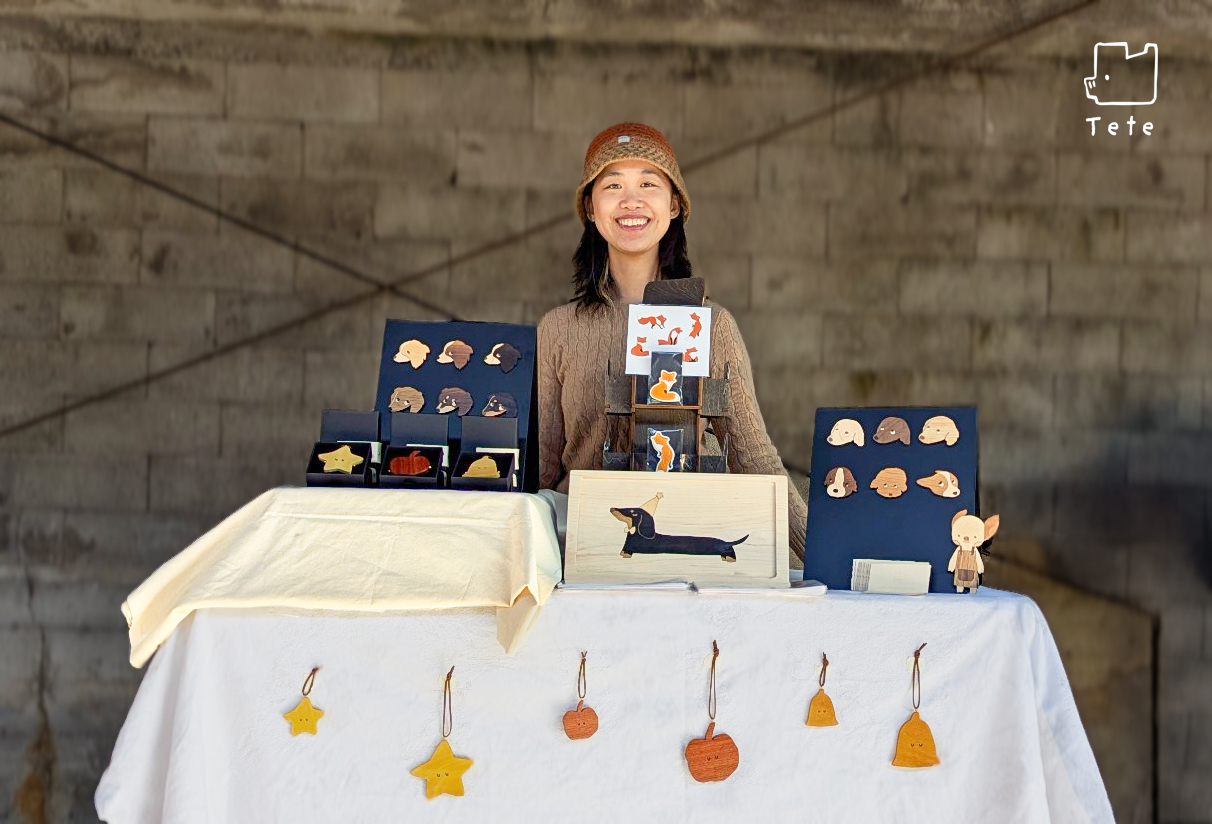
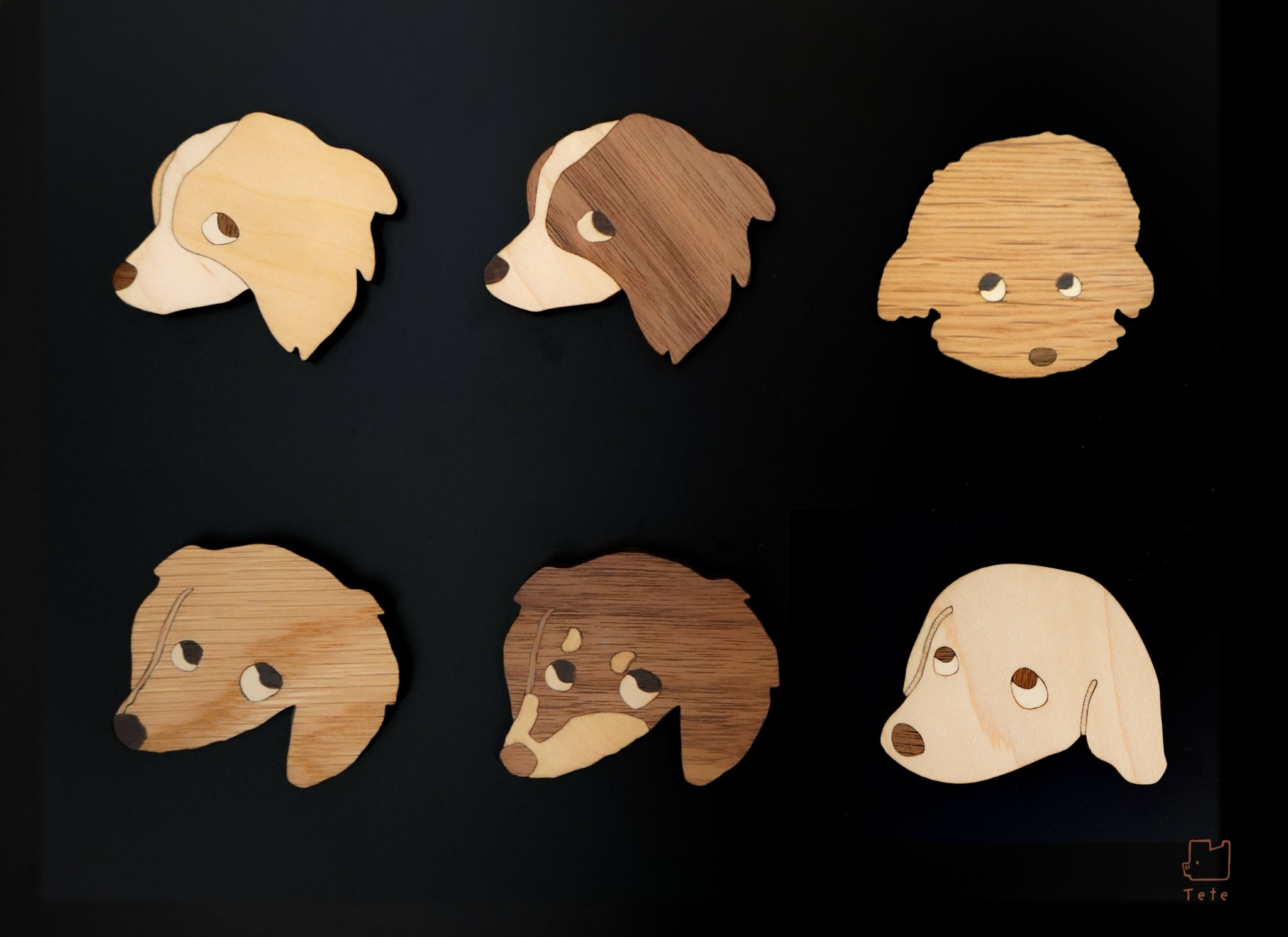
In my final year at ArtCenter College of Design, I participated in an art market organized by the school. That event became a turning point for me—it was where I earned my first real income as a creator. At the time, I was just starting my business and had designed and handcrafted my first set of solid wood coasters specifically for the event. To my surprise, they were incredibly popular. One moment that left a deep impression on me was when a girl bought the display set of coasters I had framed as decor. She said they were so beautiful that she wanted to use them as wall art.
Opportunities like these are invaluable. Most courses focus on teaching students how to enter an industry and become the kind of talent companies need. But for people like me, who dream of becoming independent artists, this approach can feel limiting. If I had known earlier that there was another path—one where I could thrive as an independent creator—I wouldn’t have hesitated to pursue it.
If I ever have the chance to teach a course, I would create one designed to prepare students for markets like this. It would focus on transforming artwork into sellable products, teaching essential skills like branding and advertising, and guiding students through developing their own booths for a real-world market as the final project.
Great, appreciate you sharing that with us. Before we ask you to share more of your insights, can you take a moment to introduce yourself and how you got to where you are today to our readers.
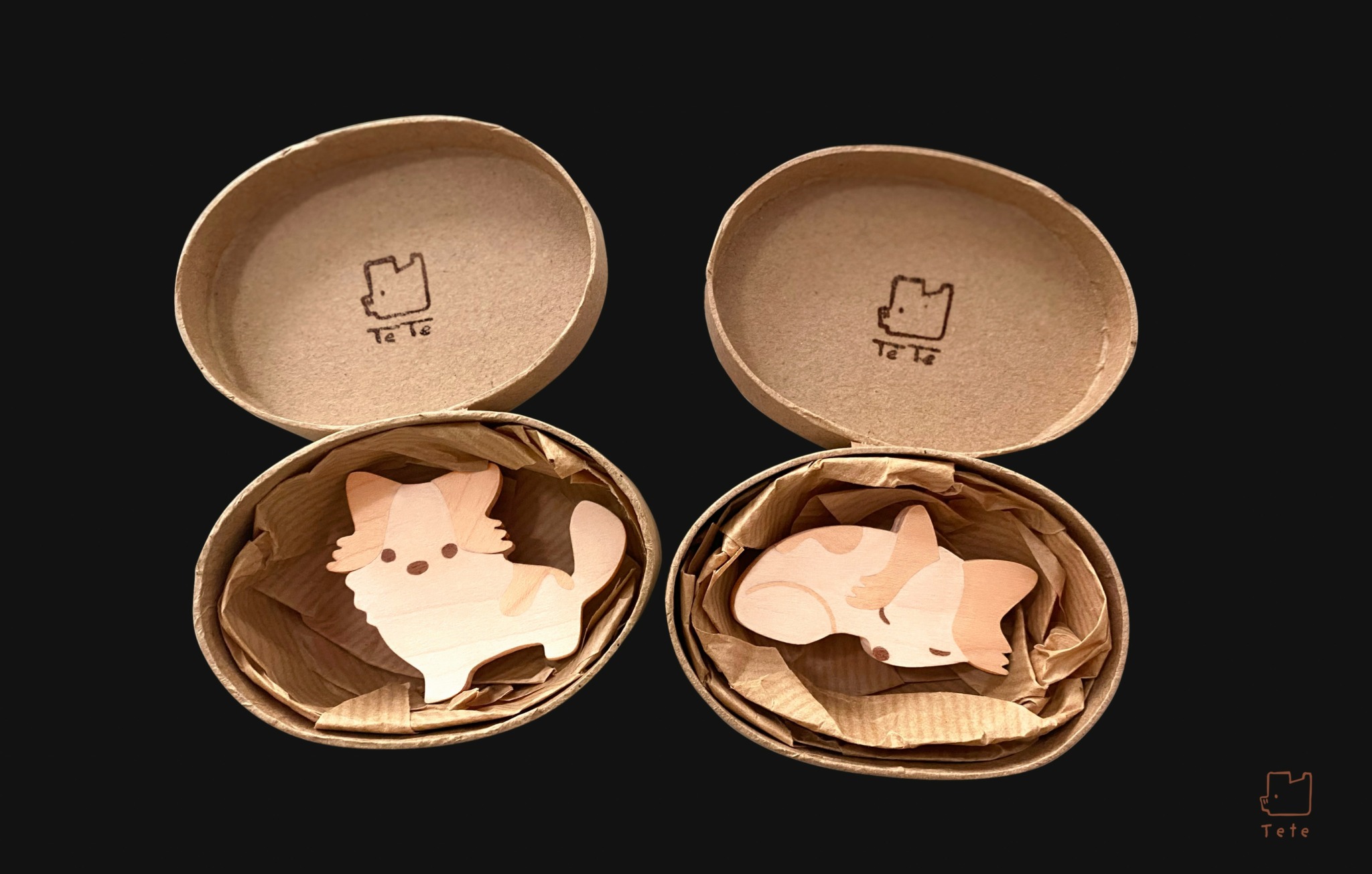
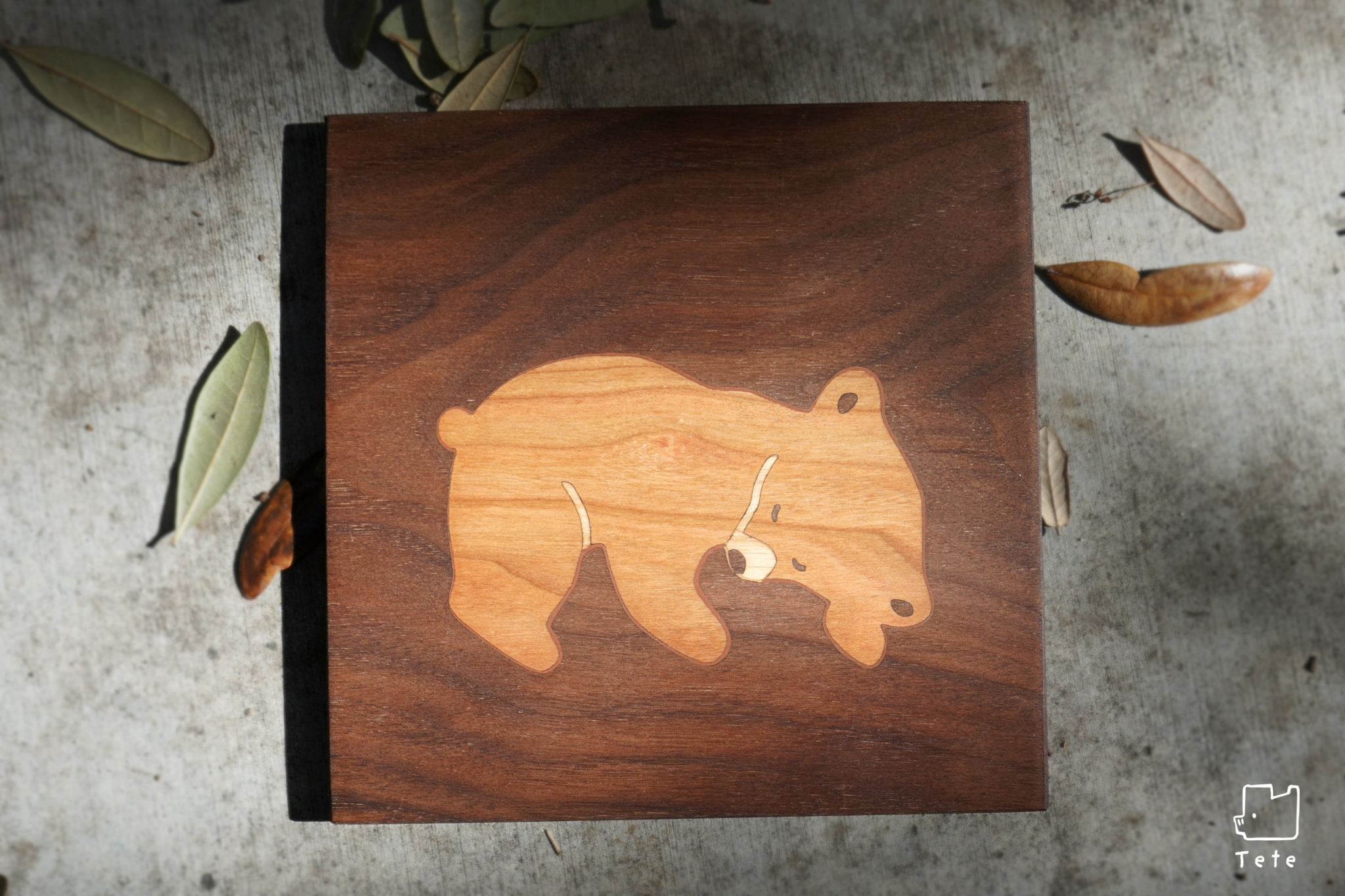
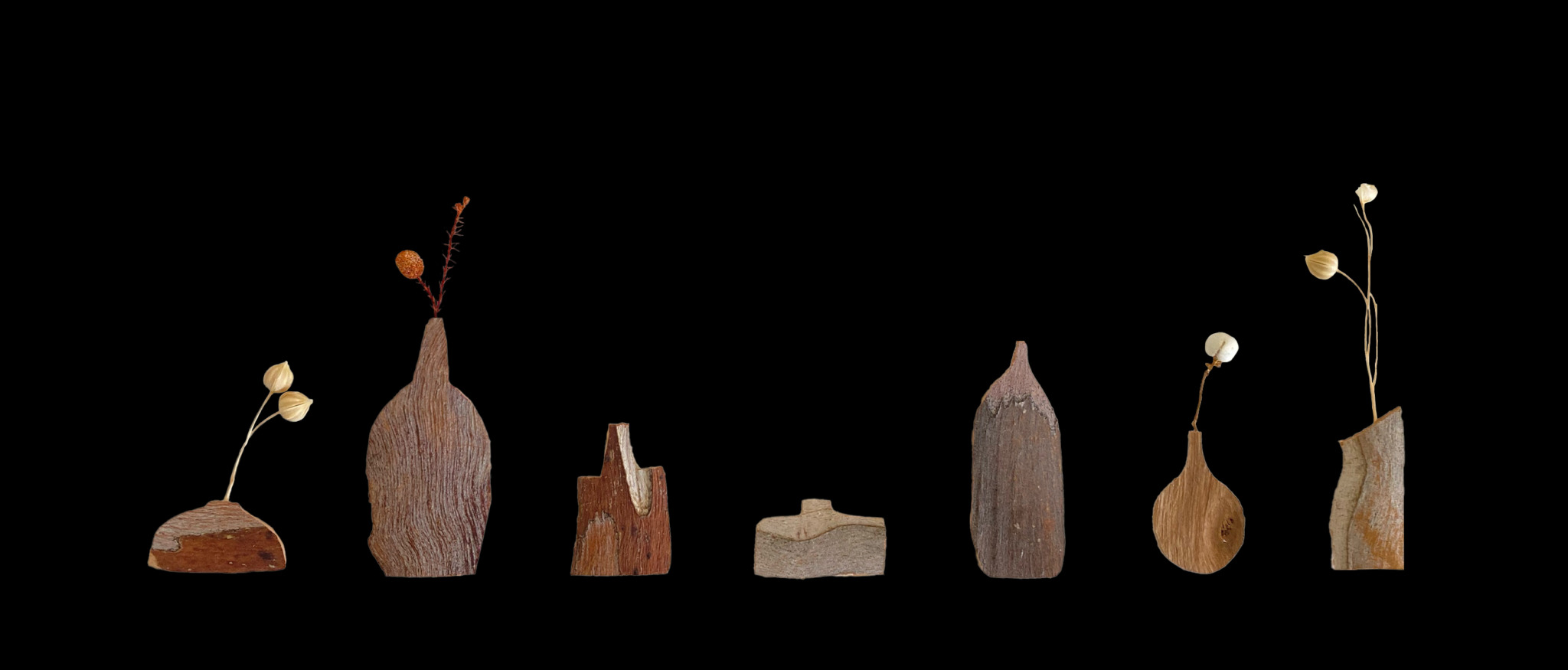
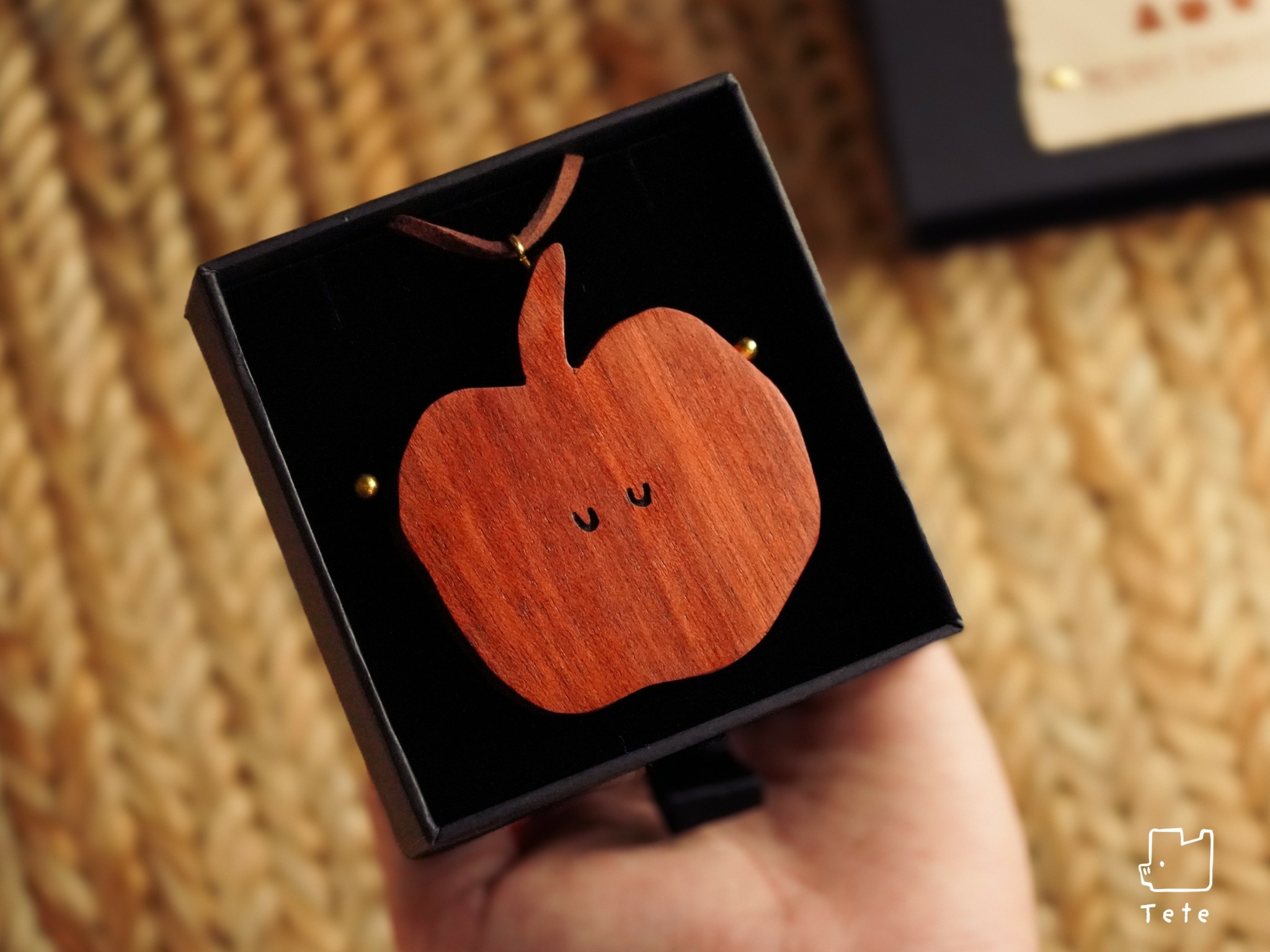
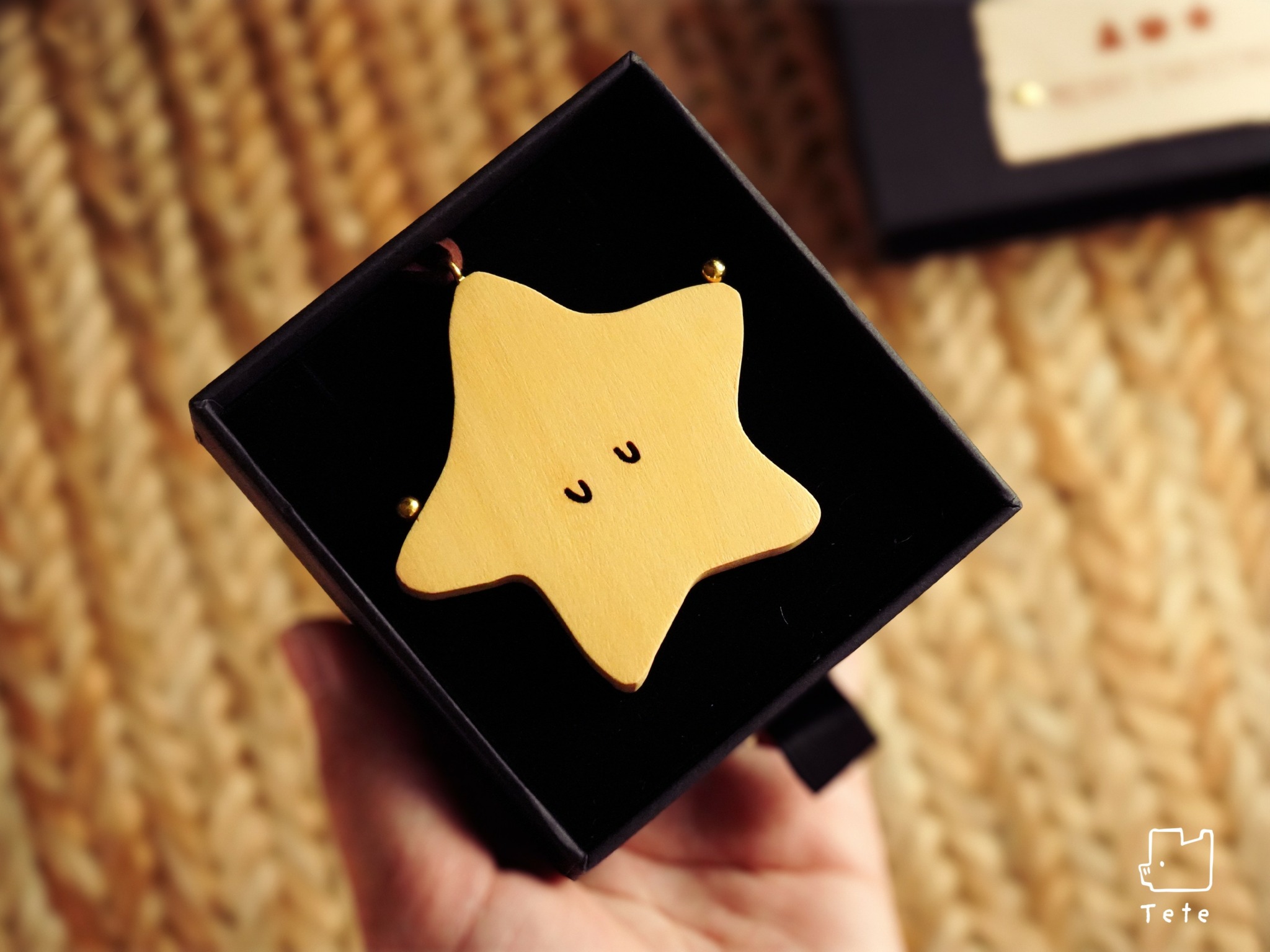
My name is Tete Song. I’m a woodworker and illustrator. I studied illustration at ArtCenter College of Design. Now I work full-time as a woodcraft designer, developing solid wood products for my own studio. My creations include wooden wall art, coasters, ornaments, fridge magnets, brooches, and more.
My journey into woodworking started on a whim—I signed up for a class to make a table. With my instructor’s help, I completed my first project: a beautiful nightstand. That experience made me realize that I enjoy creating physical objects much more than painting on the computer. I’m captivated by the natural beauty of wood grain, a quality I don’t think can be fully replicated in digital art. There’s also something incomparable about the sense of accomplishment that comes from holding a finished piece and seeing it glow in the sunlight. This newfound passion led me to take more woodworking classes and dedicate two years to self-study.
I’m proud to design and handcraft each of my pieces from start to finish. Not only are they made with high-quality solid wood, but they also carry a playful charm—something rarely seen in the world of woodworking.
Can you tell us about a time you’ve had to pivot?
My journey of transformation began with a deeper understanding of myself—what I truly enjoy and what doesn’t resonate with me. In the past, I struggled to make those distinctions. I assumed that because I loved drawing, I should love every drawing-related course. When I found certain classes unbearably challenging, I believed the problem lay in my lack of skill or effort and pushed myself harder to improve.
I vividly remember a course focused on linework, where we were tasked with creating rich and intricate lines like Albrecht Dürer. I poured 20 hours into a single piece, only to fall short of others’ three-hour results. Worse yet, I wasn’t even proud of what I created. I thought I just needed more practice to succeed. But even after a semester of relentless effort, all I felt was frustration. Eventually, I shared my struggles with the professor, and her response shifted my perspective entirely. She said, “Perhaps the purpose of this class is to help you realize what doesn’t suit you, so you can focus on what truly brings you joy.” Those words stayed with me.
Two years later, I finally understood my preferences. I gravitate toward simplicity, playfulness, and the tactile charm of handmade work. These traits naturally steer me away from the complex, structured aesthetics of Renaissance hatching. My inability to thrive in that style doesn’t define my value as an artist.
This realization gave me the confidence to lean into the styles and methods I love, knowing that my unique perspective is what truly sets my work apart.

Are there any resources you wish you knew about earlier in your creative journey?
At my school, where the curriculum leaned heavily toward industrial design, we focused on technical precision—drawing perfect lines, curves, and perspectives by hand. While I appreciated those skills, I yearned to explore other creative approaches. Online platforms like Domestika became a lifeline, exposing me to diverse techniques and fresh ideas.
One course, in particular, left a lasting impression. The artist used ink to fill a double-page spread in a notebook with abstract patterns. Just as I admired the intricate washes, he suddenly closed the notebook. My heart nearly stopped! But when he reopened it, the ink had fused across the pages in unexpected and organic ways, creating something entirely new and beautiful. That moment was transformative—it taught me that creativity isn’t just about control but about embracing freedom and unpredictability.
I believe there’s immense value in understanding the creative processes of others. It acts as a mirror, reflecting aspects of ourselves that we may not have discovered otherwise.
Contact Info:
- Website: https://tetestudio.shop
- Instagram: tetestudioart
- Other: Etsy: tetestudioart