

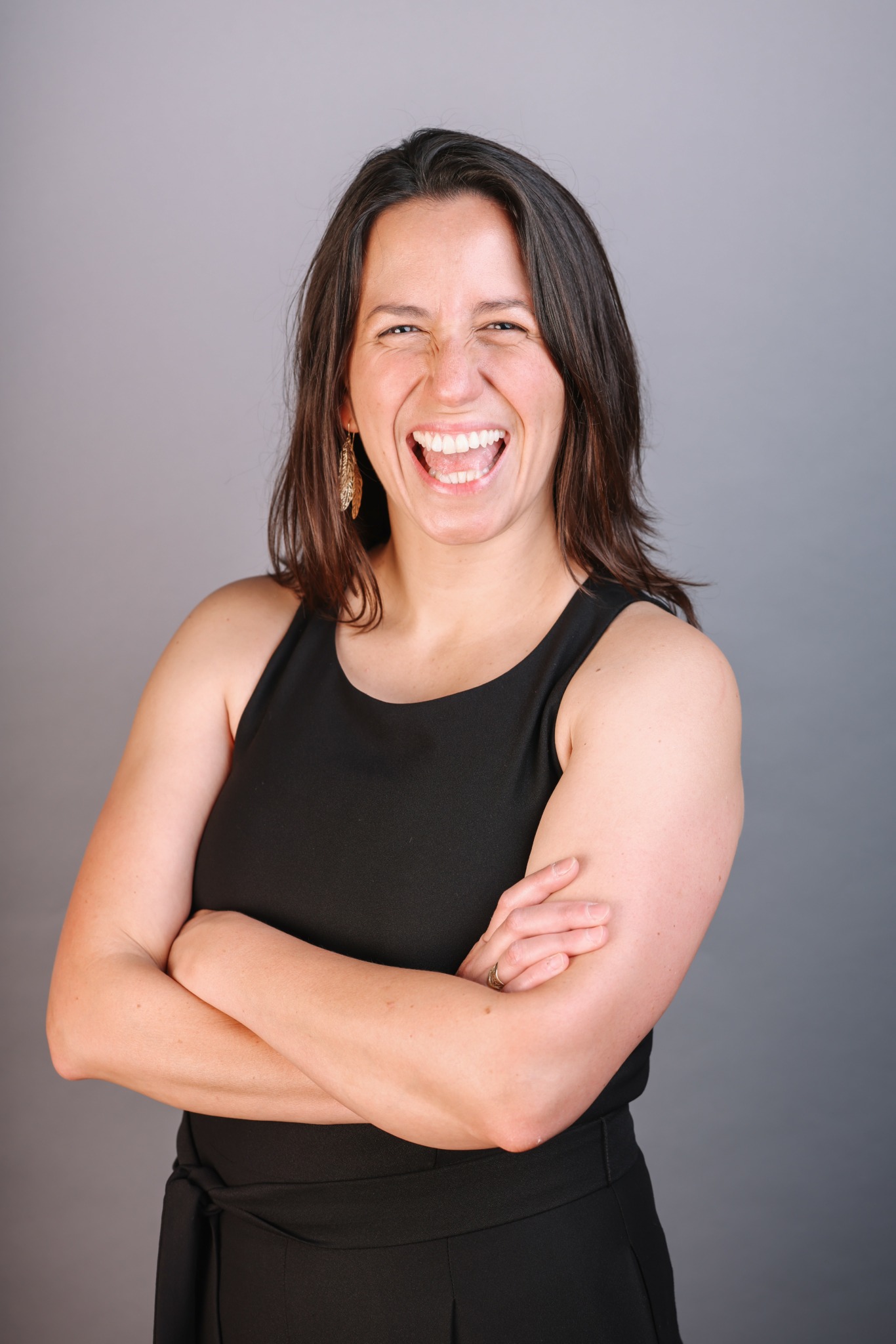

We’re excited to introduce you to the always interesting and insightful Teréz Iacovino. We hope you’ll enjoy our conversation with Teréz below.
Hi Teréz, thanks for joining us today. Can you talk to us about a project that’s meant a lot to you?
While I have been working in the cultural arts sector as an artist and curator since 2014, it is only within the past couple years that I have felt comfortable claiming my Puerto Rican identity and finding my place within the Caribbean and Latinx arts community both locally and nationally. Part of this is due to an upbringing shaped by estrangement from my Puerto Rican family and culture, resulting in a lack of access to Caribbean and Latinx communities. When I became a mother five years ago, I began a deep journey into reconnecting with my Diasporican (a portmanteau of diaspora and Puerto Rican) heritage, my Puerto Rican family, and the Puerto Rican community here in Minnesota. As someone who didn’t grow up with their Puerto Rican family, the culture, or the language, the birth of my son made me more deeply consider what I wanted to pass onto him. Culture is the stories we tell ourselves and I felt I needed to find the lost stories of my Puerto Rican family.
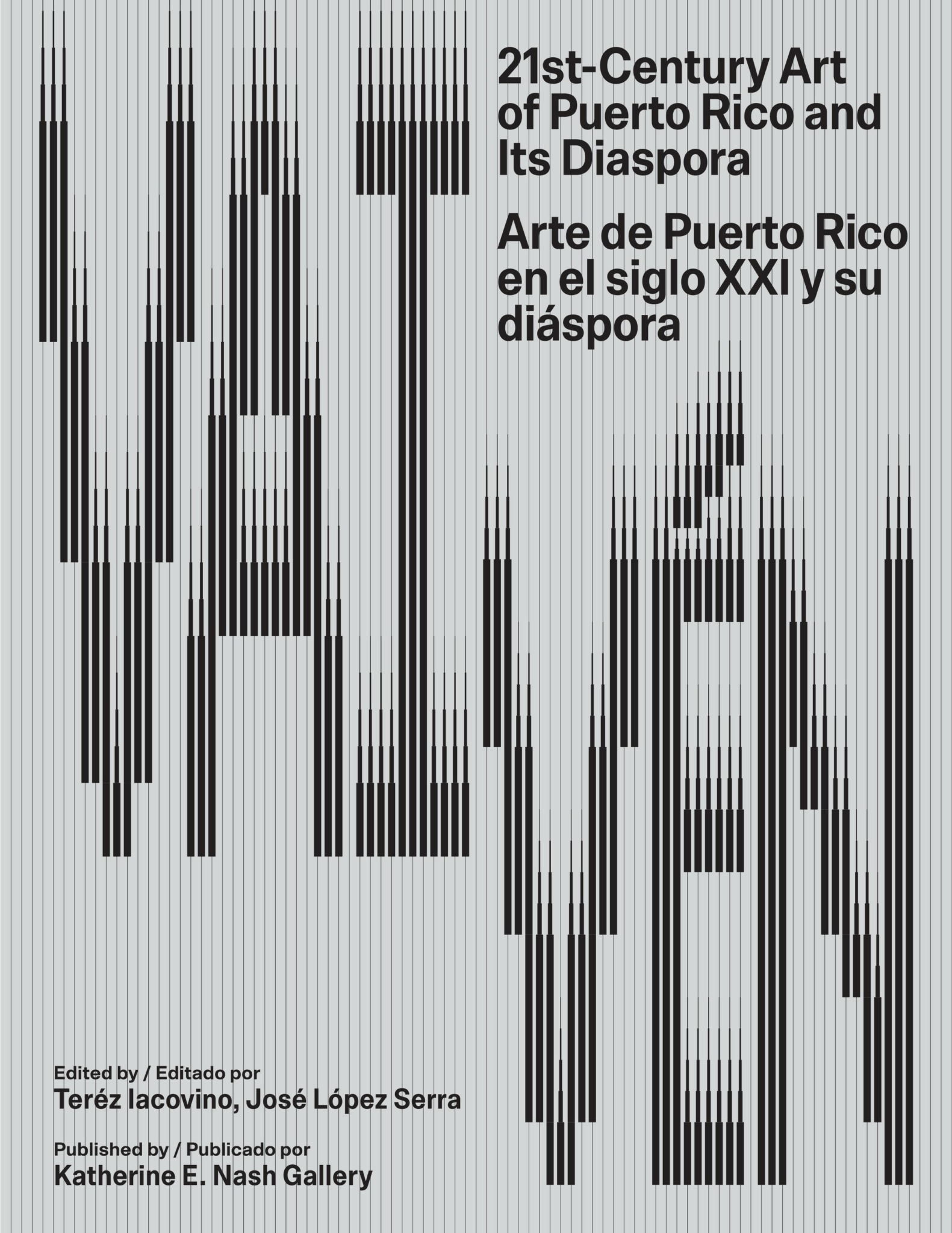
The most meaningful project I have worked on so far in my career, Vaivén: 21st Century Art of Puerto Rico and Its Diaspora, will debut at the Katherine E. Nash Gallery in September 2025 and is co-curated with José López Serra. Derived from Spanish for “back-and-forth movement, vaivén is most associated with the supposed ease at which Puerto Ricans migrate between the US and Puerto Rico. Beyond the comings and goings of travel, this word invokes something much more profound, naming decades of physical, cultural, and emotional ebb and flow that has resulted in more persons of Puerto Rican descent living across the fifty United States than in Puerto Rico itself. To be “of Puerto Rico” is to be inextricably linked with diaspora, Black and Caribbean epistemologies, and a constant reimagining of home and belonging. In response, the exhibition and accompanying catalogue gathers forty-three artists whose work bears witness to a quarter century of cultural, political, and migratory oscillations, while challenging dominant cultural narratives of “island” post-disaster resiliency versus “mainland” diasporic neither-here-nor-there identity. By tracing conceptual and aesthetic intersections across a range of approaches to image- and mark-making, sculpture and installation, and sound and video, artists in the exhibition explore the hybridity of memory, language, place, and ancestral knowledge as they relate to acts of witnessing, resistance, and connection.
When starting the initial research for this project, it was important to me to find a collaborator who had a completely different perspective and was deeply embedded in Puerto Rico’s contemporary artistic production. When I started following the work of Hidrante “a no budget space” founded in 2015 during the ongoing debt crisis by an artist who was building a curatorial practice, I knew I had found my person in José. Our curatorial investigation embodies vaivén as a dialogue across Puerto Rico and its diaspora in an effort to document new constellations of artists who challenge geographic and cultural authenticity, racialization, and classism, that have shaped which voices define Puerto Rican contemporary art, and which continue to be devalued.
Teréz, before we move on to more of these sorts of questions, can you take some time to bring our readers up to speed on you and what you do?
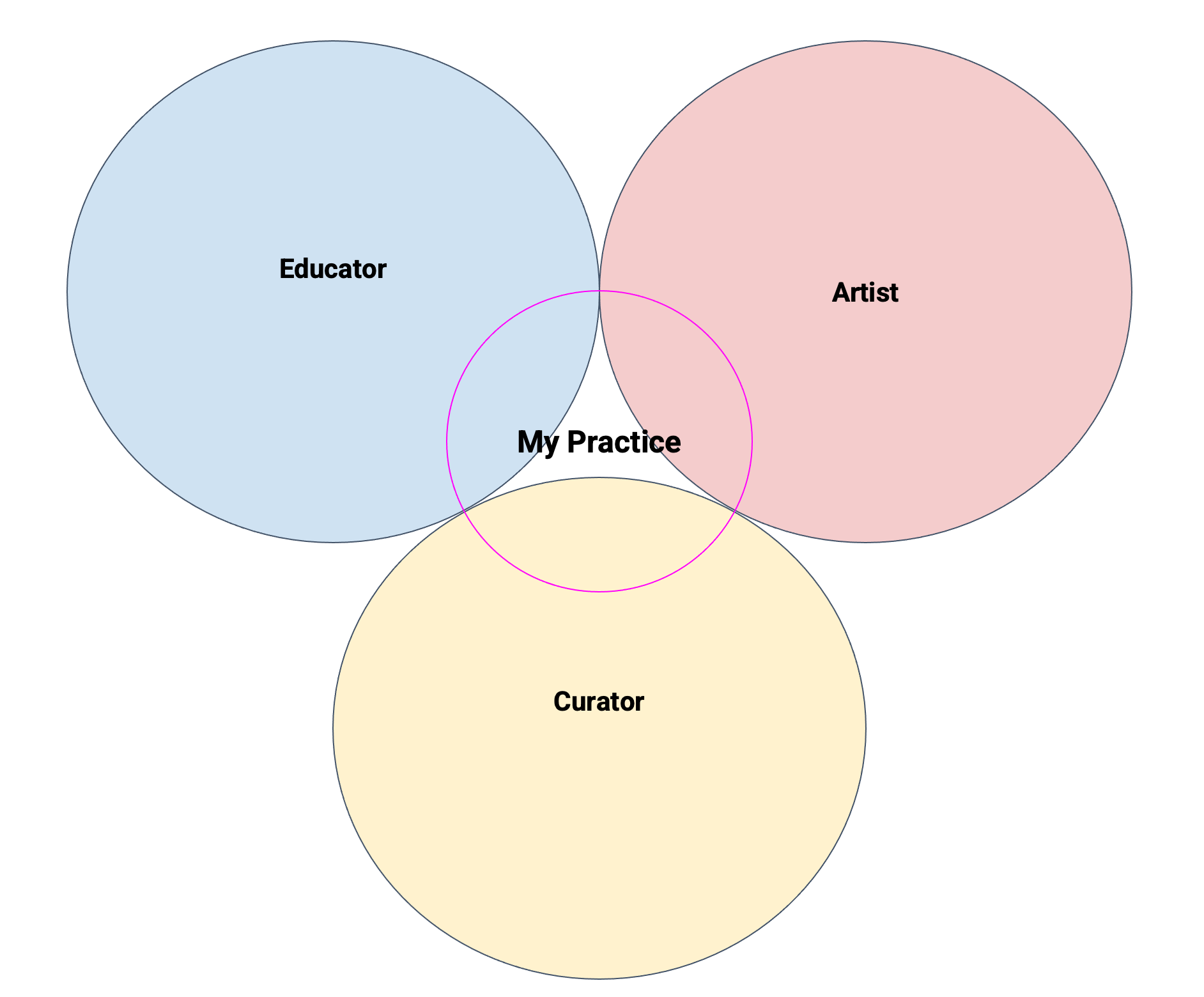
Growing up in a multigenerational household in upstate New York with my mother and grandmother, I learned the importance of caring for one another and working cooperatively from a young age. My mother, a nurse by night who longed to spend her days in the library, always encouraged me to do what I love. What I grew to love was art—making it, experiencing it, talking about it, caring for it—coupled with a love of learning. This would eventually lead me to move to Minnesota to pursue an MFA in studio art and I have now lived and worked in Minneapolis for the past 14 years.
My background differs from most curators in the gallery and museum field as I fell into curation as an artist as opposed to arriving at it as an art historian or scholar. I currently work as the Assistant Curator of the Katherine E. Nash Gallery housed within the University of Minnesota’s Department of Art. An especially unique facet of the Nash is that all of our exhibitions are installed with a small, close knit team that includes undergraduate and graduate students. We center learning by doing and embrace an apprenticeship model through one on one mentorship. Back in 2012, I was one of those very graduate students working in the gallery and that experience opened a door that I otherwise would never have stepped through.
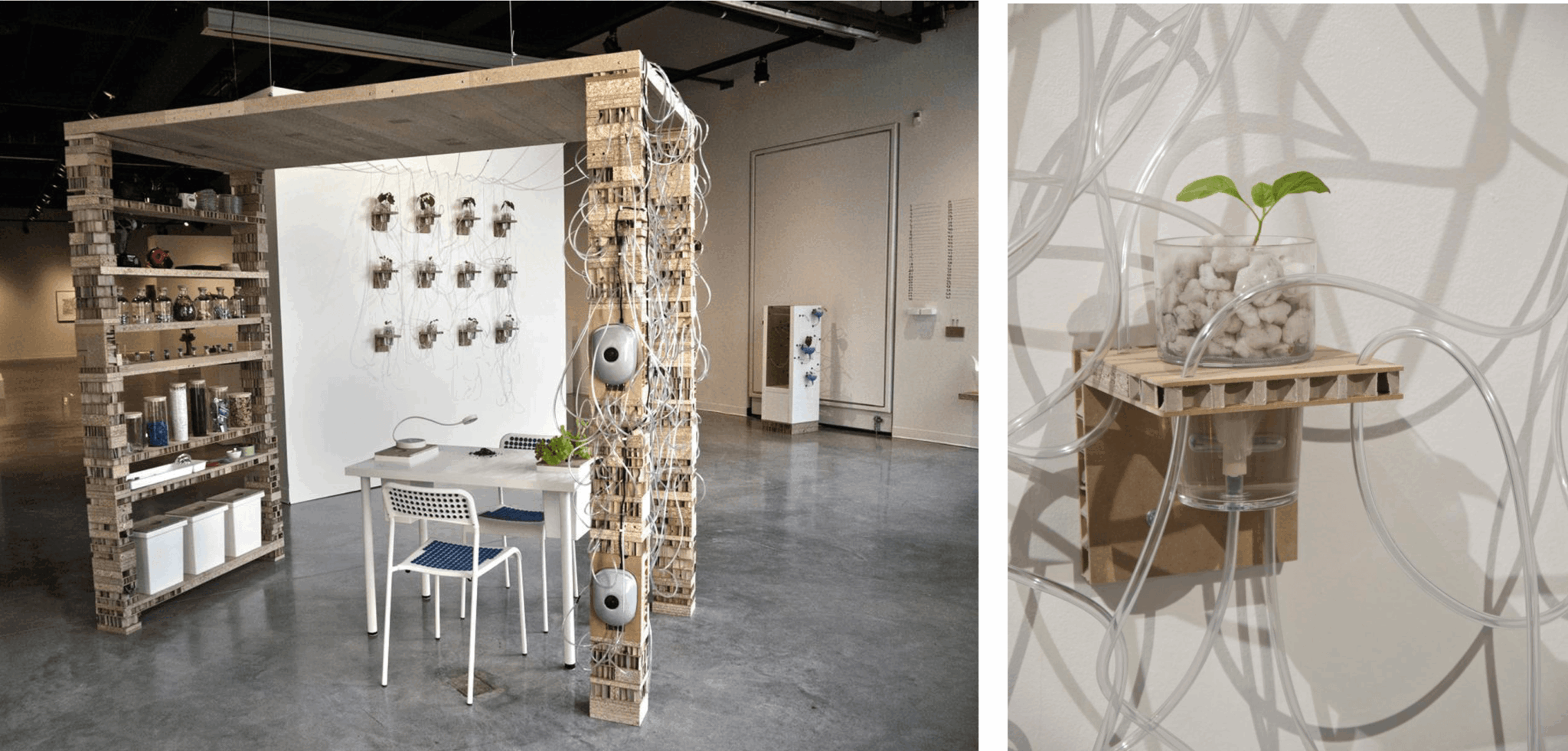
Within my artistic practice, I’ve always had this interest in place and love the act of collaging, often creating works by cutting and rearranging found images or objects to find new connections between them. In many ways, that’s what I do now as a curator. I bring things together that other people might see as unrelated, and I find the connections and threads between them to generate new understanding and empathy. I feel that empathy, the ability to understand and share the feelings of another, is crucial to building strong relationships and learning about the world we all share. It drives what I do as a curator and the stories I want to help tell. Over the years, finding my curatorial voice has been a transformative and humbling process that is continually shaped by the artists I work with, the students I mentor, and my experience as a First-Gen graduate working in academia. This perspective guides my curatorial mission to cultivate empathy for, give voice to, and take risks with underrepresented artists.
Can you share a story from your journey that illustrates your resilience?
As a First-Gen graduate working in academia it is often an environment that fuels “imposter syndrome” and predicates itself on a very hierarchical culture that can be difficult to navigate, especially as a young woman. When initially starting out as a curator and educator in my late twenties, I would often come into conflict with male students or older non-traditional students who consistently questioned my knowledge and capabilities in the classroom. At the time, I instructed an internship class on gallery installation and art handling, which are skills often held by cis men within gallery and museum settings. I would often navigate this challenging dynamic by reiterating to the cohort the importance of intergenerational learning, which means we must leave our assumptions about others at the door, as all of us in the classroom are at different points within our professional and artistic careers. Access to learning hands-on technical skills, installation practices, and exhibition design is especially crucial for women and non-binary folks in a technical field that is often dominated by their cis-male peers. Now over a decade into my career, those early challenges I faced as a young woman have enabled me to find my strengths as a mentor to the next generation of professionals who are passionate about museum and gallery work.
We often hear about learning lessons – but just as important is unlearning lessons. Have you ever had to unlearn a lesson?
They say anything worth doing isn’t easy, and every year comes with new challenges. As a working parent, I constantly have to assess what I have the capacity for in my work life and my home life. This means acknowledging that I have to be far more strategic with what I want and not what someone else wants for me. In this way, I’ve had to unlearn myths about what I “should” want and how to untangle my identity from my job. For artists and creatives who are also working parents, so much of those early years with our kids is mourning the loss of who we were, but also embracing this new version of ourselves. For me, becoming a parent has helped me to direct my energy to the things that I really care about and that give back to me. Connecting with artists and learning about their lives, their passions, and their challenges brings me so much joy. It reminds me that we’re all in this together and that to really know each other is to show love for each other.
Contact Info:
- Website: https://tereziacovino.com/
- Instagram: https://www.instagram.com/tereztheroof/
- Other: https://cla.umn.edu/about/directory/profile/iaco0030
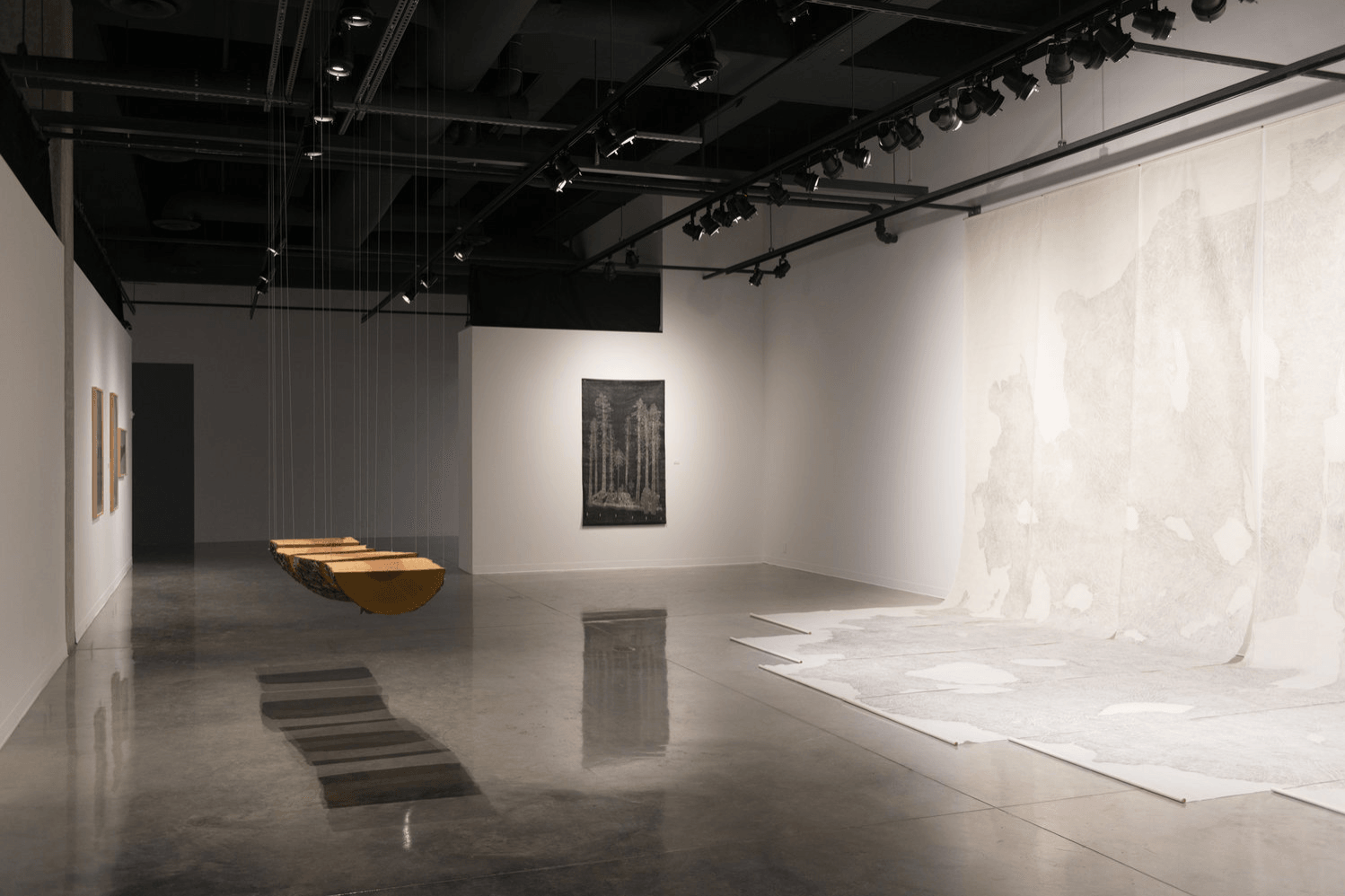
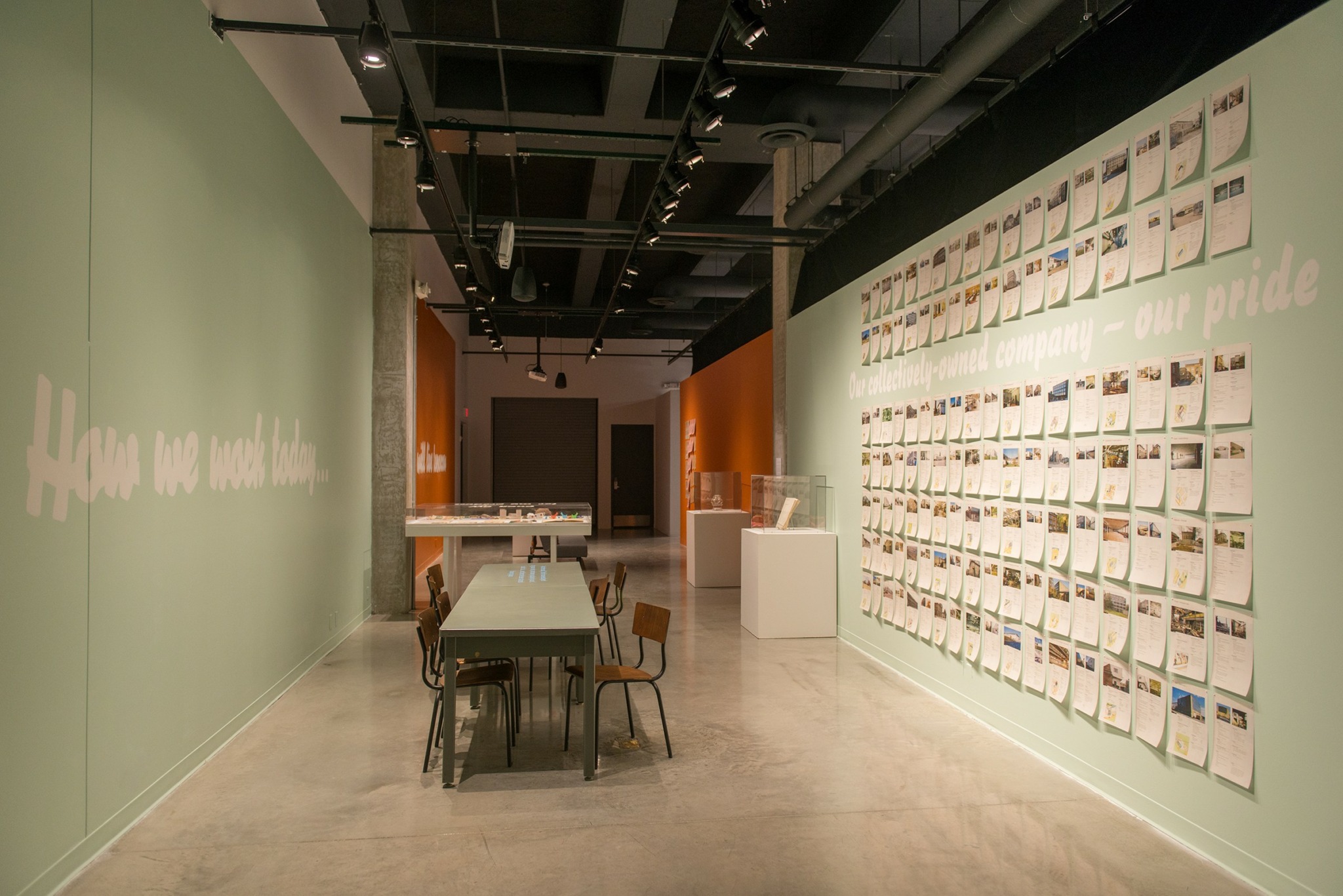
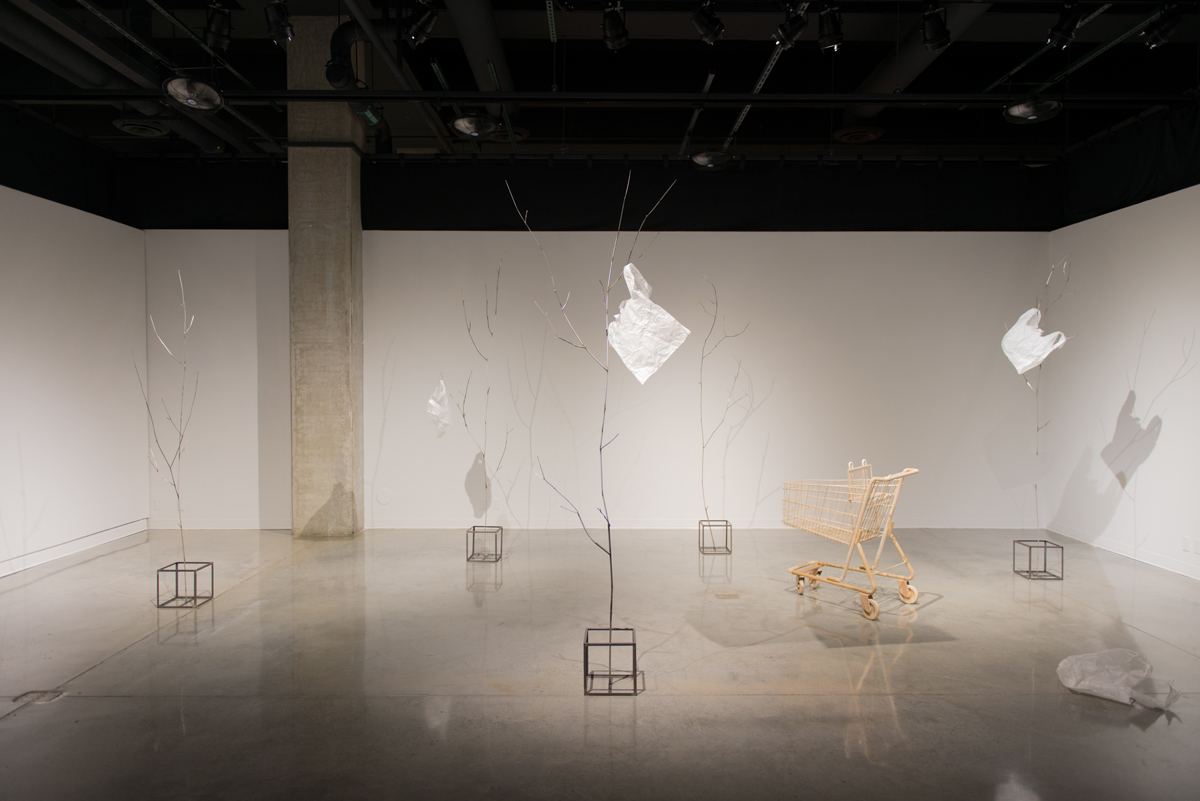
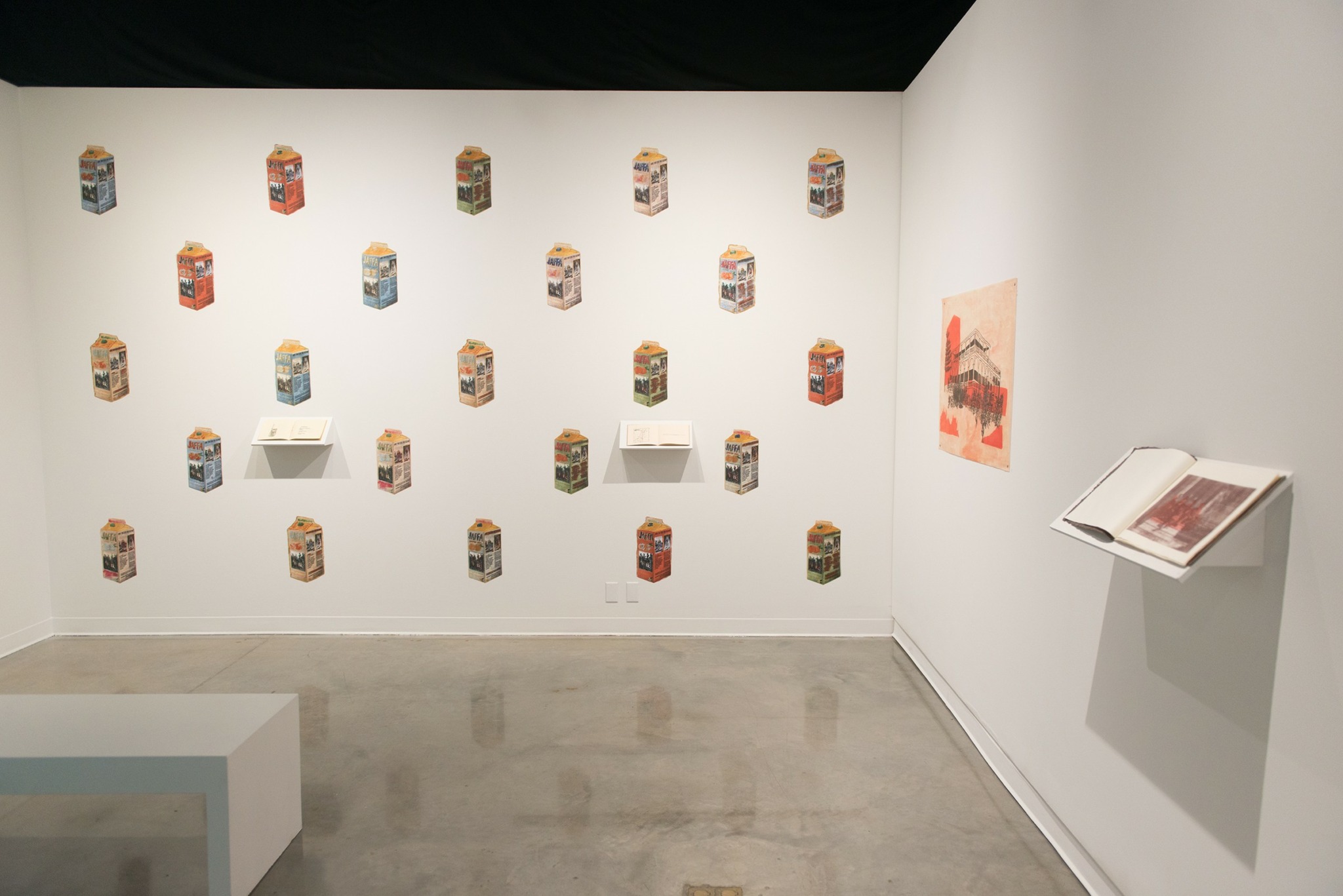
Image Credits
Heatshot: Vanessa Velazquez Photography
Gallery installation images: Easton M. Green
Other images: Teréz Iacovino