

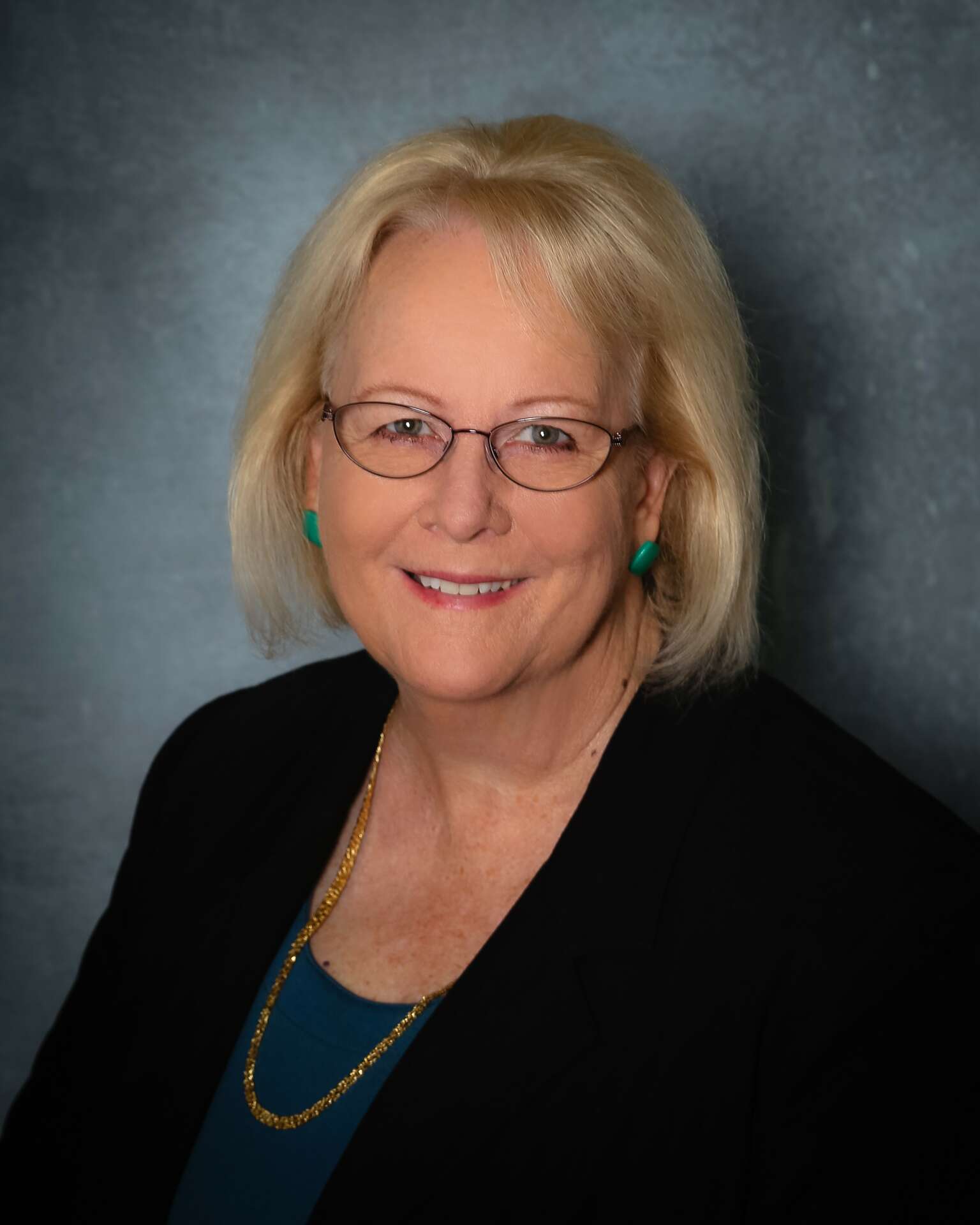

We recently connected with Teresa Orton and have shared our conversation below.
Hi Teresa, thanks for joining us today. Let’s start with important influences in our lives. Is there a historical figure you look up to?
My great, great grandfather, Erastus F. Snow, was given the responsibility to settle Southern Utah and make sure that the settlements survived. It was a tremendous undertaking that required considerable skill to organize the necessary people in many areas and to keep them motivate to carve out a life in a new and inhospitable land.
As I have learned about my early ancestors, along with Erastus Snow, I can appreciate the difficulties they faced on a daily basis. Their faith in what they were doing and their tenacity in staying true to the mission are things that I admire and try to emulate. They were honest, hard working and dedicated to making a new life here when they came from much better circumstances. They were able to build something using only their skills, communications and togetherness. I admire their ability to sustain a lifestyle in such adverse conditions.
I often compare the worries of today’s world with what those early pioneers went through and I think we have it much easier now.
As always, we appreciate you sharing your insights and we’ve got a few more questions for you, but before we get to all of that can you take a minute to introduce yourself and give our readers some of your back background and context?
As a fifth generation resident of St. George, UT, I was raised in a small, hardworking but poor community. There wasn’t much wealth or wealthy people here and everyone seemed to be in the same situation of not having a lot and working hard for what you did have. I grew up in a family business and everyone in our family worked and did so at an early age. When I had my own family, we struggled just to have the basics of a home, food and a job. I had the opportunity to move my family to California and work for a large corporation and I learned so much about the world outside of my small beginnings.
As my work career advanced and I took on different roles, I began to learn more about how businesses, mainly startups, were organized and operated. I was in an Administrative role in several companies. This was invaluable to me later on. When it came time for my family to move back to St. George, I joined an organization called Daughters of Utah Pioneers. This was important to me because I have always been interested in history and especially local history. Once I was a member of the DUP, I was asked to take on the position of Museum Director for the local Pioneer Museum owned by the DUP.
When I began as the Director, I had a lot to learn because I had not had any experience with museums and how they operated. This began to open up a whole new world for me which I quickly began to love. The Museum was 80 years old when I took over and although changes had been made it still was being run the same as it had been 40 years before. New technology was not being embraced. This was my bailiwick. I started creating five and ten years plans and ways to use new technology in the museum. Because I was so new to the museum world, I starting attending workshops, classes and seminars that were offered around the State, which made it possible for me to meet many people who were involved with museums. This has been a great help to me as I was (and still am) learning how to better our museum.
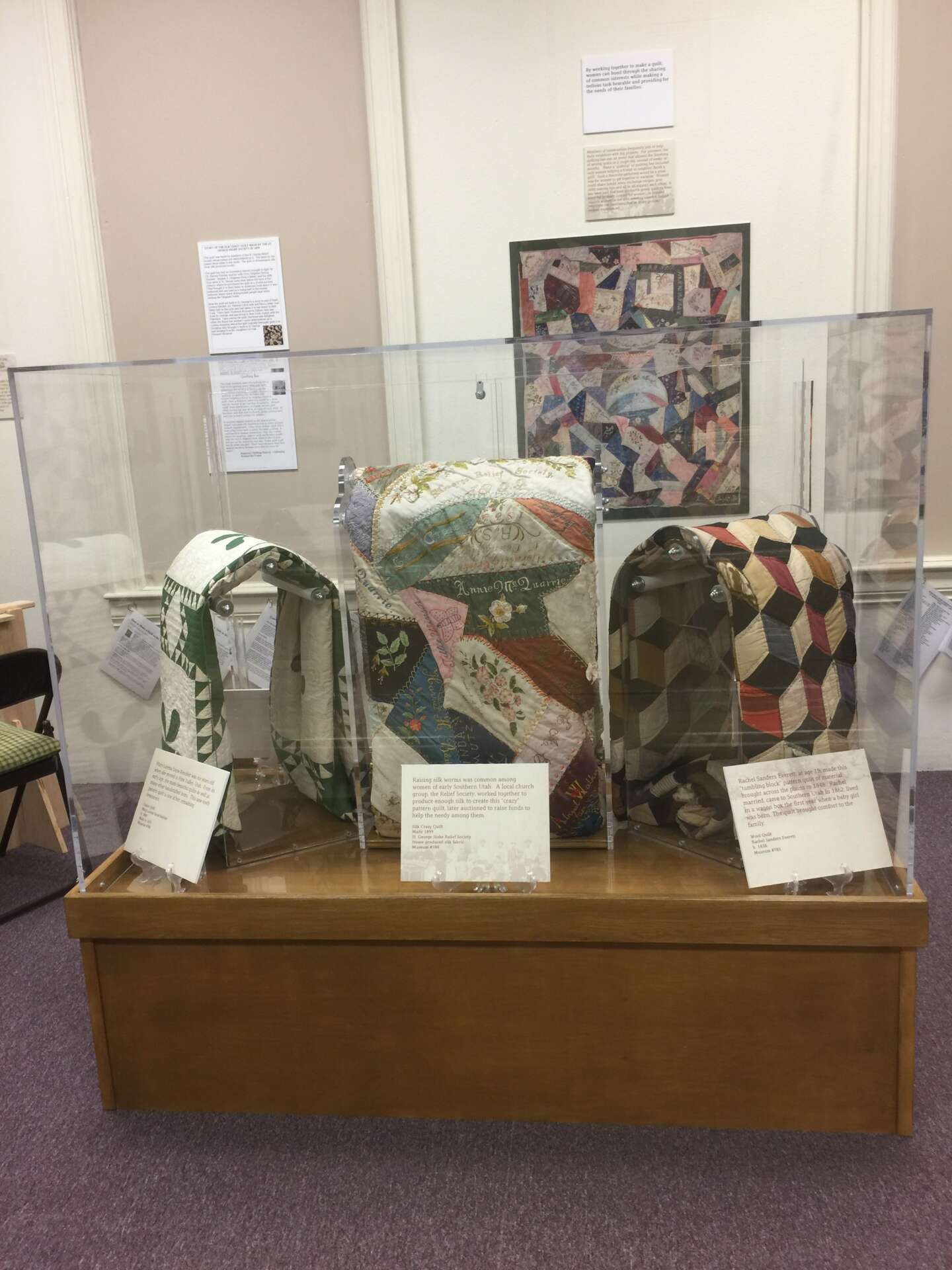
It was a one person show when I took over and now have a staff of 6 people and we have developed our Board to 11 people. We went from only have 2000 visitors a year to 9000 visitors last year. Even through COVID we were able to stay open and had about 50% of the previous years attendance. Through grants I have written we have been able to make many changes in our museum and create special displays that highlight certain artifacts and tell their unique stories. A visitor once said to me, “I was here about 20 years ago and didn’t think anything had changed but what a surprise to see it is not just an antique store atmosphere but a museum where I can learn about early Pioneer life.” One of my first goals was to make our museum a fun, interesting and educational place to visit so no one left without learning at least one new thing. It took a lot of work to clean, re-design displays and create signage to tell our stories but it has been well worth it.
Probably, one of the biggest benefits to me is the sense of satisfaction I get when I see people enjoying the museum and wanting to come back again. I feel such a connection to the pictures and artifacts that we have because many of them are my ancestors and I can picture them using some of the artifacts daily.
Have you ever had to pivot?
When I became the Director of the Pioneer Museum, I came in as the new kid. I was a new member to the organization of Daughters of Utah Pioneers and the Museum had been in existence for 80 years. There was a lot of tradition involved. So, I took my time to learn about how the museum had been running and I thought I would probably stick to that but maybe make some small changes as time went by. The first task was to organize all the paperwork for the museum because they didn’t have a central place and important documents were not in one place. Once I started getting the documentation in order and, of course, reading through them I began to form a picture of how things were handled and it gave me quite a shock that they had not run into difficulty before.
So I made a 5 year plan which outlined changes in the organization of the museum documentation, accounting, collection management and Board of Directors responsibilities. This amounted to a very large pivot for everyone involved in the Museum. Some felt that we were breaking tradition, some were afraid of new technology and just change in general. I had to sell my plan on a daily basis to everyone involved. Many times, I had doubts about what I was doing and if it was right because of the resistance I encountered but I believed in my plan and just keeping working the details a bit at a time.
It took several years and changes in the people who served in different positions, plus my continued learning of best practices for museum, but we finally were able to make all of the changes I had outlined and more.
How’d you build such a strong reputation within your market?
Our Pioneer Museum is the second largest Pioneer Museum in Utah that is owned by the Daughters of Utah Pioneers. Recently we were referred to as the ‘Flagship” of the DUP Museums, which was a great honor. It has taken many years to gain the recognition that we have.
When I started at the Director, marketing of our museum was not existent and our patronage was shrinking. Visitors weren’t returning because it didn’t change, was dusty and not inviting. We needed to find a way to get more visitors and get folks to want to come back again.
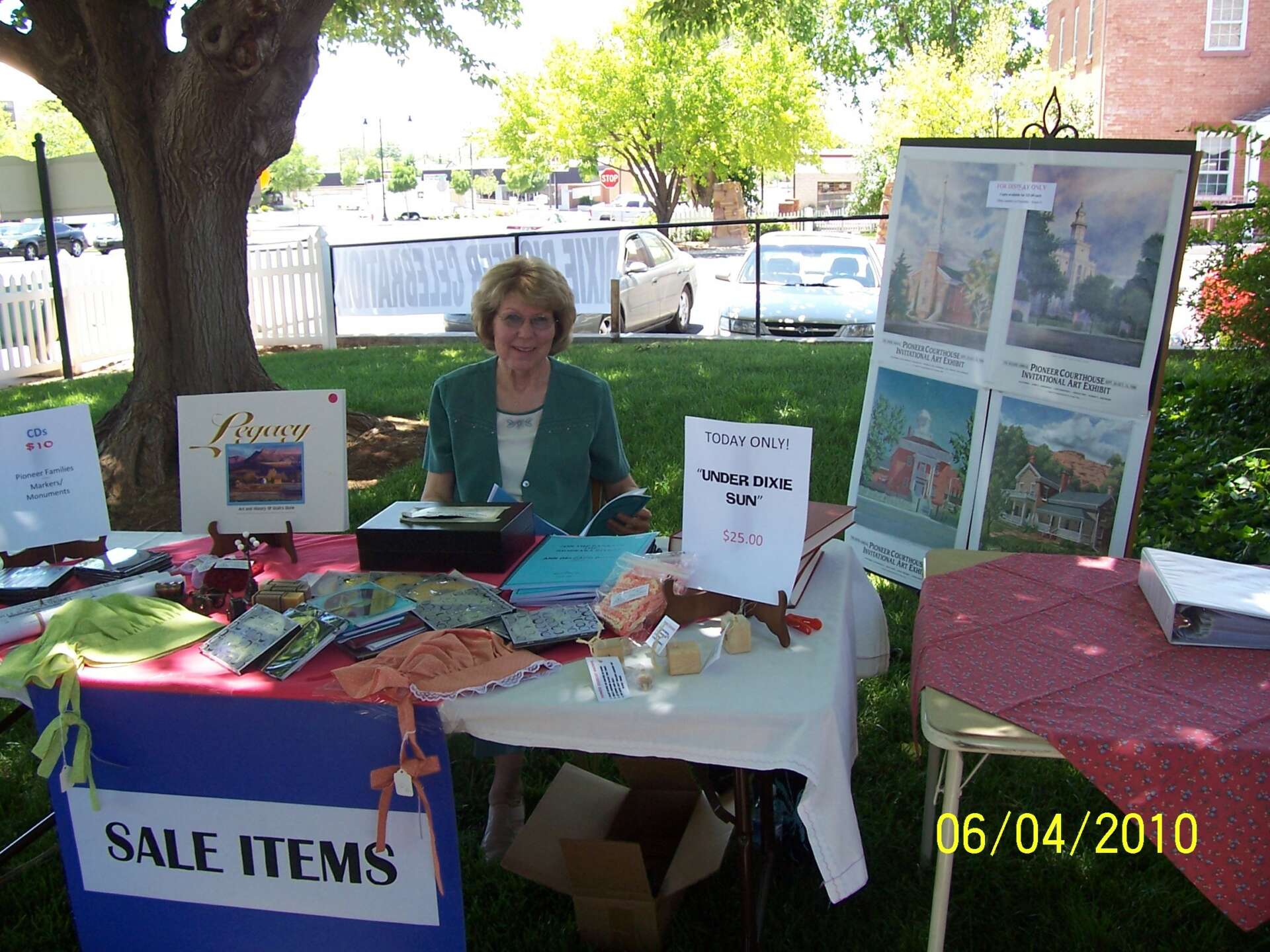
We started a cleaning process for the displays, new signage and re-designing new displays. We began having special events at the museum, free of charge, that gave presentations about pioneer life and other topics we thought would bring people in. It took some time to get events that were of interest to the public but now we have presenters approaching us to be part of our event season.
We have several article programs that we publish in the newspaper about our events, our artifacts and new things happening at the museum. We are publishing with schools, online news sources, and online event calendars. We have a new Activity Display of interactive items that visitors can have a hand-on experience.
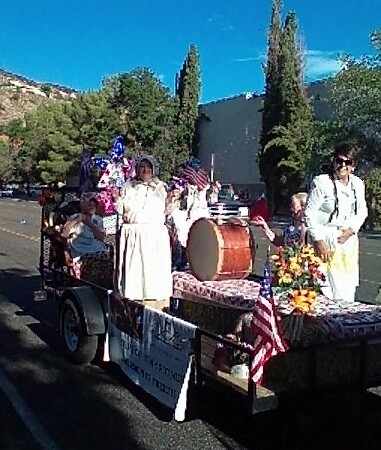
Our reputation has grown so that we are becoming a fun, free, family friendly destination place to learn about history.
Contact Info:
- Website: dupstgeorge.org
- Facebook: DUP McQuarrie Memorial Museum
Image Credits
Daughters of Utah Pioneers, McQuarrie Memorial Museum