
We caught up with the brilliant and insightful Tennille Olatunji a few weeks ago and have shared our conversation below.
Hi Tennille , thanks for joining us today. Alright, so you had your idea and then what happened? Can you walk us through the story of how you went from just an idea to executing on the idea
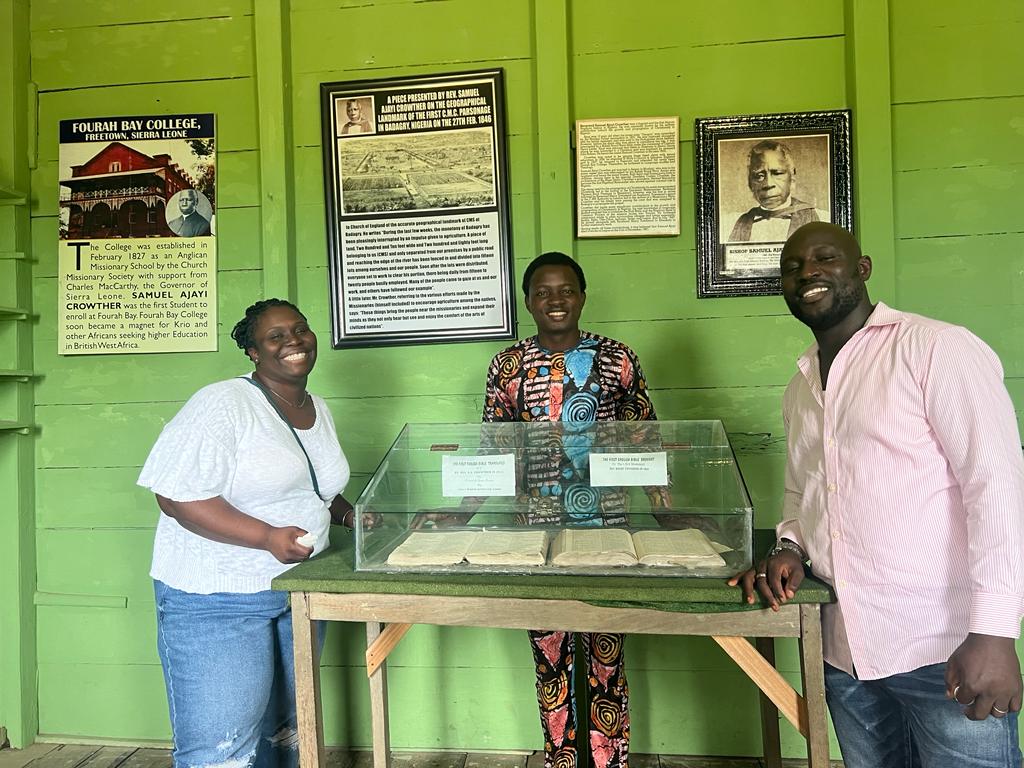
Honestly, it all started pretty simply—I had this idea in my head that I just couldn’t shake. I’ve been to Nigeria with my family, so I’ve seen firsthand both the richness of the culture and the challenges entrepreneurs face there. That trip planted a seed for me, because I couldn’t stop thinking about all the talent and creativity that wasn’t getting the visibility or support it deserved. The idea kept following me around, and I finally reached a point where I told myself, okay, either you’re going to do something about this, or you’re going to keep talking about it forever.
The very next step wasn’t glamorous—it was a lot of research and a lot of note-taking. I started looking into what it would mean to set up a nonprofit, what structures I needed in place, and what gaps I could realistically fill without overpromising. I had to figure out things like paperwork, what kind of partners I wanted to work with, and how to explain my vision in a way that made sense to other people.
In the early months, it was a mix of excitement and trial-and-error. I talked to a lot of people, asked questions, and leaned on my network. Some days it felt like I was moving fast—connecting with entrepreneurs, hearing their stories—and other days it felt like I was buried in forms and logistics.
One of the biggest shifts was realizing that the “idea” only became real when I started having actual conversations with entrepreneurs in Nigeria. That’s when it clicked: this isn’t just a concept, these are real people with real businesses who can benefit from support. From there, it was step by step—getting the nonprofit officially registered, setting up a structure, and slowly building partnerships.
So if I had to sum it up, the process was less like flipping a switch and more like laying bricks one at a time. It was a lot of listening, a lot of figuring things out as I went, and being willing to start small but keep moving forward.
Tennille , love having you share your insights with us. Before we ask you more questions, maybe you can take a moment to introduce yourself to our readers who might have missed our earlier conversations?
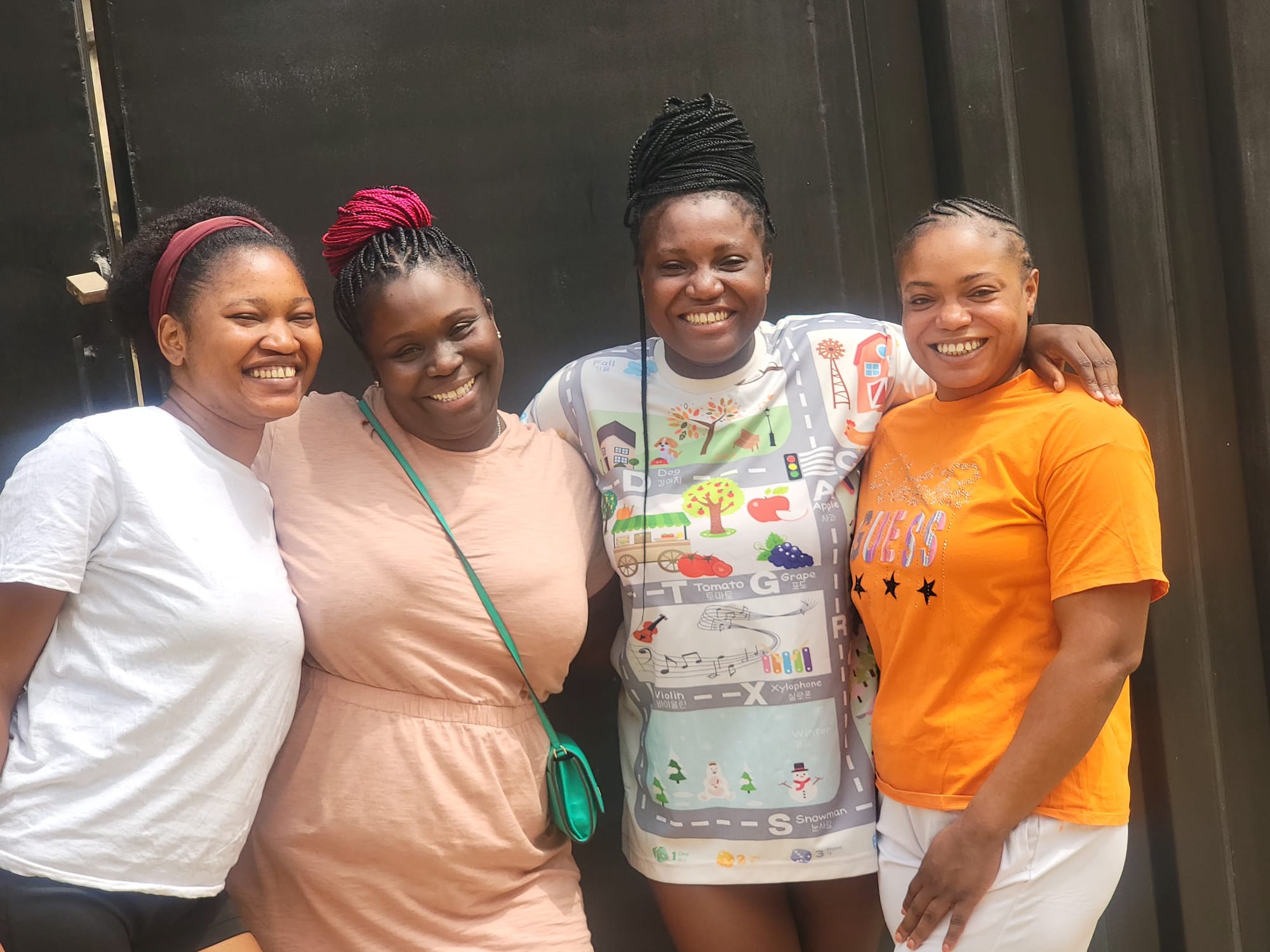
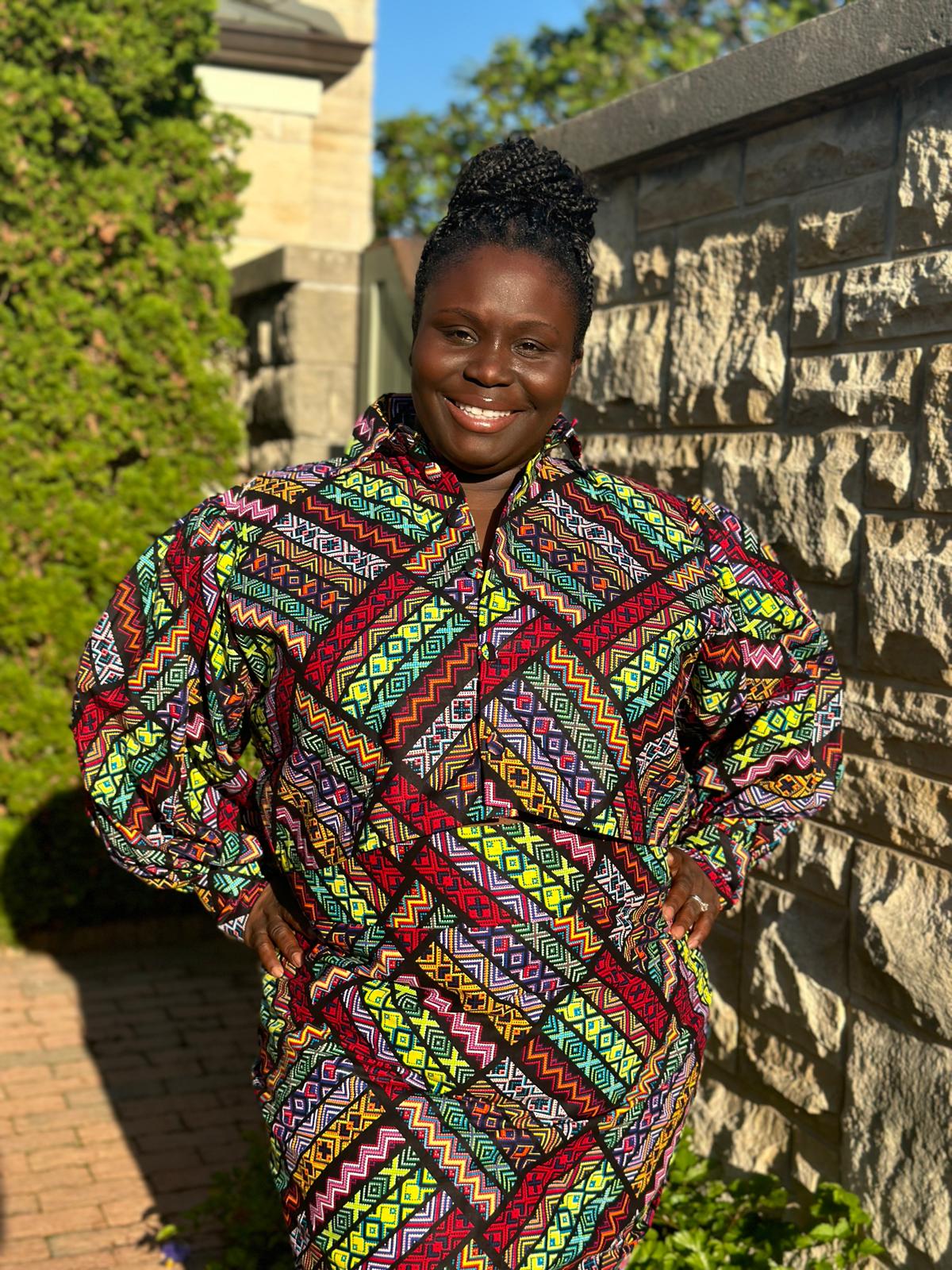
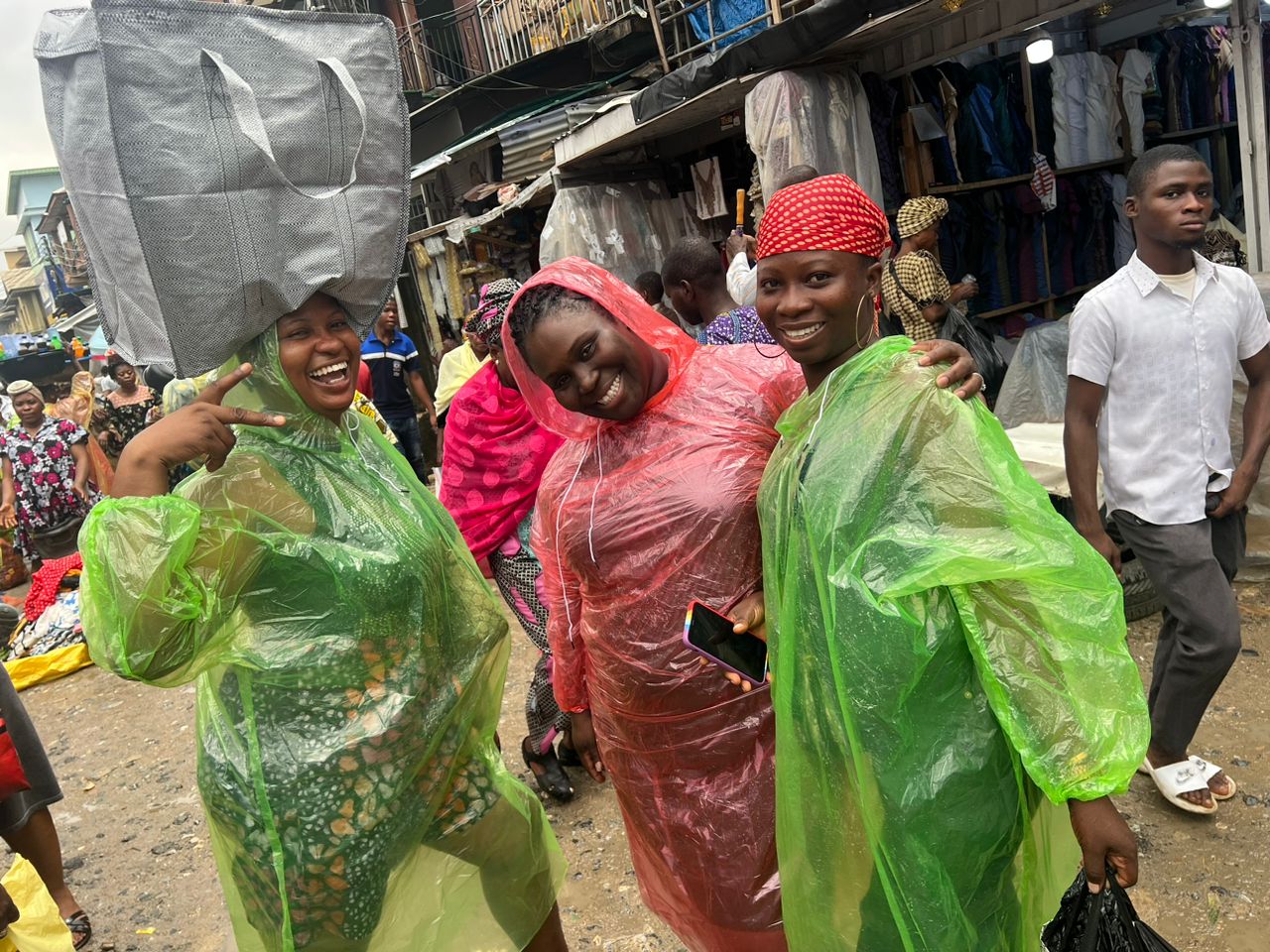
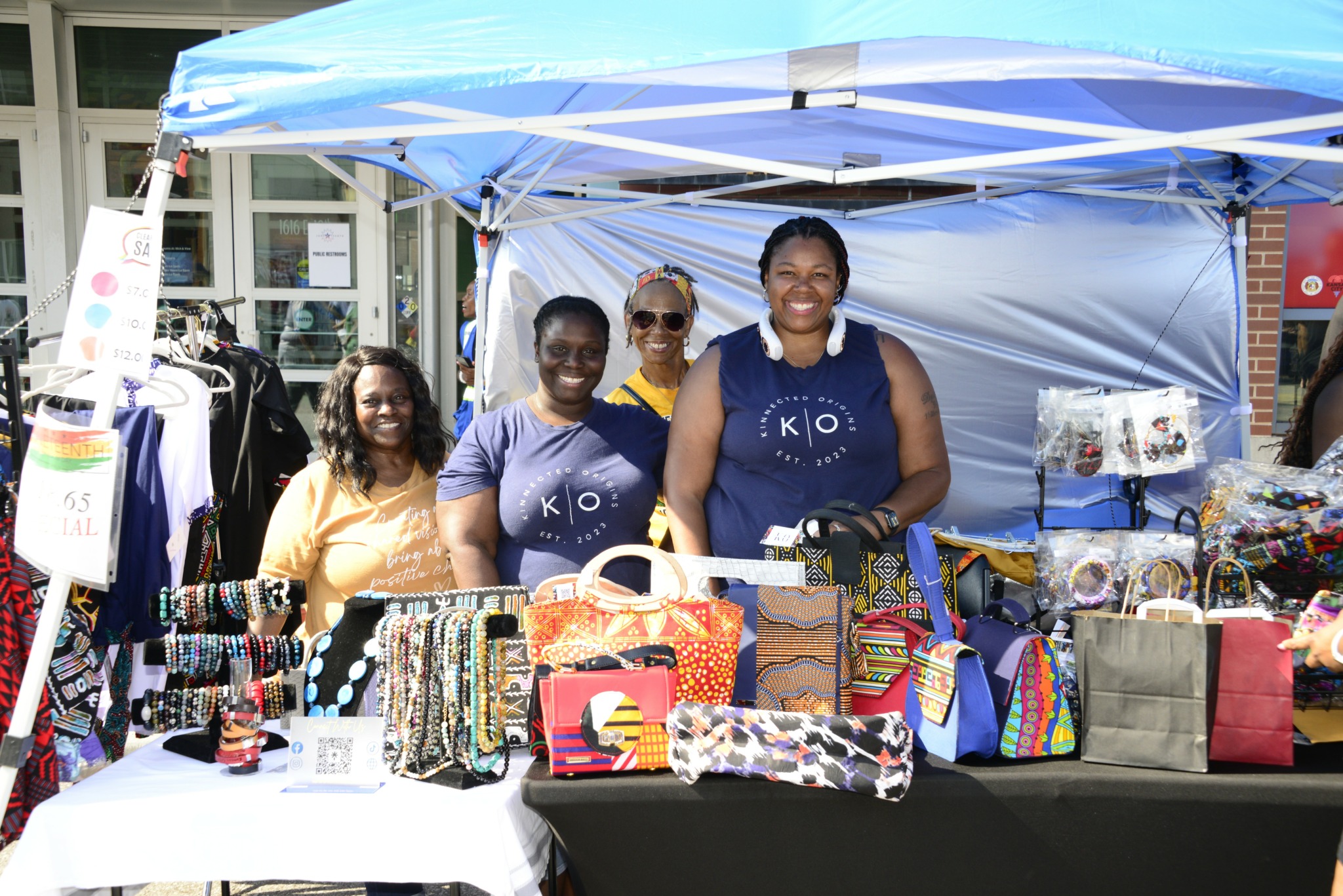
My name is Tennille Olatunji, and I’m the founder of Kinnected Origins Inc. My background has always been rooted in community work, leadership, and helping people find pathways to grow. What really pulled me into this space was a mix of personal experience and family connections—I’ve traveled to Nigeria with my family and saw firsthand the incredible talent, creativity, and entrepreneurship happening there. At the same time, I also saw the barriers: limited access to resources, global markets, and fair compensation for their work. That combination of inspiration and urgency is what led me to start Kinnected Origins.
At its heart, Kinnected Origins is a nonprofit that supports local entrepreneurs in West Africa while also providing cultural education to global audiences. We work with business owners, artists, and makers to help them gain visibility, build sustainable income, and connect with opportunities that might otherwise feel out of reach. Our focus isn’t just on products—it’s about people. Right now, we’re working with entrepreneurs in Nigeria, and we’re laying the groundwork to expand into Benin, Senegal, Liberia, and The Gambia.
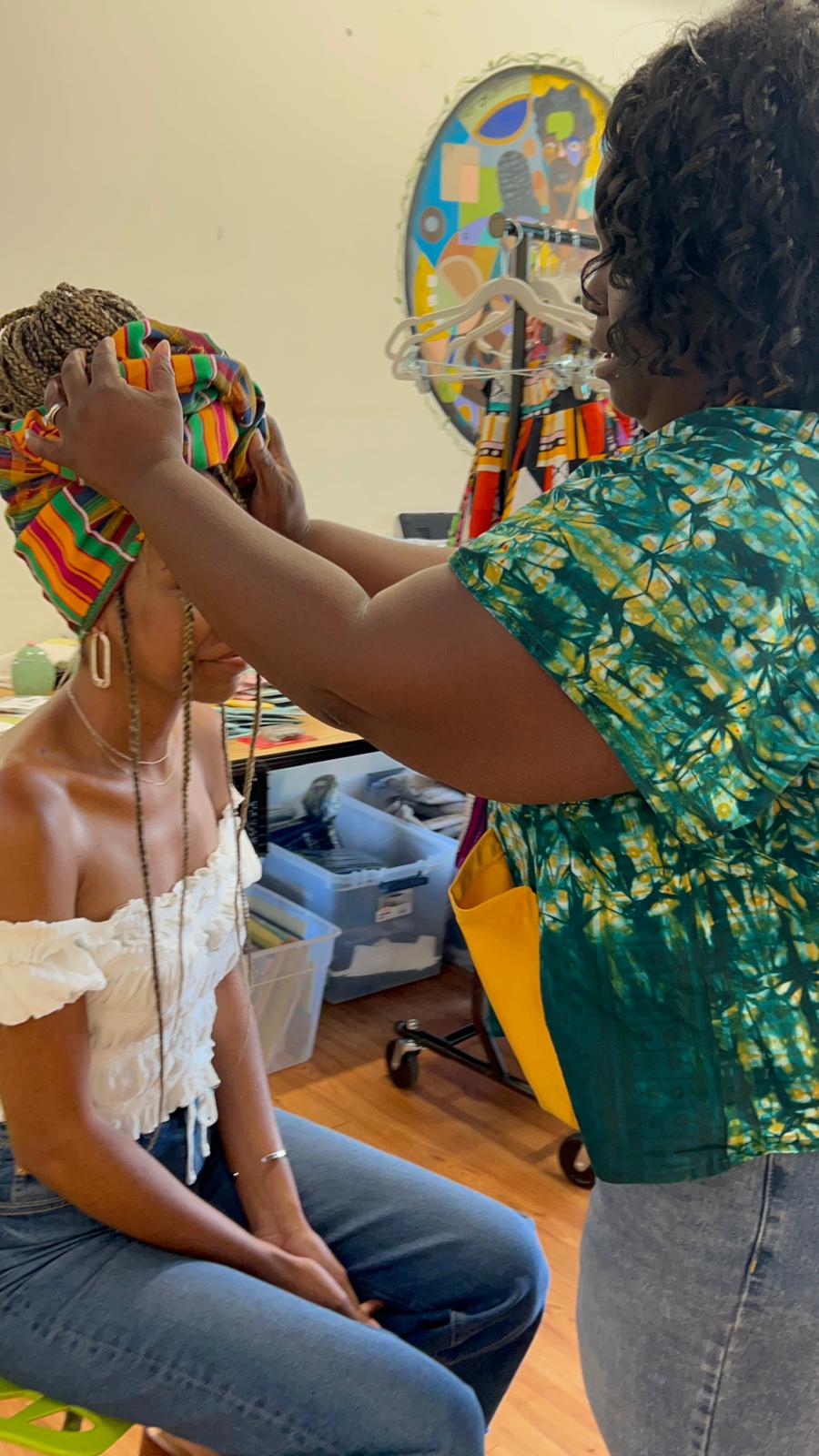
What sets us apart is the dual focus. On one side, we’re very intentional about fair trade and supporting small businesses in a way that promotes long-term stability for their communities. On the other side, we’re equally committed to cultural education—creating spaces where people outside of West Africa can learn, appreciate, and engage with the richness of its culture. Those two pieces together make our work not just about commerce, but about connection.
I’d say one of the things I’m most proud of is that Kinnected Origins was built from a genuine passion to support others, not from wanting to “save” anyone or check a box. I’m proud that we listen first, we collaborate, and we highlight the voices of entrepreneurs who are already doing amazing work.
If there’s one thing I want people to know about me and my organization, it’s that this is personal. It’s about family, culture, and impact. Kinnected Origins isn’t just a nonprofit—it’s a bridge between worlds, and a platform for stories, businesses, and traditions that deserve to be seen and celebrated on a global stage.
What’s a lesson you had to unlearn and what’s the backstory?
One lesson I had to unlearn was the idea that I needed to have everything perfectly figured out before starting. I used to believe that if I didn’t have the entire plan laid out—every step, every answer—then it wasn’t the right time to move forward. The backstory is that when I first thought about starting Kinnected Origins, I spent a lot of time overthinking instead of acting. What I eventually realized is that growth happens in the doing. You figure things out as you go, and sometimes the lessons you learn by taking that first imperfect step are the very things that shape your vision and make it stronger. Letting go of perfection gave me the freedom to actually start—and keep building even when things weren’t picture-perfect.
Can you tell us about a time you’ve had to pivot?
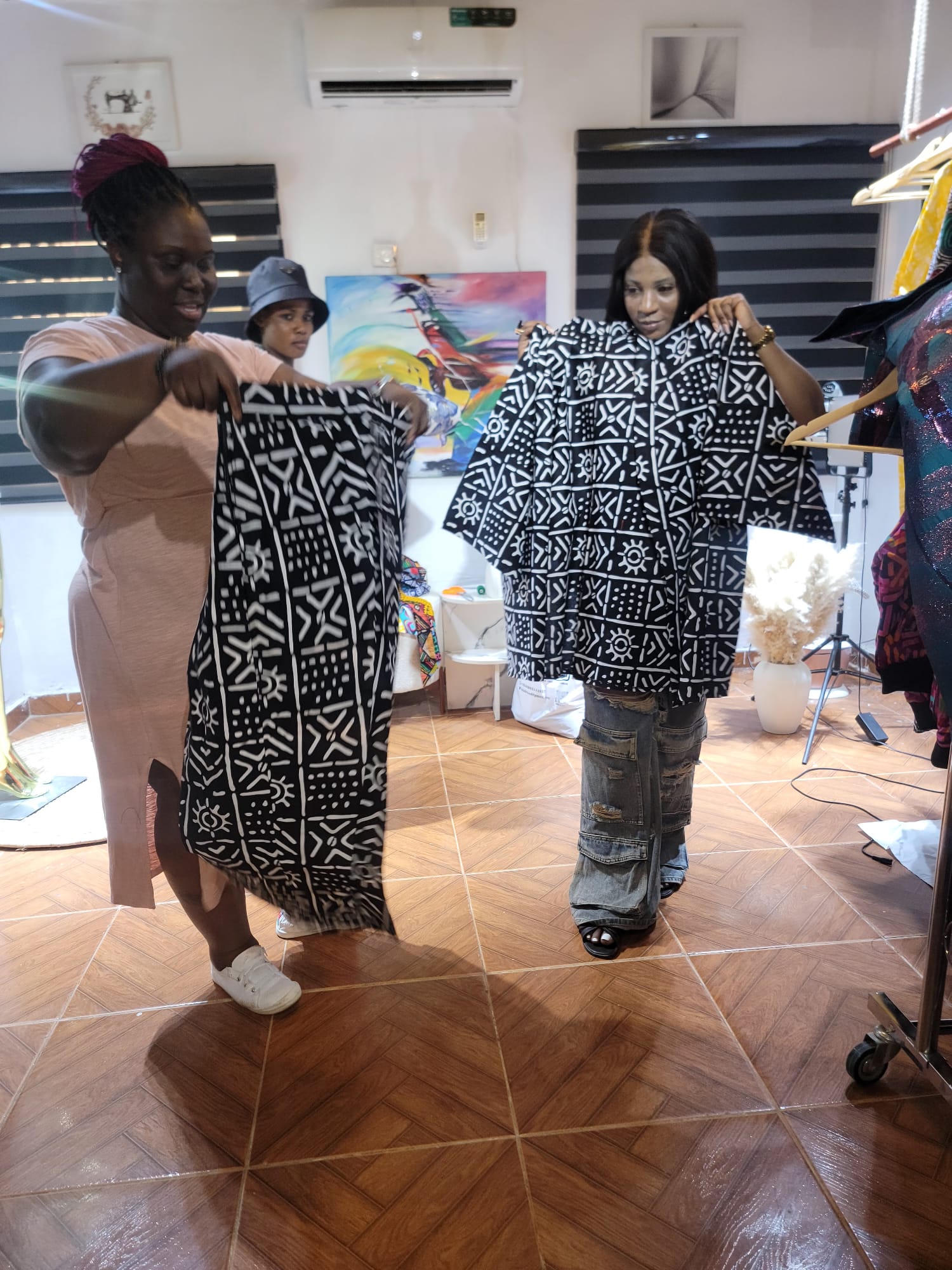
A big pivot for me was realizing that Kinnected Origins couldn’t just be about products—it had to also be about education. At first, my focus was mainly on helping entrepreneurs in West Africa get their products into new markets. But as I shared their stories, I noticed that people wanted to understand the culture and history behind what they were seeing. That’s when it clicked for me: this isn’t only about commerce, it’s also about connection. So I expanded our work to include cultural education sessions and workshops. That shift gave Kinnected Origins a deeper purpose—it allowed us to not just support entrepreneurs, but also create awareness and appreciation of the cultures they represent. That pivot has shaped how we show up today, balancing both economic impact and cultural storytelling.
Contact Info:
- Website: https://www.kinnectedorigins.org
- Instagram: https://www.instagram.com/kinnected_origins
- Facebook: https://www.facebook.com/share/16VPHC1Wev/
- Linkedin: https://www.linkedin.com/company/kinnected-origins/