

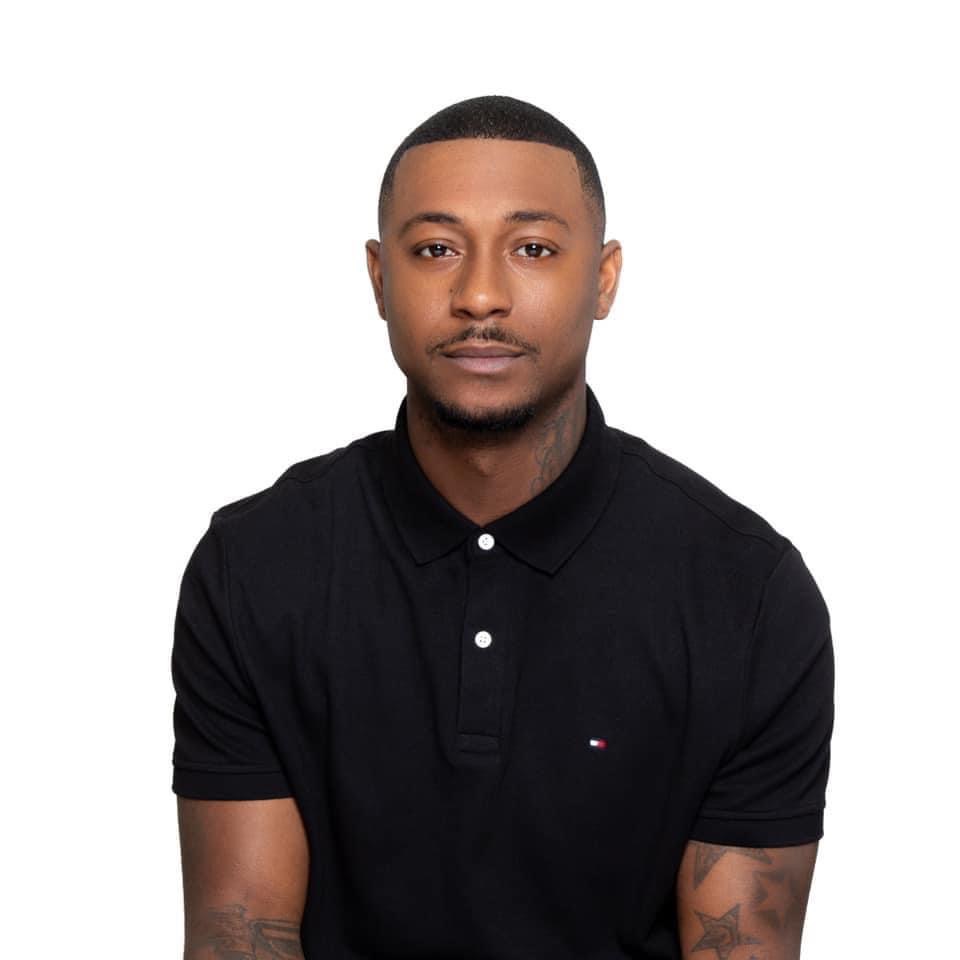

We’re excited to introduce you to the always interesting and insightful Taylormade Jay. We hope you’ll enjoy our conversation with Taylromade below.
Alright, Taylormade thanks for taking the time to share your stories and insights with us today. So, let’s start with trends – what are some of the largest or more impactful trends you are seeing in the industry?
Social media…Thats the trend…Short-form content on social media, like TikToks or Instagram Reels, has dramatically reshaped how audiences engage with music and visuals of artists. These bite-sized clips cater to increasingly shorter attention spans, offering instant gratification and a quick dopamine hit. They often highlight only the catchiest part of a song, which can lead to tracks going viral based on a single 15-second hook. While this boosts visibility for artists, it can also reduce appreciation for the full musical composition. In contrast, full-length music videos provide a more immersive and narrative-driven experience. They give artists the space to convey deeper stories, emotions, and creative visions. Watching an entire music video allows fans to connect with the artist on a more emotional level. However, fewer people are taking the time to watch them, especially on platforms dominated by scrolling culture. This shift can result in less engagement with the full body of a song and its intended context. It also challenges artists to compress their creativity into shorter formats, sometimes sacrificing nuance. Yet, short-form content serves as an effective promotional tool, often directing traffic to the full video or streaming platforms. Ultimately, both formats serve different purposes—short clips attract attention, while full-length videos offer depth and storytelling.
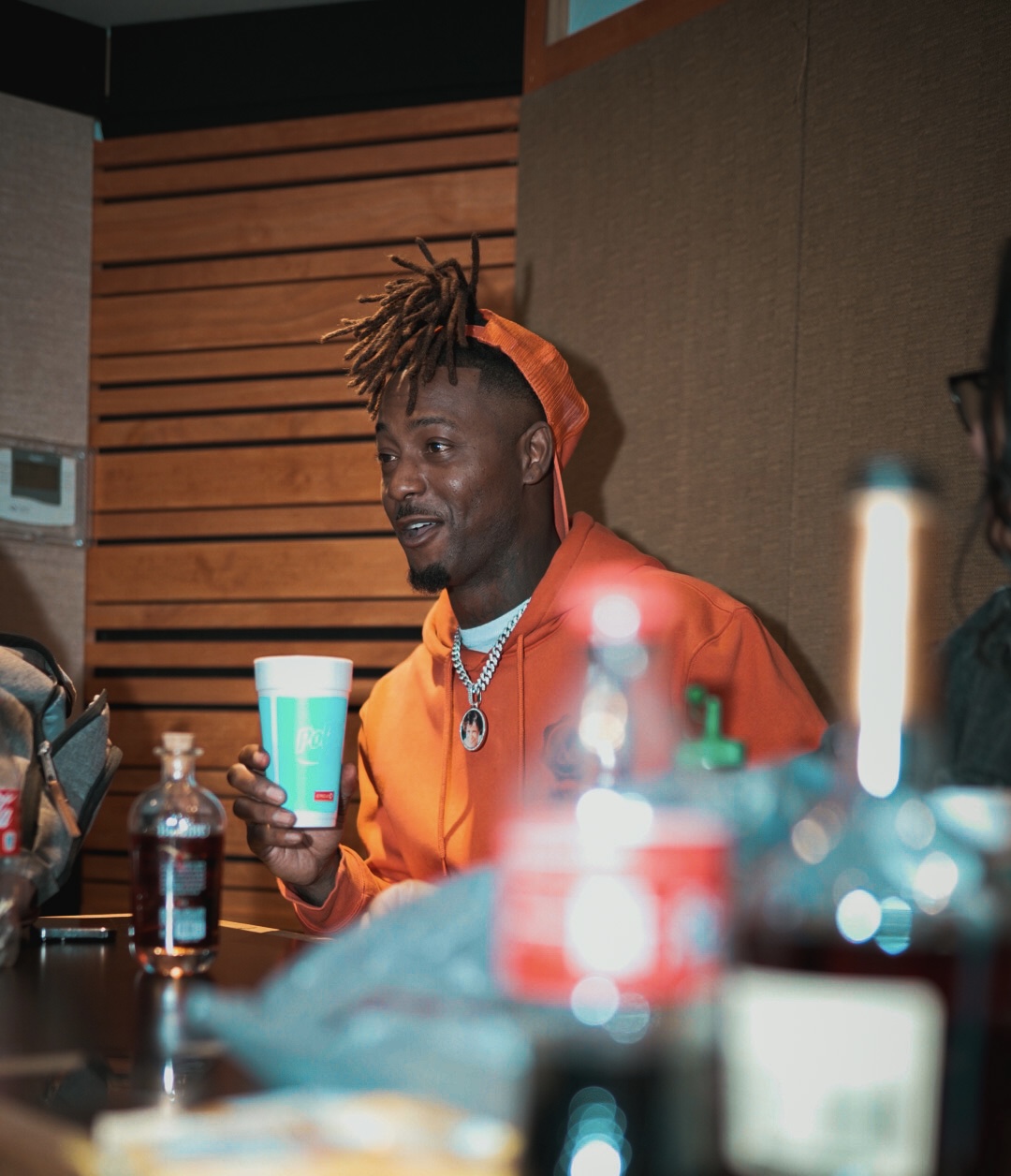
Taylromade , before we move on to more of these sorts of questions, can you take some time to bring our readers up to speed on you and what you do?
I got into artist management almost by accident, coming from a background in film directing. While working on a number of music videos, I collaborated closely with an artist by the name of Skai Hye who ultimately needed help with her brand. We had a discussion about management and with me attending ACM at UCO studying Music Business and Production it only made sense. I naturally started giving input on her branding, visuals, and social presence. What started as casual advice turned into a more involved role—helping shape her image, plan releases, and navigate opportunities. I realized I had a knack for seeing the bigger picture and connecting creative dots beyond just the screen and so did she. Soon after, other artists began reaching out, asking for guidance, and I found myself giving advice on projects more than directing them. Shortly thereafter “TME” (Taylormade Entertainment) was born. My film experience gave me an edge in visual storytelling and understanding how to build a narrative around an artist. It felt natural to transition into a role where I could nurture talent and help bring their visions to life. I still apply the same principles of directing—only now, my “scenes” are music careers and my “scripts” are strategies. The switch wasn’t planned, but it felt like the right evolution of my creative path. Artist management brought me closer to the pulse of culture and collaboration. It’s a fast-paced, unpredictable world, but it’s rewarding to see artists grow and thrive under your wing.
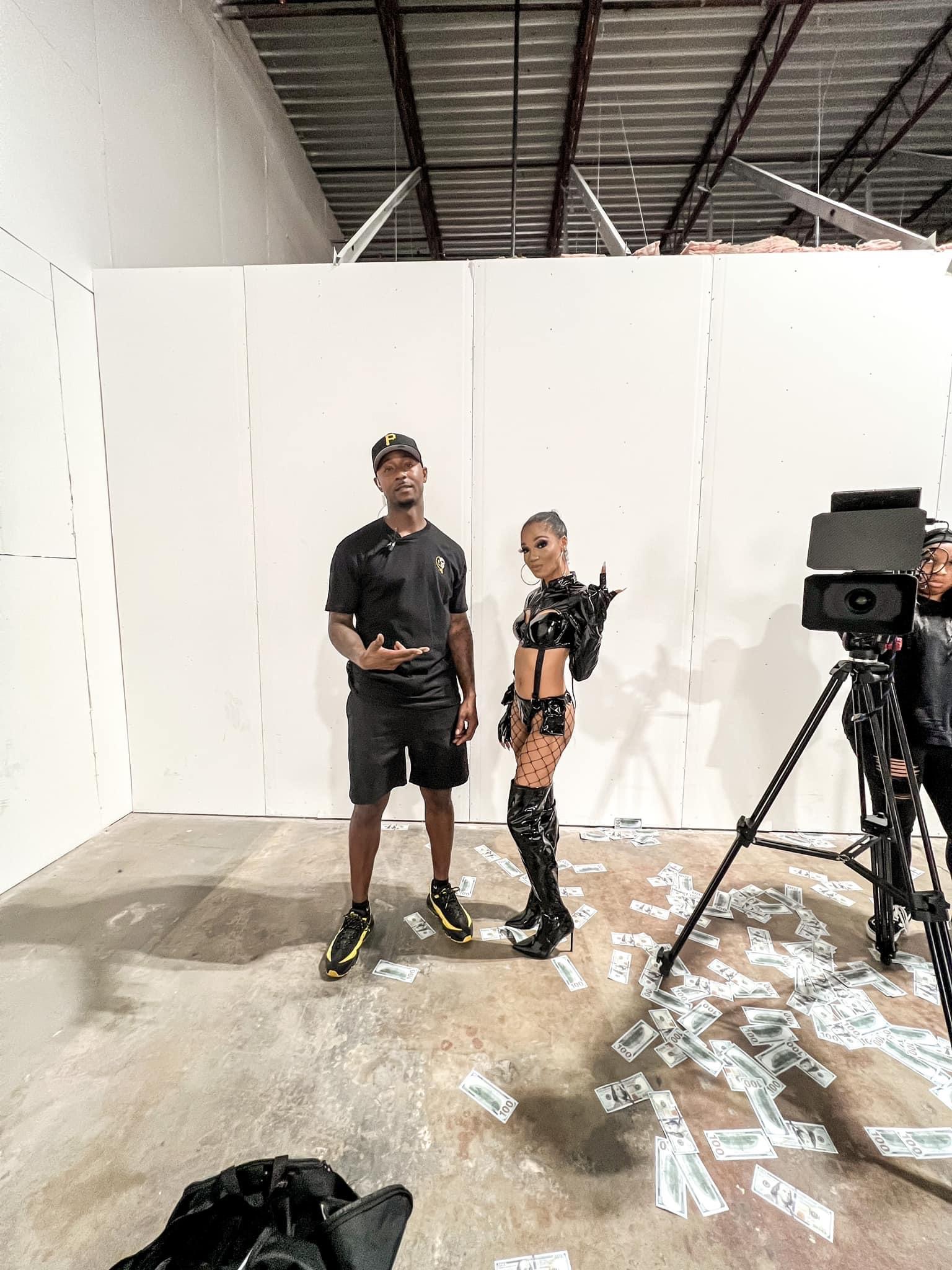
How’d you build such a strong reputation within your market?
Building my reputation in the artist management world was a gradual, organic extension of my filmmaking career, rooted in my ability to tell compelling stories and bring visions to life. As a director, I developed a strong sense of narrative, visual identity, and emotional resonance—skills that translated seamlessly into branding and image development for artists. Early on, musicians I had worked with on music videos or documentaries began to lean on me not just for visuals, but for strategic advice on how to present themselves and grow their audience. I found that my eye for detail and instinct for storytelling helped artists refine their messages and stay authentic while standing out in an oversaturated market. As word spread about my holistic approach—blending creative direction, branding, marketing, and strategic planning—I started taking on more clients, each one strengthening my credibility in the artist management space. I wasn’t just managing schedules or booking gigs; I was shaping careers with the same care and intention I once reserved for crafting scenes and directing actors. My background gave me a unique edge; artists trusted that I understood both the creative process and the business side of things. I leveraged the network I built through film—cinematographers, editors, stylists, and producers—to support my artists in ways most managers couldn’t. Over time, my reputation grew not just because of who I worked with, but because of how I worked—with integrity, passion, and a deep respect for the artist’s voice. Now, when people hear my name in the industry, they associate it with strong vision, creative excellence, and an unwavering commitment to pushing artists toward their fullest potential.
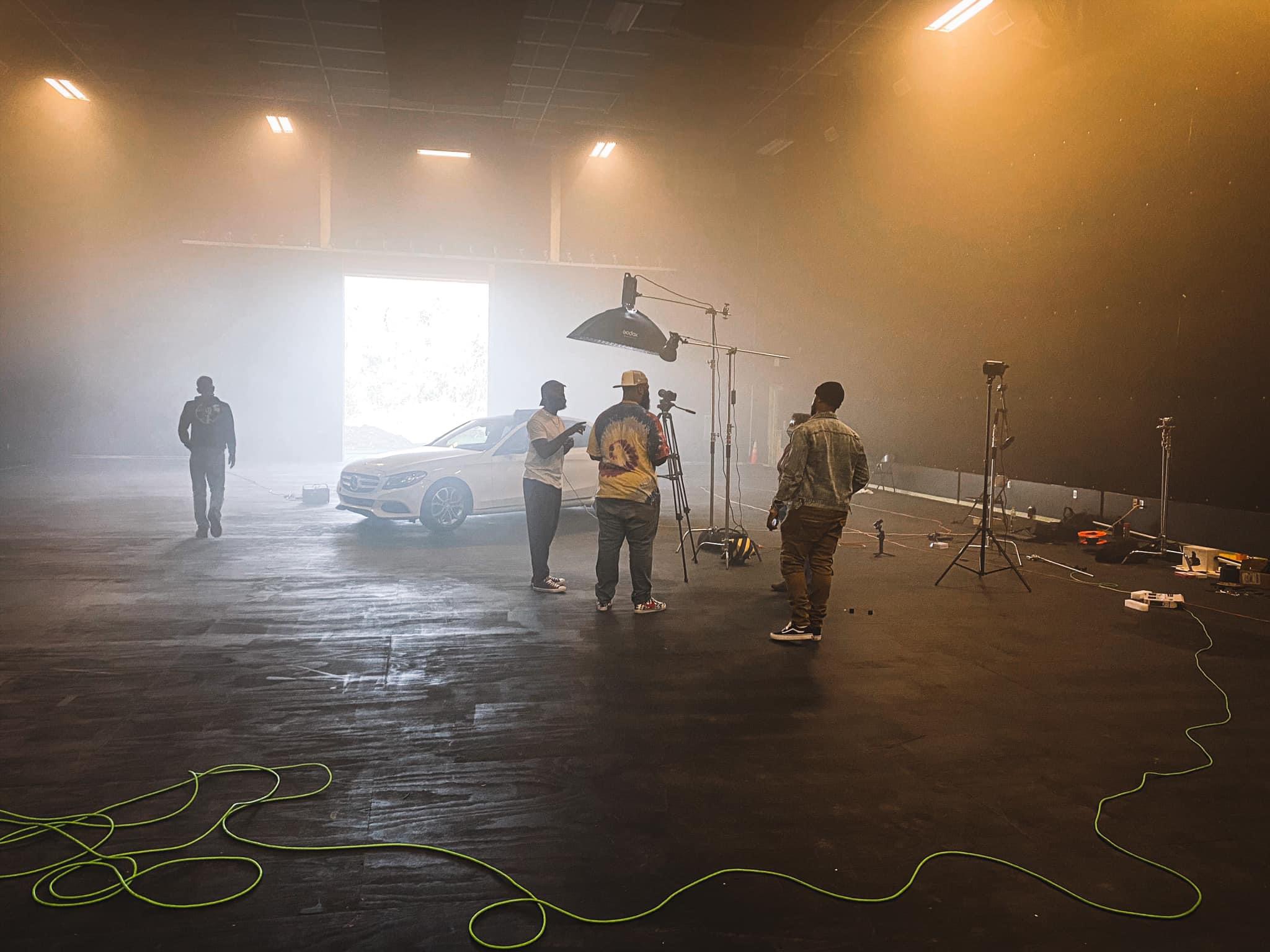
Do you have any insights you can share related to maintaining high team morale?
Building a strong management team in the music or creative industry requires more than just assembling skilled individuals—it’s about curating a group of people who share a unified vision, complement each other’s strengths, and bring positive energy to the table. One of the most important pieces of advice is to prioritize communication and transparency from day one. Everyone on the team should understand not only their role, but how their work contributes to the artist’s overall growth and success. Create a culture where feedback flows both ways, and where every voice feels heard and valued, regardless of seniority. Invest in relationships, not just results—get to know your team on a personal level and celebrate their wins, big or small. High morale comes from feeling seen and appreciated, so make sure to acknowledge efforts, share credit, and foster a collaborative spirit rather than a competitive one. Set clear goals together and revisit them regularly to track progress and adjust strategy. Avoid micromanaging—empower your team by trusting them to do what they’re best at, while providing guidance and support when needed. Bring in people whose passion matches their talent, and who are genuinely excited about the artists you’re managing. Lastly, keep things human. The industry can be intense and unpredictable, so infuse the work with humor, empathy, and a shared sense of purpose. A management team that feels connected and motivated will not only stick around, but will go above and beyond to help your artists—and each other—thrive.
Contact Info:
- Instagram: https://www.instagram.com/iamflajay/
- Facebook: https://www.facebook.com/profile.php?id=61573840065463
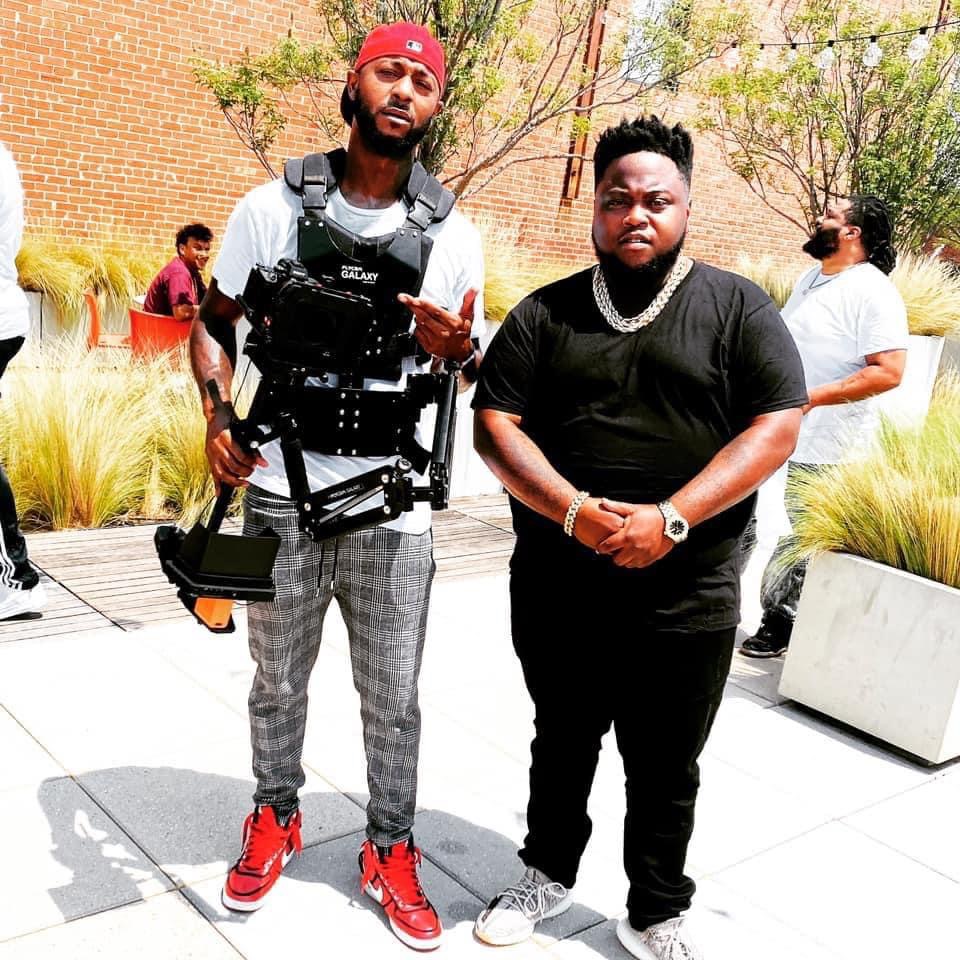
Image Credits
Skai Hye, T-Rell, PWap, N7, Green Pastures Studios