

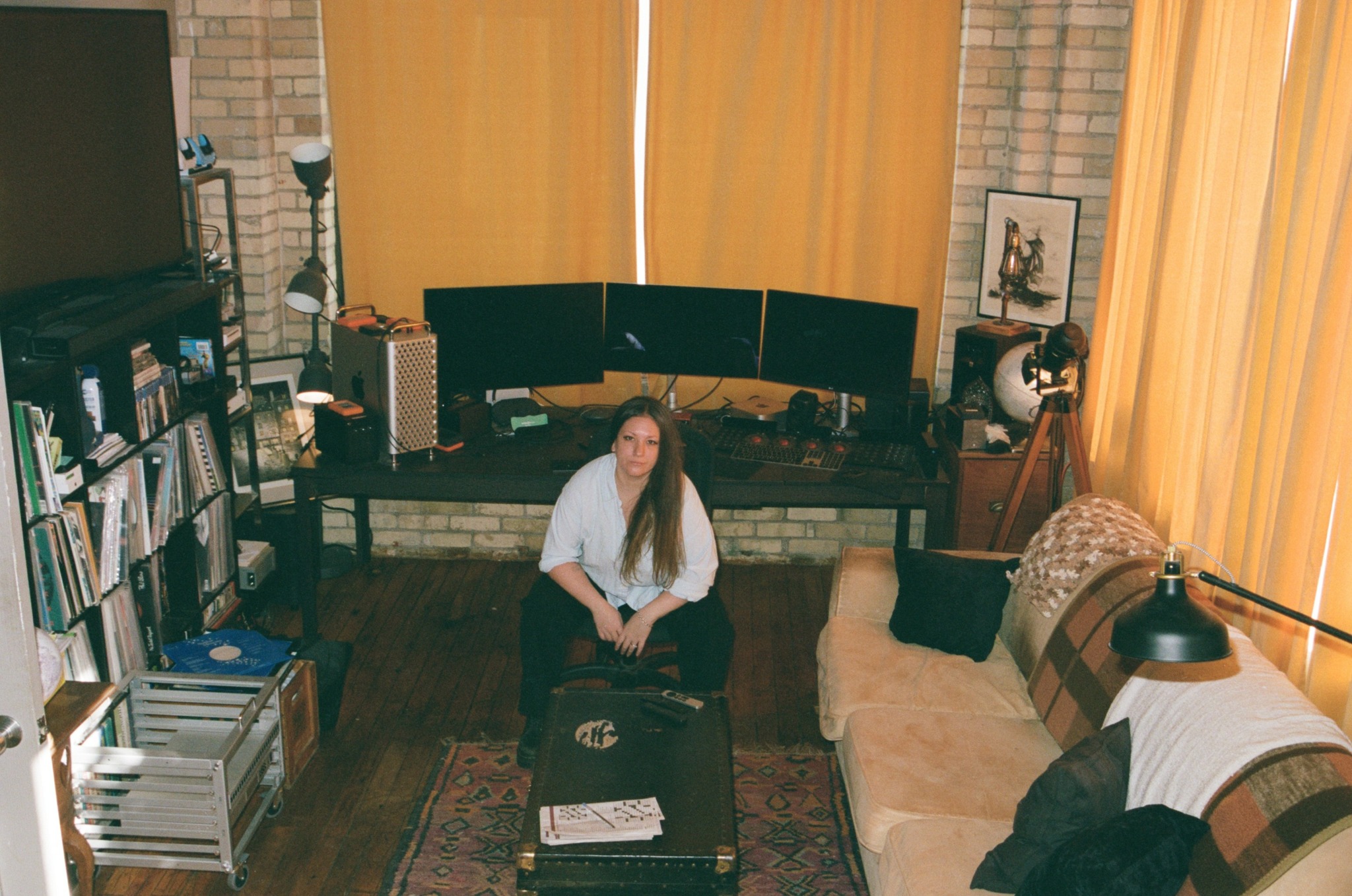

We’re excited to introduce you to the always interesting and insightful Taylor. We hope you’ll enjoy our conversation with Taylor below.
Taylor, looking forward to hearing all of your stories today. Can you talk to us about how you learned to do what you do?
Fresh out of school, I vowed to apply to anything and everything I could find so I could build up a body of work as fast as possible. In doing that, I grew my technical and creative skillsets while also building a network of clients and colleagues. I threw myself into the deep end, knowing that there wasn’t much of a roadmap to becoming an editor out there. I did intern at a post house but that only confirmed what I already knew; no guiding hand was going to cradle me into my career. I learned a ton by trial and error in dealing with tech and I learned to trust my instincts creatively. The lightning speed of the schedules didn’t give me time to doubt myself. But I also came to realize that if I didn’t make myself react to the cut, no one else would. If I don’t have shivers or goosebumps, how would anyone else? I had to learn how to pull myself into my own edit and then it would resonate outwards. I guess the moral of the story is to believe in yourself, no matter the odds. Easier said than done though.
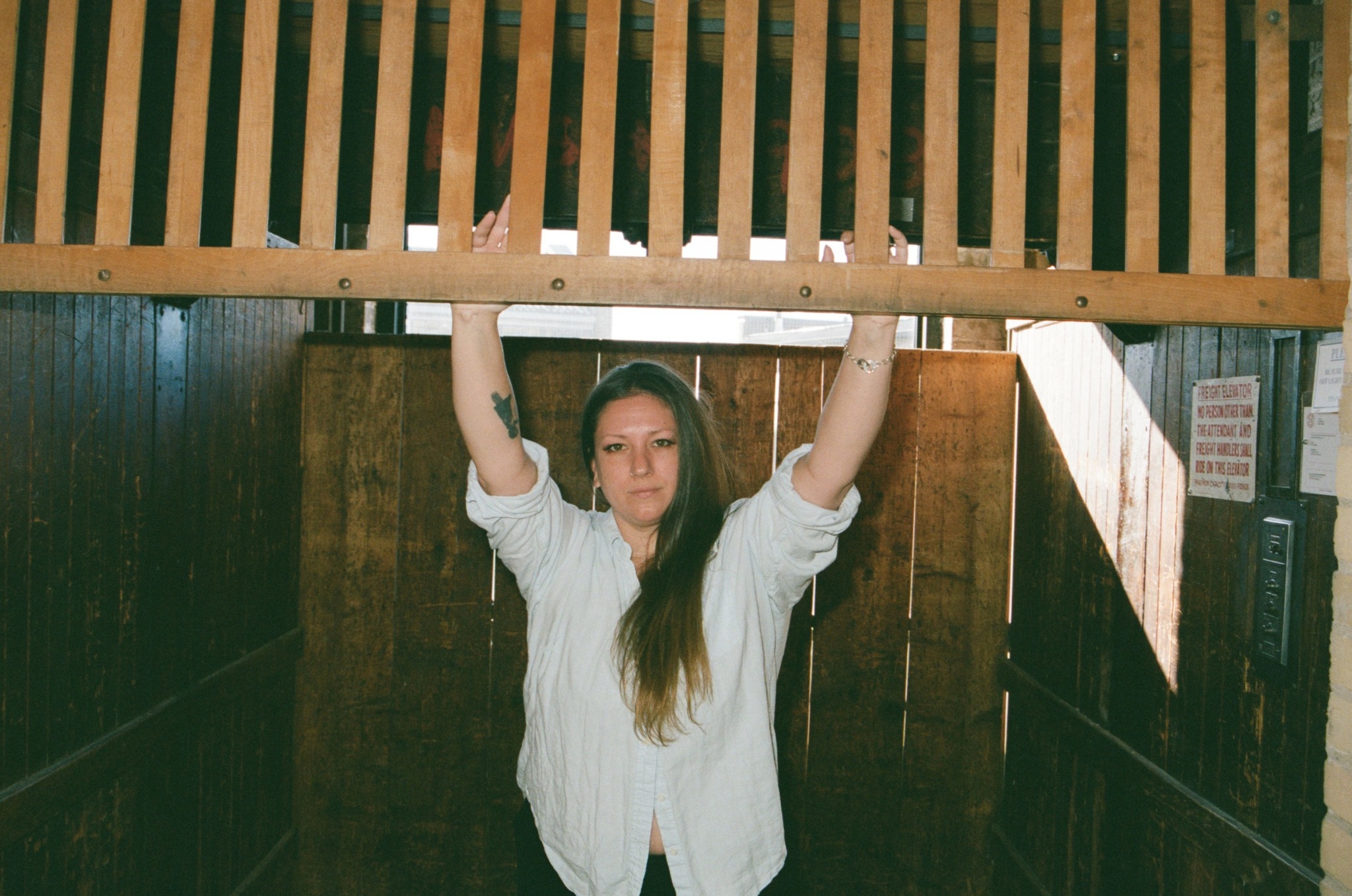
As always, we appreciate you sharing your insights and we’ve got a few more questions for you, but before we get to all of that can you take a minute to introduce yourself and give our readers some of your back background and context?
I began freelancing in 2011. I worked around the clock building a client base and learning the technical workflows I needed to know and very quickly I had the occasional person reach out and ask if they could pick my brain on editing. I thought “surely there’s a better brain to pick out there”, I was just getting started and frankly still dusting the dirt off my face from the umpteenth face plant in the suite. I was perplexed to say the least, but I figured if there was any support I could offer, then I would. If I didn’t know the answer to something someone asked me, we’d find out together and that made us all stronger. Years passed, and my ability to mentor grew with every gig I was on. I also began to have capacity to hire a couple of my mentees as assistants, and then they had mentees and their own assistants. Before I knew it, Coma Edits was no longer representing a sole aspiring editor, but became a collective of like-minded post production professionals of all levels. We support each other in more of a cyclical, full circle nature. We work together as a team when larger projects come along, but are always in touch and supporting one another in any of our endeavours. Mentorship is the heart of the company, and our connection and nature of working is felt by every client. It’s funny how reaching back and creating a welcoming environment to emerging folks, sharing knowledge and the overall experience, really propels you forward. I think it provides a clearer sense of yourself to steer from in your own career. By discussing things more, you realize where you want to go and how much more quickly.
I’ve had people ask me why they should offer their 10,20,30 years of experience to someone just starting out and my answer is always the same; “if you can disseminate your many years of experience to someone in a handful of conversations, then you are the best mentor I’ve ever met.” I also believe that if you can somehow bestow such a bevy of day in and day out lived experience, and a mentee takes that and does something amazing with it, then isn’t that a really powerful and inspiring thing that was just added to the greater community of filmmaking? Ultimately no one can rob you of your own unique and singular lens from which you guide the edit with. No amount of sharing knowledge, industry information, or offering camaraderie will lessen your own trajectory. That’s all up to you. So why not make the process less shitty for everyone else? I guarantee you’ll learn something in the process.
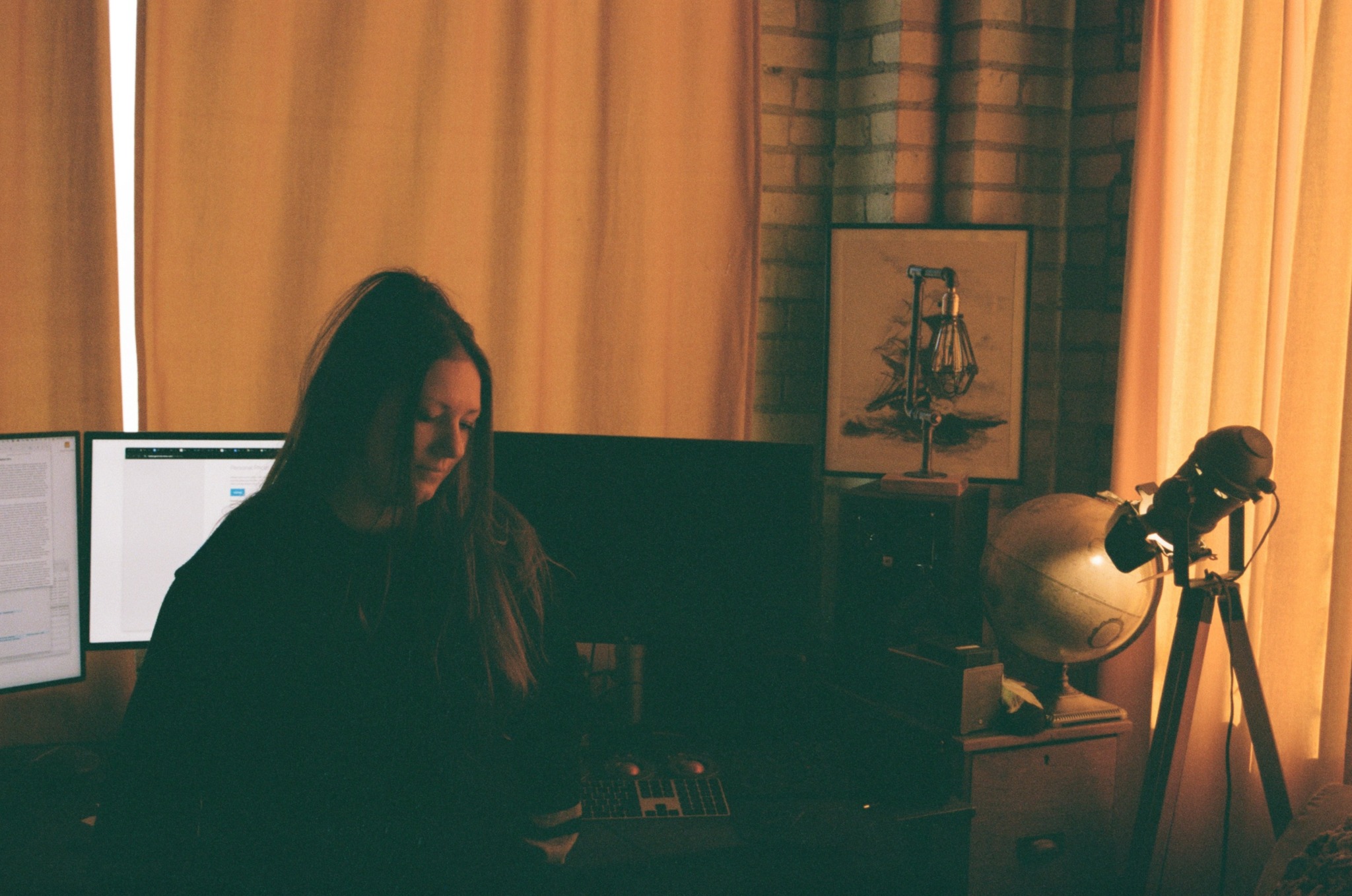
Can you tell us about a time you’ve had to pivot?
The last 5 years have offered many exciting highs, and several guttural lows both personally and professionally. In the same year, my husband and father got cancer and I became their main caregiver. At the time, Coma was doing one of the best years in business. Instead of admitting to myself what my capacity was, I forged ahead and thought it would be opportunity for all to move ahead and expand. Over the following couple of years, I began relinquishing more and more control and stewardship of the company. I thought I could keep the company going this way, and that I could step back and keep editing a little and essentially consult on instead of lead Coma. At least while my family was ill.
I did keep editing, and I put a lot of my pain into my creativity. I helped tell the story of Tom Wilson in Beautiful Scars which was sort of poetic for what I was going through. I put my soul into that film and helping the story become what it is. I listened to Tom’s interviews as he waxed about life and finding your own identity while I had insomnia and felt like I was losing myself. I was reminded of who I was in that edit and I leaned in. It carried me through the times I had to check on my dad and husband and make sure they were still breathing. The following year, my husband came through treatment, we lost my dad, and I was nominated for my first award as an editor. Business continued to do well, although there was a fray forming in the company that I didn’t see at the time. The year after that, people started to burn out and I was made aware of things no one was saying because of what I was living in my personal life. I learned, I picked up the pieces, and I moved forward. However I made one key mistake, instead of realizing the ultimate lesson I have come to see now, I moved further down the wrong path.
I thought I needed to bring more experienced people in to help steer the ship and provide new and larger opportunities. I was ready to dive back into leading the company more comprehensively, but I thought I needed other people who could provide what I couldn’t to help guide me. It was a good idea in theory, and some guidance was definitely had. But then my mother got cancer and it hooked my ankle all over again. I stepped back but didn’t scale back, and blindly trusted. Again, the pieces started to fall.
It wasn’t due to malice, it wasn’t due to any sort of ill intent. But what I have come to realize is that like in the edit suite, no on can replace your vision or replace your take on things. No one can substitute you in your business as an entrepreneur of any kind. Yes, you can have supports and allies and collaborators, but you need to stay firmly at the helm for the vision to truly become reality.
Since learning this, I’ve scaled to a place where I can remain growing as a creative because that’s what keeps my soul on the light and level. I’m also able to continue championing emerging filmmakers, and contributing to my community via the mentorship Coma Edits offers. In being more true to myself, true to my vision for the company, I’m able to correct course and move forward towards the avenues that compliment my intention and mentality. Albeit in a smaller capacity, but things are more firmly in my ability and that sets us up for real success in bringing what we do forward in a meaningful way so we can positively impact the film and television industry.
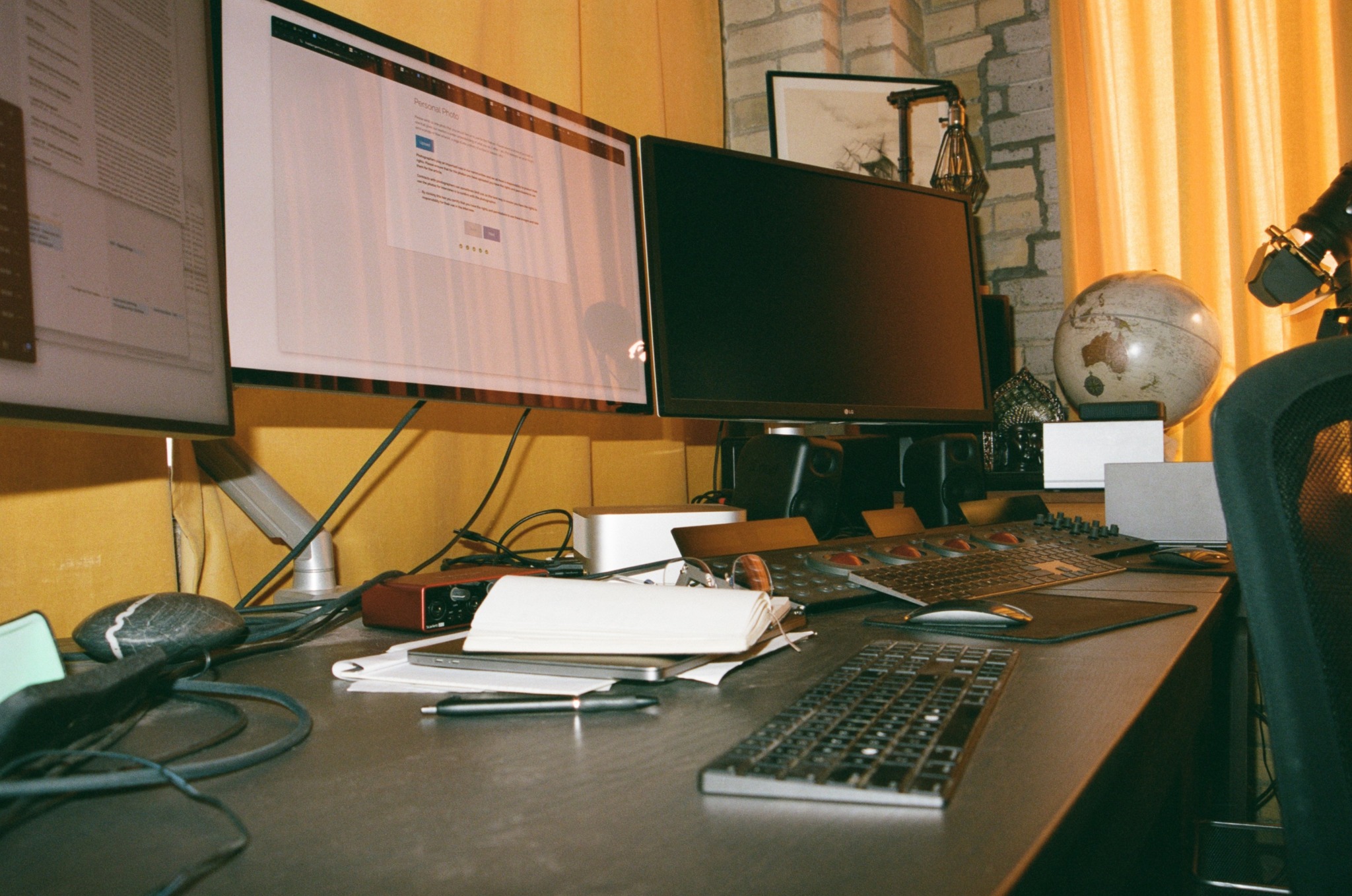
How’d you build such a strong reputation within your market?
I came to a point with Coma Edits where I could consider marketing or something akin to spread word of who we were and what we’re doing. However, I bucked at the idea of spending money on something solely to promote us. I wanted to refine what we were doing and simply amplify that so more people could hear. I approached the Canadian Cinema Editors and discussed sponsorship. This would get our name and brand more out in the open in our community, but I wanted to bring forward our approach as well. The CCE and I developed a mentorship model that would be run by the CCE but executed by Coma Edits. We sketched together a program plan containing workshops and individual mentorship and let people sign up. This quite literally pulled people together and amplified our reach for sharing knowledge. In doing so, people talked about their positive experience and thus spread the word, and the ethos, of Coma and the Canadian Cinema Editors.
Contact Info:
- Website: https://www.comaedits.com
- Instagram: @comaedits
Image Credits
Andrew McConnachie