
We were lucky to catch up with Tawnia Wise recently and have shared our conversation below.
Tawnia, appreciate you joining us today. Often outsiders look at a successful business and think it became a success overnight. Even media and especially movies love to gloss over nitty, gritty details that went into that middle phase of your business – after you started but before you got to where you are today. In our experience, overnight success is usually the result of years of hard work laying the foundation for success, but unfortunately, it’s exactly this part of the story that most of the media ignores. Can you talk to us about your scaling up story – what are some of the nitty, gritty details folks should know about?
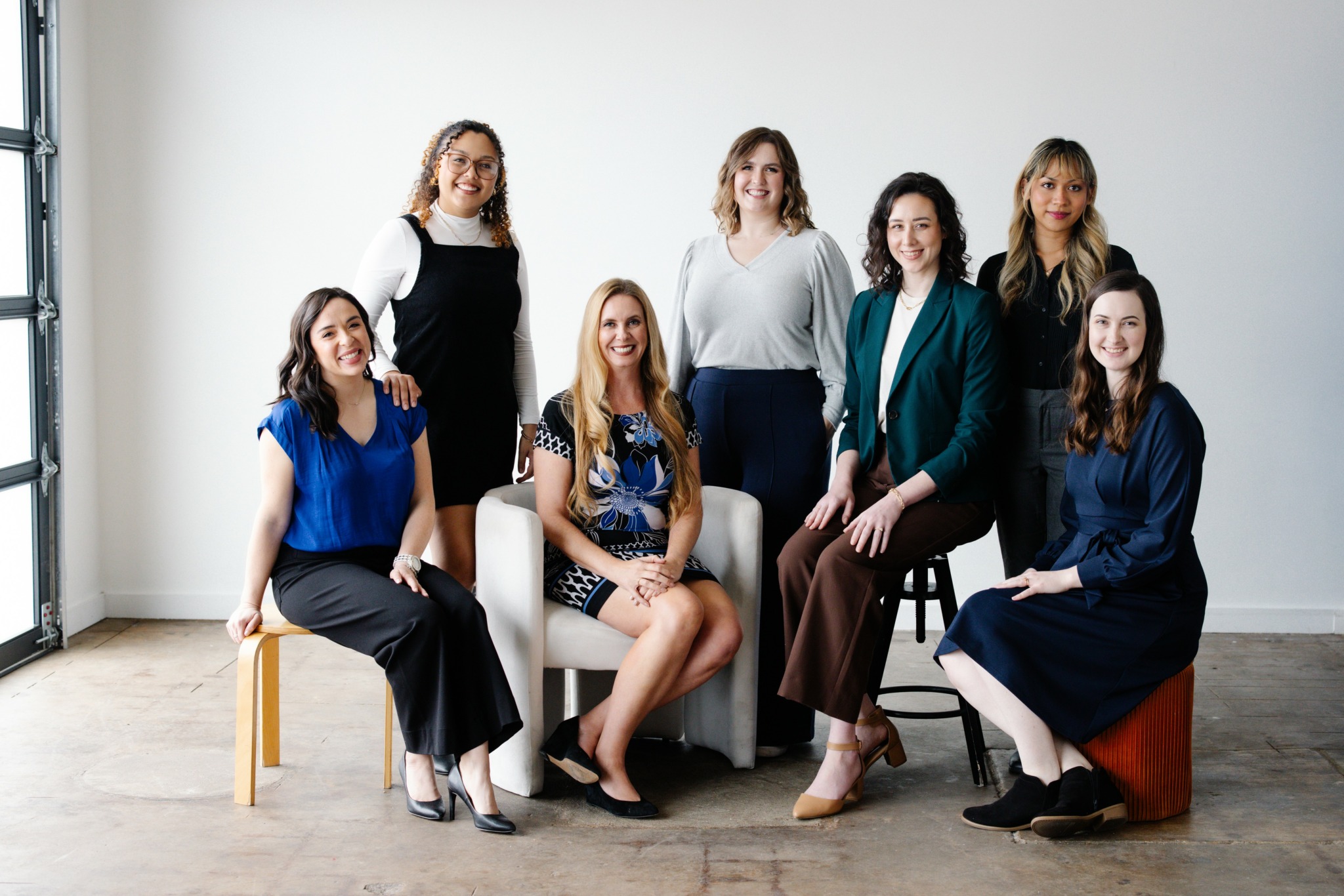
About five years into running the business, I decided to move to an employee model. Before that, I was working with subcontractors. I realized that while I had some terrific subcontractors, they are self-employed people who got to set parameters around the terms of their work. I needed more control over their outcomes and performance expectations. So, I hired my first employee in 2018. Then, over the COVID-19 pandemic, we grew fast resulting in 9 full-time consultants hired by 2021. This growth occurred over about a 2-year period, and it seemed like we were just taking off as a company. It was exciting…until it came undone.
I call the next two years, “the great undoing,” for a lot of reasons. It was a rough time. We had one setback after another. One employee after the other left and in most cases, they caused damage on their way out. It was devastating. As a small business owner, all of this felt very personal.
I think at times like this, you can act like a victim, or you can take the opportunity to learn from it and move forward with greater intention. During this time, I realized a few of my mistakes the hard way. There are far too many to have the time, or even the desire, to share. But there are a few key mistakes that I had to course correct for the business to become sustainable and then scalable.
One of my first mistakes was that I wasn’t being mindful about the culture of the company that I was building. I was letting the culture build itself. Second, I was letting the company grow in a reactive way. I was responding to the demand – adding clients and employees as needed without getting clear on our values or building out the infrastructure to support growth. And finally, I was undermining my own goals. I was expecting people to show up in a caring way that I wasn’t always demonstrating myself – more out of a lack of self-awareness than intent. The result of these mistakes was a team of employees who wanted to be independent consultants picking and choosing the policies and procedures that they followed – doing their own thing under MY brand.
I had lost the reins on quality of service and standards of practice. Only a couple of individuals on the team could handle (or even wanted to do) the higher level and more strategic work, making scalability impossible when I had to be personally involved in a large majority of the direct client work (its true what they say – you can’t work ON the business while you are working IN the business). I had only one other team member who cared enough about the company itself to want to build out our methodologies in ways that were replicable and trainable – another crucial step for scalability.
Basically, at 8 years in, I had to rebuild and, in some ways, start over. Thankfully, I have surrounded myself with other conscious business leaders through my membership in ShiftCo and Conscious Capitalism. I have the support of a brilliant business coach through ShiftCo, Terri Maxwell, and a kind and honest leadership coach, John Paine. Because of these networks of support, I know that this business fulcrum isn’t unique to us and some companies don’t survive it. But we did and we have come back stronger because of it.
How did we do it? Perseverance and a dedication to what we are trying to do as a company. First, we had to get very clear on who we are and how we want to show up in the world. That included developing a social impact commitment that outlines our ethos and clarifies the types of clients who align with it. We had to get really clear on our values as a company – strategy, caring, achievement, integrity, respect and excellence (SCAIRE). Then, we had to get clear on how we expected employees to demonstrate those values.
We had to deconstruct our hiring process and hone in on the ideal candidates; understand what it means and looks like to thrive here as an employee; lean into a performance management process that reinforces our motto that “clarity is kindness;” implement quality control mechanisms, training onboarding to ensure that employees have the coaching and tools to be successful; and, become unapologetically protective of the culture we are intentionally building. It is only now that we have the systems; standards of practice; the talent and leadership; and the right culture in place that we have become scalable. On the other side of this process, we had nearly 100 percent employee turnover and let many clients go who did not align with who we had become.
Lots of companies can grow. But being truly scalable means that you grow without losing what makes you special. For the first 8 years of our existence, we grew reactively – accepting most any client who wanted to work with us, hiring talented individuals who just weren’t thriving here and letting ourselves evolve without the guardrails of living and breathing our mission and values. It took getting really clear on our identity as a company and then being unapologetic about it for us to become scalable.
I didn’t do this by myself. As I mentioned, I had great support through external relationships – mentors, coaches and advisors. But I had one senior leader, who is now the Vice President of Strategic Partnerships, Heather Quinn, who got into the trenches with me. She walked through the fire, because she cares about our mission to help transform communities by empowering impactful nonprofits and their leaders. She loves the business as much as I do, and I am not sure I could have made it through “the great undoing” without her partnership.
I have come to realize that most entrepreneurs don’t build successful businesses without an excessive amount of energy, drive and decisiveness. But we can also get in our own way if we don’t accept help and create systems that make the company less reliant on us to do the work. We have to let go of our egos and build something greater than ourselves. That is a true legacy – building something that will outlive us.
Awesome – so before we get into the rest of our questions, can you briefly introduce yourself to our readers.
Growing up in Section 8 housing, I watched my mother strategically manage our family’s needs whilst living on welfare and food stamps. Early on, I realized I wanted more than the circumstances I grew up in— I wanted my experiences to serve a greater purpose outside of myself. This led me to a nearly two-decades long career in nonprofits, where I focused on missions related to access to education, poverty alleviation, workforce development, community re-entry, and mental health programs, to name a few.
While my experience working in-house in various nonprofits was rewarding, I still yearned for a way to maximize my impact. That is when I decided to leave and start my own company, Wise Resource Development (WISE), a consultancy firm for nonprofits. I took the strategic mindset I learned from my mother and combined it with the expertise I developed during my time working in-house.
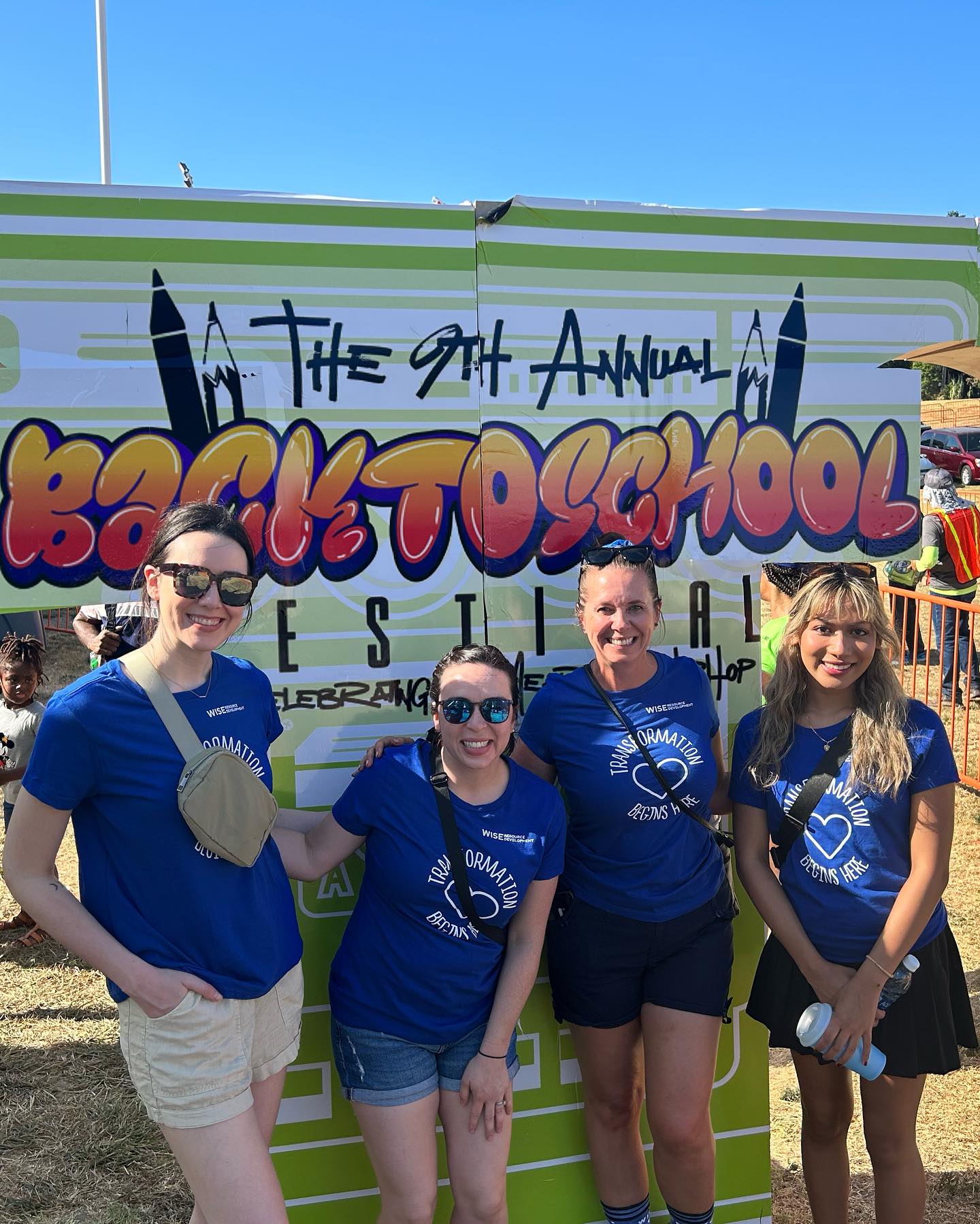
At WISE, we do not just offer services like grant writing, campaign planning, event strategy, and recruitment— we act as partners to our clients supported by over 75 years of collective experience in the nonprofit sector. What sets us apart is the genuine passion we bring to every project. Our expertise comes from having lived through similar challenges our clients and their communities face. We believe in the inherent worth of every individual and build our relationships around that core belief.
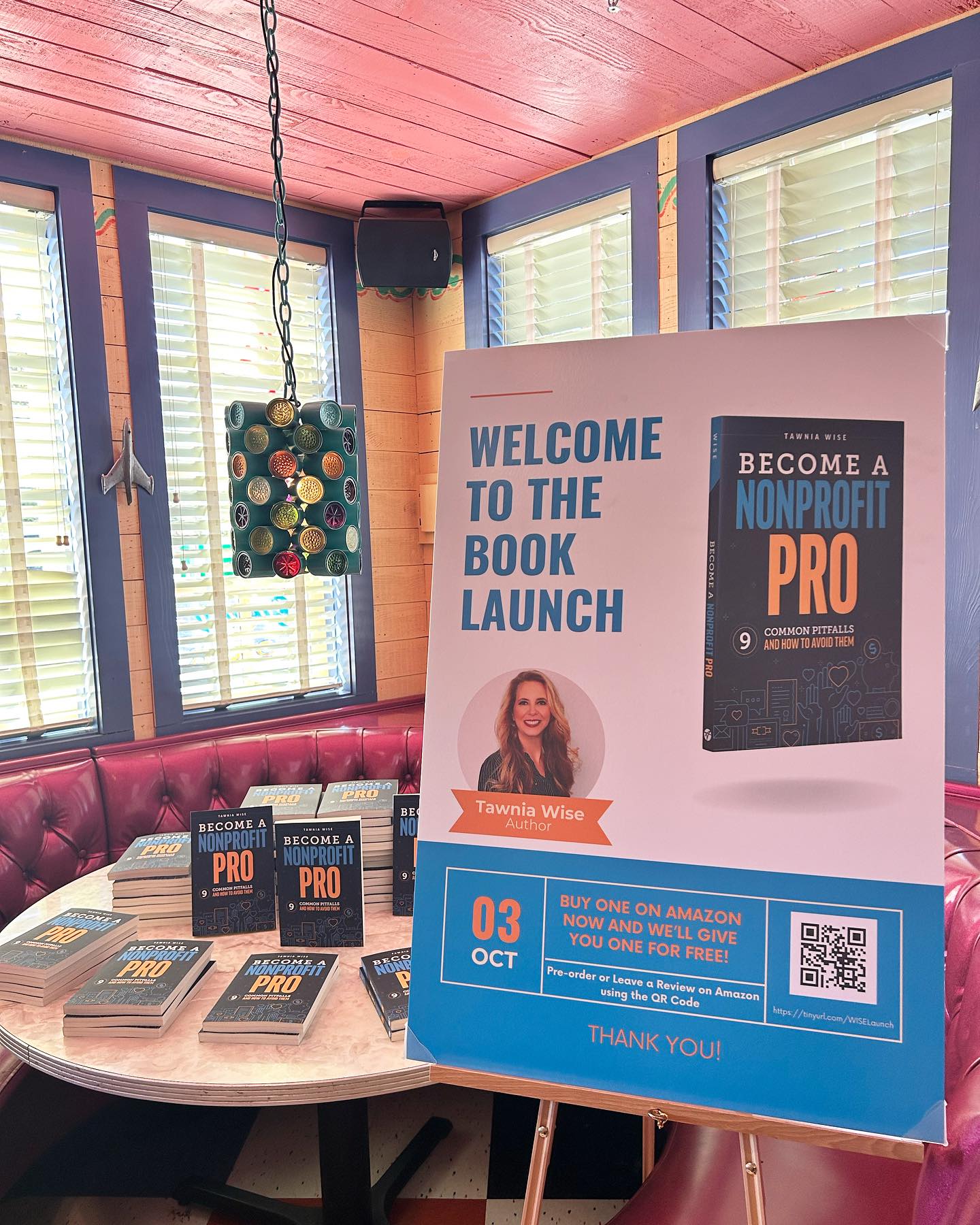
Do you have any insights you can share related to maintaining high team morale?
I realized several years ago that the kind of work we do is not just hard, it can trigger peoples’ insecurities causing them to become less capable of showing up as their best selves in their work. I think that some businesses have a completely unrealistic expectation for employees show up to work and step over an invisible line where they leave their personal lives behind and become some kind of perfect performing machine. All our consultants come from working in-house at nonprofits. We all got into this work because we wanted to experience a higher sense of purpose and meaning in the work we do. That makes it personal – part of our identities. Ironically, it is this great level of caring that can make us spin out when things go wrong.
We didn’t want to just keep seeing great people struggle, burn out and leave. So, we implemented a professional and personal development program utilizing Enneagram and Positive Intelligence tools. We are proactively integrating these tools into the culture, training, performance management and everyday practices of the company. Our goal is to provide tools that our employees can use to self-regulate and fight their inner-judge and sabotaging thoughts. We have found success with it, and I believe that it makes us better at our work and a more caring place for our employees.
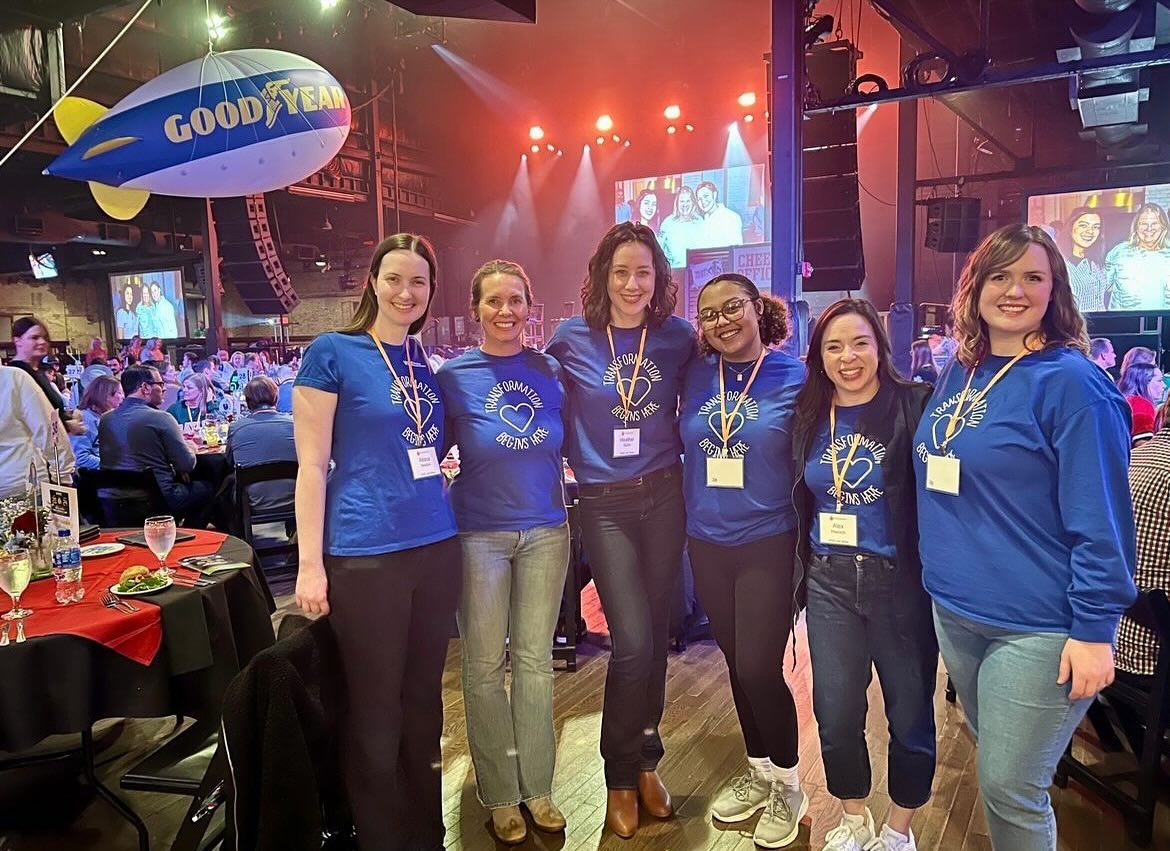
Have any books or other resources had a big impact on you?
In addition to using Enneagram and Positive Intelligence, we really subscribe to the work of Patrick Lencioni. For instance, our employees are required to read his book, Getting Naked, a parable about building strong consulting relationships. We believe that it is the fastest way to help employees understand how we want to show up with our clients – providing customized tactical and strategic support with humility and curiosity.
We also utilize the advice in his book, The Ideal Team Player, a parable about the three imperative qualities in an ideal team player – hungry, humble and smart. We have even changed our interview questions to help us determine the likelihood of candidates possessing these qualities. We adapted our performance management tool through this lens as well. Finally, we even evaluate our clients through this lens since our clients contribute to the culture of our company and we work with them just as closely as we work with each other.
Contact Info:
- Website: https://www.wiseresourcedevelopment.com/
- Instagram: https://www.instagram.com/wiseresourcedevelopment/
- Facebook: https://www.facebook.com/wiseresourcedevelopment/
- Linkedin: https://www.linkedin.com/company/wise-resource-development/posts/?feedView=all
- Youtube: https://www.youtube.com/@wiseresourcedevelopment8909