
We’re excited to introduce you to the always interesting and insightful Tara Zulfikar. We hope you’ll enjoy our conversation with Tara below.
Tara, appreciate you joining us today. Can you open up about a risk you’ve taken – what it was like taking that risk, why you took the risk and how it turned out?
I’m originally from Jakarta, Indonesia, and in 10th grade, I told my parents I wanted to be a filmmaker and study at NYU. They chuckled, assuming it was just a dream that would fade away. You can imagine their surprise when I was actually accepted to NYU’s Film & Television program. Suddenly, the questions started rolling in: Why film? Why so far from home? Really, film?!
I come from a traditional family of lawyers, where a stable 9-to-5 job with a monthly salary was the expected path. Choosing a creative career—and moving across the world to do it—was a huge departure from everything I knew. It was a leap into uncertainty. And while I’ve faced my share of hardships—navigating a competitive industry, going months without work, not having the safety net of home and being able to cry on my mom’s shoulder—I wouldn’t trade it for anything.
Over time, my parents came to understand and now fully support my dreams, especially as I begin my application for an artist visa to continue building my career in New York. I don’t dwell on the risk of having to leave; instead, I focus on persevering and growing. Risk is what pushes you forward, introduces you to new experiences, and shapes you into a better version of yourself. Leaving home to pursue filmmaking was the biggest risk I’ve taken, but it led me to a life I’m proud of—one where I’m happy, healthy, and ready for whatever comes next.
Tara, love having you share your insights with us. Before we ask you more questions, maybe you can take a moment to introduce yourself to our readers who might have missed our earlier conversations?
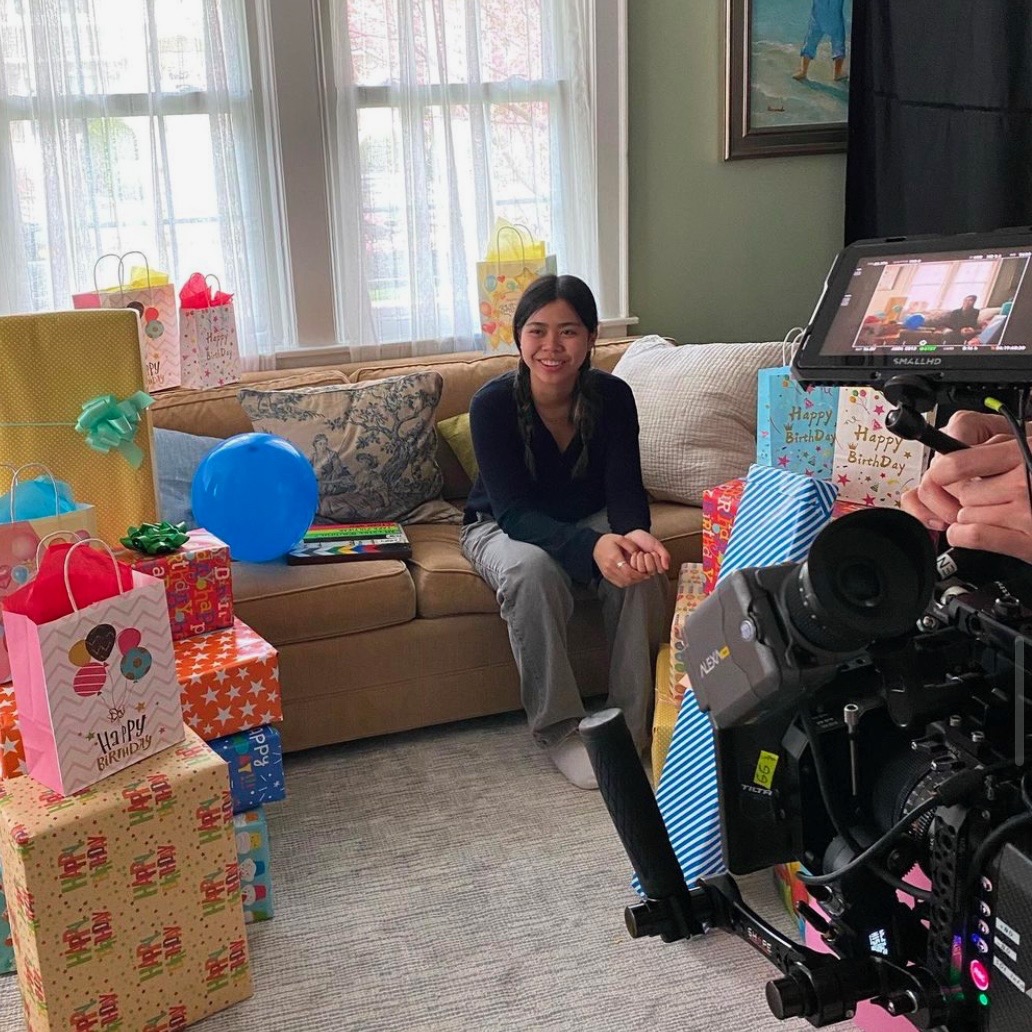
My passion for storytelling started with photography when I received a Canon DSLR for my 14th birthday. I was drawn to street photography, capturing everyday moments that naturally evolved into short video edits of my city and friends. Early on I made countless silly skits with my best friends, which sparked my love for scripted projects and filmmaking as a whole.
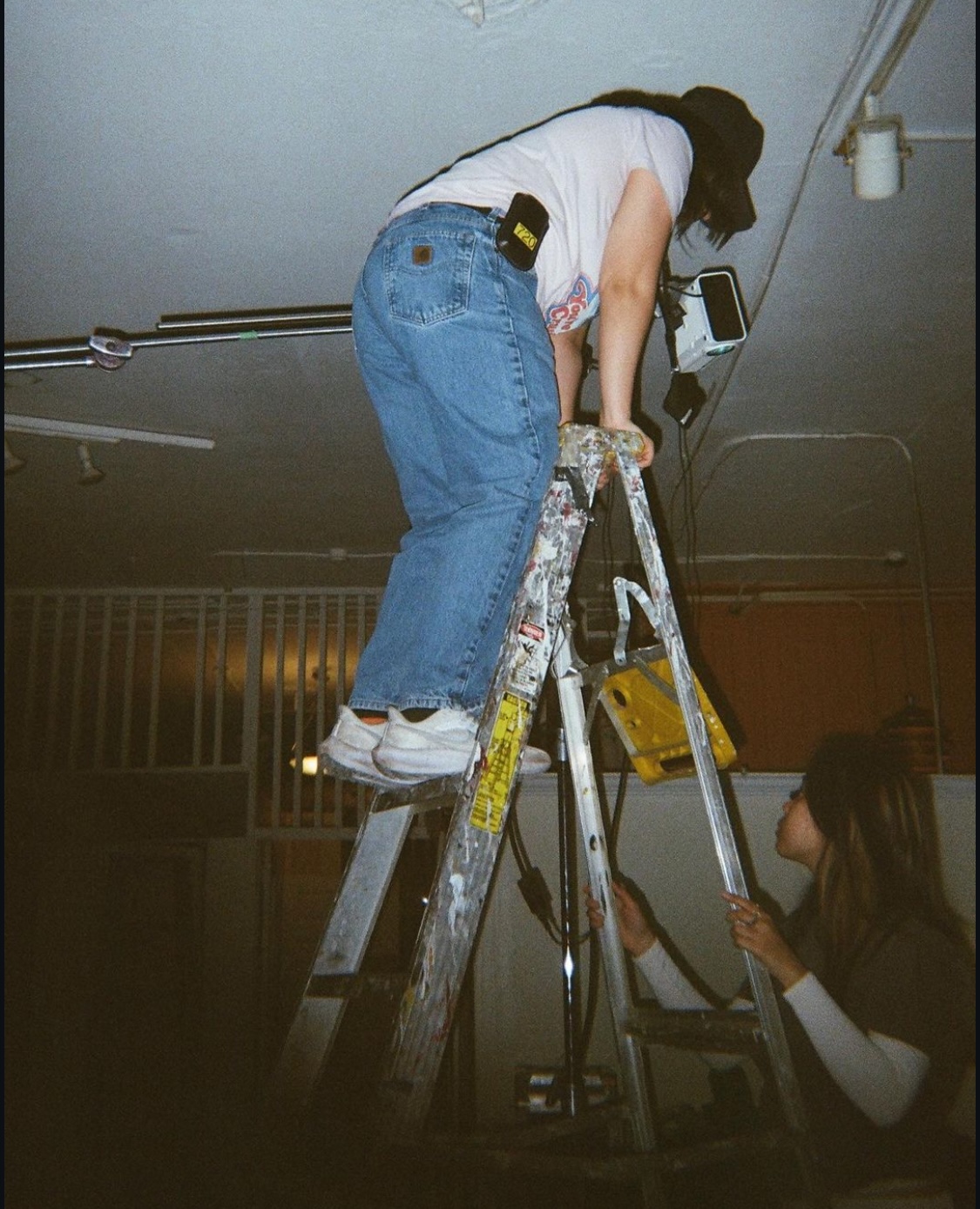
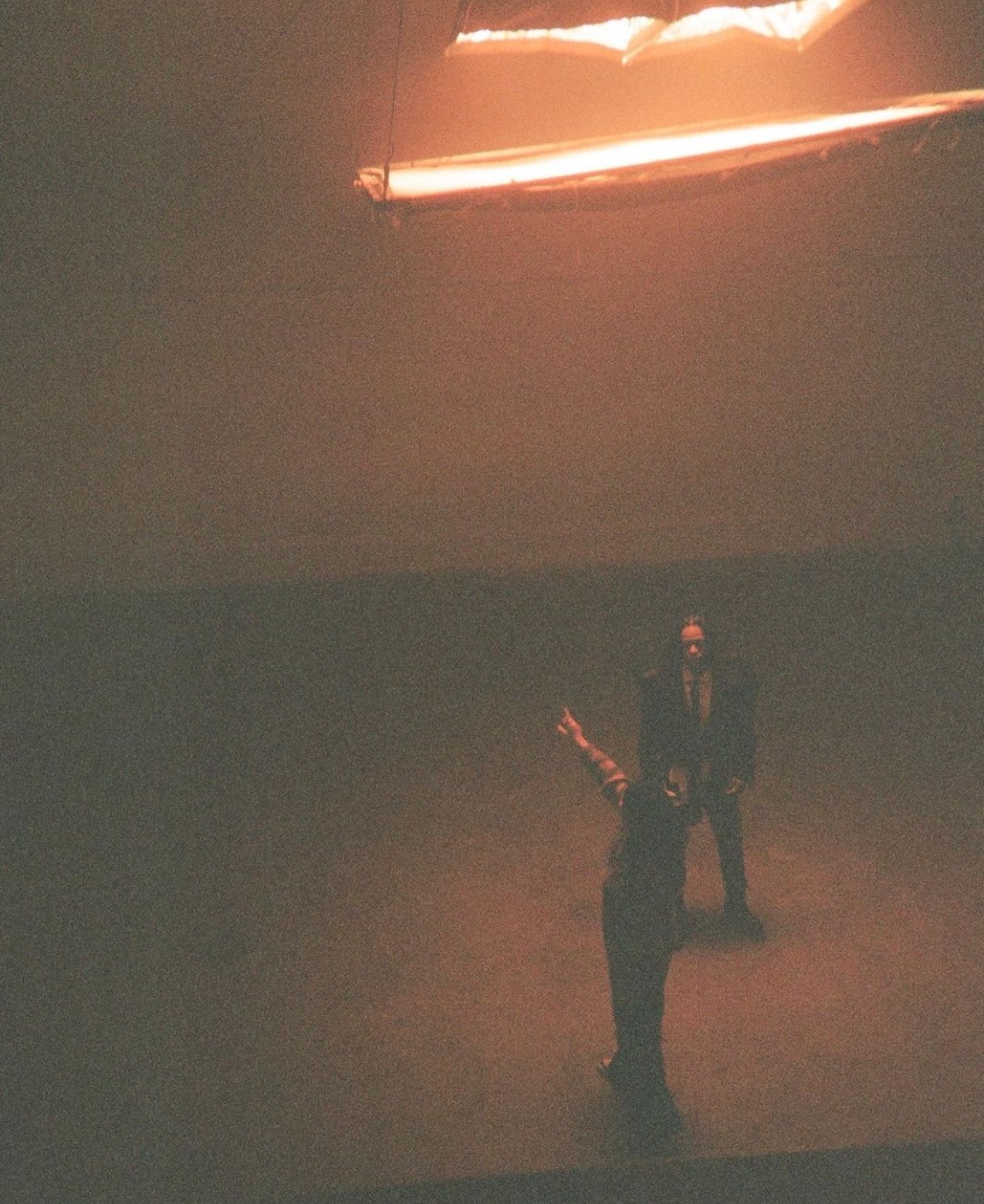
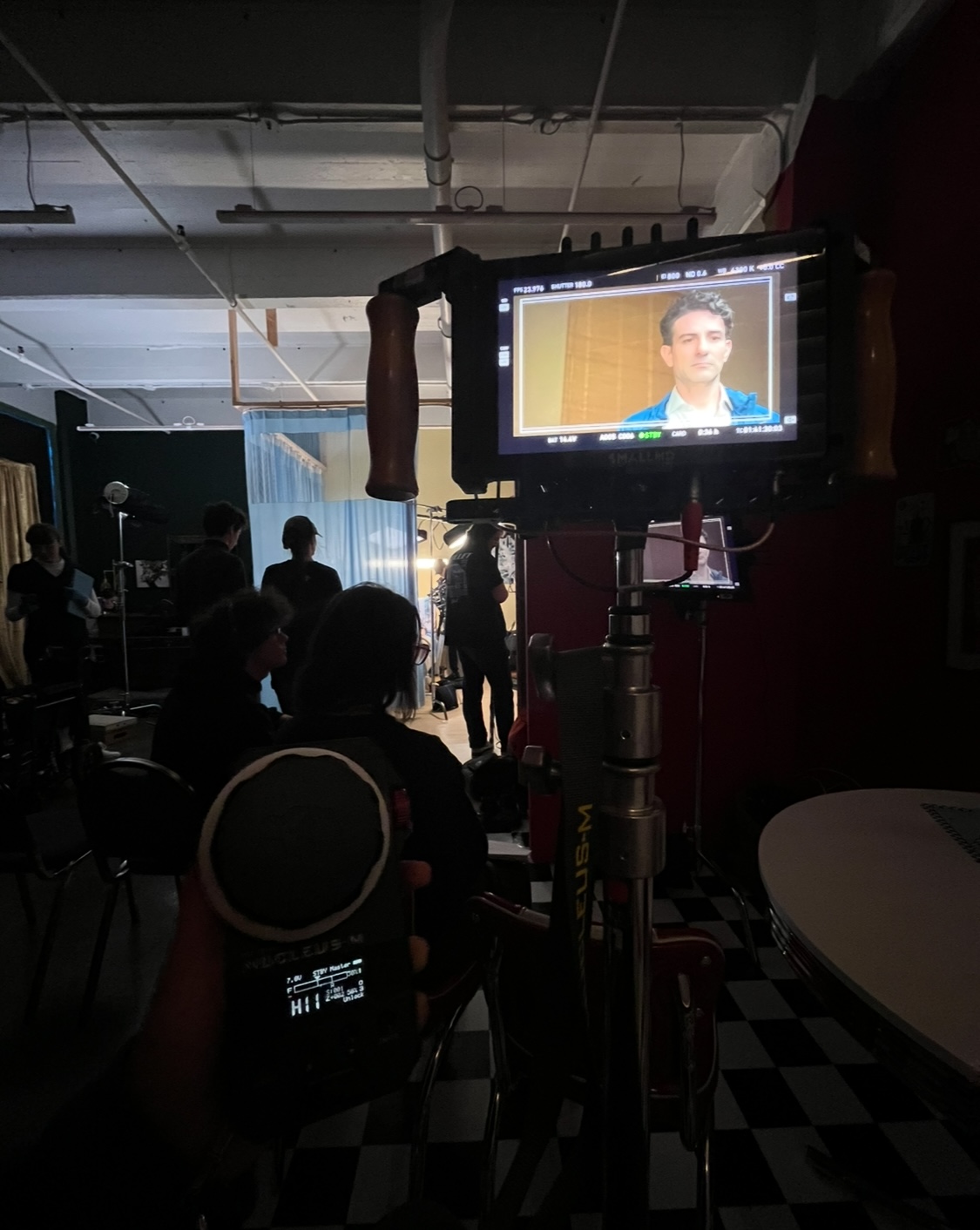
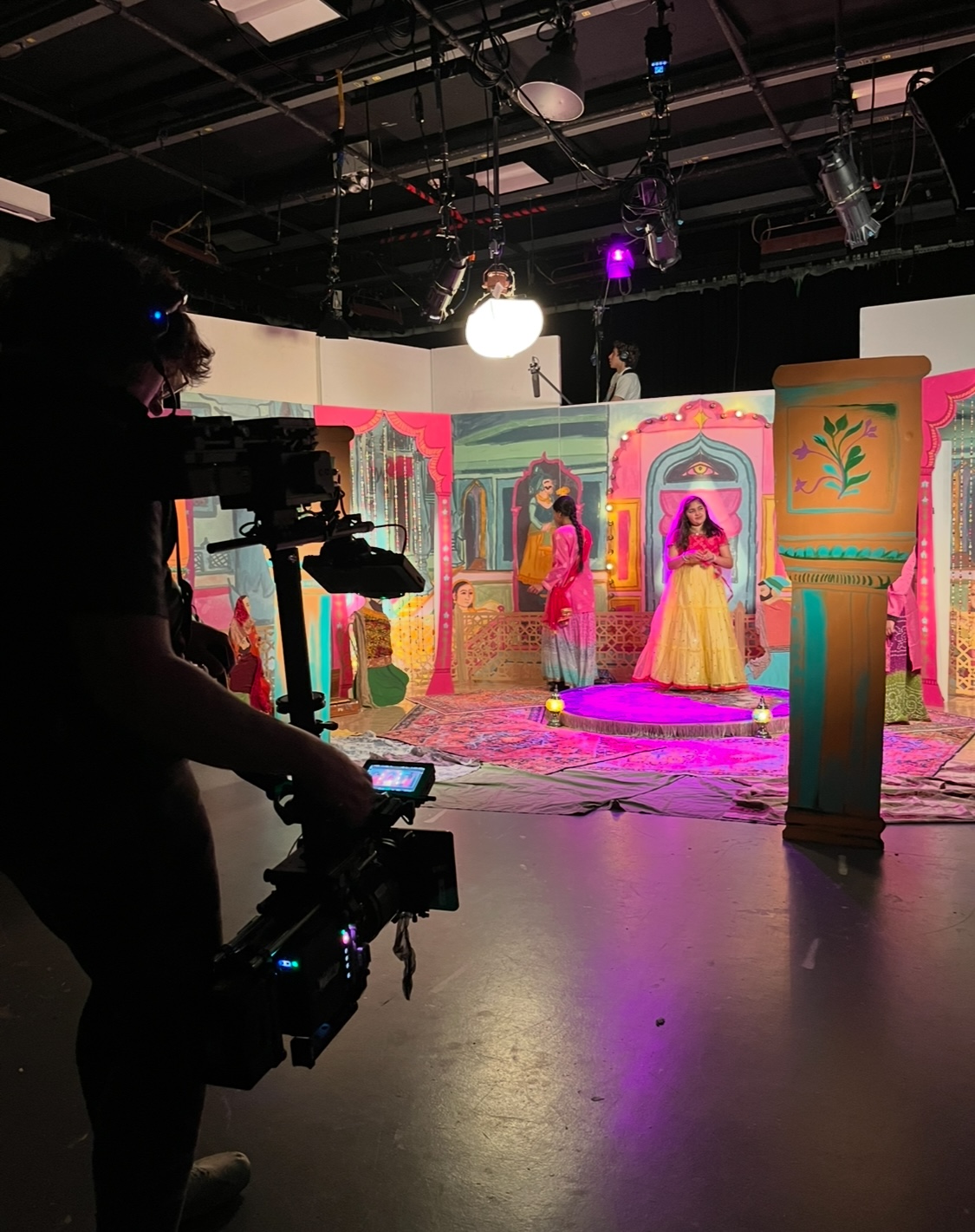
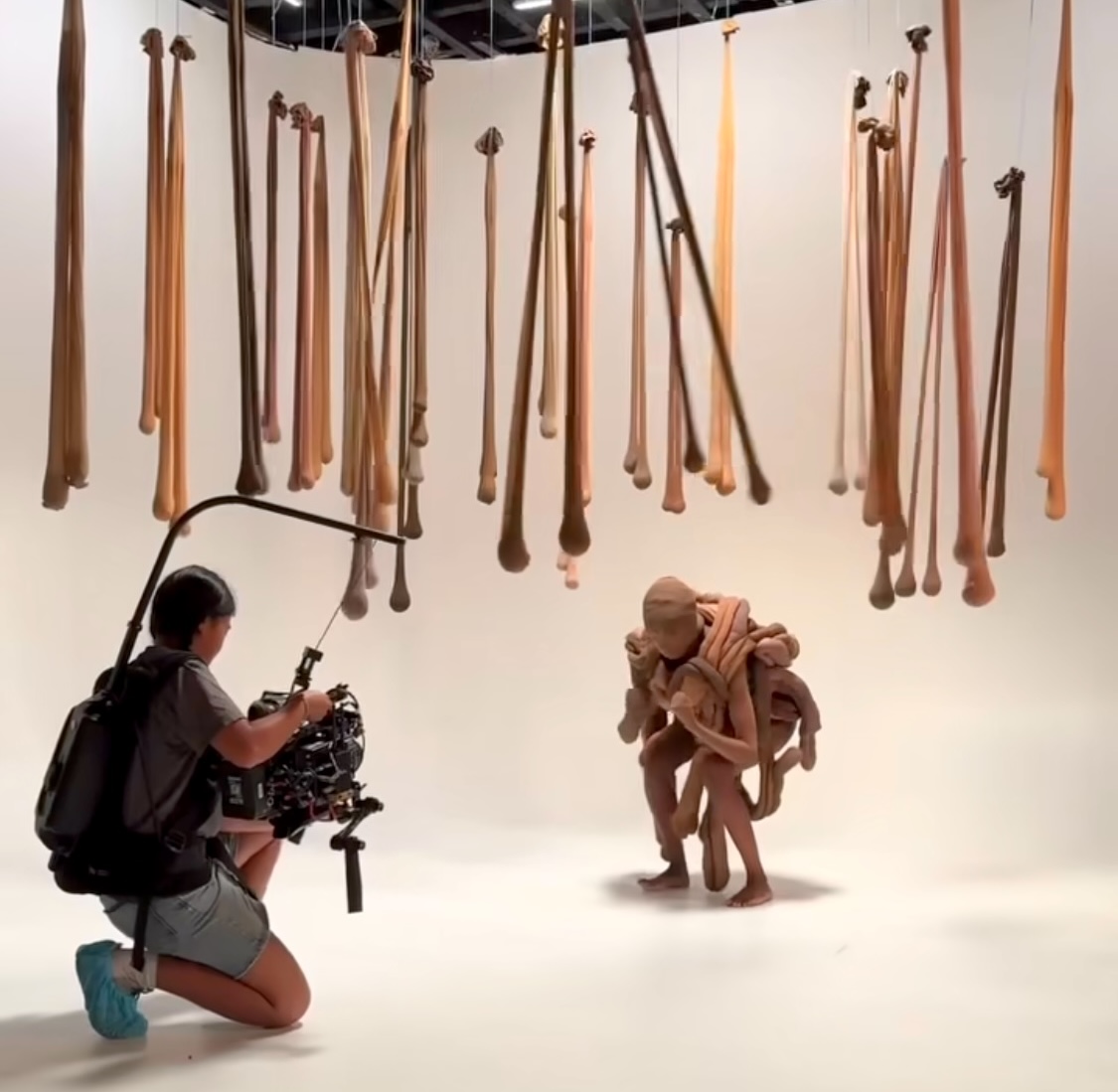
That passion deepened when I moved to New York City to study film at NYU, where I had the privilege of collaborating with some of the most talented people I know—many of whom I continue to work with today. Over the course of four years, I explored multiple aspects of filmmaking, from directing and producing to cinematography and camera assisting. While I primarily focus on producing now, I still enjoy stepping into other roles when the opportunity arises.
Having experience across different departments gives me a unique perspective as a producer. I understand what each crew member needs to do their best work, what gear is actually essential versus what’s just nice to have, and how to balance creative ambitions with real-world limitations.
I specialize in low-budget indie productions, which means I’m great at managing tight budgets and helping clients prioritize their resources effectively. My goal is not to say “no” to ambitious ideas—I want to work with directors and creatives to find solutions. If budget constraints arise, I help them make informed decisions: Is securing that lead actor the top priority, or is it more important to bring a production designer’s vision to life? These are the kinds of conversations I facilitate, ensuring that every project achieves the best possible result within its means.
Ultimately, I thrive on collaboration and problem-solving. What sets me apart is my ability to bridge the creative and logistical sides of filmmaking, making sure that a vision doesn’t just exist on paper but comes to life in the best way possible.
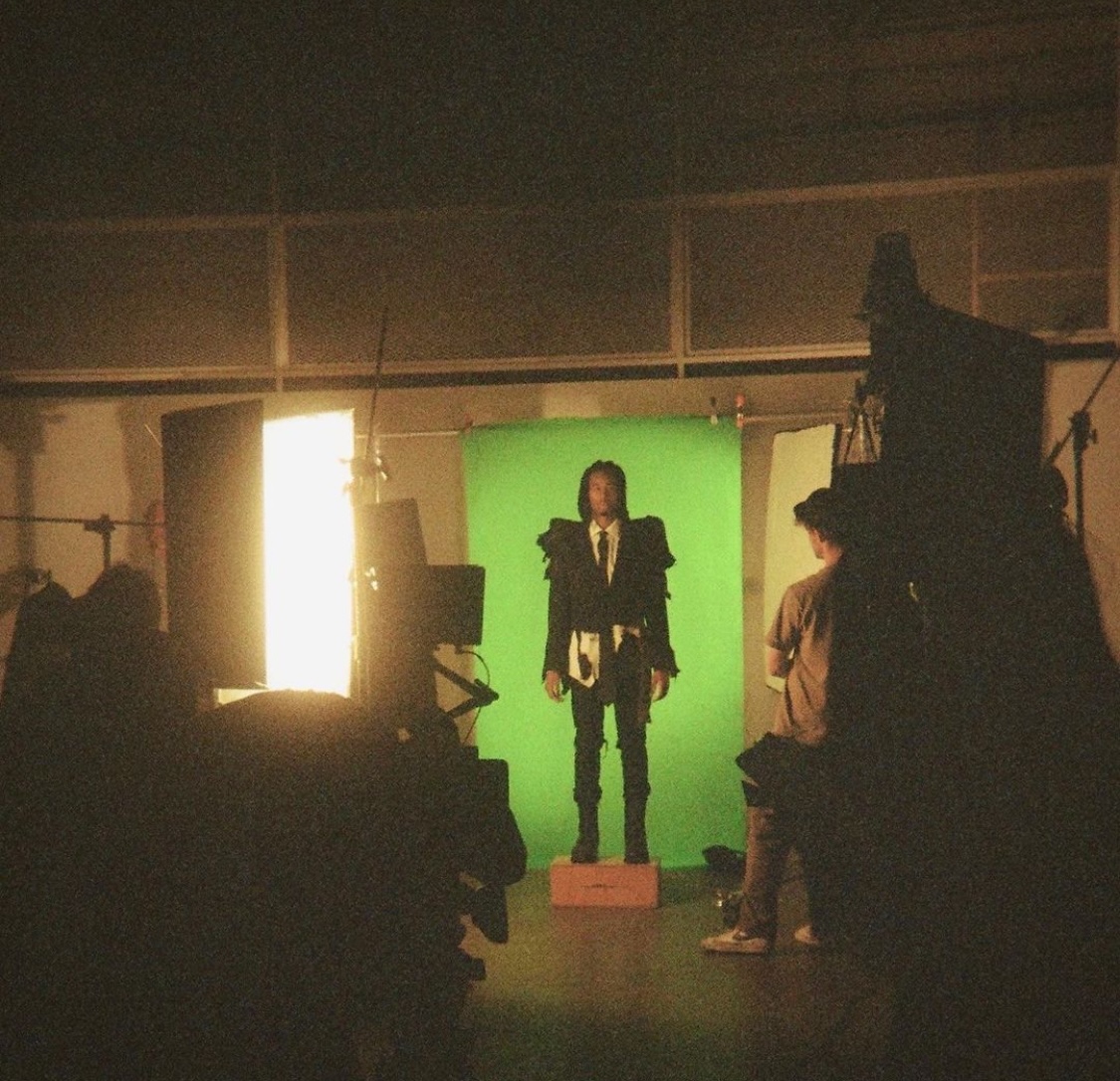
Let’s talk about resilience next – do you have a story you can share with us?
Immediately after graduating college, I was given the opportunity to be one of the producers for an indie pilot. I was ecstatic—this was my biggest project yet, with a budget so high it honestly freaked me out. How do I manage this? Me, a lead producer? The thought of calling up my friends, offering them real work, and bringing this vision to life had me on top of the world.
For months, I built this project from the ground up. What started as soft prep turned into full-blown production planning: a locked script, a confirmed cast of over 30 actors, a solid crew, and a clear post-production pipeline. We held weekly meetings, constantly refining details to ensure we were on track. It felt real—it was real.
Then, just one week before we were set to shoot, everything fell apart. A major investor pulled out, and with that single loss, the director decided to shut down the project. The entire production unraveled in a 15-minute phone call. I was stunned. This was my first real taste of a project collapsing, and it felt like everything I had worked toward just vanished overnight. But the hardest part wasn’t my own disappointment—it was having to face the crew, people who had put their trust and effort into this, and break the news that the project wasn’t happening.
One of the toughest realities of being a filmmaker is knowing that sometimes, despite all the planning, effort, and passion, a project just doesn’t make it. I had really pinned my hopes on this as my big break, and when it fell through, I was left in a deep rut. Work slowed down, and I found myself stuck—both professionally and mentally. I spent weeks just sitting in my room, feeling like I had failed.
But after some time, I realized: this is just part of the process. No filmmaker—no matter how seasoned—goes through their career without setbacks like this. What mattered was how I moved forward. I learned more from this experience than I ever expected—how to handle unpredictability, how to communicate bad news with grace, and how to take ownership of a situation even when it’s out of my control. I carried a lot of guilt over the crew losing work, but I’ve come to accept that every project, whether completed or not, is a step forward.
This wasn’t the break I imagined, but it was a turning point. It showed me resilience isn’t just about pushing forward—it’s about adapting, learning, and being ready for the next opportunity, no matter what.
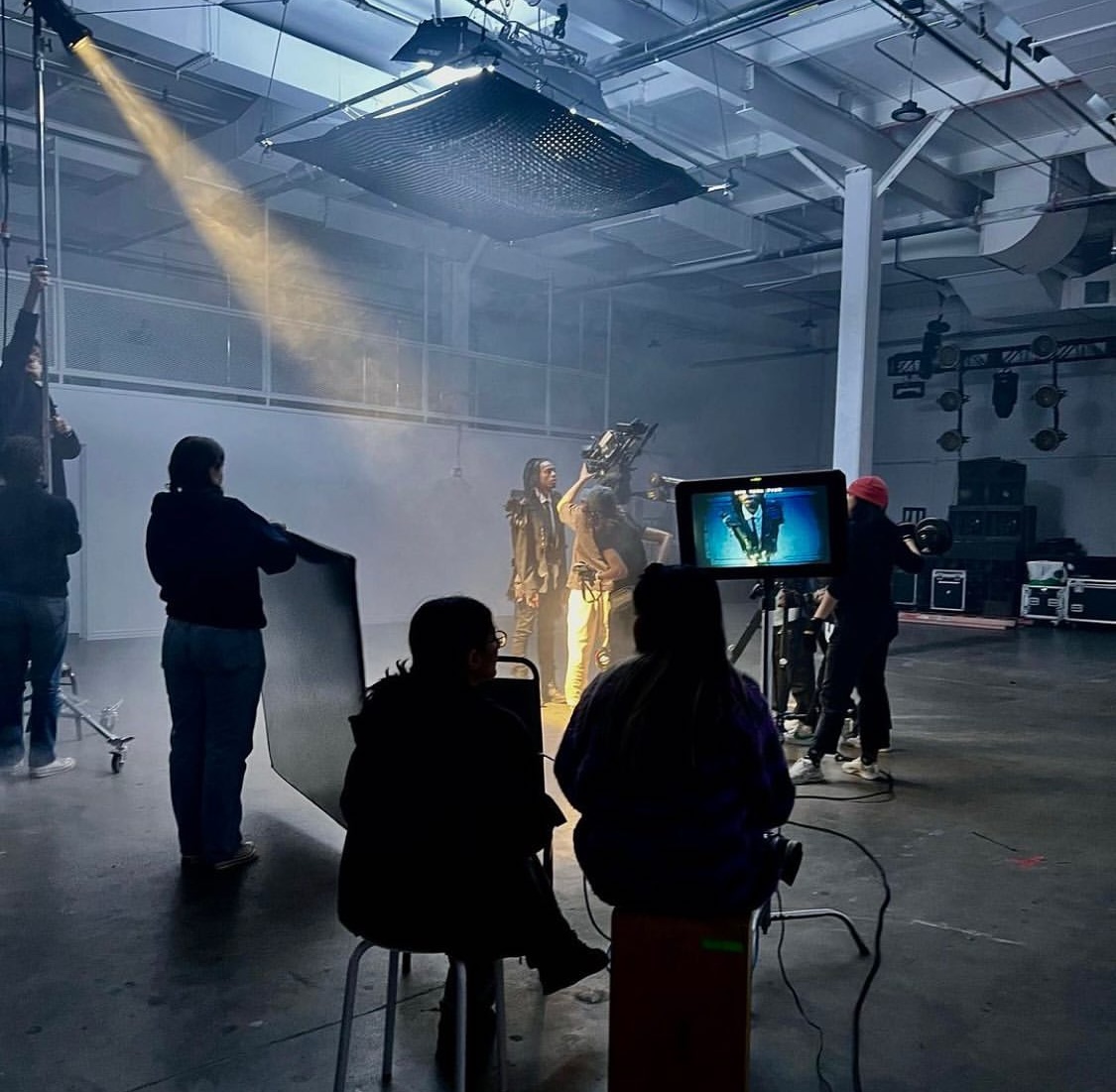
What do you find most rewarding about being a creative?
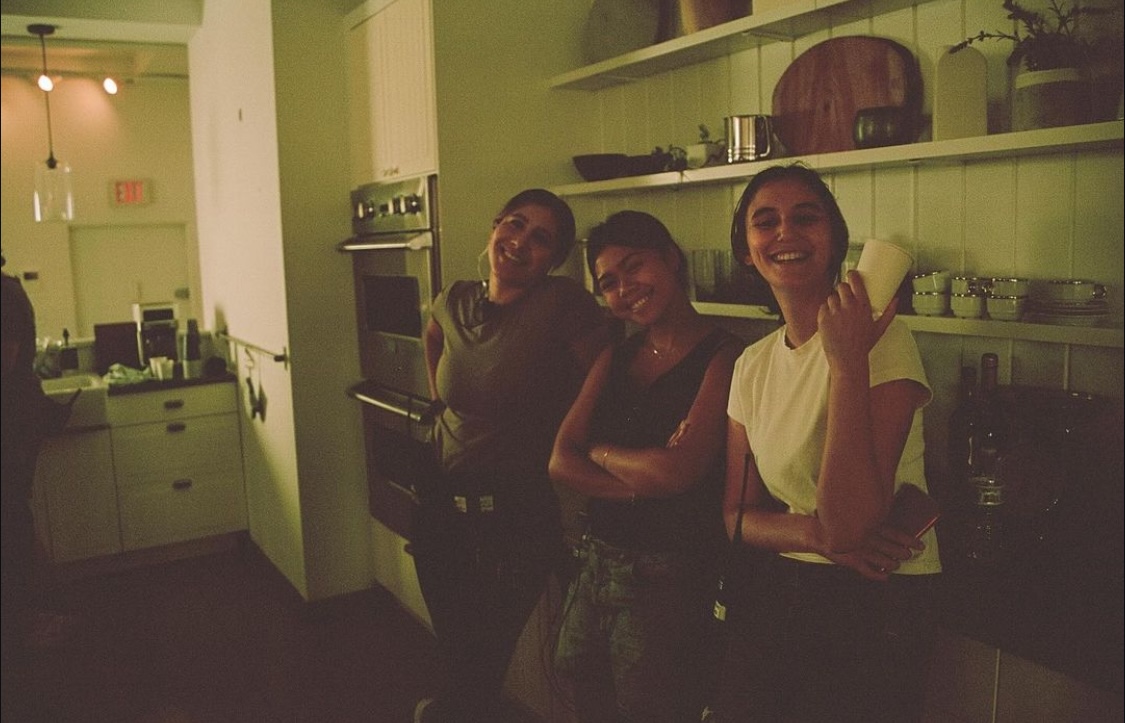
As corny as it sounds, one of the most rewarding aspects of being a filmmaker is that your collaborators often become your closest friends. In an industry where teamwork is everything—you simply can’t get the job done alone—you end up meeting some truly incredible people. I’ve been lucky enough to form some of my strongest friendships through filmmaking. The best editor I know? She’s my roommate. One of the most talented directors I’ve worked with? Also my roommate. We’re all navigating this unpredictable industry together, sharing our successes, failures, and the lessons learned along the way.
Beyond that, even when I step onto a set where I don’t know anyone, I know I’ll walk away with new connections. Spending 12-hour days together, problem-solving, laughing through exhaustion, and pushing toward a common goal creates a special bond.
But the ultimate reward is seeing months of hard work come to life on screen. Every project starts as just an idea—some scribbled notes, a Google Doc, a passing thought turned into something bigger. So when all that effort finally culminates in a finished film, it’s an indescribable feeling. Especially knowing how many projects get stuck in post-production limbo, never to see the light of day. For me, the most fulfilling moment is watching a completed piece, knowing that we made this happen.
Contact Info:
- Website: https://www.tarazulfikar.com/
- Instagram: https://www.instagram.com/tara_zulfikar/
- Linkedin: https://www.linkedin.com/in/tara-zulfikar-a5060526a/