


We were lucky to catch up with Tara Sellios recently and have shared our conversation below.
Tara, thanks for joining us, excited to have you contributing your stories and insights. Earning a full time living from one’s creative career can be incredibly difficult. Have you been able to do so and if so, can you share some of the key parts of your journey and any important advice or lessons that might help creatives who haven’t been able to yet?
The thing is, I don’t earn a full time living from my creative work! Income as an artist has always been a roller coaster that I willingly ride. I have spent my life earning a living working in the service industry. I’ve done everything from serving in fine dining restaurants, to failed restaurants trying to be art galleries, to Irish bars, to dance clubs, but I mostly have put food on my table from bartending. Presently, I work in several different live music venues, which for the most part is fun – I get to experience a lot of music, and it’s fast and simple. It allows me a lot of time and freedom to work on my art. In many ways, doing that job has influenced my work, even in ways that I may not even realize. Between the cast of characters that I’ve worked with and encountered, to dealing with various aspects of the public, to observing the drinking, it has to be showing up somewhere. Sometimes I step back and watch people when I’m behind the bar – it feels like a theater stage.
Tara, before we move on to more of these sorts of questions, can you take some time to bring our readers up to speed on you and what you do?
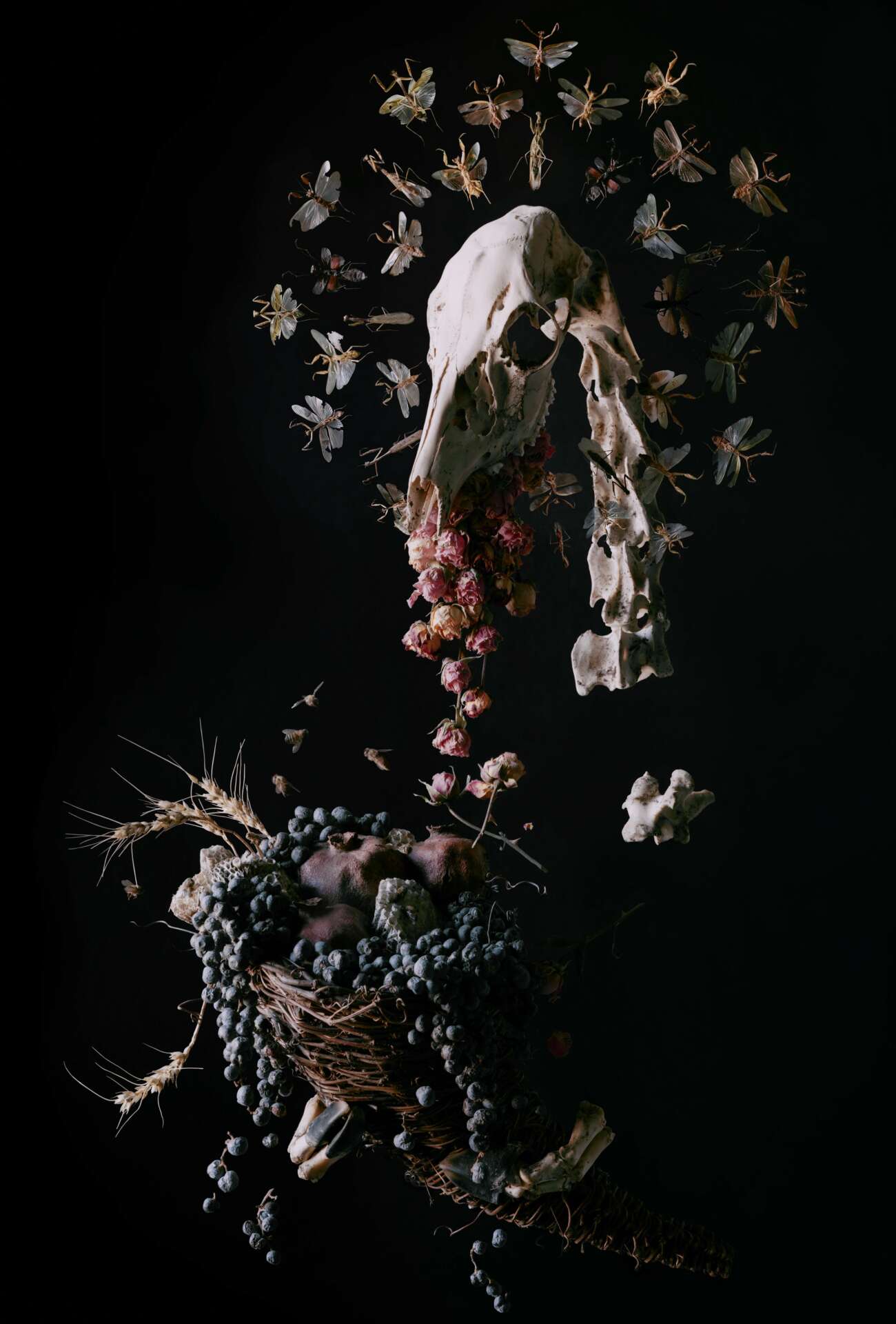
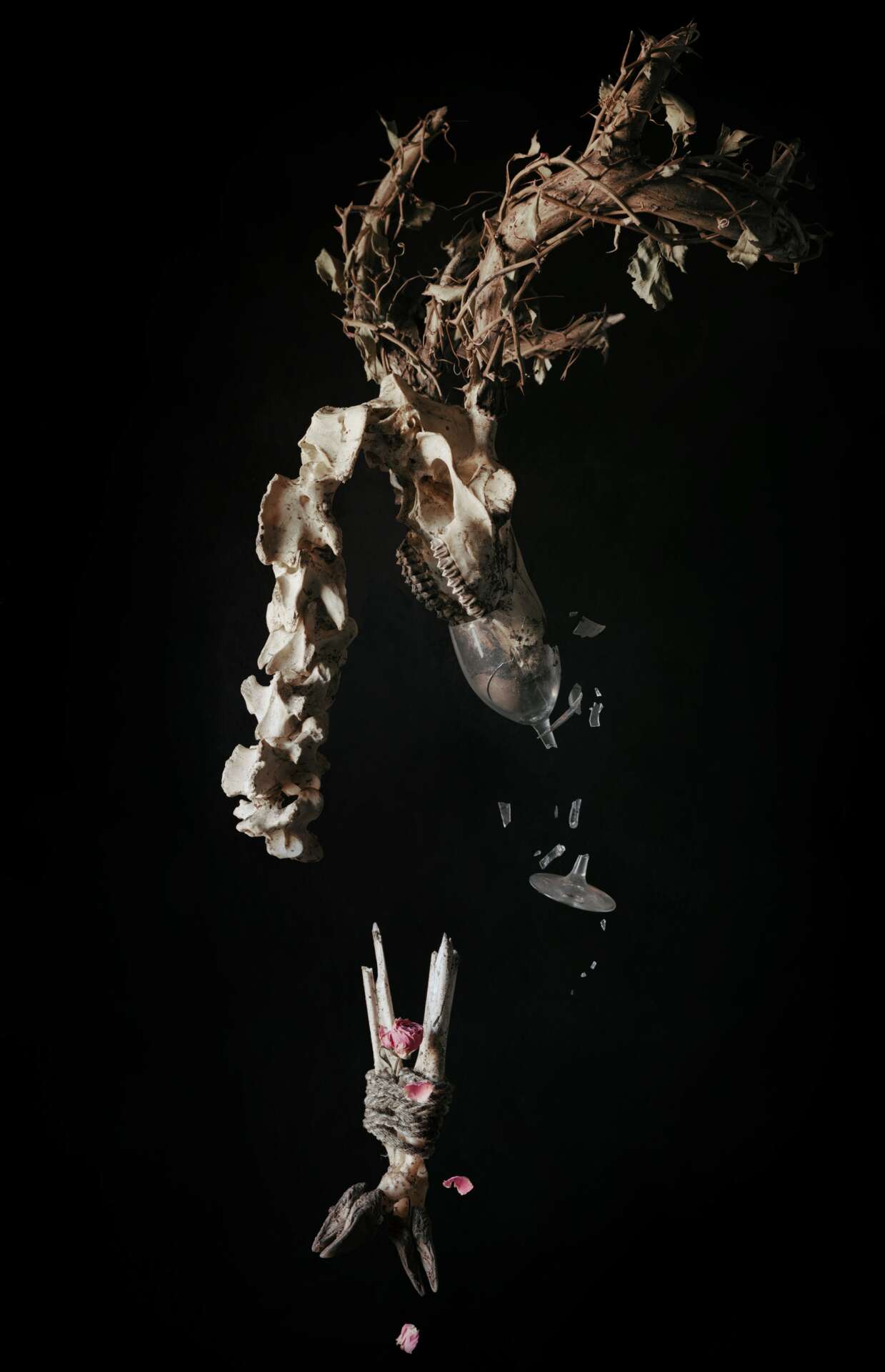
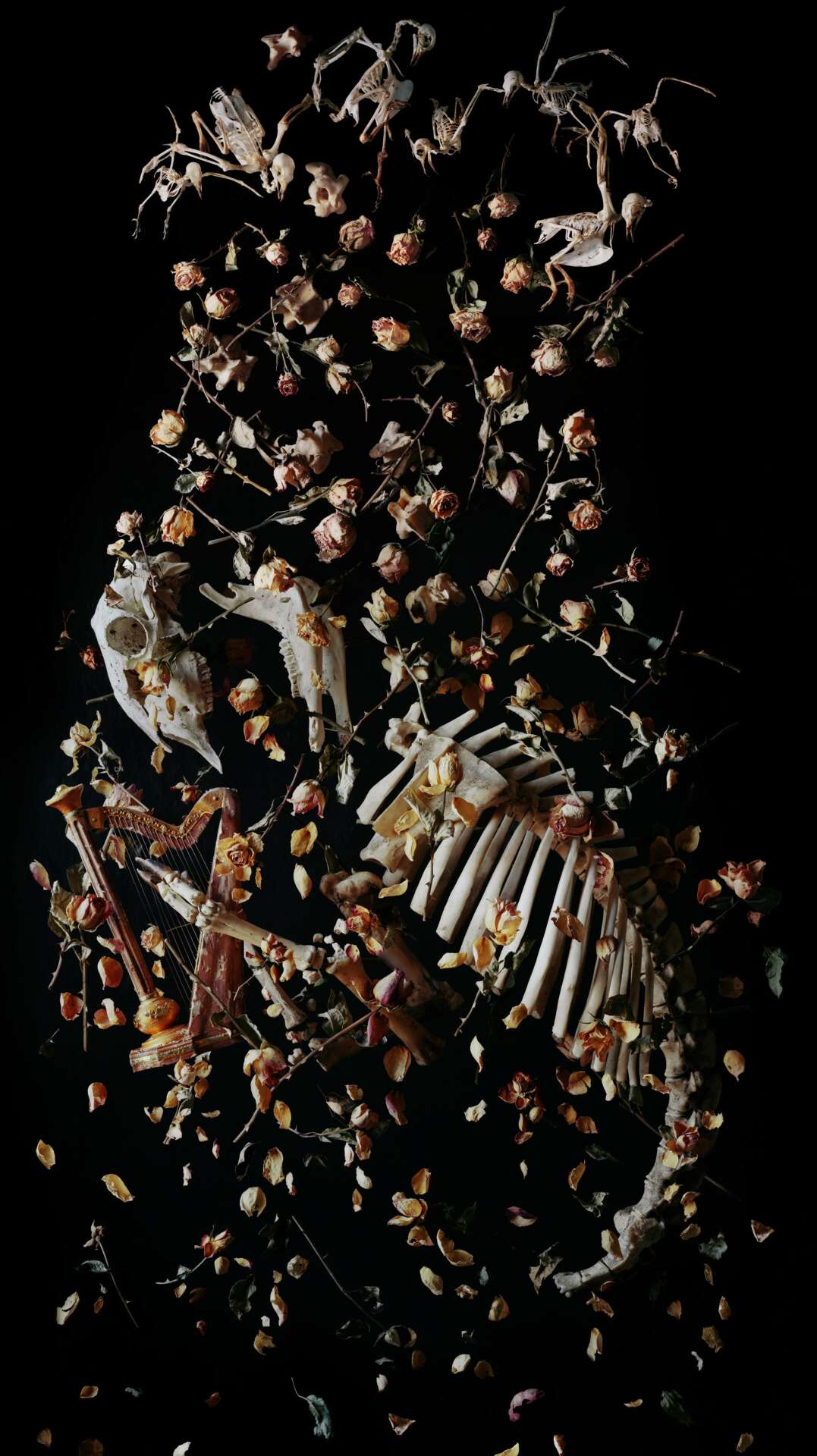
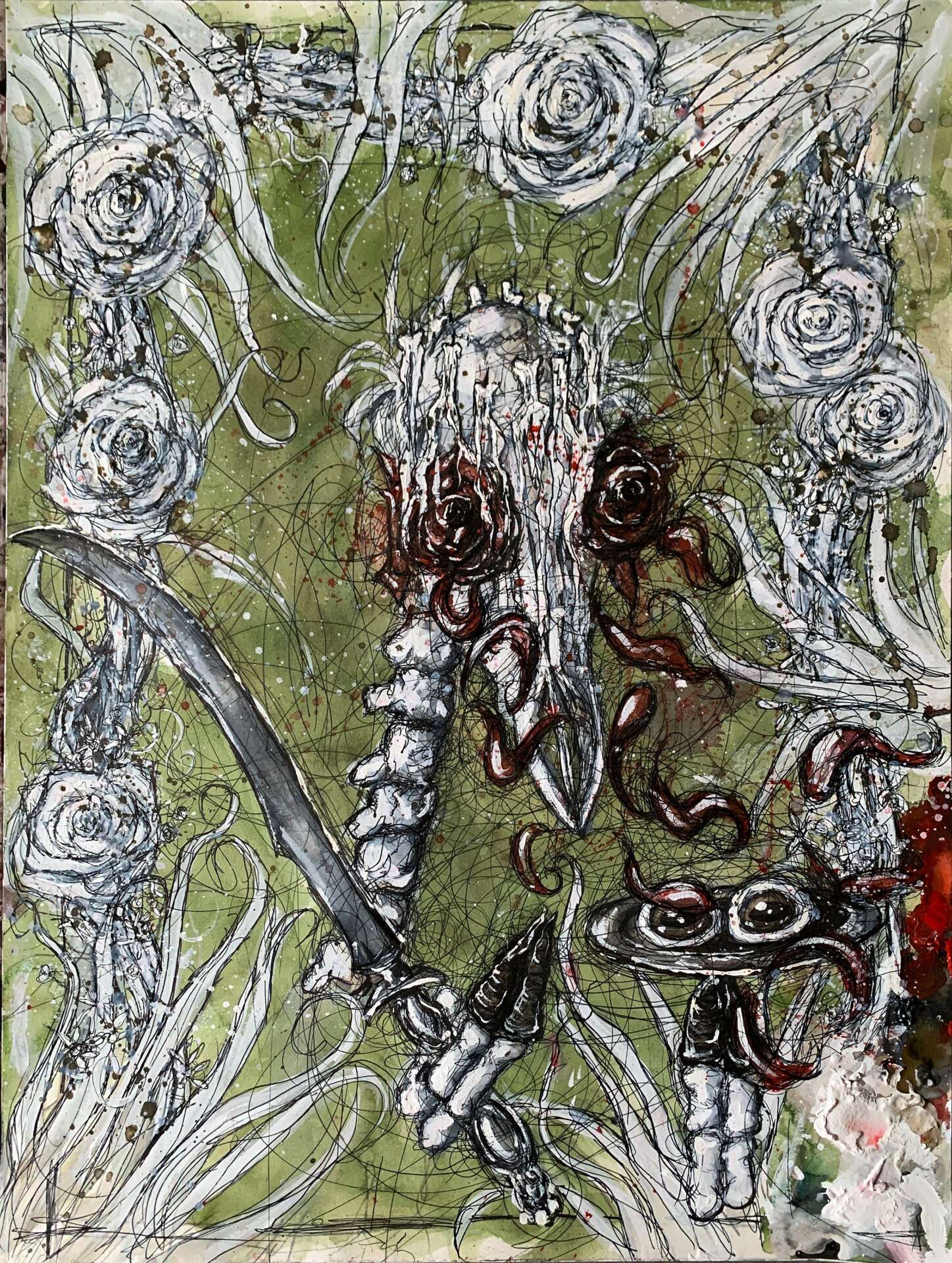
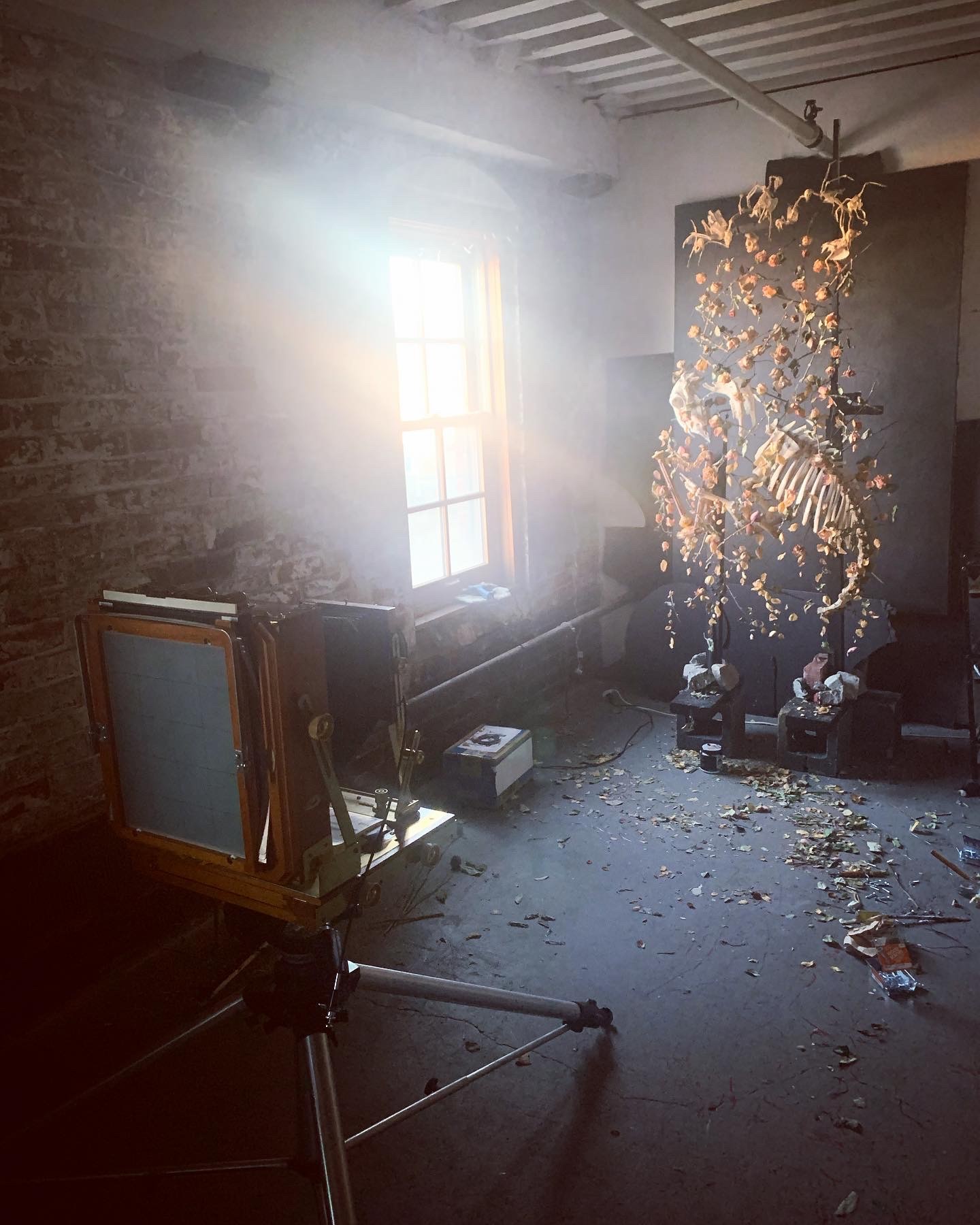
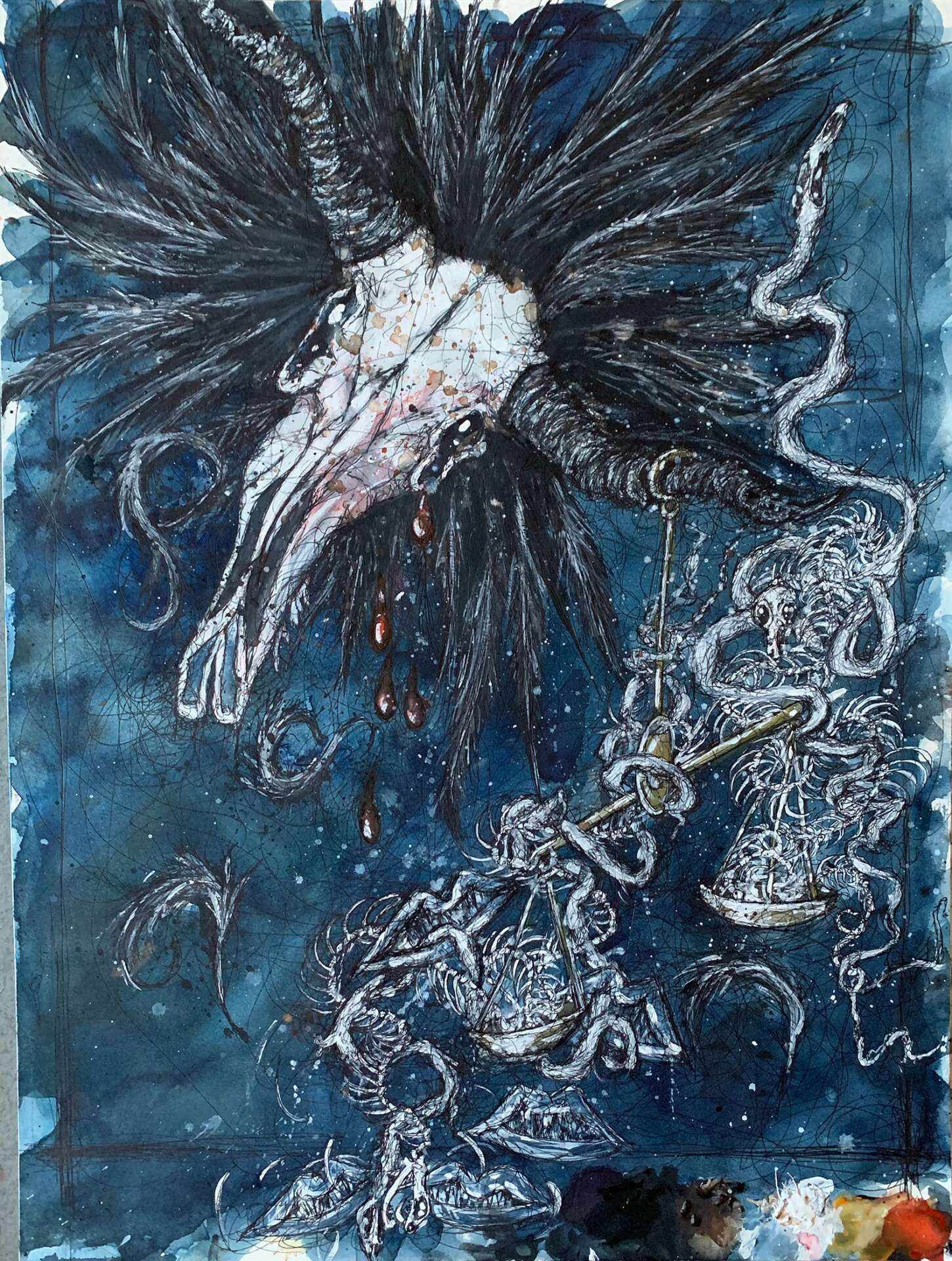
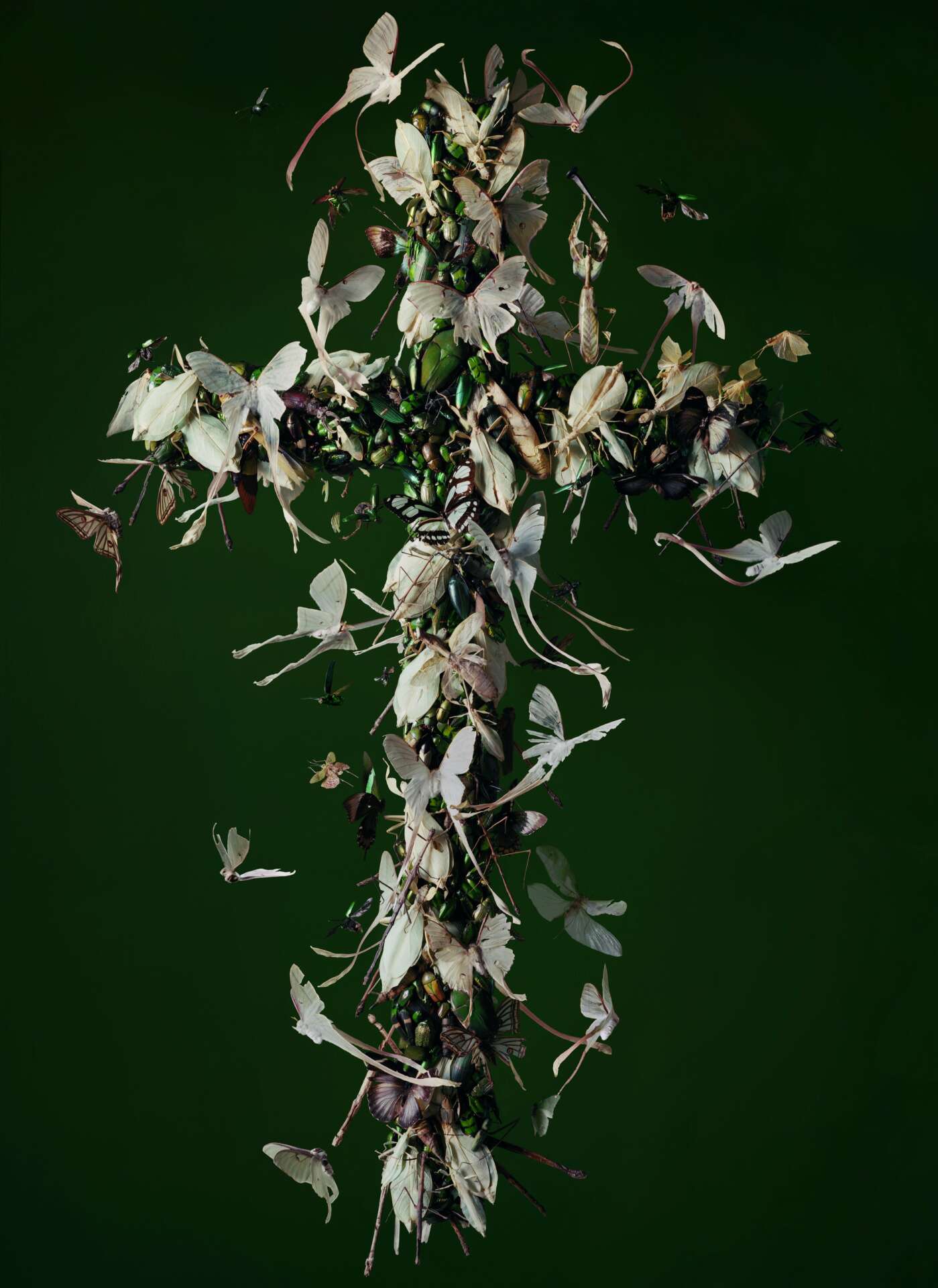
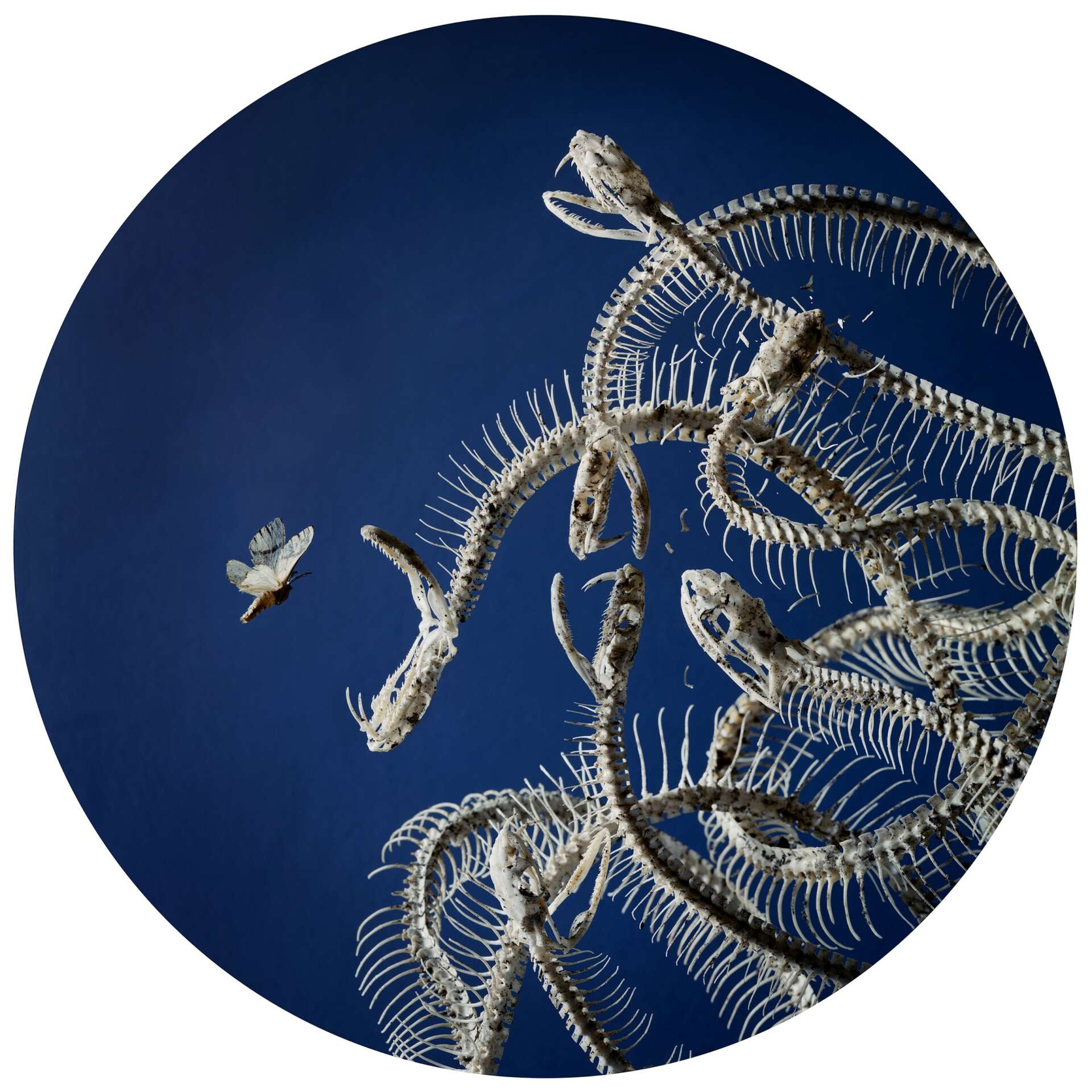
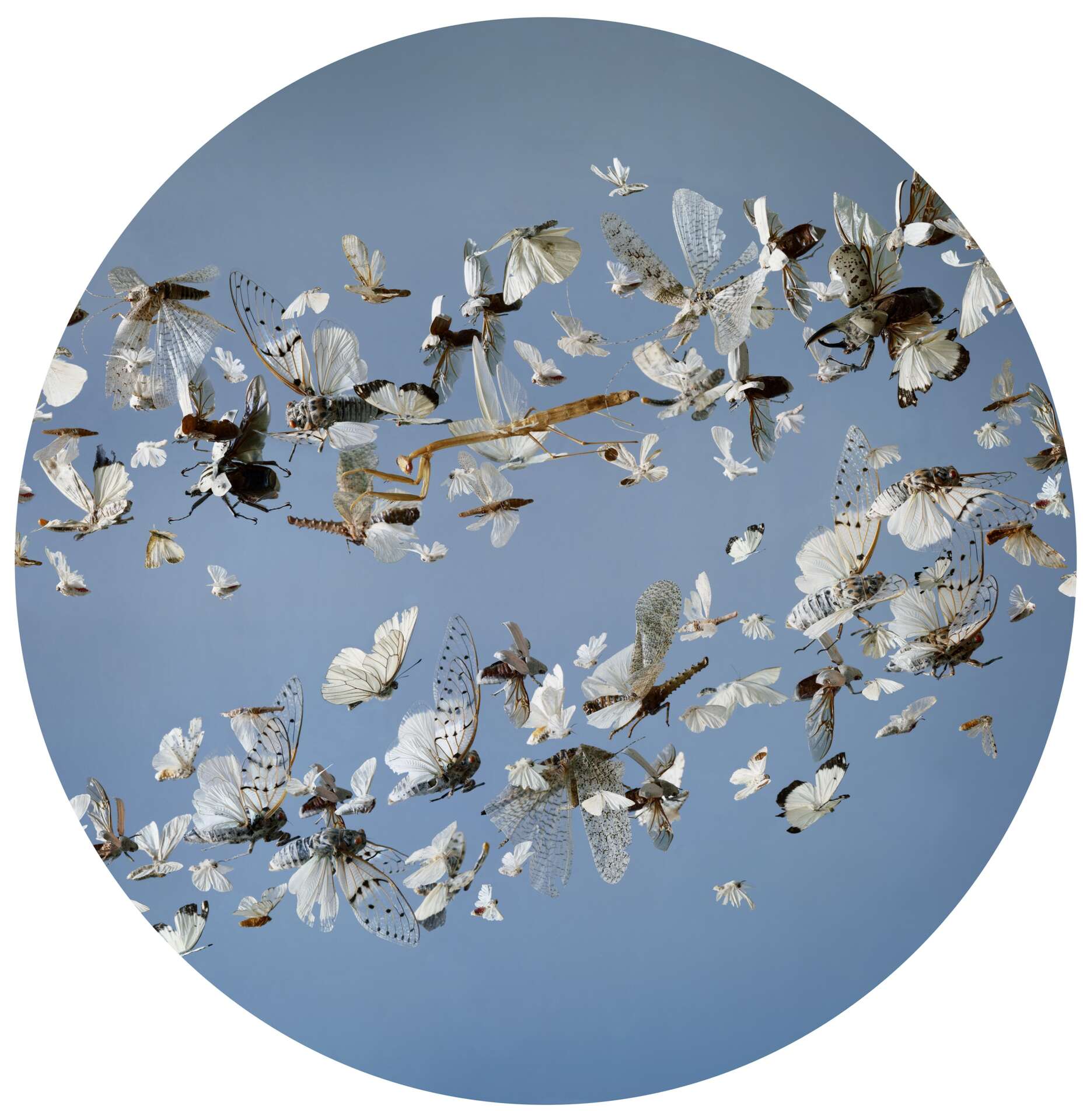
I am a multidisciplinary artist working mainly in large format photography, but also in drawing, sculpture and installation. My painterly, highly detailed photographs are intensely planned and process oriented. Prior to making a preliminary watercolor sketch, I use an 8×10 view camera to photograph the sculptural scene, which is created using mostly organic matter such as real insects and animal skeletons. The end result are large, dramatic still life photographs wrought with sensuality, lightness and darkness, and religious symbolism.
I have always created out of a need to do so, as if I had to purge something out of me. I think if I didn’t create, I’d explode. Initially, I attended art school in Boston, MA with intention of being a fine arts major, as I had primarily focused on drawing and painting when I was younger. Two weeks into the program, I realized that I couldn’t stand sitting in a classroom drawing stacks of boxes or doing patterned color studies, I switched into the photography program, as it was a medium I didn’t know much about, and it actually intimidated me. The program seemed more conceptually driven, which with all my energy and ideas, was far more appealing. From there, I realized I could essentially create “paintings” with the camera. Art history is passion of mine, which I pursued as a double major in school. I love religious altarpiece painting and old apocalypse paintings of the last judgment, heaven, and hell. They are so wild, symbolic and simultaneously gorgeous and terrifying.
At the moment, I am preparing for my first solo museum exhibition at the Fitchburg Art Museum, which will consist of photographs, drawings, sculpture and installation. I am also in the midst of having a series of shows in Italy, with the next being in a castle from the byzantine age in Como. Exhibiting in Europe is such a wonderful treat for me, as I feel like my work fits really well there, especially since I’ve been so influenced by their art history. I continue to live and work in my studio here in Boston, where I am presently enjoying a very fruitful, creative burst.
For you, what’s the most rewarding aspect of being a creative?
I am grateful every day that I am an artist, as I believe it allows me to view the world differently than if I wasn’t. Everything that I do or see, however seemingly mundane, somehow goes into the work – everything is feeding the creativity. The world can appear to be a very dark and dismal place, but I feel that as an artist, I am hyper-sensitive to the beauty, the small details that may go unnoticed. It’s a fun and exciting way to perceive the world. I think the reward is to humbly attempt to transmute that beauty through my work so that it can be experienced by others, and to succeed in doing so.
In your view, what can society to do to best support artists, creatives and a thriving creative ecosystem?
I am going to start with encouraging people to go to shows, go see work in person. There is so much viewing of art online now, which has its place, but that is not the intended way to experience it. So much gets lost in viewing work that way. Go support artists and see the exhibit. If it’s an opening, ask questions, be part of the experience. If you are in a place to buy, if you are enthralled by the artist’s work, do so, but ask questions, create a relationship. I love sharing the details and process, having a conversation, with people who have decided to own one of my pieces. That’s one of the fun parts of being an artist.
Contact Info:
- Website: www.tarasellios.com
- Instagram: @tarasellios
- Facebook: https://www.facebook.com/tara.sellios
Image Credits
Tara Sellios