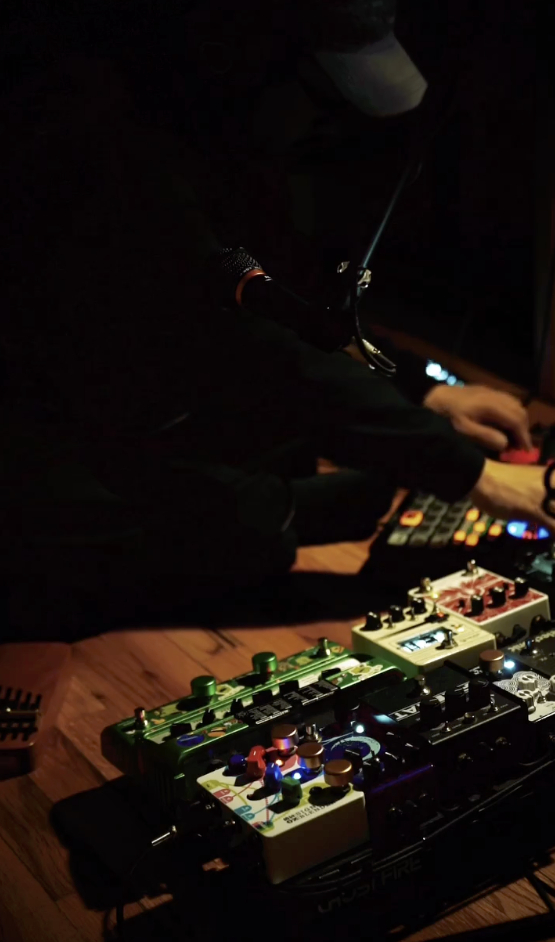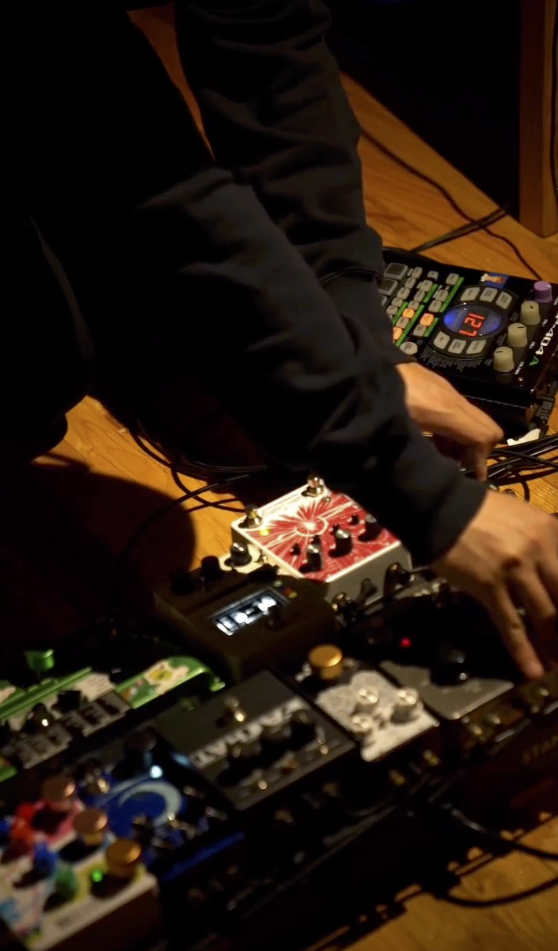

We caught up with the brilliant and insightful Tao Ho a few weeks ago and have shared our conversation below.
Tao, thanks for joining us, excited to have you contributing your stories and insights. Can you talk to us about how you learned to do what you do?
There are a few questions I feel particularly connected to. I chose this one because ‘learning’ occupies a significant part of my artistic practice, in both ways.
I am an introverted and willful person; maybe it’s just me, but I have learned almost everything I am interested in by myself—from photography to music, even skateboarding (although I’m not good at it at all). Learning from others and asking questions is definitely a good thing, much more effective and time-saving. But I tend to figure things out intuitively on my own.
However, sometimes I am not fully learning on my own. Instead, I tend to receive hints from the external world; sometimes a phrase from books, movies, or even billboard, and sometimes someone talking about something else that I just overhear. It could be totally unrelated and unintentionally out of context, but it can make sense to me for things that have been stuck for a while.
To speed up my learning process, I think one of the key elements is pressure—accepting a project that I may only know 5% about. The moment I sense I am hitting the limit of my knowledge, which is quite often, I push through.
“You can’t wait until you are fully prepared to start doing something.”
I’m truly practicing this creed in these six years because I used to be on the opposite side, insisting that I had to be 100% prepared to do something. The fear of failure became my main obstacle, and I wasted so much time because of it. Life is always changing, and there is no such thing as a situation that allows me to be fully prepared.
Openness and focus, calm and patience, are the most essential skills, in my opinion. If we treat art as a way of being, everything is interconnected. The awareness of keeping our minds clear and focused, without being conquered by exhaustion, frustration, and distractions, is crucial. This is what I have truly sensed from my work life currently.
Work around it, if I am not able to work with it directly.
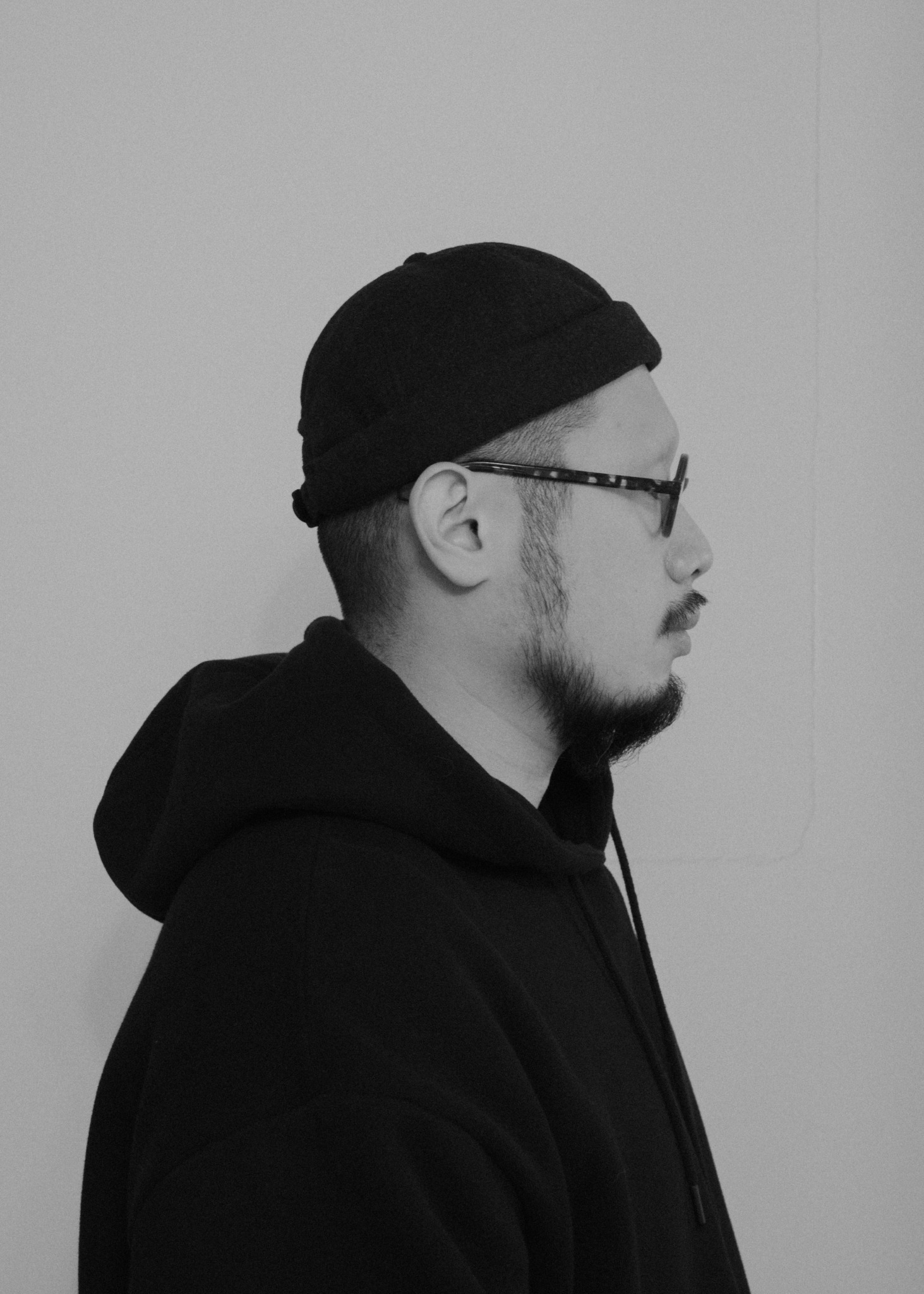
Awesome – so before we get into the rest of our questions, can you briefly introduce yourself to our readers.
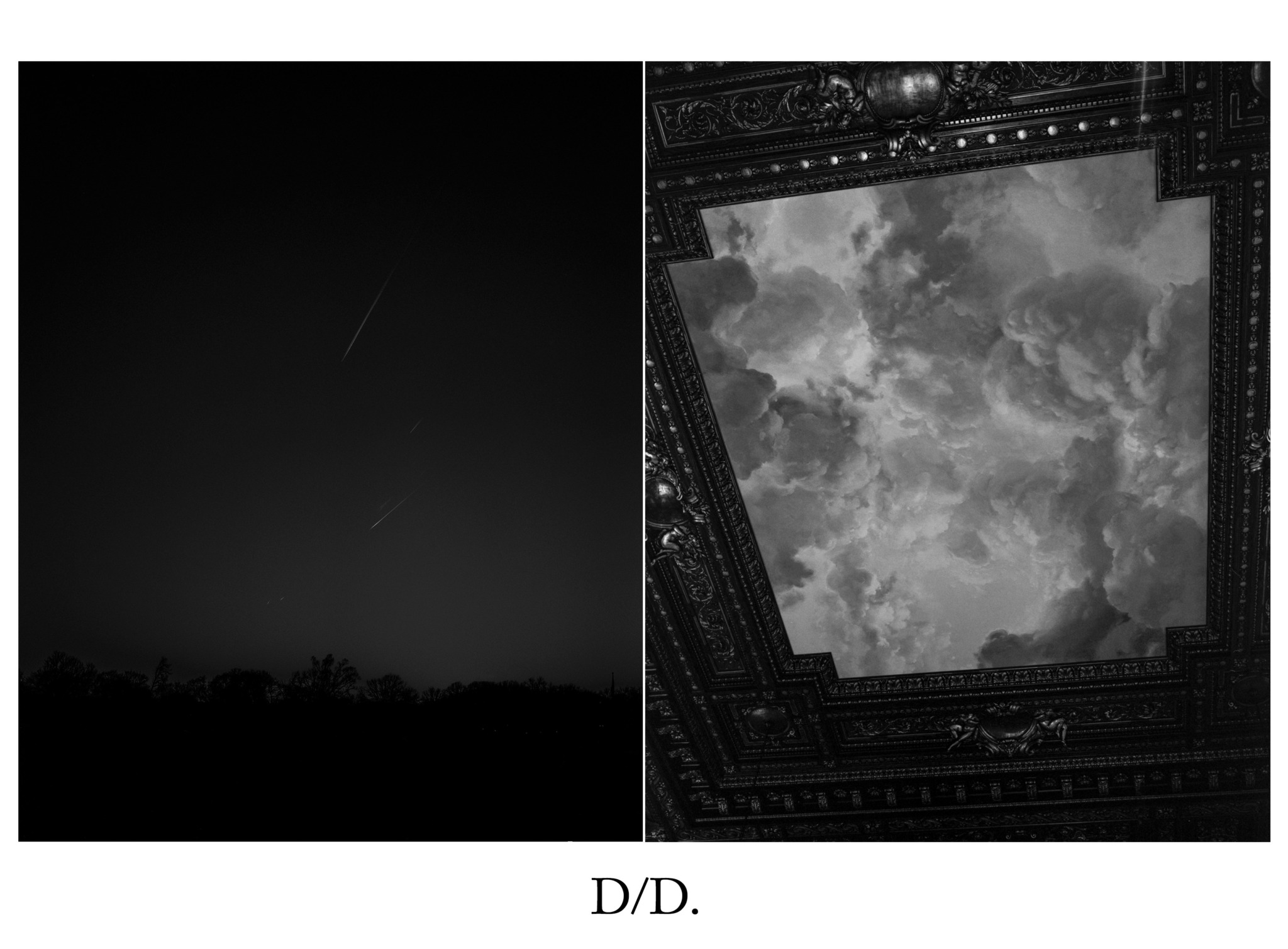
Tao HO is a musician, darkroom printer and photo artist based in Queens, New York City.
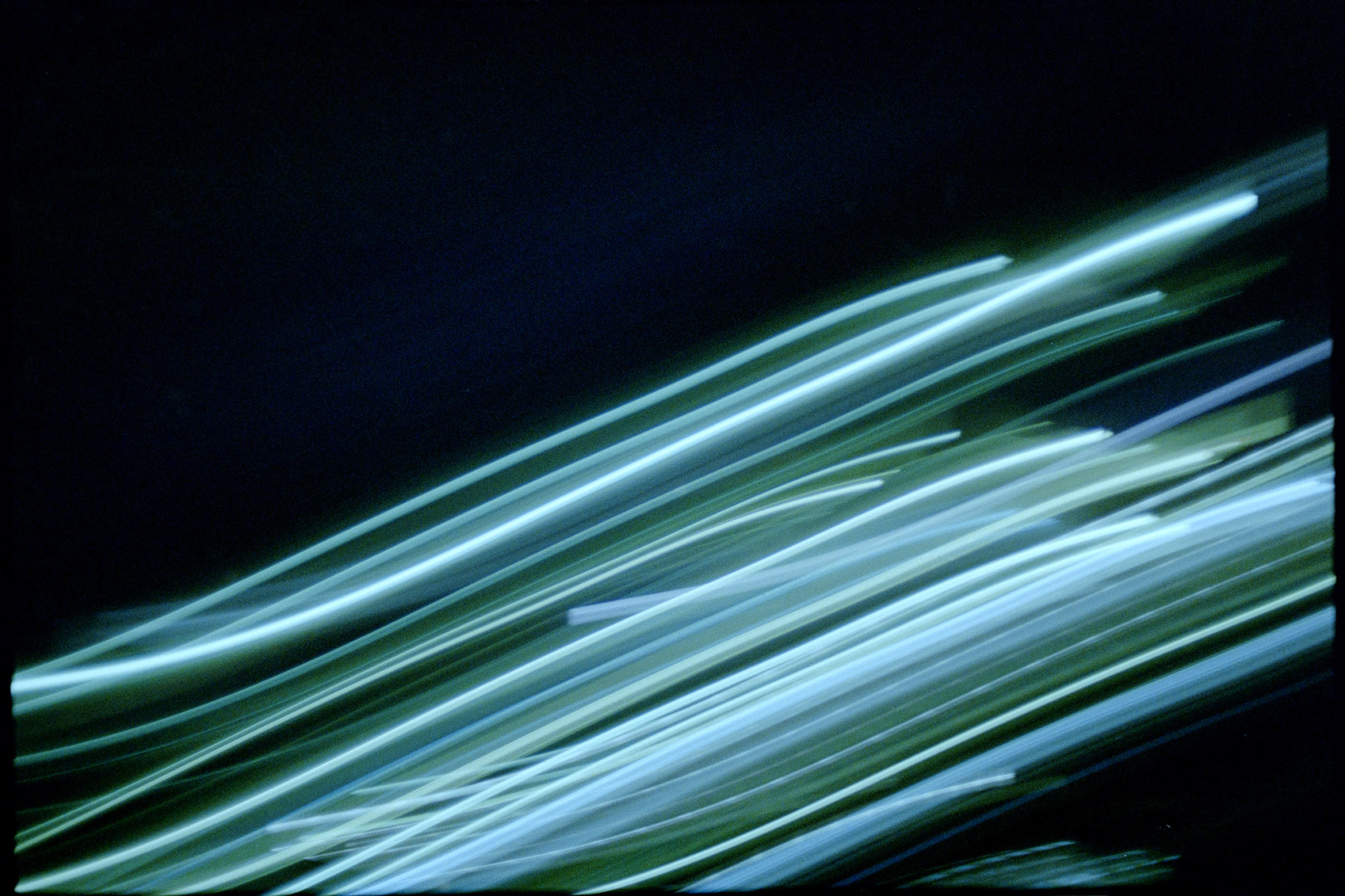
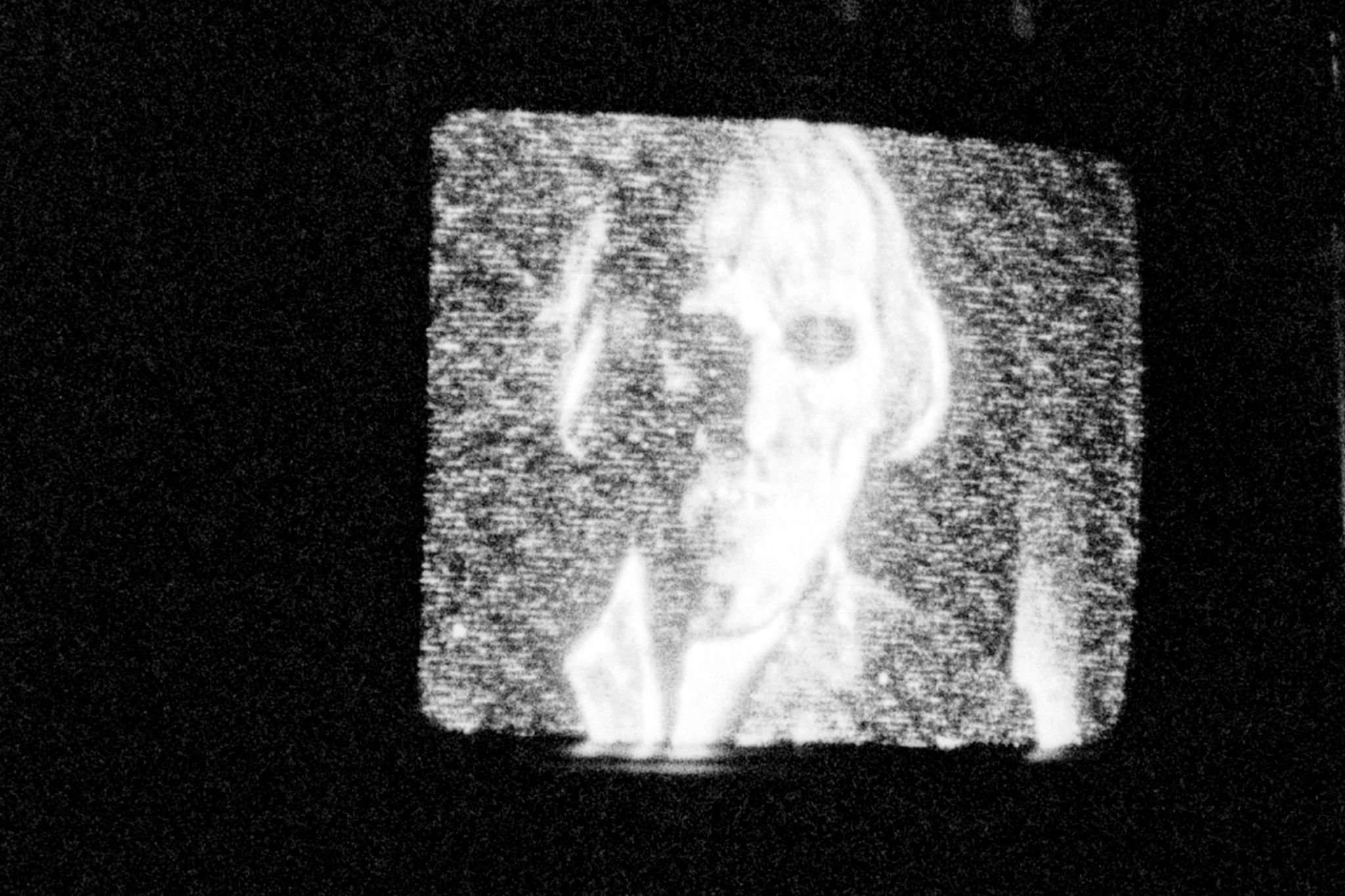
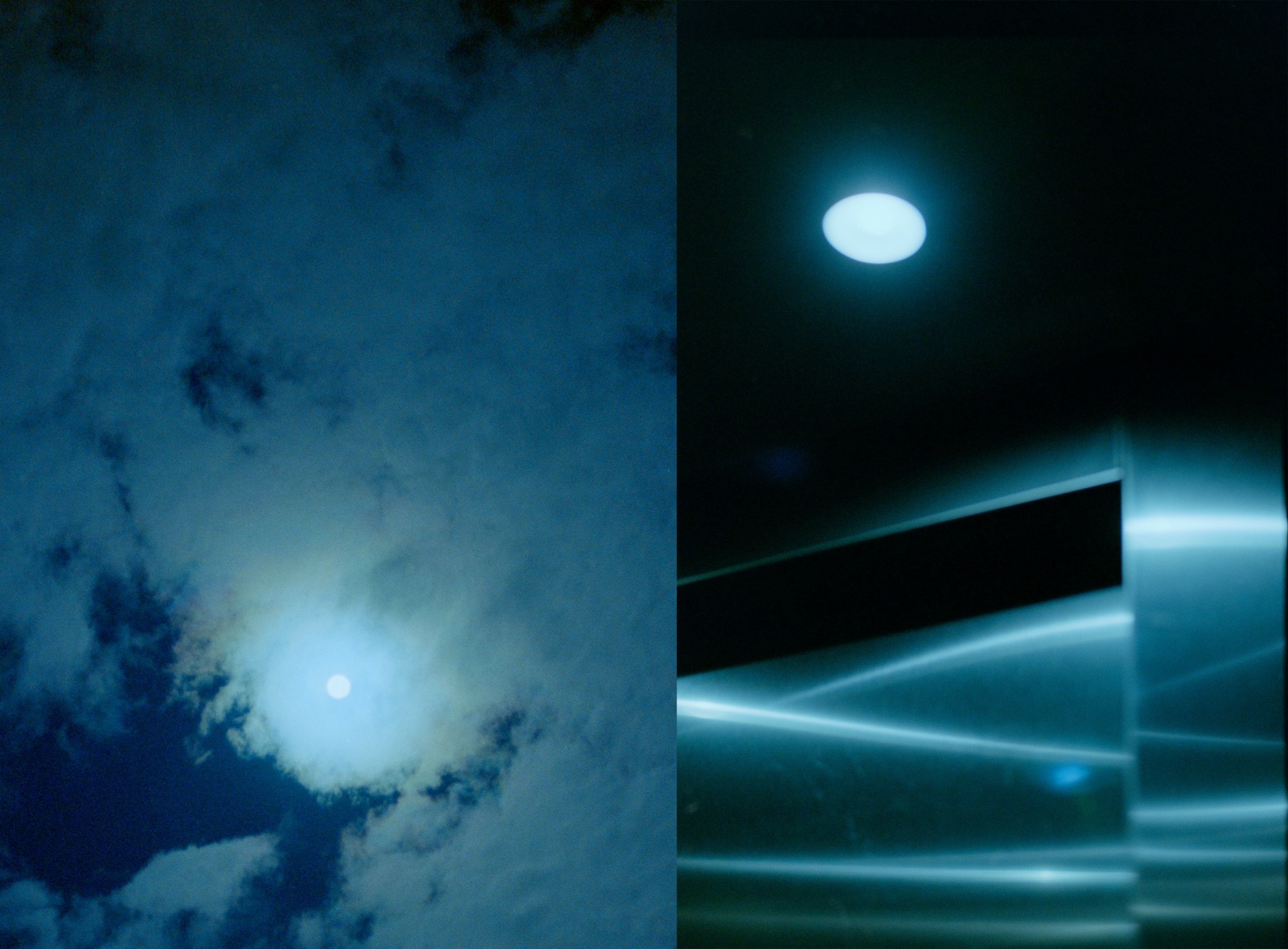
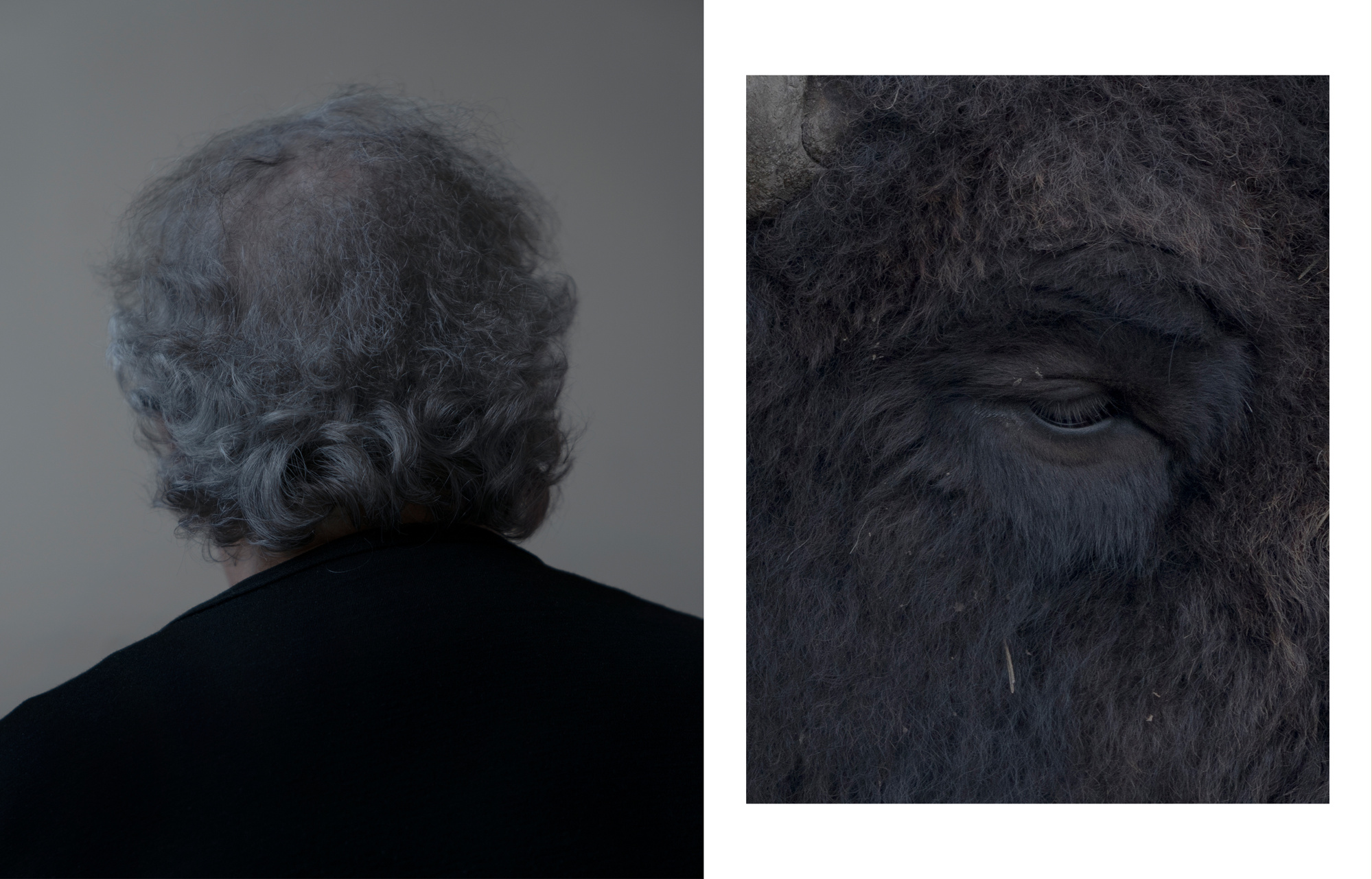
His sound and visual practice serves as the subtext that fills in the blanks of language expression, drawing from the interplay between hearing and sight. It creates a self-reflective monologue, chasing and drifting with the movement of time, recording the ineffable and invisible inner mind. This practice exemplifies his identity as an outsider and explores the relationship between self and others, moving from fierce battles to eventual reconciliation.
The juxtaposition of short sentences and sound-making, filled with conflict and contradiction, comfort and calm, creates a dynamic and emotionally resonant atmosphere. Along with the intention to let the sounds flow naturally, imparts an organic and spontaneous quality to the process.
How about pivoting – can you share the story of a time you’ve had to pivot?
The moment I had to pivot my life was when my father faced a sudden medical condition a few years ago. Honestly, I felt lost and helpless at that time, and those feelings lingered for several years. Financially, it compelled me to respond in an extremely short amount of time. My mind was in a state of constant tension, and intense anxiety and depression caused me to lose motivation for changing the status quo. Whether internally or externally, it felt like an invisible war.
I spent a long time putting myself back together — much longer than I had expected. I believe everything happens for a reason. Instead of fighting against it, I realized that allowing myself to relax and open up was crucial. It’s funny to use the word “allow,” but it feels true. The stronger the tree, the easier it is to break. Pushing harder doesn’t necessarily mean achieving the desired result.
In a way, I don’t see all these experiences as purely negative. Of course, they had an impact, but I’m still striving to get closer to understanding myself.
Is there something you think non-creatives will struggle to understand about your journey as a creative? Maybe you can provide some insight – you never know who might benefit from the enlightenment.
I think this shouldn’t be divided by non-creatives and/or creatives, and art and artist shouldn’t be classified. Whether people pursuing art as a subject, or people depends on medium to express themselves, weather it is understandable or non-sense, a blank space should be leave for everyone to breathe out. Besides, there is enough in this world that needs to be rationalized.
Contact Info:
- Website: http://www.htaoart.com
- Instagram: https://www.instagram.com/toseiho/
- Other: https://ningen-hyouryuu.bandcamp.com