Alright – so today we’ve got the honor of introducing you to Tanya Bertier. We think you’ll enjoy our conversation, we’ve shared it below.
Tanya, thanks for joining us, excited to have you contributing your stories and insights. Can you talk to us about how you learned to do what you do?
How did you learn to do what you do?
I learned metalworking and fine jewelry through a combination of formal education, hands-on bench work, and guidance from experienced jewelers. I started with beginner metalsmithing classes where I learned the fundamentals—sawing, filing, soldering, and basic fabrication. Over time, I moved into more advanced techniques like stone setting, wax carving, casting, and working with precious metals like gold and platinum. Learning under skilled professionals in a studio setting was essential, and I also supplemented that knowledge with books, online tutorials, and lots of trial and error at the bench.
Knowing what you know now, what could you have done to speed up your learning process?
Looking back, I would have tried to get a formal apprenticeship sooner. Being around professionals every day accelerates your understanding of tools, materials, and industry standards far more than learning alone. I also would have focused earlier on mastering the foundational techniques—like perfecting solder seams and understanding metal properties—instead of jumping ahead to complex designs too quickly. Keeping a project journal to track mistakes and progress would have also helped me improve faster.
What skills do you think were most essential?
For metalworking and fine jewelry, precision and patience are absolutely critical. Bench skills like soldering, filing, forming, polishing, and especially stone setting are foundational. Understanding metallurgy—how different metals behave under heat and stress—is key. Design skills and an eye for proportion and detail are essential for creating high-quality, wearable pieces. Beyond the bench, time management and problem-solving are vital for completing complex pieces and custom commissions efficiently.
What obstacles stood in the way of learning more?
One major obstacle was access to a fully equipped studio. Fine jewelry often requires specialized tools—like a torch setup, rolling mill, flex shaft, and casting equipment—that can be expensive and space-consuming. It was also difficult at times to find mentors who had the time to teach in-depth. Additionally, the cost of precious metals and gemstones made it intimidating to experiment freely, especially early on when mistakes were more common. And of course, self-doubt and perfectionism occasionally slowed my growth.
As always, we appreciate you sharing your insights and we’ve got a few more questions for you, but before we get to all of that can you take a minute to introduce yourself and give our readers some of your back background and context?
For as long as I can remember, I’ve been drawn to gemstones—their colors, their energy, their quiet, glowing power. From my early childhood my favorite playthings were pieces of jewelry, which I treated like special treasures. As I grew up, that love turned into a quiet frustration. Every time I searched for a piece of jewelry I truly loved, something was missing. The gemstone might be perfect, but the setting felt generic. The shape was beautiful, but it didn’t feel like me. I always wanted to tweak something, add a twist, change a detail. I wasn’t trying to be difficult—I just knew exactly what I was looking for, and I wasn’t willing to settle.
So I stopped searching. And I started creating.
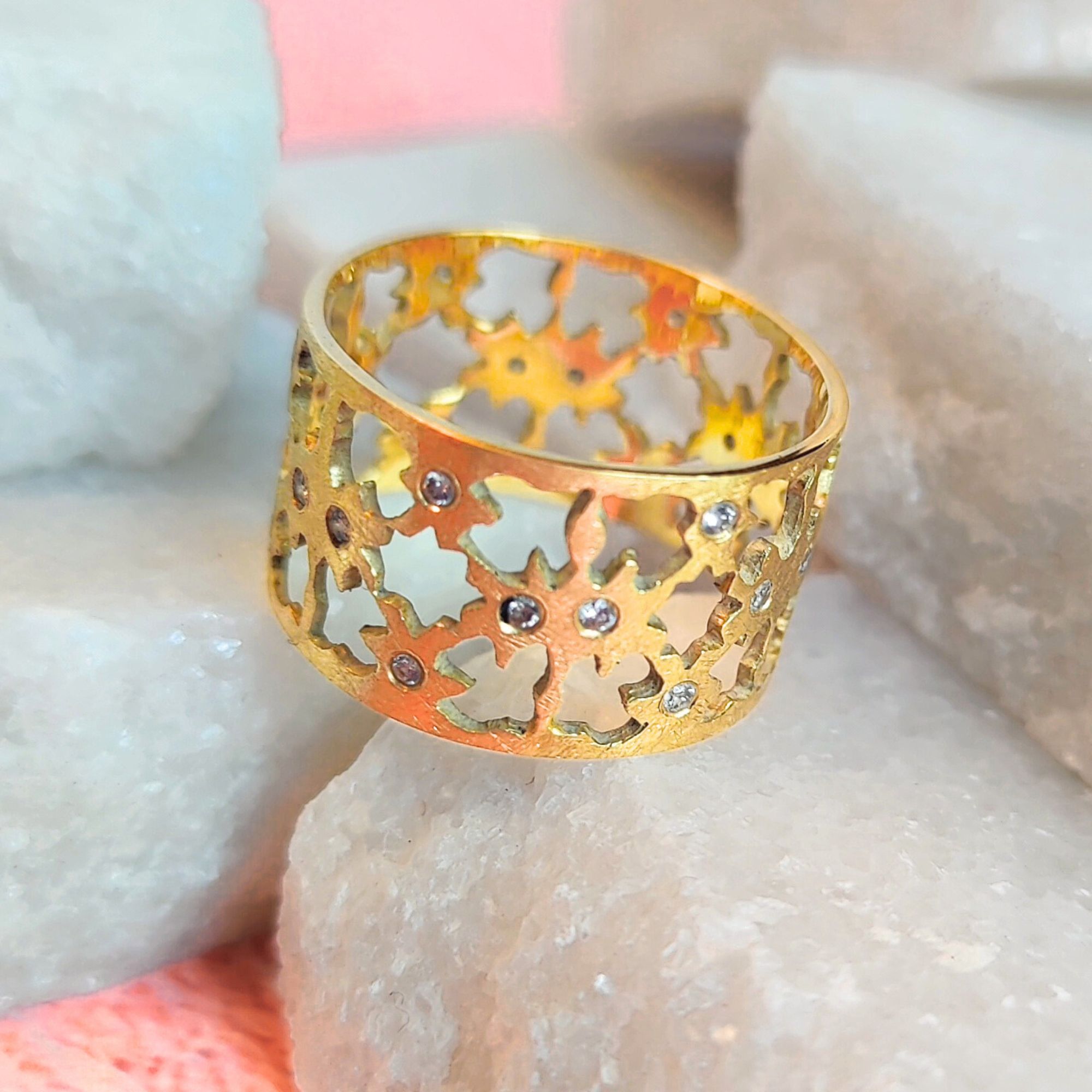
I learned metalsmithing and jewelry design. I studied how metal can be shaped like sculpture, how jewelry can feel alive. I spent late nights sketching, experimenting, and designing pieces that made my heart beat faster—bold, expressive, and impossible to ignore.
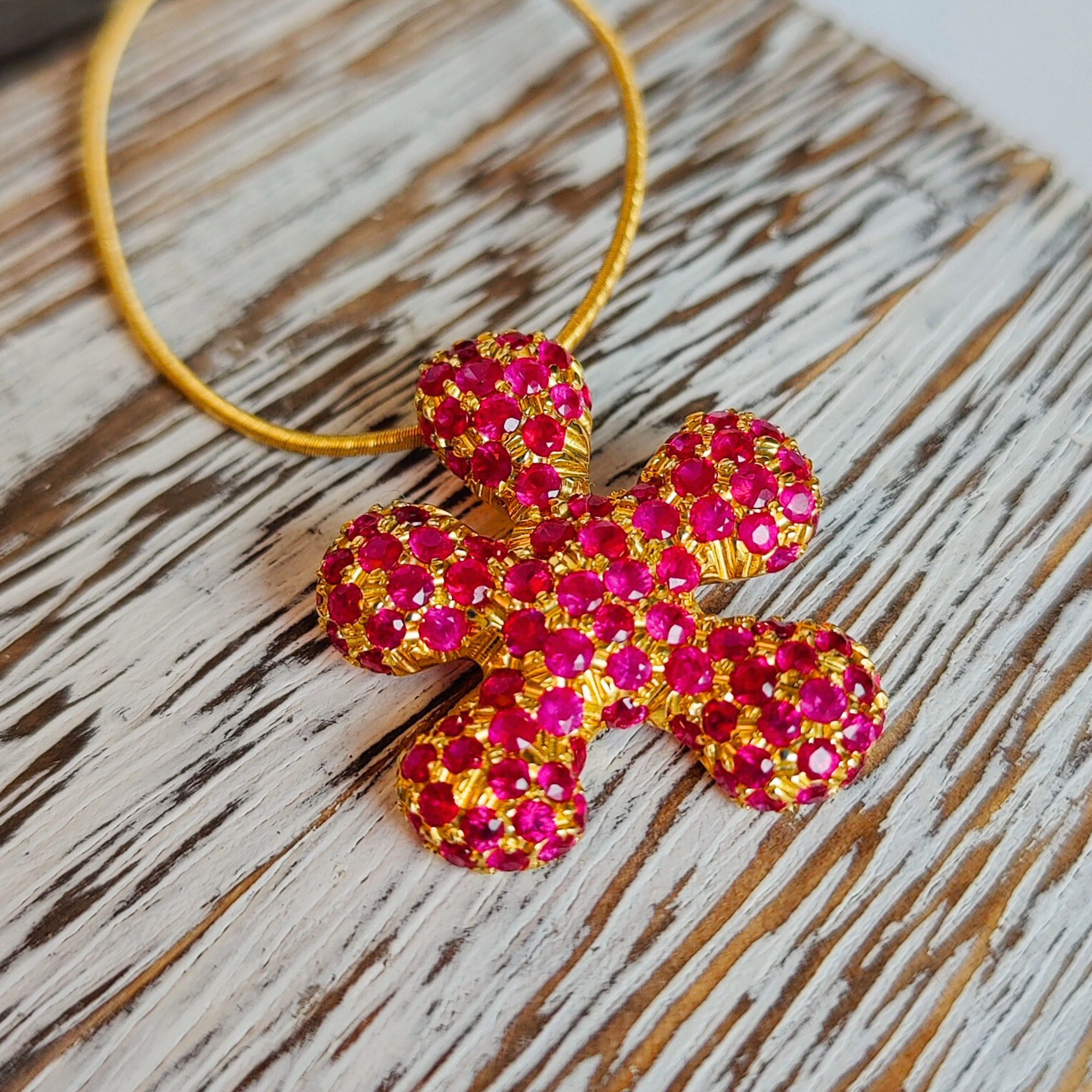
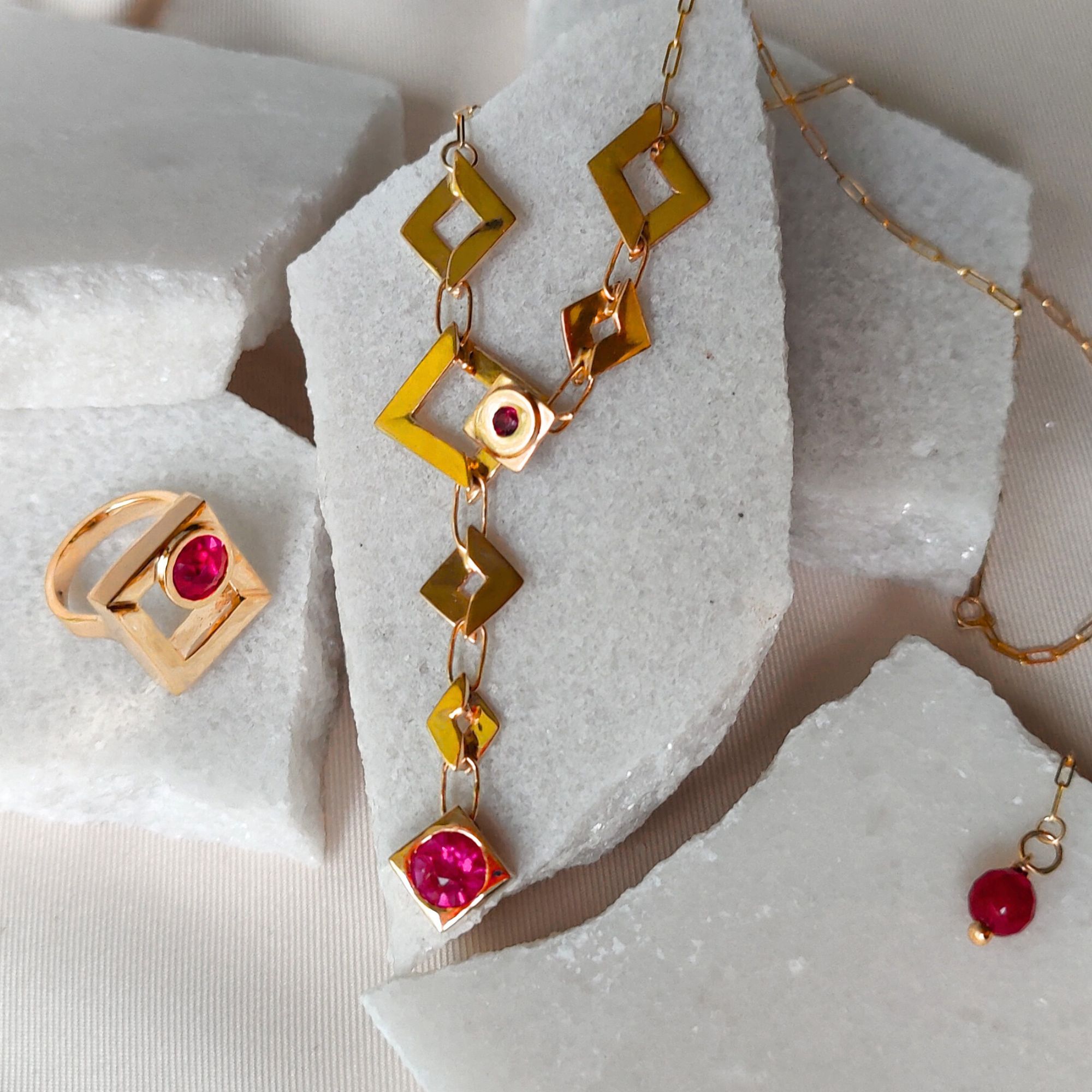
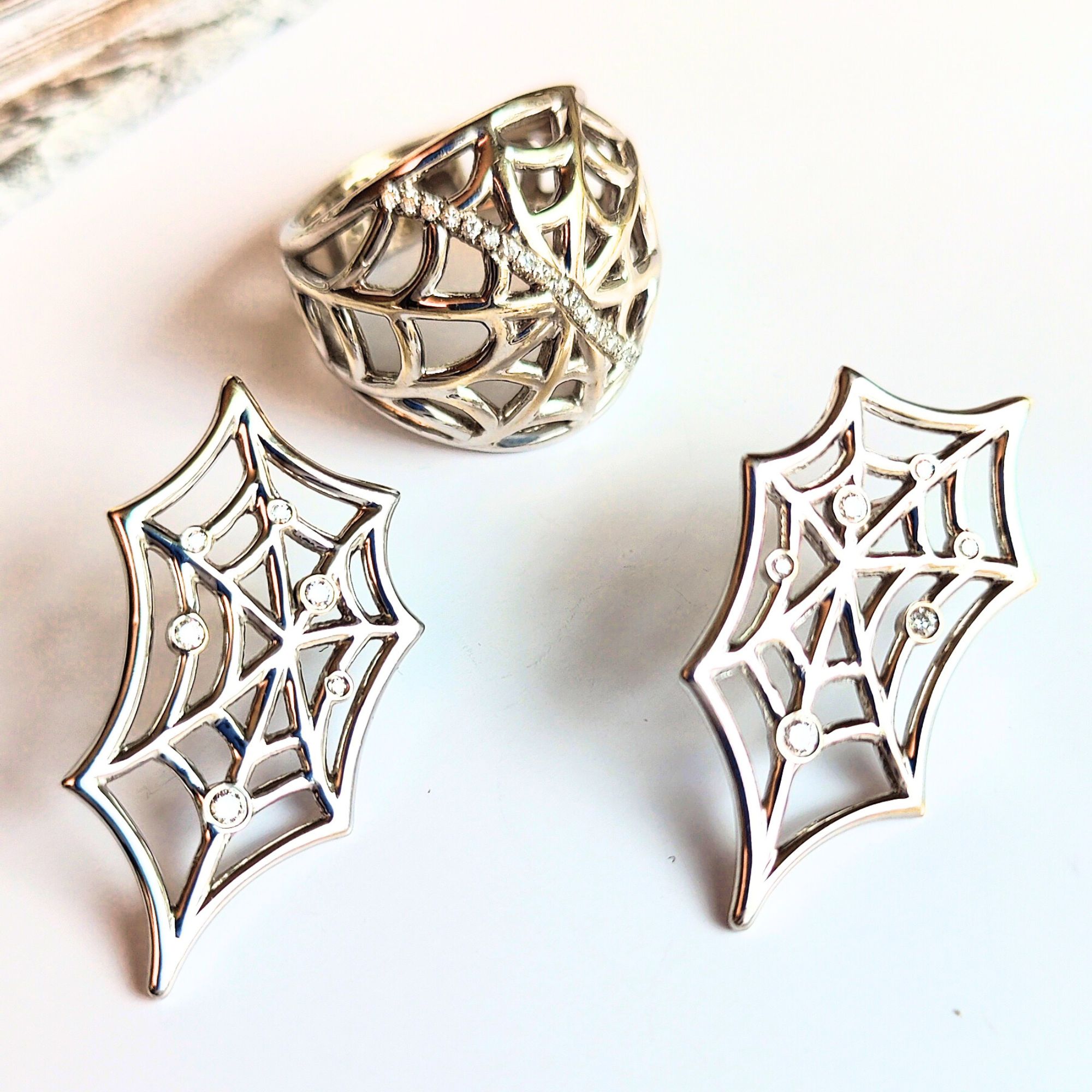
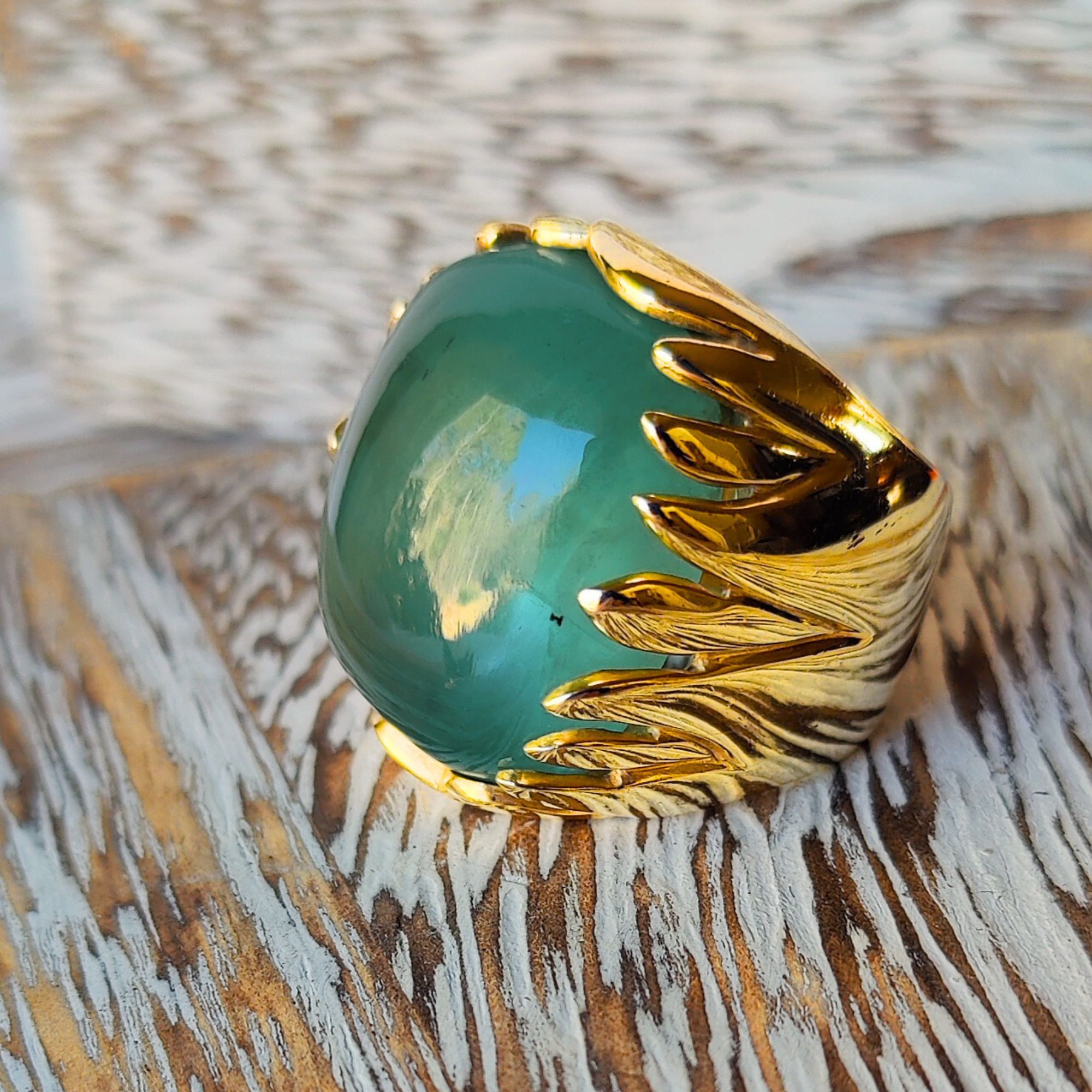
Now, I create jewelry for women like me—those who know who they are, and who want their jewelry to reflect that. Every piece I design begins with a feeling: strength, mystery, elegance, defiance. I use vibrant, statement gemstones and sculpt each setting to tell a story. Nothing is mass-made, nothing is “just pretty.” Everything is intentional.
This isn’t about following trends. It’s about creating beauty that feels like you—unapologetic, unforgettable, and entirely your own.
For you, what’s the most rewarding aspect of being a creative?
Making the Invisible Visible:
I love turning invisible feelings or abstract thoughts into something others can see, hear, or feel. It’s like giving shape to the intangible, and that magic never gets old.
What can society do to ensure an environment that’s helpful to artists and creatives?
When people choose to invest in a single, well-crafted piece of art or design—rather than spending the same amount on multiple cheaply mass-produced items—they are making a powerful statement. They’re supporting creativity and craftsmanship, nurturing a deeper sense of taste and cultural appreciation, and making a more sustainable choice for the environment. It’s a small shift in mindset that can have a lasting impact on both the artistic ecosystem and the planet.
Contact Info:
- Website: https://www.luckyrunes.com
- Instagram: https://www.instagram.com/luckyrunes?utm_source=qr&igsh=cmE1MTFyZ3NnNmQ=
- Facebook: https://www.facebook.com/share/1G4zHym3db/