
We were lucky to catch up with Tanvi Pisal recently and have shared our conversation below.
Tanvi, thanks for taking the time to share your stories with us today Have you been able to earn a full-time living from your creative work? If so, can you walk us through your journey and how you made it happen? Was it like that from day one? If not, what were some of the major steps and milestones and do you think you could have sped up the process somehow knowing what you know now?
How I Landed My First Product Design Job in Silicon Valley — and Why Upskilling Was the Key to Surviving
When I graduated in the spring of 2023, I already had a Product Design job offer, which was converted from my spring internship. But it wasn’t a smooth ride — in fact, the path was filled with uncertainty, setbacks, and constant pressure to prove myself.
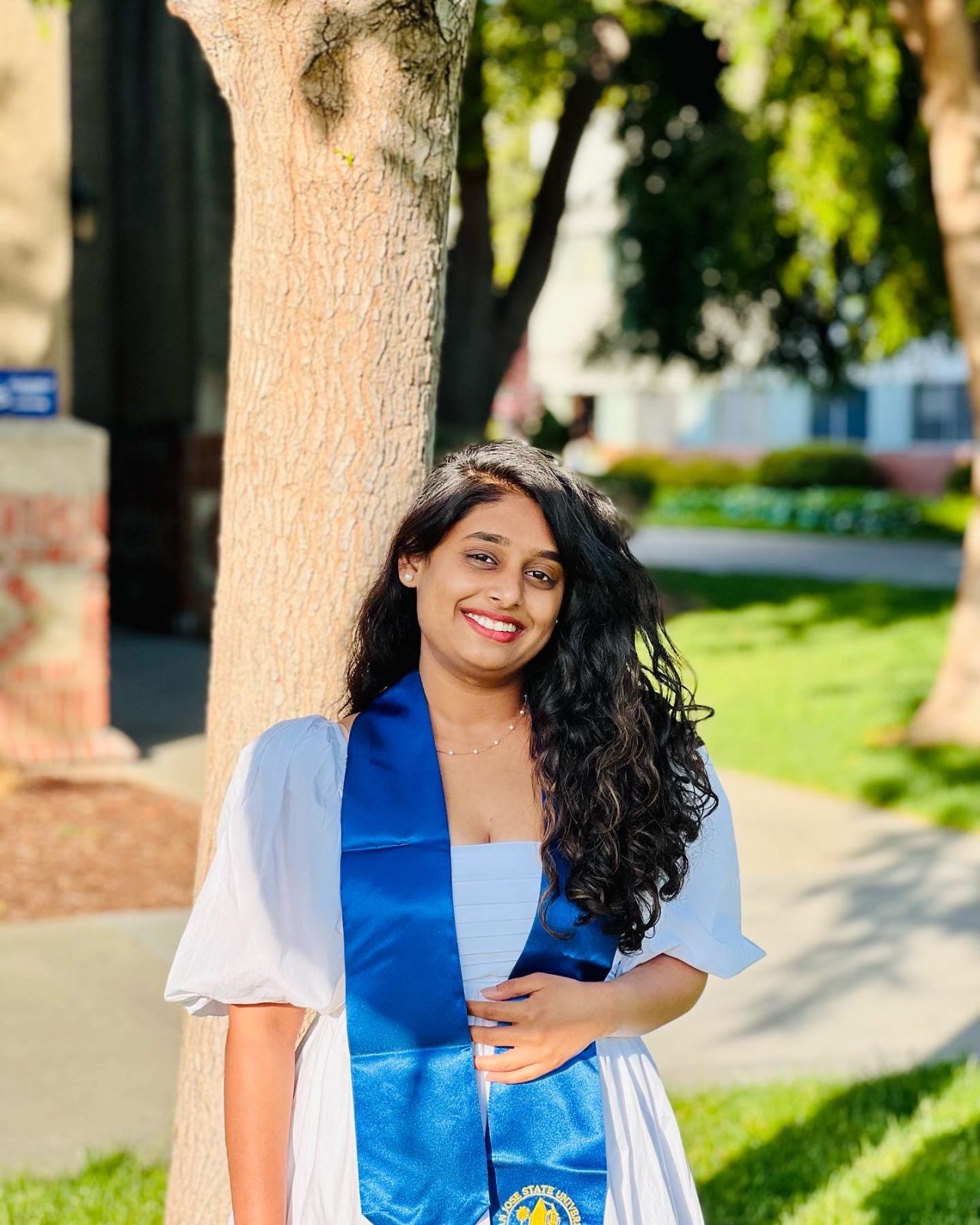
Like many international students, I came to the United States with a big dream: to work in THE Silicon Valley. That ambition was the reason I pursued my Master’s in Human Factors and Ergonomics at San José State University, right in the heart of the Bay Area. But starting grad school in the fall of 2021, just after the pandemic, was far from easy. (Add an anecdote!) Online classes posed a challenge to effective communication with my peers and professors, who contributed to the learning curve in their own ways. Adapting to a new environment during a global crisis like the pandemic was also tough.
Campus jobs had almost disappeared, internships were harder than ever to find, and my chosen field — Product Design — was a niche within tech. While software engineers seemed to have clearer career paths, demand for design roles had dwindled, to the point that they felt like an indulgence, especially during this chaotic job market situation.
Networking was the turning point
Despite the odds, I managed to land my first internship in the summer of 2022. But it was my second internship, which I secured through networking in the spring, that truly changed everything. I put my heart and soul into it, and that role eventually turned into my full-time offer.
I had actually reached out to my current company earlier in 2022 looking for internship opportunities, but things didn’t work out at that time for some reason. Later in the winter, I reconnected with my recruiter, which led to a fruitful design assessment challenge. I still remember receiving the email while waiting at the airport, ready to board a flight back home.
I was on a time crunch because if I didn’t submit the assessment quickly, the holidays were about to start, and I would’ve lost my chance. Luckily, the airport Wi-Fi and coffee worked wonders, and I managed to submit it on time. Within a week, I received the news that I had passed the design round and could move forward to the interview.
I was able to secure an offer. Still, nothing about the job market felt stable. The tech industry was hit by waves of layoffs, and as an international student on a visa, the uncertainty was even scarier. At times, I worried less about advancing in my career and more about simply surviving the day. Looking back on those days helps me remain grateful for how far I’ve come in this journey of glitches and reboots.
The strategy that helped me survive: Upskilling
Although my internship turned into a full-time offer, I realized early on that I couldn’t rely only on my niche design skills. To stay competitive, I needed to keep learning. I started expanding beyond UI design into product management — taking on end-to-end projects instead of focusing just on visuals. I learned how to manage roadmaps, coordinate across teams, and deliver outcomes that aligned with business goals.
In a startup company like mine, taking on additional responsibilities was always valued, and this mindset of continuously learning and adapting is what helped me stay resilient in a chaotic market. (Add an anecdote!)
The power of mentorship and freelancing
Finding a good mentor who can guide you through the process and help you grow is crucial. Good mentors don’t just show up — you have to be willing to reach out and build that connection yourself.
Outside of my full-time role, I freelanced and collaborated with industry leaders, including the Global Head of Design at Honeywell and the Design Lead at Firefox. Their mentorship, along with the real-world projects I worked on, exposed me to new ways of thinking and opened up networking opportunities I hadn’t imagined.
Those experiences didn’t just strengthen my portfolio — they helped me grow as a designer.
What’s next
After three years in my full-time role, I’m now preparing to take the next leap — into senior positions where I can combine my product design foundation with the leadership skills I’ve built along the way.
If there’s one lesson I’d pass on to anyone starting their career — especially international students — it’s this: don’t stop at the skills you came with. Keep learning, keep connecting, and keep pushing yourself beyond what feels safe.
Because in the end, survival isn’t just about holding onto a job. It’s about growing into the kind of professional who can thrive in any market.
Tanvi, love having you share your insights with us. Before we ask you more questions, maybe you can take a moment to introduce yourself to our readers who might have missed our earlier conversations?
I’m Tanvi, a Product Designer based in the Bay Area with a passion for crafting intuitive, meaningful digital experiences that connect people and ideas. My journey into design began during my Master’s in Human Factors and Ergonomics at San José State University, where I learned to balance psychology, usability, and aesthetics to create products that truly serve their users.
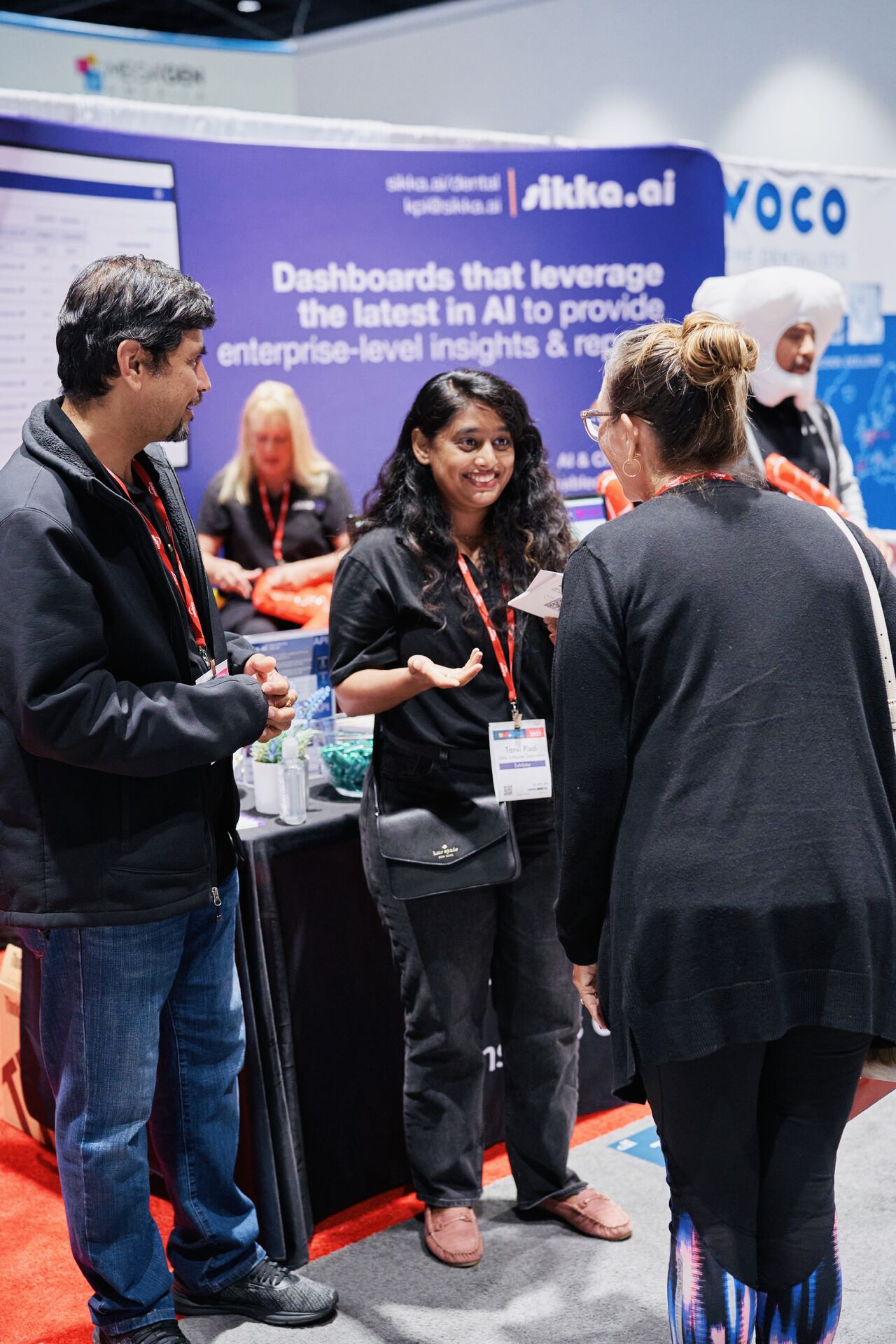
But my design story actually started earlier — in 2019, when I began freelancing as a graphic designer. What began as a creative outlet soon evolved into something bigger. In 2021, I founded my own startup in India, Arrigo Design Studio, as a side hustle alongside my full-time role as a UX Designer. Within a year, we grew into a six-figure venture, collaborating with clients from across the globe.
What drew me deeper into product design wasn’t just creativity — it was the problem-solving aspect. The challenge of understanding human behavior and translating it into experiences that feel effortless fascinated me. That curiosity shaped my transition from visuals to full-scale product thinking.
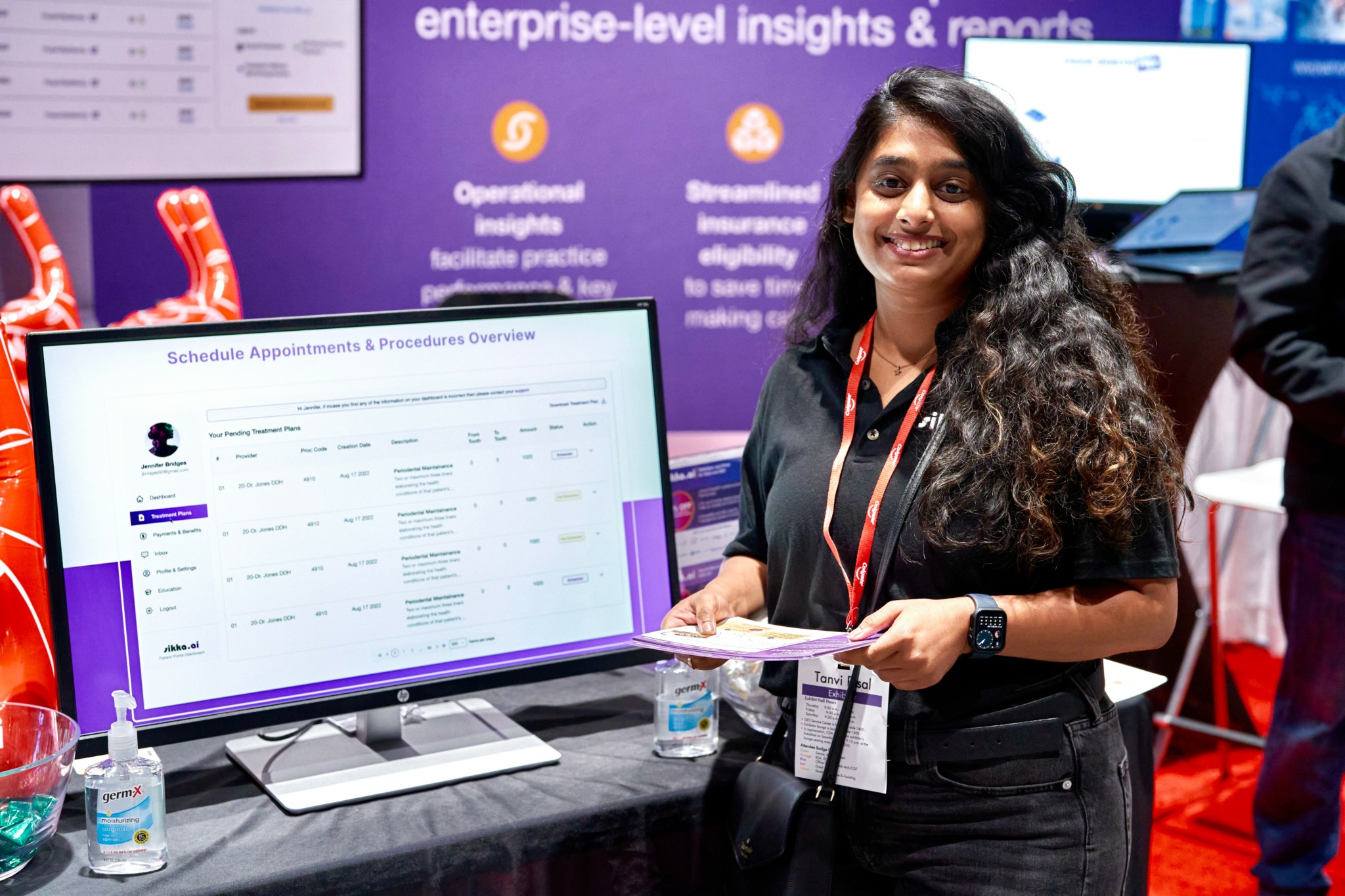
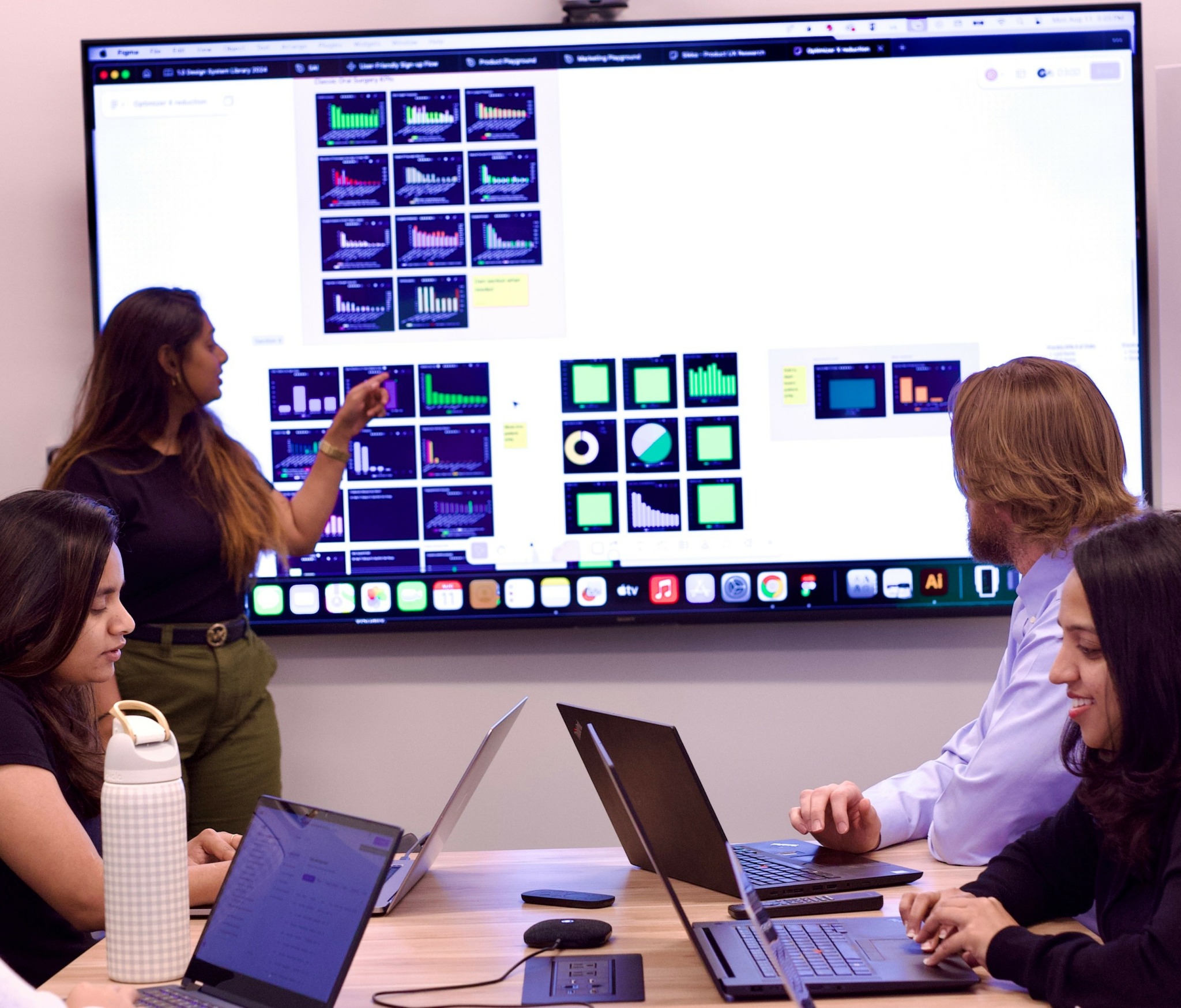
Over the years, I’ve worked across healthcare, SaaS, and AI-driven startups, designing end-to-end products that simplify complex systems and make technology feel more human. Today, I specialize in Product and UX Design, combining visual design, research, and strategy to help startups and teams:
Build scalable, cohesive design systems
Improve user engagement and adoption
Launch products faster without compromising usability or quality
What sets my approach apart is a focus on clarity and empathy — I don’t just design for users, I design with them. Whether I’m mapping workflows for healthcare professionals or reimagining dashboards for AI tools, I always prioritize understanding the why behind user behavior.
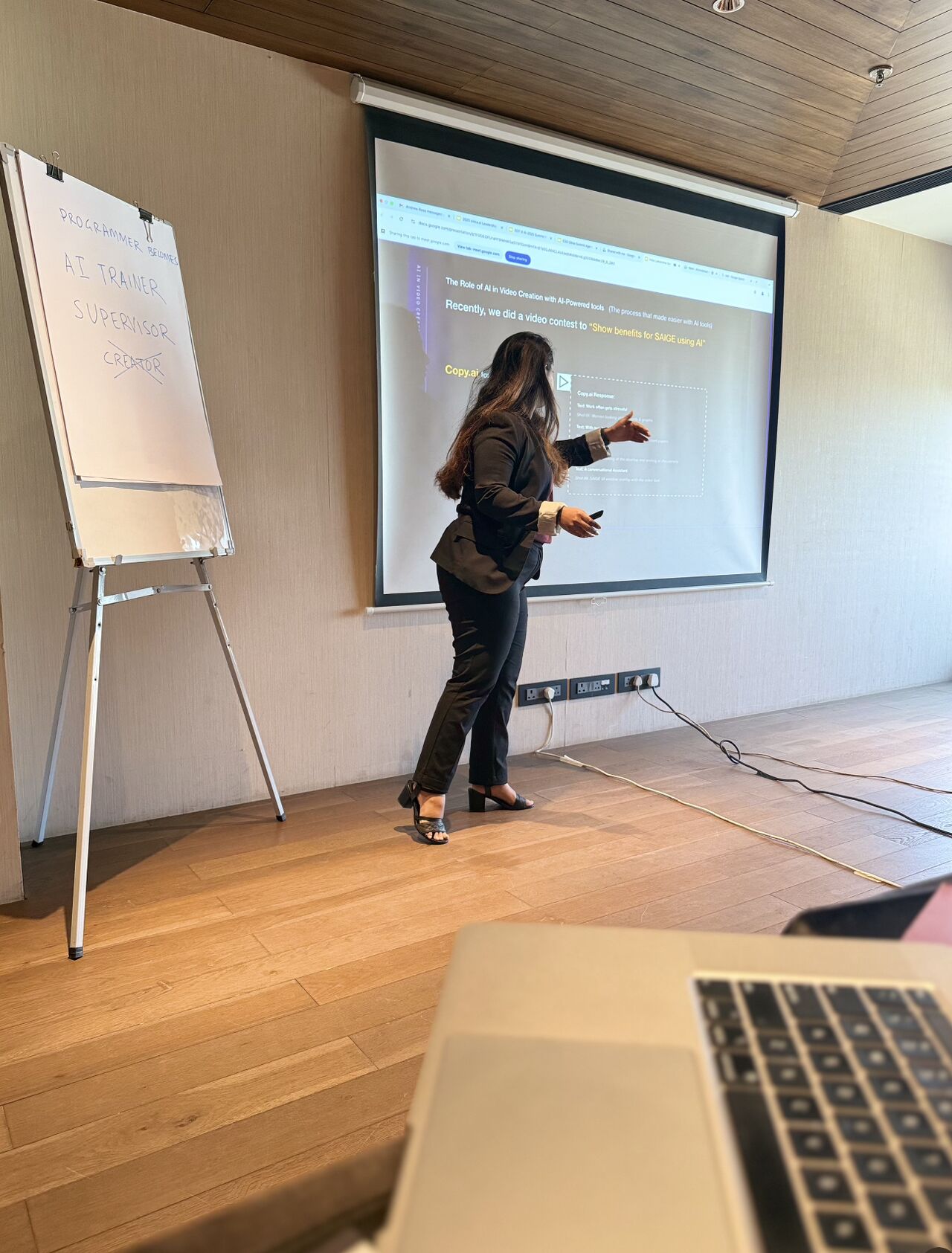
Beyond my full-time role, I also freelance and mentor emerging designers, helping them navigate career transitions, strengthen portfolios, and tell their design stories effectively. Collaborations with brands like Honeywell and Firefox have been among the most rewarding experiences — they’ve allowed me to blend creativity with impact while learning from diverse, global teams.
I’m most proud of my adaptability — from building a design business during the pandemic to continuously upskilling and evolving with the industry. My design philosophy is rooted in growth, curiosity, and collaboration. Every project, big or small, is an opportunity to learn, experiment, and create lasting impact through thoughtful design.
Can you tell us about a time you’ve had to pivot?
My biggest career pivot happened a year after graduating, while I was working full-time as a Software Engineer at Accenture. On paper, everything looked perfect — a stable job at a big tech company, clear growth opportunities, and a predictable path ahead. But deep down, I felt something was missing.
In between debugging lines of code, I found myself spending late nights freelancing as a graphic designer — creating logos, social media visuals, and brand identities for small businesses. What began as a creative escape soon turned into something more meaningful. I realized that what excited me most wasn’t writing code — it was designing the experiences that people interacted with on the screen.
That passion led me to establish Arrigo Design Studio, my own creative startup, which I ran as a side hustle while working full-time. Within a year, we grew into a small but thriving design firm, collaborating with clients across the globe and earning six-figure revenue — all part-time.
It was during that time I realized: design had found me. I traded compilers for color palettes, syntax for storytelling, and started crafting digital experiences that users could touch, trust, and remember.
The transition wasn’t easy — switching from a well-defined engineering career to an uncertain creative one came with doubt and risk. But the more I designed, the more it felt right. That pivot became the foundation of my current career as a Product Designer, where I now blend analytical thinking from my engineering background with the empathy and creativity of design.
Looking back, I’m grateful I chose colors over code — because in that leap, I found not just a career, but a calling.
We’d love to hear the story of how you built up your social media audience?
an you tell us the story of how you built your audience on social media? Any advice for those just starting to build their presence?
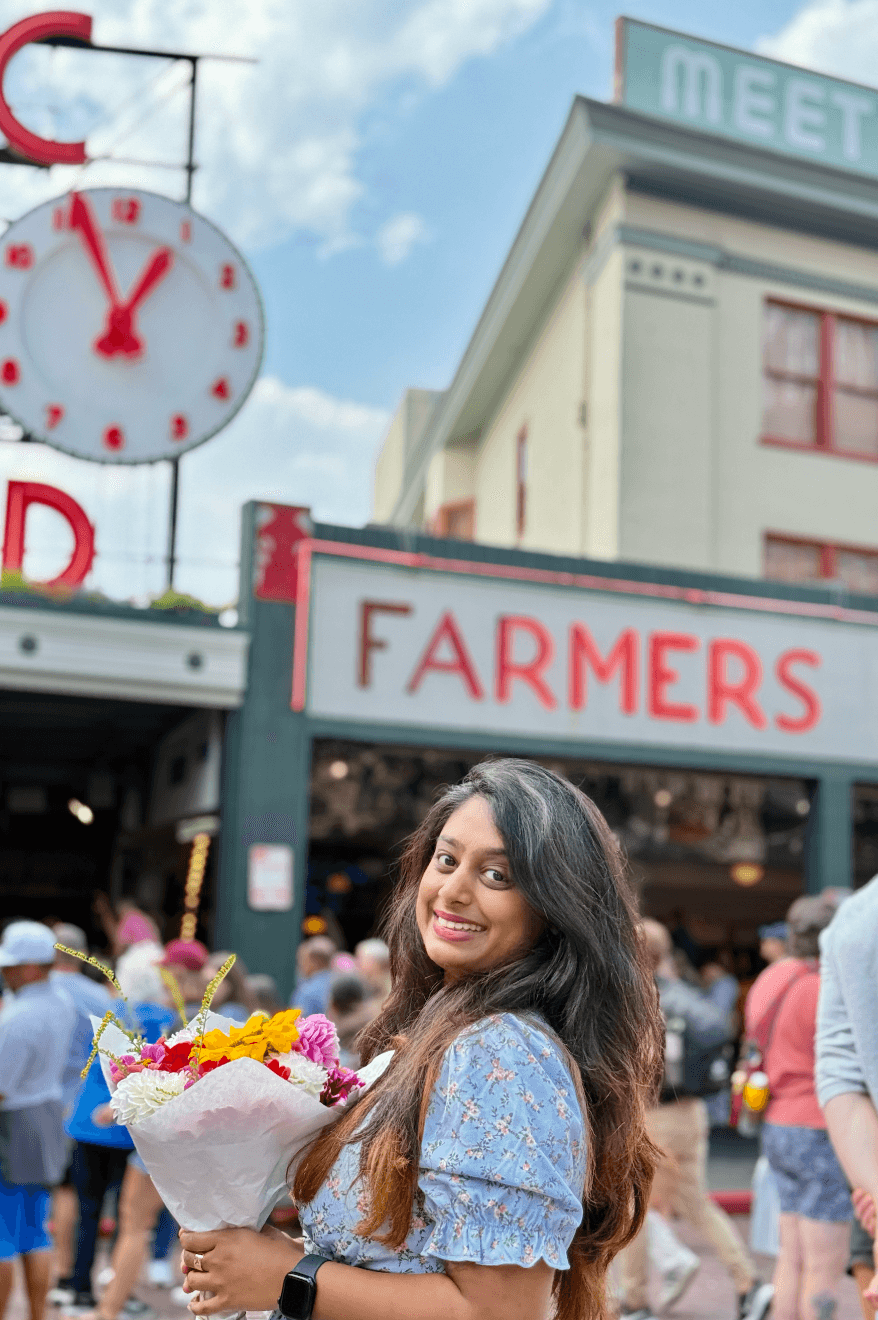
I built my social media presence mainly through Instagram (@atrippytraveller) and YouTube (Tanvee Pisal). I started out simply as a travel content creator — documenting my trips, sharing itineraries, and creating visual stories of the places I visited. What began as a small passion project slowly turned into a platform that allowed me to connect with thousands of like-minded explorers and creators.
While my YouTube channel is currently on pause, it gave me the confidence to show up authentically and tell stories in my own voice. Instagram, however, became my main focus — a space where I could combine my love for travel, design, and storytelling. Over time, I learned to curate my profile, collaborate with brands, and most importantly, provide value to my audience through travel tips, guides, and helpful itineraries.
When I started, I had just around 500 followers. Today, I’ve grown to over 7.5k, which might not sound massive, but to me, it’s been a journey of steady growth, learning, and consistency. My goal has never been just numbers — it’s about building a genuine community that finds my content helpful and inspiring.
What’s helped me the most is my storytelling approach — instead of just showing pretty places, I focus on sharing the emotions, experiences, and insights that make each journey meaningful.
My advice for anyone just starting out:
Don’t shy away from starting — everyone begins somewhere.
Don’t wait for “perfect” content; it’s better to start done than chase perfect.
You don’t need fancy gear — I still shoot most of my content on my iPhone.
Most importantly, choose a niche you’re truly passionate about. If your heart isn’t in it, you’ll burn out quickly. Passion keeps you consistent when progress feels slow.
Contact Info:
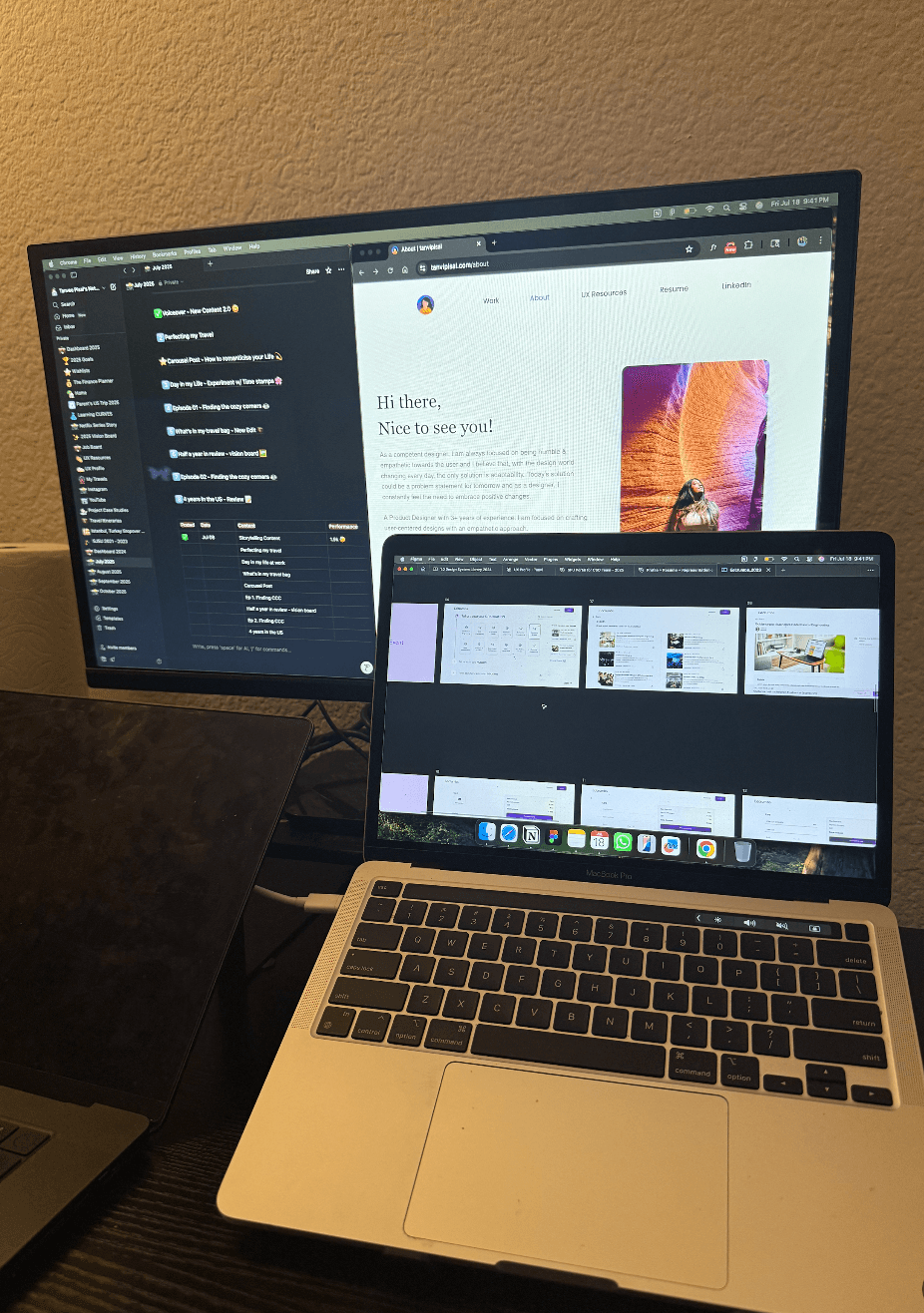
- Website: https://www.tanvipisal.com/about
- Instagram: https://www.instagram.com/atrippytraveller/
- Linkedin: https://www.linkedin.com/in/tanvipisal/
- Youtube: https://www.youtube.com/@tanveepisal
- Other: https://www.tanvipisal.com/travel