



We caught up with the brilliant and insightful Tanner Porter a few weeks ago and have shared our conversation below.
Tanner, thanks for joining us, excited to have you contributing your stories and insights. What do you think matters most in terms of achieving success?
While there are so many definitions of what success can mean in a person’s creative and professional life, there’s a few bits of advice that I come back to: have patience, be kind, and—even when self-doubt sets in— try to be your own biggest fan. For some folks, their careers may skyrocket quickly. In my experience, career growth is slow-going, circuitous and surprising. You plant seeds today that might manifest years down the road, and you can’t know what things are going to look like then. Because of this, I’ve had to redefine what success looks like to me almost moment by moment in my career.
Just after I’d graduated undergrad, a dear friend and collaborator named Teagan Faran (violin) commissioned my first string quartet through the University of Michigan’s EXCEL lab. It was a piece called “Six Sides from the Shape Of Us,” and had six, short contrasting movements loosely inspired by dance. Finishing my first string quartet felt like a huge accomplishment, an aspirational moment of success. I was immensely proud of this piece, a feeling that was bolstered by the gorgeous performances that Teagan’s quartet gave of the music. In the years that followed, however, I had a hard time getting other groups interested in playing “Six Sides,” and it sat largely unperformed. One of my composition teachers commented that the music felt too segmented and needed more developing. While this wasn’t necessarily bad advice, I was disappointed, and wondered if I’d been wrong to have believed in my original vision of the music. However, something in my gut told me to put a pause on rewriting. As it turned out, the fact that the piece was so segmented made it fantastic for the medium that had inspired it— dance.
Five years later, I was stunned to receive an email from the Boston Ballet that a choreographer named Claudia Schreier had found a recording of Teagan playing “Six Sides” online, and was interested in developing it into a ballet. I had the privilege of arranging the music for the Boston Ballet orchestra and music director Mischa Santora, and Claudia created a truly mesmerizing ballet called “Slipstream.” Writing the music for a ballet felt, once again, like a moment of success I could have only aspired to. And like Teagan, Claudia has since become one of my most meaningful collaborators. Recently, Teagan brought me on to arrange “Six Sides” for string orchestra, giving the music a third life. You simply never know where any one project or piece might lead, especially if you have supportive colleagues. For me, it’s been important to have patience, try to lead with kindness, and maintain belief in my artistic voice.
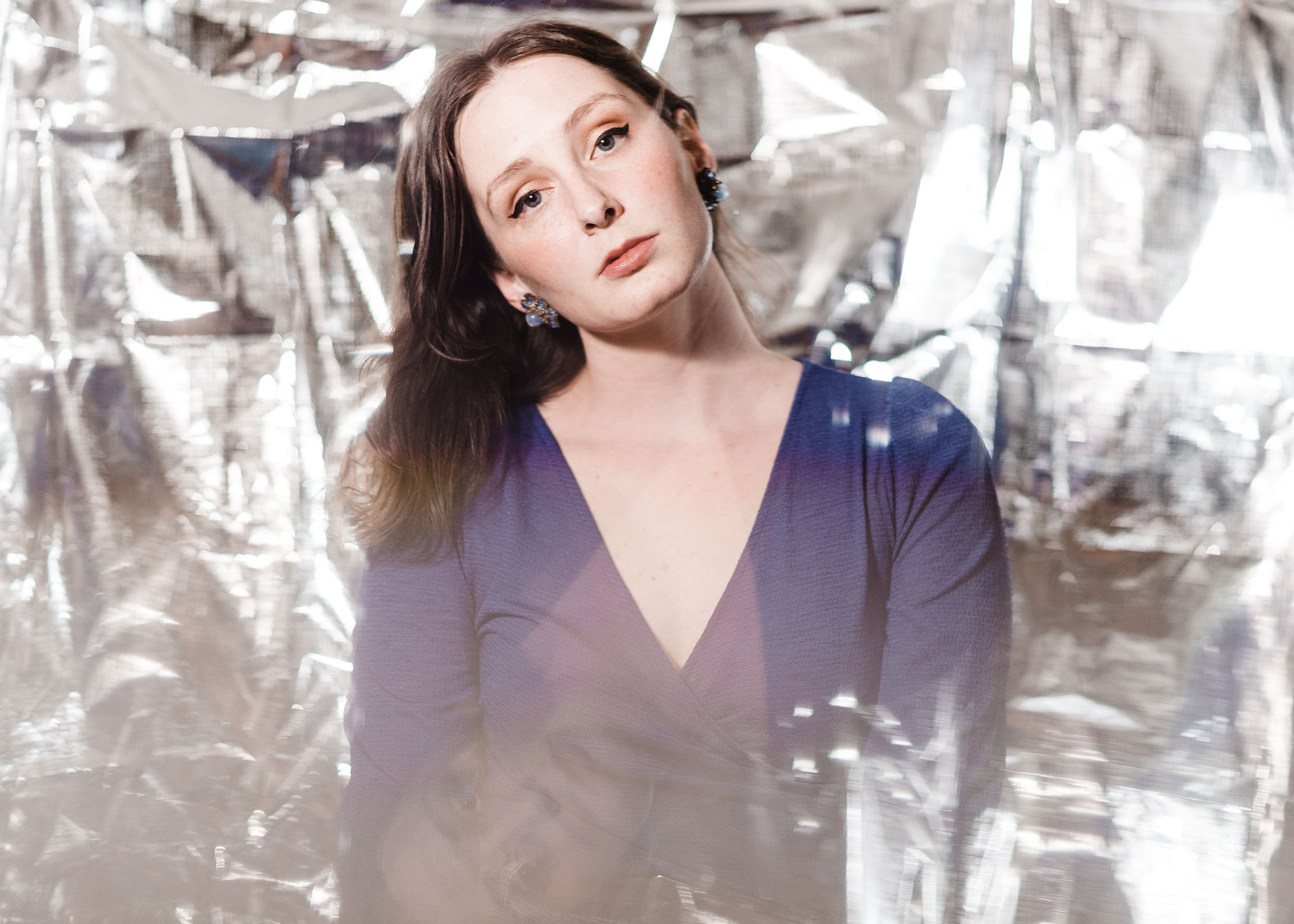
Awesome – so before we get into the rest of our questions, can you briefly introduce yourself to our readers.
I’m a composer, performer, songwriter and arranger working in both the contemporary classical (New Music) and indie singer-songwriter worlds. As a composer, I have the privilege of writing music for orchestras, string quartets, choirs, ballets and operas. As a songwriter, I create, orchestrate and perform my own songs. I love spending time in the studio making records. As an arranger, I work with other songwriters to bring colorful instrumentations to their works. In all of this, I try to center storytelling through music.
I’m a California kid who grew up in public school orchestra, choir and theatre programs. My parents always had music on in the house—whether the ringing voice of Judy Collins or the flowing strings of a Ralph Vaughn Williams orchestral work. Even as a kid, I remember being drawn to lush arrangements in music and songs. I found music composition around eight or nine years old when I started playing the cello in my elementary school’s program, and it became a vehicle for the mingling of so many art forms that I loved. Poetry, theatre, dance, film, visual art— music could be a part of the stories that these mediums told, as well as tell its own stories. I went to school to study music composition (the University of Michigan School of Music, Theatre and Dance, BM and the Yale School of Music, MM), and from there stepped into the world of freelance work.
More often than not, my work life is a patchwork of commissions, performances and teaching engagements. Every now and again, I’ll have the privilege of a longer term position. (For example, I had the incredible opportunity to spend the 2023-24 season as a composer-in-residence with the Louisville Orchestra Creators Corps.) I’ve always wanted to do a little bit of everything as a composer— to write for all different kinds of ensembles, to be a songwriter and performer, and to arrange. I’m incredibly proud to have made a career that has space for all of these things. When I look to creators I admire, so many of them are following multiple roads as performers, composers, teachers, and theatre-makers. Personally, I love taking what I learn as a songwriter and bringing it to my orchestral music; I love taking my skills as an orchestral arranger and bringing them to my songs. I feel so grateful to be working in a time when the boundaries of genre are becoming less rigid, when I can use all of my influences and artistic tools in the service of a piece of music.
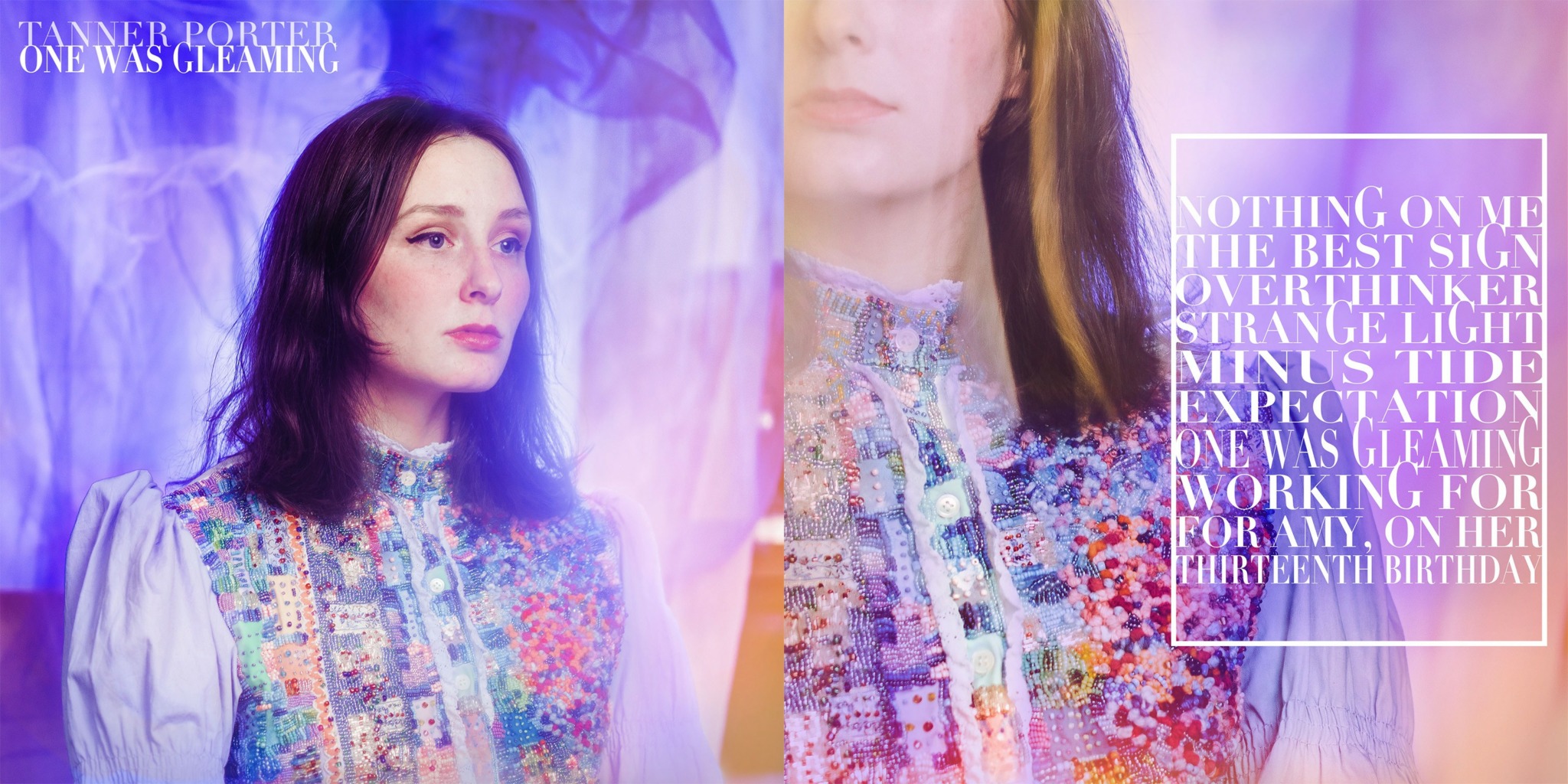
What do you find most rewarding about being a creative?
I’ve always been immensely grateful to have music composition as a place to experience and process my emotions outside of myself. In the best parts of writing process, when my brain becomes quiet and I’m fully immersed in the music, I feel both incredibly close to my interior self and also at a distance where I can observe things more objectively. The minute an experience leaves my body and goes onto the page, the story, characters and emotions become their own, able to be dramatized and looked at from a different perspective. Having the chance to process my life this way has been a great gift, and because of this it’s intensely meaningful when I learn that my music has resonated with someone else. When a friend or stranger says they’ve seen themselves in something I’ve written, that a song or piece has made them feel validated in their own emotional journey, it is a profoundly beautiful moment of kinship. It’s life-affirming.
Sometimes, that person is an artist I also admire, whose work has in turn made me feel connected and seen. Getting to collaborate with folks like this— like-minded collaborations full of mutual respect for each other’s work regardless of the medium— is one of the great joys of my career. It’s an amazing feeling to see another artist and think, “Wow, I’m so lucky to be alive at the same time as you, to be around for what you’re making. I can’t believe I get to work with you.”
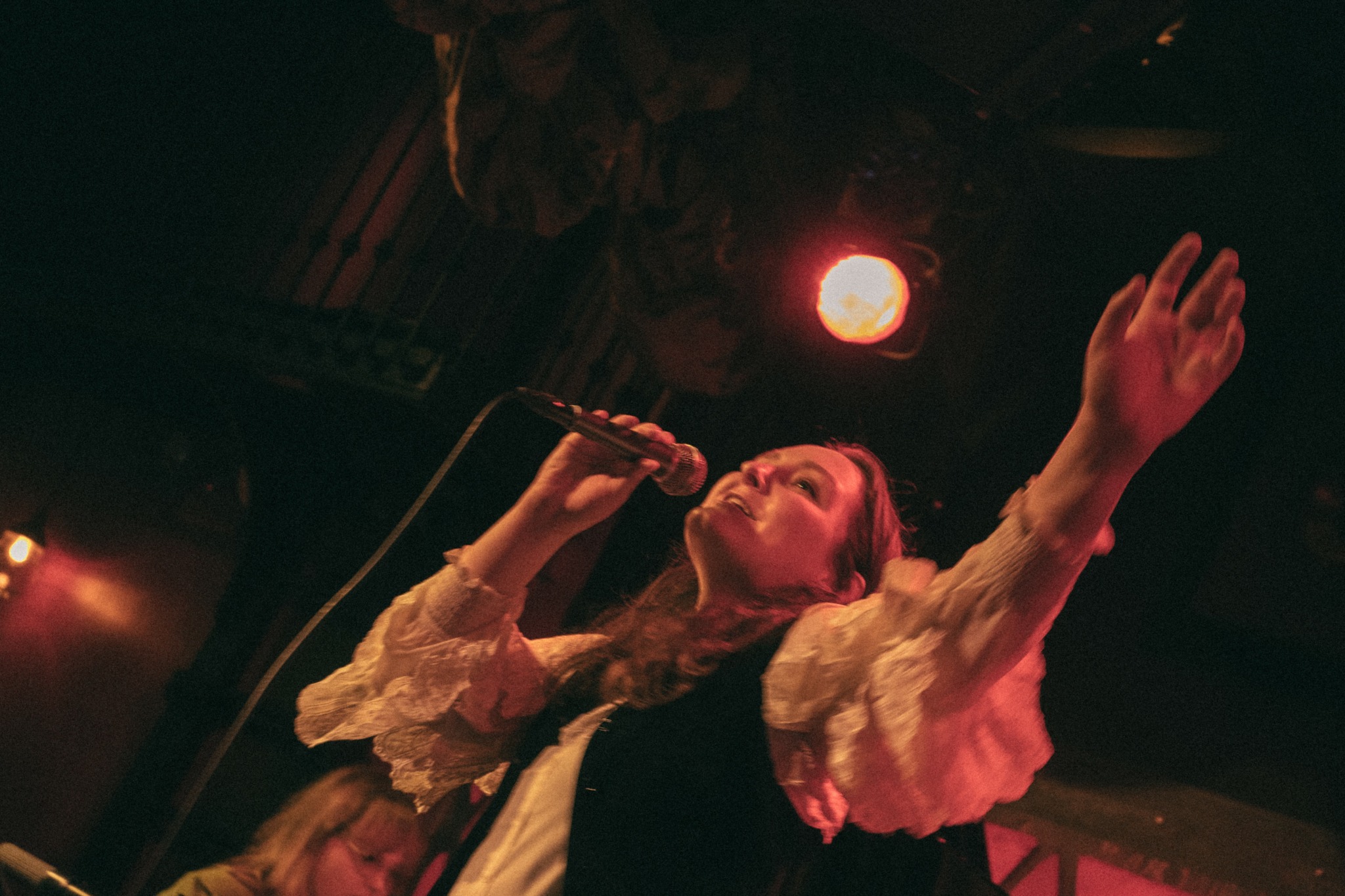
Do you think there is something that non-creatives might struggle to understand about your journey as a creative? Maybe you can shed some light?
While I don’t think this experience is unique to creatives, it’s a useful thing to be reminded of: my career has never been a straight, upward path of growth and success. The metaphor I often return to is bricklaying, or building a structure. Every job, every relationship, every gig is a brick that is laid down to provide support for the next. The full shape of what I’m building may be impossible to see, and I never know how significant any of those individual bricks might turn out to be. In my experience, a seemingly inconsequential project or meeting might surprise me down the line, proving to be the basis of something beautiful. Artistic careers can be long-term dreams that require a lot of patience, and a lot of redefining what fulfillment and success mean. When I was 20, I felt pangs of disappointment that my career wasn’t fully formed yet. A decade later, I’m so glad for all the time I’ve had to learn and grow in my craft. My career is still growing and changing. In many ways, I hope it never stops surprising me.
Contact Info:
- Website: https://tannerporter.com
- Instagram: @tannerportermusic
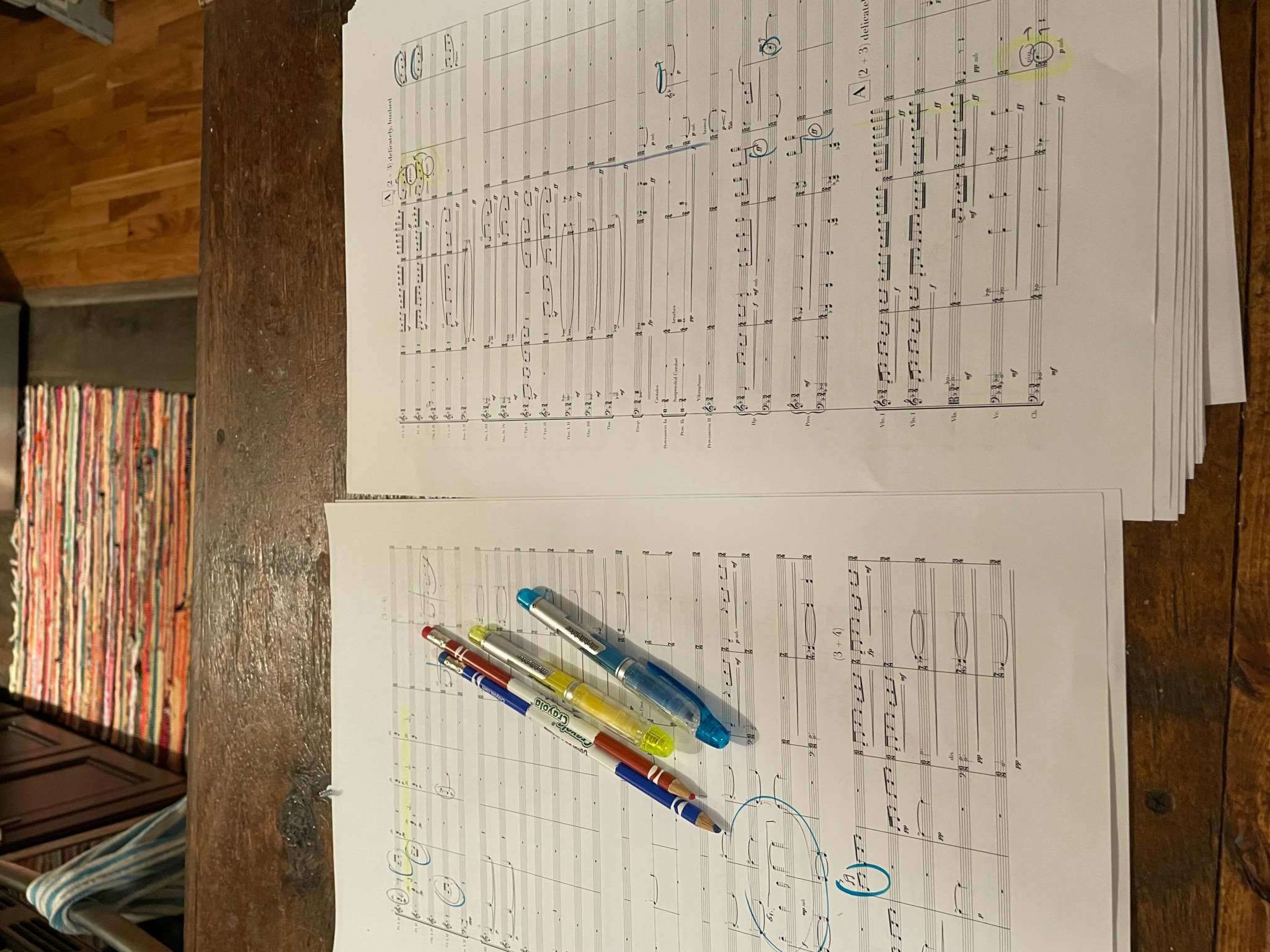
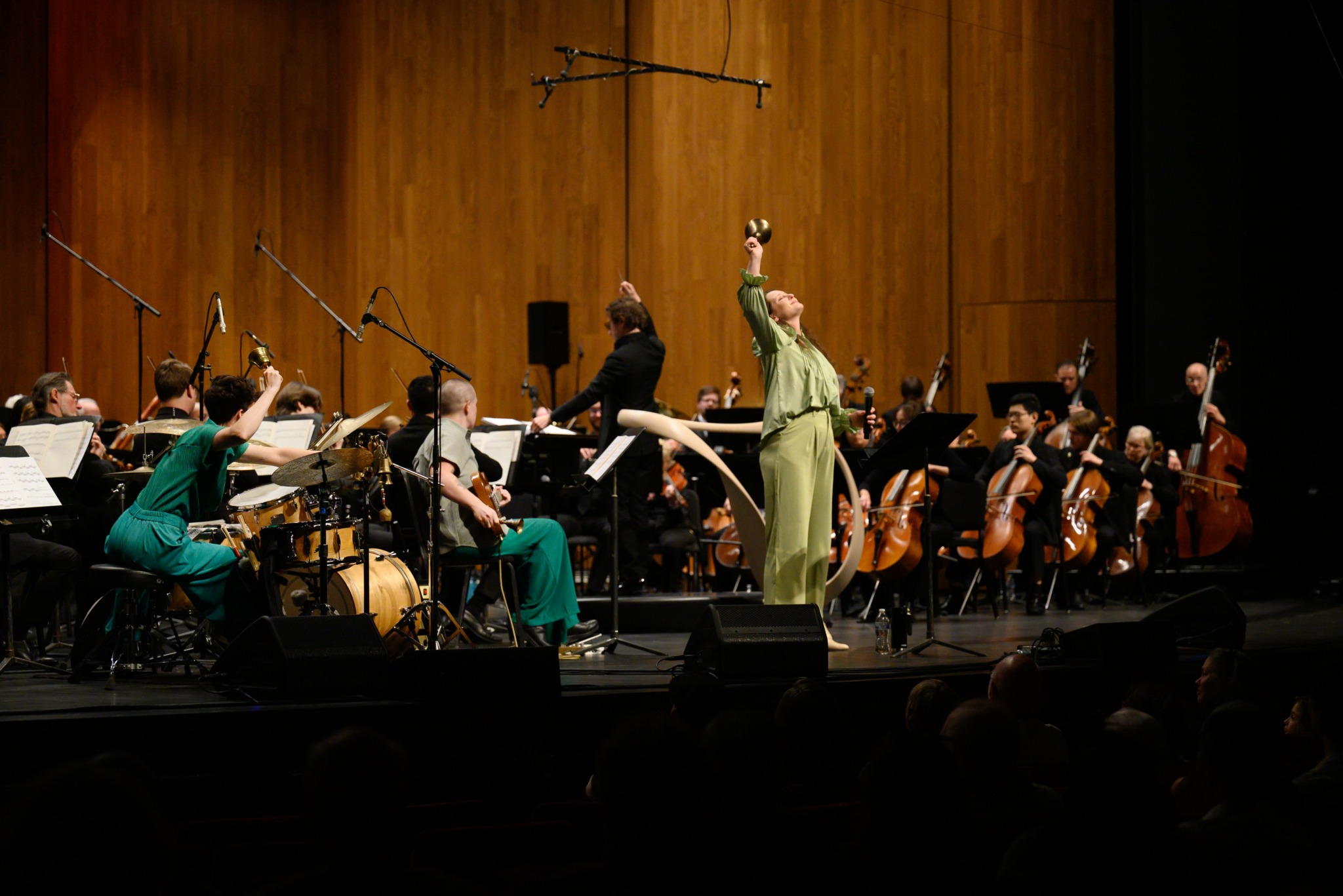
Image Credits
Photo 1: Louisville Orchestra_Premiere of “True Lover’s Knot”_Photograph by O’Niel Arnold
Photo 2: Headshot_Photo by Titilayo Ayangade_FOR WEB
Photo 3: One Was Gleaming Album Cover_Photographs by Titilayo Ayangade_Design and Blouse by Tanner Porter
Photo 4: Rockwood Music Hall_Photo by Shauna Hilferty
Photo 5: Score Editing
Photo 6: At the ocean_Photo by Maria Gironas
Photo 7: Louisville Orchestra_Premiere of “True Lover’s Knot”_Photograph by O’Niel Arnold