

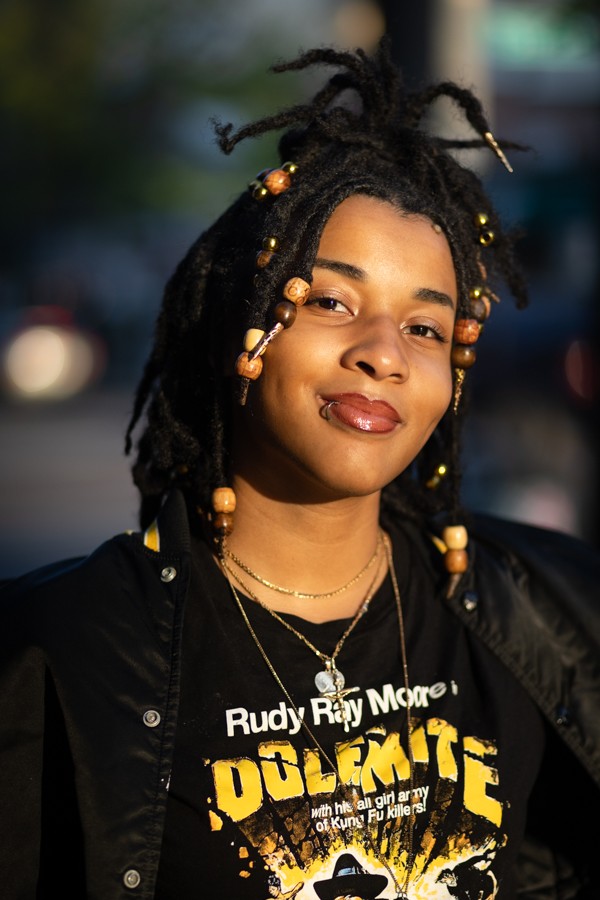

We recently connected with Tamia Alston-Ward and have shared our conversation below.
Tamia, thanks for joining us, excited to have you contributing your stories and insights. What’s been the most meaningful project you’ve worked on?
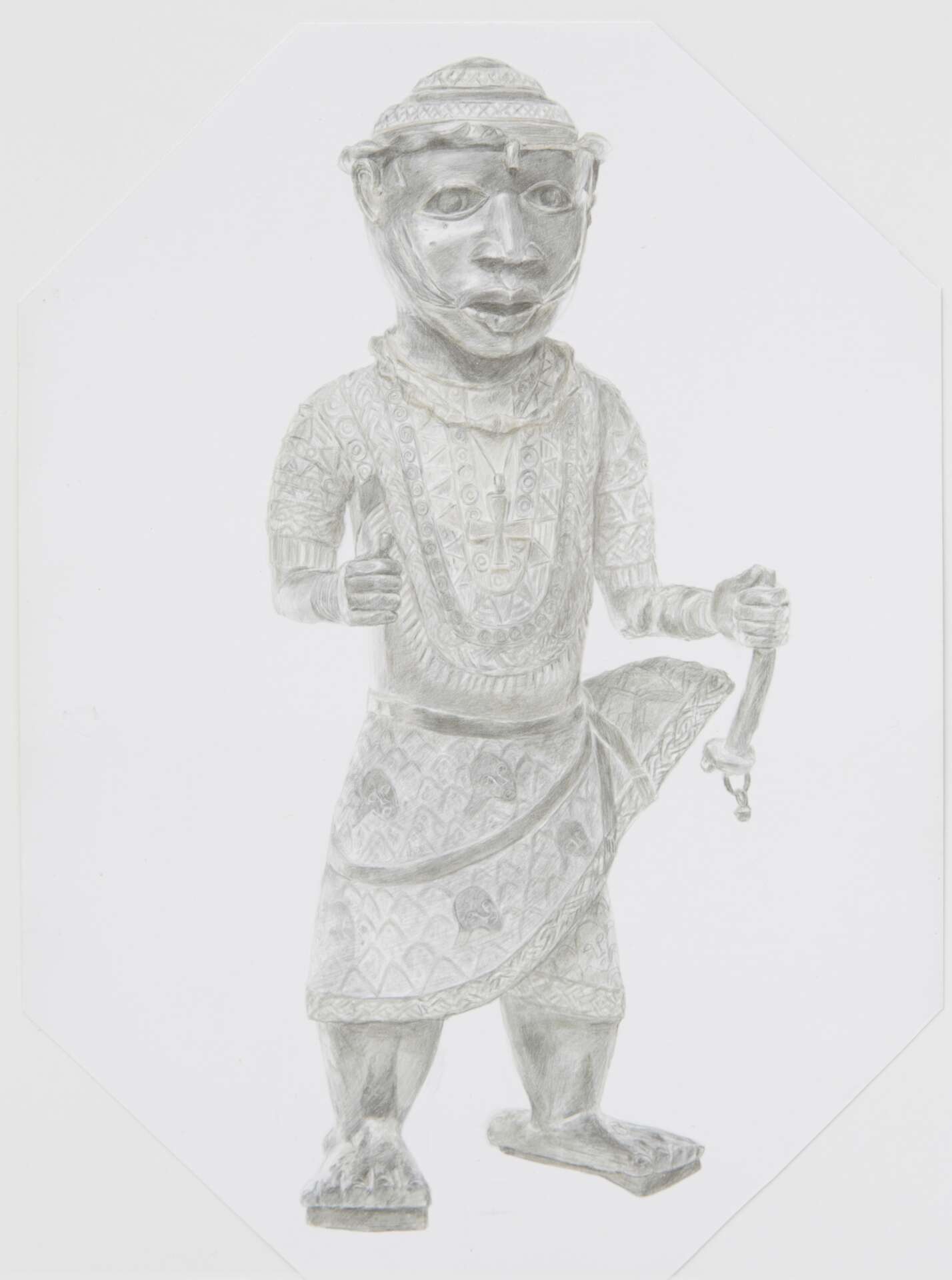
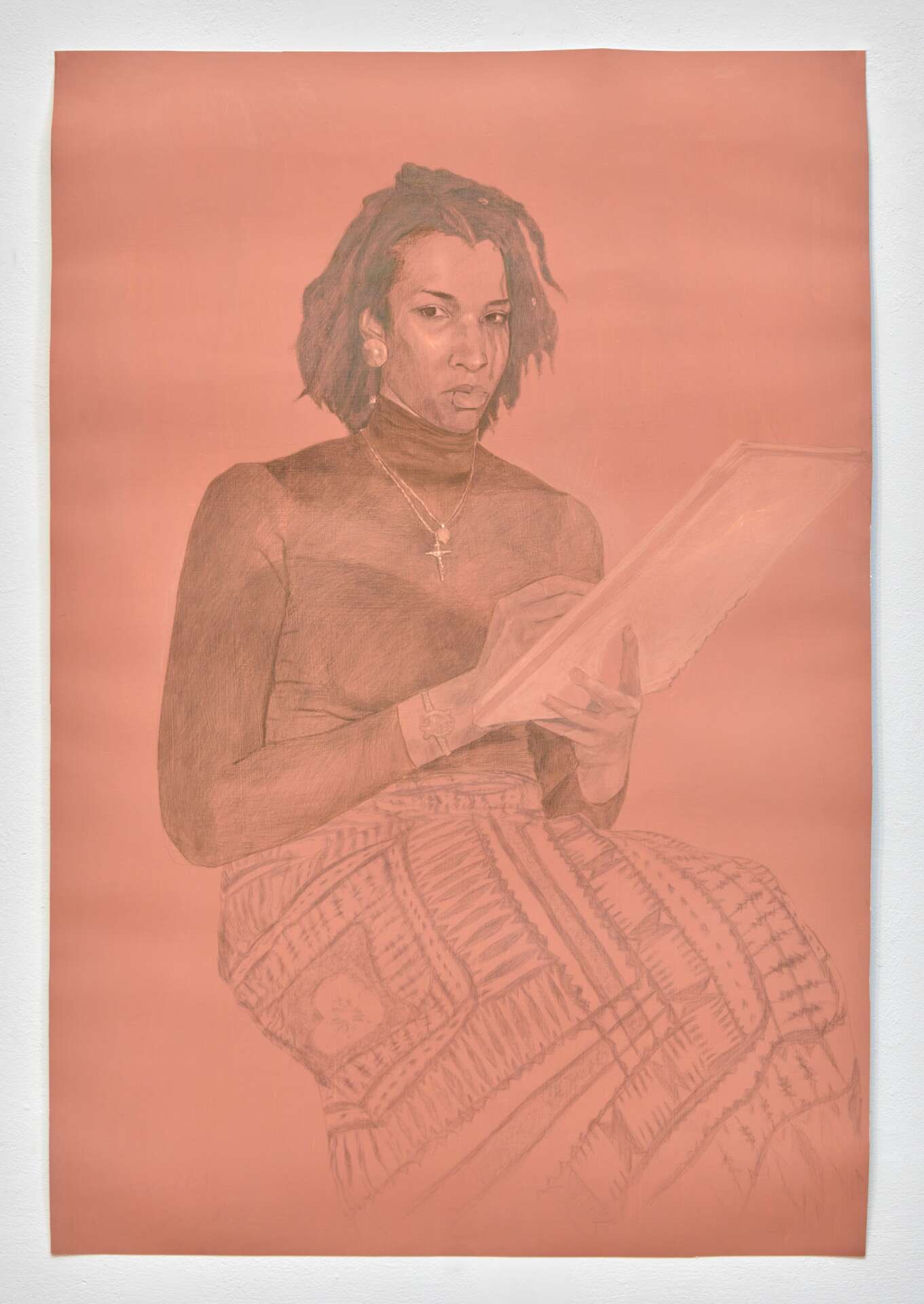
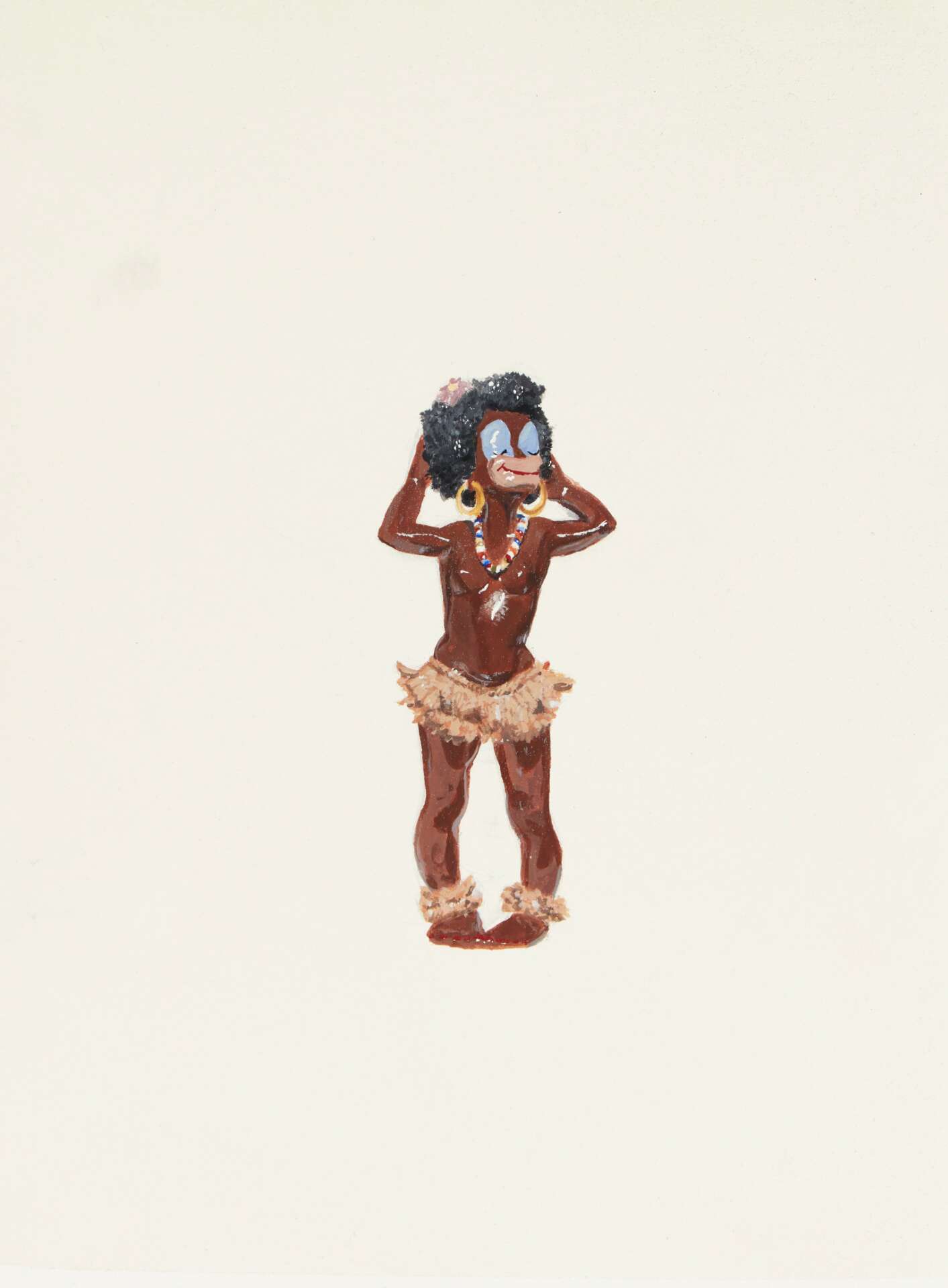
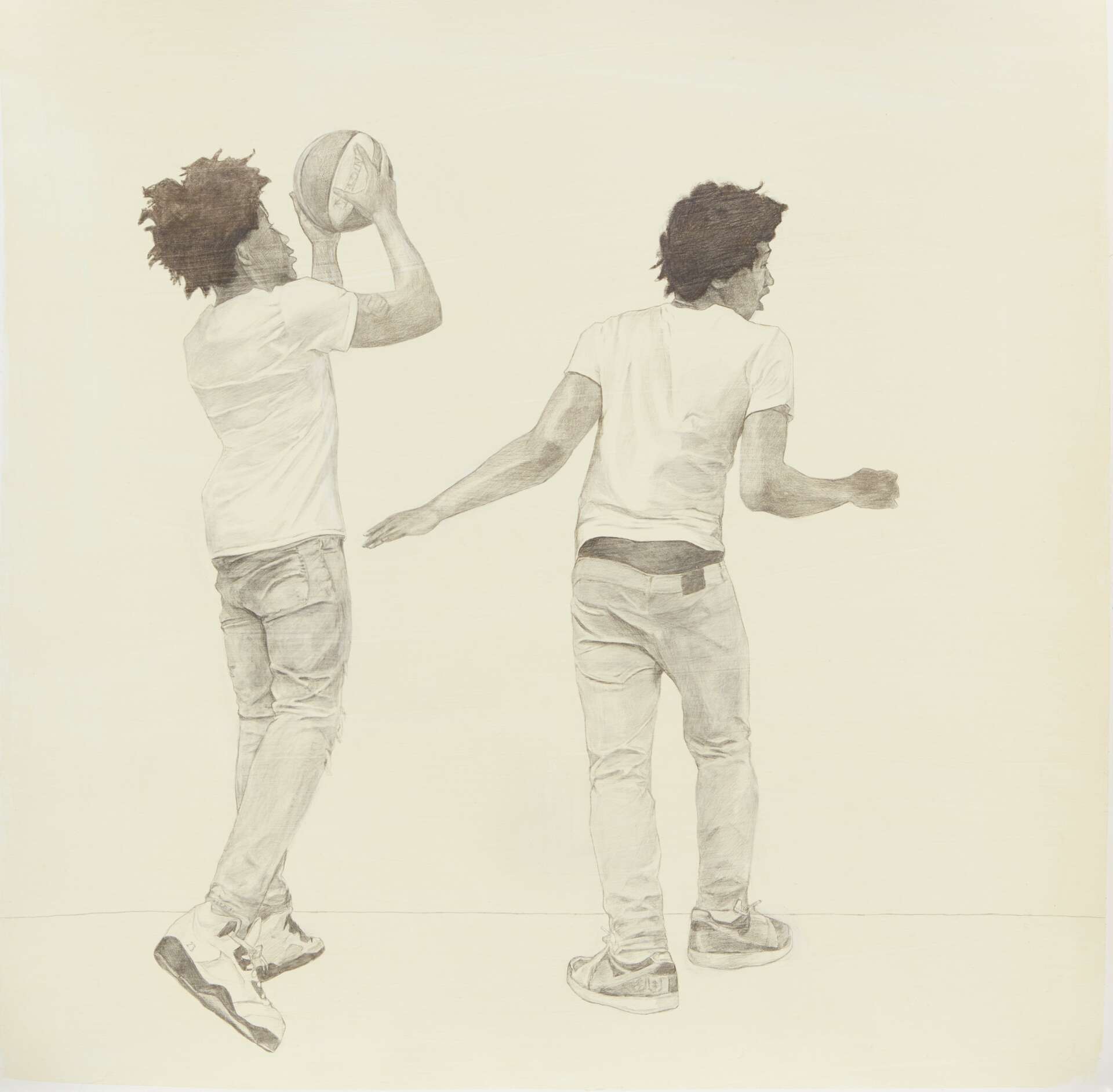
My practice is deeply rooted in research and the study of material culture in the Black Diaspora. Some ideas for a project take shape through unexpected moments in daily life, others through deconstruction, reconfiguration, and opposition of preconceived subjects. One of my most meaningful projects started as an idea looking deeper into the use of metalpoint in art history as well as how these metals were found and robbed from the continent of Africa, I explored the idea of what it means to be uprooted, and what it means to have one’s image distorted and twisted but never changed. Out of this ideating process came a series of works in an exhibition called Le Déracinement (The Uprooting), shown in January 2023 at Welancora Gallery in Brooklyn, New York. The body of work was created over nine months, but the ideating and research process ran the course of my entire life observing the world as a Black Woman. Le Déracinement included a series of metalpoint drawings and paintings on paper and wood panel exploring the removal, decontextualization, and rebuilding of cultural and personal identity as an overarching theme in European colonization and American history. All of the work in The Uprooting is derived from my extensive study of the traditional African Art collection at the Barnes Foundation in Philadelphia – which contains works pilfered in the Scramble for Africa during the late 19th and early 20th centuries; and, the overlapping history of Black mammies and other fetishes manufactured in the United States during the Jim Crow era. In this series, metalpoint is used as a medium to encompass the histories, hurts, and triumphs of Black people. Materials shape and track our world, and for Black people across the diaspora, the use of precious materials such as gold carries a narrative not unlike their own.
Great, appreciate you sharing that with us. Before we ask you to share more of your insights, can you take a moment to introduce yourself and how you got to where you are today to our readers.
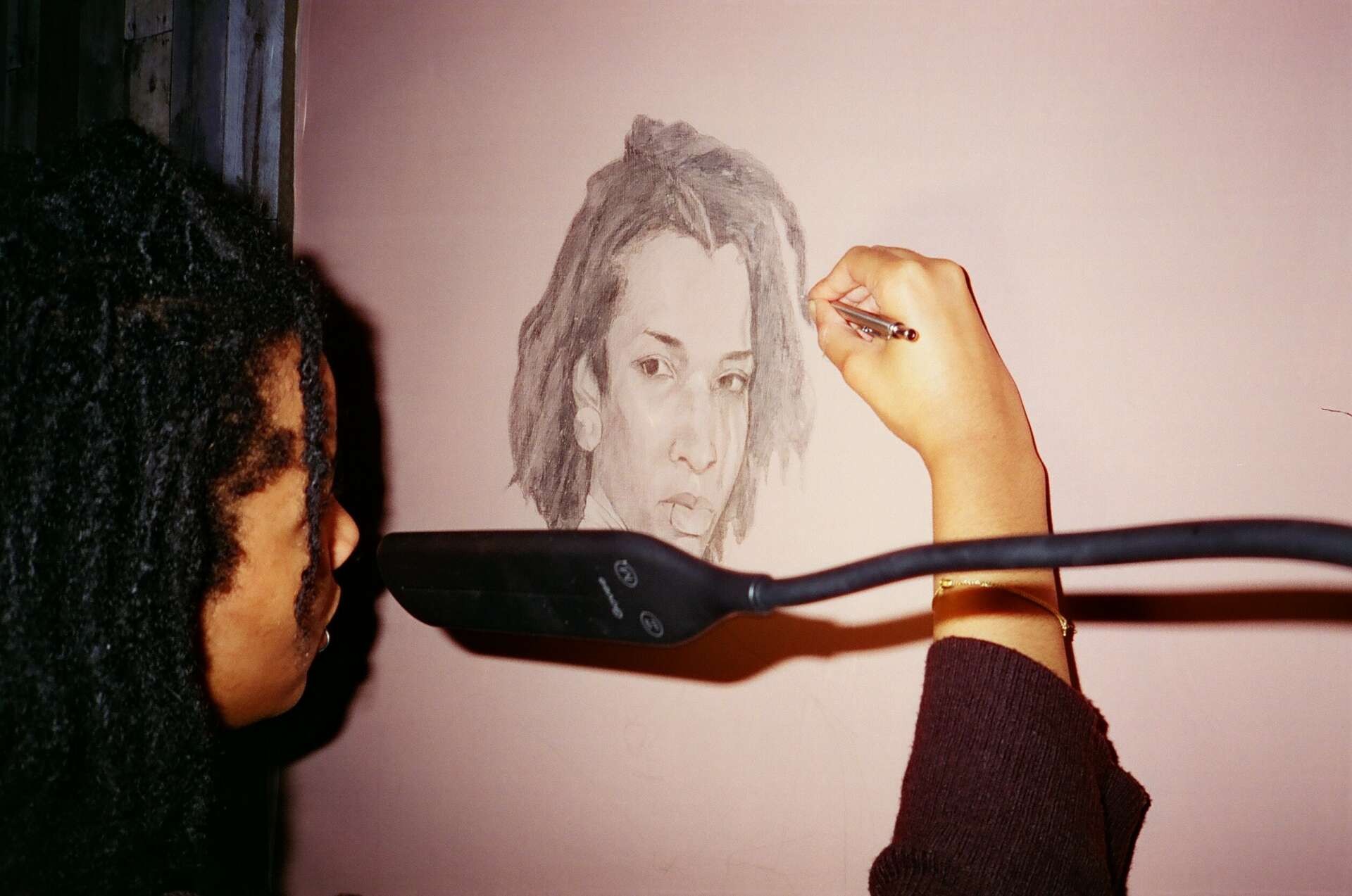
I like to describe my artistic practice as that of a scribe. The record-keeping between the subject and I is the act of artmaking. As a scribe is to transcribing the spoken word, I too have an obligation to depict each subject with a sense of urgency and respect given that my time with them is ephemeral. Each piece is documentation, and the mediums I use are a vehicle for communication. My practice explores Black Material Culture, an exploration of what brought Black bodies to their place today, who played a role in objectifying us, and how we objectify ourselves. After a thorough research process and educating myself on both the historical and material relevance of subjects, my pieces act as a visual marker of each subject. I want my work to create a dialogue and a critique of the way Black identities are displayed, celebrated, and exploited. Exploring the areas that we never created, yet were created in. These pieces are a meditative act on my identity, with each line a conversation with the history of Blackness.
For you, what’s the most rewarding aspect of being a creative?
As an artist, the most rewarding aspect of my craft lies in the unexpected ways people engage with my work. Anticipating the reception of my art is nearly impossible, but the moments when someone offers a word of encouragement or engages in a meaningful conversation about my creations ignite a spark within me.
For me, inspiration can strike through interactions with fellow artists or loved ones, as well as through keen observation of the world around me. Witnessing the varied reactions to my work is equally gratifying; seeing how others interpret and build upon my ideas to create something new fills me with joy.
Above all, the ultimate reward is knowing that my art has served as a catalyst for expanding someone’s perspective or introducing them to a new medium. Hearing that my work has opened doors for others and contributed to their growth is immensely fulfilling and drives me to continue creating.
What can society do to ensure an environment that’s helpful to artists and creatives?
Society has a significant role to play in uplifting artists and creatives, especially as support for the arts seems to be diminishing in public discourse. There’s a pressing need for enhanced support, particularly for Black artists, starting within the educational system. Many young people, especially those from marginalized communities, lack access to creative outlets in schools. As someone deeply involved in both museum work and education, I’ve witnessed firsthand the challenges students face in connecting with the arts. Providing opportunities for at-risk youth to engage with art programs not only offers them a creative outlet but also opens doors to new possibilities and aspirations.
Similarly, supporting emerging Black artists through grants and funding is crucial. Just as the Federal Arts Project of the WPA benefited Black artists during the Harlem Renaissance, sustaining funding for initiatives like the National Endowment for the Arts is essential. This historical precedent underscores the importance of providing support and resources to artists, enabling them to thrive and make significant cultural contributions.
Contact Info:
- Website: https://www.tamia-aw-art.com/about
- Instagram: https://www.instagram.com/tamia_aw_art/
- Linkedin: linkedin.com/in/tamia-aw
- Other: https://www.welancoragallery.com/exhibitions/25-tamia-alston-ward-le-deracinement/press_release_text/
Image Credits
©Tamia Alston-Ward, Courtesy Welancora Gallery ©Tamia Alston-Ward