



We’re excited to introduce you to the always interesting and insightful Tamara Hart Heiner. We hope you’ll enjoy our conversation with Tamara below.
Tamara, appreciate you joining us today. Let’s jump back to the first dollar you earned as a creative? What can you share with us about how it happened?
As an author, the “first dollar” moment is a little different. Most of us don’t actually *see* that first dollar—our publisher does. Royalties are delayed and everything filters through someone else’s accounting system.
But I *did* have a moment that felt powerful.
It was at my very first book signing. I remember sitting at a small table in the corner of a local bookstore, my stack of paperbacks neatly arranged beside me. I had no idea if anyone would show up. I told myself I’d be happy if I signed just one book.
Then a customer walked up—a complete stranger, someone who didn’t know me at all—and she handed me my book and said, “Would you sign this for me?”
SOMEONE WANTED MY BOOK. SOMEONE WAS WILLING TO PAY MONEY FOR MY WORDS.
My hands actually shook. I’d practiced my pen name signature over and over again at home, and now was the moment I had to actually write it. I added a little message, closed the cover, and slid the book back to her.
That moment was my “first dollar.”
That giddy, electric feeling—like I had crossed the invisible line between dreaming about being an author and *being* one.
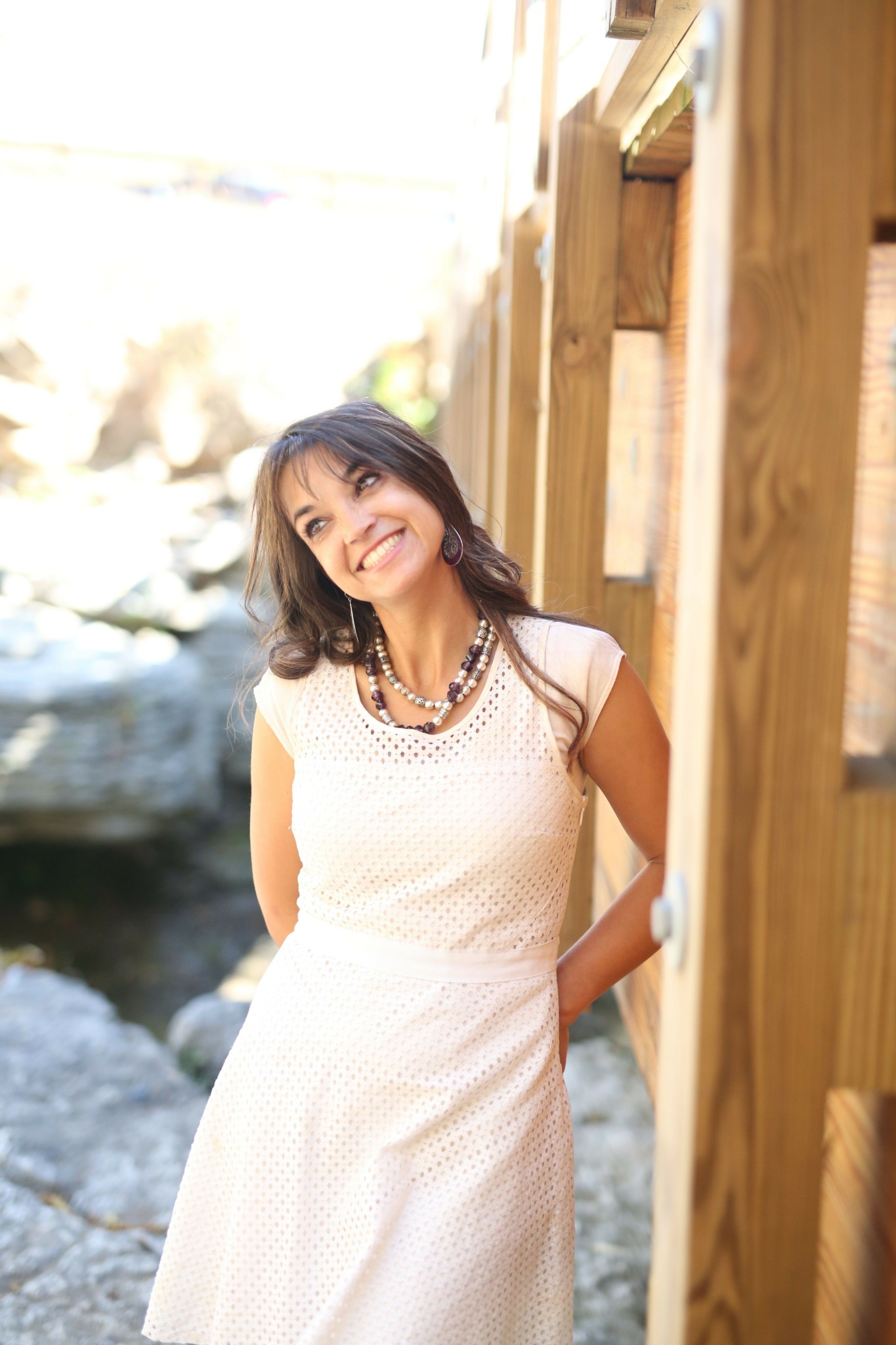
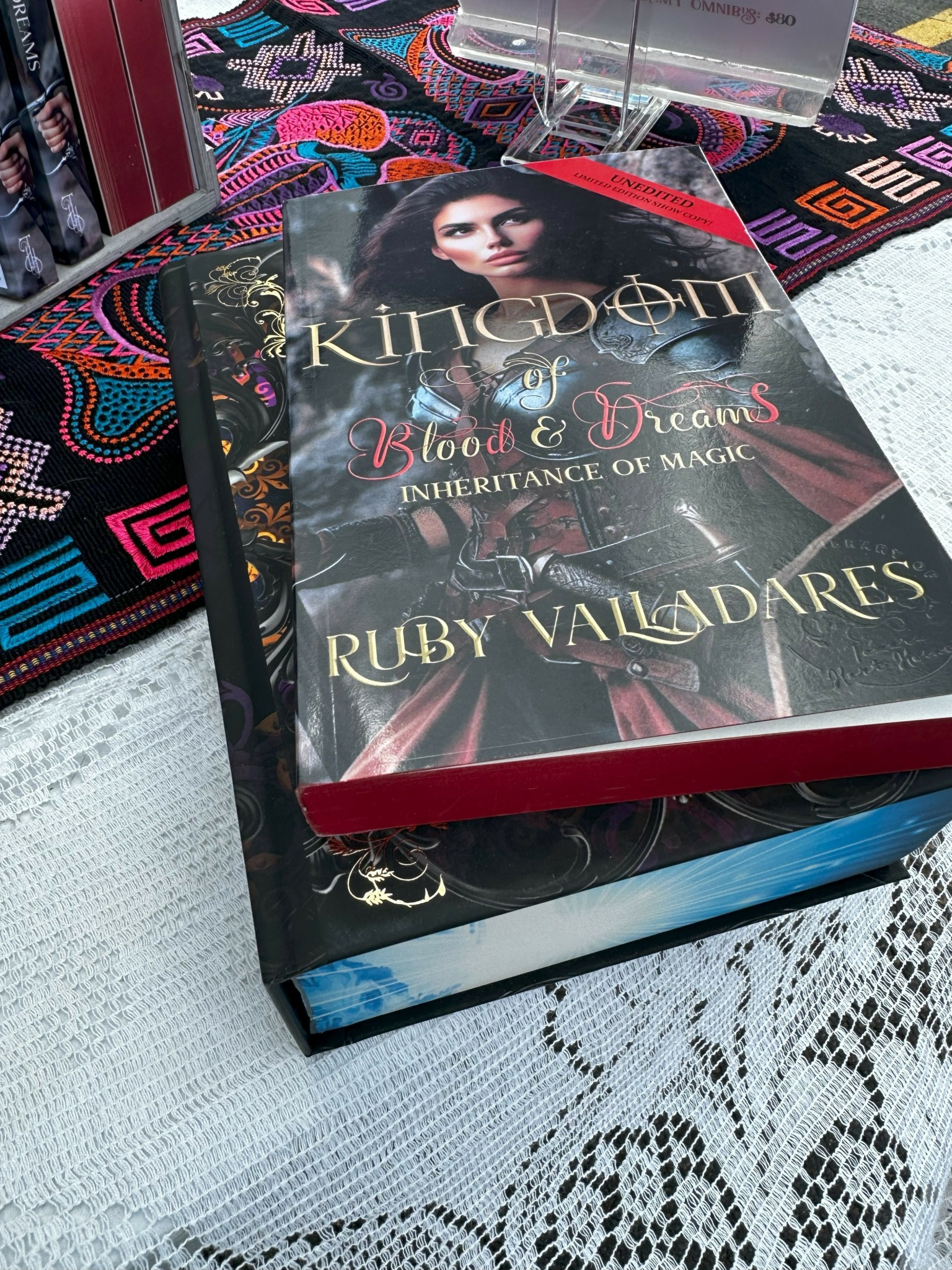
As always, we appreciate you sharing your insights and we’ve got a few more questions for you, but before we get to all of that can you take a minute to introduce yourself and give our readers some of your back background and context?
I’ve been writing for as long as I can remember, but my journey as an author officially began in the most unglamorous place possible: seventh-grade study hall. I was bored, so I started scribbling a story in a notebook—just a way to pass the time. I never imagined it would turn into anything.
More than a decade later, I found that forgotten draft tucked away in a box. Reading it felt like opening a time capsule from my younger self. The bones were rough, the writing very “middle-school,” but the heart was there. I revised it, learned everything I could about publishing, and that little study-hall story became my first published novel. That experience taught me something foundational: stories stay with us, even when we forget them for a while.
Since then, my mission has been the same—to shine a light on difficult subjects while also bringing light *into* dark places. I’m drawn to the things people tiptoe around: trauma, survival, loneliness, fear, the messy parts of growing up. Whether I’m writing YA fantasy, dystopian adventures, middle-grade stories, or sweet high-school romances, my goal is always to show young people navigating impossible odds and discovering their own resilience.
I love building fantasy worlds that carry real-world morals, the kind of stories where readers can escape into magic yet return with something meaningful tucked in their hearts. And I love writing contemporary characters who feel real enough that you could sit next to them in class or bump into them in the hallway.
What sets my work apart is that blend—uncomfortable truths wrapped in hope, hard subjects balanced with heart, and darkness illuminated by courage. I want my readers to walk away believing two things:
1. Their struggles matter.
2. They are stronger than they think.
I’m most proud of the messages I’ve received from readers—teens and adults—who say a character helped them feel seen or gave them strength during a difficult time. At the end of the day, that’s why I write.
If there’s one thing I’d want potential readers or followers to know about my brand, it’s this: I tell stories about surviving, growing, and finding light—even when the world feels impossible. Whether it’s through dragons, dystopias, or middle-school drama, I write to remind people that they’re not alone and that there’s always a path forward, no matter how dark the forest gets.
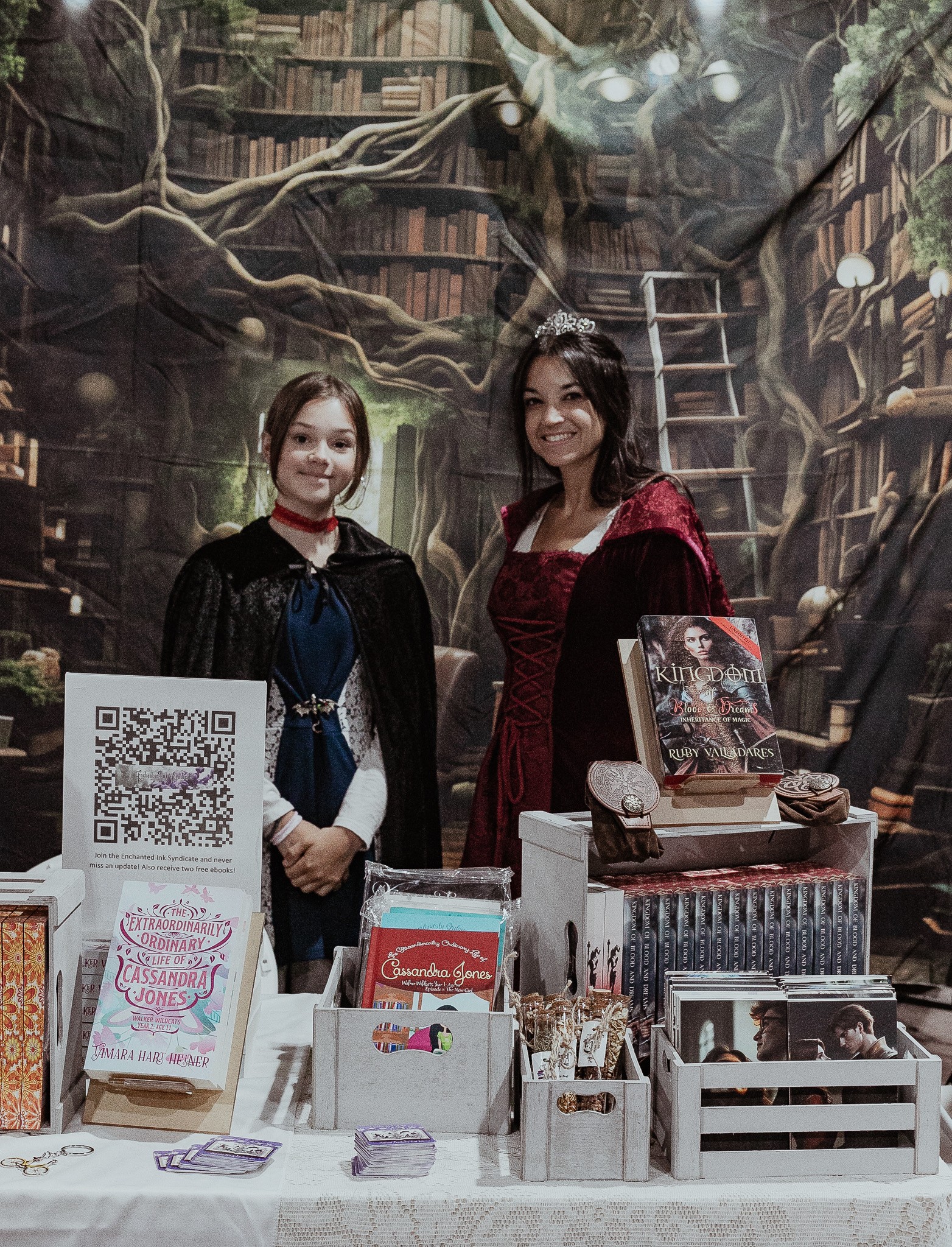

Have you ever had to pivot?
One of the biggest pivots in my career came when I realized just how difficult it is for authors—especially indie and small-press authors—to get real visibility online through mainstream distributors. You can write the best book in the world, but without a massive ad budget, your work disappears into the digital noise. I spent years trying to compete in the online marketplace, where success often depends less on the story itself and more on how much money you can pour into advertising algorithms.
Eventually, I realized something had to change. I could either continue funneling money into ads with unpredictable results… or I could rethink my entire business model.
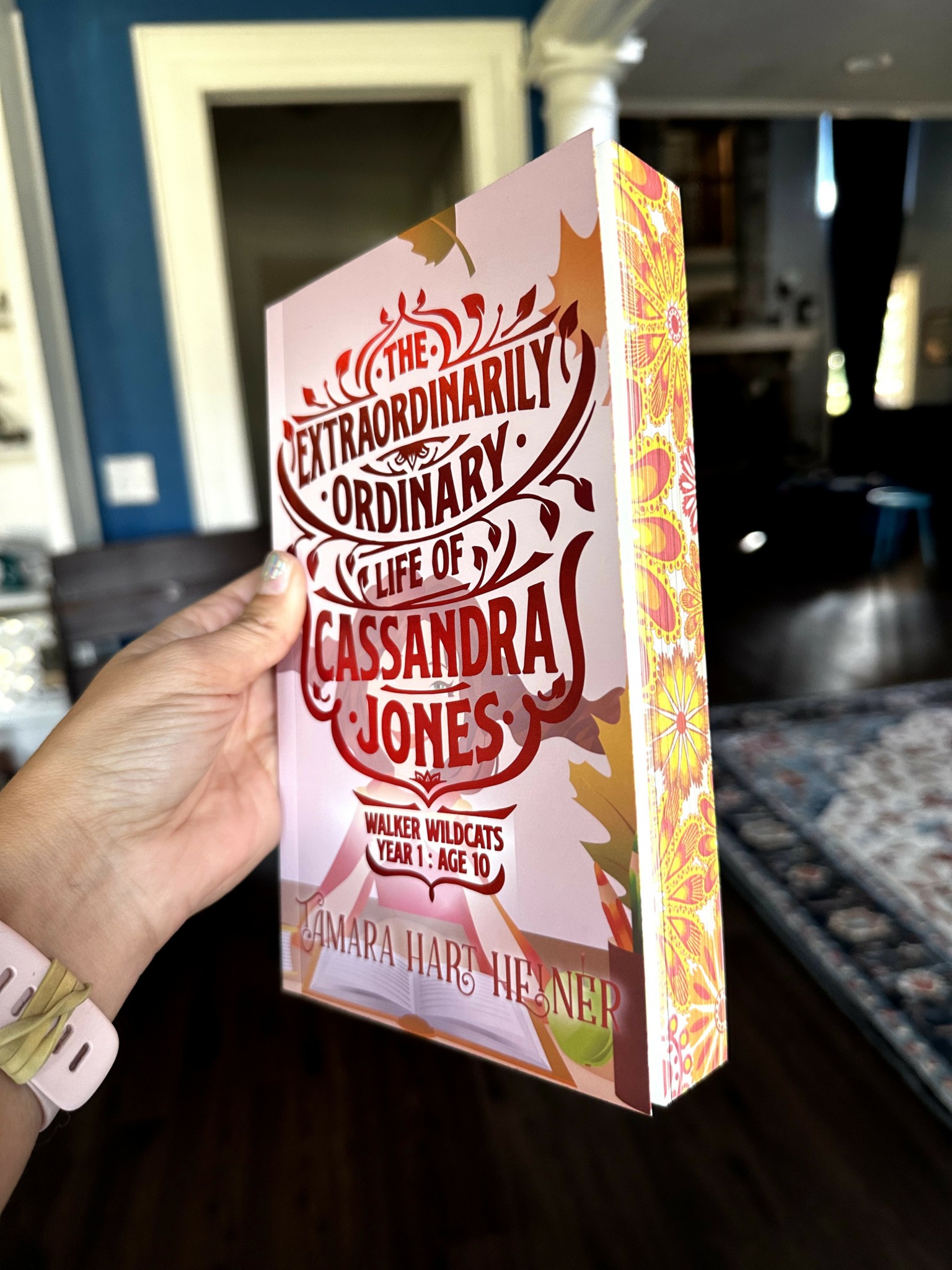
That’s when I decided to pivot toward producing my books upfront as premium physical products. It’s a bigger financial investment at the beginning—special edition hardcovers, sprayed edges, custom end pages, ribbon bookmarks, gold foil, all the bells and whistles—but it completely changes the game. Instead of a standard paperback competing with thousands of others online, I’m creating high-value collectible books that readers can’t buy anywhere else.
The shift also pushed me into doing more in-person events: conventions, fairs, book festivals, signings. And while those require more time and more energy, they’ve become some of the most rewarding parts of my business. When readers can pick up a gorgeous hardcover, feel the texture, see the artwork, flip through the pages—there’s an immediate connection. It’s no longer just a book; it’s an experience.
This pivot has given me higher profit margins, more control over my creative product, and a much stronger bond with my readers. Instead of trying to shout over everyone online, I’m building a community one reader at a time, one beautiful book at a time.
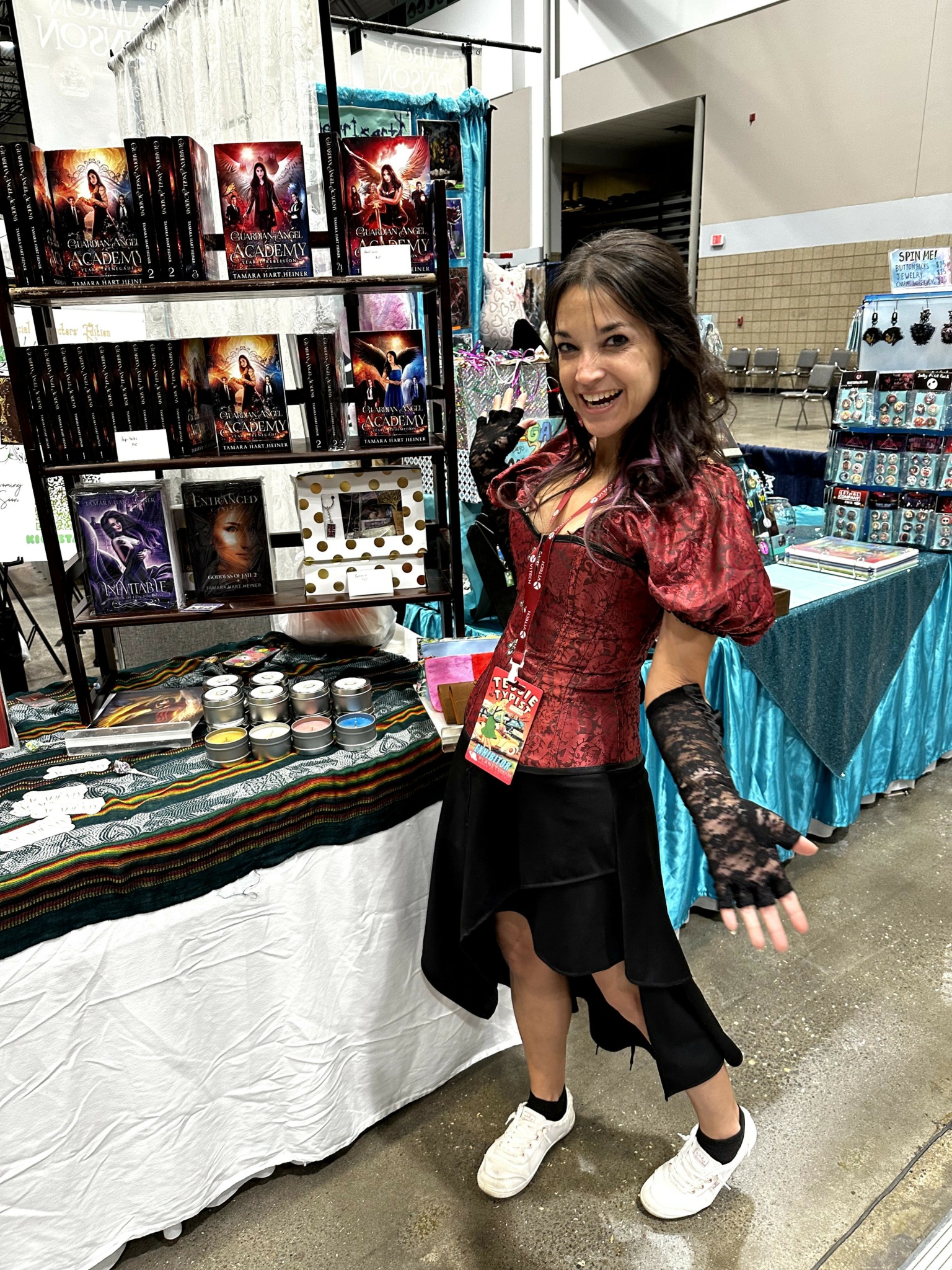
In your view, what can society to do to best support artists, creatives and a thriving creative ecosystem?
I think the best way society can support artists is by remembering that creative work matters. Stories, art, music—they’re how we make sense of the world. But it’s incredibly hard for creators to survive when visibility depends on massive ad budgets and algorithms that bury anything that isn’t already popular.
For me, the support that means the most is simple: showing up. Buying directly from creators, sharing their work, leaving reviews, coming to live events. Those small actions make a huge impact.
I also think communities need more local spaces where creatives can connect—book festivals, indie markets, libraries, small bookstores. When artists have somewhere to gather and be seen, their work thrives.
At the end of the day, supporting creatives is really just supporting the human need for stories, connection, and meaning.
Contact Info:
- Website: https://tamarahartheiner.com
- Instagram: @tamarahhwrites
- Facebook: https://www.facebook.com/authortamara.hartheiner
- Youtube: https://www.youtube.com/channel/UC5T0JmR2U8v2SLrMw19ZIRg/
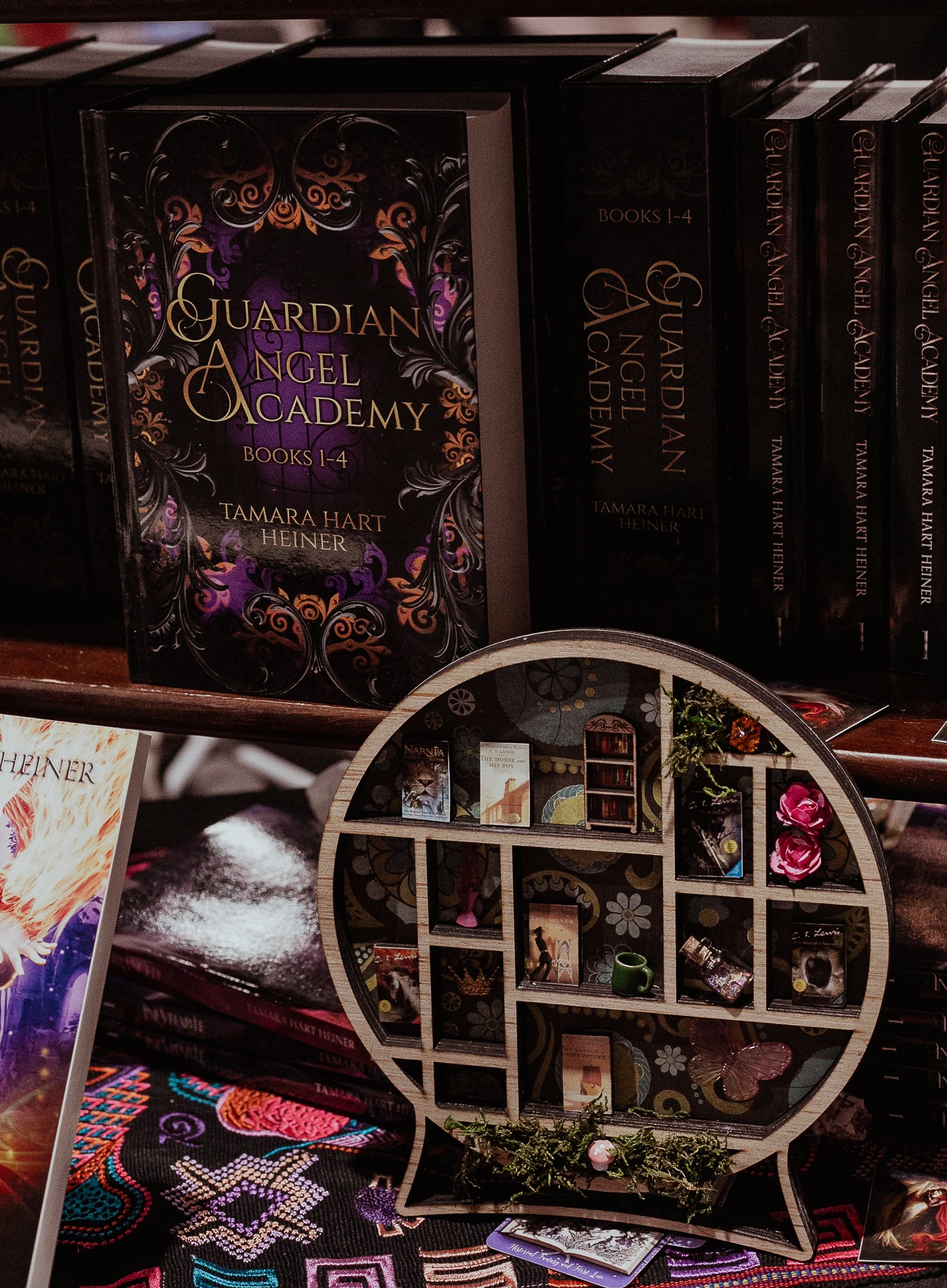

Image Credits
Courtney Stratton
Luxury Portrait Photographer and Business Owner