

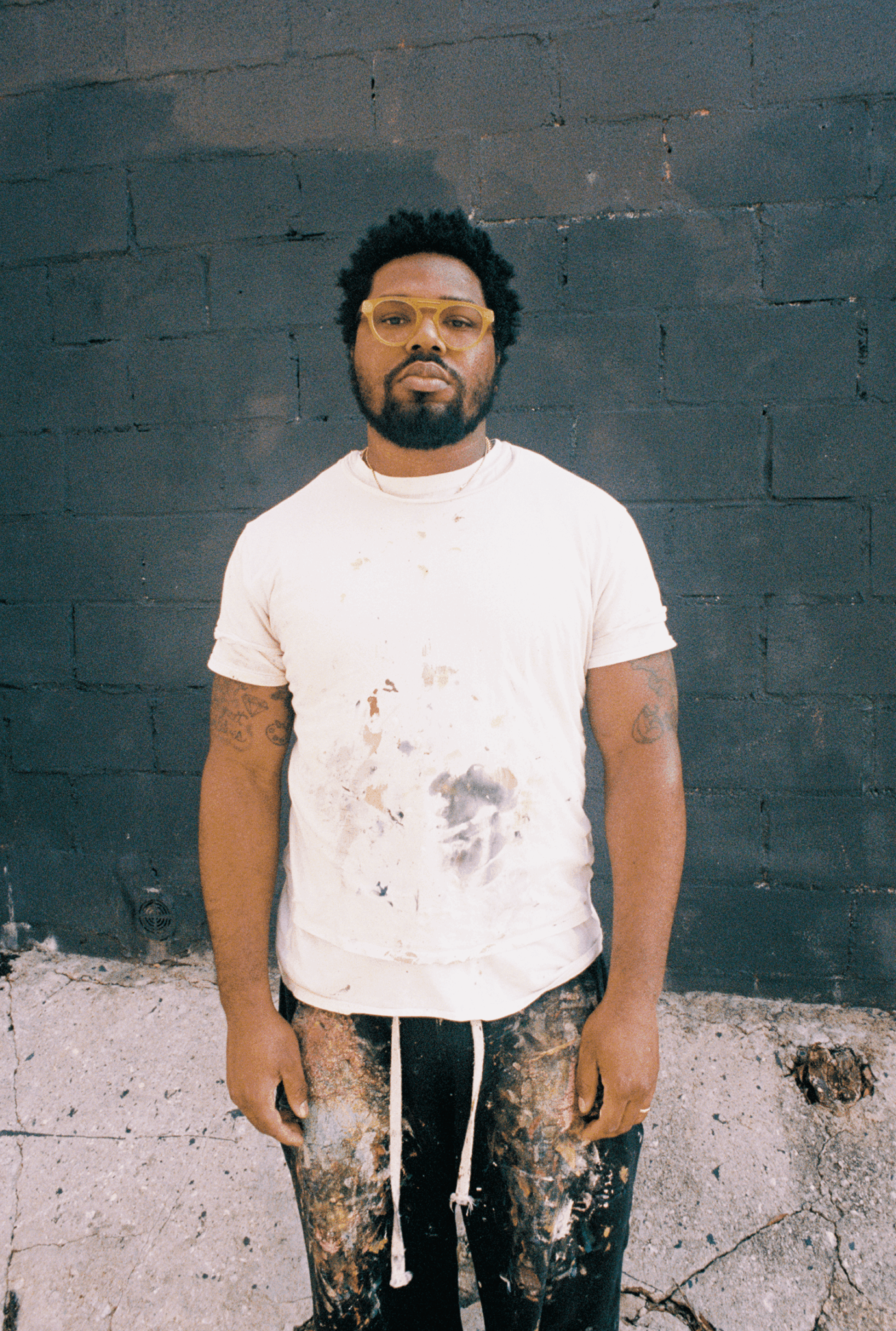

Alright – so today we’ve got the honor of introducing you to Taj Poscé. We think you’ll enjoy our conversation, we’ve shared it below.
Taj, appreciate you joining us today. When did you first know you wanted to pursue a creative/artistic path professionally?
When I was around 20 years old, I made a decision about my career choice. Prior to making that decision, I was a college athlete, I worked as an intern at a law firm in Center City Philadelphia, and I was burning myself out at both ends. I had been engaged in the arts since I was a child, but it was never presented as an option to pursue. I had always had art teachers take a special interest in me, doing things such as giving me tips about different media and entering my work into competitions, but I never understood what it meant to make a life as an artist. When I was in my junior year of high school I focused heavily on building my t-shirt brand self titled Poscé, and from there I took as many art classes as possible, even past the advanced level where I was taking independent studies.
During that time, my teacher was the first person to suggest that I pursue art, and he told me that I should attend the Tyler School of Art. I honestly had no idea where this school was, and I also had no idea that you could attend college to gain an arts degree. At the time, I didn’t listen to him. I applied for schools all over the Northeast Region of the U.S. but none of them were art schools. I ended up going to Penn State University. Once there, amid my basketball career not going the way I thought it should, and part-time work in the law firm really beginning to take a toll on my mental health, I took a few art classes during my Sophomore year of college.
In my painting class, my professor acknowledged my dedication in the studio. She entered me into the Bertha Lear painting show where I won an award for painting. She also brought in a visiting critic to our class who told her that he believed I truly had the potential to be a great art maker. This professor made a suggestion to me that I had heard once before: She recommended that I attend a larger art program, specifically the Tyler School of Art. This time around, I looked into it. My family thought that I was making a mistake by turning down Pre-Law studies to pursue art, as they wondered what my plan would be for the future. I honestly didn’t have the answers to that at the time. The only thing I knew was that it felt right. Once I looked into it and found that the school was in Philadelphia at Temple University, I knew I had friends there, so I took a leap and transferred schools. I jumped in with two feet. When I got to the Tyler School of Art, I was enamored by the student work on the walls in the main hall, the gallery, and the classroom studios. I felt an excitement that I hadn’t felt in a while.
I knew from that point forward that I was going to commit to my practice and I did. I made a choice and never looked back.
Taj, before we move on to more of these sorts of questions, can you take some time to bring our readers up to speed on you and what you do?
My name is Taj Poscé. I was born and raised in Philadelphia, PA and my art studio is currently based in Baltimore, MD. I am a visual artist, primarily making mixed-media paintings. I got into this discipline through a combination of encouragement from others and my own love and passion for what I do. What got me into my industry has been consistency, dedication, and preparation.
For a long time, I couldn’t see my own talent for making things, with color and material. My grandfather collected paintings that I did as a child since I was in pre-K. I had art teachers who encouraged me and turned my head to look in the right direction. I once went on a field trip to MoMA, and it was an eye-opening experience. I saw into the art and I had an idea about what an artist could do.
It wouldn’t be until years later that I would dedicate all of my time to experimenting and producing works of art. Once I committed, I began to see success in something that I had only recently turned my focus to. I was nominated for a residency and was awarded a study-abroad scholarship shortly after. I was inspired by the stories of other artists who had come before me. I knew at this point that I needed to continue on this path. I saw how what I was doing inspired my family and friends: I had made it out of my city, I went to an Ivy League School, and I had a studio in another country, just from following my dream. Most recently, I’ve been recognized as a Master of Fine Arts. These things are not normal for where I came from, and my upbringing.
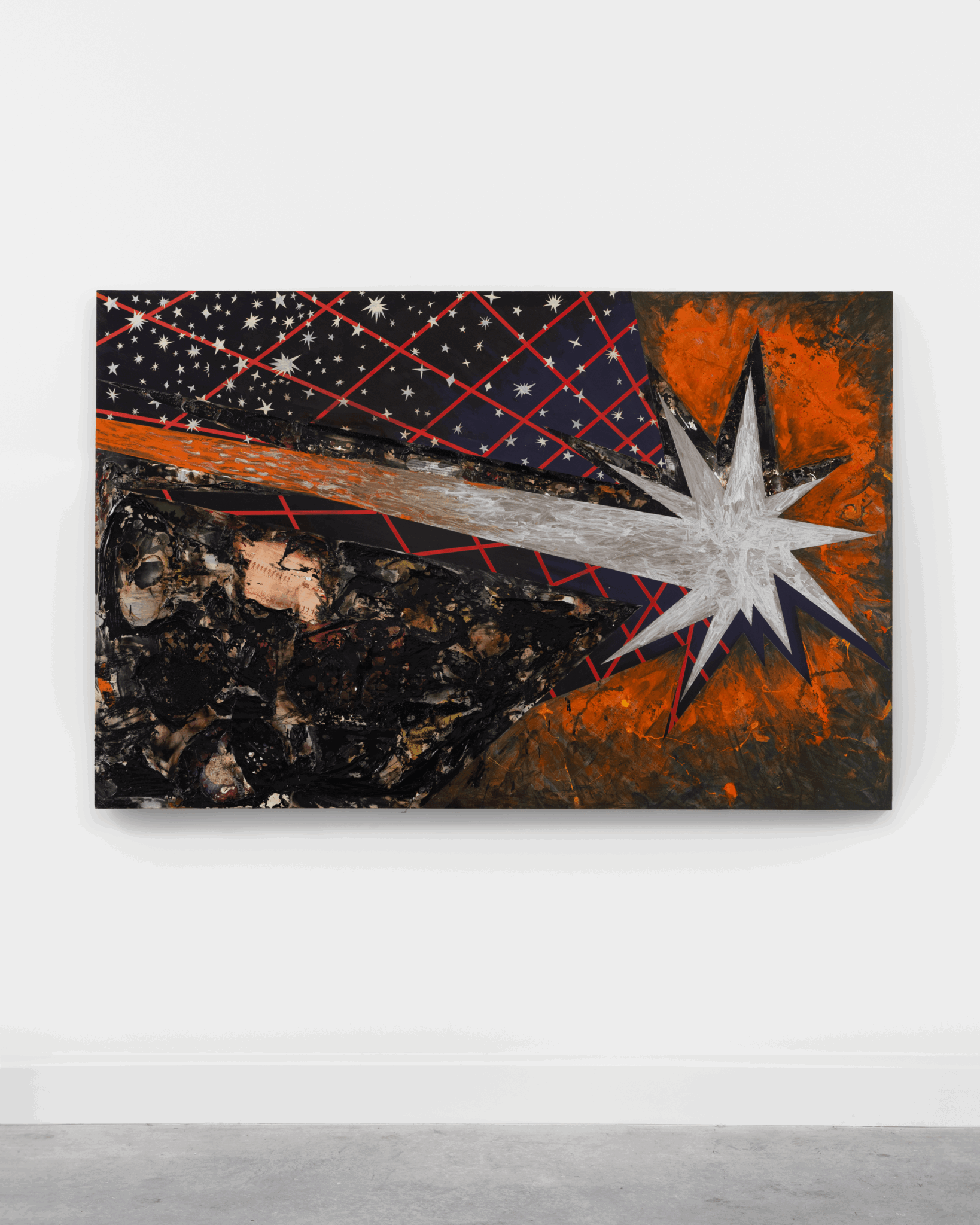
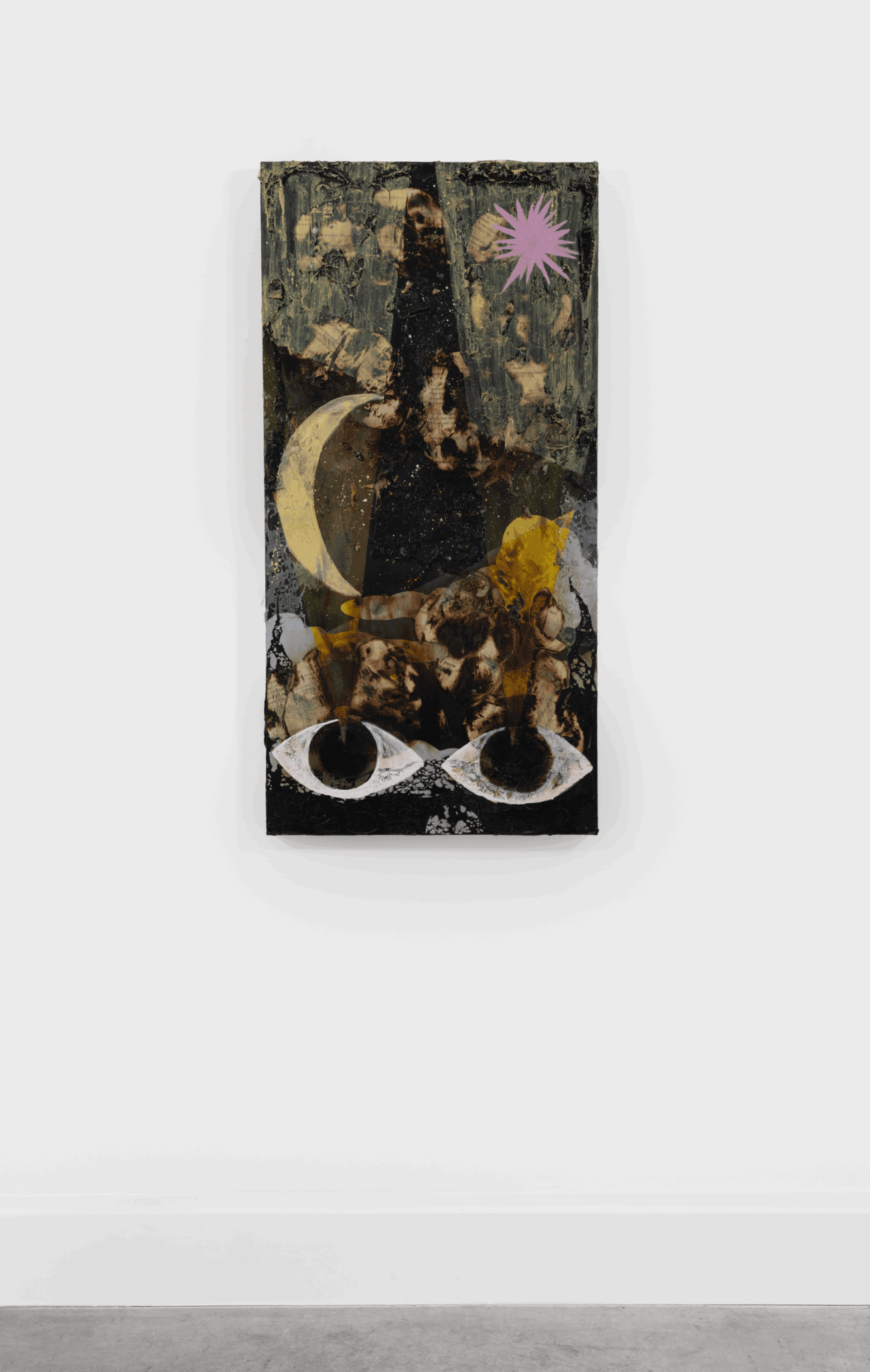
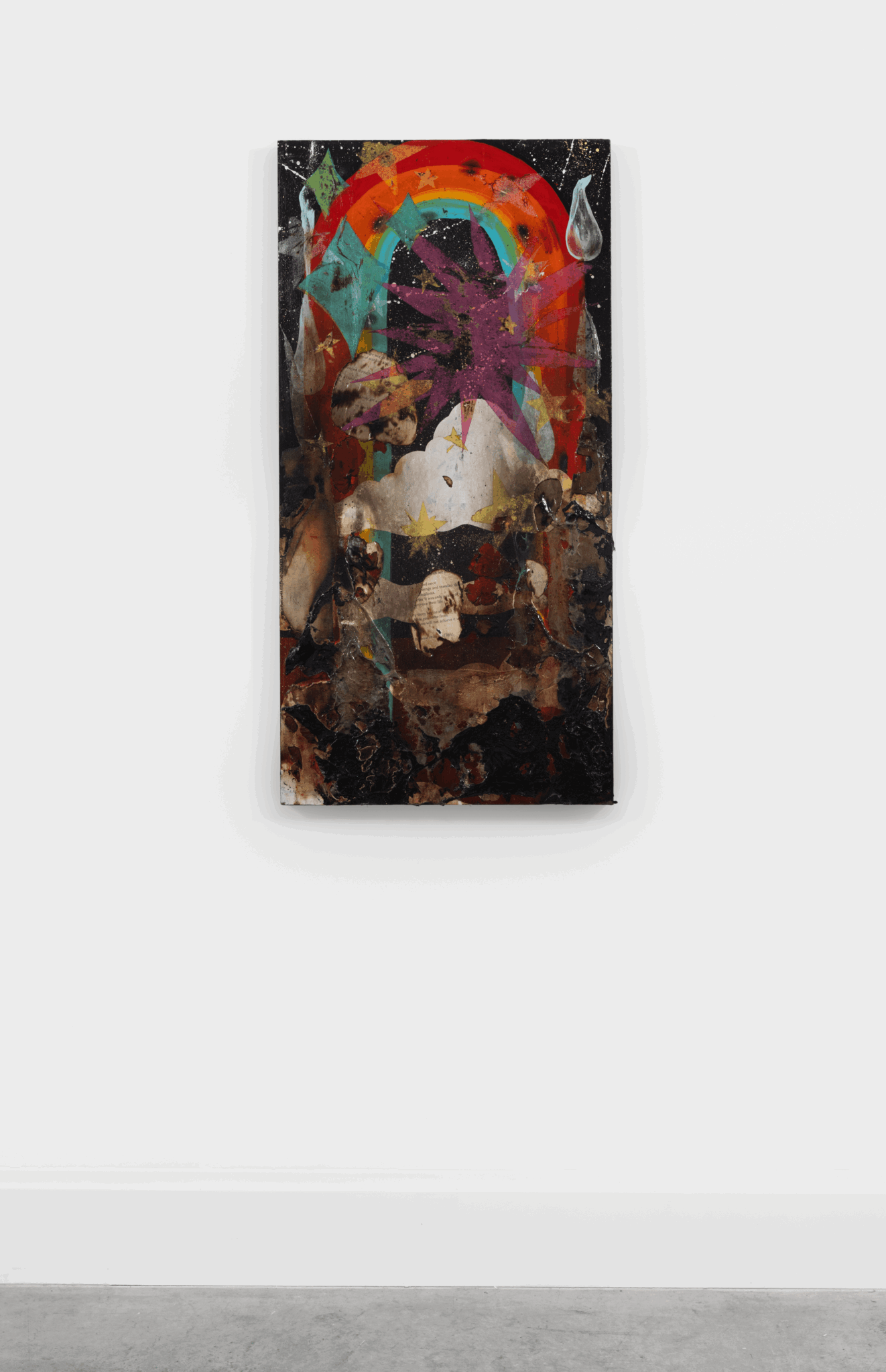
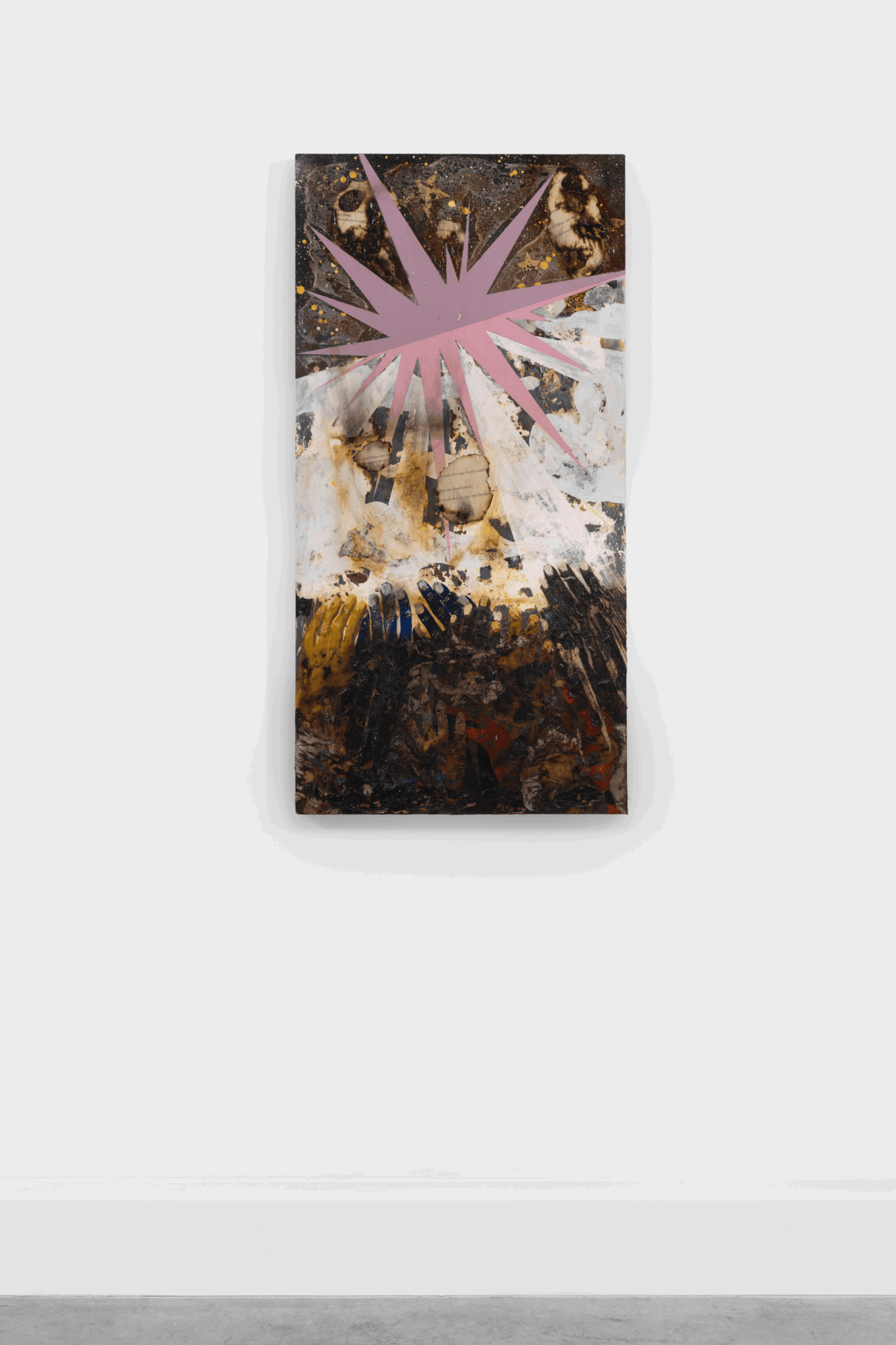
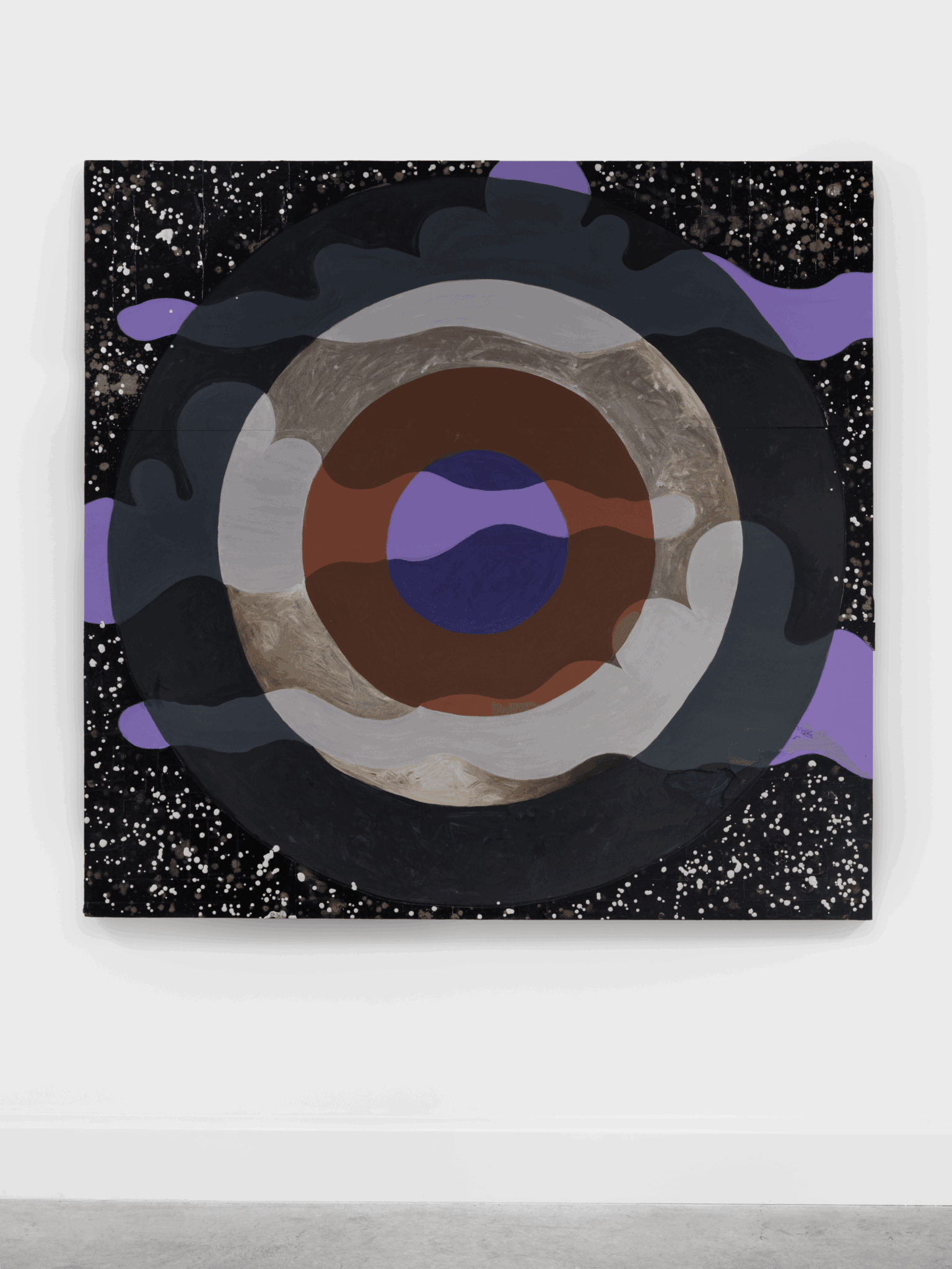
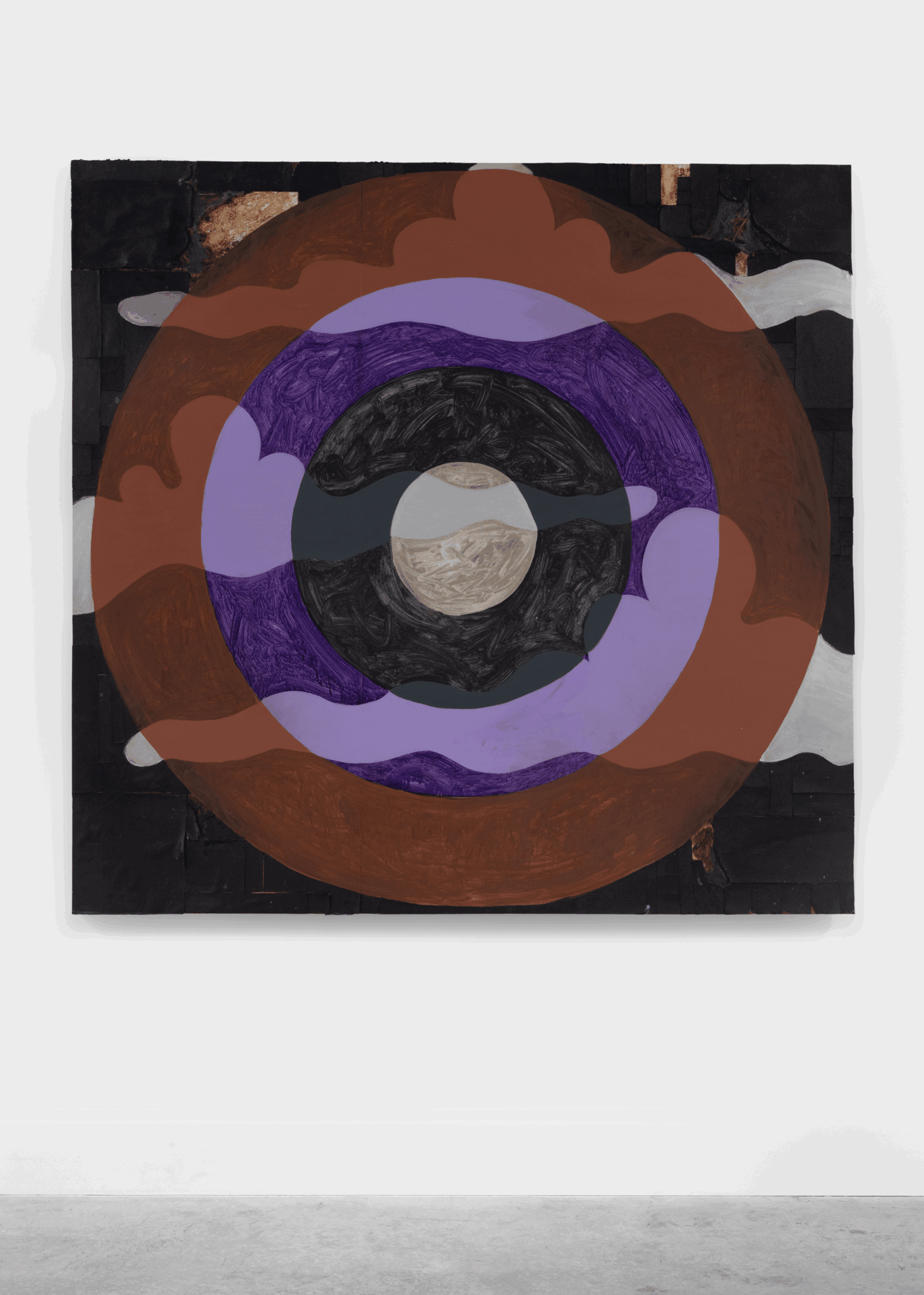
As I’ve matured in my practice, I’ve dedicated what I do in and outside of the studio to making an impact, inspiring, and putting a message into the world, for the future, to transcend time. In my practice, I am focused on longevity and I’m looking to continue to dedicate my life to creating works of art. My being as a maker is a solution to reflecting the times of today. In my practice, I connect my interior world with the exterior world, exploring both those experiences on a physical and spiritual level. My paintings are a reflection and documentation of such a journey. I look at art history, and I see what is missing. I use the language of great artists before me to translate a language for the present and to hopefully be a beacon for translation in the future. My thinking is pretty abstract, although I use symbols and representational shapes, they are typically shapes of atmospheric energies that can not necessarily be touched, forms such as stars, clouds, galaxies, and the ether. I believe that what sets my work apart is the combination of my raw talent, my work ethic, and my passion for purity. My work is vulnerable and pushes up against the liminal space between witty, ironic images, and visceral abstraction.
My work seeks empathy, connection, conversation, and things that are key to bringing people closer. I’m interested in creating a better life, not just for myself but for the world. I’m interested in leaving my best offerings when my time comes. The issues that I’m dealing with in my work are not necessarily one-to-one, literal, or directly transactional. I am proud of the work that I do. With the will of God, I am able to do what I believe is my purpose. I have joy, which is a form of resistance as a young Black man. I have joy because I lead my life with love. The things I’m most proud of are intangible, I have a loving wife who believes in me and I have great friends who are amazing artists as well.
If I had to think about what I wanted a potential client or follower to know about me or my work as an artist, it would be that my work is always authentic and sincere, coming from a place of investigation, imagination, and inventiveness. I also have ideas that go beyond the surface of a painting. When someone invests in my practice, of course, there are operational expenses to grow any successful business. I want to hire people and have a full-time studio, but I also want clients to know that I’m dedicated to becoming the change that I want to see. I hope that people see the bigger picture. I’d like to forge my own path, and in that path, I can build bridges that help connect other artists and the next generation to resources and opportunities. I’d like to patronize other artists as my work is patronized and collected, creating spaces and opportunities for young artists who are in a position like I started in, talented without resources.
Is there mission driving your creative journey?
My most immediate goal is to be able to take care of my family and my household purely as an artist, full-time. My next goal is to hire apprentices, or younger artists in my studio as art assistants and operational managers. These goals are in process. I’m in the midst of achieving these goals, and it is just a matter of time.
My mission on the other hand is larger than myself and more complex. I’m not sure of the how, but I’m sure of my why. My mission as an artist is to emit a frequency from my work that transforms society, our value systems, and the way we feel about one another and I aim for this frequency to affect art history, far into the future. A lot of my work conceptually deals with the Black American experience, although my work is universal and abstract. My mission is to stretch the limitations on what has been coined as the “Black aesthetic” and to raise the consciousness of our society so that we see each other, and see each other’s work equitably. I want to radiate liberation. I want to break the barriers to where my work is represented and visible in the canon of Art History.
With my mission, I hope to inspire the next generation to carry the torch, as I feel that this is what I am doing from the generations that came before me. On a tangible level, I want to also create multiuse spaces where resources are available for the youth to learn artistic skills, as well as trade skills. These multi-use spaces will be unique because they will be a place where culture comes together, a space where youth can grow up seeing major exhibiting artists, fashion icons, industry music engineers, etc. This is my big-picture mission. I’ve been working through the years building and developing relationships with professional artists, curators, business owners, and philanthropists. In divine timing, this vision will come together, and I will be able to give the resources that I never had in the city that I grew up in. There are other cultural giants who have done similar work such as Derrick Adams, Theaster Gates, and the late Noah Davis in Baltimore, Chicago, and LA. There is a blueprint and I want to reproduce it with my own adjustments.
We often hear about learning lessons – but just as important is unlearning lessons. Have you ever had to unlearn a lesson?
Something I had to unlearn was imposter syndrome. The idea that I didn’t deserve what I had and that I didn’t belong in the spaces that I was entering into. This is a lesson that I had to go through many times to unlearn. In my sophomore year of college, after I had taken art courses at Penn State, my high school teacher became aware of me making paintings, and he invited me to send him some pictures of paintings I made to be a part of a group show that was being curated at the school. I went ahead and sent over everything he asked for, all that I knew was that it was a show to highlight Black Artists in the region. I didn’t feel like a professional artist at the time, and I hadn’t really found my voice in art making, but I had won an award, and other people saw my talent. When I got to the opening, I looked at the artists’ work in the show and I went to the list of names, I was shocked at who I was in this show with, I was so young, and I was in a show with mature, premier artists who had dedicated their life to art making. I pulled my teacher and the curator to the side, and I said out of my own mouth, I’m not sure if my work stands up to these artists, I don’t know how I’m in this show, and I’m not sure if I belong in a show like this. This was my imposter syndrome once again taking over. They assured me that I belonged in the show and that my work was strong.
I have a few other examples of having imposter syndrome, but the lesson in this is to unlearn it quickly if you have it. It is important to wire the mind in a way that you believe in yourself. It’s not to say that you have to be arrogant, but at some points to others, it may come off that way. It’s important that if you are talented, and you have a goal, a dream, or a vision, you prepare, work hard, always be ready for an opportunity, and always be ready to rise to the occasion. When imposter syndrome tries to take over you and tell you, you aren’t good enough, or that you don’t belong, dig deep within yourself and remember who you are! Don’t let fear trick you out of your position, you have to believe in your vision and your mission more than anyone else. When you are put in a position, you aren’t there by happenstance, you are there because you were meant to be there.
It took me a while to understand this, but at this point in my life, I’ve gained confidence in my ability to speak about my work, I’ve educated myself in my field of study, and I’ve become obsessed with working with my materials, and I’ve prepared myself. Even when I am put on the spot, I can pivot or shift to make the step in the right direction to then rise up.
Contact Info:
- Website: https://tajposce.com
- Instagram: @tajposce
- Linkedin: Tajmir Poscé
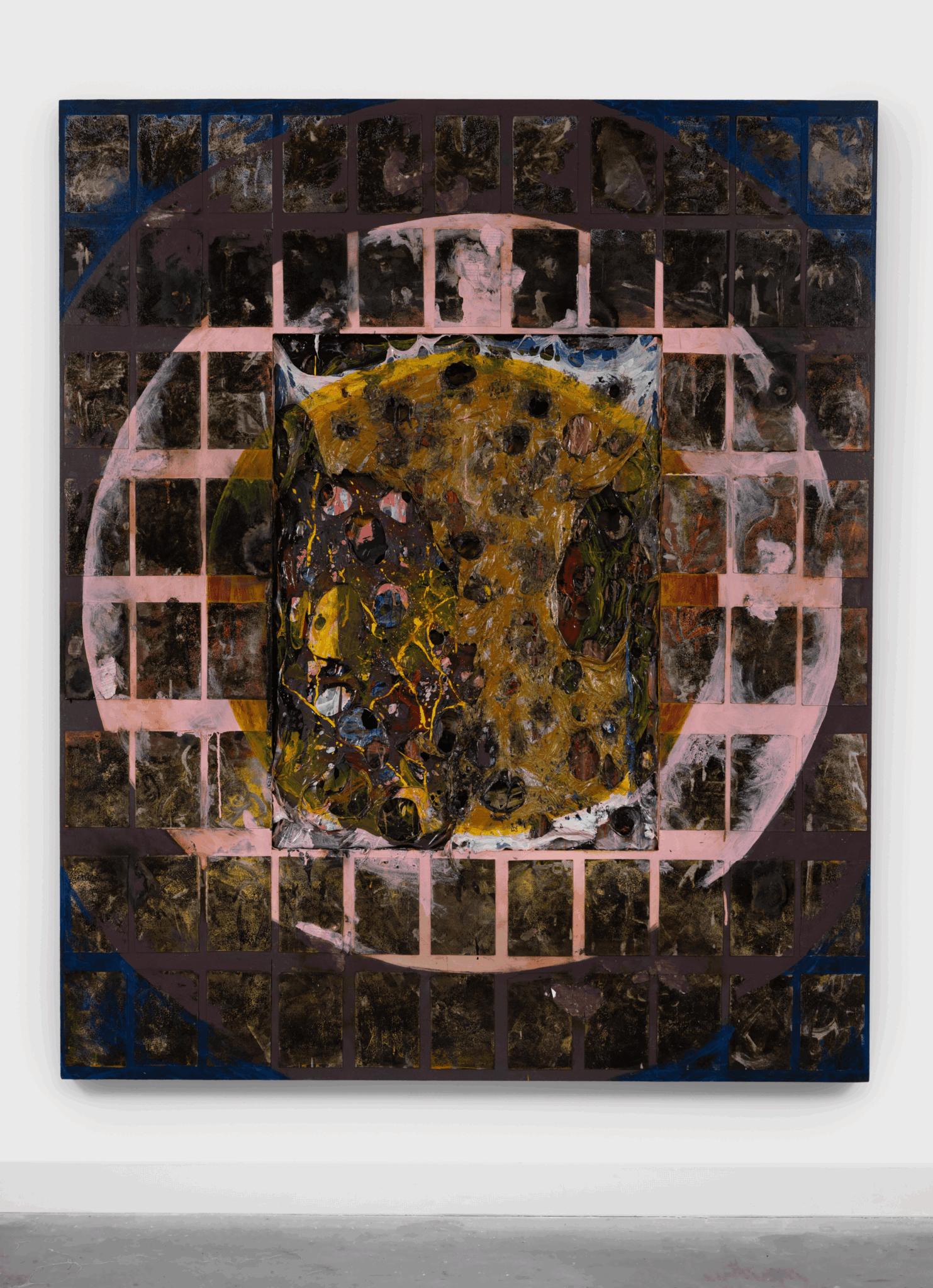
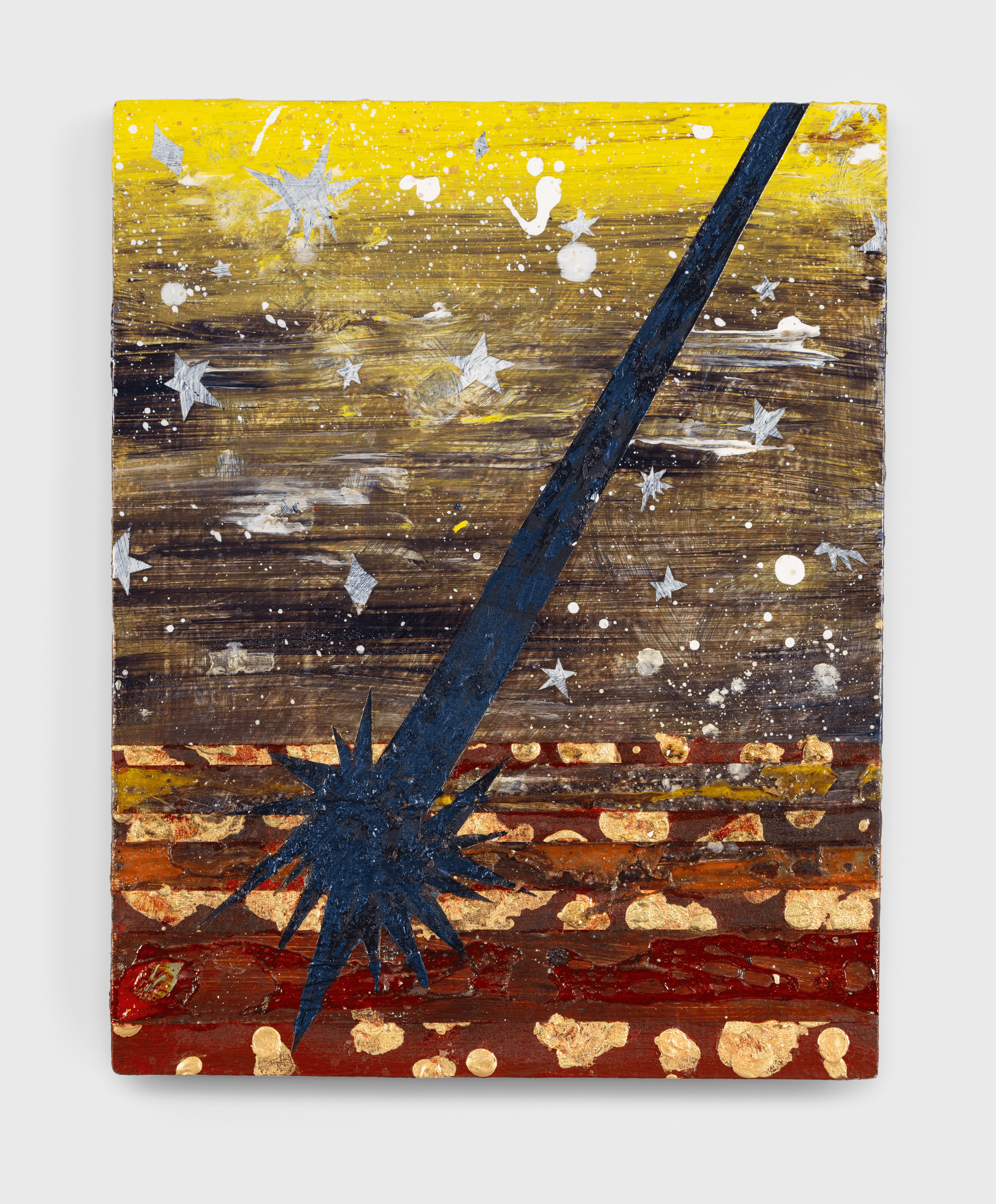
Image Credits
Photo of Taj Poscé by Ciarra K. Walters
Photos of Paintings by Vivian Marie Doering