

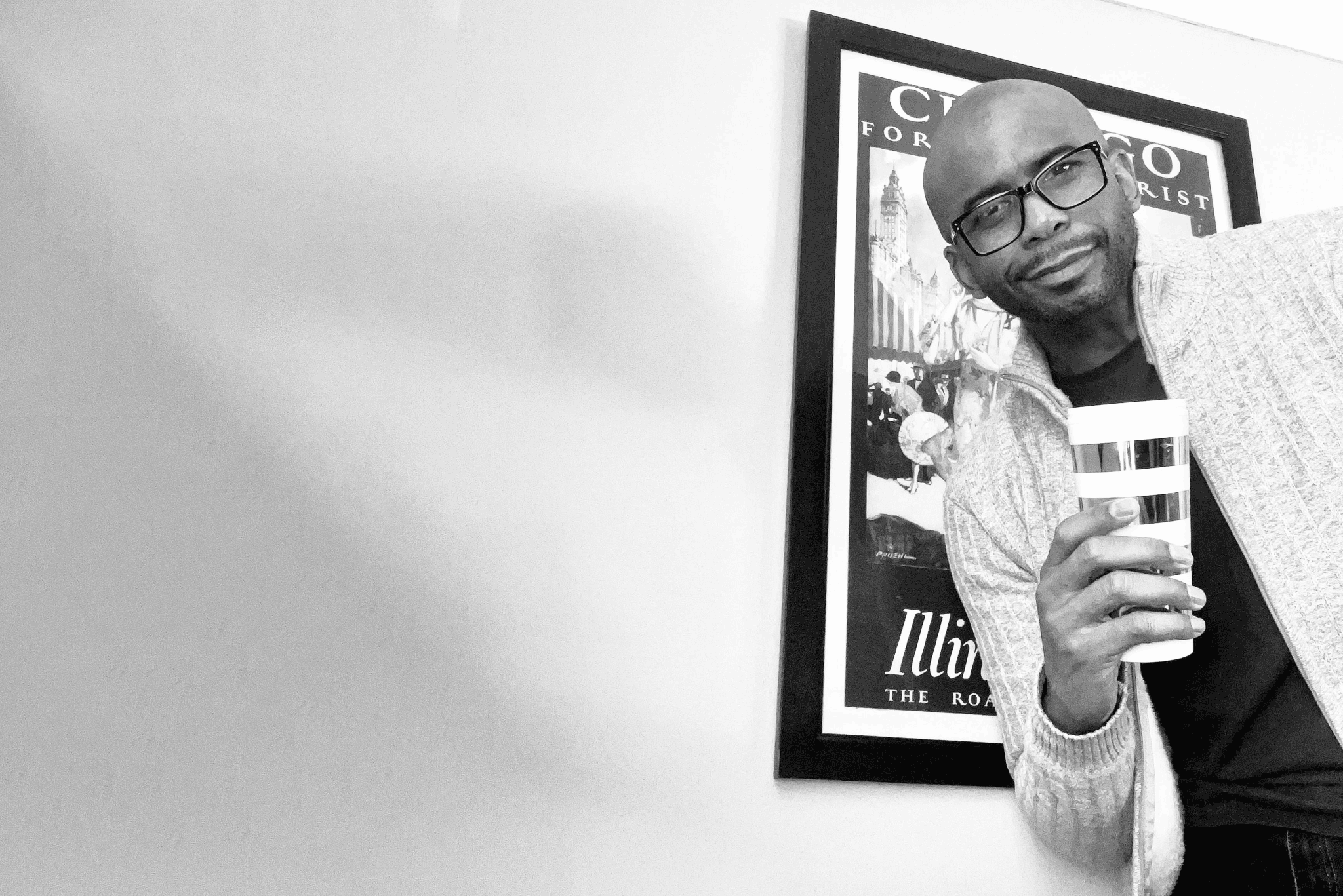

Alright – so today we’ve got the honor of introducing you to T. Aaron Cisco. We think you’ll enjoy our conversation, we’ve shared it below.
Alright, T. Aaron thanks for taking the time to share your stories and insights with us today. Has your work ever been misunderstood or mischaracterized?
Oh yeah. Plenty of times. And honestly, it’s almost a rite of passage if you write genre stuff and you’re an awkward geek with a big imagination.
I’ve had people look at my work, see the monsters, the chaos, the violence, the sci-fi weirdness, and go, “Ah. This guy just likes dark, intense, shocky stuff.” And I’m like… sure, I do enjoy a good cinematic mess. But that’s not the point of the story. That’s the packaging. What was often missed was that those elements were never the point. They were the delivery system. My stories are, at their core, about power, dehumanization, love under pressure, systemic harm, and what it costs to survive in worlds that are actively hostile to you. But genre fiction (especially when written by a Black author) has a way of getting flattened into something “edgy” or “provocative” without being read deeply.
One time in particular, I remember someone describing my work as “grim” and “angry,” and I laughed because I get why it looks that way from the outside. But my goal isn’t to be bleak. My goal is to be honest. And I’d argue there’s a big difference. I don’t write tragedy because I’m fascinated by suffering. I write characters who endure violence, injustice, and loss not because I glorify those things, but because pretending they don’t exist feels dishonest. The hope is in what they do next. The tenderness they protect. The way they keep choosing each other, even when everything is falling apart.
I’ve also been misunderstood in the “pick a lane” department. I write across a bunch of genres, and some folks don’t know what to do with that. They’ll ask, “So what are you?” Sci-fi? Horror? Fantasy? Romance? And I’m like, “….yes.”
Some people want an author to stay in a neat lane. When you don’t, they sometimes assume you’re unfocused rather than intentional. But I’m a storyteller. I’m chasing the feeling first, and then I build the world around it.
The best takeaway for me has been this: you can’t control everybody’s first impression, but you can control how consistently you show up on the page. So I stopped trying to write in a way that couldn’t possibly be misread. That’s a losing game. Now I just focus on writing with a clear heart and a sharp voice, and trusting the readers to understand. And when they do, it’s the best feeling. Because they don’t just “get” the story. They get me.
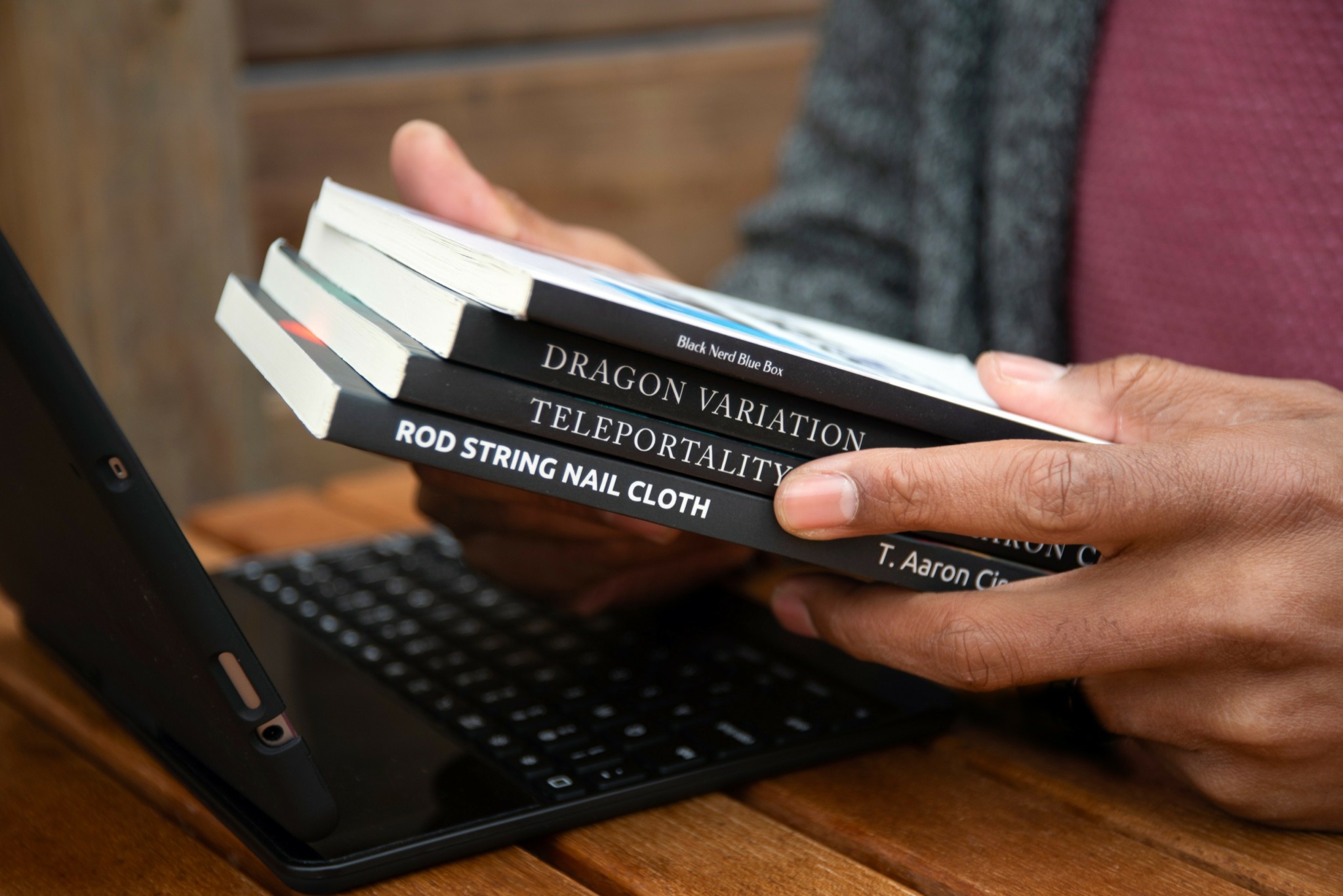
T. Aaron , before we move on to more of these sorts of questions, can you take some time to bring our readers up to speed on you and what you do?
Absolutely. I’m T. Aaron Cisco. I’m a novelist, screenwriter, producer, and professional world-builder. If it involves imagination, character, and asking “what if?”, I’m interested. I got into this whole thing the way a lot of storytellers do. I was a kid who read everything, watched everything, and constantly asked too many questions. I loved genre stories early on, sci-fi, fantasy, horror, comics, movies, but I also noticed that a lot of the stories I loved didn’t always make room for people who looked like me, or for the emotional depth I was craving. So eventually I stopped waiting for those stories to show up and started making them myself.
What I create now lives at the intersection of speculative fiction and very human emotion. I write novels and series, adapt my work into comics and games, and collaborate with artists, musicians, and producers to build big, immersive worlds. My stories tend to be high-concept and cinematic, but grounded in relationships, humor, and heart. Even when things get dark, there’s always a pulse of warmth and defiance underneath. As far as “problems I solve,” I think I help audiences feel seen in genres where they’re often sidelined. I also help collaborators take ambitious, sometimes messy ideas and shape them into something cohesive. I’m good at zooming out to see the big picture, while still caring deeply about character and tone. I’ve spent a lot of time translating creative chaos into something people can rally around.
What sets me apart is range and intention. I’m not locked into one genre or format, and I’m not chasing trends. I’m building stories that last, with worlds deep enough to revisit and characters that feel like people you know. I also bring a strong collaborative mindset. I don’t believe in the “lone genius” myth. What I’m most proud of is the body of work I’ve built and the community that’s grown around it. I’ve published twenty books, have written for compilations, and articles for web magazines and print outlets. I’ve spoken on panels and stages across the country, and I’ve had readers tell me my stories helped them feel less alone, or helped them fall back in love with reading. That never gets old.
The main thing I want people to know about me and my brand is that I take the work seriously, but I don’t take myself too seriously. I care deeply about craft, representation, and emotional honesty, and I also believe stories should be bold, uninhibited, and fun.
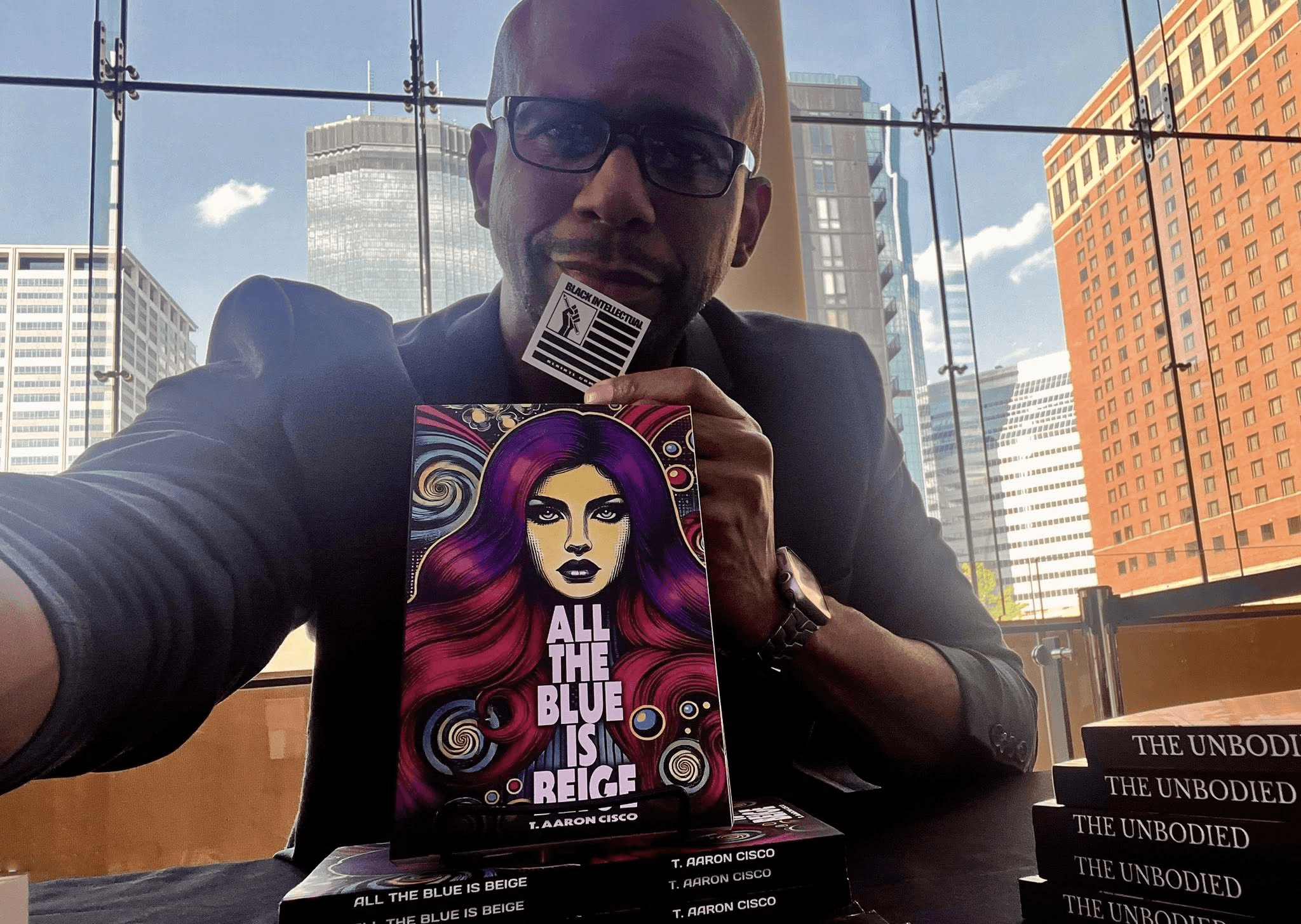
Is there a particular goal or mission driving your creative journey?
Yeah, definitely. And it’s not some grand, mysterious master plan, even if it sounds lofty when I say it out loud.
At the core, my mission is to tell big, unforgettable stories where people who don’t always get centered in genre fiction actually get to be the heroes, the geniuses, the weirdos, the ones who survive and change the world. I grew up loving sci-fi, fantasy, horror, all of it, but I also grew up rarely seeing myself in those stories in a meaningful way. So a lot of what drives me now is filling in those gaps with intention and joy, not out of bitterness, but out of love for the genres that raised me.
I’m also driven by the idea that genre stories can carry real weight without losing their sense of fun. You can have laser fights, monsters, magic, or apocalyptic chaos and still say something honest about power, trauma, community, and hope. I don’t want to write stories that just distract people for a weekend. I want to write the kind of stories that stick with you, that you argue about, quote, recommend to friends, or think about years later while you’re doing the dishes.
On a more practical level, my goal is to build worlds that last. I’m very intentional about creating stories that can live in multiple forms whether it’s comics, film, streaming series, games, or live experiences. I want my work to be adaptable, collaborative, and bigger than just me sitting alone at a keyboard. There’s something deeply satisfying about watching an idea grow legs and walk into other mediums.
And finally, there’s a personal mission underneath all of it. I want younger creators, or even if they’re same age or older, but just getting into writing, to see that you don’t have to shrink yourself or pick a single lane to be taken seriously. You can be weird. You can be ambitious. You can love spectacle and still care about tenderness. If my work helps even one person feel like there’s room for them in this industry, then I’m doing exactly what I set out to do.
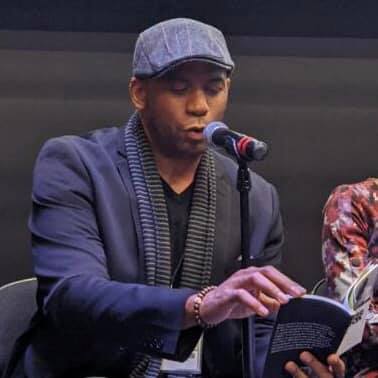
In your view, what can society to do to best support artists, creatives and a thriving creative ecosystem?
This is a great question, and I think the answer is both simpler and harder than people expect.
First, society has to stop treating art like a luxury or a hobby and start treating it like infrastructure. Stories, music, film, design, and performance shape how we understand ourselves and each other. They influence empathy, culture, innovation, and even policy. If we say we value creativity but only support it when it’s profitable or viral, then we’re not really supporting it at all.
Practically speaking, that means paying artists fairly and on time. It means normalizing contracts, residuals, credit, and transparency, especially in spaces where creators are often told they should just be grateful for “exposure.” A thriving creative ecosystem can’t run on burnout and goodwill alone. On, and access is another huge piece. That includes access to funding, education, mentorship, and platforms, especially for creators who’ve historically been shut out. When only a narrow group of people can afford to take creative risks, the culture gets smaller and less interesting. Supporting artists means lowering the barriers to entry and trusting people to tell their own stories without having to sanitize or explain them to fit someone else’s comfort level. I also think audiences play a bigger role than they realize. Supporting artists isn’t just about liking posts or sharing trailers. It’s buying the book, going to the show, backing the Kickstarter, recommending the work to a friend, and sticking with creators over time. Long-term support changes careers.
And finally, we need to make room for experimentation and failure. Not everything has to be optimized, branded, or immediately successful. Some of the most important creative work starts weird, messy, or ahead of its time. A healthy creative ecosystem gives artists space to grow, stumble, and evolve without being discarded the moment the algorithm moves on. If we want bold, meaningful art, we have to build systems that actually allow artists to be bold and human, not just endlessly productive.
Contact Info:
- Website: https://blkintl.com
- Instagram: @SartorialSaint
- Facebook: https://facebook.com/TAaronCiscoAuthor/
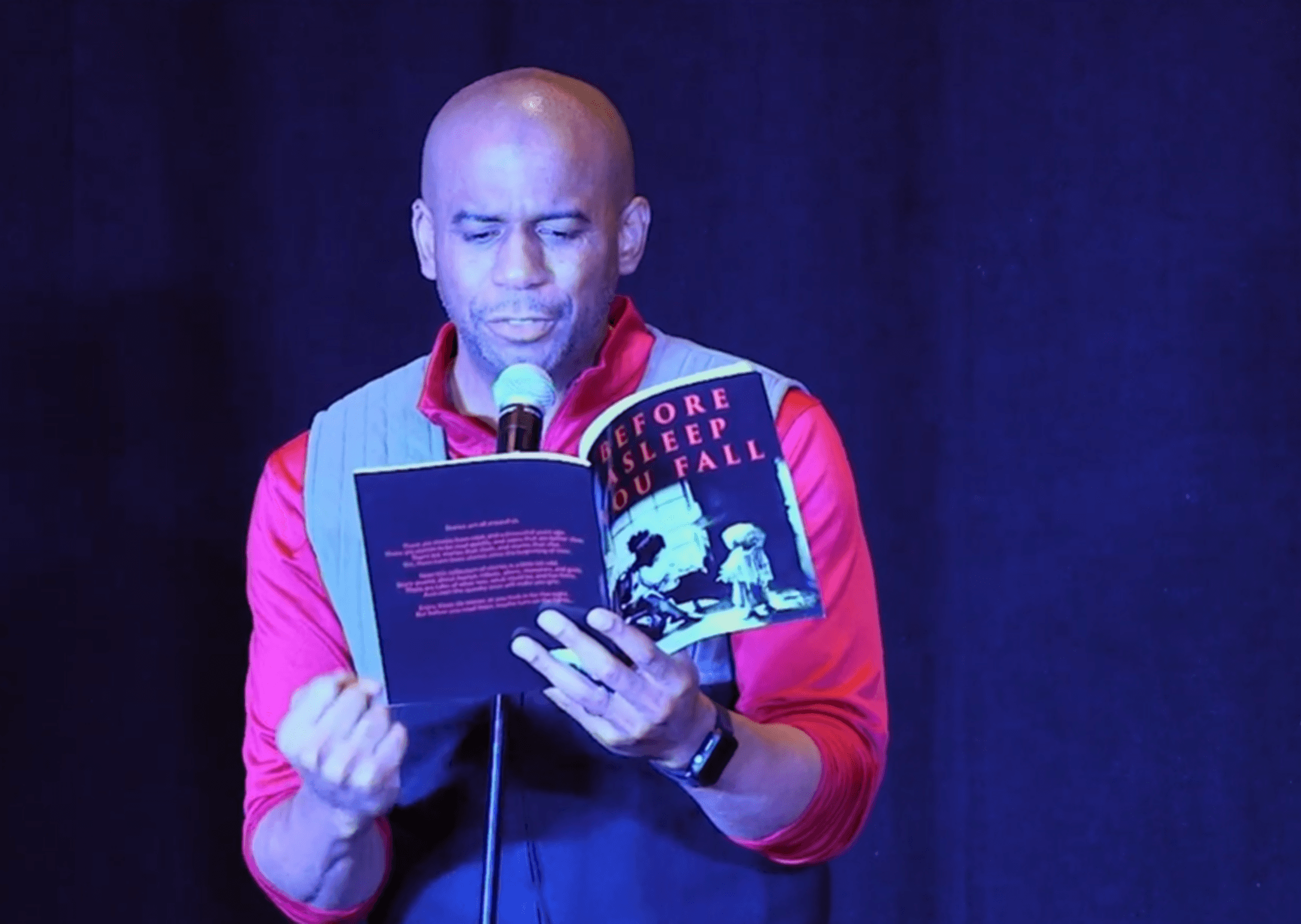
Image Credits
Cisco