


We were lucky to catch up with Sylvia Rose Novak recently and have shared our conversation below.
Sylvia Rose, thanks for taking the time to share your stories with us today When did you first know you wanted to pursue a creative/artistic path professionally?
I remember being 13 years old and having this daydream on repeat: I was older, and I would throw a guitar case into the back seat of a convertible, hop into the front seat, and drive off. I didn’t really know, then, that being a professional musician was an option for me. I did know that I wanted to play music forever in some capacity. I actually thought for most of my teenaged years that I would grow up to be a high school band director. My lack of studious inclination in areas outside of music kind of pushed that dream out of sight and I shifted to just playing bass with my friends and writing poetry for my own consumption. I’d take the occasional stab at songwriting but, as a lover of Bob Dylan and Leonard Cohen, the bar felt a little too high so I never really shared my songs with anyone.
I’m multi-instrumental and decided, after watching The Hatfields and McCoys, that I should learn to also play the violin/fiddle. In that pursuit, I started to consume any and all non-bluegrass, fiddle-centric music I could find.
I first heard Amanda Shires on a Pandora station and I was floored because, after years of being told that I couldn’t sing, I heard a voice that sounded a lot like mine singing lyrics that resonated with me in a very new way. I wasn’t used to hearing songs that were driven more by emotion than pretense and, in that moment, I thought that maybe I could entertain the idea of writing and recording a song or two. Just for fun. (Amanda’s music got me through a lot after that initial Pandora discovery. So much so that I have some of the lyrics to that first song that I heard, “Swimmer”, tattooed on my back.)
The feedback I received from people in my little circle was tremendously positive. I started getting hired as a fiddle player and I started getting paid to play my own shows and, sometimes, sing my own songs. I became a professional musician without even realizing that it was happening and, after I realized that this was my life, there was no going back. Nothing has ever made me feel so much like myself.
Awesome – so before we get into the rest of our questions, can you briefly introduce yourself to our readers.
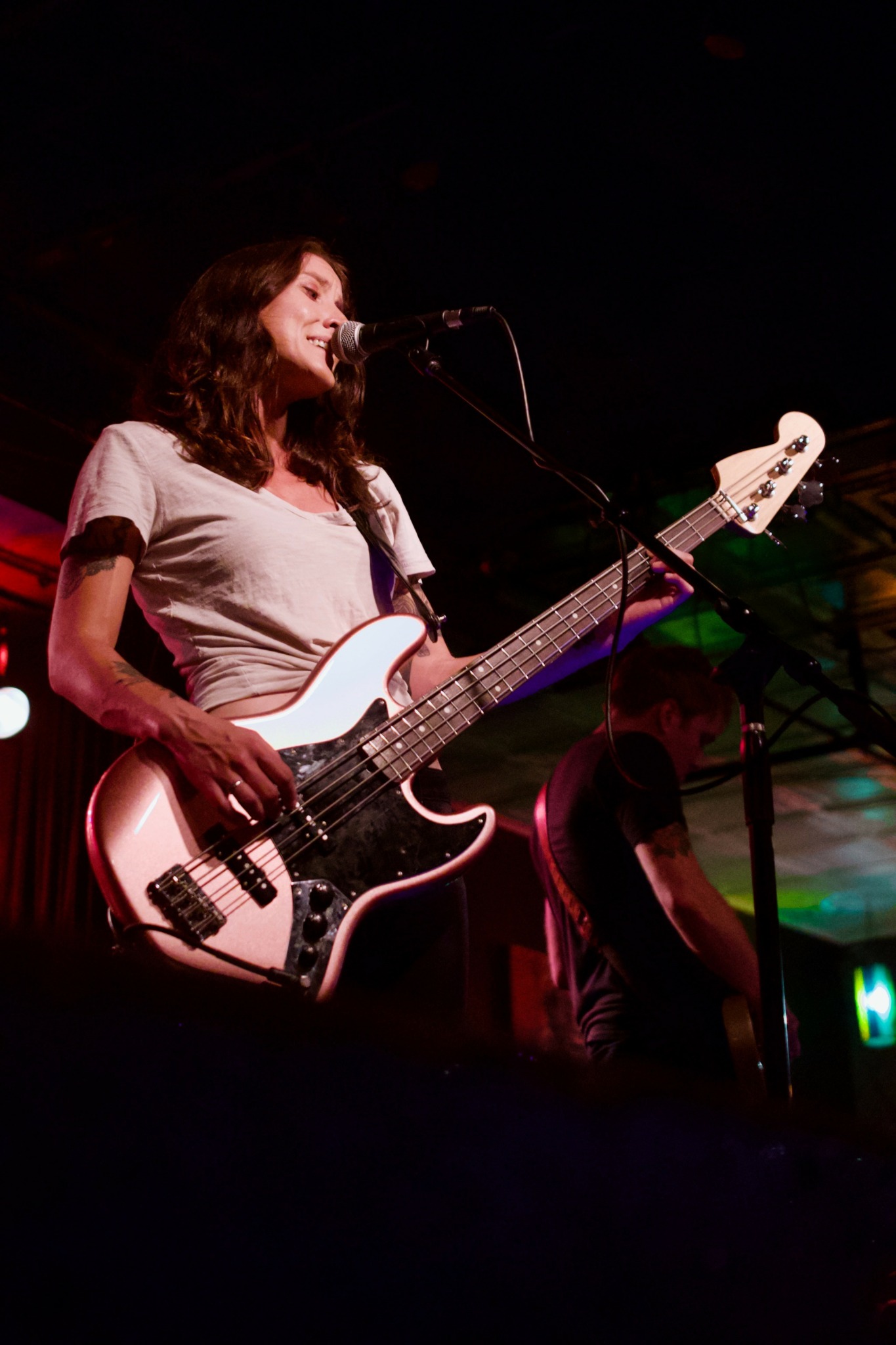
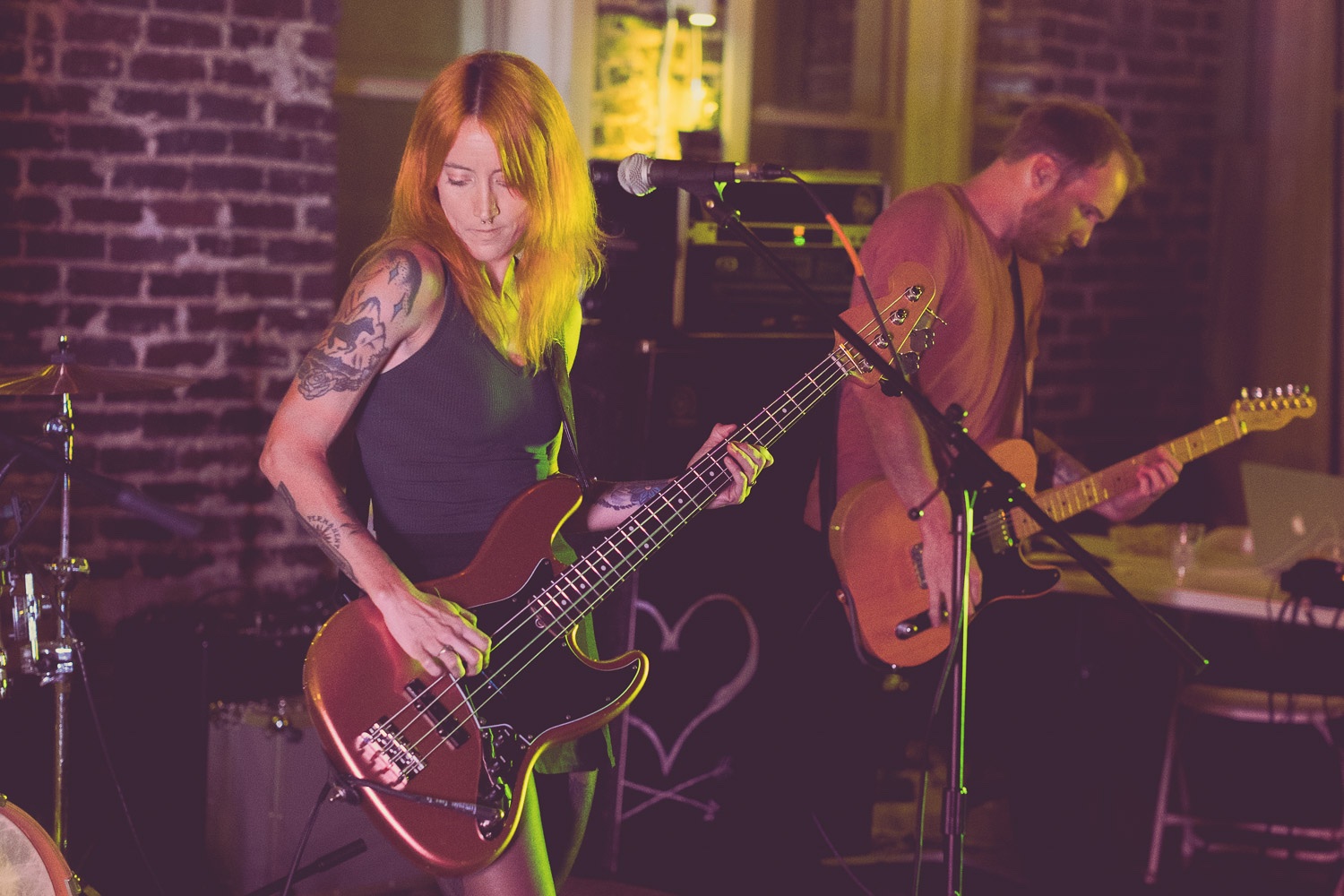
I’m a musician. I write, arrange, and produce songs. I’ve written and released five full-length albums (not all of them are available to stream anymore) since 2014, as well as a handful of singles and another full-length album for a project that I was involved in for 5 years, Five Shot Jack, that has since disbanded. I’ve written and recorded an EP for my new project, Hawk Starling. I play a multitude of instruments but my main focus, especially in my band, is bass. I’ve played electric bass since I was 12 years old and upright bass since I was 16. I also played trombone in symphonic, marching, and show choir bands through middle and high school.
I’ve been musical for as long as I can remember. I don’t think there could be a version of reality for me that didn’t involve music in a significant way.
I’m a lyric-focused writer.
As incredibly adamant as I am about the song sounding amazing, if the lyrics aren’t there I don’t have a song.
I feel like, for someone coming from a jazz/symphonic background that isn’t always the case. But I love words. I think that’s the part that really grabs people. If you can connect to someone with what you’re saying, you can keep them listening. If you can keep them listening, the intricacies of the production don’t go unnoticed.
How about pivoting – can you share the story of a time you’ve had to pivot?
My first four albums and all of my first five years of touring were centered around the Americana / Folk genres. That was the world in which I was building my name and it was, arguably, going well but I wasn’t totally fulfilled.
In 2020, when everyone had to slam their lives to a halt, I had just released my best-received album. It landed in American Songwriter, on NPR, I got an interview with Billboard, but I couldn’t tour to support it and everyone was – understandably – preoccupied with much more important things.
I had to choose whether or not I was going to double-down on trying to claw out a handhold in a genre that rewards people more for the outfits they show up in than the substance of their work, of if I was finally going to break away and do something that felt more genuine.
So I made a rock record later that year. And it flopped.
But, here I am, still trying to figure out where I fit in the rock world. Still working diligently at it.
It wasn’t an easy pivot, and rebuilding anything is hard, but it really feels like I’m on the right track.
Is there something you think non-creatives will struggle to understand about your journey as a creative?
I think non-creatives have a hard time understanding that:
1. Just because I’m not clocking in for a 9-5 job doesn’t mean that what I’m doing in support of my art isn’t work. It’s a lot of work to create, yes, but there’s also a lot of front-end and administrative work that goes into being an artist. My husband and I manage my band together (he’s one of my guitarists) and we have to hire and fire people, draft contracts, plan our quarters (just like any other business) in terms of what shows will make sense for us to play and whether or not we’re going to record and release content, etc.
2. Success doesn’t happen like you think it does and it doesn’t always look like you think it looks. Having a song on the radio is not the pinnacle of success as a musician. Being successful as an artist looks different to different people. The fact that you haven’t seen my band on a late night show or heard one of my songs as a trending sound on social media doesn’t mean that my projects have been unsuccessful.
Contact Info:
- Website: https://sylviarosenovak.com/
- Instagram: https://www.instagram.com/sylviarosenovak/
- Youtube: https://www.youtube.com/@sylviarosenovak2201
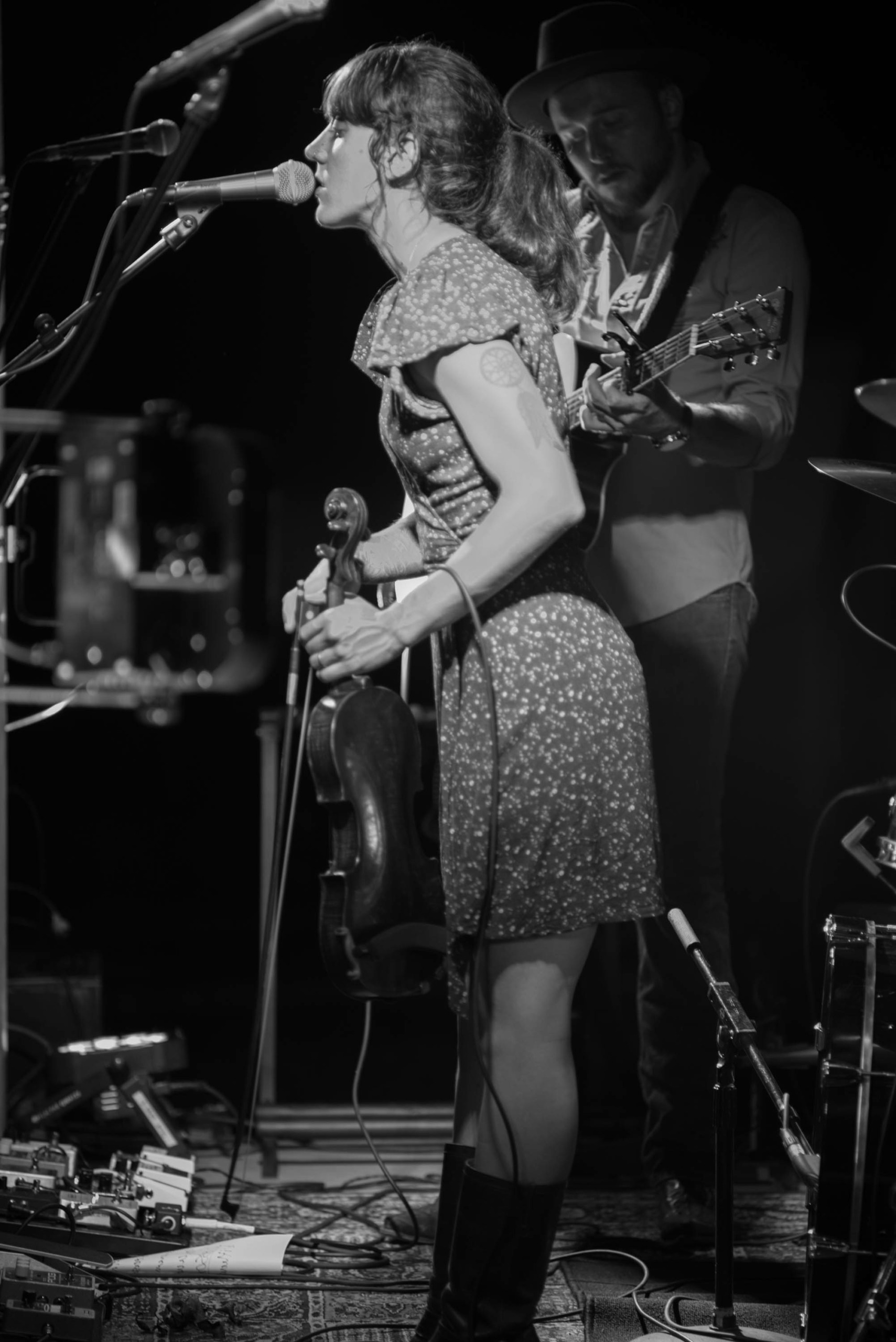
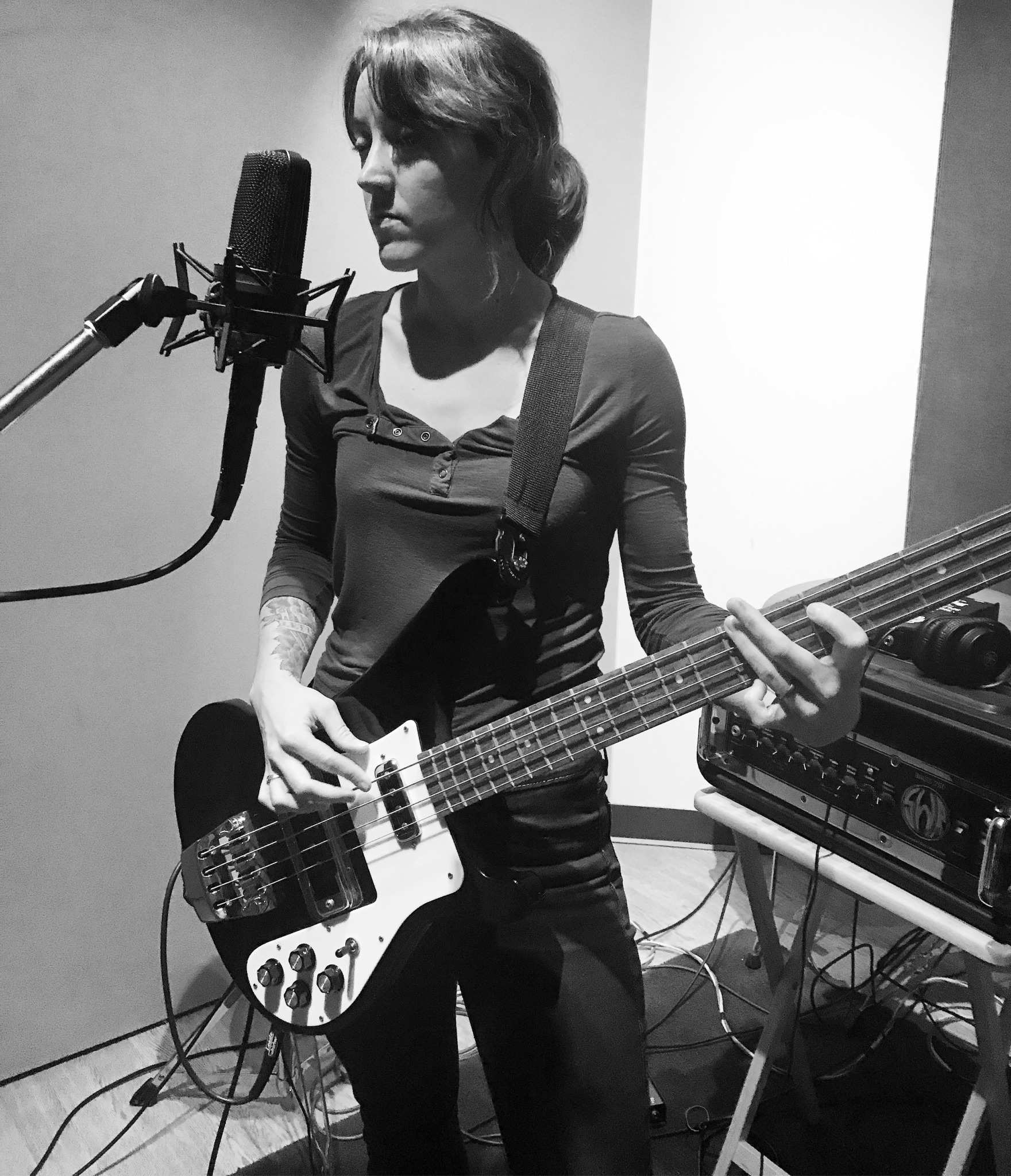
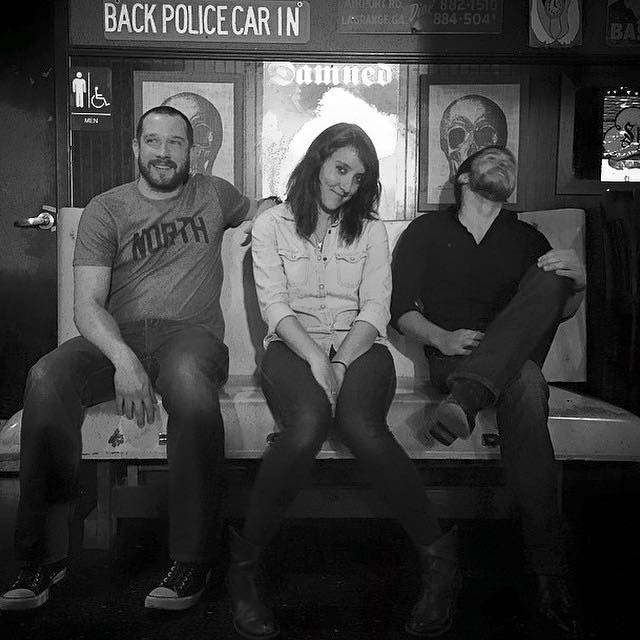
Image Credits
Dallas A Duncan
Meredith Singer
Wade Allen