

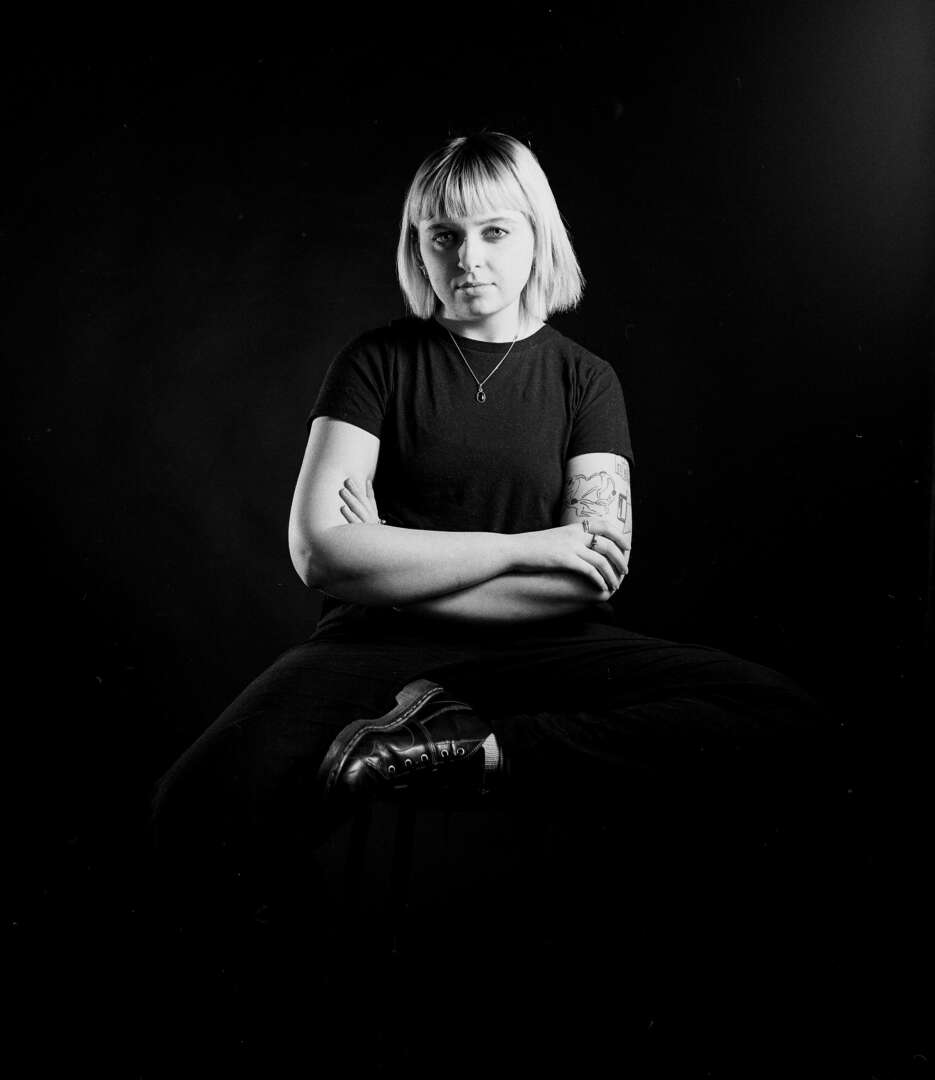

We caught up with the brilliant and insightful Sydney Bickel a few weeks ago and have shared our conversation below.
Hi Sydney, thanks for joining us today. The first dollar you earn is always exciting – it’s like the start of a new chapter and so we’d love to hear about the first time you sold or generated revenue from your creative work?
This question hit home because my first art show has recently been on my mind. I displayed and sold my art for the first time in 2019 at the Red Eye in Saginaw, Michigan. At the time, my uncle Samuel Lingenfelter managed the coffee shop. I was fifteen, drawing portraits, and had absolutely no idea what I was doing, but he asked me to do a show. The Red Eye regularly featured local artists, and it was optional to sell the work. I chose to participate and spent the summer preparing fifteen original pieces to hang on the walls and make prints of. In retrospect, it’s incredible that it even happened. I didn’t know what a mat was for a frame; I didn’t know how to make prints; I didn’t even have business cards. Of course, I was a kid, and much of this show was an opportunity to learn and see what being a “professional artist” might be like. I sold prints, made connections, and had a lot of fun.
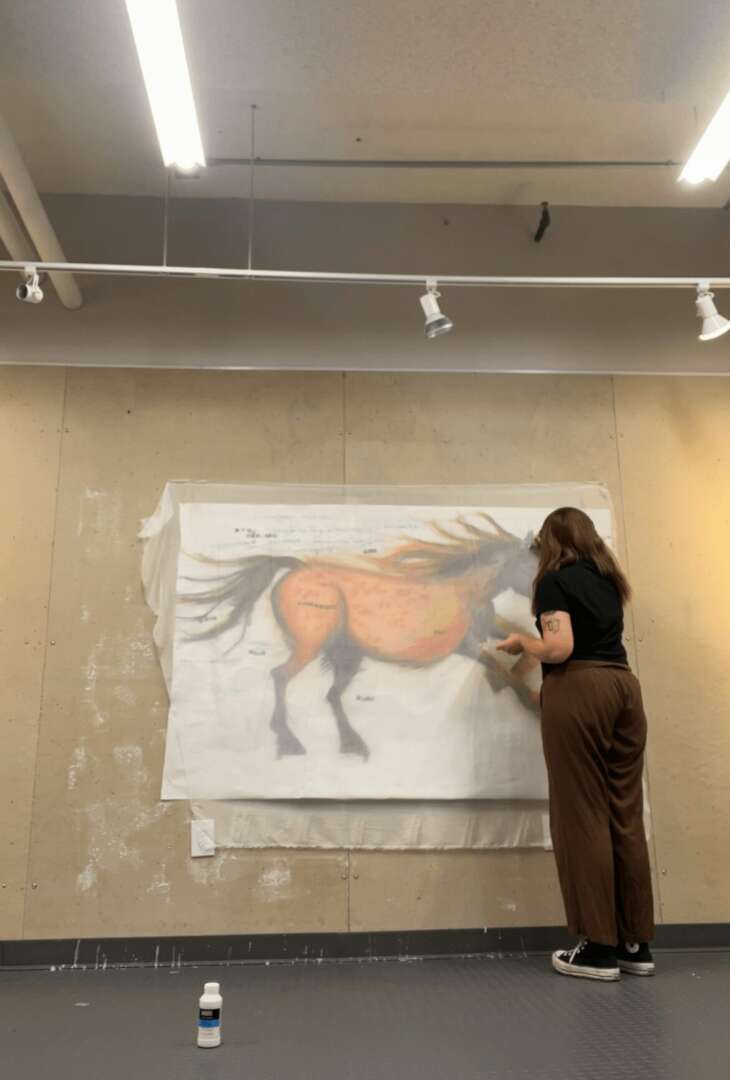
Fast forward to today, I just received a notification in my camera roll that the Red Eye show was five years ago. I got this notification while working on my first Art Prize entry for the 2024 Art Prize in Grand Rapids. It’s motivating to see correlations in my timeline; I did my first show five years ago, and now I’m working on an installation for Zab Haz, a vintage clothing retailer in downtown Grand Rapids. Having the opportunity to learn what being an artist could offer led me down the path I am on today. I can’t say that I would’ve pursued being a professional artist without the exposure to the art world that I had while in high school; watching the domino effect that had on my life has been really exciting.
As always, we appreciate you sharing your insights and we’ve got a few more questions for you, but before we get to all of that can you take a minute to introduce yourself and give our readers some of your back background and context?
I consider myself an interdisciplinary artist, meaning I work with a variety of mediums that often influence each other and come together in a singular outcome. I work with film photography, videography, drawing, and printmaking. The results from these mediums can vary, resulting in installations, performances, or extended series. I like to know a little bit about everything when it comes to art mediums, and I’m always open to trying something new. I have a deep love for learning, and even if something isn’t quite my taste, I often find that I use it in my art down the road.
As an artist, I believe I have a lot to offer, and my work is constantly evolving. Sometimes I’m traveling for photography, other times I’m filming a multi-media video series, or working on commissions for clients who want to see my drawing style as the imagery for their merchandise. I include many elements in my personal projects, which I believe helps my career because there’s something for everyone. Whether someone enjoys the drawing elements of my installations or the film photography aspect of my printmaking work, there’s always something to connect with.
I love art as its own entity, separate from my career, and I think this passion is reflected in the relationships I build with clients and acquaintances in the art world. I’m excited for everyone who wants to be part of this community, and I’m more than willing to help people get somewhere alongside me as I continue to figure it out, too.
Any insights you can share with us about how you built up your social media presence?
I’ve had this conversation a lot recently with friends and other local artists. Social media is such a privilege for artists of our time. Before the advent of Instagram or Twitter, becoming successful as a professional artist largely meant ‘having a way in’ or knowing someone higher up who could help you towards the platform you desired. With the reality of social media now, the popularity or success of artists comes primarily from the people. It’s no longer about needing to know that one person like it may have been just a decade ago; it’s about putting yourself out there vulnerably to the world and seeing if anyone bites.
There are, of course, pros and cons to both situations, but I do think social media has something unique to offer artists. It’s a good critique of what is working and what isn’t. People will respond to whatever has merit, whether that means a good or bad reaction. If people are interacting, it means something is working. However, the vulnerability that comes with facing an intangible audience versus one person (e.g., a gallery owner) is immense. Many people feel anxiety around social media, believing that uploading online is embarrassing or dangerous. Anxious thoughts like, one “bad” post could lead to years of undoing, or advertising oneself will annoy people and lead them to hate you. It’s hard to get past these initial feelings because people can act with hate first and love later.
The best way to move past this is to set strict personal boundaries with social media and remind oneself that putting oneself out there is an inherent part of being an artist. Social media is the tool of our time now, whether we like it or not. If it’s not attending a show opening, then it’s posting your work online. You have to push through that initial anxiety by posting, posting, posting and focusing on the positive results. Developing a personal relationship with social media as an artist is a vital part of our modern career; it can be a challenging thing, but it can also help you get to where you want to be.
Are there any resources you wish you knew about earlier in your creative journey?
SO MANY. Again, Instagram can save you as an artist. There are thousands (thousands) of open calls for art via Instagram. You can apply to just about any show in the world and that will be the first of things to get your work out there. I will say, however, you can apply to 30 shows and maybe hear back from one. Don’t allow this to be discouraging; I’ve come to learn this is completely normal. I like to find calls for entries on @artopencalls on Instagram.
Next, if you live in a bigger city or near some kind of established town, there are more resources than you realize. For my Grand Rapids locals, use Brownlee Press for any of your printing needs; volunteer with Cultivate, a local art gallery; attend Ghost House, an open-life drawing studio; apply for a membership at Dinderbeck, a communal print shop. If you open google and dig, you will find more than you realize exists.
Finally, get in touch with your local businesses and see what they have to offer you. Small businesses tend to see small artists and vice versa. Long-term, honest relationships can blossom out of these situations. Some of my closest friends and best opportunities came out of cold-emailing local businesses. It never hurts to just reach out; the worst that will happen is that you’re told ‘no’.
Contact Info:
- Website: https://sydneybickel.com
- Instagram: @sydneyebickel
- Youtube: https://www.youtube.com/channel/UCRGSLHZDfMB6bF6cL4ZFKZA
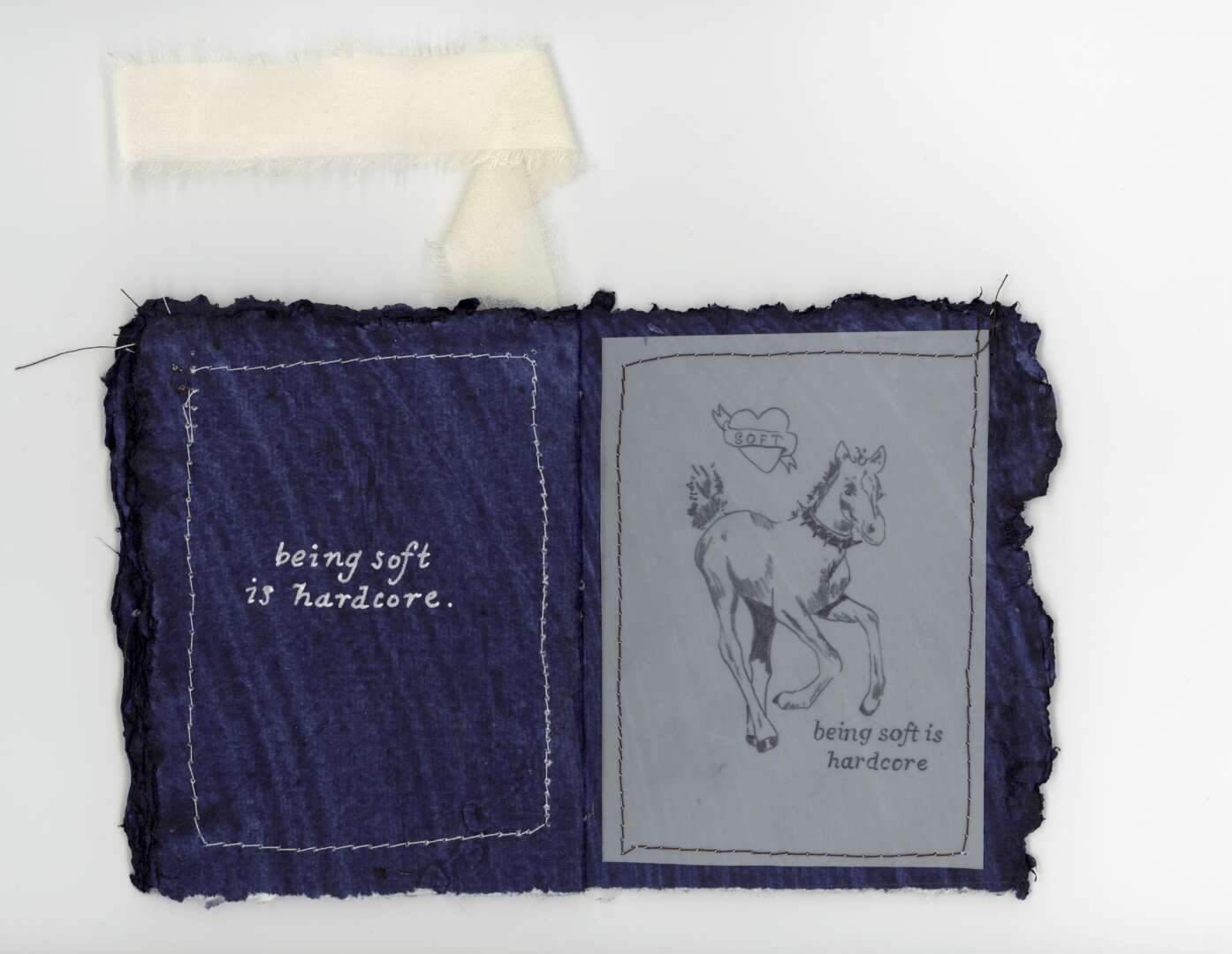
Image Credits
The image of me was photographed by Skylar Speedwell.