

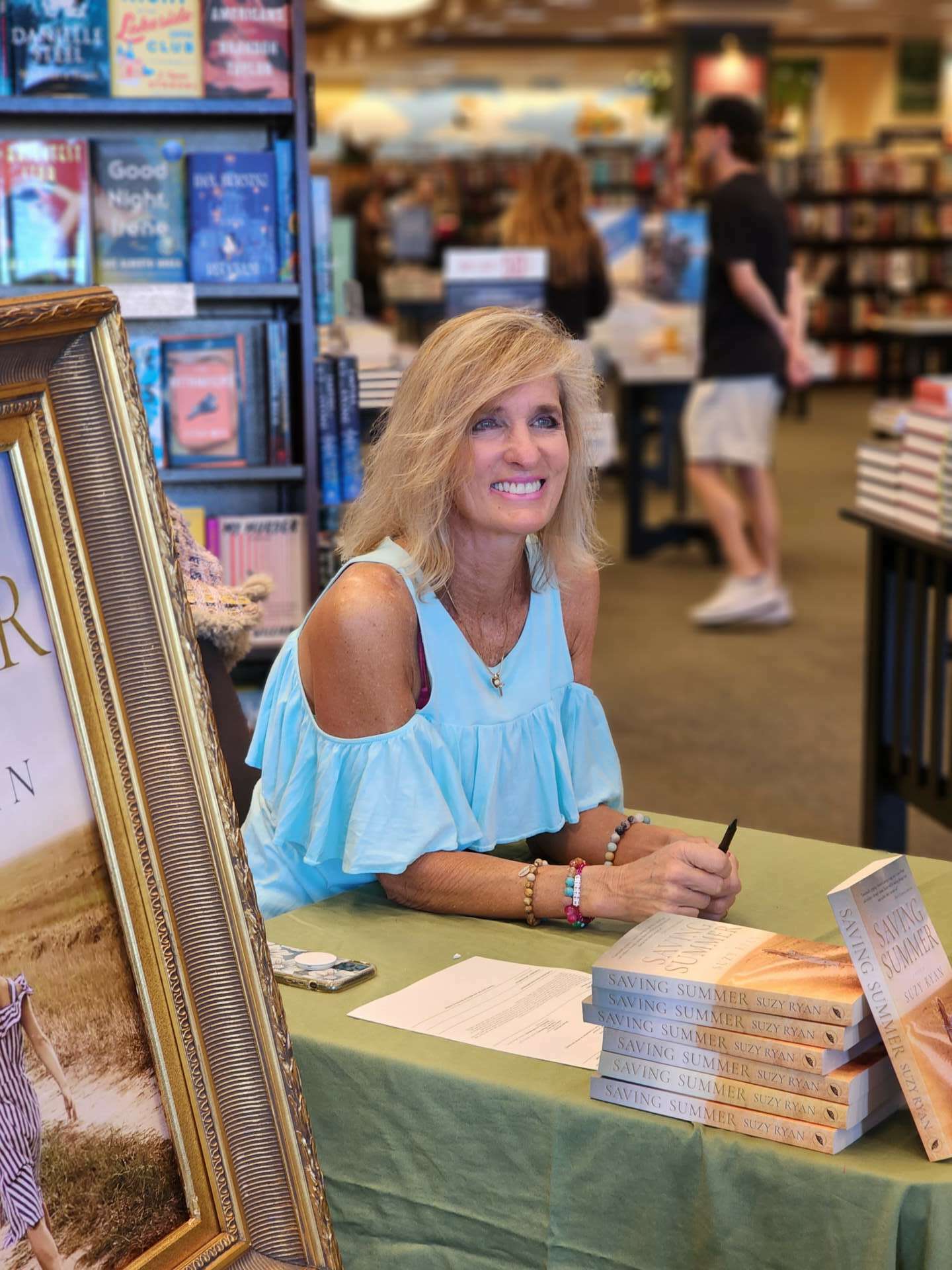

Alright – so today we’ve got the honor of introducing you to Suzy Ryan. We think you’ll enjoy our conversation, we’ve shared it below.
Alright, Suzy thanks for taking the time to share your stories and insights with us today. We’d love to hear about the best boss, mentor, or leader you’ve ever worked with.
The best boss I ever had, Joe McNulty, was my boss during my small-town Kansas community swimming pool high school job. Months before Mr. McNulty hired me, my alcoholic stepfather kicked me out of the house. By some miracle, my high school math teacher and tennis coach’s brother and his wife allowed me to live with them until I finished high school. As a sixteen-year-old homeless girl, I was desperate to make money, so I was thankful Mr. McNulty gave me the job. Formerly my junior high school math teacher and track coach, Mr. McNulty had continually looked out for me and knew my home life had left me an at-risk kid.
What I loved the most about Mr. McNulty was he never made me feel like a victim of my circumstances. From the moment I trooped into his eighth-grade classroom appearing as if I had not a care in the world, he never felt sorry for me even though I knew by his discerning eyes that he suspected my homelife was a wreck. I carefully hid that I usually didn’t have lunch or a ride home from practice. What I appreciated the most was he treated me like I was a capable, intelligent, and diligent girl–so that’s how I acted. That was such a relief! If his eyes would have mirrored the desperation in mine, it would have handicapped me that I was worse off than I knew.
For two summers, I lifeguarded at the pool, scrubbed the deck, and even rescued one four-year-old boy who jumped in the deep end after he’d slipped out of his mom’s grasp. Mr. McNulty validated my hard work, gave me free food, and encouraged me about college. That was his style. When he was my junior high teacher, he let students call his home at night for help with math problems. I had a lot of questions and called him nightly. Maybe I just wanted his attention since I was not getting it at home, but he never let on that I was an exhausting burden, which I am sure I was.
What a blessing Mr. McNulty was! What a difference he made in my life! I’ll always be grateful!
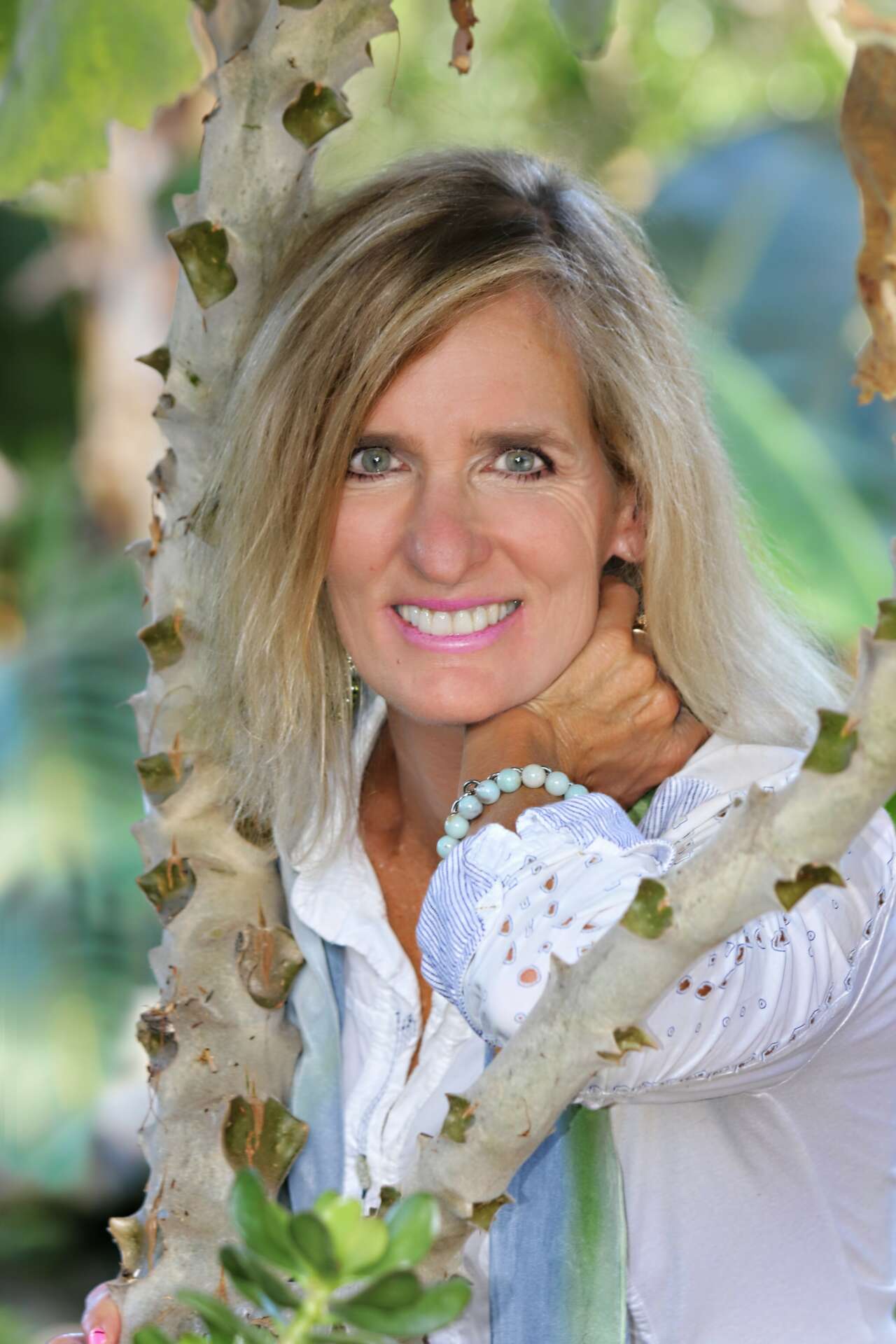
As always, we appreciate you sharing your insights and we’ve got a few more questions for you, but before we get to all of that can you take a minute to introduce yourself and give our readers some of your back background and context?
As an educator, author, Ironman athlete, and SCAD (Spontaneous Coronary Artery Dissection) survivor, I’ve worn many hats throughout my life, but first and foremost, I consider myself a teacher. After twenty-four years of teaching kids, my dream had always been to fictionalize my life story. I wanted to be able to hand my at-risk students a bridge of hope book to encourage them that they were able to overcome any adversity that would try to derail their destiny and even more, that their trauma could be redeemed for resilience. My message was simple: if I made it through my difficult childhood, they could, too. Since I was okay, they could be okay.
In 2023, I finished my debut novel, Saving Summer, and my lifelong dream became a reality. My goal was to show students that they were victors rather than victims. Further, they did not have to allow their past to define who they are in the present, or who they will be in the future.
Blessed to be awarded Valley Middle School’s teacher of the year in 2020, I changed to Carlsbad Seaside Academy (CSA) during the pandemic. I loved the extra one-on-one time with my students that the independent study program afforded.
This year for their final project, CSA students are publishing The Seaside Storybook, an anthology children’s book they have written. Due to be published on 4/24/24, the students are giving the proceeds to the Carlsbad hungry and homeless population. This spring, they will promote the book by book signings, podcasts, interviews, and social media reels. This student-driven project will also allow them to interact with the homeless, gaining insight into how they can make a difference in the city where they live.
Finally, another goal of mine is to bring awareness to identify at-risk kids. Evidence indicates that trauma in adolescence results in unexplained adult heart and physical issues. During the summer, I speak to rotary groups about how to see the suffering students who hide in plain sight of unaware adults.
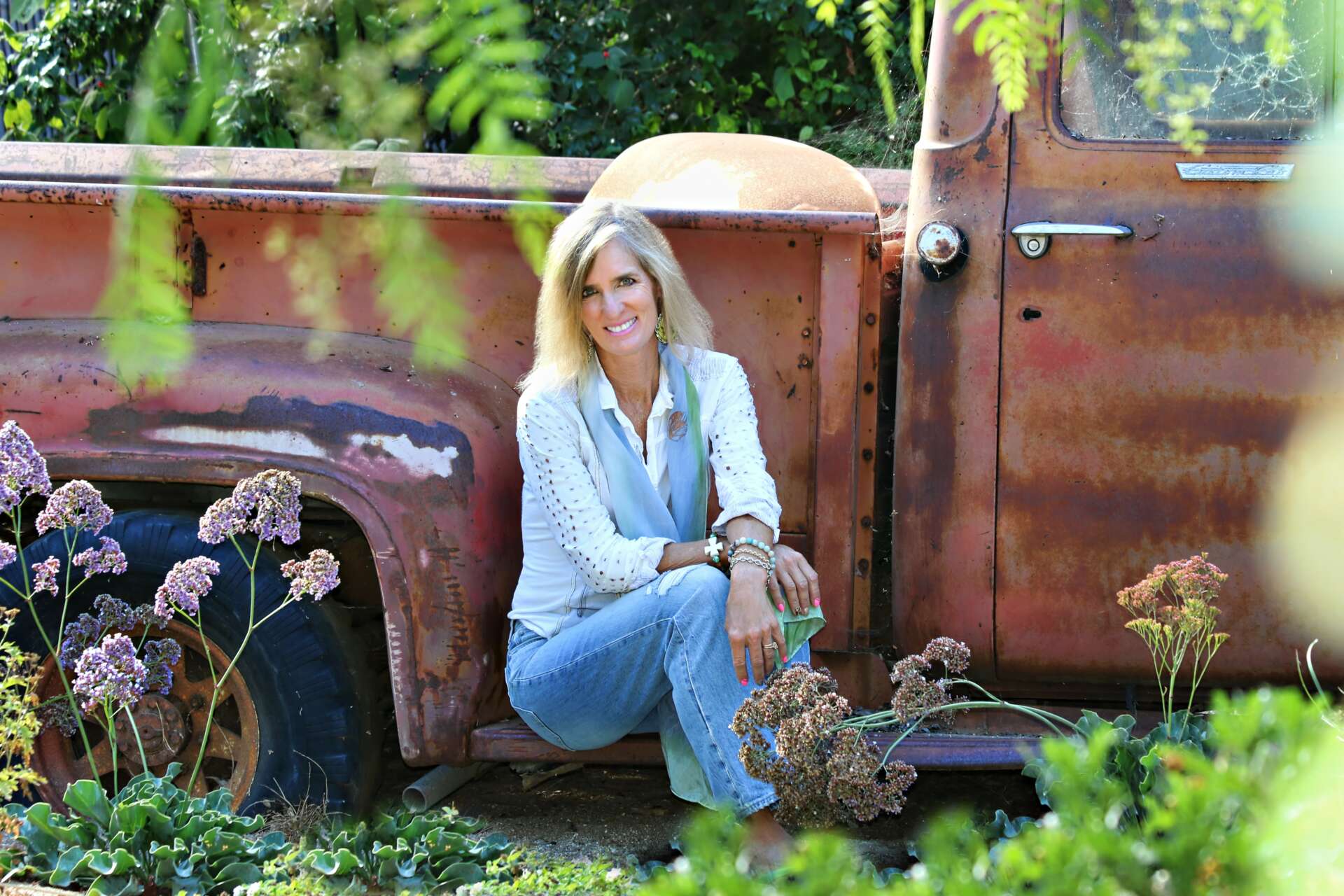
Let’s talk about resilience next – do you have a story you can share with us?
This is what I wrote in the San Diego Union-Tribune in 10-3-2023: It never occurred to me that I would ever have a heart attack. Six years ago, however, I suffered three of them within a week. The first one occurred while teaching my seventh-grade English class. Nauseated and dizzy, I reached up and touched the beads of sweat popping on my forehead. I cracked my neck to shake off the sensation of a big-screen TV flattening my chest. Rushing to my desk, I guzzled my water bottle while students shared poems with their neighbors.
As an Ironman athlete, I was confident that if I could swim 2.4 miles, bike 112 miles and then run a marathon — all on the same day — I could ignore the pain that I thought was simply dehydration.
Four days later, the same spooky thing happened. Again, I dismissed it.
My final heart attack occurred the following day. After I flip-turned during the first lap of a master’s swim workout, a vise-like grip wrapped around me, squeezing my chest with fingers of fire. A firm voice in the chilly water ordered, “Stop swimming and get out of the pool.” My daughter drove me to urgent care, where the doctor found nothing wrong but sent me to the Tri-City Hospital emergency room anyway as a precaution.
Although my electrocardiograms were normal, the ER cardiologist, Dr. Kenneth Carr, still kept me overnight.
The following morning, my EKG picked up irregularities in my heart rate even though I felt terrific. Dr. Carr sent me to the cath lab for a cardiac catheterization procedure and found my left anterior descending artery had somehow incurred a large tear in the artery wall in my heart. He delicately placed three extra-long stents in my shredded main artery.
“You had a SCAD event,” he later explained. “With your excellent health history and athleticism, it doesn’t make sense — call it bad luck.” Such events — SCAD stands for Spontaneous Coronary Artery Dissection — are an enigma. Penn Medicine News states, “SCAD patients are generally healthy and have few conventional cardiovascular risk factors, such as high blood pressure, unhealthy cholesterol levels, and smoking.”
Though the Centers for Disease Control and Prevention reports, “Heart disease is the leading cause of death for men, women, and people of most racial and ethnic groups in the United States,” my Ironman’s heart carried me when my main artery gave out.
Dr. Carr surmised, “It appears that all your years of Ironman training allowed your heart to be strong enough to overcome the SCAD event when you didn’t get enough blood flow to your heart.”
Thankfully, I returned to teaching. Years later, at the Carlsbad Unified School District personal development day, the educational specialist provided eye-popping statistics at our back-to-school training when she made the connection between unexplained adult heart issues and childhood trauma. I tapped my heart, which kept the beat with the pounding in my head. “Is she talking about me?”
Not wanting to believe her, I did my own digging and found from the National Child Traumatic Stress Network, “Research shows that child trauma survivors can be more likely to have long-term health problems (e.g., diabetes and heart disease) or to die at an earlier age.”
Did my painful childhood contribute to my SCAD event? The light of truth could no longer be hidden in the shadows. From childhood neglect and abuse, I developed performance-based security. Keeping the bow of my nervous system strung extra tight, never allowing myself to disappoint people. Overcompensating for feeling unloved as a child, I continually pushed myself to please people at the expense of myself, causing unnatural stress on my body.
Did my painful childhood contribute to my SCAD event? The light of truth could no longer be hidden in the shadows. From childhood neglect and abuse, I developed performance-based security. Keeping the bow of my nervous system strung extra tight, never allowing myself to disappoint people. Overcompensating for feeling unloved as a child, I continually pushed myself to please people at the expense of myself, causing unnatural stress on my body.
At the time, I was writing “Saving Summer,” a novelization of my life. Over the years as a teacher, I comforted suffering students who shared their struggles at home and school with me. I wanted to offer them a bridge of hope. The book’s goal was to let them know that they were victors, not victims, and that their adversity would make them resilient. After the SCAD event, I became determined to finish it.
Over the years, I’d told my students, “No matter what you’ve experienced — I’ve experienced it, or someone in my family has, and I am here to tell you that you are going to be OK — because I am OK.”
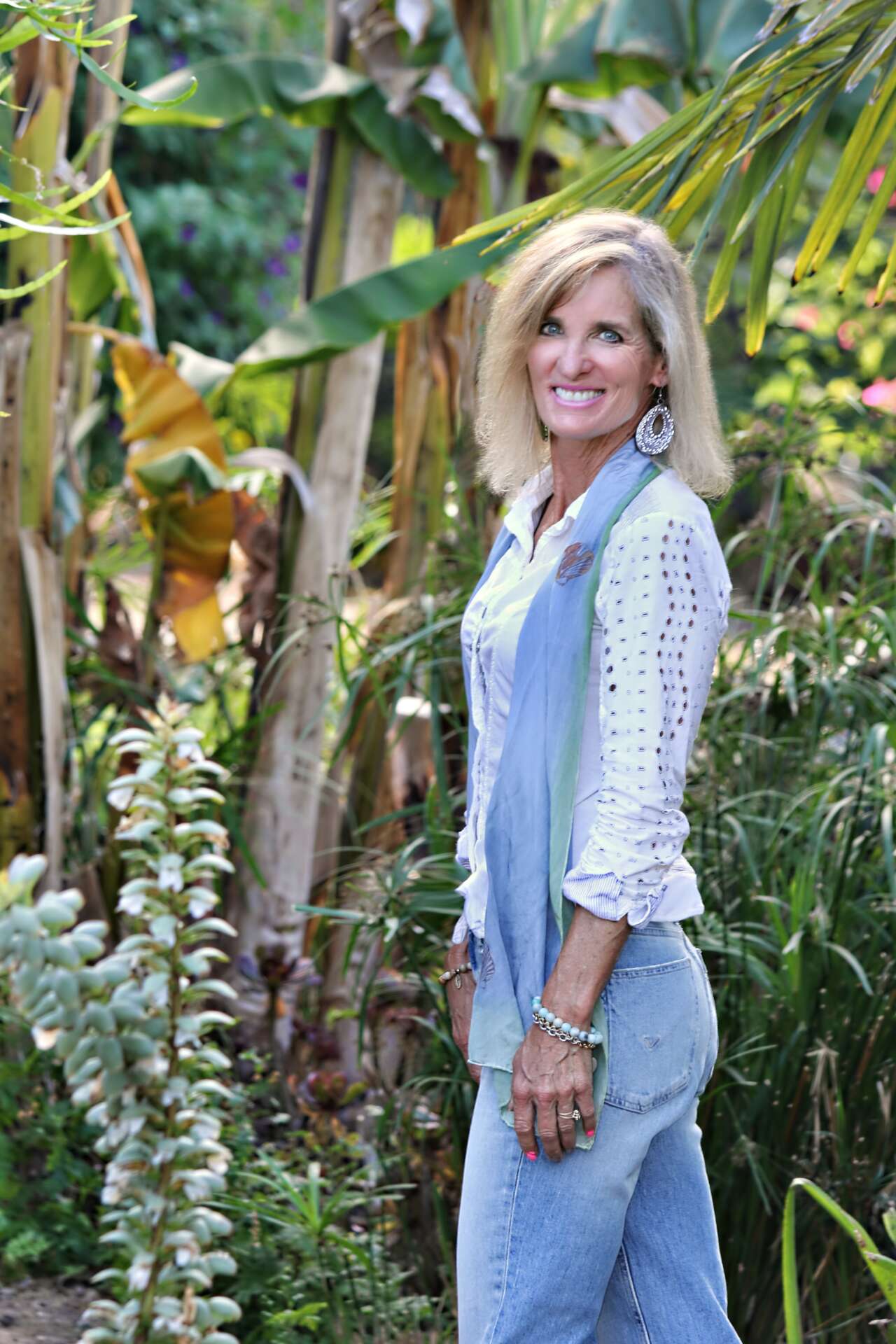
Is there a particular goal or mission driving your creative journey?
Once I got my business degree, I wanted to make as much money as possible. Soon after, my life took a paradigm shift when my baby brother committed suicide. I pivoted, returning to school to earn my teaching credential. It took years to cobble together the time to finish my studies, working during the day and going to school at night. A scholarship helped, and soon after, I started teaching school, looking for at-risk kids like my brother and overachieving students like me. I keep my brother’s memory alive by giving back to our youth.
Contact Info:
- Website: https://www.suzyryan.com/
- Instagram: https://www.instagram.com/suzymryan/
- Facebook: https://www.facebook.com/suzy.ryan.50
- Youtube: https://www.youtube.com/@suzbalooze/featured
- Other: https://www.tiktok.com/@suzbalooze
Image Credits
First Phot0–Harrison Myers, Barns & Noble Encinitas, CA Last Four Photos– Dawn Nicoli [email protected] via nicoliproductions.onmicrosoft.com