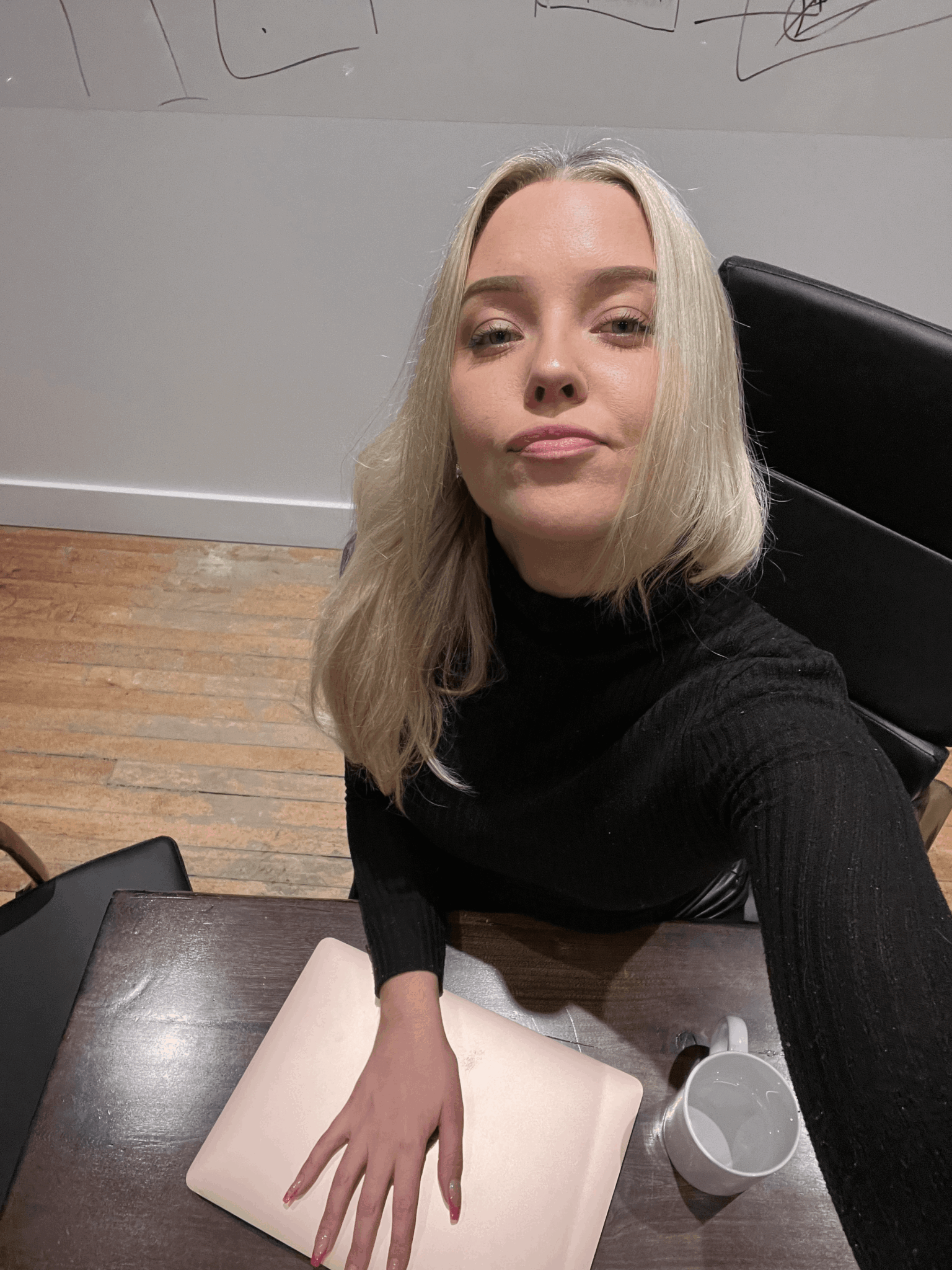

We’re excited to introduce you to the always interesting and insightful Suzanna Elzbieta. We hope you’ll enjoy our conversation with Suzanna below.
Alright, Suzanna thanks for taking the time to share your stories and insights with us today. Can you open up about a risk you’ve taken – what it was like taking that risk, why you took the risk and how it turned out?
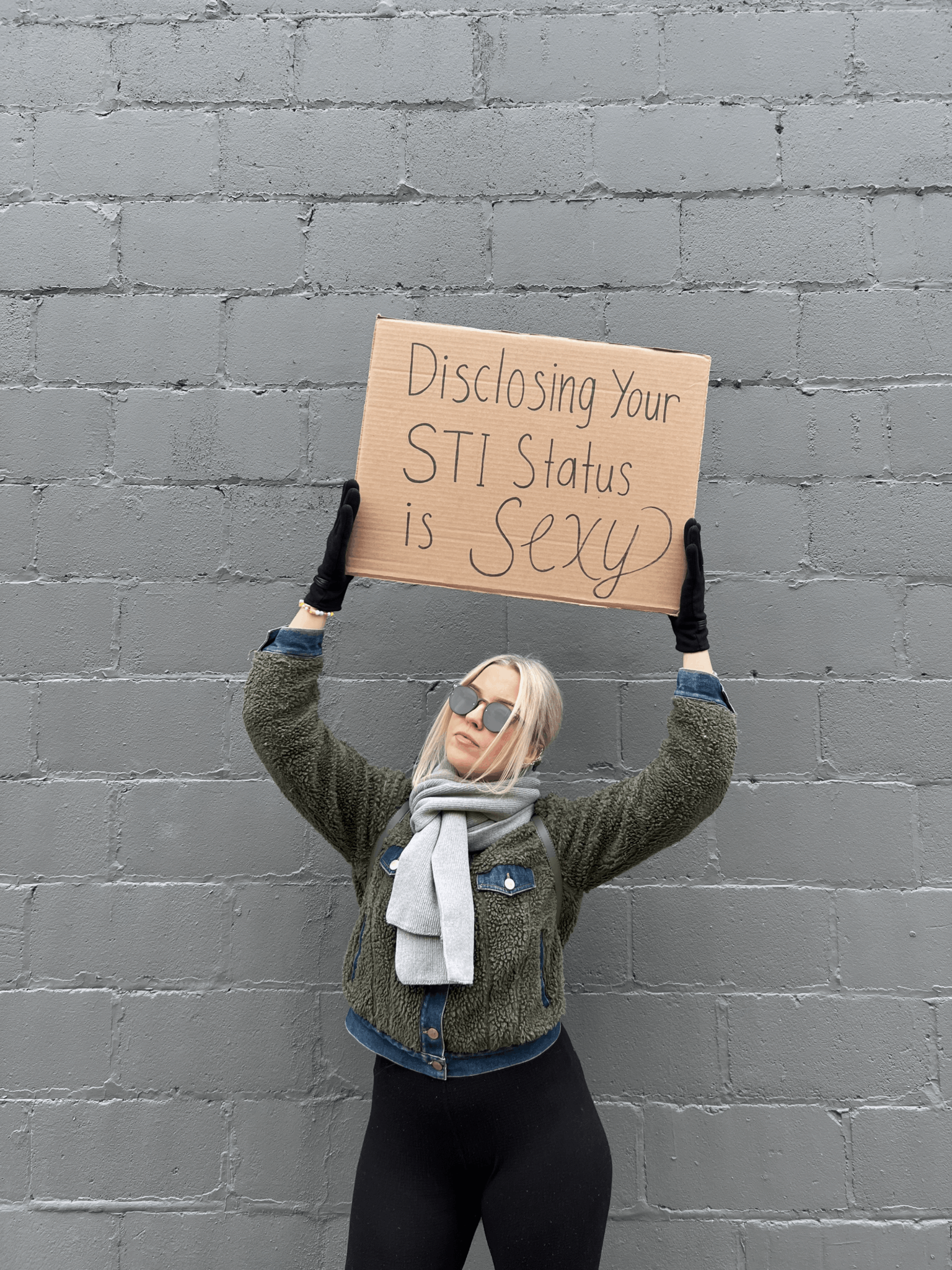
As a business owner it was a risk for me to consider how I might represent myself personally on public platforms. When I contracted herpes in 2019, I went through a period of time when I was silent, ashamed, and overtaken by the stigma attributed to such a common, benign virus. But as I started to do my research and unlearn the ignorant takes I’d picked up in my years seeing herpes jokes and slander almost everywhere I turned — I decided to come out about having it publicly to challenge the notions people had about it, and STIs in general.
I had already been making content for years while running a creative business; and I kept the two ventures as separate as possible — I still do for the most part. And even when my personal content centered around self-love, confidence and sensuality, I worried about it painting a picture of me that could taint my 9-5 job. I thought about my colleagues, employees, collaborators and partners, and clients. I also thought about my relatives and parents, of course. But the reality was, I poured so much heart and soul into my online expressions, they weren’t worth shutting down for the far-fetched notion that someone in my professional world (or personal, for that matter) might be put off by them. In 2021 when I started to write, post and talk about herpes — that consideration grew even stronger. At the start I certainly had some people question what I was doing, grimace at the openness of it all, and judge me in silence. But the best thing about speaking out about something that elicits shame, judgement and scrutiny, is that it absolutely wipes out your fear of what anyone thinks.
I learned that as long as you believe in what you’re doing and you’re not causing anyone harm, your self-expression is a gift that you get to craft outside of any venture you’ve created. We aren’t just business owners, colleagues and employees of a given agency; we’re full-fledged human beings living lives outside of work. And while it’s understandable that some boundaries have to be drawn for and by people in certain industries, I personally believe my two worlds can co-exist, and sometimes even collide. For example, my studio recently did an animated episode on sexual health and STIs that I got to craft and curate, and even had a personal feature in. It was a bit of a leap connecting the two worlds in a more direct way than ever before, but it was beautiful to see them overlap for a minute.
My point is, we shouldn’t need to change, mute or adjust ourselves for the businesses we run or work for. I believe creative pursuits that feed our souls outside of our 9-5 are just as crucial, if not more so, to our value in the world, our wellbeing and personal identity.
Awesome – so before we get into the rest of our questions, can you briefly introduce yourself to our readers.
I co-founded a creative/animation studio with a partner in 2011 out of a home office, that later grew into a stable workplace employing an average of 25 people at a given time. We create content and animation for documentaries, educational series, and people and organizations with important things to say. We’ve recently started our own internal series exploring various interesting topics through animation on our own social media channels.
I studied Graphic Design in college and graduated with an Honours Bachelor Degree, and always dreamed of utilizing my skills for something that could inspire people. I didn’t want to enter agencies or ad-focused spaces, so my business partner and I had wondered how we could offer up this medium we learned for messaging around human rights, the environment, health, and so on. In recent years we’ve explored and developed capabilities beyond animation, entering the realm of immersive technologies, VR/AR and visual effects.
On the side, I began to explore sensuality and sensual practice after suffering a miscarriage in 2017. It opened me up, unexpectedly, to a type of self-love I’d never experienced before. I felt so much respect for what my body had undergone, and after struggling with confidence for most of my twenties, I stumbled upon sensuality as a means to embrace oneself and one’s true nature. That brought me onto a path of deeper self-discovery and self-expression, and I began to write and create content around it. When I contracted herpes from a partner in 2019, I later went public with my status as an effort to challenge the unjust stigma. I’ve garnered a bit of attention around myself and the topic, and continue to support those who struggle with their diagnosis, and to educate (and at times, mock) those who continue to perpetuate false notions about herpes and sexual health in general.
Any insights you can share with us about how you built up your social media presence?
I’ve always stuck to the idea that authentic expression is the way to go. My shares and posts have always come from a truthful place for me, and they were a way for me to share my innermost thoughts and outermost expressions with the world. Being your authentic self online is the exact same thing as being authentic in your real, everyday life. People who enjoy it will connect with you and stick around. And even if you’re speaking to a void for a while, it’ll eventually, inevitably take hold or grow. So for me, authenticity is one piece, and the other is consistency. I’ve gone long periods without posting, especially if I was going through a hard time in life. At times, it’s absolutely necessary, and breaks are important for mental health. But a consistent presence is also what builds relationships with audiences, again, just like in real life.
My biggest growth on social media, however, came when I started to talk about herpes. I had other pieces make some waves, like a couple of videos I posted discussing the manosphere trends of looking for ‘young, trainable, impressionable women’, or seeing women as ‘damaged’ if we were older than 25, had an x number of past partners, or god forbid, had confidence. But I believe it was my discussion of something as taboo as herpes that drew the most viewers, listeners, haters and supporters. I was written about in both reputable publications as well as tabloids, and highlighted and mocked in an episode of MTV’s Ridiculousness, from which my segment was later removed after I pointed out that it was ironic for MTV to mock a herpes advocate while promoting a sexual health help site called It’s Your Sex Life.
My advice for anyone starting out in social media is to be yourself, show up as consistently as you can — not only because it builds your audience but also your online presence and evolution, — and to embrace the art of not giving a f*ck what people think. Be patient, and give it time. Sometimes it takes a while to fall on the right ears, or find your people. A lack of eyes and engagement doesn’t mean your content sucks. And adapting to the changing landscape of social media is also important. We might be focused on a number of apps in 2024 and a certain approach to posting, but that could change completely 5 years from now. I think of how TikToks started as short, vine-like expressions, and transitioned into longer, FaceTime like shares and discussions. As long as your message stays authentic, you’ll adapt to the shifting ways people want to consume it.
Contact Info:
- Website: suzbub.com
- Instagram: @suzbubs
- Youtube: suzbub