

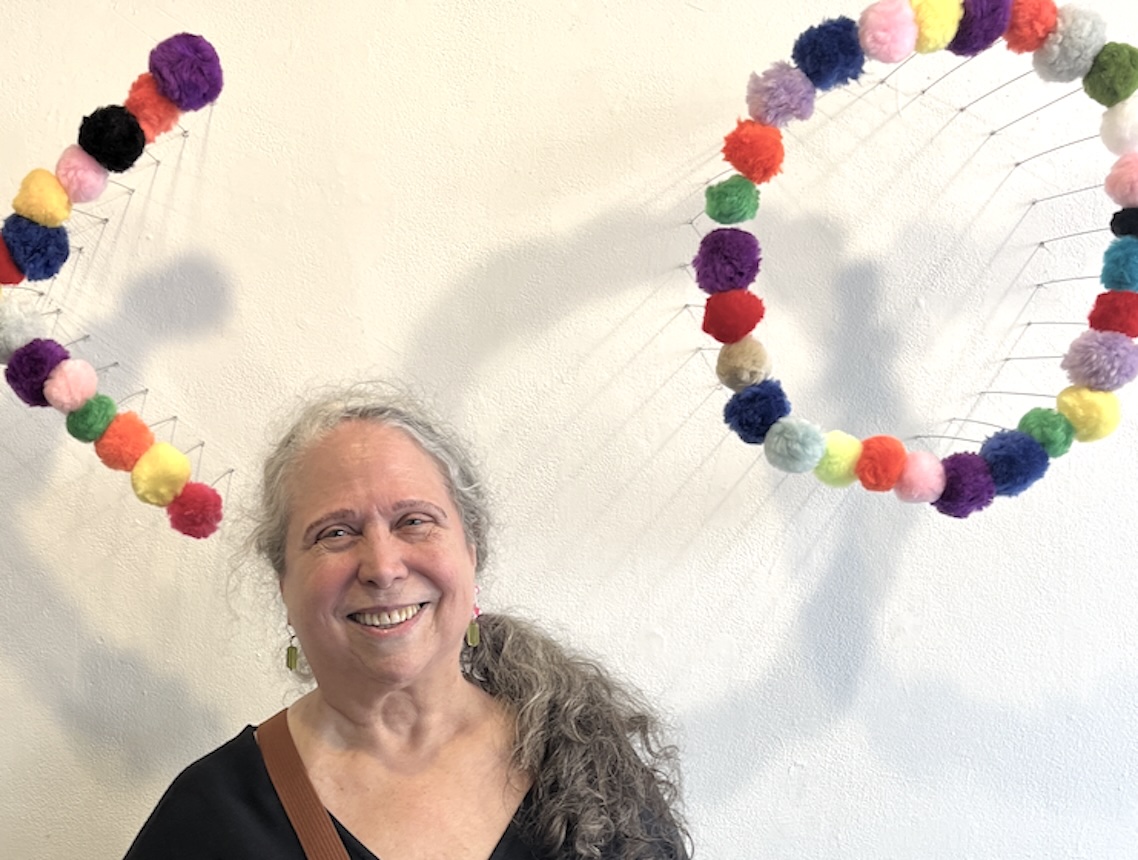

Alright – so today we’ve got the honor of introducing you to Suzan Shutan. We think you’ll enjoy our conversation, we’ve shared it below.
Suzan, thanks for taking the time to share your stories with us today We’d love to hear about a project that you’ve worked on that’s meant a lot to you.
There are a few really meaningful projects that I’ve worked on over the years, but two stand out as especially unforgettable.
The first project was in 2014 when I was invited by Curator and filmmaker Jacek Malinowski to Warsaw Poland to create an installation at Zacheta National Gallery of Art. From the outside the museum was historic and grand. It looked like the Metropolitan Museum of Art in New York City and from the inside, a combination of modern and classical They had a lovely apartment within the museum where i stayed for one month, with a budget for all my meals at their upscale restaurant. They shipped my artwork to and from Poland and hired a special team to dry wall over their gorgeous marble walls and curved ceilings in order to drill millions of holes to insert wire with pom-pom tips. Everything was done for me. All I needed to do was oversee their installation team. They brought in television, radio and other news sources to promote the exhibit. Showed me the city and surrounding towns. They paid me as an artist for my time and services. Everyone I encountered were welcoming, kind, professional excited by my project and my being there. I am mentioning all these details because in all the years of my career, I had never been gifted everything being taken care of like this . I felt so welcomed, seen, appreciated and respected as an artist. To be valued in this way was an affirmation of all my hard work as an artist, paying off. It was life changing.
The second most meaningful project took place this year in 2025 in a charming small historic tourist town not far from the French Rivera, Bages France, where I was invited by artists and Gallery Directors Herman Vansynghel & Sabine Friederichs of Galerie Latuvu to create two room sized works in which the public would participate in the making of it. Arrangements were made for me to be housed, fed, toured and included on days off. I was taken very good care of. We set up the gallery space as a living working studio for a few weeks, inviting passerby’s to come in and take a look, watch a demonstration, and see if they would care to participate and donate the work they make. There were over 87 people of all ages, nationalities, genders, and professions that contributed. I taught them how to manipulate the material of paper into a form and basically left them on their own accord as long as their section would be able to physically connect to the other wall relief sections- including all of mine. I loved the intimate conversations that took place while we worked together. It was like a sewing circle of sorts, instead of sharing stitches they shared life stories along with discoveries of how to manipulate the materials . In the end I integrated their work with mine- into one massive DNA chain that flowed like vines growing throughout the entire gallery space. The installation was called “ Connected”, about how we need to globally come together – to connect- in a world that grows increasingly isolating with fascism on the rise, poverty, violence, war and environmental crisis.
More than 45 participants returned for the opening some flying back from other countries to see how their pieces all came together. I was so deeply touched that the experience impacted so many.
Great, appreciate you sharing that with us. Before we ask you to share more of your insights, can you take a moment to introduce yourself and how you got to where you are today to our readers.
I was one of those kids in high school that was very creative. The art room was my refuge where I excelled, where my strengths lay, and where I was happiest and challenged. So I knew I would be pursuing art at some point. I had taken some classes at an art school after graduating high school along with anthropology and archaeology classes. I originally thought I wanted to be an archaeologist.
Long story short I learned the skill sets that I needed in the art school to paint photo realistically. When it came time for the graduating class to have their exhibition, everyone’s work looked the same. It horrified me. Where was the individuality ? So, I applied to art colleges where the focus was learning to understand the development of creativity and the intellectual process since I had learned the technical aspects . I was accepted to a few schools and chose California Institute of the Arts since their process focused on concept and progressive means of achieving this. I studied with an amazing roster of exhibiting artists who were making art history in that moment. They challenged my thinking and what I was creating, helping me to strive towards sometimes unimaginable ideas and ownership of them. This experience changed my life in the best of ways. I am forever grateful that I chose that school to attend at that time, when it was in its heyday as I received my BFA.
After 10 years making art, working, exhibiting, struggling to support myself from California to New York City to Paris then Berlin, I eventually returned back to the United States and graduate school. I attended Rutgers University Mason Gross School of the Arts where I also studied with important artists of our time. There I received my MFA, thinking I would go into teaching. However, it was nearly impossible to find full-time University teaching right out of grad school. They wanted you to have prior experience.
A Professor of mine, Leon Golub, took a special interest in me and my work, and how I would support myself. He suggested I do what he did -which was to become a Director of Education in a museum, where I could support myself right out of school. He found me an opportunity that I applied for and after interviewing, fortunately I was chosen to be Curator of Education at the Des Moines Art Center in Iowa. After a few years there and missing my support system of friends back east, I found work at the Lyman Allyn Art Museum in Connecticut as Director of Education, slowly inching my way into better positions and back towards New York City. The museum in CT closed after 2 years of my working there, for renovations having won a climate control grant.
Shortly after the museum closed I was invited to Berlin to work with two artists on a project. Upon returning to the states I learned I received a sponsored Fellowship and 6 month Residency at the Bemis Foundation in Omaha, NE. It was a glorious moment being able to make art full time and not stress about finances. My work took on combining materials from nature such as tumbleweed with materials from scrap yards creating an amalgamation floor to wall relief work. I returned to New Haven Connecticut, my hometown, to take a job as Director of their 1% Percent for Public Art Program in which I served nearly 8 years overseeing 21 projects. Additionally, I began independently consulting with other towns and cities across New England, invited to give workshops, guest speaking, consultant to nonprofits, and to teach. I miss the energy of NYC but have found a home here that allows me affordable studio space.
Career-wise what sets me apart from others is my work having always centered around Art and Education-sometimes unforgiving fields of hard work but incredibly rewarding helping those have not grow up learning about the Arts in public school, to find meaning in it. Artists are creative thinkers, problem solving is par for the course in developing our work. Faced with challenges we are solution finders.
I am most proud of being an artist who has worked towards systemic change within museums, non profits, municipalities and higher education. Helping those in the position of power to understand how art can bring about change, meaning and value as a cultural, spiritual, historic and economic contributor. It always feels revolutionary watching art take hold of others, making the moment we are in fall into place for many.
Is there mission driving your creative journey?
There is. Being married but unable to have our own family has driven me to want to create a legacy in which my work can live on generationally, with accessibility to the public. I would like my work to become part of the historic discourse.
Let’s talk about resilience next – do you have a story you can share with us?
Here is a story that changed my life and thinking at the age of 58. After working for years making art wall size, climbing up ladders to fix work to the wall then rushing down to look at it, climbing back up to continue it, down again to look at it, and up and down until a piece was completed, I began to suffer crippling pain from falling off ladders. This lasted years until I found myself unable to stand on my feet and do my work. I learned that both my hips had deteriorated so badly that I was beyond bone on bone, needing emergency double hip surgery. Right after the surgery I developed a hematoma that burst and due to a lack of medical attention in the hospital. it creates a blood infection throughout my body that nearly took my life. I spent 2 months in an intensive care unit not getting better. I felt myself quickly slipping away. I was too sick and exhausted to fight. The hospital moved me to a special care unit that saved my life. It took me almost two full years to recover. I was in a wheelchair a good portion of that time once I finally returned home. I missed making my work. Art was always my saving grace, my sanctuary. It just so happened we had a roll of tar roofing paper at home that was going to be discarded. I decided to use it and see what I could make with it sitting in my wheelchair at my dining room table. Two years prior was the massive Deepwater Horizon oil spill off the coast of Louisiana that was still making news headlines. I realized I could make work using the material to comment on environmental disasters, since tar paper was made of oil and petroleum based products. I began manipulating the tar paper to look like a satellite image I found researching the spill. I was able to build sections to the length and width of my table, then add those sections together growing the piece to wall sized work. Eventually when I returned to teach, during my break in-between classes, I would pull out the tar paper and begin cutting and gluing. Students asked what I was doing and could they join me making the work. A table of three grew to eight, then twelve and on some day twenty or more. We sat around like a big sewing circle- everyone was invited. Students brought their lunch and we would talk about their lives, the world, travels, music, problems etc. while making the work, It turned out this near death experience taught me resilience. It made me re-evaluate my life, my friendships, my goals, even the materials I use for my work. I gave myself permission to continue my life, my work and to say yes to opportunities that came my way. Yes to students that wanted to help, yes to working even if in a wheelchair. This turning point was the beginning of living my life by the power of “ŸES”.
Contact Info:
- Website: www.suzanshutan.com
- Instagram: @sshutan
- Facebook: https://www.facebook.com/p/Suzan-Shutan-100063184362542/
- Linkedin: https://www.linkedin.com/in/suzan-shutan-2a48776/
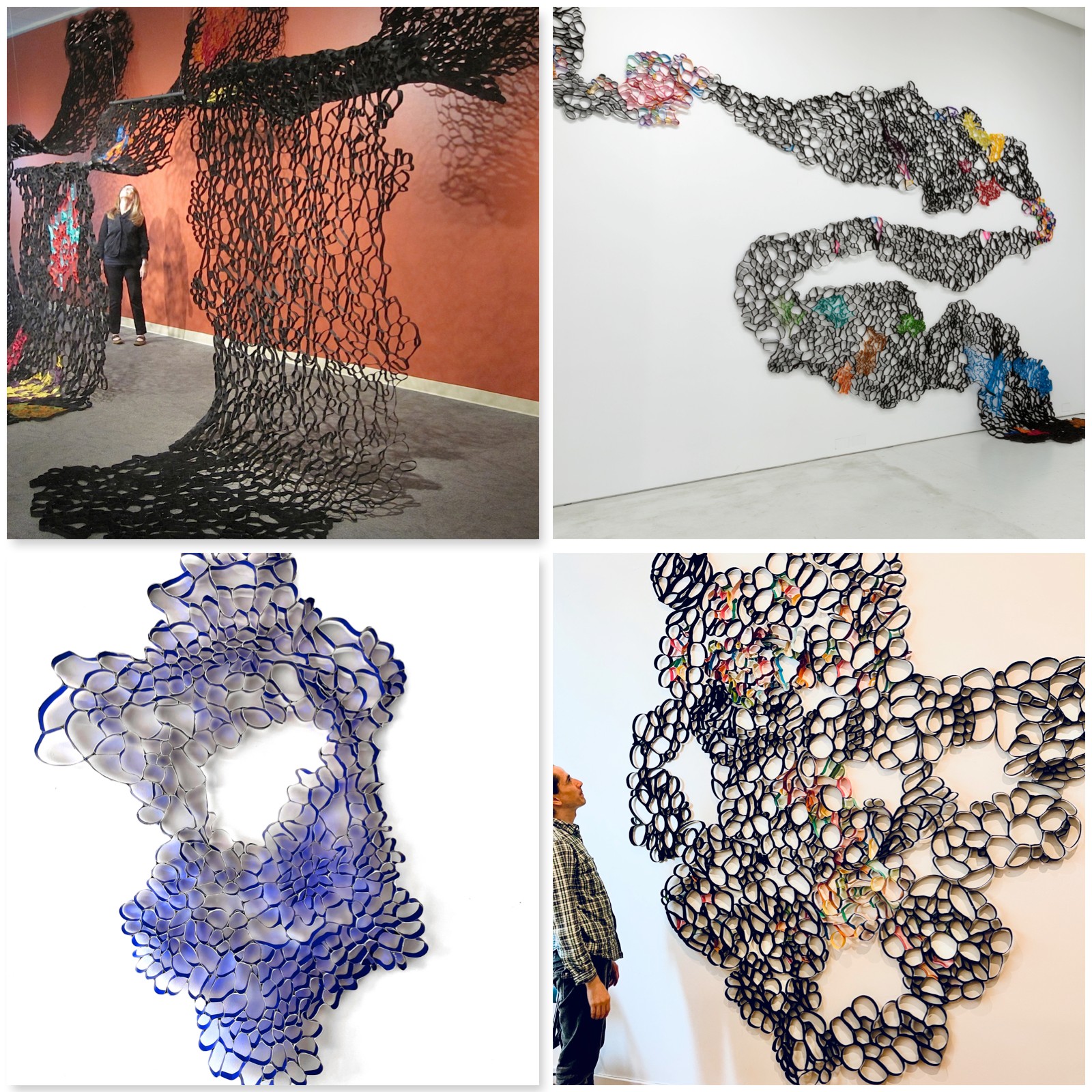

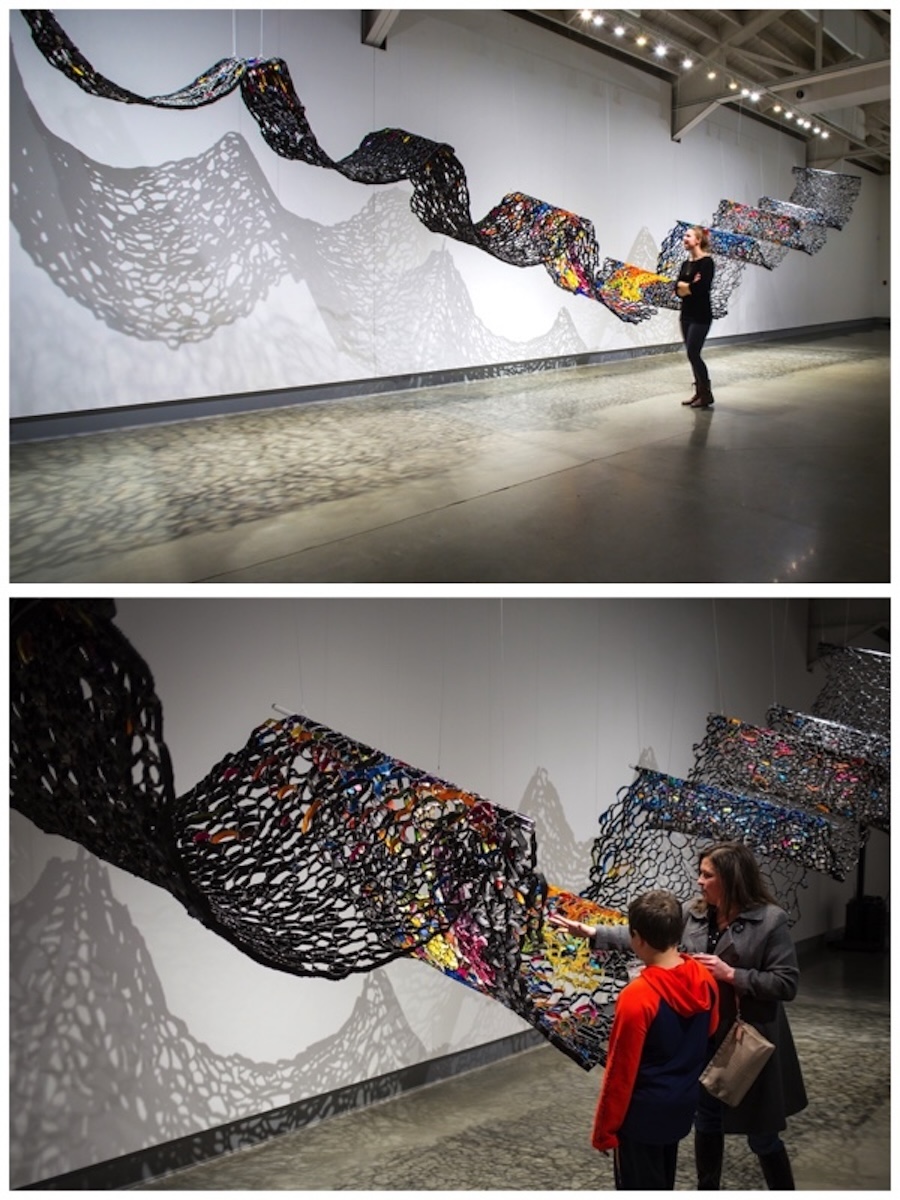
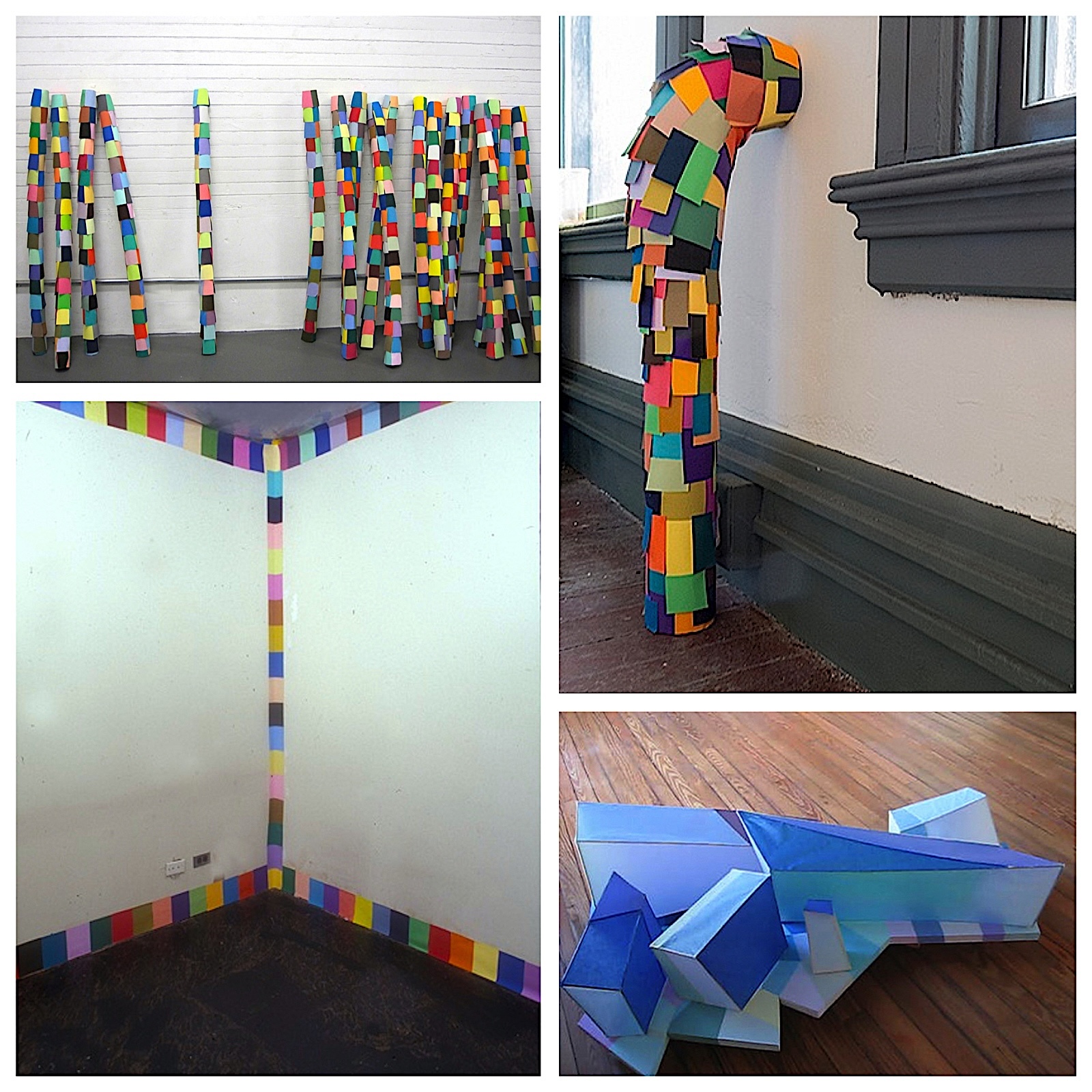
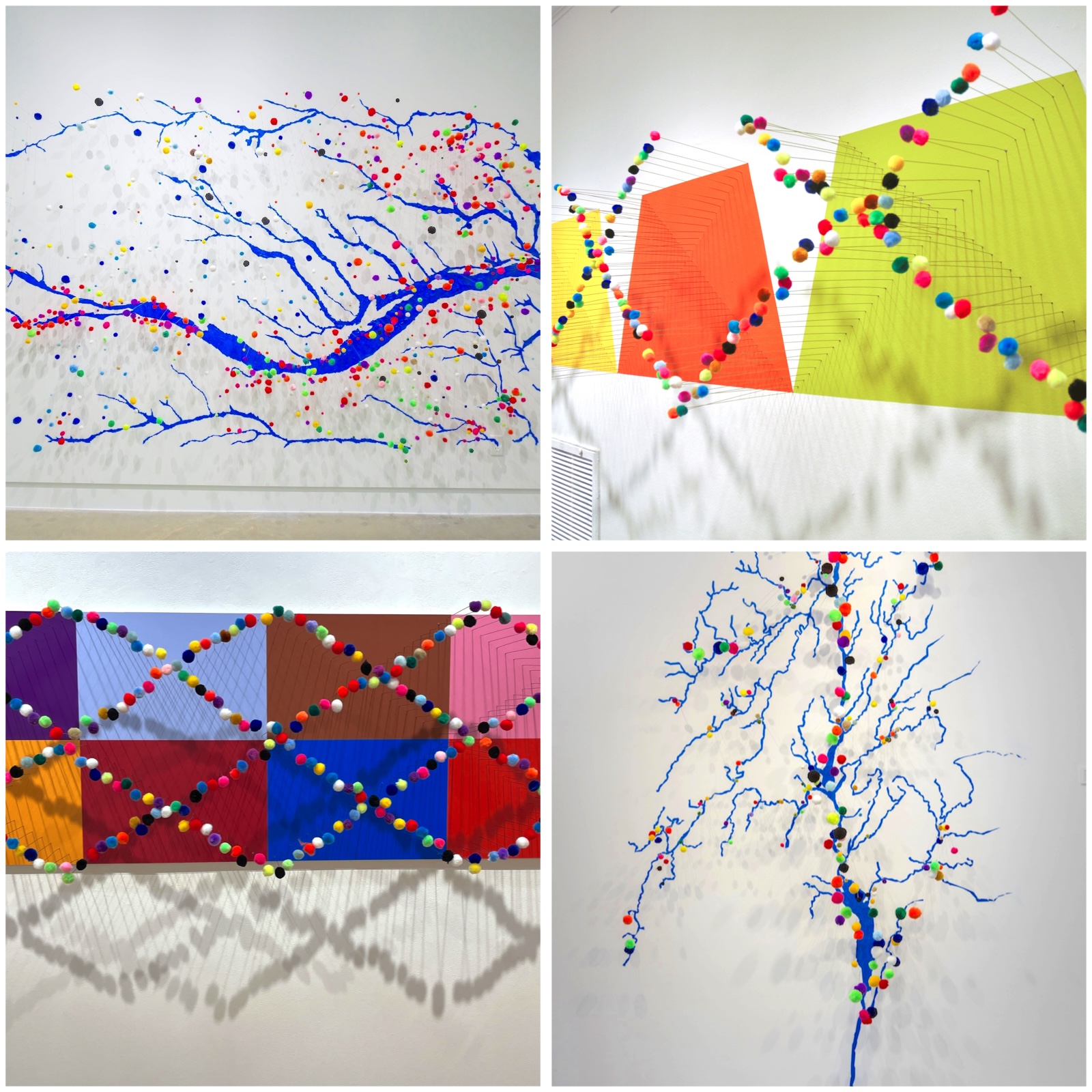
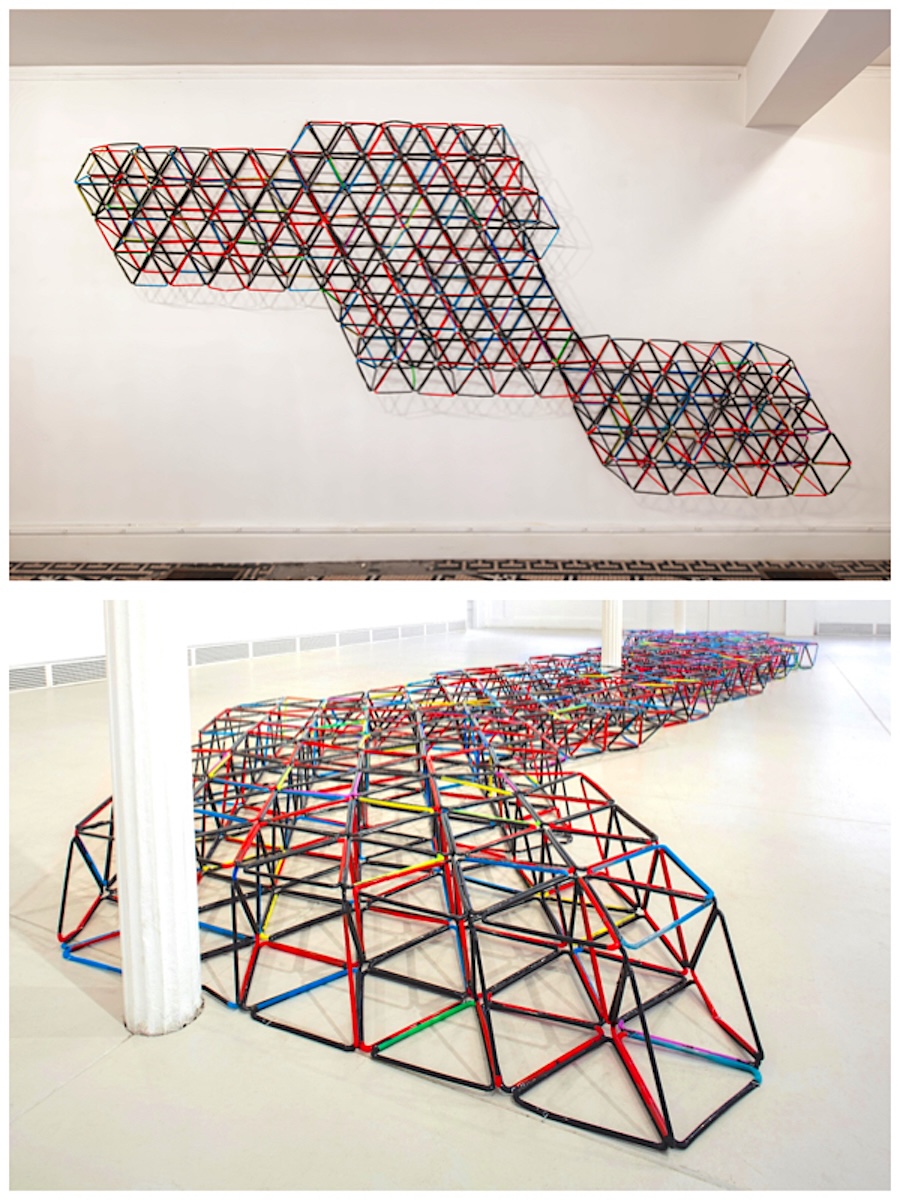
Image Credits
Victor Velt (pom Poms), JMay Studio (ArtCake tar paper), Kaneko Org (pom poms, tar paper), Jean-Paul Planchon (Latuvu Gallery), Peter Brown (string, straws), Zacheta National Gallery of Art, Poland (pom poms), Laura Marsh (pom poms)