

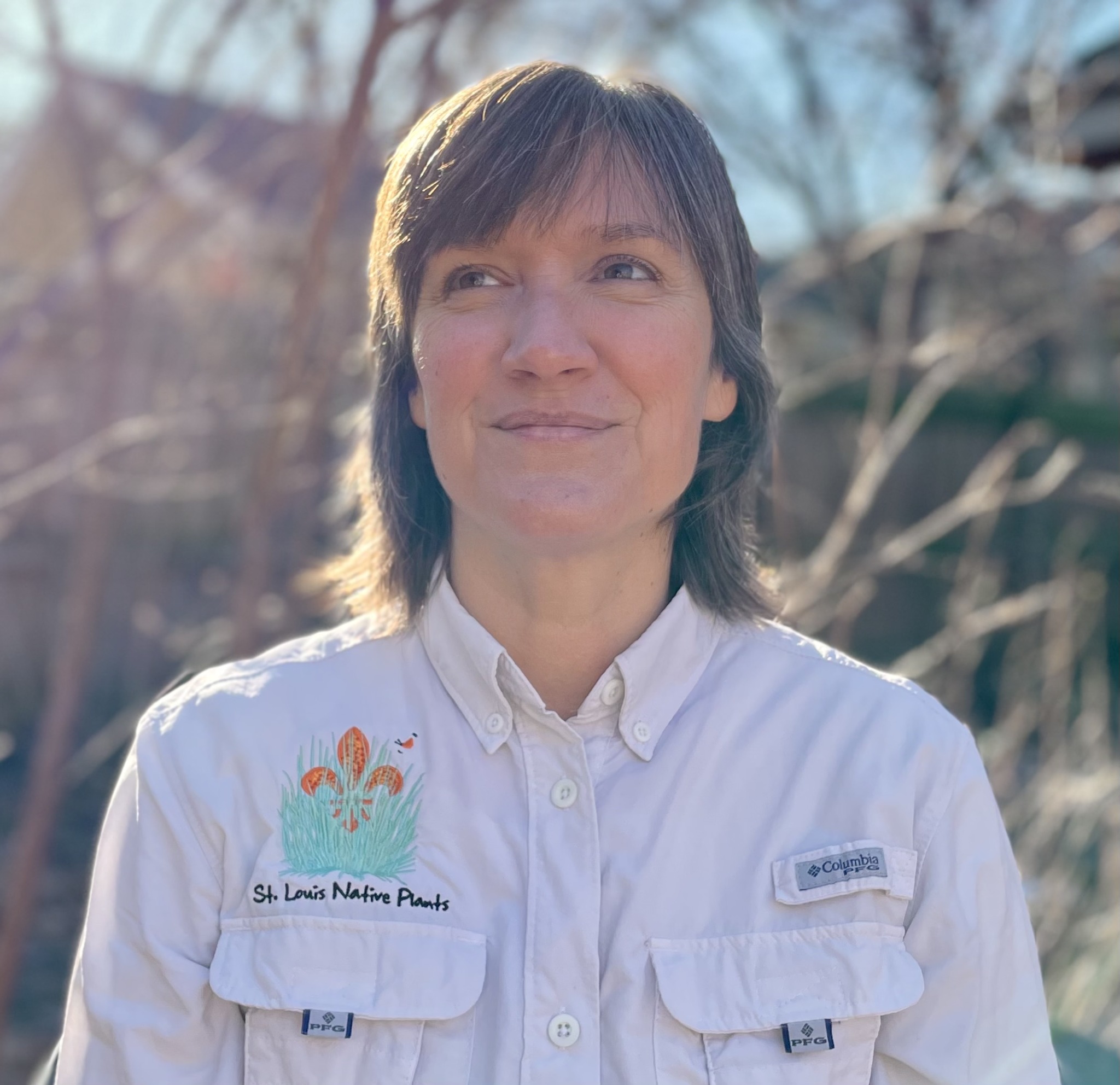

We caught up with the brilliant and insightful Susie Van de Riet a few weeks ago and have shared our conversation below.
Susie, appreciate you joining us today. Day to day the world can seem like a tough place, but there’s also so much kindness in the world and we think talking about that kindness helps spread it and make the world a nicer, kinder place. Can you share a story of a time when someone did something really kind for you?
I don’t really have one story per se. I suppose it may seem simple, but I think the kindest thing anyone has ever done for me is they’ve given me their time without asking for anything in return. I have been fortunate to experience this abundantly in my personal life, but it was a surprising experience for me to encounter this giving spirit in the horticulture/arboriculture industry. So many professionals in this industry have been happy to share their expertise and helpful experience with me with no undercurrent of competitive spirit. In a society that seems to foster competing with each other and getting ahead, I am especially grateful for these people. I try to be the same kind of person for others.
Susie, love having you share your insights with us. Before we ask you more questions, maybe you can take a moment to introduce yourself to our readers who might have missed our earlier conversations?
I meandered *a lot* on the way to what I’m currently doing. Regarding formal education, I started in Social Work, then Meteorology, then got my bachelor’s in Womens’ & Gender Studies, & finally my AAS in Horticulture. During school, I worked at an array of businesses. Before I made the leap into Horticulture, I worked in real estate and ultimately the financial industry.
Meanwhile, I bought my own house in 2009 & was trying to figure out the best way to care for my outdoor space. I came across much information about fertilizers, watering a bunch, etc. I was skeptical, thinking there must be a better way to care for my yard that doesn’t include so much of these things that are a drain on water, resources, etc. So, I googled “ecofriendly gardening Missouri” or something to that effect and eventually stumbled on native plants.
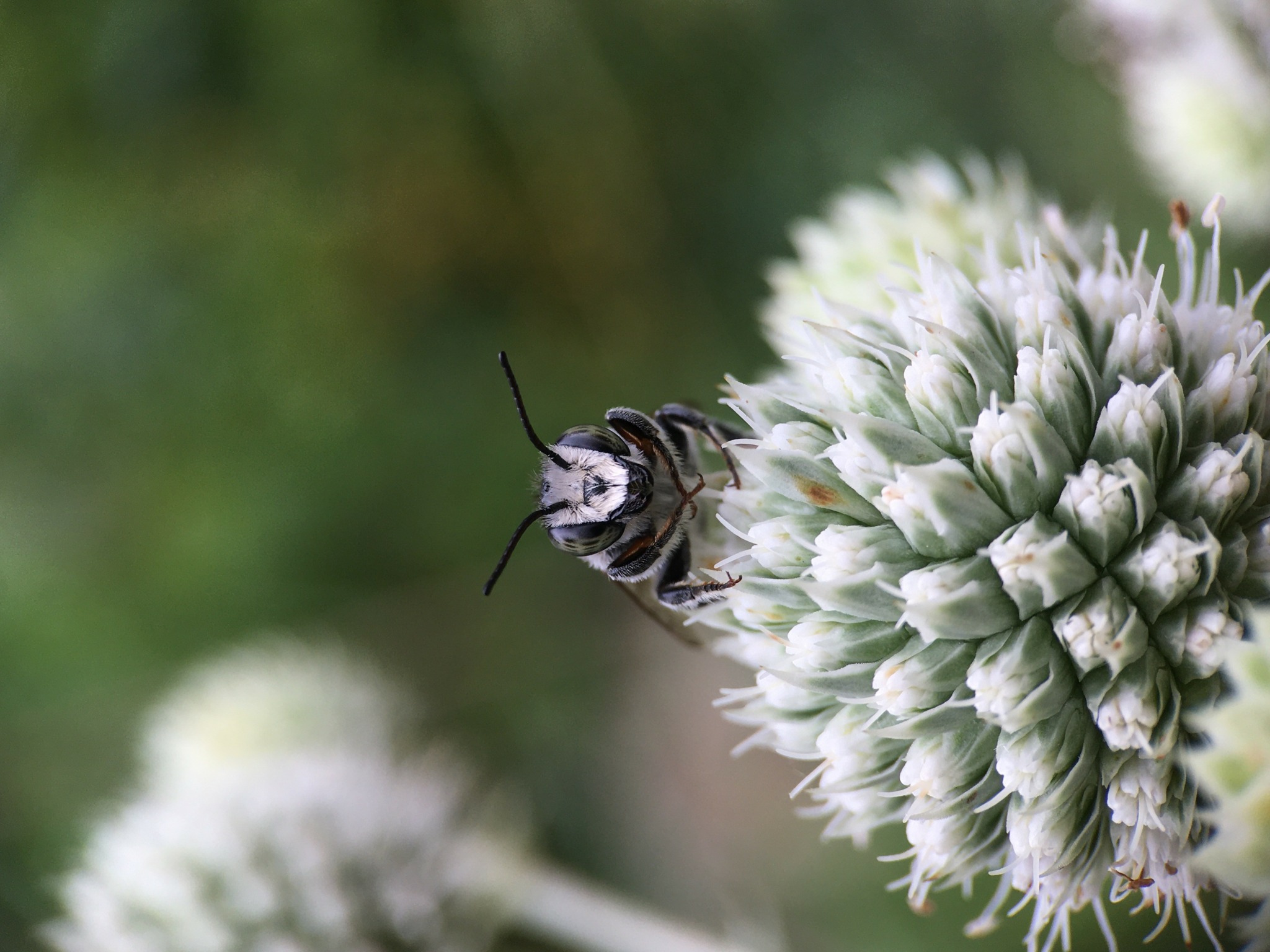
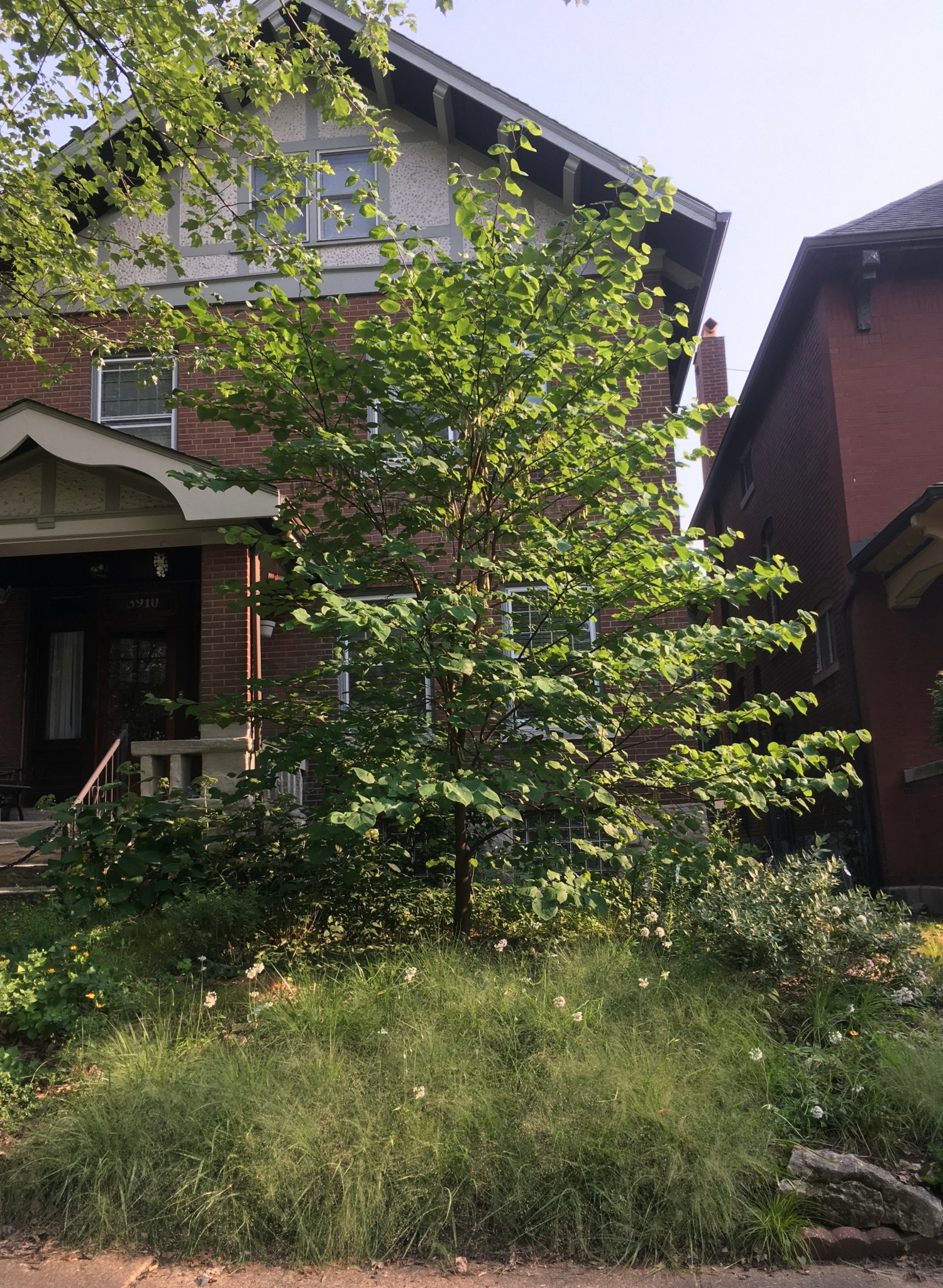
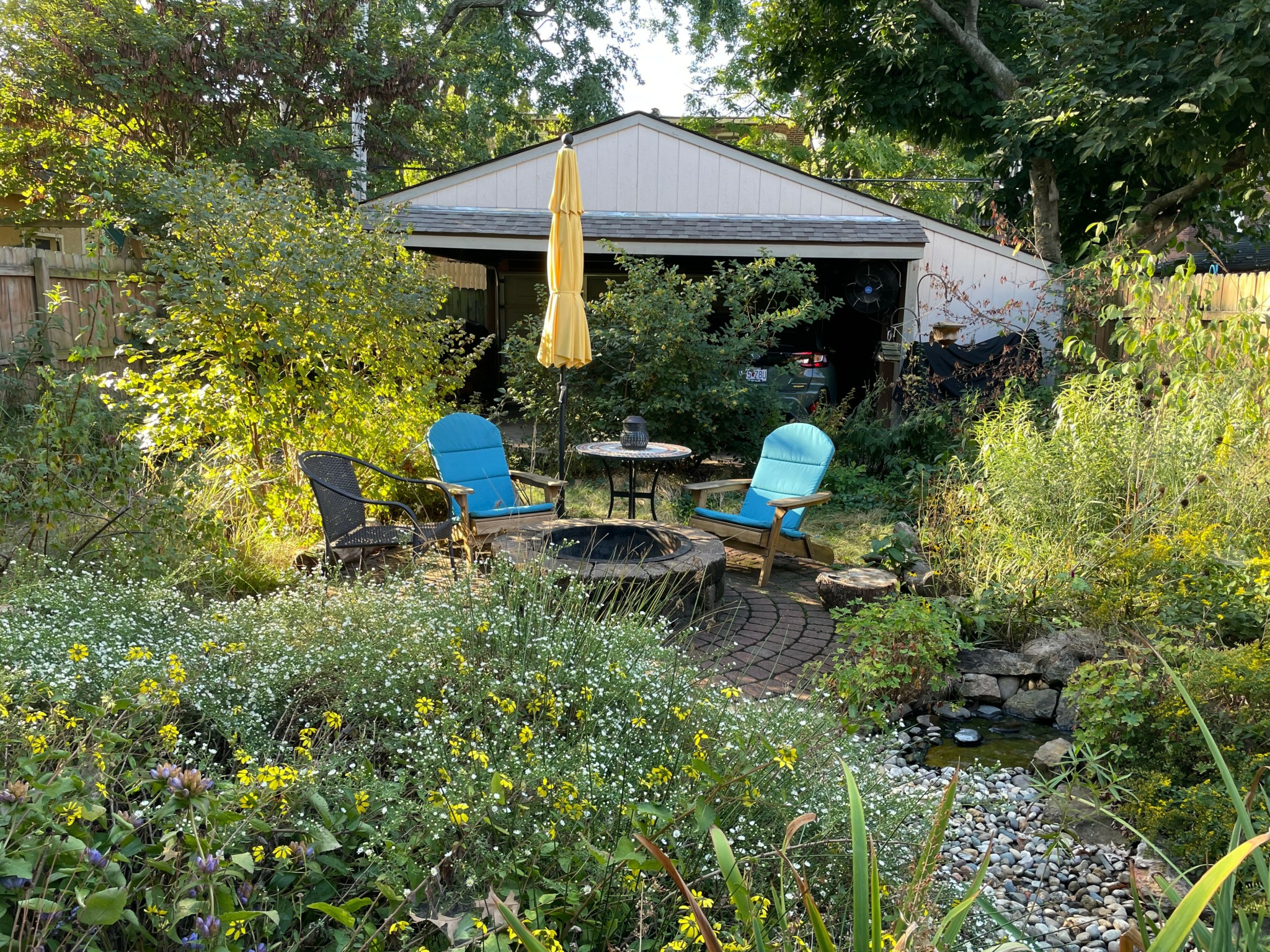
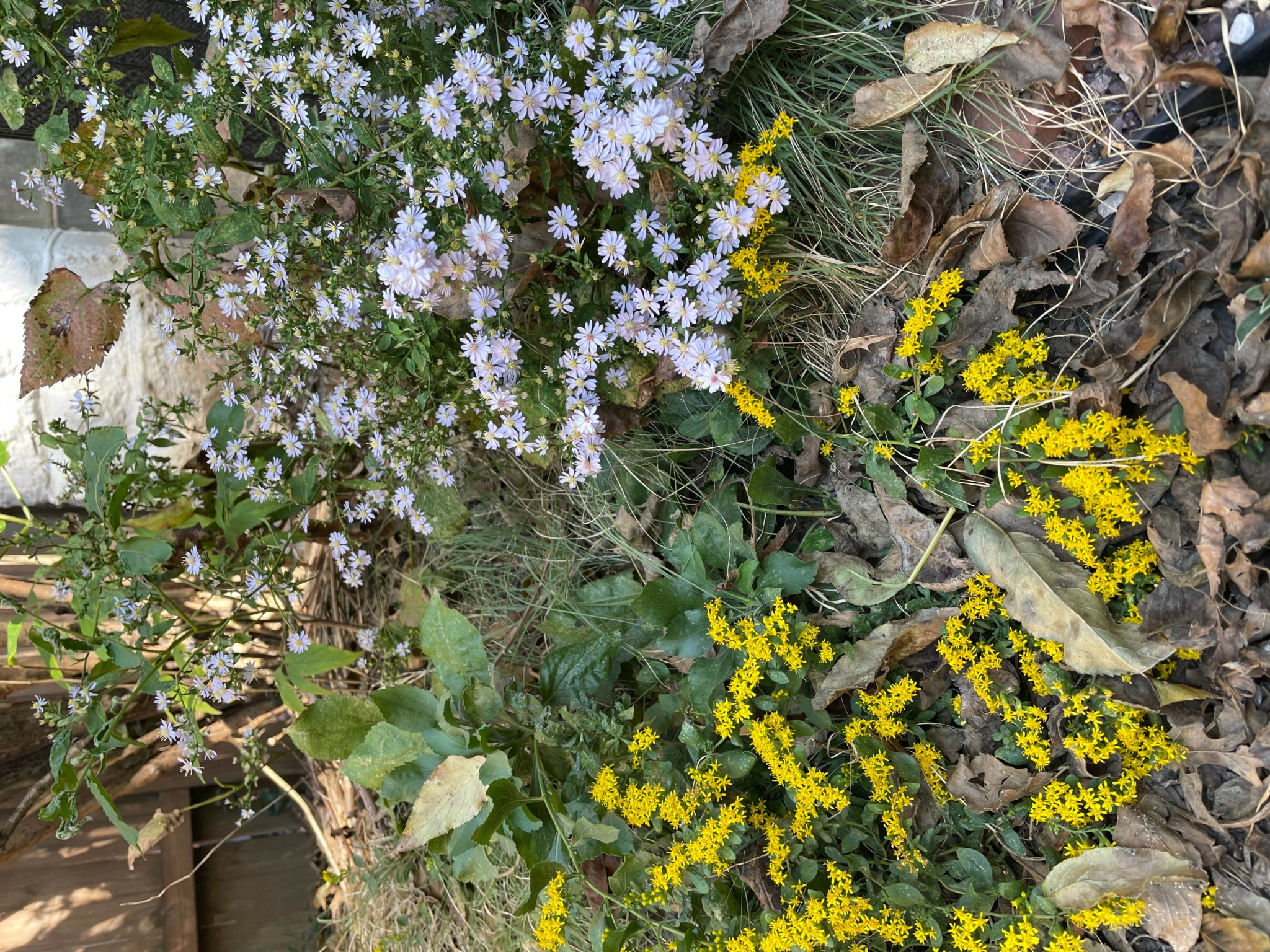
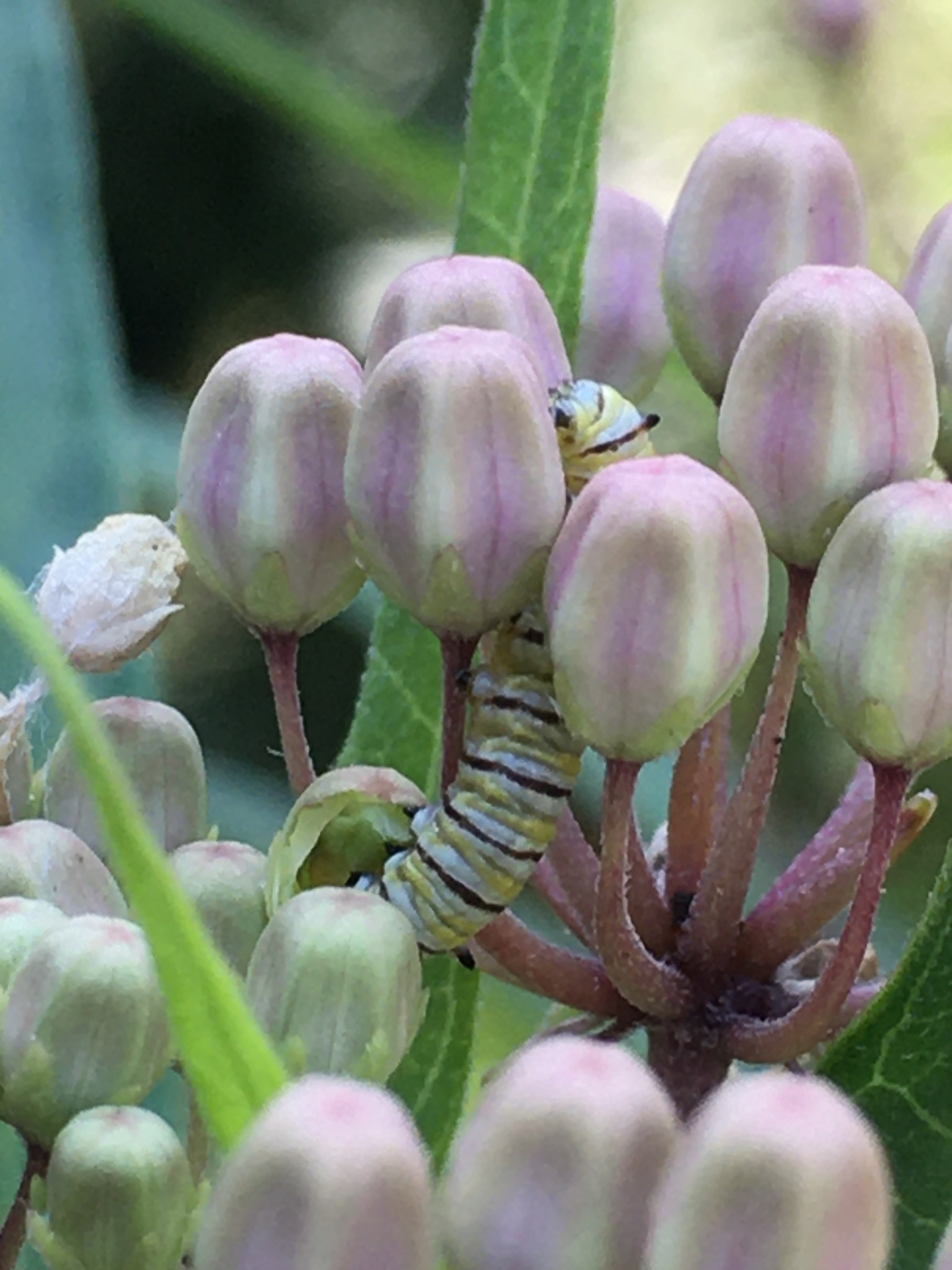
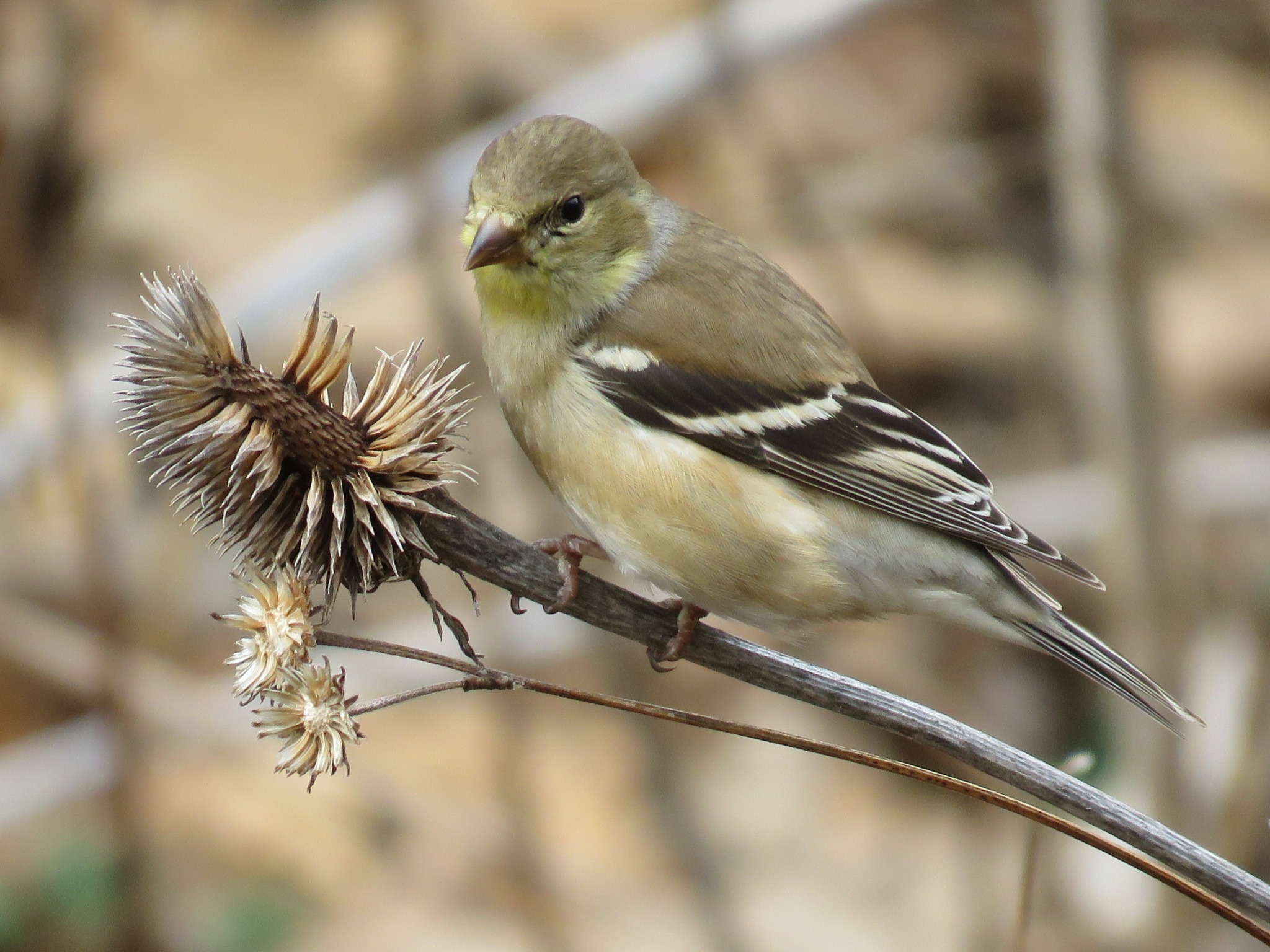
My love for them started there – here were plants that didn’t require much in the way of soil amendments, watering beyond establishment, no fertilizer, etc. That was a big sell for me! Then, thanks to some helpful nudges, I started volunteering with St. Louis Audubon’s Bring Conservation Home program and learned the HUGE importance of using native plants to support our local ecosystems (insects, birds, etc.). Once, I learned this connection, I couldn’t get enough of these plants. I still can’t. Even just a small patch of native plants will draw in special visitors (like monarch butterfly caterpillars!) that you wouldn’t see in your yard otherwise. After some time volunteering, working, and playing around with these plants, I realized a) I love sharing the benefits of native plants with others, & b) there aren’t many professionals out there who specialize in designing/consulting others about native plant gardening. So, I went back to school for Horticulture, left my job in the financial industry, and took an internship with Forest Park Forever. While I was there, I acquired an ISA Arborist Certification in addition to my Horticulture degree, & founded my business St. Louis Native Plants LLC officially in 2014 to offer native landscape design, consultations, & education to homeowners. I recreate landscapes to work with their natural environment rather than against it and love helping clients to do the same.
During the pandemic, I found myself getting another certification I had been thinking about for years, the ANFT (Association of Nature & Forest Therapy) Guide Certification. This felt like a logical step for me. Once you have a native plant garden, there are many ways to interact with it. Learning about the plants (and their visitors) is one way to engage with the landscape. But, another way that used to be lost on me, is simply *being* with the plants and connecting with them in a sensory & mindful way. Sitting still with them. With my ANFT Certification, I now also provide guided Nature & Forest Bathing experiences to help others connect with the natural world.
I have volunteered with multiple organizations including Grow Native, St. Louis Audubon Society’s “Bring Conservation Home” program as a Habitat Advisor, Shutterbee, & Open Space StL. I am a member of Grow Native and Wild Ones and worked as an intern, gardener, & horticulturist at Forest Park for 5+ years. I attained Platinum Certification with the BCH program for my outdoor space at both my previous & current residence.
My articles feature in notable publications such as Missouri Prairie Foundation and Wild Ones journals. Additionally, I’ve been interviewed on St. Louis Public Radio and designed a publicly accessible St. Louis Native Landscape for the National Wild Ones organization.
What do you think helped you build your reputation within your market?
When my path has felt unclear, I’ve tried my best to focus on what I value, being true to myself, and staying committed to this regardless of outcomes. For instance, if someone comes to me seeking my services, but they want to use a bunch of non-native plant species, I will suggest they work with someone else. Sure, I could assist them for the business. But, if I agreed to do this, it would be a disservice to the client since I don’t specialize in designing with non-native plants, but also would be taking me away from the thing I’m so committed to in my occupation. I’m very clear on my website that native plants are my specialty, my focus, & my love. Saying a gentle ‘no’ to the client who might be a better match with another business who specializes in what they want, frees me up for more business in line with my speciality.
I’m big on education/information to support folks who want to use native plants, so I’ve been lucky to be asked to give a wide variety of presentations, talks, interviews, articles, classes, & webinars which helps to let people know who I am and what I do, and the joy & enthusiasm I experience regarding native plants (& wildlife).
I’ve volunteered/given my time to organizations & efforts in the realm of native plants & wildlife without the laser focus on what fruit it will bear for me, and have made some connections with some really awesome folks doing the same work because of it.
We’d love to hear the story of how you built up your social media audience?
I started off with building a website and posting blogs regularly there. Then I started a facebook page and invited my facebook friends to like it. Over time, I’ve added instagram and a youtube channel. Typically, the more there are native plant events going on, or when I’m giving talks, more of an audience seems to be driven to my social media. I stick to posting about the things I love and let my joy shine through. I almost always try to weave something that will be of educational benefit to others. This all seems to make the content more entertaining for my audience than if I tried to be something I’m not.
Contact Info:
- Website: https://stlouisnativeplants.com/
- Instagram: https://www.instagram.com/stlouisnativeplants
- Facebook: https://www.facebook.com/StLNativePlantsbySusie/
- Youtube: https://www.youtube.com/channel/UCEiT6cM7R5liaA2mzjtjD_Q
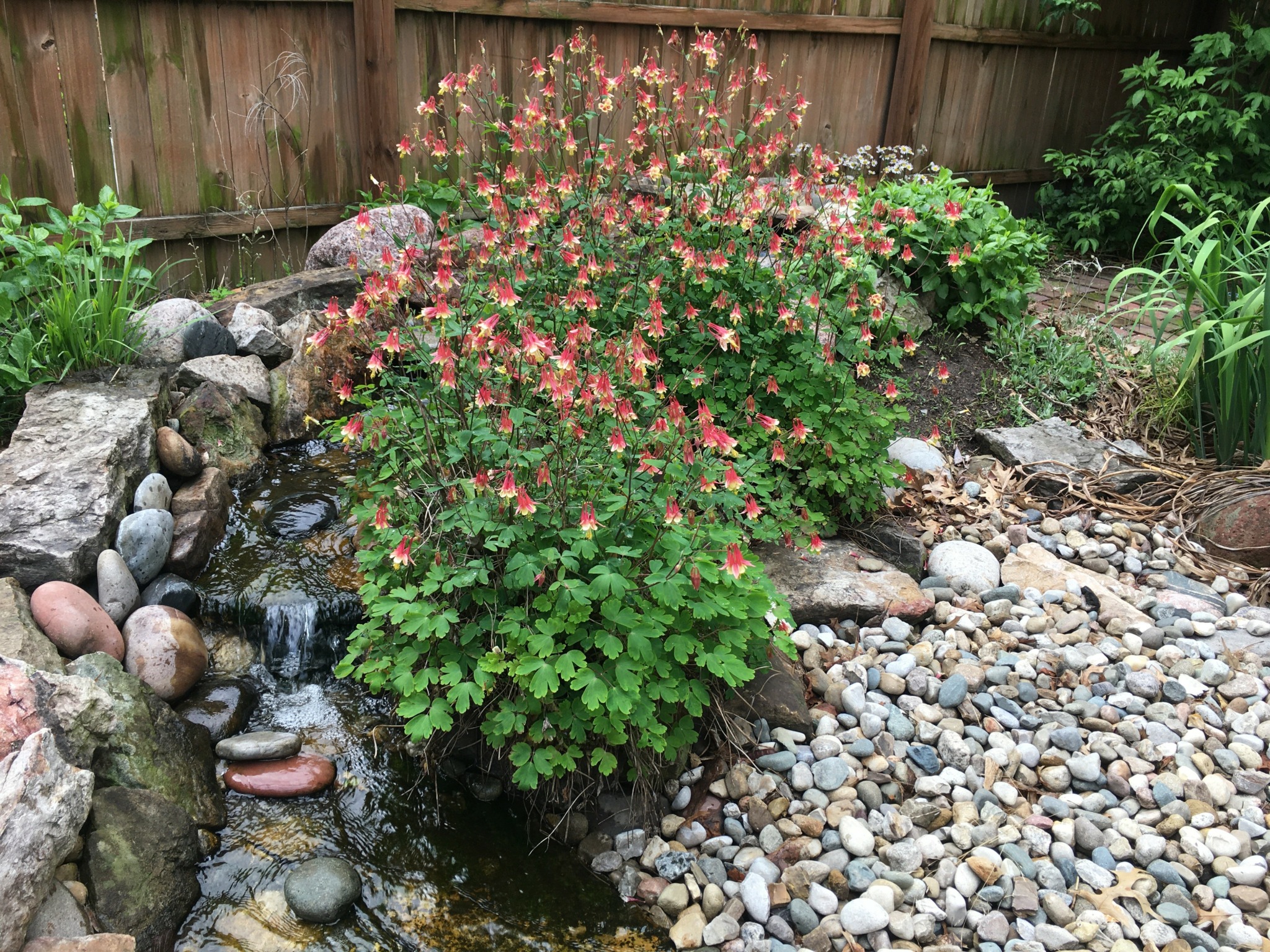
Image Credits
Susie Van de Riet