
Alright – so today we’ve got the honor of introducing you to Susie Tomenchok. We think you’ll enjoy our conversation, we’ve shared it below.
Susie, thanks for joining us, excited to have you contributing your stories and insights. We’d love to have you retell us the story behind how you came up with the idea for your business, I think our audience would really enjoy hearing the backstory.
When I was an executive at a Fortune 100 company, I was tasked with negotiating large, multi-year service contracts—often sitting across the table from media companies who brought their top decision-makers. I didn’t have formal training in negotiation, so I had to learn on the job. I studied everything I could—through observation, trial and error, and courses I sought out on my own.
But it wasn’t until I saw negotiation happening in the hallways of corporate—when I needed to advocate for my career, my team, or my priorities—that I realized these skills weren’t just for contracts. I started noticing it everywhere—at home with my school-aged daughters, even during our Target runs. They developed their own “Target strategy” to get what they wanted, and honestly, it worked. That’s when it clicked: negotiation isn’t just about the deal. It’s a mindset.
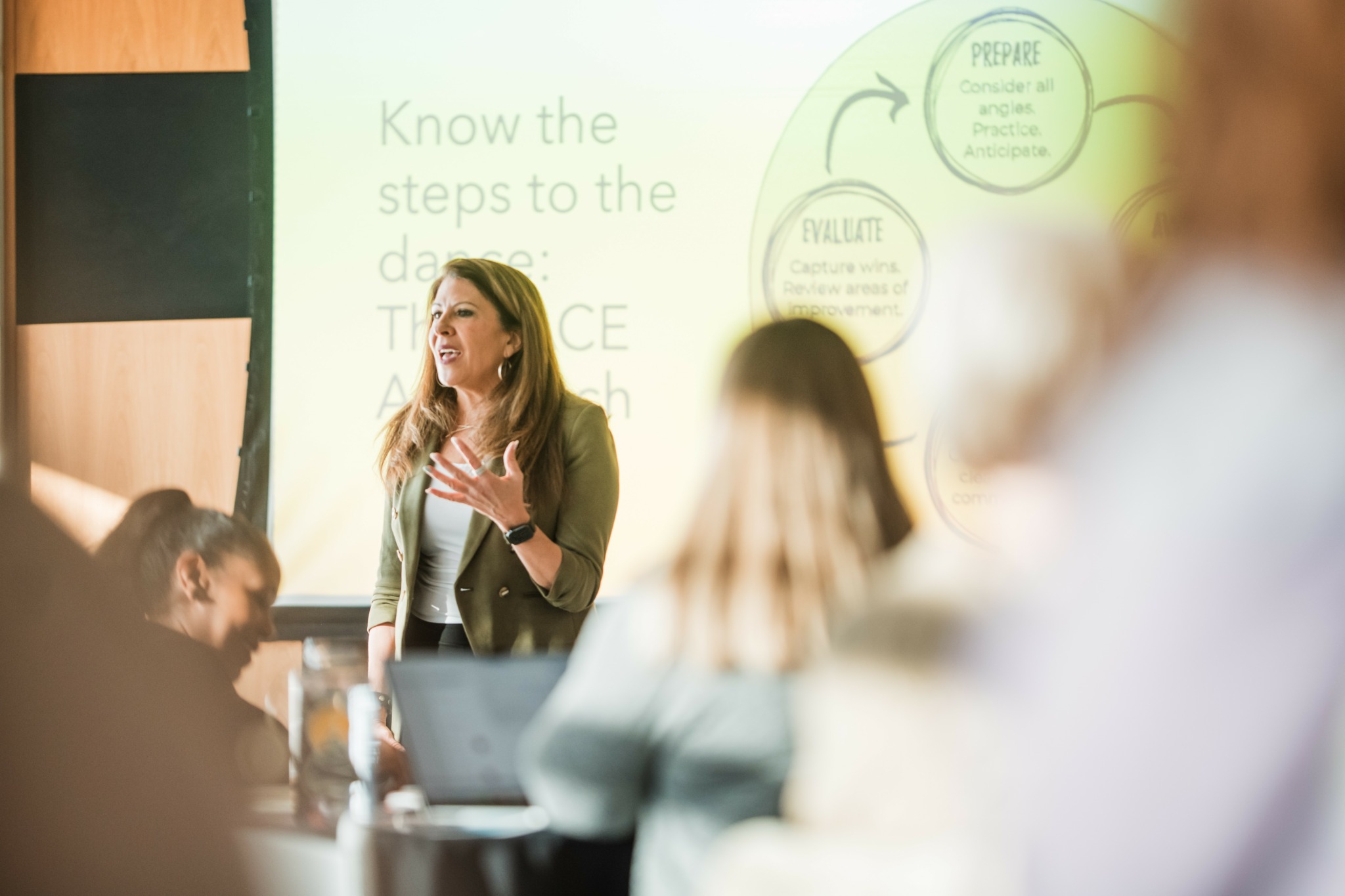
That realization is what led me to create the Negotiator Mindset™. Now, I help individuals and teams build the skills, strategies, and mindset that great negotiators use—not to manipulate, but to uncover value in high-stakes situations. Whether you’re in the boardroom, a team meeting, or a conversation with your kid, these tools help you get what you want while also being a trusted colleague, a supportive partner, and a really good human.


As always, we appreciate you sharing your insights and we’ve got a few more questions for you, but before we get to all of that can you take a minute to introduce yourself and give our readers some of your back background and context?
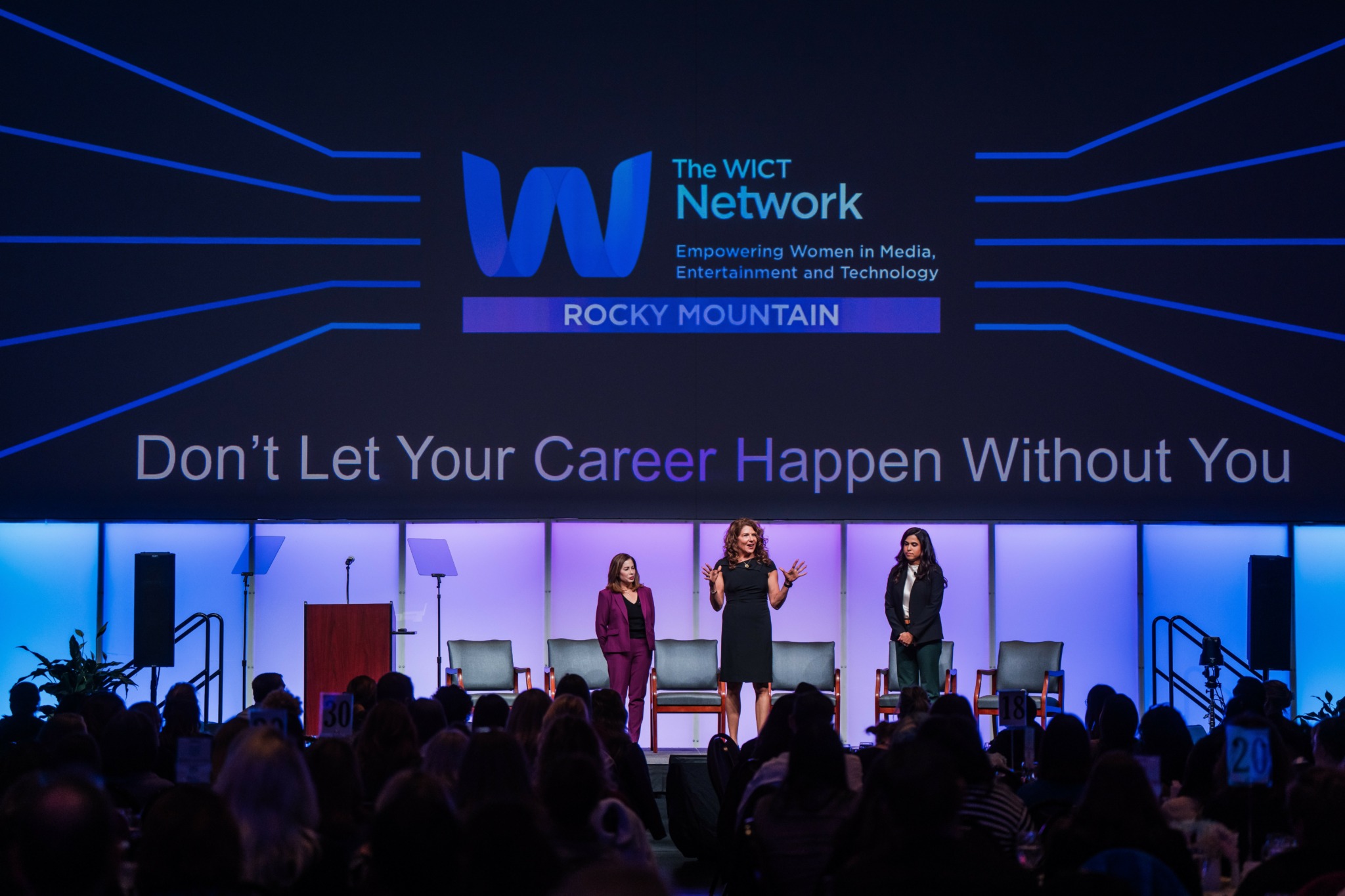
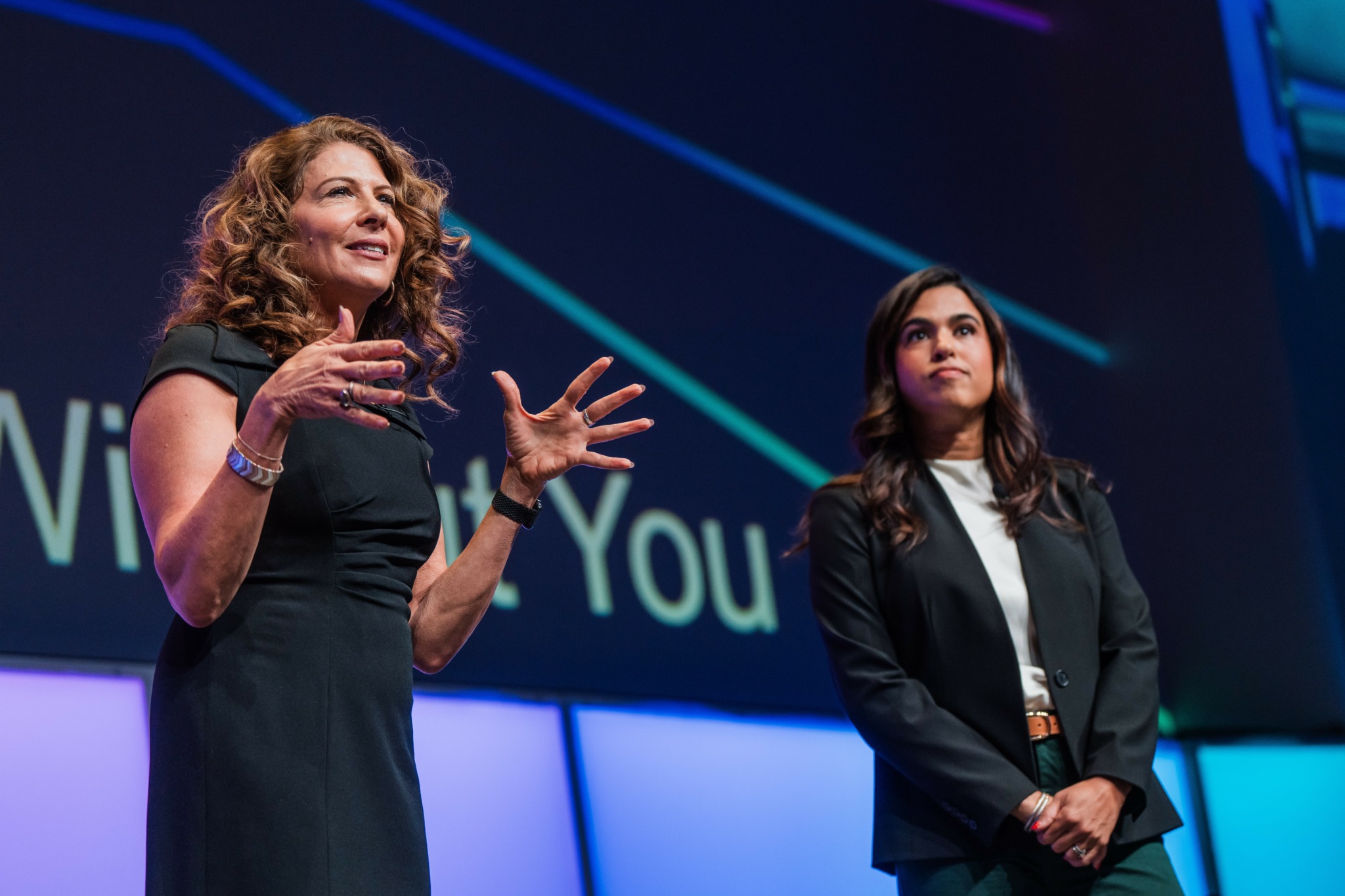
I’m Susie Tomenchok—an executive coach, speaker, and author who helps professionals adopt what I call a Negotiator Mindset™ to unlock opportunities in their careers and lives. My path into this work wasn’t exactly traditional. I started in the corporate world, managing an $80 million portfolio and negotiating high-stakes deals with companies like Disney, NBC, Boeing, and Gallup. But the real turning point came when I realized that the most powerful negotiations weren’t just happening across boardroom tables—they were happening in everyday moments, too: advocating for a promotion, speaking up in meetings, asking for support, or even navigating tough conversations with my daughters.
What I saw over and over again—both in myself and others—is that it’s not enough to just show up. You have to be seen. That’s what adopting a Negotiator Mindset™ is all about: helping individuals, executives, and teams learn how to show up with clarity, intention, and confidence.
It’s not about being the loudest or most aggressive. It’s about being intentional—knowing what you want, framing your value in a way that others can hear, anchoring ideas clearly, asking powerfully, and sometimes… knowing when to pause and let silence do the work. I help people develop and practice these skills in a way that feels authentic to them. And yes, it’s uncomfortable at times. But growth always is.
Now, I work with individuals, teams, and organizations—through workshops, keynotes, coaching, and online programs. I host the Get What You Want podcast and wrote The Art of Everyday Negotiation Without Manipulation to help more people see that negotiation isn’t about manipulation or winning—it’s about alignment, self-advocacy, and long-term impact.
What I’m most proud of is helping people realize that they have more power than they think. That when they stop waiting for permission and start showing up with a Negotiator Mindset™, they don’t just get more of what they want—they also become the kind of leader, teammate, or partner that others trust and want to follow.

We’d love to hear a story of resilience from your journey.
I had just started a new role, brought in by two new owners—Brad and Steve—to help run a $300 million collection of technical facilities. I was their first hire. And I thought: This is it. I’ll unify these teams, build trust, and grow something powerful with them.
What I didn’t see—what I didn’t know to look for—was that every other leader had deep, longstanding relationships. I was the outsider. And I had unknowingly stepped into a political minefield.
But I did what I’d always done. I kept my head down, worked hard, and advocated for others. I focused on being a team player, made other people look good, and assumed that would be enough.
Fast-forward two years: We were preparing a major client proposal—the kind of high-visibility deal you want to get exactly right. On a planning call, Jim—the President of one division—says, “Susie will deliver the proposal in three days.” That was fine. Normal, even.
Except this time, no one followed up. No returned calls. No texts. No emails. Nothing.
I was stuck. I started second-guessing myself. Should I escalate this? Should I loop in Brad or Steve? But I didn’t want to rock the boat. I didn’t want to make Jim look bad.
So I did what I thought was right. I pulled old quotes, drafted a conservative proposal, copied the team, and sent it in.
And then—radio silence.
By Monday, I started getting removed from meetings. My calls weren’t returned. I couldn’t reach anyone.
A few days later, I got an email from Steve asking me to fly to L.A. for a private meeting. And I knew.
When I walked in, Steve told me they were letting me go. That I had gone rogue. That I had submitted a proposal without alignment.
And here’s what still sticks with me—I didn’t defend myself. I didn’t explain. I didn’t advocate. I didn’t ask for anything.
I was silent.
Not because I didn’t have anything to say—but because I had no plan. No BATNA. I hadn’t thought through any alternatives. I hadn’t prepared to negotiate for myself. And in that moment, I couldn’t even find my voice.
I didn’t see the full story until much later—how I’d been set up, how my silence was used against me. But even then, I stayed quiet. I didn’t tell anyone I was fired. I said they needed someone in New York and I couldn’t relocate. That was the story I told. It wasn’t the truth.
And that’s why I’m sharing this.
Because I didn’t do anything wrong—but I also didn’t do anything to protect myself.
I didn’t ask a question. I didn’t clarify expectations. I didn’t prepare a response in case things went sideways. And because I didn’t have a BATNA—my Best Alternative to a Negotiated Agreement—I couldn’t pivot when it mattered.
That’s the real power of preparation. It’s not just about having leverage at the table—it’s about staying grounded when the pressure hits. It’s about giving yourself options before the emotion takes over.
I’ll never walk into a high-stakes situation without one again.
And I don’t want you to either.
Where do you think you get most of your clients from?
Referrals are by far the best source of new clients for me. It’s not just about bringing in new logos—it’s often about expanding relationships within a company. When I work with one senior leader or team, others take notice. They hear about the impact, the mindset shift, and they want the same experience for themselves or their teams.
What’s funny, though, is that we all know referrals are powerful—but most of us don’t ask for them. Why? Because it feels uncomfortable. And yet, research shows that people are usually happy to help—they just need to be asked.
I saw this play out with an executive friend of mine who offered to help get sponsorships for our podcast. He said it with total confidence—“I’ll reach out to my network.” Easy, right? But when it came time to actually write the email and press send? You could see the hesitation kick in. That moment of “Ugh, this feels weird” crept in—even though he believed in what we were doing.
That’s such a perfect example of why I teach the Negotiator Mindset™. Because even experienced leaders hit mental blocks when it comes to advocating or asking. It’s not about manipulation—it’s about learning how to ask in a way that feels aligned, intentional, and impactful. And when you do? Amazing things happen.
Contact Info:
- Website: https://www.susietomenchok.com
- Instagram: https://www.instagram.com/susietomenchok/
- Linkedin: https://www.linkedin.com/in/susietomenchok/
- Twitter: @susietomenchok
- Youtube: https://www.youtube.com/@susietomenchok4822