

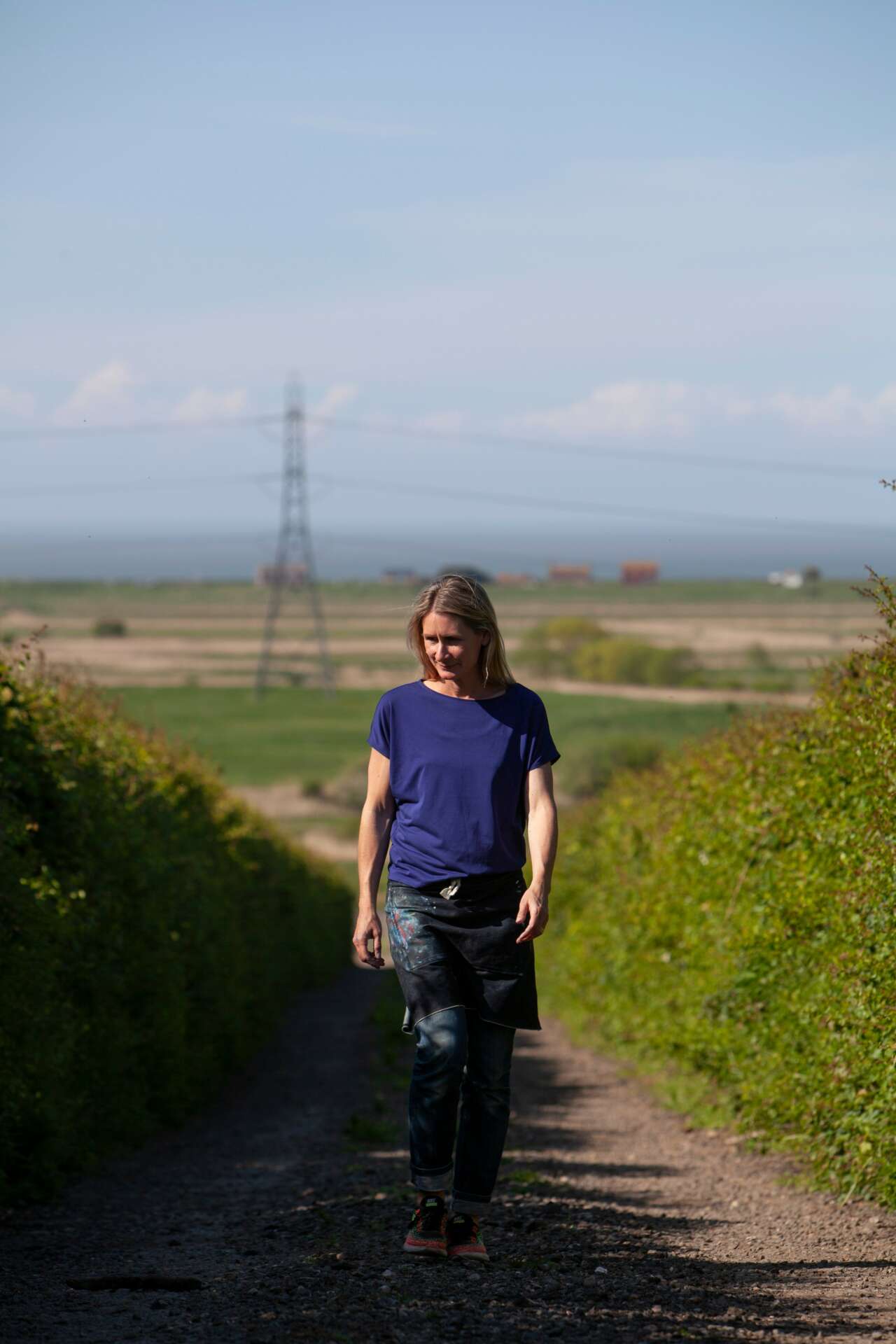

We’re excited to introduce you to the always interesting and insightful Suki Hayes-Watkins. We hope you’ll enjoy our conversation with Suki below.
Suki , appreciate you joining us today. What’s been the most meaningful project you’ve worked on?
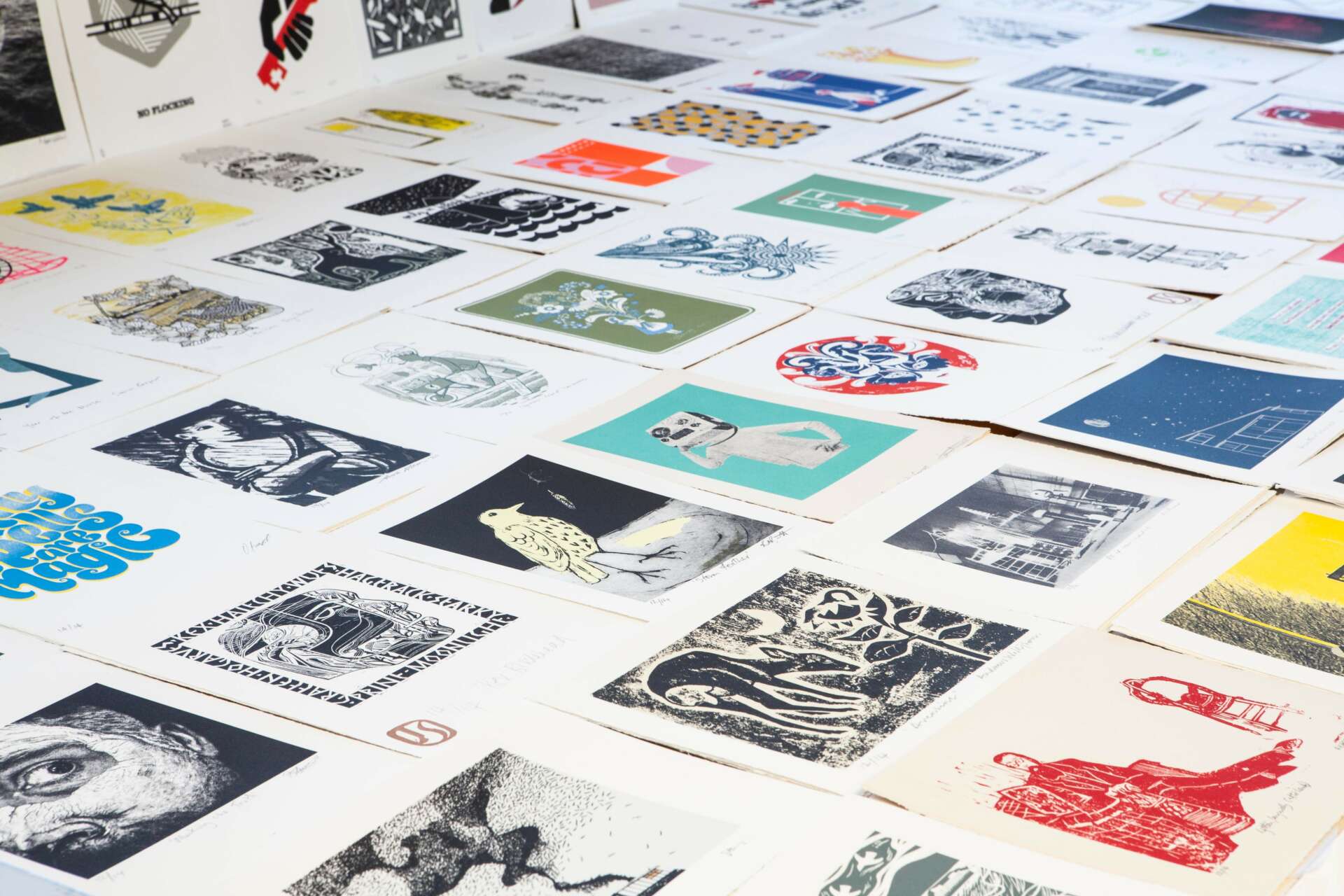
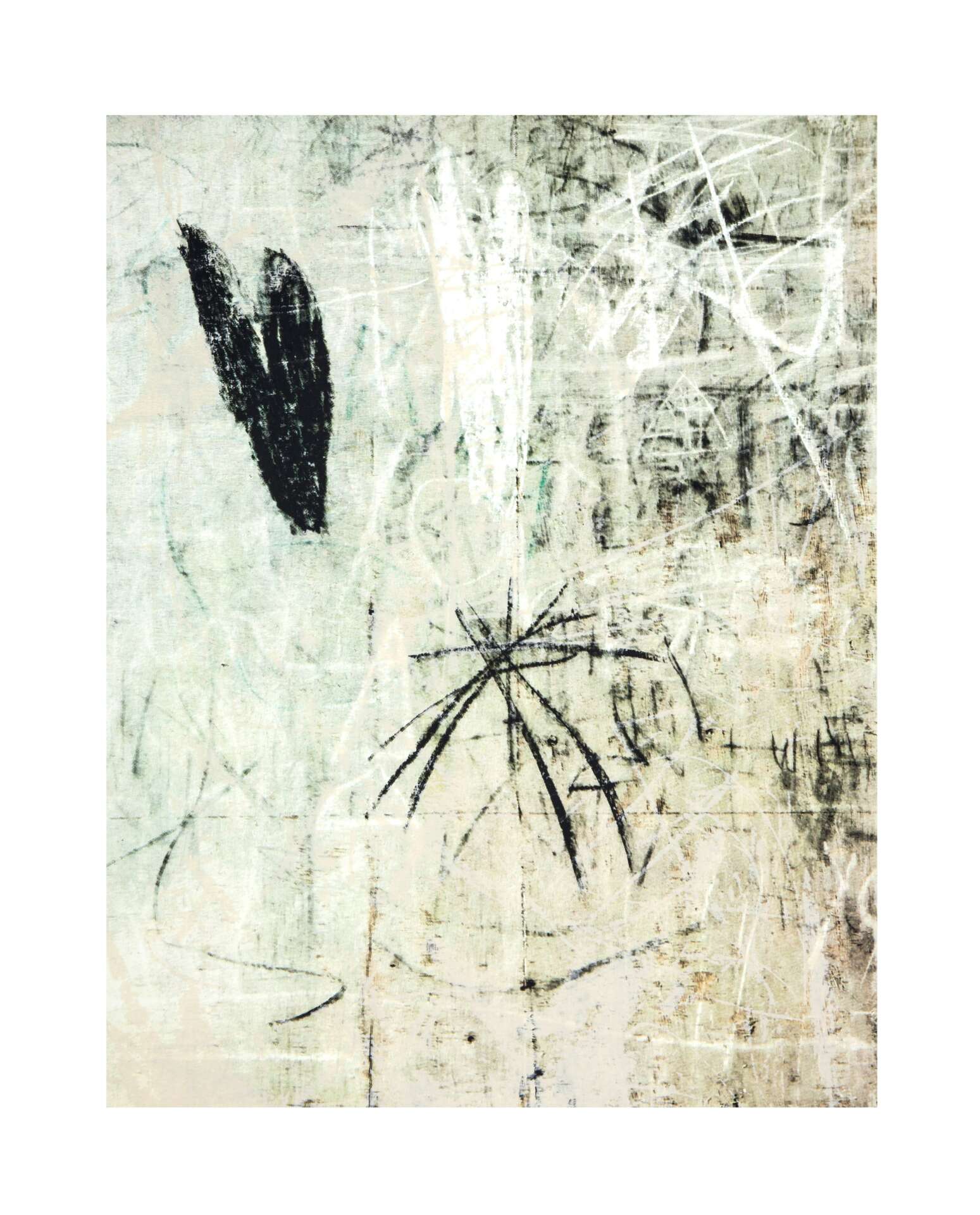
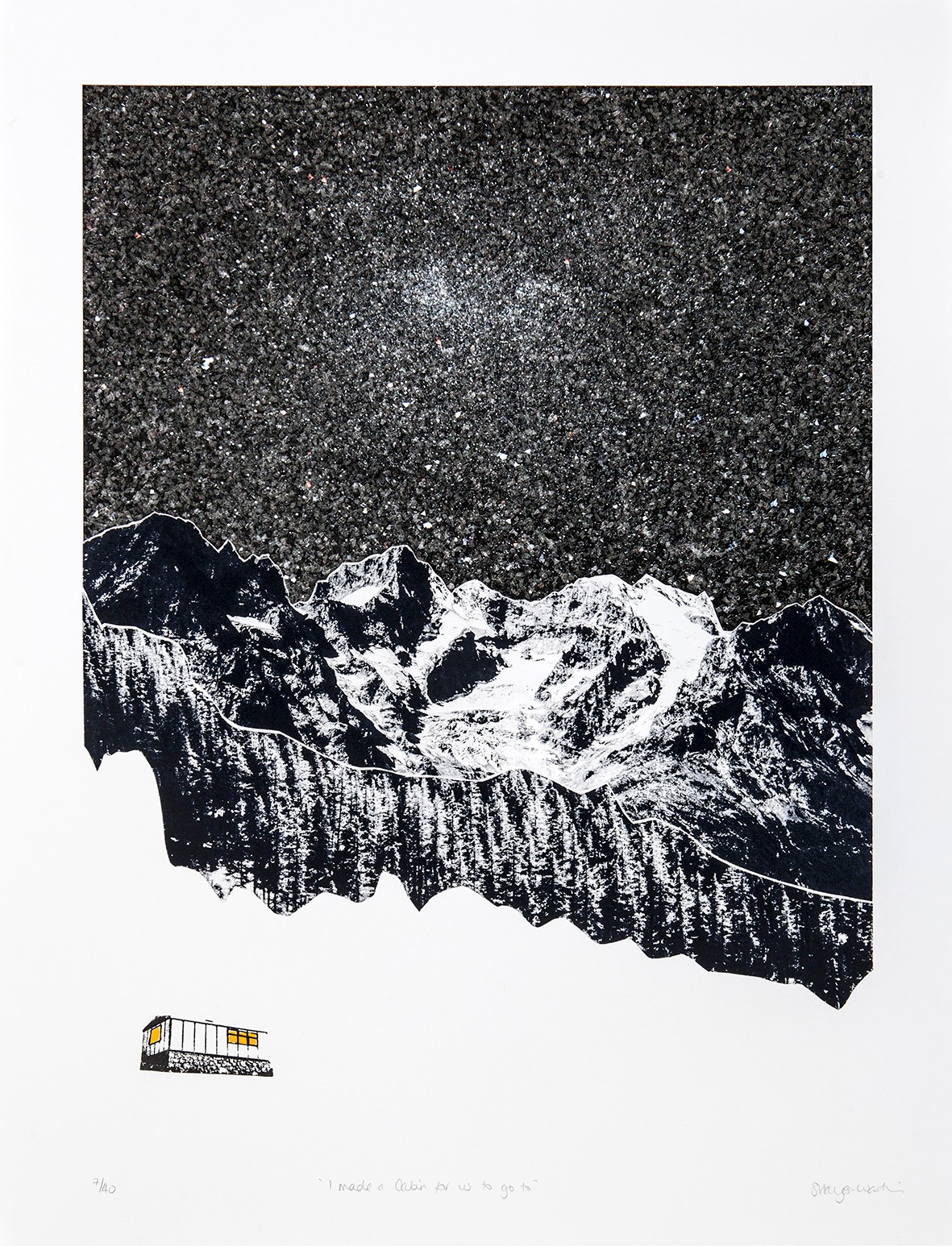
My business is mainly to help artists to create screen prints, supporting them through making stencils and then editioning the works for them. I’m the technical brains if you like to their creativity. I have worked on many projects from one off pieces to entire solo exhibitions , record covers to artists books. At the start of lockdown, the diary suddenly emptied out as one by one the art fairs got cancelled and we all became scared of spending out money with no income. I knew I had to do something to try and work with the situation so came up with the idea of The Offcut Project. The project was an open call for artists to submit works in no more than 2 colours. I then editioned these images onto offcuts of paper that I had at the studio, the edition was sent to the artists for signing and back to me for sales. The aim was to raise much needed funds for the Trussell Trust charity which supports food banks across the UK which were being inundated at the time (and still are). We raised over £10,000 in 6 weeks and in doing so, also created a community of artists who continue to support each other to this day and many of whom have become regular clients for me. It is one of the most rewarding projects I have worked on.
Great, appreciate you sharing that with us. Before we ask you to share more of your insights, can you take a moment to introduce yourself and how you got to where you are today to our readers.
I studied Fine Art Printmaking at Winchester school of art where I found my love of all things print. Always in the dark rooms, the etching studio or the screen print studio, I developed my own practice, crossing over the disciplines and pushing the boundaries of print. After art school I moved to London where I got a job working in a colour darkroom, learning from one of the best in the industry, Danny Pope at Matchless prints. The studio worked for many photographic greats including Eve Arnold, Linda Mcartney and many top fashion and music photographers of the time.
After 5 years I set up my own darkroom with business partner and fellow printer Mick Reay, called Salamander Photographic, based in Londons Hoxton Square. It was an awesome time to be in that area and we worked with many photographers in the fashion, advertising, music and fine art industries. Life was pretty good and the bars were always full of great creatives.
As digital photography started to creep in and take over, Mick and I decided it wasnt for us. My first daughter was 1 year old so we decided to sell up and relocate to Whitstable in Kent.
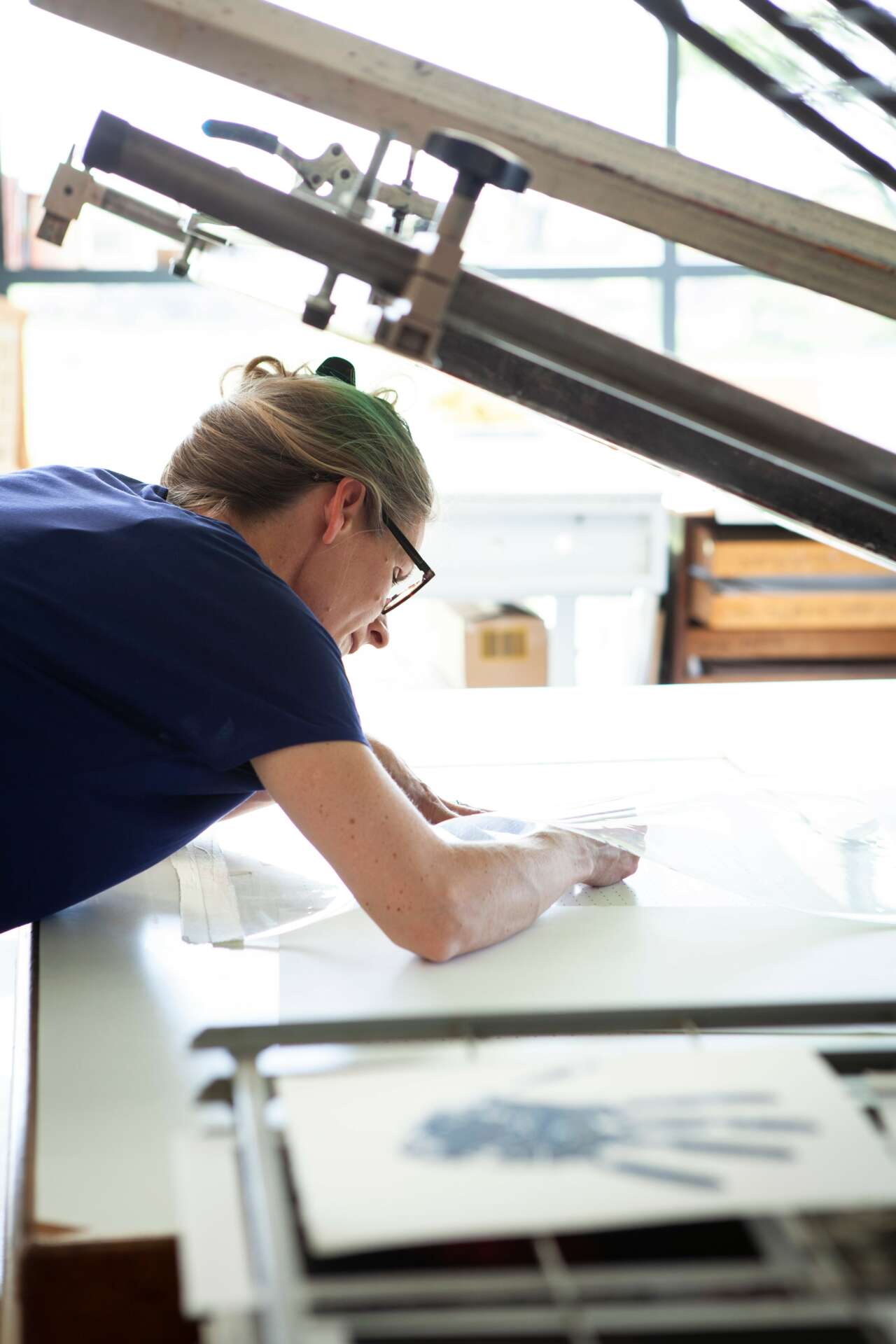
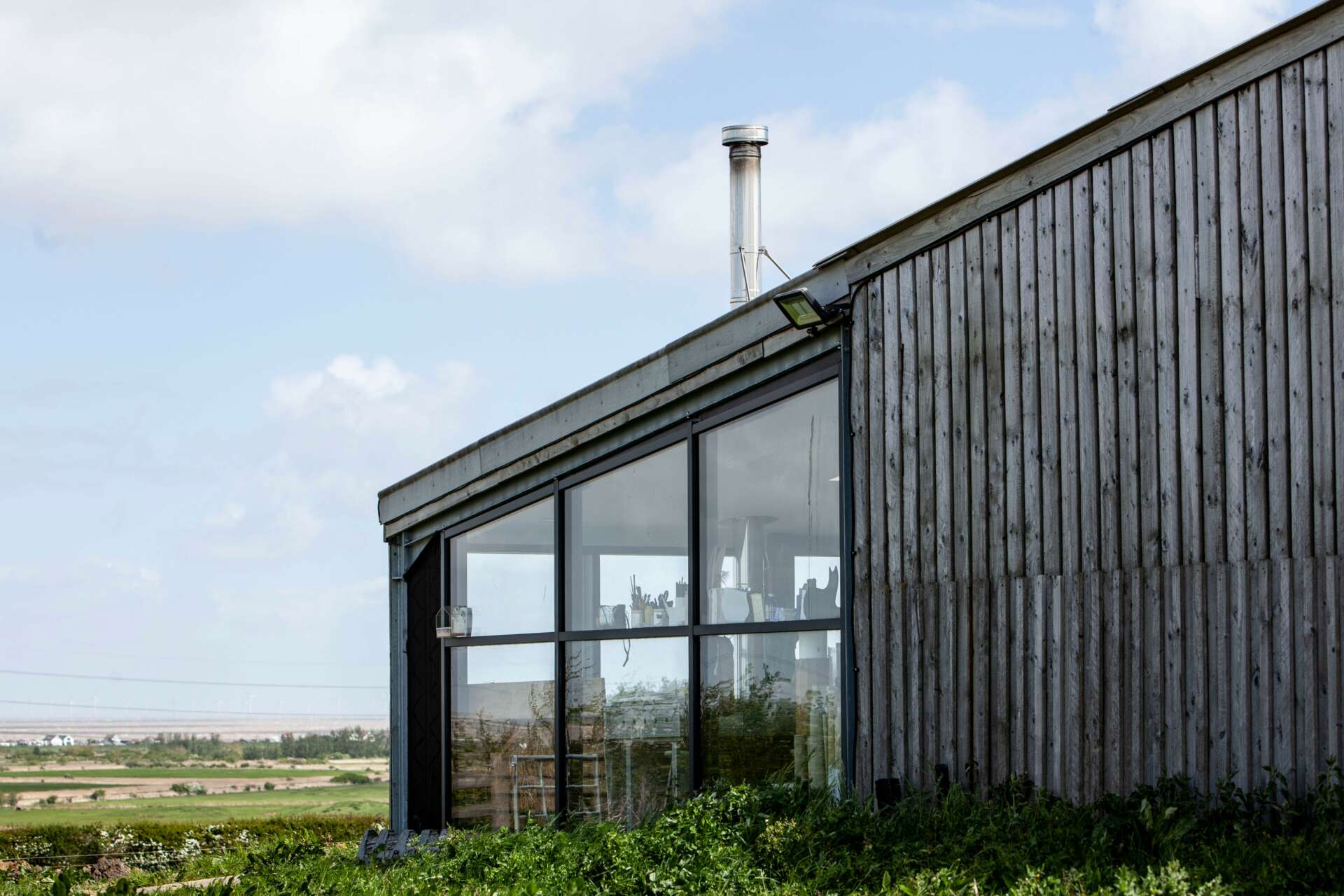
After a few years of growing a family (3 daughters) I decided to go back into the world of print and set up The Print Block. Originally in Whitstable Harbour, I am now located in a studio on top of a hill with far reaching views out to sea. Artists come to me, sometimes for days at a time to work through projects collaboratively and under my guidance. We create stencils, proof colours and once the print is where we want it to be, I am left to run the edition. Its a calm and creative place to make work and a great escape from the city for my clients. I work with clients on exhibitions, artists books and records. I love getting to know each artists who comes to me, developing a relationship over time which enables them to trust me with their work.
What do you think helped you build your reputation within your market?
In both of the creative businesses I have owned, I can safely say that the best way to advertise and get new clients is by doing the best job you can for your existing clients. Its a small world and creatives are very connected, especially through social media. Word of mouth and recommendations are hands down the best way to get new clients and its free!
Can you talk to us about how your funded your business?
I had no lump sum for starting my business and so it was a slow start. I got the basic kit I needed, mainly through eBay and donations and then spent a few years teaching screenprint and putting the money earned straight back into the studio to buy kit and materials. It took around 3 years to turn a profit and then things really took off and I haven’t looked back. No loans and no stress, just hard work that I enjoyed. See what works and go with it, allow the business to be adaptable and grow organically to suit the needs of your customers and you will end up with a strong business.
Contact Info:
- Website: www.theprintblock.com
- Instagram: @theprintblock
Image Credits
Photography by Andrew Hayes=Watkins