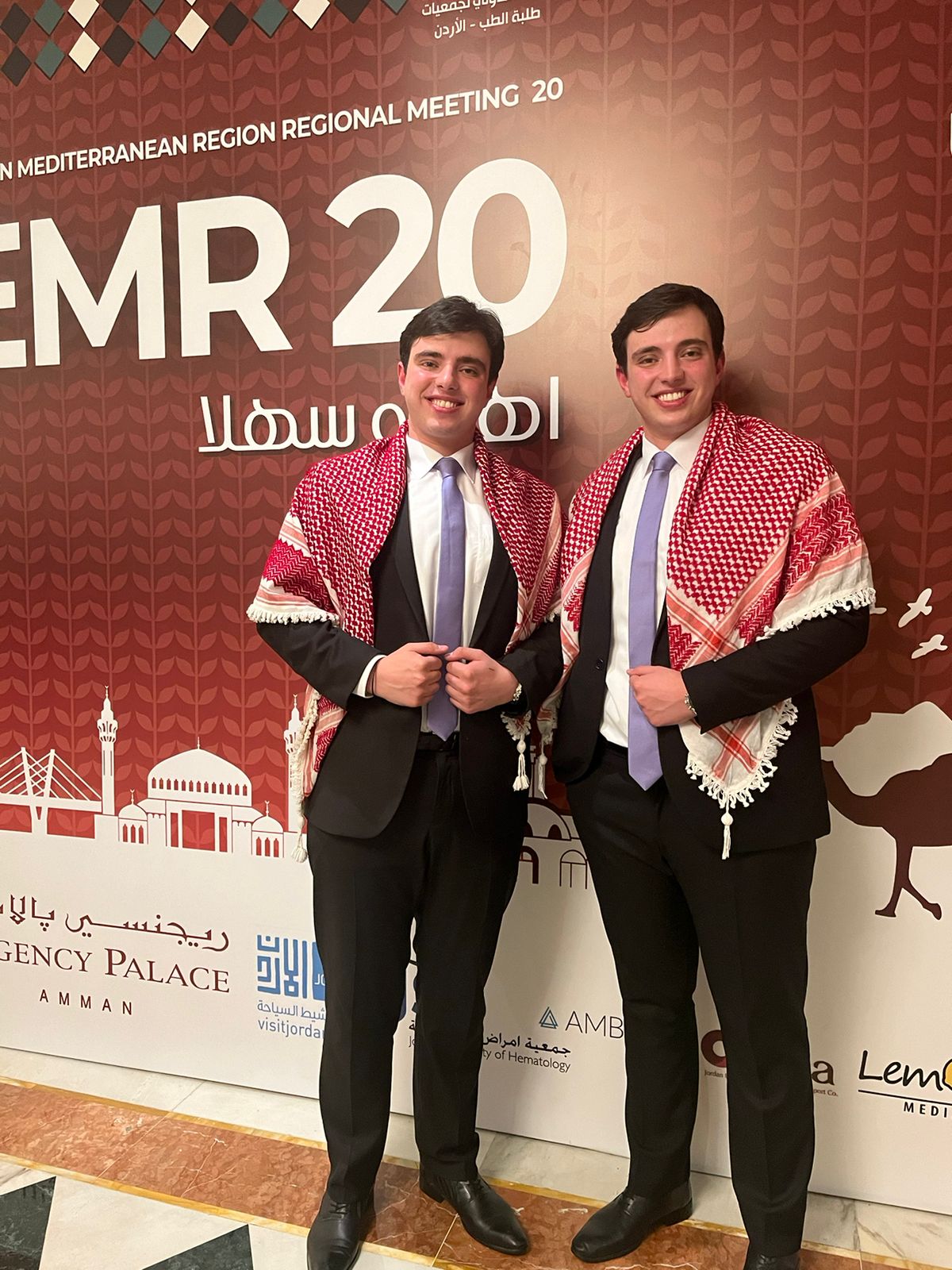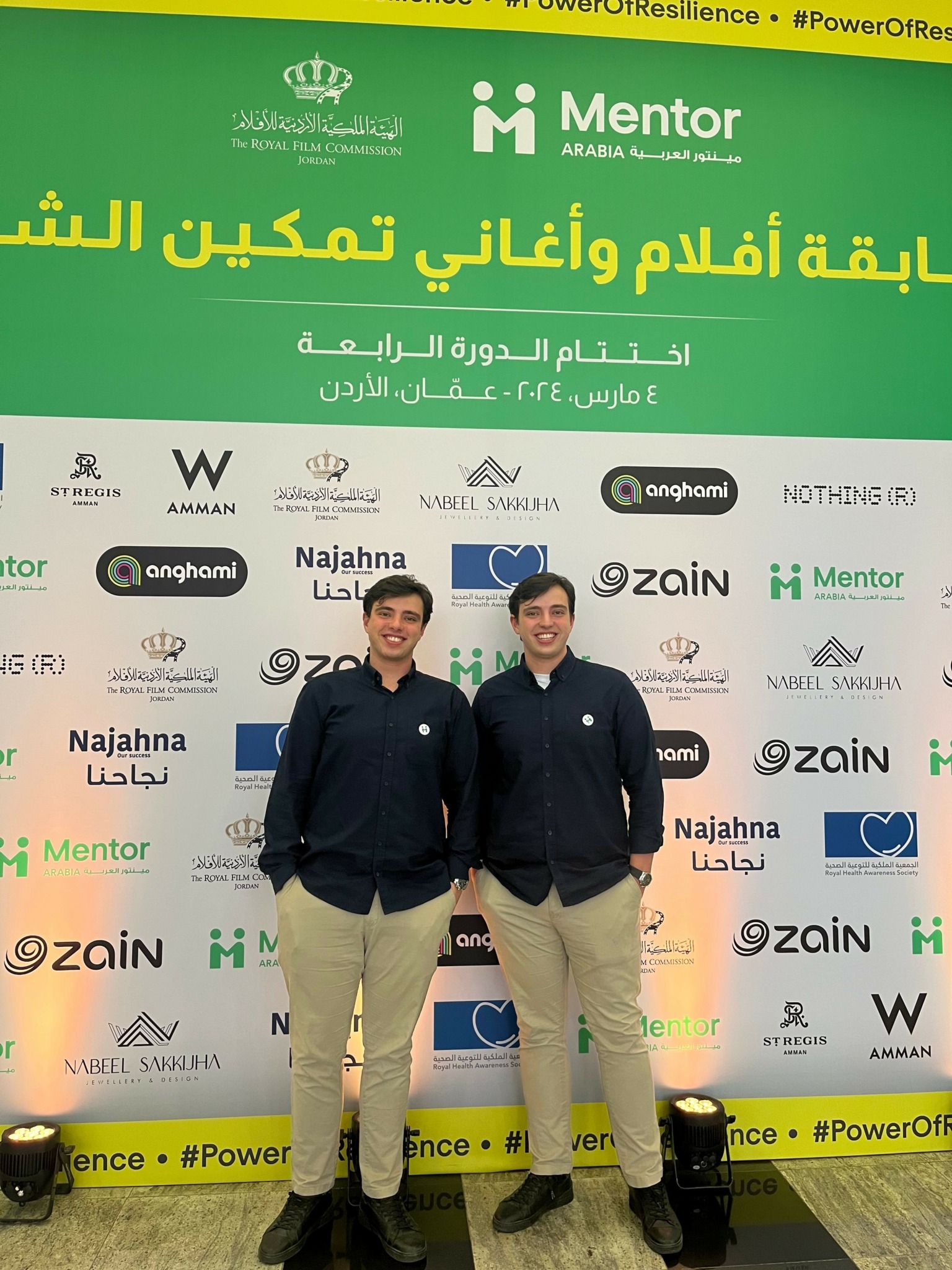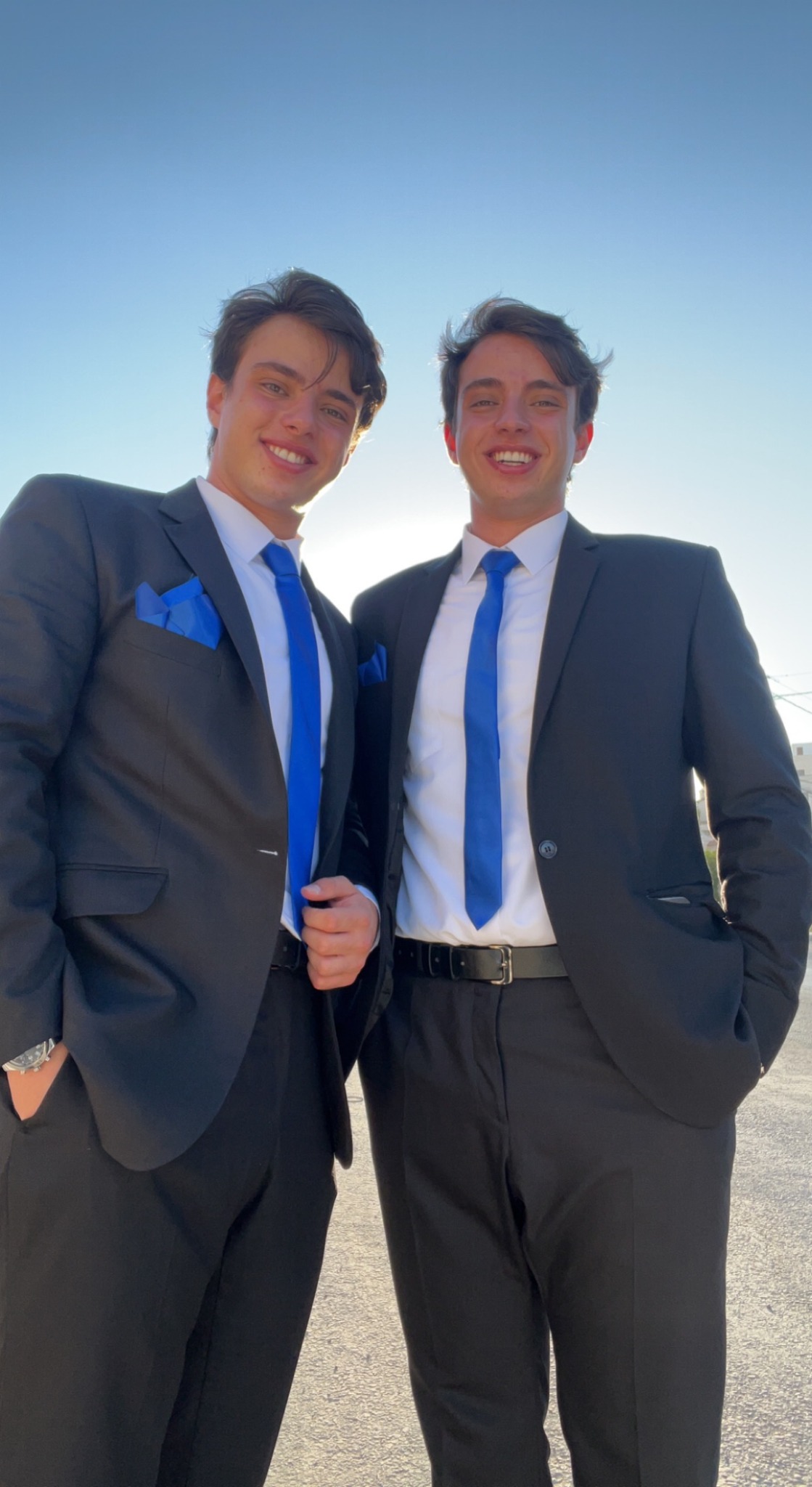

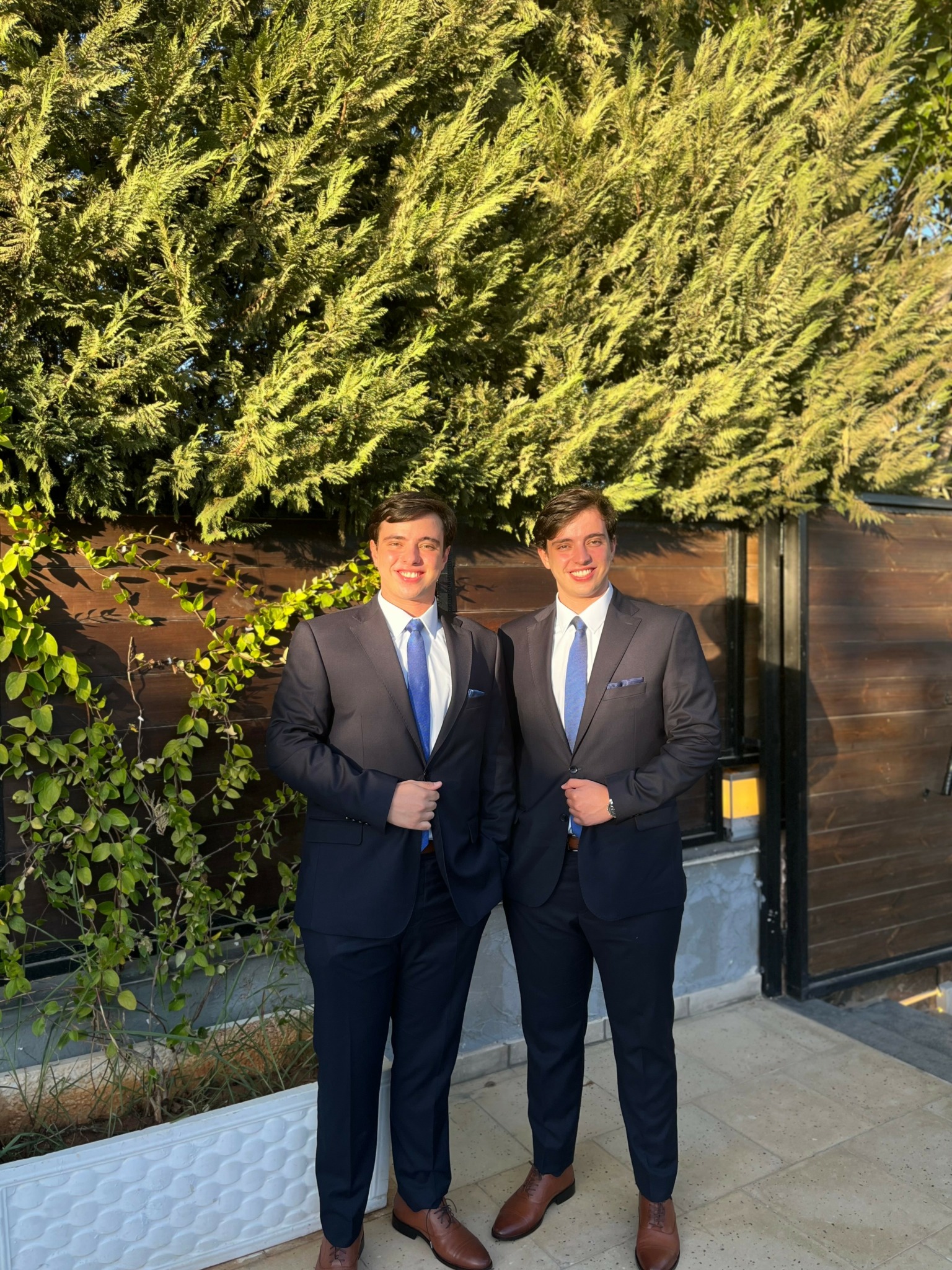
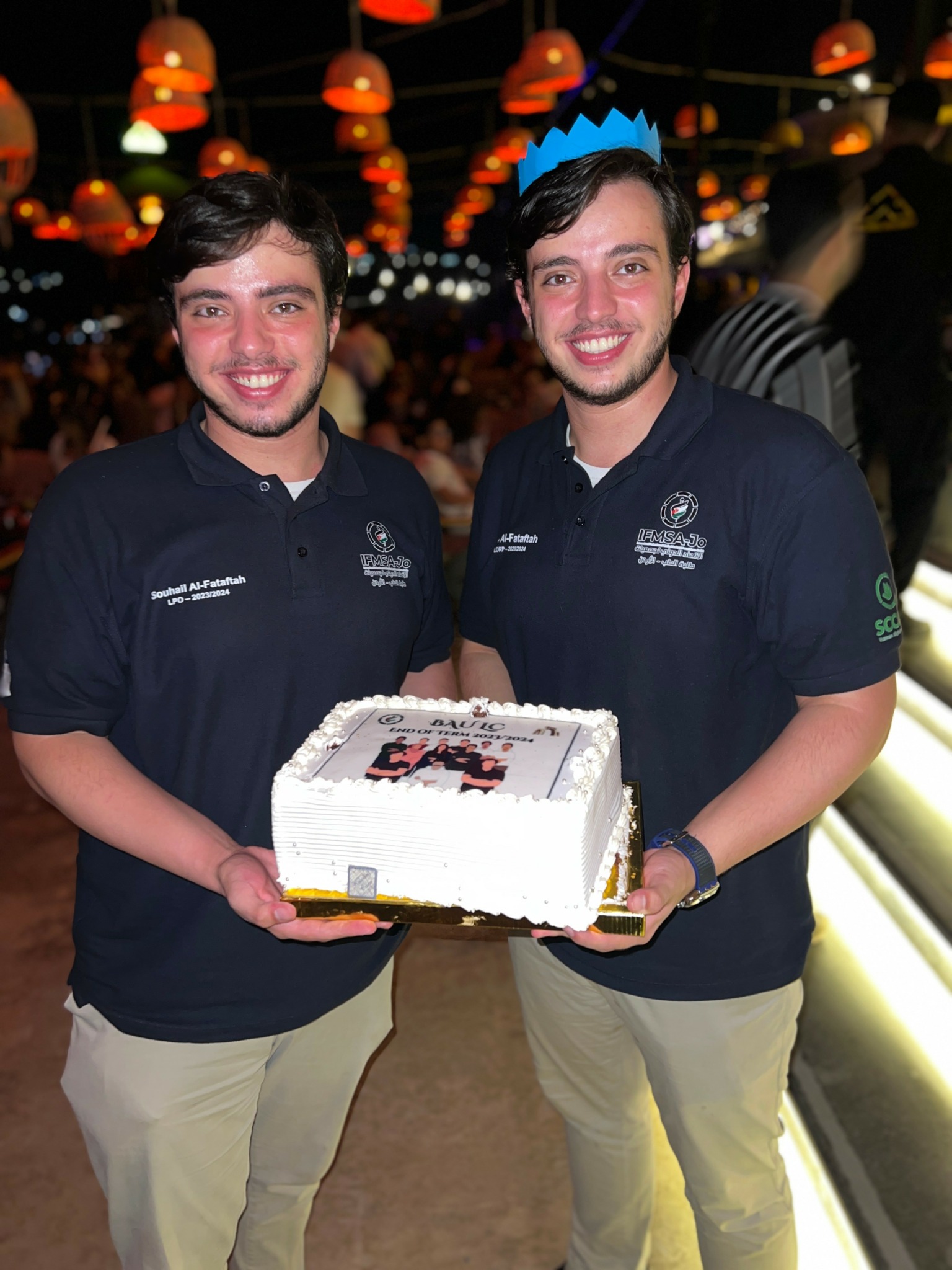
Alright – so today we’ve got the honor of introducing you to Suhail And Saif Al Fataftah. We think you’ll enjoy our conversation, we’ve shared it below.
Suhail and Saif, thanks for joining us, excited to have you contributing your stories and insights. Let’s go back in time to when you were an intern or apprentice – what’s an interesting story you can share from that stage of your career?
While many people’s first professional stories begin with internships or apprenticeships, ours took a different route, one that threw us straight into the deep end of leadership.
Instead of shadowing someone else, Saif and I decided to organize a free medical day for underserved communities. We weren’t interns; we were just two medical students who cared deeply and wanted to make an impact. That decision quickly taught us what real responsibility feels like. We had to contact sponsors, coordinate with doctors and pharmacies, manage resources, and somehow stay calm under pressure, all while ensuring we reached and helped as many people as possible.
There were moments of chaos, stress, and self-doubt, but we learned more in that experience than we ever could have from watching someone else lead. It taught us that leadership isn’t about having all the answers, it’s about being willing to step up, learn on the fly, and keep moving forward no matter how overwhelming it gets.
That experience didn’t just shape our view of leadership, it became the foundation of it.
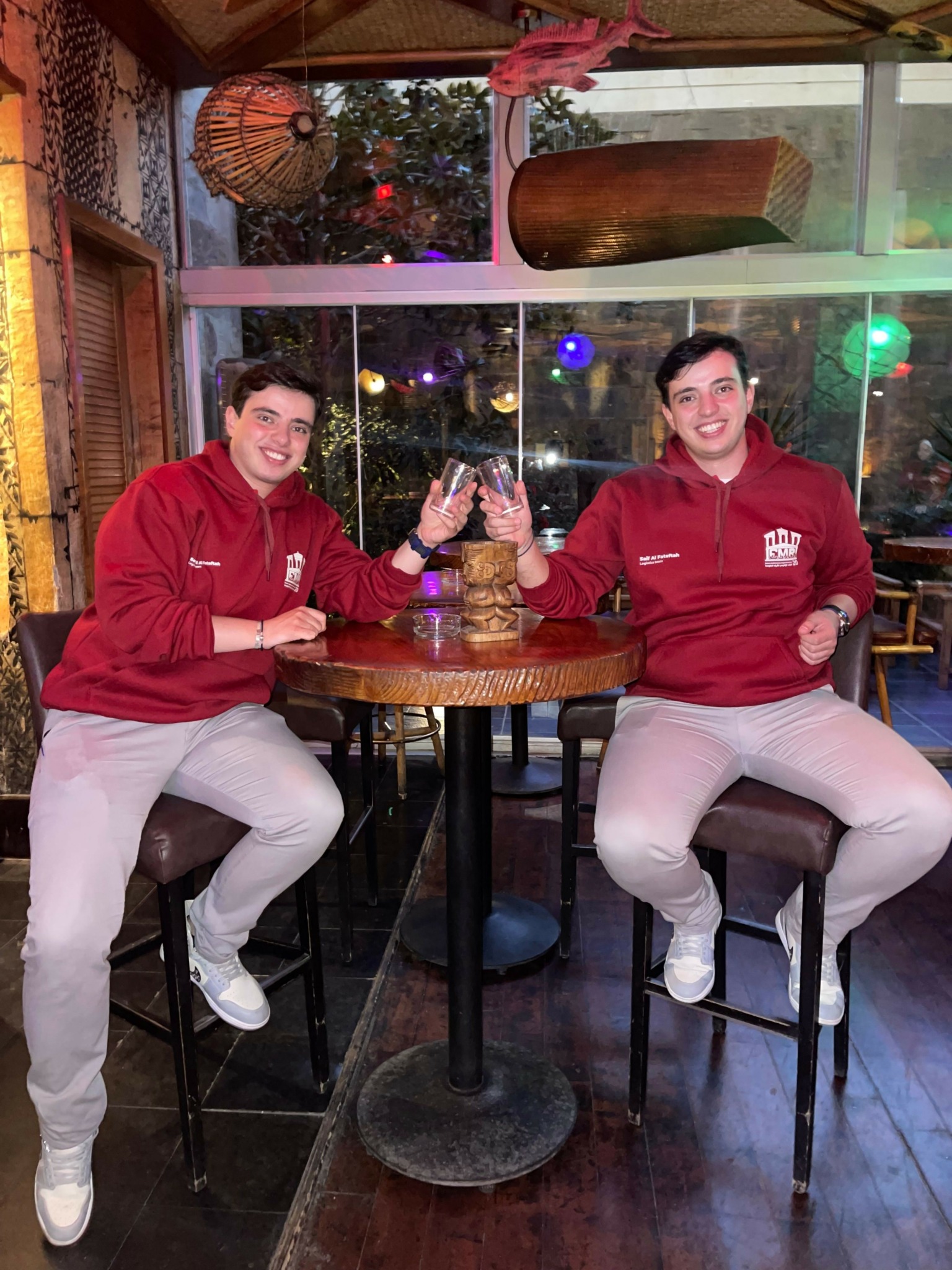
As always, we appreciate you sharing your insights and we’ve got a few more questions for you, but before we get to all of that can you take a minute to introduce yourself and give our readers some of your back background and context?
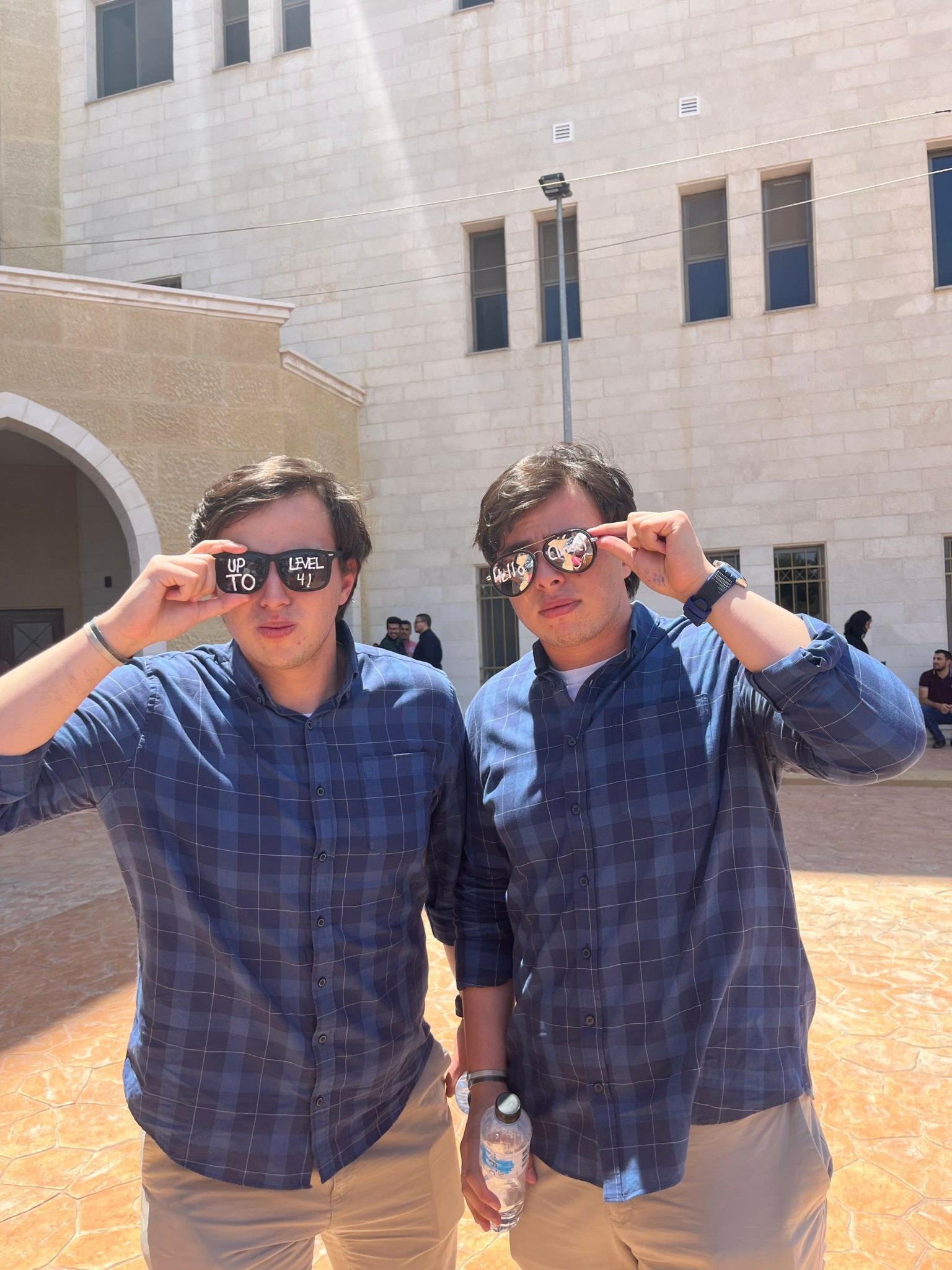
Saif and I are now in our final year of medical school, but our journey began much earlier, back when we were still students in school. From a young age, we both felt a strong urge to help others. So when our school launched a traffic awareness team and asked for volunteers, we didn’t hesitate for a second, we signed up immediately. That small act of volunteering was the first step in what would become a lifelong commitment to service.
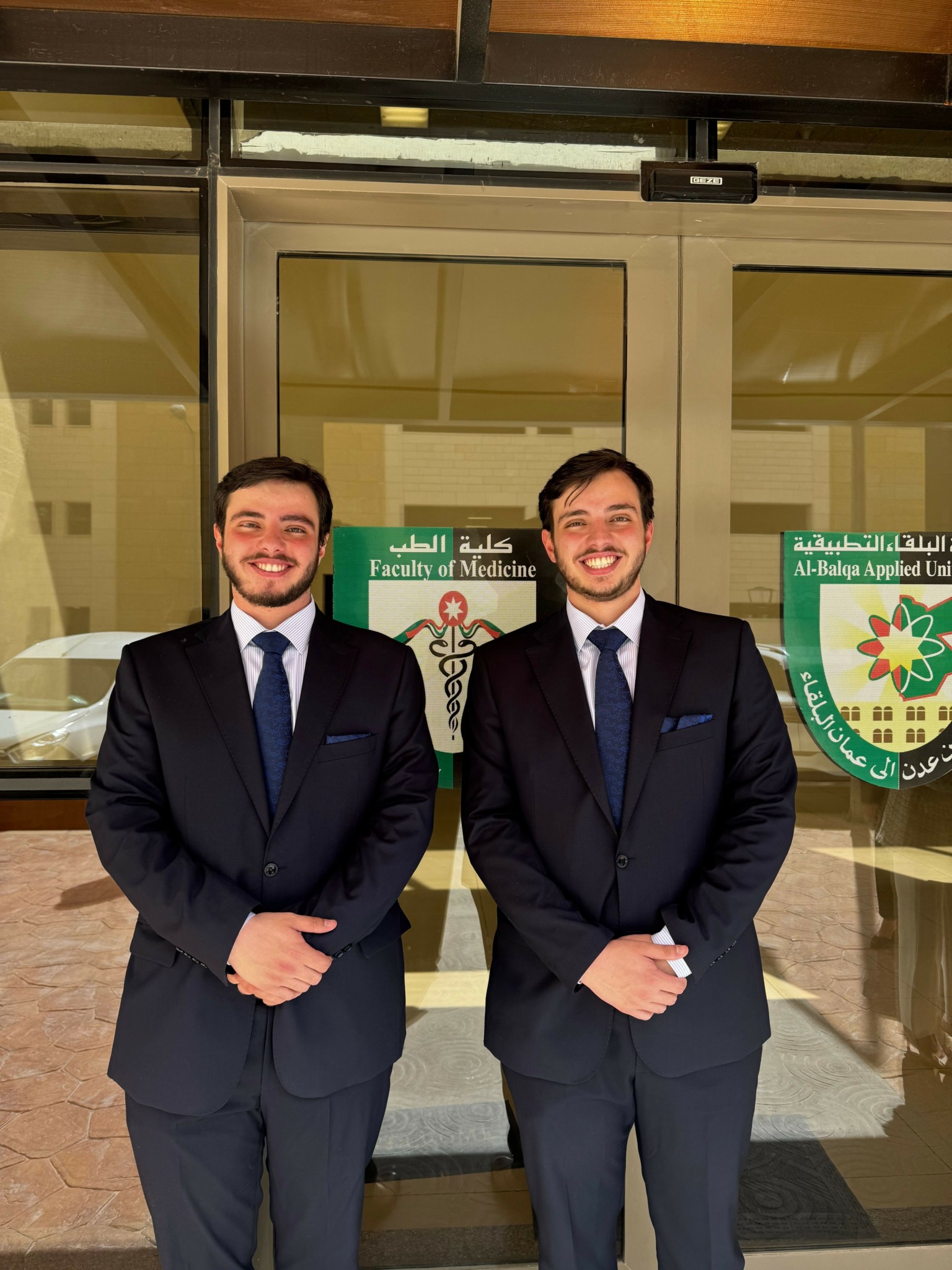
It didn’t take long for us to realize that helping people wasn’t just something we liked, it was our passion. We began asking ourselves: how can we keep doing this, and build a meaningful career out of it? That question led us straight to medicine. A field where science meets compassion, where we could serve those in need and continue doing what we love. We studied hard, passed our exams with top scores, and proudly earned our place in medical school.
Our first year wasn’t what we expected. The COVID-19 pandemic had pushed everything online, and lockdowns made it nearly impossible to get involved in hands-on experiences. But as soon as restrictions were lifted, we looked for ways to give back and that’s when we found our first real volunteering opportunity through an international association. We took it. We loved it. And it reignited everything we believed in.
From there, things grew. We immersed ourselves in public health projects, human rights initiatives, and research opportunities. We even joined a research interest group and submitted our first paper as authors, a milestone that felt like a turning point.
But it wasn’t always smooth. Balancing all this with our medical studies was incredibly challenging. There were moments of exhaustion, chaos, and constant self-doubt. Sometimes we felt completely overwhelmed unsure if we were on the right track or just spinning in circles. But looking back, those tough moments taught us resilience, time management, and most importantly, the kind of leadership that grows out of perseverance, not perfection.
This journey didn’t just shape our medical careers, it shaped who we are.
Do you think you’d choose a different profession or specialty if you were starting now?
Our journey into medicine wasn’t a coincidence; it was a conscious decision rooted in a genuine desire to serve others. From volunteering in school traffic awareness teams to engaging in public health and human rights projects, every step confirmed that this is where we belong. Even in the face of unexpected challenges, like starting medical school during a global pandemic, we kept moving forward, driven by the same passion that started it all.
The long hours, the self-doubt, the overwhelming workload, those difficult moments refined our commitment, taught us resilience, and revealed strengths we didn’t know we had.
If we had the chance to go back, we wouldn’t change a thing. Medicine has not only given us a career it’s given us identity, meaning, and a lifelong purpose.
Putting training and knowledge aside, what else do you think really matters in terms of succeeding in your field?
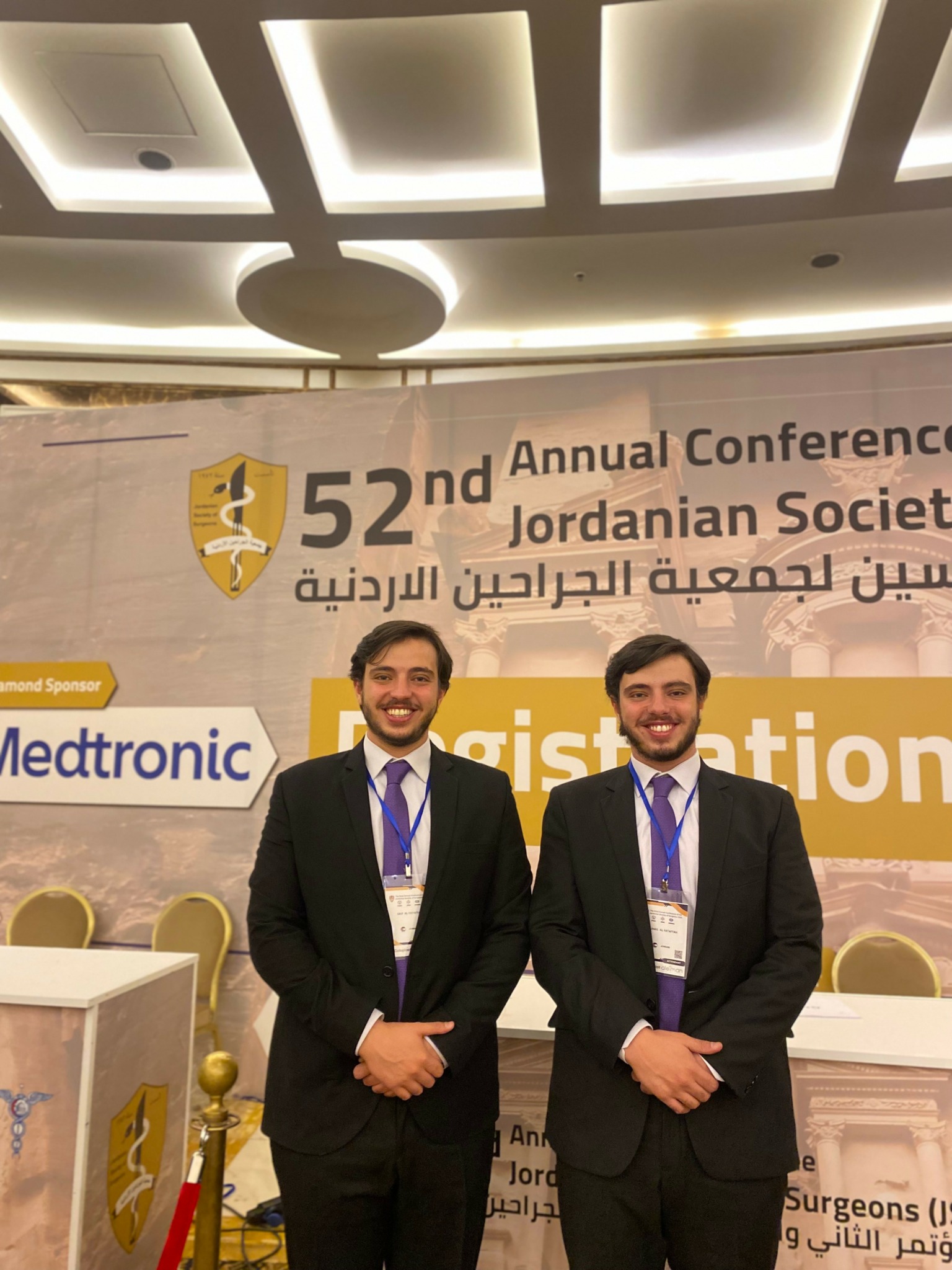
Beyond training and knowledge, one of the most important qualities for succeeding in medicine is emotional resilience paired with a strong sense of purpose. The ability to stay grounded during moments of uncertainty, stress, or failure is what allows you to keep moving forward, especially when the demands of the field become overwhelming. Equally vital is empathy, not just for patients, but for colleagues and even yourself. Medicine is deeply human work, and success often comes down to how well you connect, communicate, and collaborate with others. Time management, adaptability, and staying focused on why you chose this path in the first place all help sustain that momentum. In the end, it’s not just what you know, but how you carry yourself when things get hard that defines your success.
Contact Info:
- Instagram: Suhail_alfataftah || Saif_al_fataftah
- Facebook: Suhail Al-Fataftah || Saif Al-Fataftah
- Linkedin: Suhail Al Fataftah || Saif Al Fataftah