

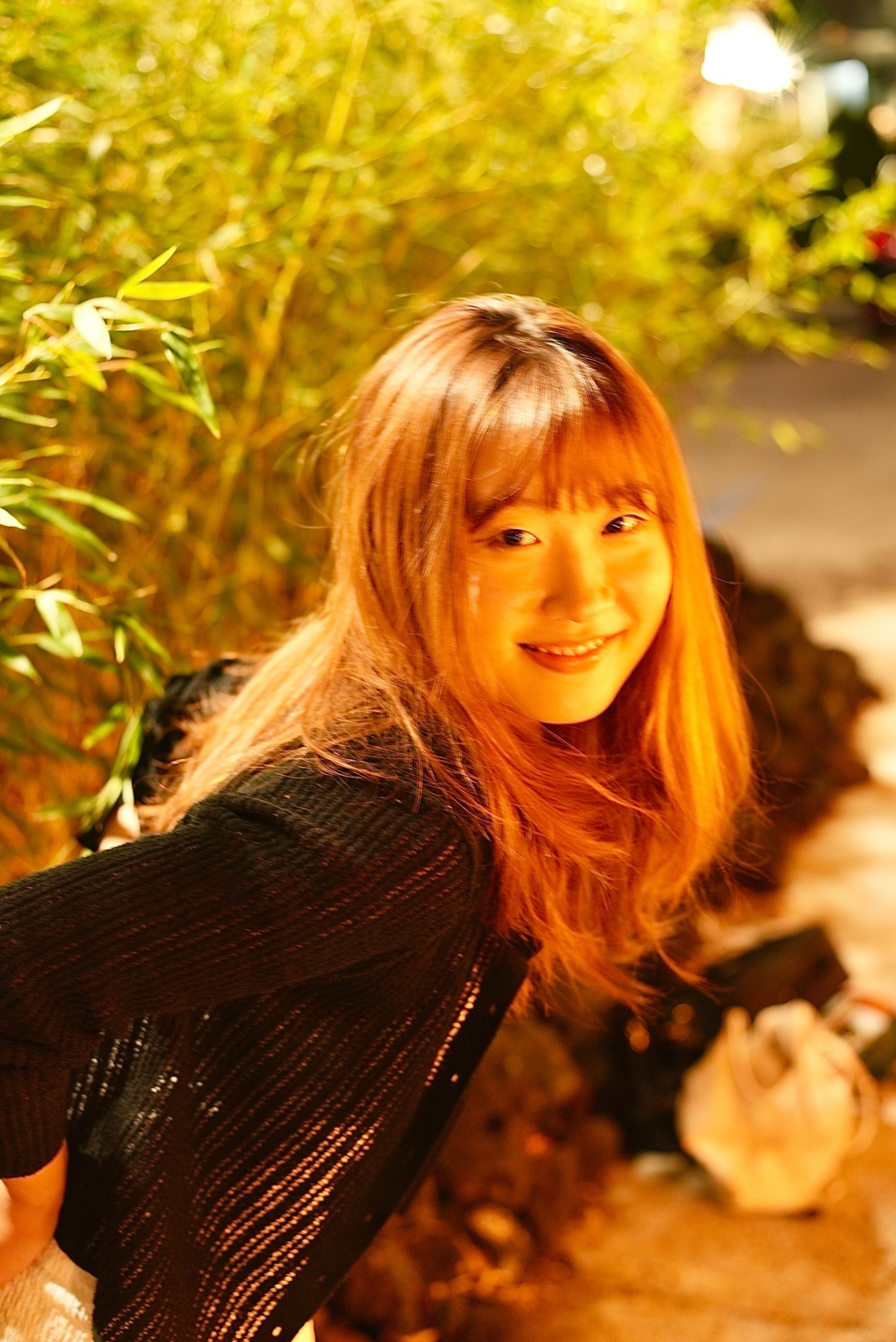

We were lucky to catch up with Sue Kim recently and have shared our conversation below.
Sue, looking forward to hearing all of your stories today. If you could go back in time do you wish you had started your creative career sooner or later?
For years, I’ve wrestled with the question of whether I started my freelance career too early. I began working as a freelancer even before entering college, and for a long time I wondered how that early start shaped me, both personally and professionally.
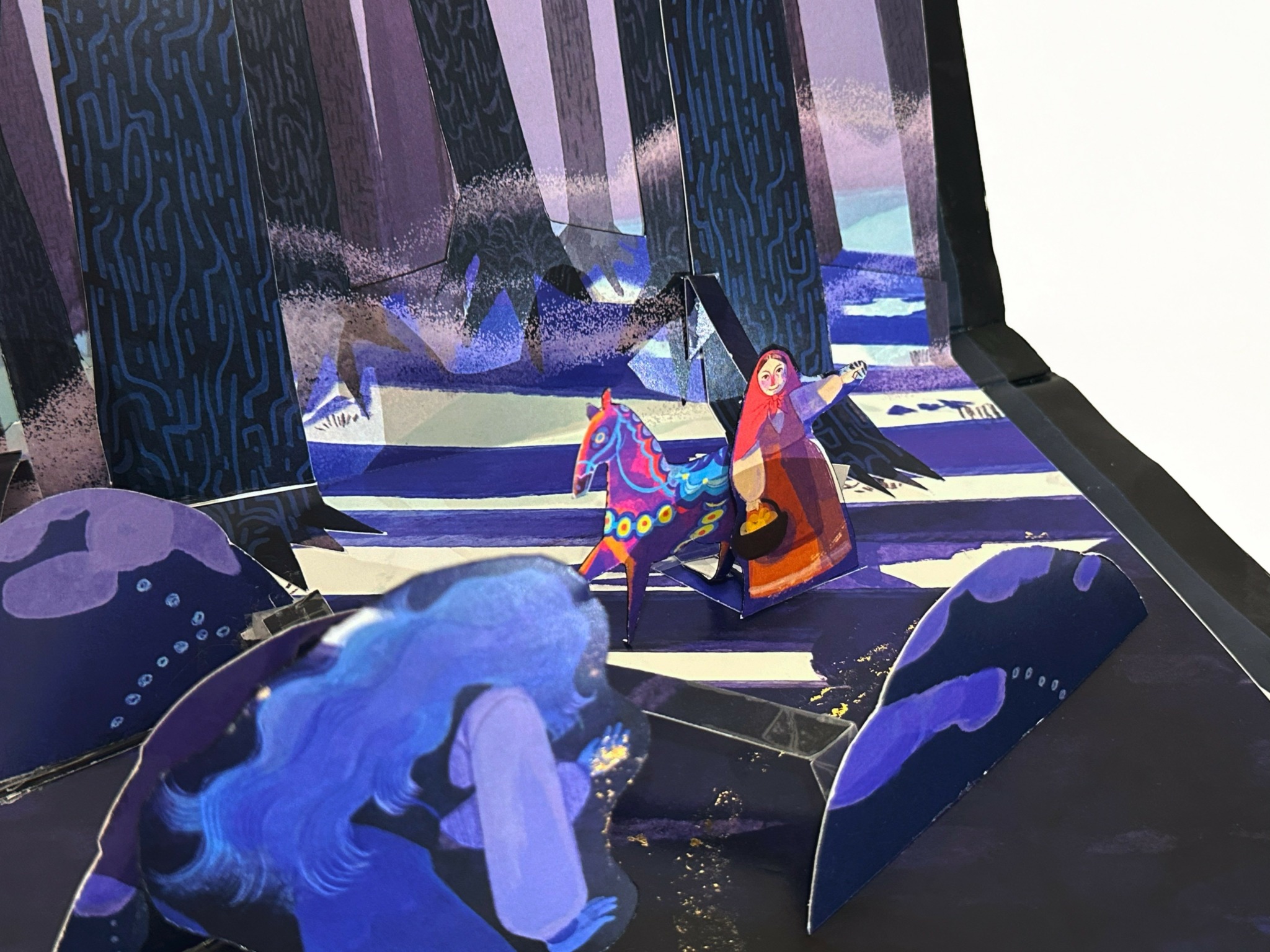
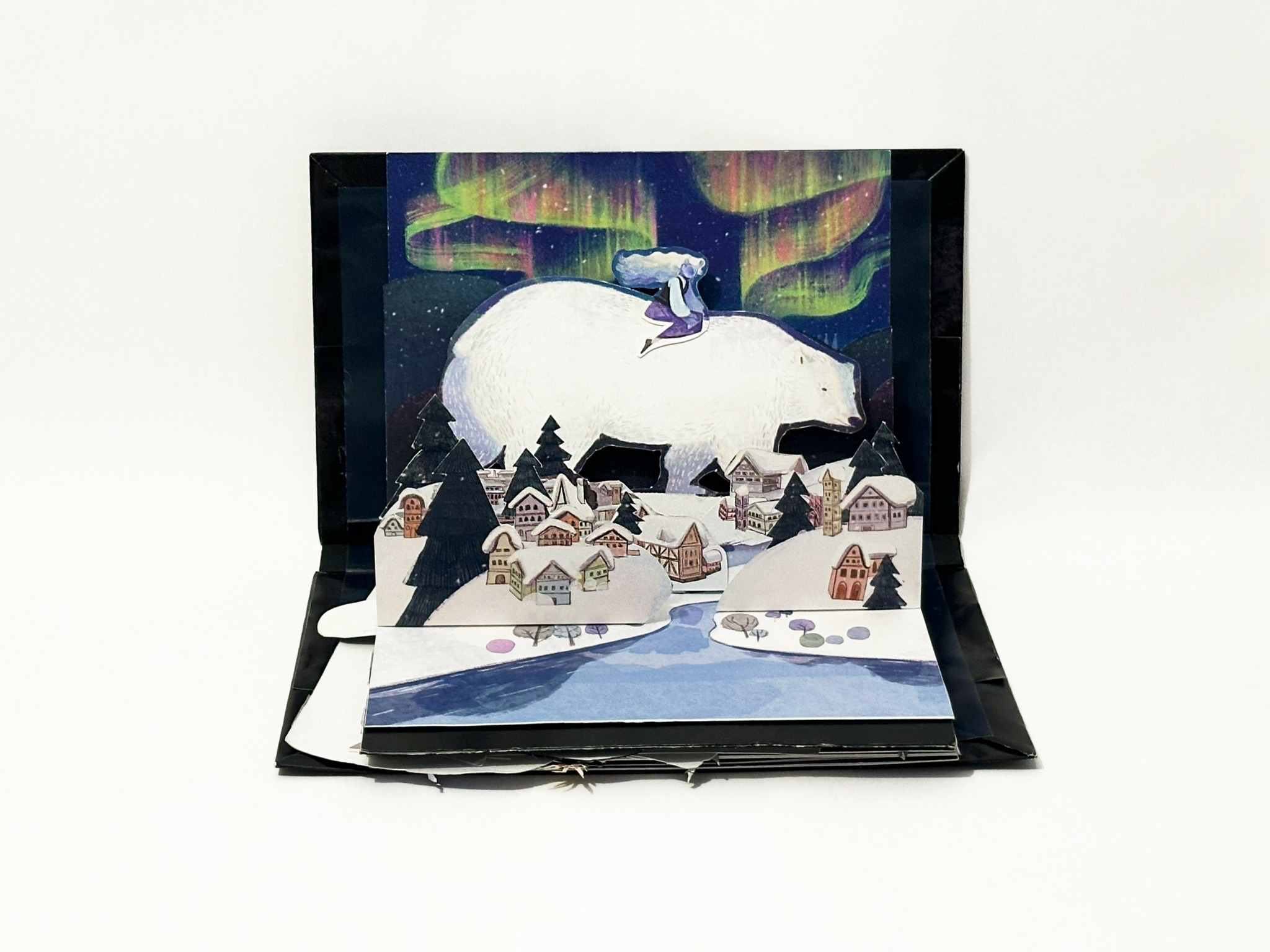
My first freelance commission came when I was sixteen. It was a pop-up book project celebrating the 30th anniversary of Lotte World, a major theme park in Korea. I still remember clearly how I felt when I received that email. It suddenly felt as if I had stepped into the adult world, and, to be honest, I was flattered. Looking back, that excitement was mixed with a certain naivety. At the time, I hadn’t yet understood the weight of responsibility or the complexity that came with professional work.
That first project opened the door to many others. I went on to work with clients in Russia, Japan, China, and with various publishers in Korea, across books, games, branding, and product projects. By the time I entered university, I had already accumulated several years of hands-on experience, which gave me a noticeable head start.
Starting so early taught me things that were difficult to learn in a classroom. I learned how to communicate with editors, manage schedules across different time zones, handle revision requests, and maintain professionalism under pressure. Because I lacked experience, connections, and confidence at that age, I often felt the need to constantly prove myself.
At the same time, beginning my career so young came with its own costs. For a long period, I believed that an illustrator’s role was simply to execute exactly what a client wanted. When I faced a blank canvas without a clear brief, I realized I didn’t know what I wanted to draw for myself. That confusion was unsettling, and at one point, I even questioned whether I truly enjoyed drawing anymore.
A question from a professor during my junior year still stays with me: “What kind of illustrator do you want to be?” I couldn’t answer. It was the first moment I clearly understood that while I had been busy building a career, I hadn’t given myself enough time to explore my own voice.
Sometimes I wonder if starting later might have given me more space to experiment and discover who I was as an artist. But I also know that without starting early, I wouldn’t have developed the persistence and sense of reality that now ground my work.
Looking back, I don’t see my timing as either too early or too late. It was simply the timing I needed to become who I am today. If anything, I would make the same choice again. What matters to me now isn’t how fast I started, but how long I can continue.
If I could open that first email again, I would still say yes, even knowing that disappointment, confusion, and countless doubts would follow. I’m still learning, still searching, and still drawing. The time that has brought me to this point has been meaningful.
Sue, love having you share your insights with us. Before we ask you more questions, maybe you can take a moment to introduce yourself to our readers who might have missed our earlier conversations?
From a young age in Korea, I was drawn to stories told without words. I spent countless hours in libraries reading picture books, even after people told me I was “too old” for them. I loved cartoons as well, switching freely between Korean and Japanese titles, and I would secretly take transparent oil paper from the kitchen to trace my favorite scenes.
Around the time I turned ten, comics were rapidly shifting into the digital world. Webtoons, with their vertical scrolling format, were everywhere, and they sparked my curiosity about drawing digitally. After a lot of begging, I received a Wacom pen tablet for my tenth birthday. There was no Procreate or Clip Studio back then, and Photoshop felt overwhelming, so I drew using Paint Tool SAI. Being able to undo mistakes with a simple Ctrl+Z felt like a small revolution to me. Looking back, I realize this is where I feel a generational gap with many senior illustrators. While they talk about carrying sketchbooks into museums, my first experience drawing in a museum didn’t happen until I was already in university.
Explaining my path to non Korean readers can be difficult. Korea’s education system is intensely competitive and deeply rooted in early ideas of success, and that environment shaped me from a young age. For me, drawing felt like the only option. Whenever I showed my work to adults, I heard the same phrases repeatedly: artists are poor, and art does not make money. At the time, those words only fueled my determination. Then I’ll prove it, I thought.
I decided to apply to an art high school and spent nearly a year preparing for the entrance exam. The test required drawing unfamiliar subjects within a strict time limit, using predetermined materials. I practiced from morning until late at night, learning firsthand what anxiety and pressure felt like in my body. I passed the exam, but the experience left marks that still linger. That was when I learned something important and painful: effort does not guarantee results, and sometimes even hard work can betray you.
My career truly began after I won a teenage illustration contest. It was not a particularly large competition, but as a result, my artwork appeared on the main page of Naver, one of Korea’s largest platforms, for a single day. That one day changed everything. Afterward, my inbox was different. A PR manager from a company reached out, saying my style felt right for their project. That moment became the real starting point of my professional career.
Since then, social media has been central to how I work. Algorithms are unpredictable, and luck undeniably plays a role. Still, I wanted to raise my chances, even slightly. I analyzed posting times, image crops, layouts, and audience reactions. The results were inconsistent, and the more I tried to control them, the more I doubted myself. Over time, I learned to loosen my grip. Social media is still a window into my work, but it remains both an opportunity and a source of quiet anxiety.
It also took me a long time to accept a simple truth: people are drawn more easily to characters they already know than to original work. For a while, I tried to strike a balance by alternating between fan art and personal pieces. The difference in reaction was obvious. Still, little by little, people who genuinely connected with my original work began to stay. That was when I realized that the response to my original art was the most honest indicator of where I stood.
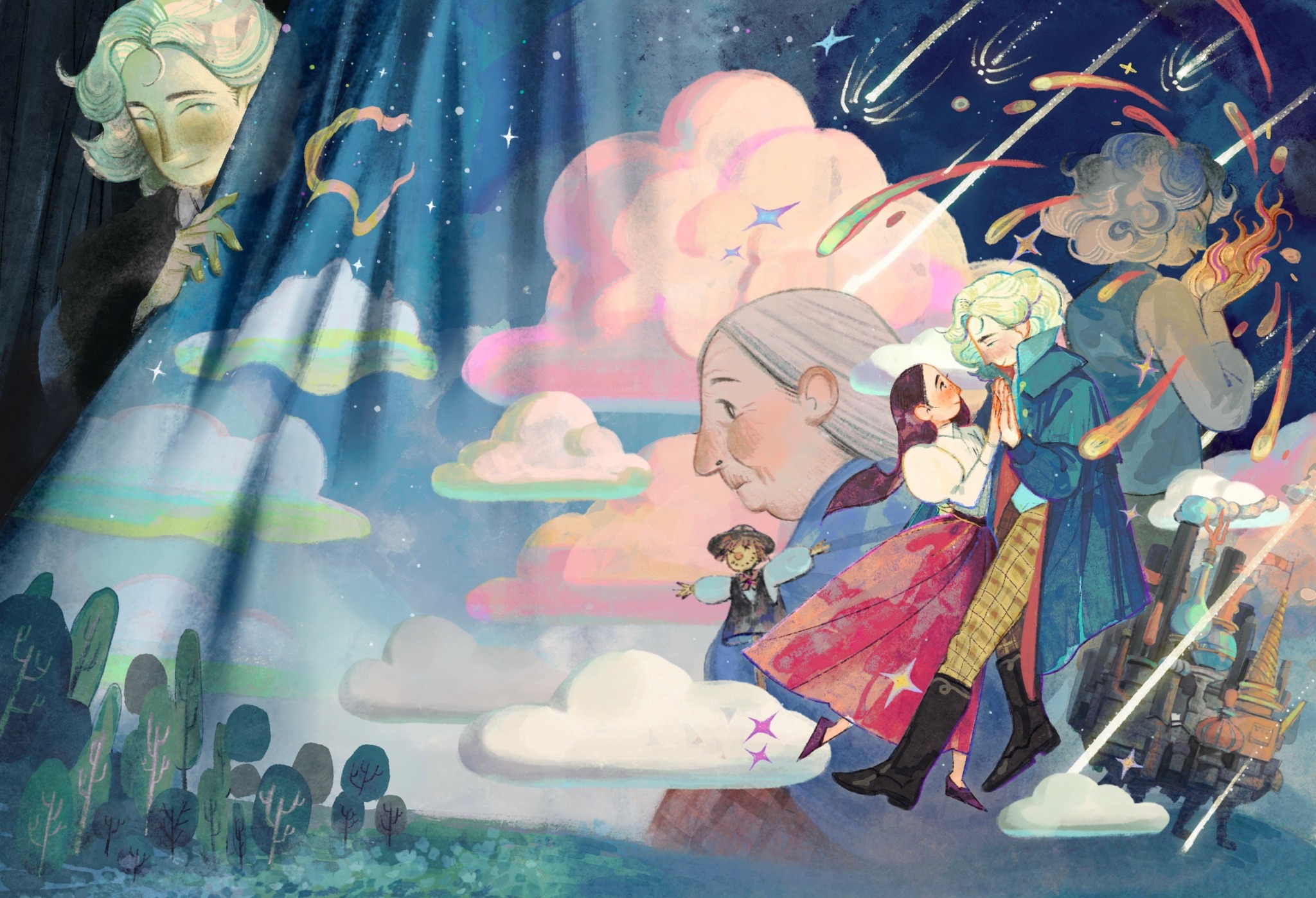
In that sense, my fan art became an important part of the path that led me there. Years ago, I drew illustrations inspired by Studio Ghibli films, especially Howl’s Moving Castle. Those fanarts were widely shared online, and for a long time, clients continued to mention them as references. Eventually, I was given the opportunity to work on a new illustrated edition of Howl’s Moving Castle. Being able to contribute to a story I once loved purely as a fan felt strange and deeply meaningful. It felt like a quiet gift to my younger self, and a reminder that personal work, even when it begins as fan art, can return in ways that truly matter.
My first personal project came when I was seventeen. I created a Korean themed playing card deck that began as simple sketches shared online. Those sketches led to a crowdfunding campaign, which exceeded its goal by 461 percent. Along with excitement came an overwhelming sense of responsibility. Problems arose throughout production, printing, and packaging, and I quickly realized how unprepared I was. The mistakes were mine, and I took responsibility for them. The process was difficult, but it taught me the difference between illustration and design, as well as the complexity of working with physical materials and print. The project was far from perfect, but it was my first tangible result, and even now, it is something I want to revisit and do better.
Outside of drawing and work, my life is surprisingly routine. I intentionally keep some distance from art in my daily life, because I have learned that this balance is essential if I want to continue creating for a long time. Recently, I have been writing more. Writing helps organize my thoughts in a way drawing sometimes cannot. I have come to understand that stepping away from images is often what allows me to return to them with clarity.
These days, I spend more time with picture books than with digital images. Museums, libraries, and art books have become my main sources of inspiration. I also enjoy flipping through picture books written in languages I cannot read, focusing entirely on the images. Even now, the idea that someone wants to own or keep my work still surprises me. It feels warm, and a little unreal. Someday, I hope to respond to that feeling by becoming a better artist.
In your view, what can society to do to best support artists, creatives and a thriving creative ecosystem?
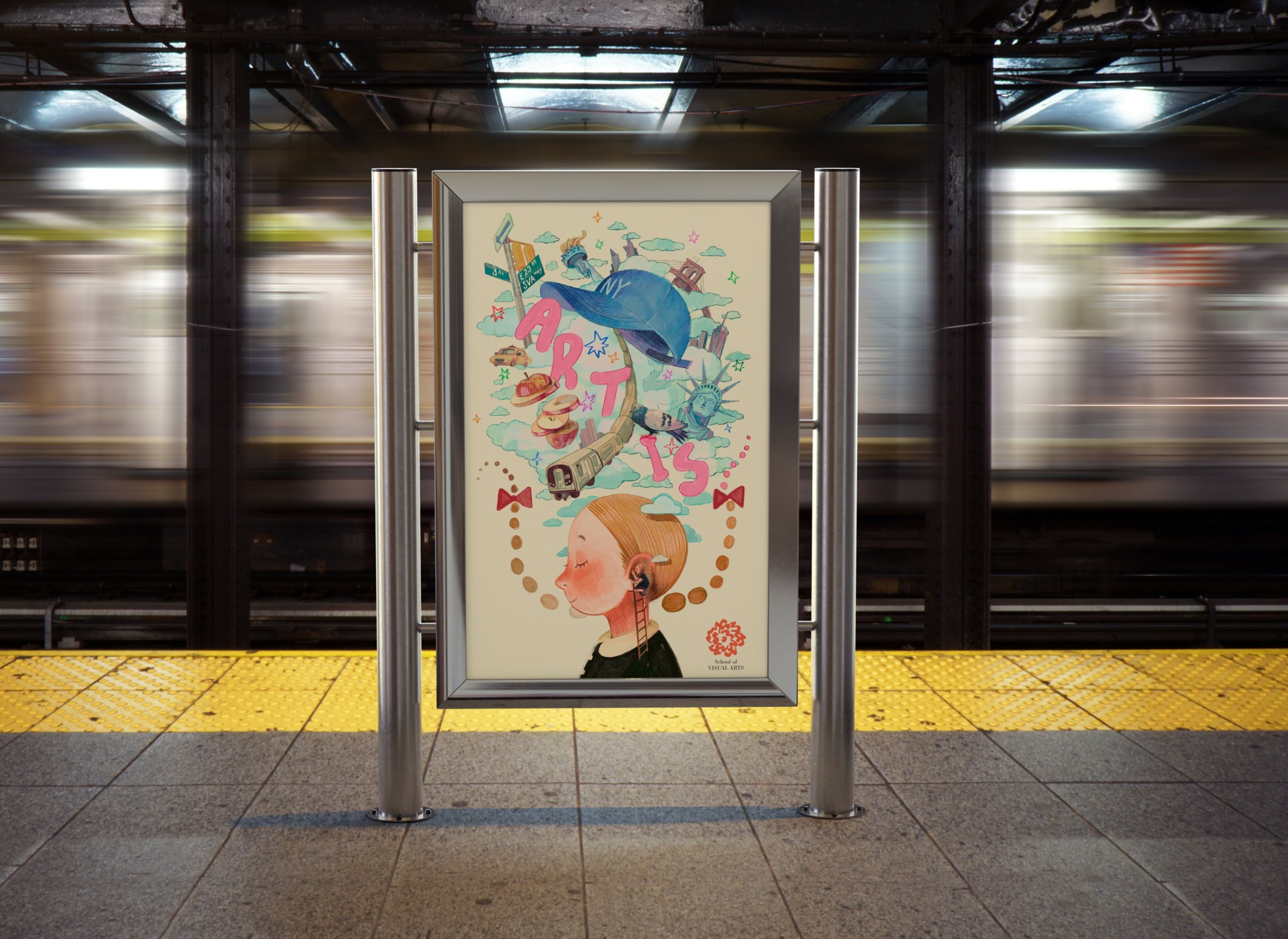
I believe a creator-friendly society depends on decision-makers having the courage to genuinely support art. If designers, art directors, PDs, and project managers don’t expand their visual perspective, even the strongest artists won’t be able to reach their full potential. Prejudices such as “illustration is tacky” or “modern graphics are safer” still persist, and they flatten the creative ecosystem. In the past, illustration was used far more boldly in advertising and products. When we look back at those works today, they still don’t feel outdated.
I believe illustration can be a visual language that moves people, not just something decorative or “pretty.” Rei Kato’s Calpis packaging is a great example of this. As you drink the beverage, illustrations gradually appear through a transparent strip, turning a simple act into a layered visual experience. Another project I admire is the Pocky × Kirin Afternoon Tea collaboration, where consumers could choose packages by combining them like puzzle pieces. Without complex systems or heavy explanations, a single image can create a moment when both a person’s hand and mind respond. Each time I encounter work like this, I’m reminded that illustration still holds vast, untapped potential in fields such as advertising, education, and urban design.
I had a similar realization in an urban setting. While waiting at a crosswalk in Nagoya, I noticed illustrations printed on the barrier surrounding a construction site. The subject matter, “people in the city,” was ordinary, but because the style was slightly more colorful and refined, the space felt calmer and less hazardous. The illustration subtly organized the atmosphere and guided emotion. I believe this kind of integration is possible because, in some societies, visual styles that might be considered “nerdy” elsewhere are already accepted as part of everyday visual language.
Innovation also tends to emerge from unexpected places. I experienced this firsthand when I worked on stage illustrations for the Japanese singer MEYCHAN. At first, I worried that my illustration style, often associated with children’s books, might feel awkward on a large concert stage. But when I later watched the performance footage, I was genuinely moved. The song, Catwalk, featured a character based on the singer’s own cat, and my illustrations helped convey a very personal narrative within the performance. That experience made something very clear to me. Outcomes like this rarely happen through an artist’s effort alone. They become possible when a planner or project manager has the courage to trust an unconventional combination.
When it comes to AI, I haven’t followed every debate closely. Still, its emergence has pushed me to reconsider what makes an image meaningful. Visual stimulation that merely stops a scroll rarely stays with us. Lately, I’ve been drawing more slowly and allowing mistakes and pauses to remain part of the process. That shift has led me toward paper art and pop-up books. The moment an image becomes something tangible through printing, folding, and assembling still feels thrilling to me. This sense of physicality is difficult to replicate through automation, and I believe it is a value the creative ecosystem must actively protect.
Ultimately, supporting creators means broadening the perspectives of decision-makers, challenging long-standing prejudices against illustration, encouraging experimentation, and valuing human processes such as time, failure, and materiality. As long as creativity is treated only as a safe option, the ecosystem will never truly become rich.
What do you think is the goal or mission that drives your creative journey?
Over time, I’ve come to see my goal as growing into a creator who not only produces images, but also helps shape the narrative and overall direction of a project alongside others.
As a freelance illustrator, I’ve often worked within clearly defined structures and predetermined directions. Especially in the early stages of my career, my role was largely about executing what was already decided. I focused on delivering exactly what was requested, rather than actively voicing my own perspective, in order to align with the project team’s vision.
Recently, however, I’ve noticed a gradual shift in how I’m involved. More often, clients ask not only for final images, but also for my thoughts on the overall atmosphere and visual direction of a project. Instead of discussing only what to draw, conversations have started to center on why a certain image is needed. Through this process, I’ve realized that the scope of where I can contribute has slowly expanded.
Working on illustrations for a Disney board game, where I also took part in art direction, made this change especially clear to me. Creating mood boards, setting the art style, and organizing a shared visual language felt unfamiliar at first, but it quickly became fascinating. Watching a project take shape from its foundation, and being able to suggest directions rather than simply execute them, gave me a strong sense of motivation and satisfaction.
This experience also revealed areas where I needed to grow. I learned how important it is to explain a vision clearly, even without relying on drawings. Structuring my thoughts, organizing references, and presenting multiple options became essential skills when communicating with teams and clients. I also came to understand how crucial it is to speak the same visual language as designers. Even without aiming to become a designer myself, being able to understand layout, structure, and intention has made collaboration much smoother.
I see illustration as a field that exists between graphic design and fine art. Depending on which side it leans toward, the role and style of an illustrator can change significantly. Because of this, I believe illustrators need to move flexibly between both realms. At this stage, I’m still drawing constantly, but I’m also focusing on expanding how I observe, learn, and understand the visual world around me.
Ultimately, my long-term goal is to become an art director who can lead projects as a whole. Beyond creating strong images, I want to connect visuals with storytelling, coordinate ideas among collaborators, and help guide projects toward clearer and more meaningful directions. To get there, I’m continuing to build experience, observe carefully, and stay sincere about my work.
Not long ago, I came across an old post I had shared online years ago. It was a drawing that feels clumsy now, accompanied by a simple question: “My dream is to become an illustrator. Is that possible?” In many ways, I think I’ve been writing my own answer to that question ever since. I don’t yet know what I’ll look like ten years from now, but I know I’m still moving forward, toward that answer.
Contact Info:
- Website: https://suekim-art.squarespace.com
- Instagram: https://www.instagram.com/sansa_sue
- Twitter: https://x.com/sansa_sue
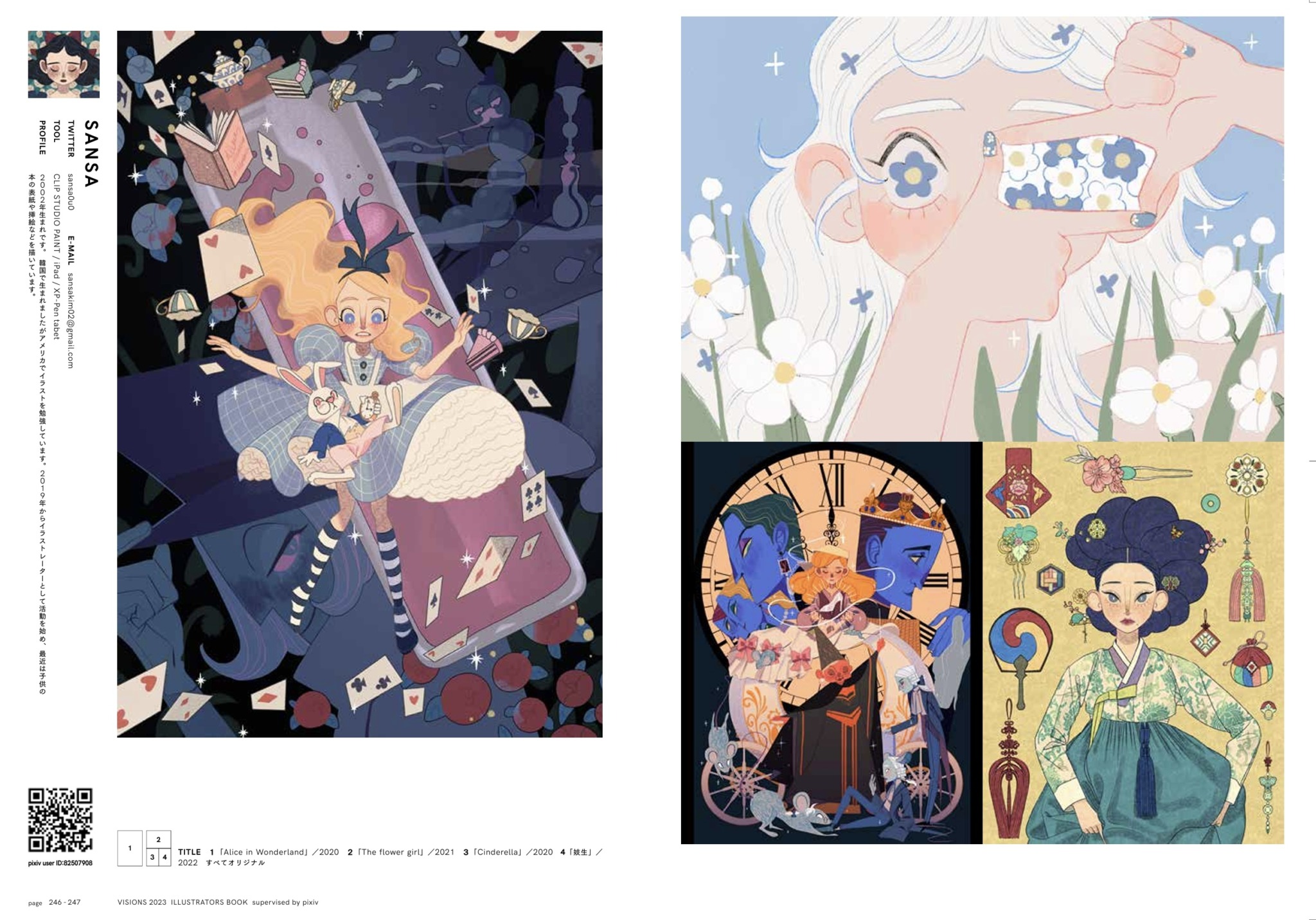
Image Credits
Azbooka Publisher, Changbi Publisher, Pixiv x Kadokawa