

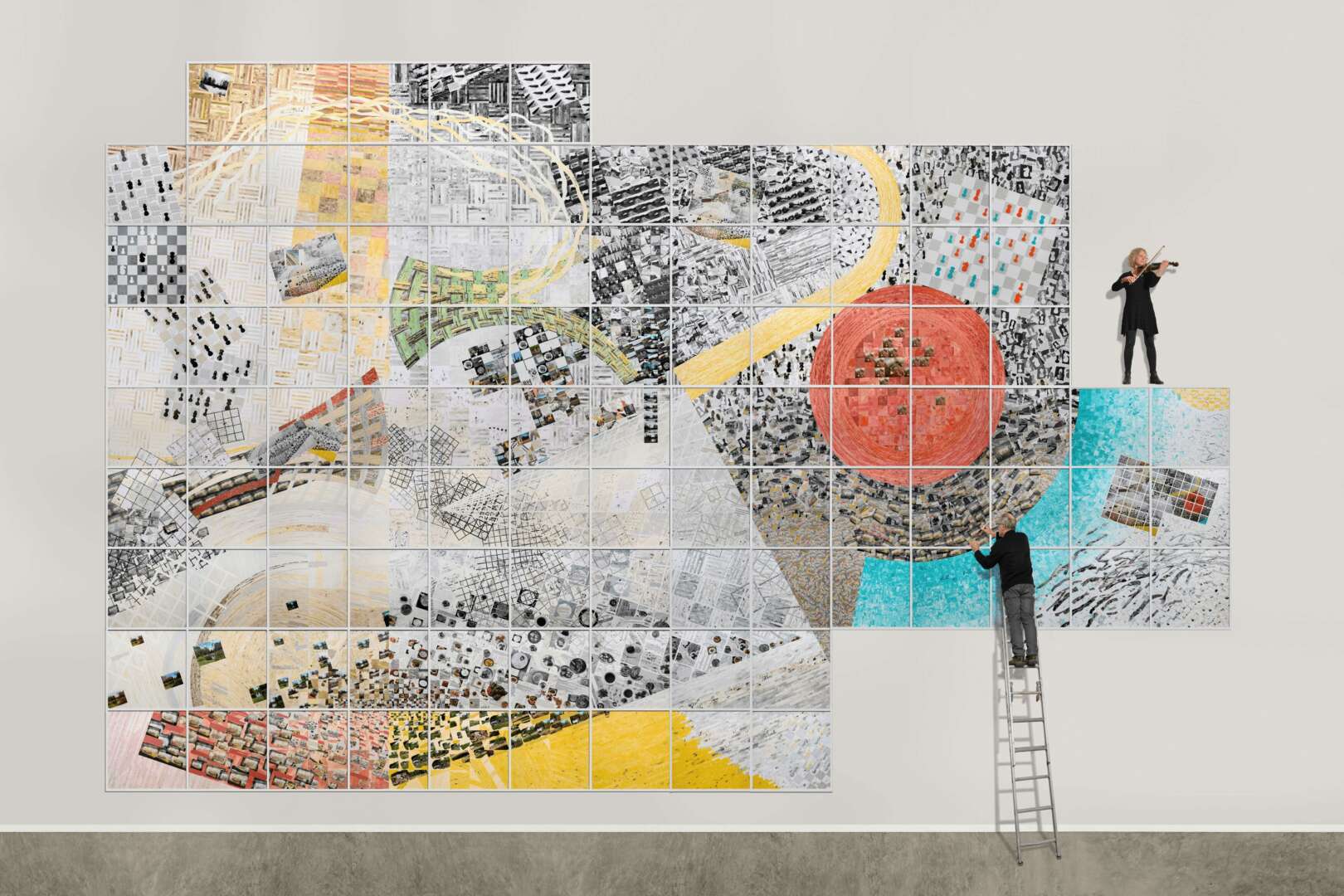

We’re excited to introduce you to the always interesting and insightful Steven Siegel. We hope you’ll enjoy our conversation with Steven below.
Hi Steven, thanks for joining us today. We’d love to hear the backstory behind a risk you’ve taken – whether big or small, walk us through what it was like and how it ultimately turned out.
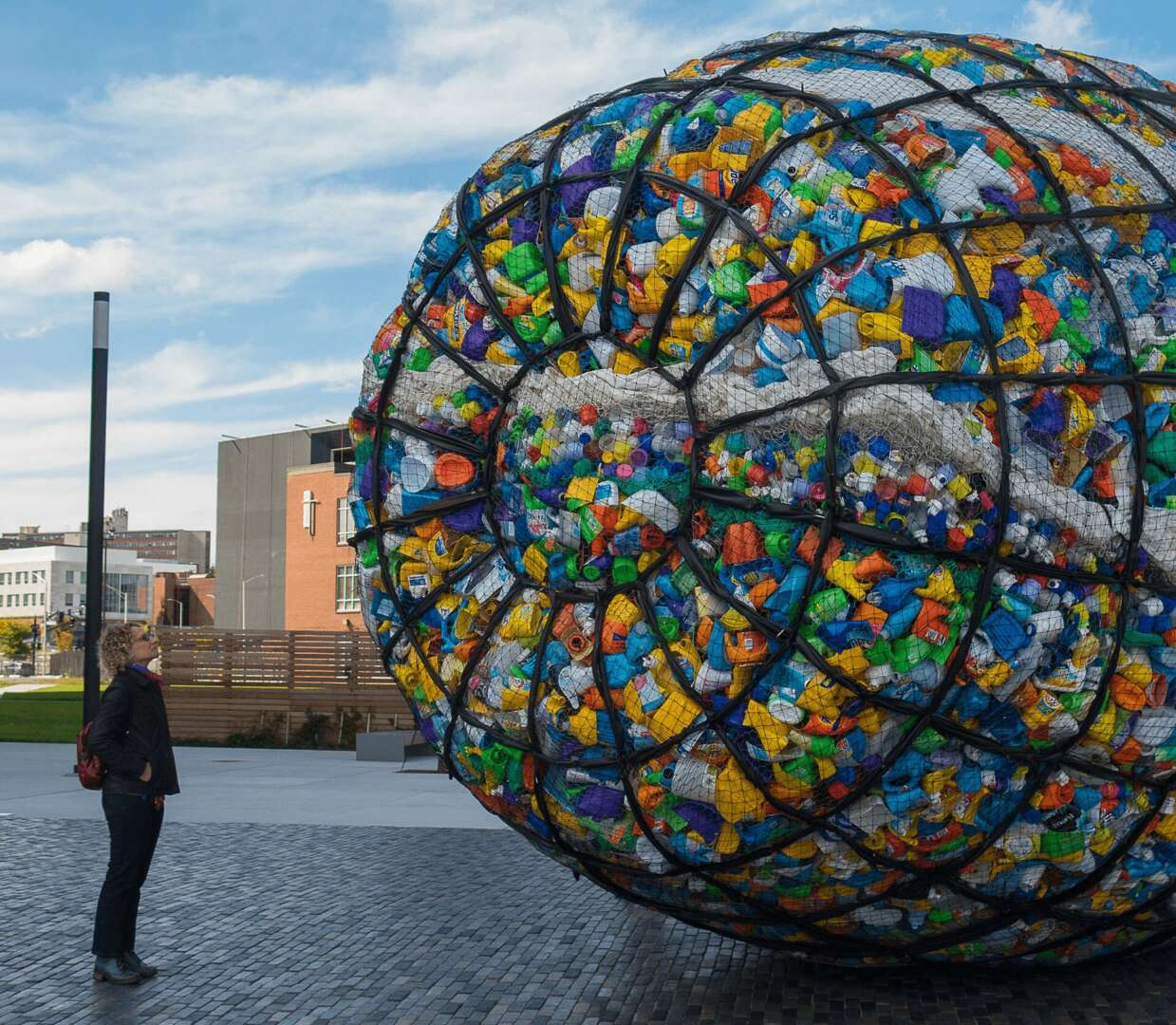
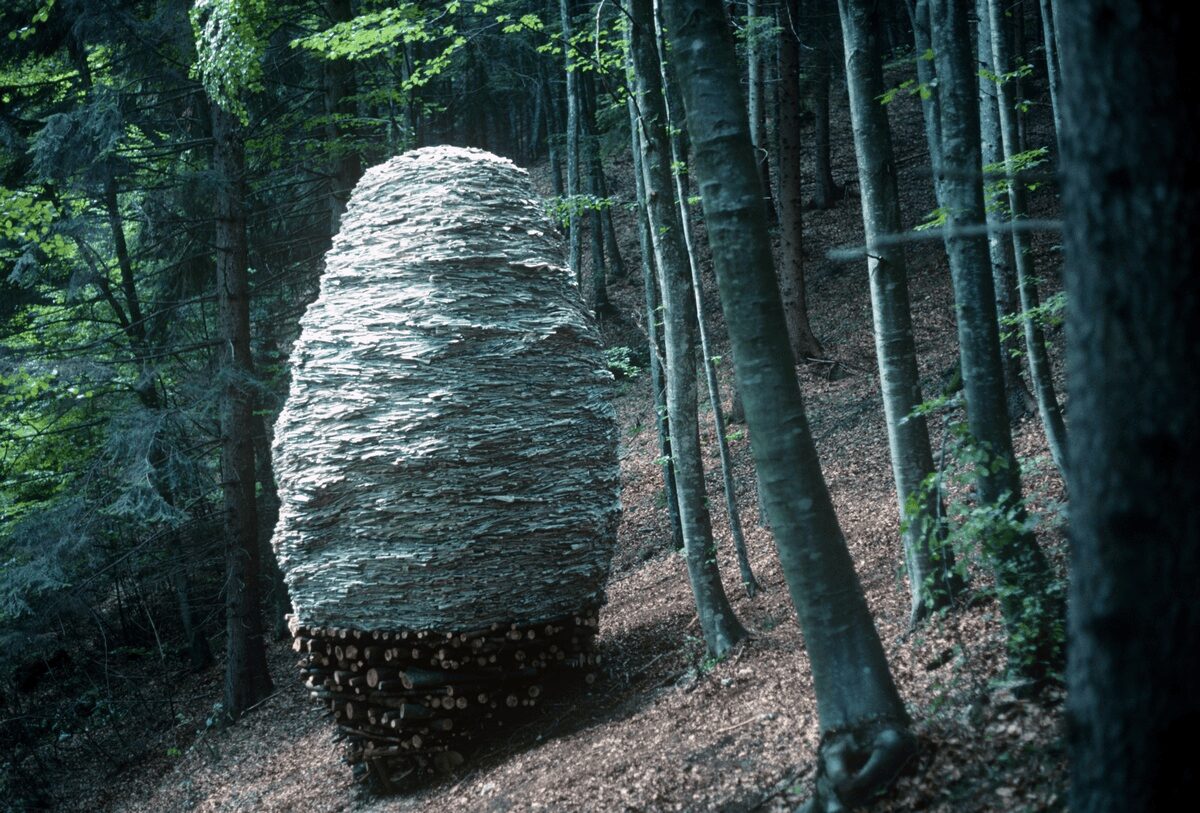
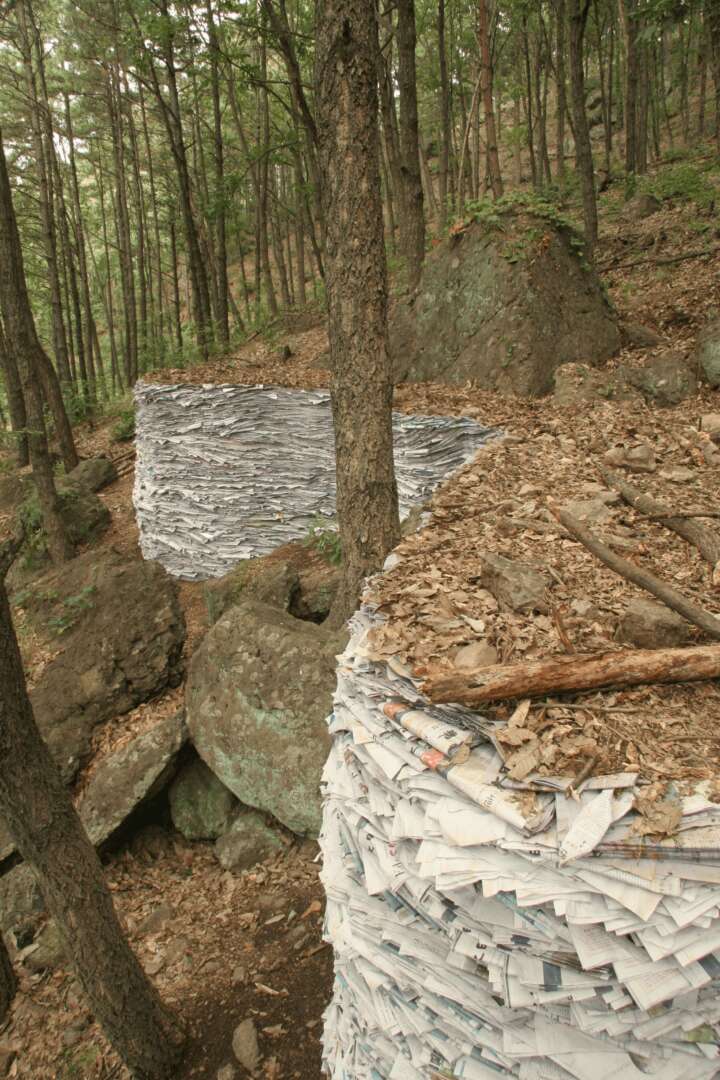
In 1990 I was asked if I would like to be included in an outdoor exhibition at the Snug Harbor Cultural Center on Staten Island, NY. I had not created an outdoor work in nearly 10 years at that point, so I was reluctant. The curator encouraged me. My interest in geology and deep time was already coming into focus. The Fresh Kills Landfill, the world’s largest at the time is on Staten Island, so I got to thinking about the materials in it. This led to experimentation in my studio with a whole variety of things that might be found in a landfill, and what a “New Geology” would look like millions of years from now when those materials were uncovered as stone, or other earthly substances.
I settled on newspaper. It is easy to work with in huge quantities and is free. But how would it look outdoors and what would happen to it over time? And would anyone care? Clearly, there was no precedent. I can’t say creating my first newspaper work was a huge risk, but it was pretty edgy and the result landed as a photograph in the Arts section of the New York Times. This led to over 30 years of sited works made with various materials all over the world.
Awesome – so before we get into the rest of our questions, can you briefly introduce yourself to our readers.
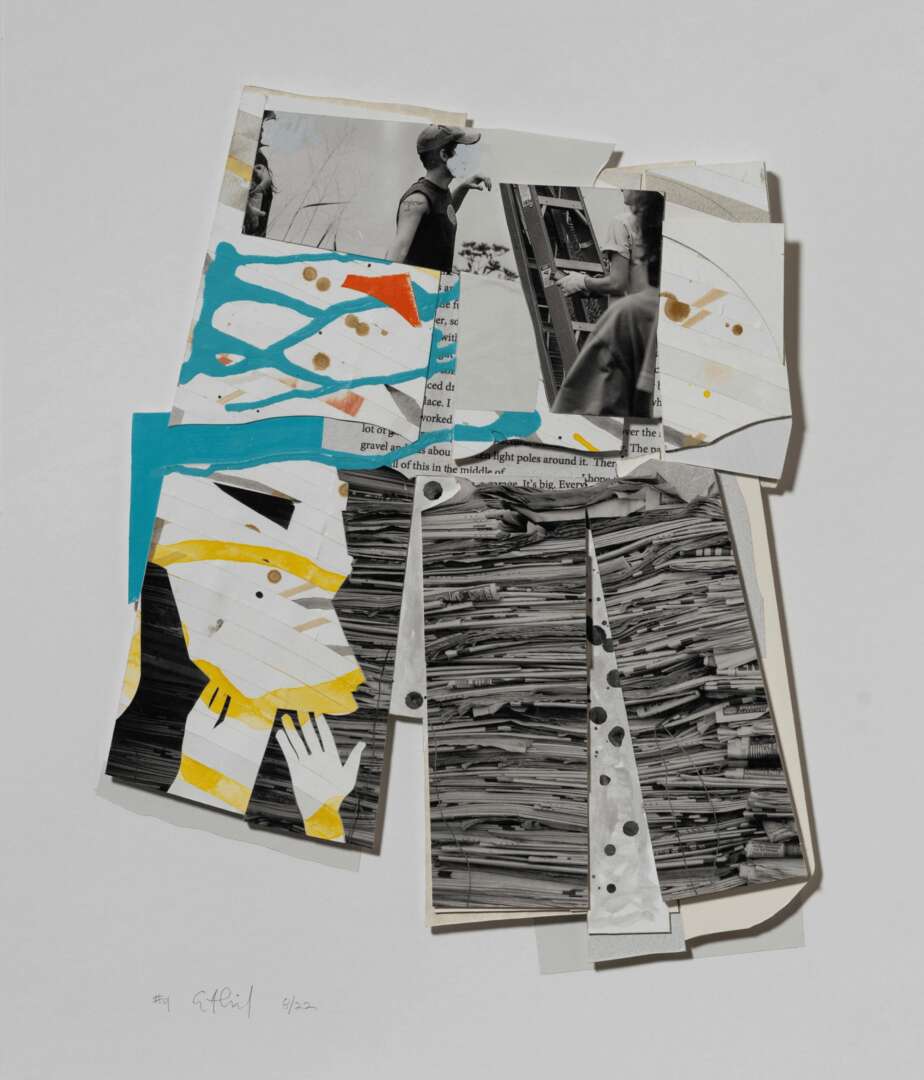
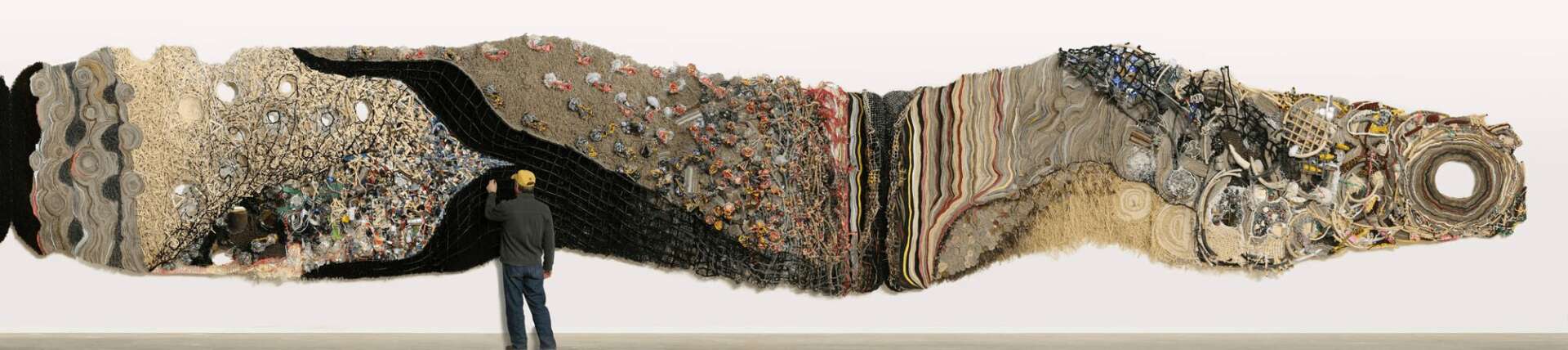
Art is spoken in languages that only art can use, and says things that only art can say. Music is about making sounds and listening to them. As a teenager I had fantasies about being a jazz or rock musician, but I did not have the particular kind of discipline needed for that. Visual art is about making things and looking at them. I knew well before I was 20 that making and seeing was where I wanted to go, and 50 years later I still have the discipline for that. It is a full time job that I approach like a carpenter going to a job site. Speaking of carpentry, it was my part time day job for the 20 years it took for my art to provide enough income to stop. But it still informs what I do.
For you, what’s the most rewarding aspect of being a creative?
You learn early on that the only reason to do this is because the work itself is the reward. The arts are a place where viable careers are rare, and even those who are successful by the measures that society generally recognizes – financial reward and possibly fame – will go through down periods when self-doubt can set in. The best, and perhaps only defense against the gloom that can overtake you when external validation disappears is to get back in there and find the thrill of doing the work, reminding yourself that this is why you chose the arts in the first place. At those moments your “career” doesn’t matter. Sorry to say, this might be harder as you get older.
Speaking of which, my friends who took up the law or medicine or business are mostly retired by now. It was a grind for some of them, a grind that sometimes was about the paycheck and little else. For me it was never about the paycheck, in part because relatively speaking there were so few of them. We don’t typically get paid twice a month.
Remember that the reward is the work.
Is there a particular goal or mission driving your creative journey?
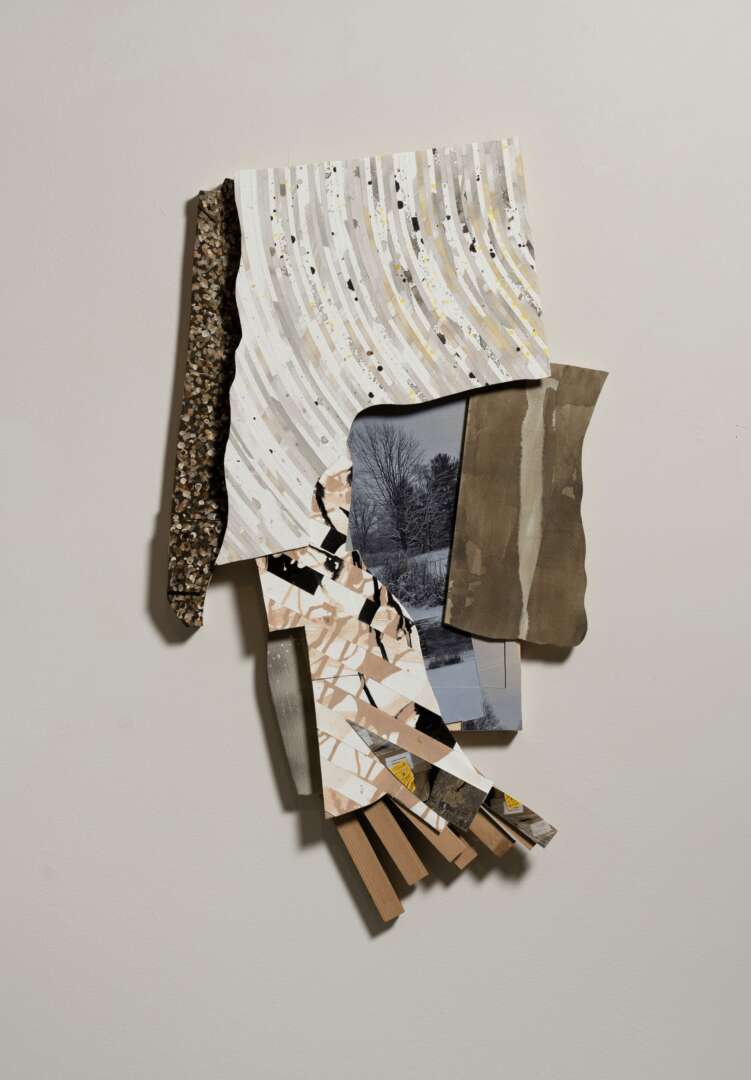
My focus is in how things look and the emotions one derives from seeing; aesthetics. Having said that, I also have had a lifelong interest and passion for the landscape, deep time, and our species’ place in it. I like to think that the two run in parallel, meaning that on the one hand I am making and seeing, and on the other I am thinking about the world. I try to keep the two separate, but with the acknowledgement that they drive each other.
Sure, a goal is to see what I have done more widely recognized and I would be deceiving myself if I said otherwise, But in the end it is not about goals. It is about evolution, in particular the evolution of the work I do. Those who have studied it know that evolution has no goal.
Contact Info:
- Website: https://www.stevensiegel.net
- Instagram: stevensiegelstudio
- Facebook: https://www.facebook.com/www.stevensiegel.net
- Linkedin: https://www.linkedin.com/in/steven-siegel-b589b1b
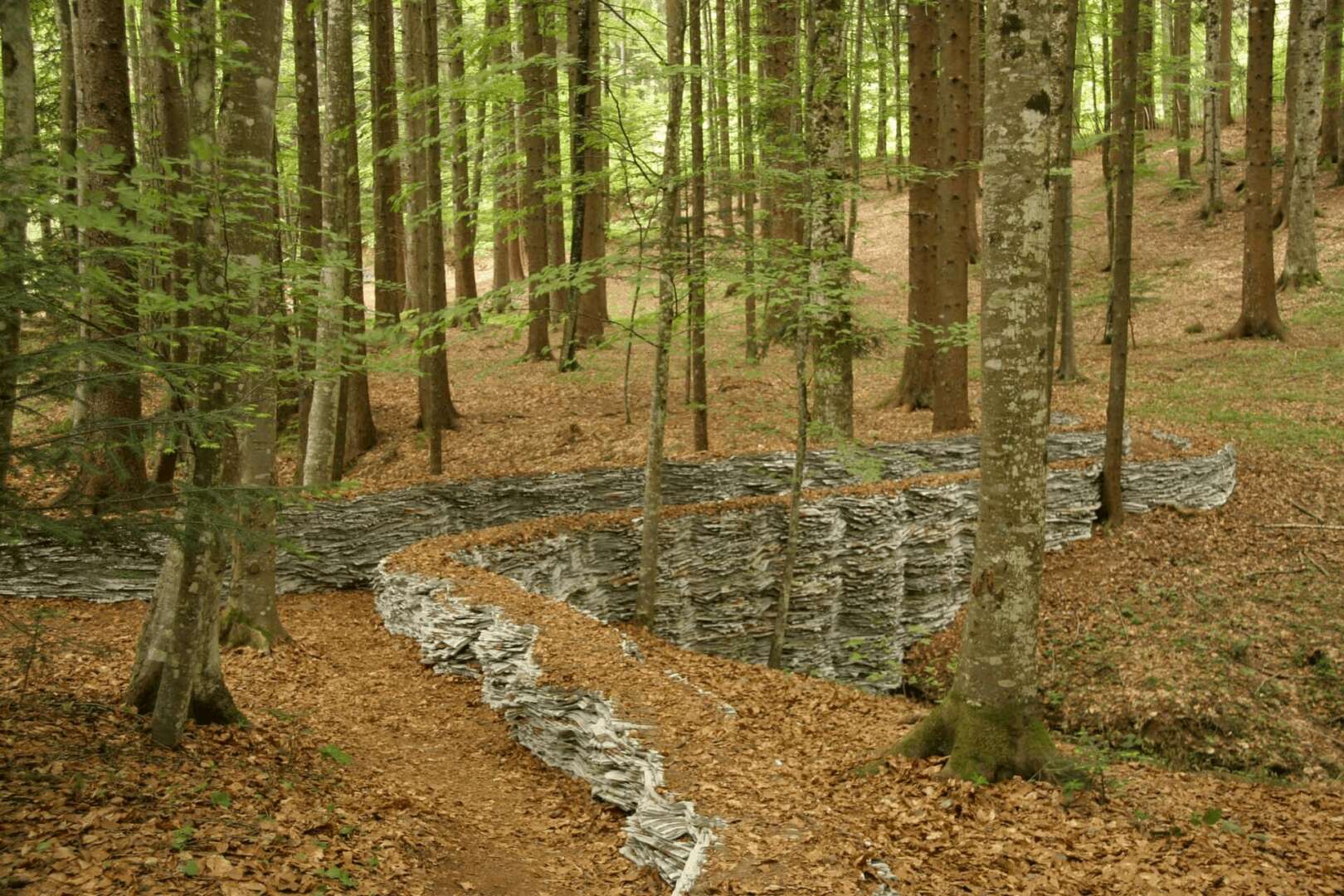
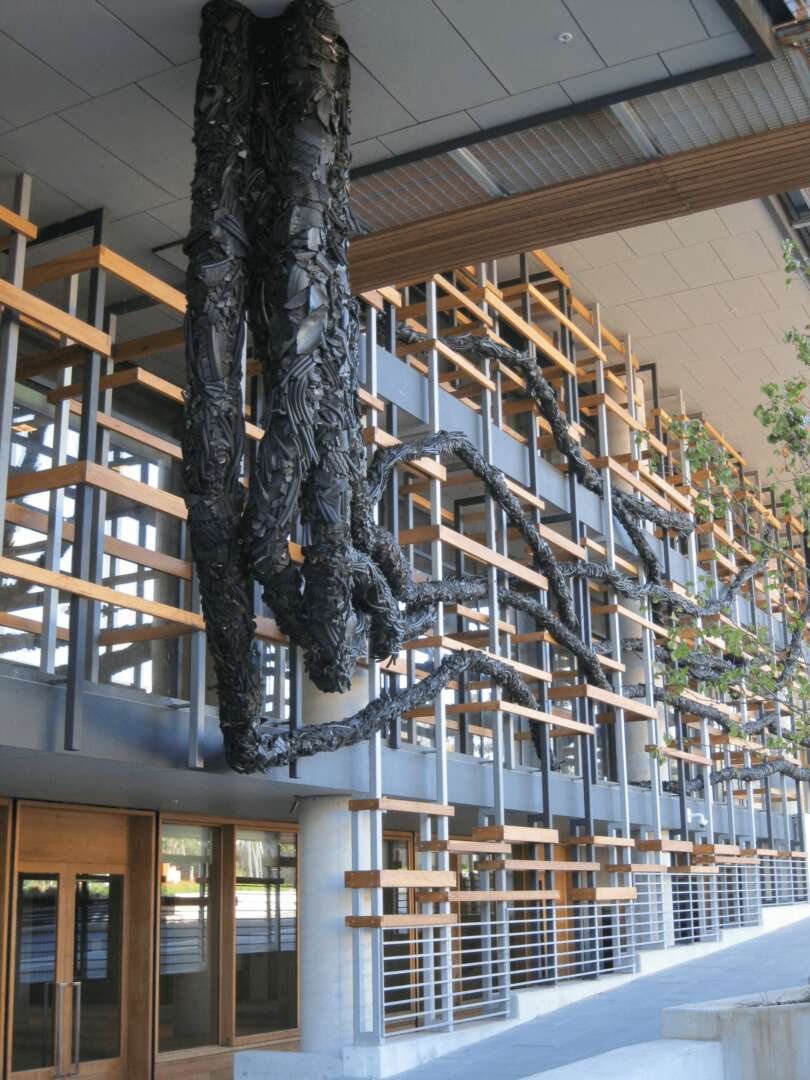
Image Credits
Outdoor work – Steven Siegel, Jean-Marie Lacharpagne
Indoor work – Doug Baz, Andy Wainwright