

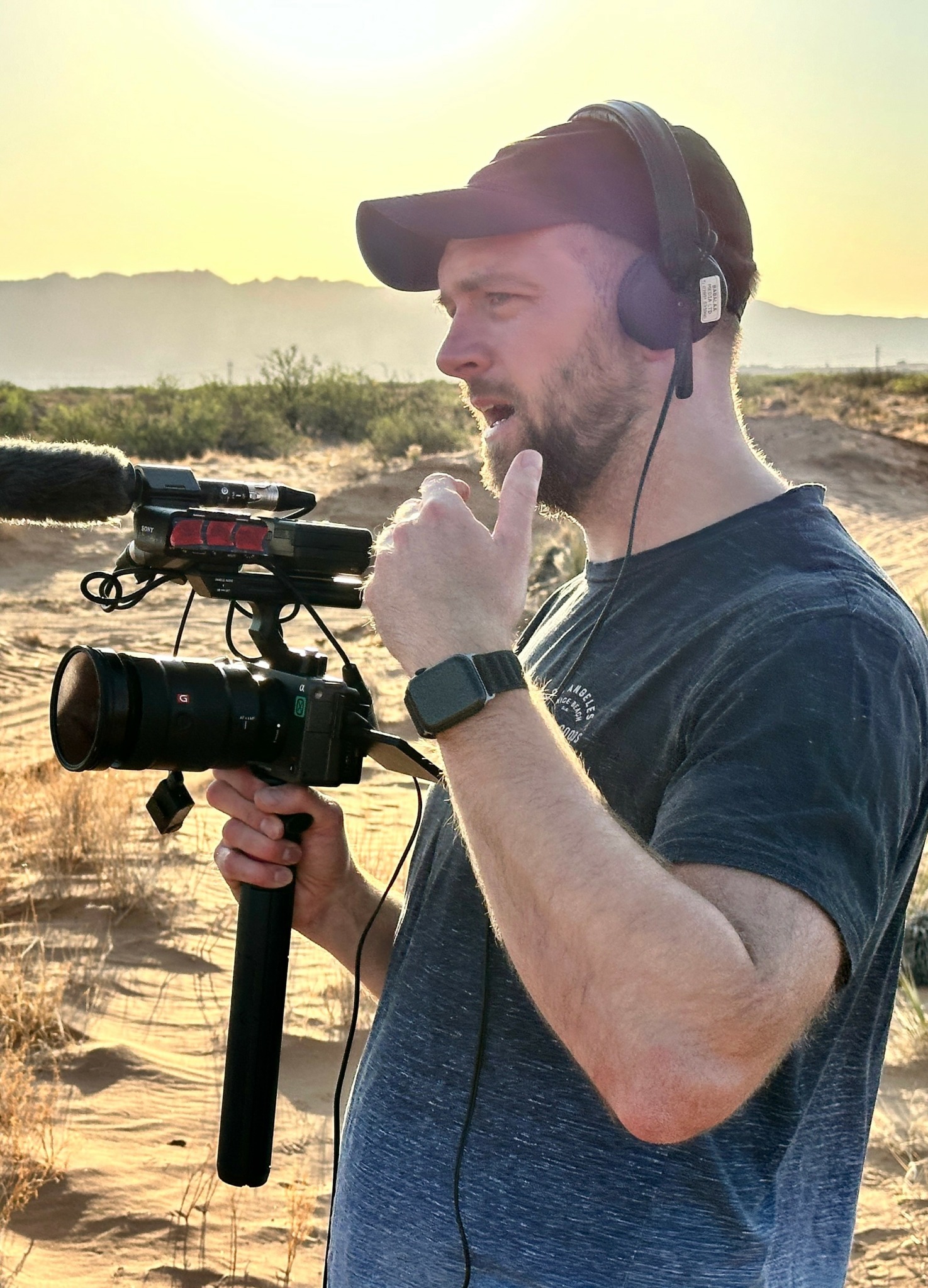

We recently connected with STEVEN PRIOR and have shared our conversation below.
STEVEN, looking forward to hearing all of your stories today. Can you talk to us about how you learned to do what you do?
I learnt my craft making documentaries for broadcasters in the UK. I started at the bottom and worked my way up to director level, making factual programmes for all major channels including the BBC, Channel 4 and streamers Netflix and Discovery+.
It’s a pretty competitive industry and you have to do what you can to stand out. I was fortunate to gain informal mentorship with a number of key people along the way who helped me upskill and gain invaluable experience.
Making TV is a funny business. You learn almost everything on the job so one day someone hands you a camera and says go film this for me. That first time you hand over your own footage is incredibly humbling and can be soul destroying. But even if they decide to use only a frame or two of your footage it can be exhilarating. And then they ask you to film a bit more and more and next thing you’ve shot an entire episode and friends start sending you photos of your own name in the credits.
If I had my time over again I’d push myself along faster. I was always petrified of messing something up. It’s drilled into you from the get go that in documentaries things only happen once so you better not miss it. And that fear probably meant I didn’t always jump up first for new career challenges. So it was always seeing peers stepping up and pushing themselves forward that was one of the biggest drivers for me.
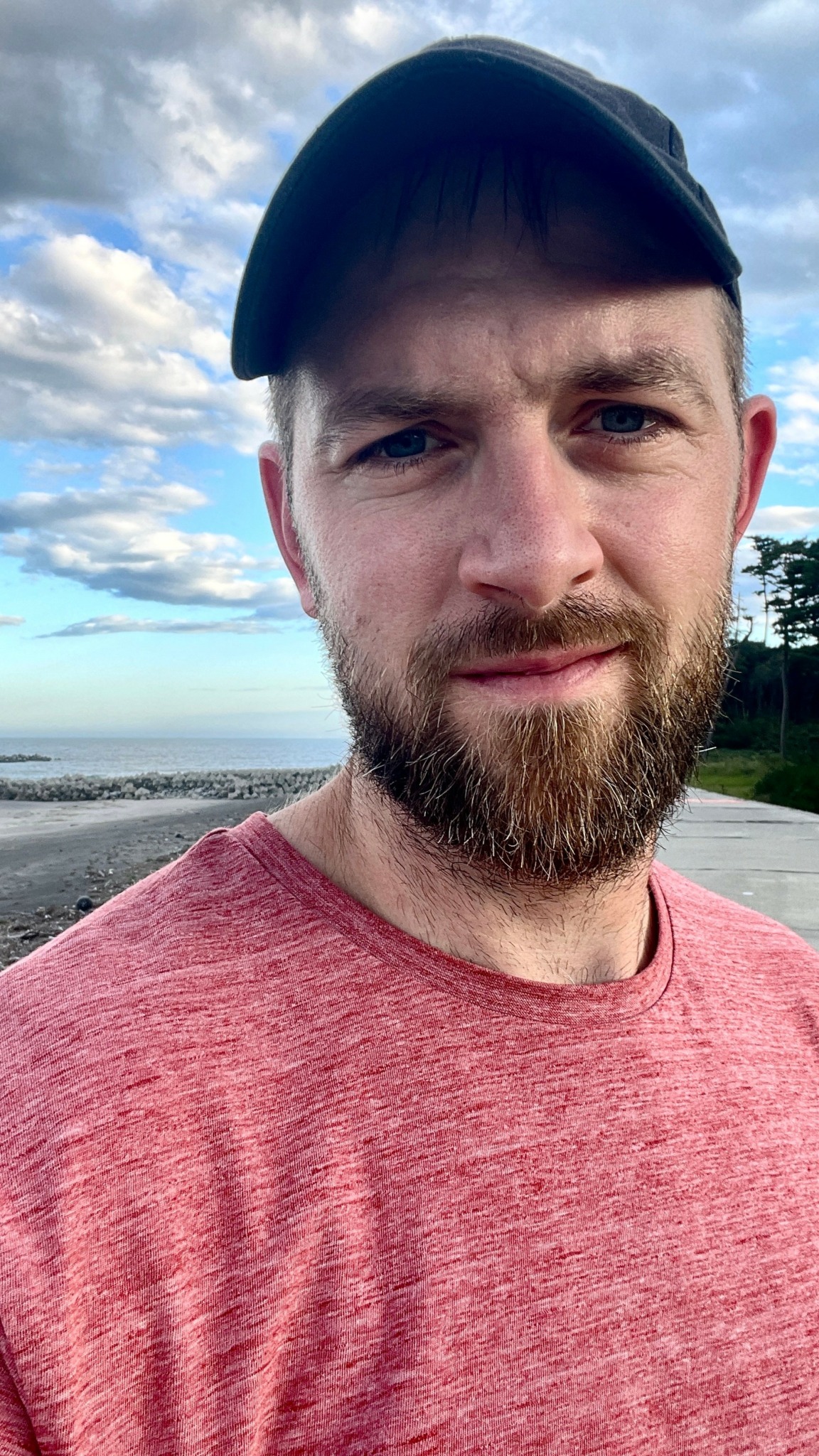
STEVEN, before we move on to more of these sorts of questions, can you take some time to bring our readers up to speed on you and what you do?
My job as a YouTube content creator is to identify interesting stories and trends then find the right people and locations to bring them to life. The route in was through conventional TV docs which gave me a solid technical foundation but in reality is a very different beast to the world of YouTube content.
In an effort to make the most of my experience AND the exciting opportunity and freedom making online content allows, I try to blend the two worlds.
Our channel, ‘The Wonder Guys’ is fairly new so we’re building a profile and audience. We target stories and locations that have probably been told before but with a fresh edge. For example we’ve recently filmed an episode in the favelas of Rio but our focus was on highlighting a personal story of a person living there and to drive the positive aspects of their life. It would be easy to draw attention to the hardships and struggles of their lives, but they don’t see things that way and so why should we as outsiders. This episode was our most successful to date and that’s down to the tone and positive focus of the film.
I also appreciate that YouTube travel content allows for an updated form of escapism. I get to explore worlds that most people watching won’t ever get a chance to experience. So there’s a greater emphasis on immersing myself into those environments and taking the viewer along with me, in a very direct way. Almost treating them like a travel companion that’s there with me. There’s often an element of danger or hyper realism to the work that simply wouldn’t be tolerated if I was making a show for the BBC. So I get closer and get a better perspective on the stories we tell. And for me that is easily the most rewarding aspect of the work.
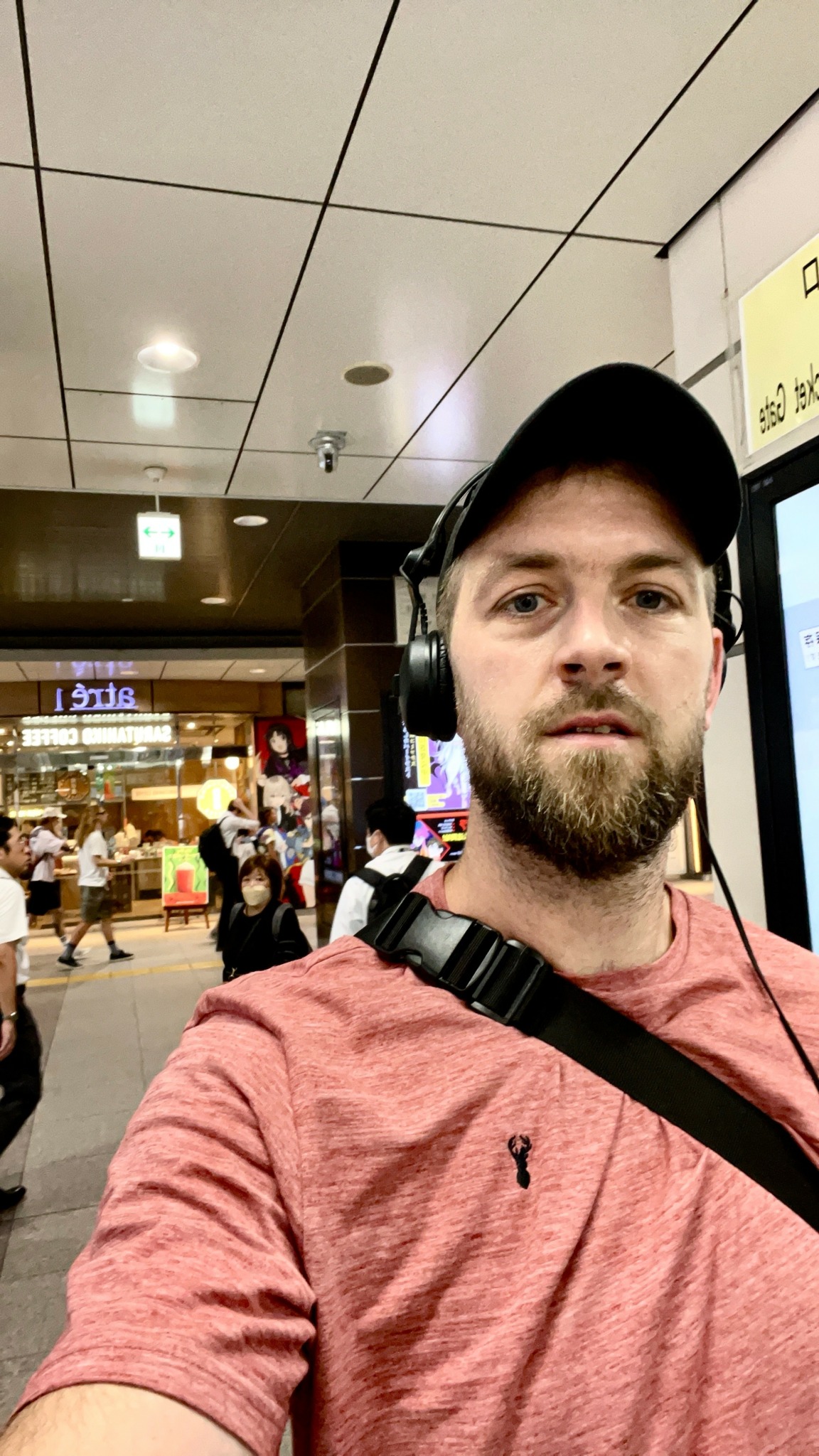
How about pivoting – can you share the story of a time you’ve had to pivot?
The path I’ve chosen to take now is essentially a career pivot. Until 2023 I was a successful producer director in the factual TV world. I was making top end docs for all major broadcasters and had started producing stuff for streamers. But much like it did 15/20 years ago, the industry is undergoing a huge constriction. Multiple roles are being condensed into one and TV ad revenue is falling which has a knock on effect for programme budgets.
I noticed advertisers were able to target their audiences in a much more direct way through platforms like YouTube and because of this I can see an even greater content boom in this space in the coming years. My intention is to be up and running with a sizeable community and following when online takes over from terrestrial TV.
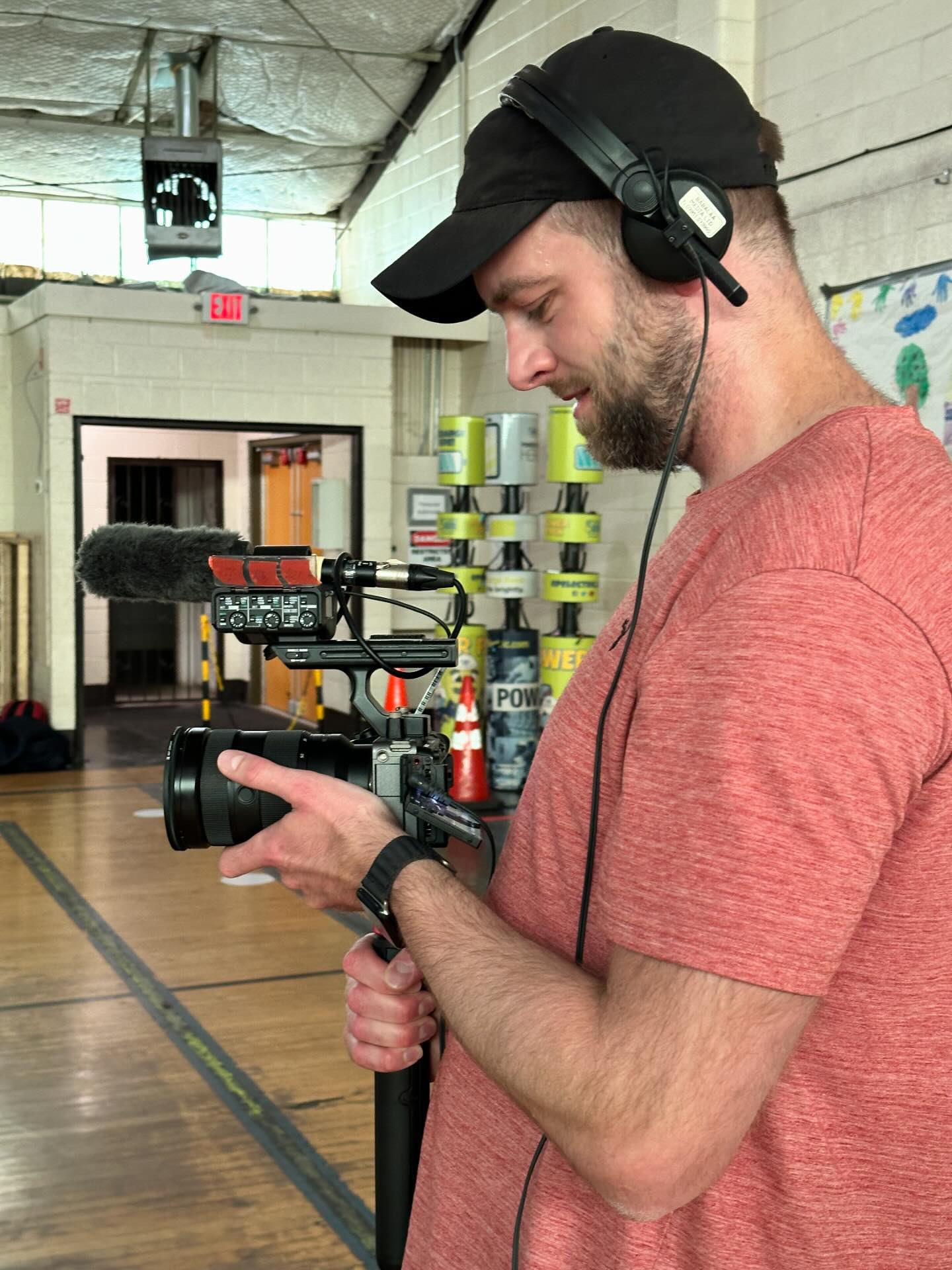
What’s the most rewarding aspect of being a creative in your experience?
Being creative sometimes feels like both a gift and a challenge. Some days the ideas flow effortlessly, while on others I have to push through a fear of failure and overwhelming self doubt. Imposter syndrome is a regular emotion I battle to overcome at some stage in EVERY project. What I find helps is to remind myself that the process matters just as much as the finished piece. Each story, angle or character, whether they get used or not, is part of the journey, and that’s where the reward comes from.
For me, being an artist isn’t just about producing things — it’s about seeing the world differently. You have to be drawn to details others might overlook: the genuine initial reaction to a new moment, the quiet emotion in an expression or the hidden vulnerability of trying something new. Most of all I’m drawn to vulnerability, as I find that to be the best way to form a bond or make a lasting new connection. It’s something everyone everywhere has in common, regardless of background, social standing or language.
At its core, my art is a reflection of who I am — my curiosity, my struggles, my joy, and my need to connect with others. Creating allows me to consider all kinds of things I wouldn’t otherwise and i’m incredibly grateful to be allowed to share in the lives of others at such important moments.
Contact Info:
- Instagram: https://www.instagram.com/stevenprior_director
- Linkedin: https://www.linkedin.com/in/stevenprior
- Youtube: https://youtube.com/@thewonderguys
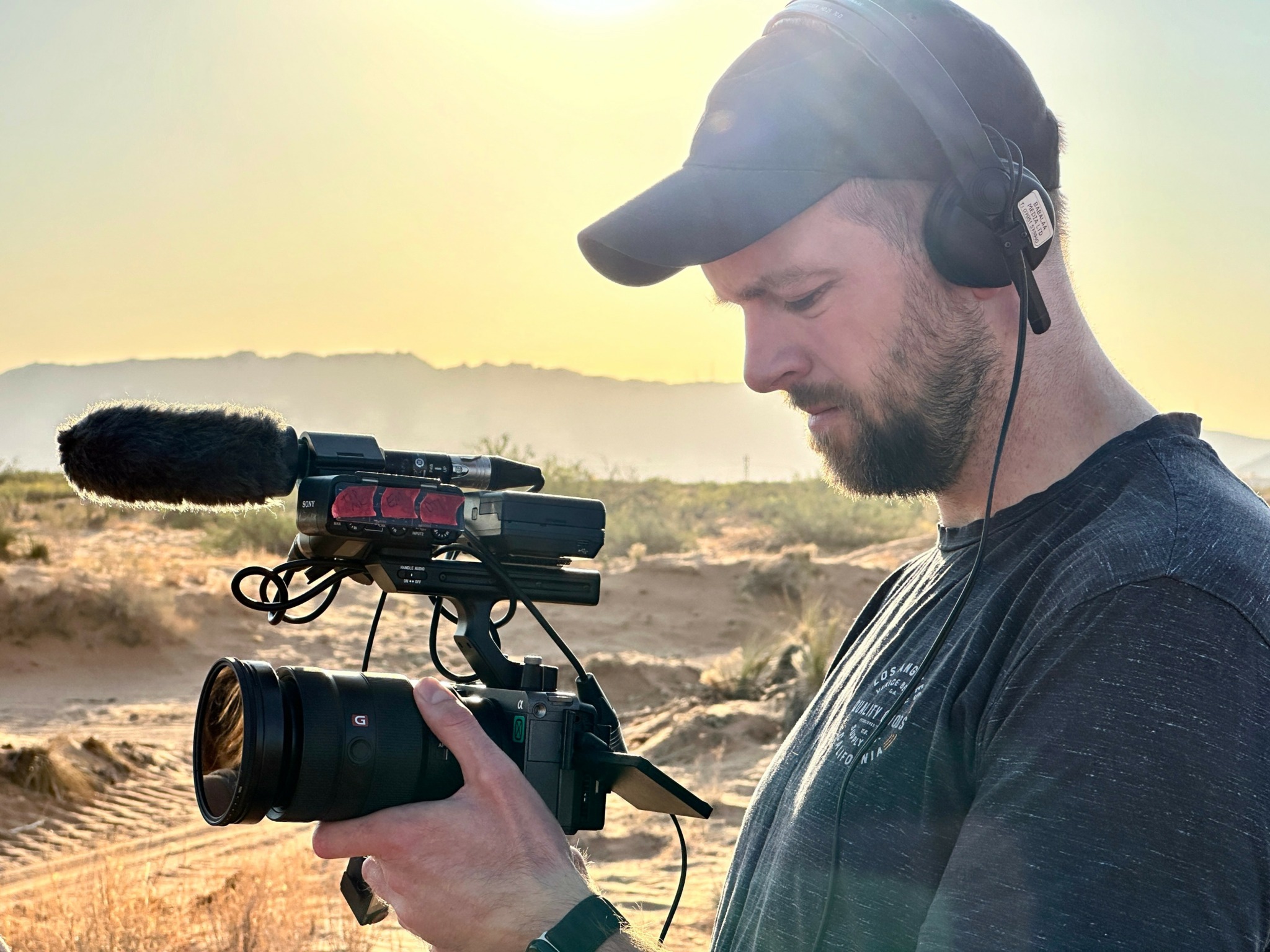
Image Credits
All images owned and provided by Steven Prior