

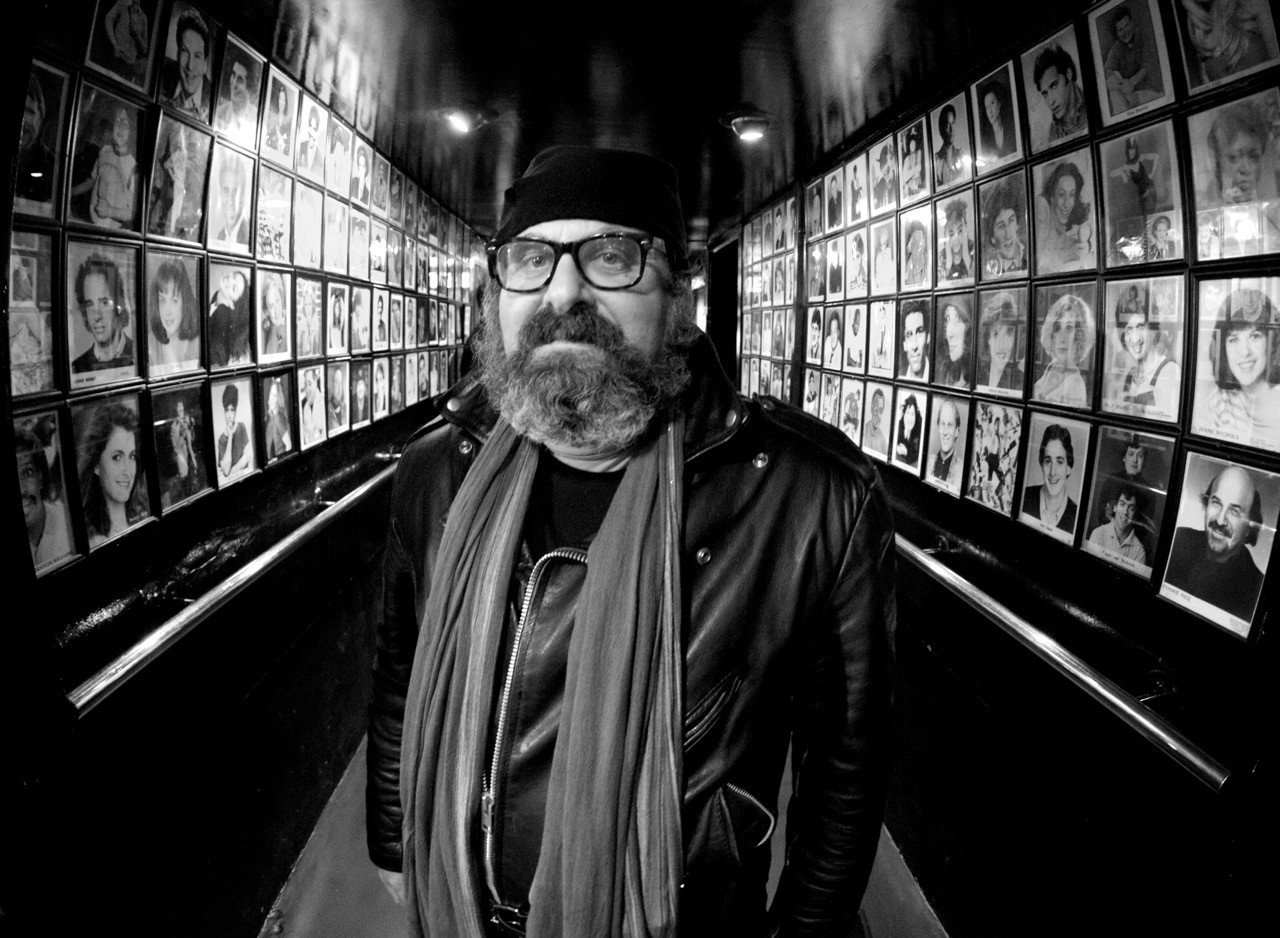

We were lucky to catch up with Steven Alan Green recently and have shared our conversation below.
Steven, thanks for joining us, excited to have you contributing your stories and insights. Has your work ever been misunderstood or mischaracterized?
Where do I begin with this one! Being misunderstood was probably the very reason I got into comedy at a very early age to begin with. When you can’t express yourself in the “real world” because you just can’t find the right words, your mind has to compensate, and with me, I’d always try and zoom out to get a clearer picture of what’s really going on, which ultimately reveals a comic scenario. When I “quit” doing standup comedy after 5 years at The Comedy Store and started performing “farewell performances” (every show my last), there was some resistance in the comedy community from those who thought I was being negative. That I was putting down the business I was trying to succeed in. On the contrary, I literally said I got “high on the laughter” and thus became an addict of performing comedy. Indeed that for me, comedy had become my raison d’etre; and something I literally couldn’t live without.
When I started voyaging to the British comedy scene across the pond, ensconced New York comics mocked me that I was appreciated in a land dominated by Benny Hill. In fact – and this was just at the cusp of the Internet – the comics I worked with and knew ranged from Jimmy Carr to Eddie Izzard to Ricky Gervais, way before their international fame. I was leaving New York for what I knew was a comedy scene that suited me. That wanted me. The comedy orthodoxy in the New York comedy scene at the time – we’re talking the mid-nineties – was comedy club comedy was simply a person standing behind a mic telling jokes. I was much more than that. I played guitar, did characters, worked the crowd, and every show was my last. I knew when I was starting out at The Comedy Store that there were two types of comics who made it. The joke tellers and the character acts. I wanted to be both and so I created a hybrid.
All of the disinterest or negativity of the New York comedy scene to what I was doing just made me laugh because I knew better than any outside critic in terms of what was good for me. When I moved back to Los Angeles full time, I was still very much a trained British citizen, whose subconscious use of “please” and “sorry” in everyday conversation confused people and often made them think I was being either pushy, low self-esteem, or most frustrating, sarcastic. Took me a long while to figure that one out. Was like wearing a mask to a party and not even knowing it.
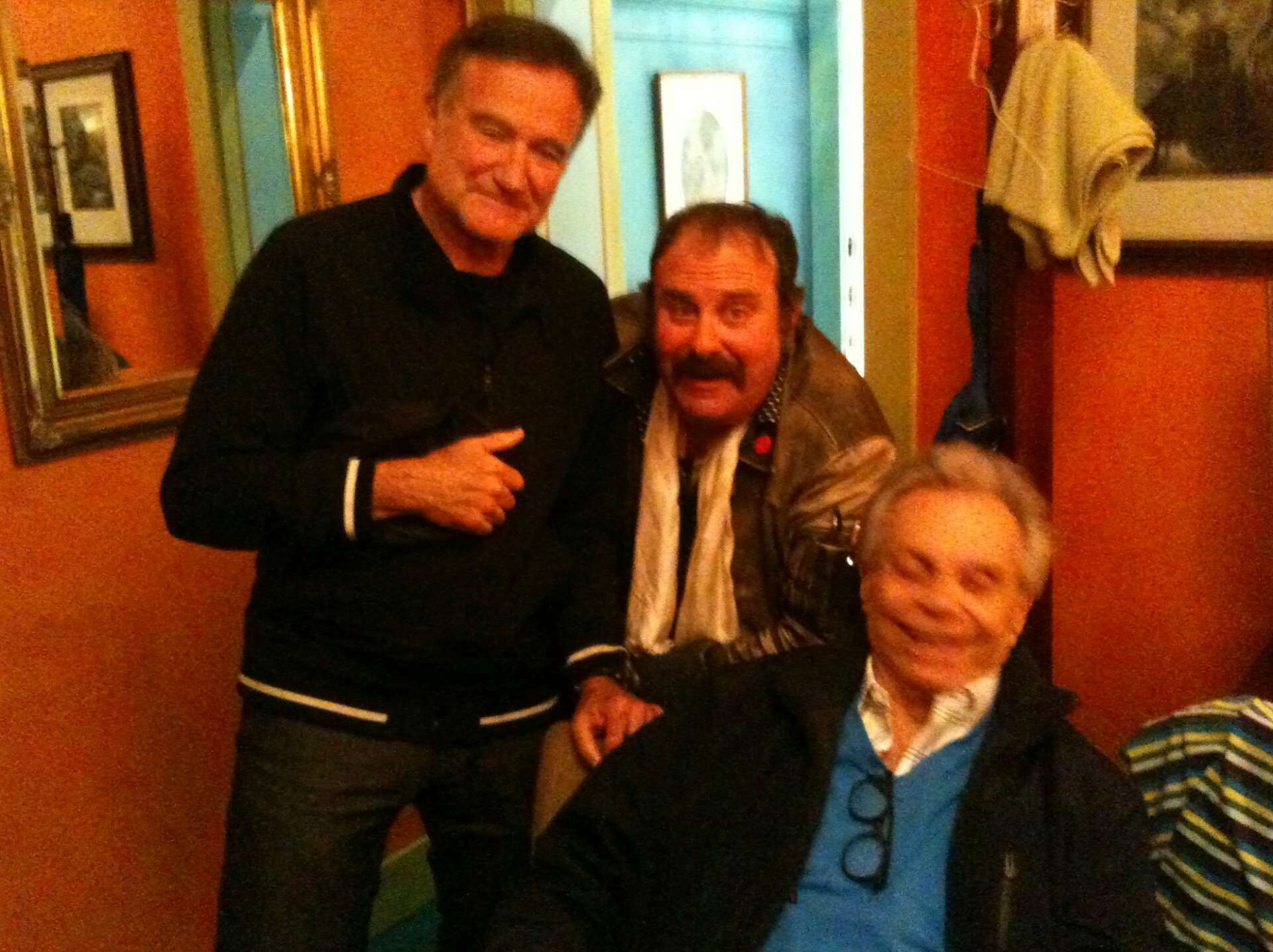
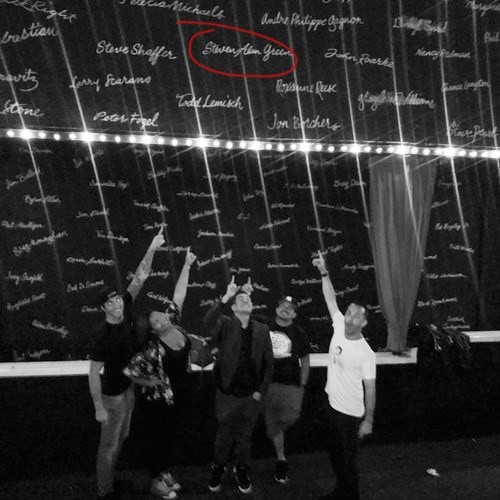
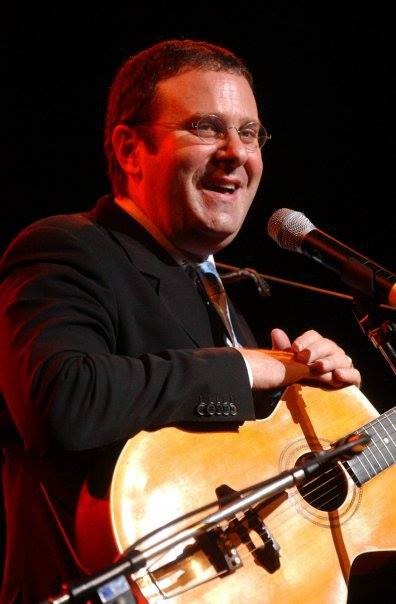
As always, we appreciate you sharing your insights and we’ve got a few more questions for you, but before we get to all of that can you take a minute to introduce yourself and give our readers some of your back background and context?
I had no choice but to be in showbiz. My road has been circuitous with unexpected and surprising turns. I was raised in a middle-class Beverly Hills showbiz family. Beverly Vista Elementary offered a wide range of creative arts classes and the culture was populated by children of famous movie stars, as well as child stars such as Jay North of Dennis the Menace fame. I was enrolled in private acting school at age 5 and got a commercial almost immediately. I played a kid. My mother was a wonderful singer whose own mother stopped a Hollywood contract from happening and my father was childhood friends with Mel Brooks, a successful entrepreneur, an intellectual and a brilliant writer. Both my parents were individualists who started and very successful businessess. I learned early on that to really succeed with brilliance, one has to grow their ideas outside the system. My parents were, and remain, my biggest influence. Gloria Green started Glendale Career College and had the highest “placement rate” in the nation (if you went to her school you were guaranteed a job) and was honored at City Hall by the mayor. I was a rock drummer from elementary school through high school, where I got into acting in plays and musicals. I taught myself guitar and started playing coffee houses. Until one night, someone saw me being funny between songs and suggested I audition at The Comedy Store. I did and got hired that very night.
Once at The Comedy Store, I had to learn my craft very quickly, as I only had a few minutes of material from the singer/songwriter days. I was on shows with the likes of Jerry Seinfeld, Roseanne Barr, Sam Kinison, Andrew Dice Clay, Robin Williams, and Richard Pryor. I was also an emcee and joke writer for Jay Leno, Arsenio Hall, Jimmy “JJ” Walker, and several others. My jokes were frequently done on television. But, after five tough years trying to survive in the oft toxic environment of comedy clubs of those days, where I was still in a personal cloud of confusion from growing up in a toxic and shattered family, I went up on stage at The Comedy Store and dramatically announced I was leaving the business forever and tonight was to be my very last show. I meant it. Dead serious. I just wasn’t getting the offers I wanted and was tired of struggling, including sleeping in my car for a short time. But then something very unexpected happened. Because I was “quitting”, there was no more pressure. I had fun again. I was funny in a new way. Once I knew in my head it was my last show, I was somehow freed up to go anywhere on stage and thus was funnier than I ever had been. At the end of my 15 minute spot, I told the audience that they were so great, maybe I’d come back tomorrow and do one more “farewell performance”. Wild cheers and applause. Soon I became known as the comic who only does farewell performances, which lead to my first Canadian tour, offers to audition for Letterman, lots of press and a potential book deal. I performed several thousand last shows across North America and wrote an unpublished book about my life and the concept of being addicted to the laughter, interviewing the likes of Steve Allen, Alan King, and Norman Cousins, author of Anatomy of an Illness, in which he proved laughter heals and therefore as a drug, why not addictive.
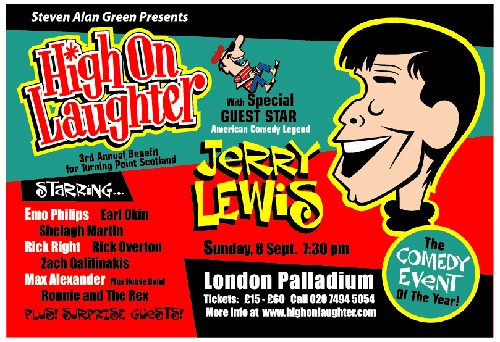
On a dare from my late father Harold Green, in 1995 (where I was living at The Chelsea Hotel in NYC), I ventured over to London, England, where I had played once before in 1982. This time, the London comedy scene was burgeoning with over 200 paid comedy gigs a week! Pubs, comedy clubs, theatres! Comedy was considered a high art form over there and the Brits saw me as a great international act and called me “Brilliant”. (Though, I later learned they throw around that term quite a bit: “This tea is brilliant!”) I was on British television quite a bit, on comedy shows, commercials, and hosting Comedy Central UK (The Paramount Comedy Channel) as an American televangelist warning the audience not to watch South Park. Having done so well in the UK (as compared to LA or NY where I only got to the comedy club level), I created “High On Laughter”, a comedy gala for Turning Point Scotland, a drug and alcohol charity launched by Princess Diana. I produced three of them, two at The Edinburgh Fringe Festival and then at the legendary London Palladium, where I filmed it for television (broadcast on Bravo UK). On that show were 15 British and American comedians, including Zach Galifianakis, Jim Gaffigan, Emo Philips, and Bobcat Goldtwait. And comedy legend Jerry Lewis who we were giving a lifetime achievement award.
What happened on the very fateful Sunday night of September 8, 2002 made international news and became the stuff of literal comedy mythology. Our star, the once great Jerry Lewis, suddenly and unexpectedly collapsed backstage just as he was about to come on stage to receive his award. I had to go out on stage and make this announcement, which went all over the world as news.
https://www.youtube.com/watch?
http://news.bbc.co.uk/2/hi/
Jerry’s unpredictable behavior was clearly evident during the entire summer of pre-production. Pulling out of the show several times, reneging on his promise to do the press interviews, as well as his ridiculous personal and professional expenses, including an orchestra, which cost me $25,000, but he didn’t bring his musical charts and then screamed at me in front of the entire crew when I gingerly approached him about this last minute situation.
An ambulance was called, but Jerry immediately and suspiciously recovered and flew back the next to America without going to the hospital or even an “up yours”. Jerry had more than lived up to his reputation as difficult and unpredictable and cost me a bundle. The following year I did a one-man show up at the Edinburgh Fringe about growing up in showbiz, becoming a comedian and then meeting and befriending one of your childhood comedy idols. That show, “I Eat People Like YOU for Breakfast!” was co-written and directed by John Dowie, a British comedian, writer and poet who worked with the likes of Neil Innes, of the legendary British satirical musical group The Bonzo Dog Doo-Dah Band, who appeared in Magical Mystery Tour. Suddenly I was collaborating with a very creative gentleman, only one degree separation from Monty Python and The Beatles. “Breakfast” was a critical success and played in London, New York, San Francisco, Los Angeles, and Edinburgh where it initially premiered at the Gilded Balloon at the Edinburgh Fringe. Eventually, it was seen by an Oscar winning producer Julian Krainin who won big for Quiz Show, directed by Robert Redford, who co-wrote a screenplay and then, before I could say “Bob’s your uncle!”, went into development as a feature film. With huge names attached. However, the film never got made. On the other hand, recently, I met a producer/director who is reading it with great interest. So, it never ends.
My philosophy when it comes to comedy creativity is this. If you have the basic genetics of any creative process (whether it’s painting or writing or directing), all you need to do is to transfer and translate the “comedy code” into whatever art-form you want to. Good comedy in movies is the same mathematical formula of a good standup joke. And, vice versa, if you want the comedy club audience to “feel you”, you need to inform them of who you are and your dilemma. Because every good comic has a dilemma. Roseanne was the escaped housewife. Eddie Murphy was the very smart and good looking African American. Bill Burr is the “regular guy” finally being honest. John Mulaney is the quintessential frustrated participant and keen observer. Amy Schumer is the self-deprecating but feisty woman in a comedy man’s world. Every good comic is an archetype. It goes on and on.
If I had to choose what I’m most proud of, it would probably be my short film. “Little Things” is a short “zomedy” I wrote and directed in England. It’s about a bomb disposal agent for the police who suffers from OCD and who is haunted by psychological zombies made up of those who made fun of him throughout his life. It was a great learning experience and the film one won several awards. “Little Things” was produced by Roopesh Parekh who went onto become the Executive Producer of “Willow” the series for Lucas Films and Disney. We stay in touch and grab sushi whenever he’s in town. A great guy and the film wouldn’t have been half as good without Roopesh.
https://www.stevenalangreen.
The Laughter Foundation is an organization I started to get comedians mental health care and financial aid. The latest is that Lakers owner Johnny Buss is our patron behind the scenes. I hope to be producing more benefit shows soon.
https://www.stevenalangreen.
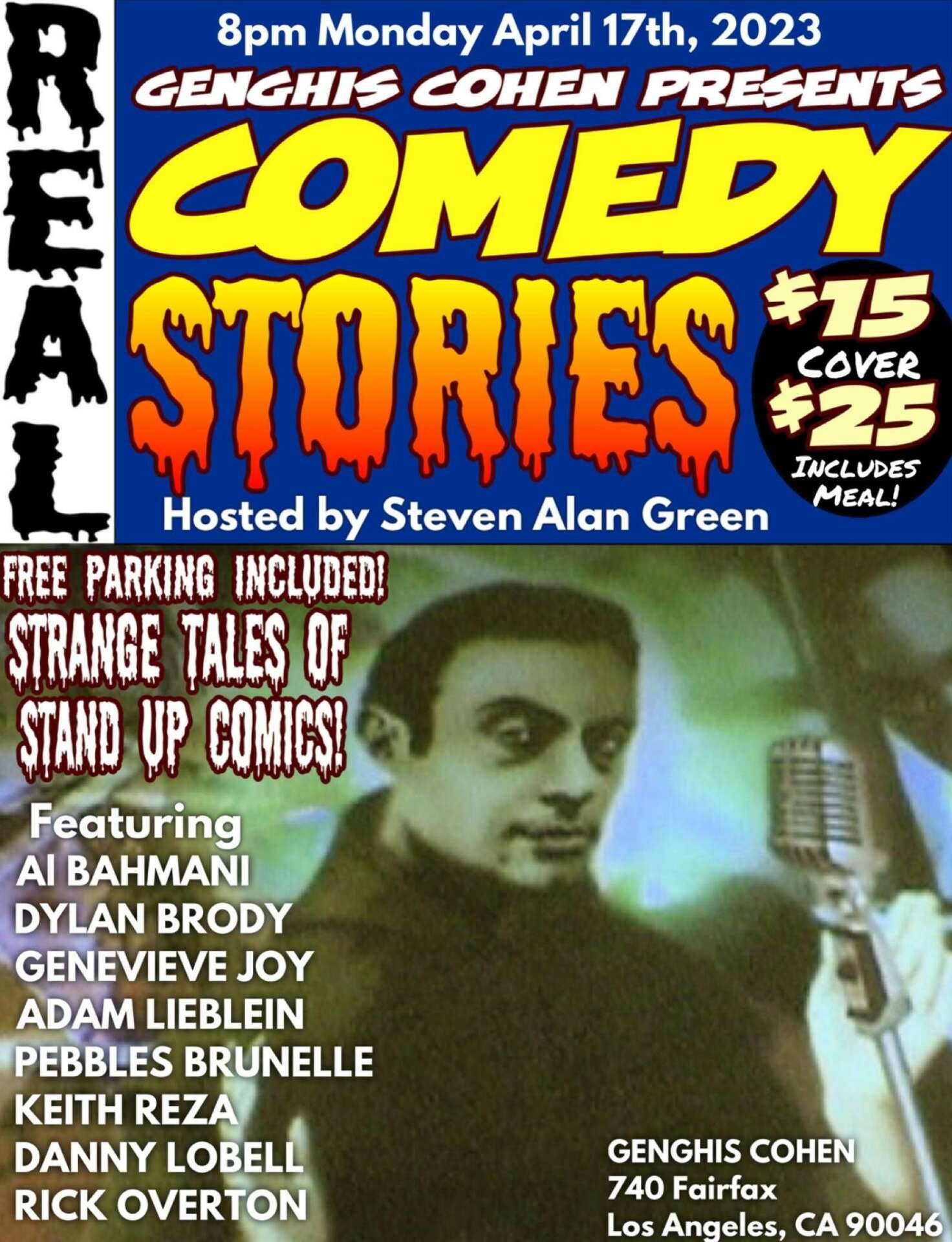
Real Comedy Stories is a live story-telling show I produce around Los Angeles. RCS features comedians, actors, writers, even agents, telling real backstage stories about being in the business. Check our webpage for the latest news and show information.
https://www.stevenalangreen.
I’m also finishing a fantasy novel. The Myth Council Handbook is about a 100,000 year old bureaucracy, which taxes and regulates myths worldwide. Everything from Cupid, the Devil, Lucky #7, but also modern myths such as Weapons of Mass Destruction and is that Kim Kardashian’s real butt. Mary Spensor is a 16 year old in a small isolated Midwestern town who doesn’t know she’s really the Greek myth of Persephone, which is why her life is a living hell, while her best friend is an old Jewish vampire who runs the local Chinese restaurant. When Santa Claus gets fired by the Myth Council, gets drunk and crash lands on the rooftop of the Belleview Mortuary, it sets off a chain of events, including the reincarnation of Para-not-normalist, Crypto-capitalist, and investigative journalist for The London Fogg, Nigel Arrisson, whose main purview is to somehow find the one copy of The Myth Council Handbook, Edition 11, published 1,481, because he believes it contains the secret numerical code to the English language, which can unlock the “power of the dead”, which the Myth Council want to exploit, mainly for their own greedy means, because the power of the dead is based on the mystical power of luck itself, which can be harnessed at the feet of a recently deceased person. https://www.stevenalangreen.
MY SERVICES:
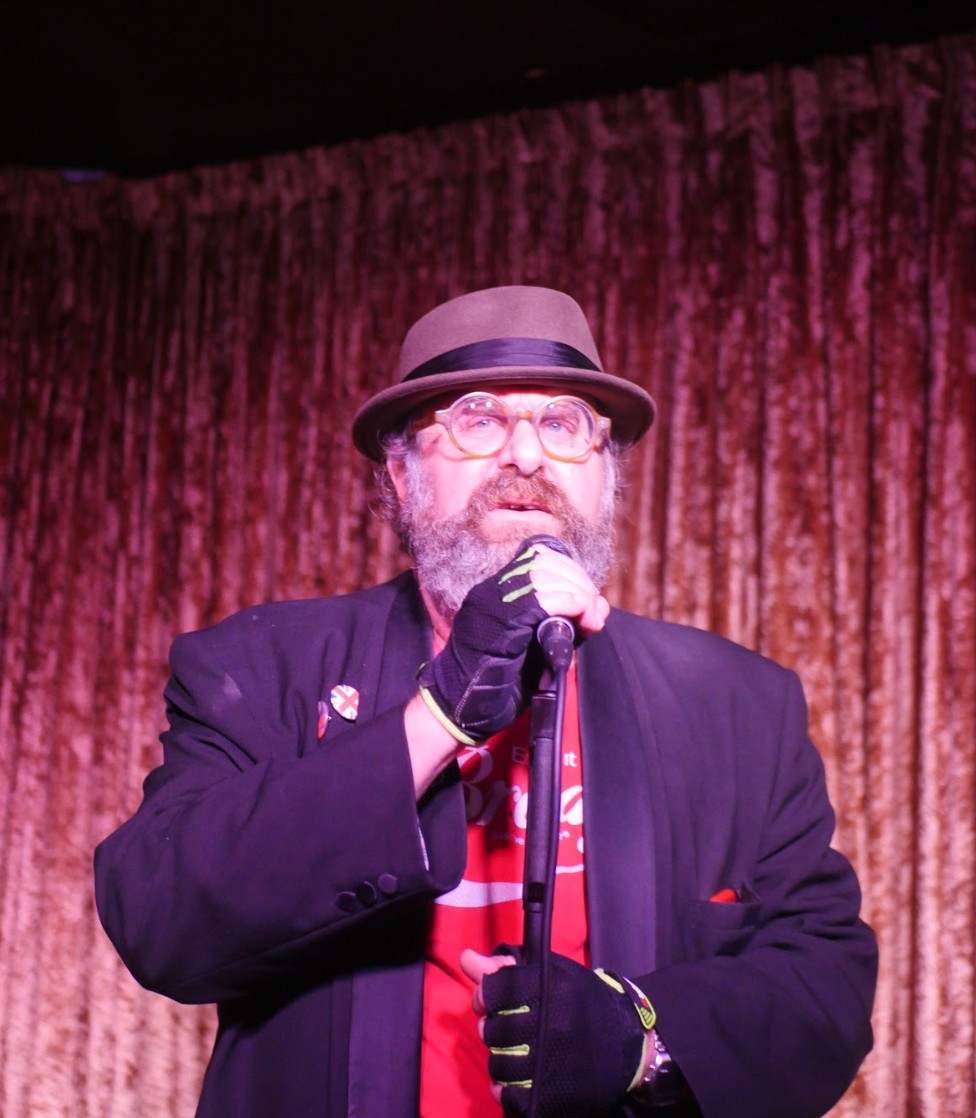
Aside from comedy gigs (both club and corporate), I always tailor my show to the particular audience. I was an emcee at The Comedy Store and worked the crowd very well, partly because I couldn’t remember my own material half the time. I still work as an actor and recently played a Brit in a commercial for Fox Sports.
https://www.youtube.com/watch?
I have fairly impressive voice-over credits and a wide variety of voices and it can all be heard here: https://www.stevenalangreen.
I am still very busy writing my own projects, but also am almost constantly contracted by other people who need help with everything from their standup to novels to screenplays. I believe in words more than I do people. Words have meaning, whereby people are in constant search of meaning.
My credits, prices (always negotiable) and methodology all here: https://www.stevenalangreen.
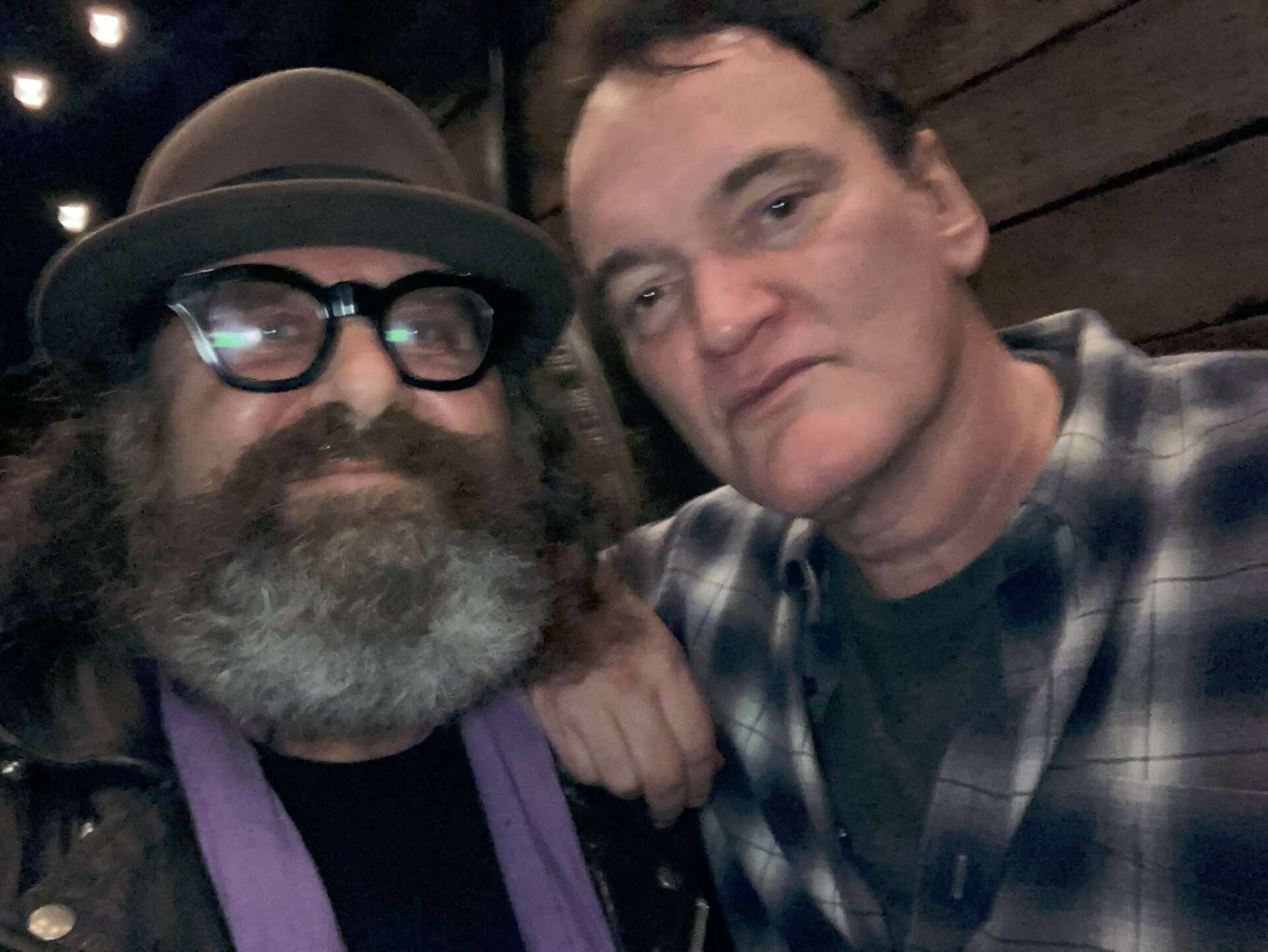
I try and constantly learn from those around me. From watching other comedians to being friends with very smart and successful Hollywood writers or directors, some of whom are lifelong friends such as Jaws scribe Carl Gottlieb and others I only spent a meaningful evening with like including Jaws scribe Carl Gottlieb and Quentin Tarantino, there’s always an upside. Even if it’s to have your own imagination bubbles burst. You move on with new knowledge and if you’re lucky, new skills. Either way, keep the life flow moving.
Let’s talk about resilience next – do you have a story you can share with us?
HOW I GOT A PLACE TO SLEEP BY PRETENDING TO BE SOMEONE ELSE
For decades, I was the one who helped others. I had three homes, one in London, one in New York, and here in LA. Now I was on the short end of things and suddenly struggling. One night I had no place to stay for the night and no money for even a Korean spa, where I had stayed for months on end. With my last five dollars, I go to the bar at The Improv to just be with people. I figured I’d stay up as long as I could then sleep in my car behind the comedy club. Then, from on the other side of the bar, I hear a young man talk quite loudly about how it was Comedy Store comics who burned down the Improv way back in the day before I even got into the comedy game. Knowing the great rivalry between the clubs, I just had to step up and defend my home team, but didn’t want to get recognized. I took on a fake posh British accent.
“Excuse me, are you talking about The Comedy Store in London?”
He replied he wasn’t even aware of the comedy club with the similar name in London. He sat next to me at the bar and we talked comedy for hours. I pretended I knew nothing about American comedy, even saying, “Who is George Carlin?” When the bar closed, the young comic (in his 30’s) invited me back to his place for some after-hours drinking with his friends, which completely delighted me, as I was still unsure where I was going to sleep for the night. His friends came over and I was the life of the party. As “Nigel”, my fake British character. Nigel once again proved much more popular than I could ever be! I stayed in character for several hours, delighting these young people with fake anecdotes and phony stories about having to call my chauffeur to drive me to the airport to go back to London for a very important meeting with a film studio. Everyone eventually left and my friend went to bed, but not before offering me his couch for the night. Mission accomplished.
When I awoke early afternoon, I knocked on his bedroom door carrying a plate of food and in my fake British accent, I said, “I took the liberty of cleaning up the kitchen and made you some breakfast.” Surprised, he took it, thanked me and I stayed there for another few weeks! All the while staying in character, wearing a kitchen apron and acting as his own personal British butler. I felt both terrible but also enjoyed the discipline of staying in character for so long. One time, he and I were in the middle of a discussion when my phone rang. Without thinking, I answered in my own natural voice, until I glanced over at my benefactor and then quickly said into the phone: “Uh, sorry, I must ring you back,” as Nigel. This went on for weeks. Until one day I couldn’t keep up the ruse any longer and revealed who I really was.
“Young man. Please have a seat. I’m not who you think I am.”
“You’re not? What do you mean?”
“I am from London, in the sense that I lived there for decades, but my name is not Nigel Arrisson. I am….actually….(switching back to my real accent)…Steven Alan Green, comedian from The Comedy Store.”
Surprisingly, he laughed, loved it and we stayed friends….for a while.
What do you think is the goal or mission that drives your creative journey?
It’s two-fold, really. One is to learn more about who I am and why I am. Both through my art and through consistent self-evaluation. Constantly trying to get to the truth of what’s good or real for me. Secondly, to make people laugh, and by doing so, remind them to love life. It’s really as simple as all that and boils down to – what I always valued over everything, even as a child: Being a good person.
Late Breaking News!
Last year, I did a little film with British comedian and award-winning documentarian Joe Bor. I’ve been a part time Uber driver for years and it’s always an adventure and often a rolling comedy club. His film “A Funny Kind of Journey” just won an important award in the film festival in Monte Carlo! Click here to see the short film and support the series. https://www.gofundme.com/f/
What was I most proud of?
If I had to choose what I’m most proud of, it would probably be my short film. “Little Things” is a short “zomedy” I wrote and directed in England. It’s about a bomb disposal agent for the police who suffers from OCD and who is haunted by psychological zombies made up of those who made fun of him throughout his life. It was a great learning experience and the film one won several awards. “Little Things” was produced by Roopesh Parekh who went onto become the Executive Producer of “Willow” the series for Lucas Films and Disney. We stay in touch and grab sushi whenever he’s in town. A great guy and the film wouldn’t have been half as good without Roopesh.
Contact Info:
- Website: https://www.stevenalangreen.com
- Instagram: https://www.instagram.com/stevenalangreen
- Facebook: https://www.facebook.com/steven.a.green.7/
- Linkedin: https://www.linkedin.com/in/steven-alan-green-a48a3614/
- Twitter: https://twitter.com/sagman
- Youtube: https://www.youtube.com/channel/UC-qSG97-EZJc-FCZxQJ6ZZA
- Other: https://www.stevenalangreen.com/about-sag https://www.stevenalangreen.com/pandelic-films – MY SHORT FILM LITTLE THINGS https://www.stevenalangreen.com/themythcouncil – MY NOVEL IN PROGRESS https://thelaughterfoundation.org/ https://www.stevenalangreen.com/real-comedy-stories https://www.stevenalangreen.com/i-eat-people-like-you-for-breakfast https://www.stevenalangreen.com/press-portfolio https://www.tiktok.com/@stevenalangreen21/video/7281333489889250602 https://www.tiktok.com/@stevenalangreen21/video/7302966195215437102 https://www.youtube.com/watch?v=lJZJAZJntKg https://www.stevenalangreen.com/pandelic-films
Image Credits
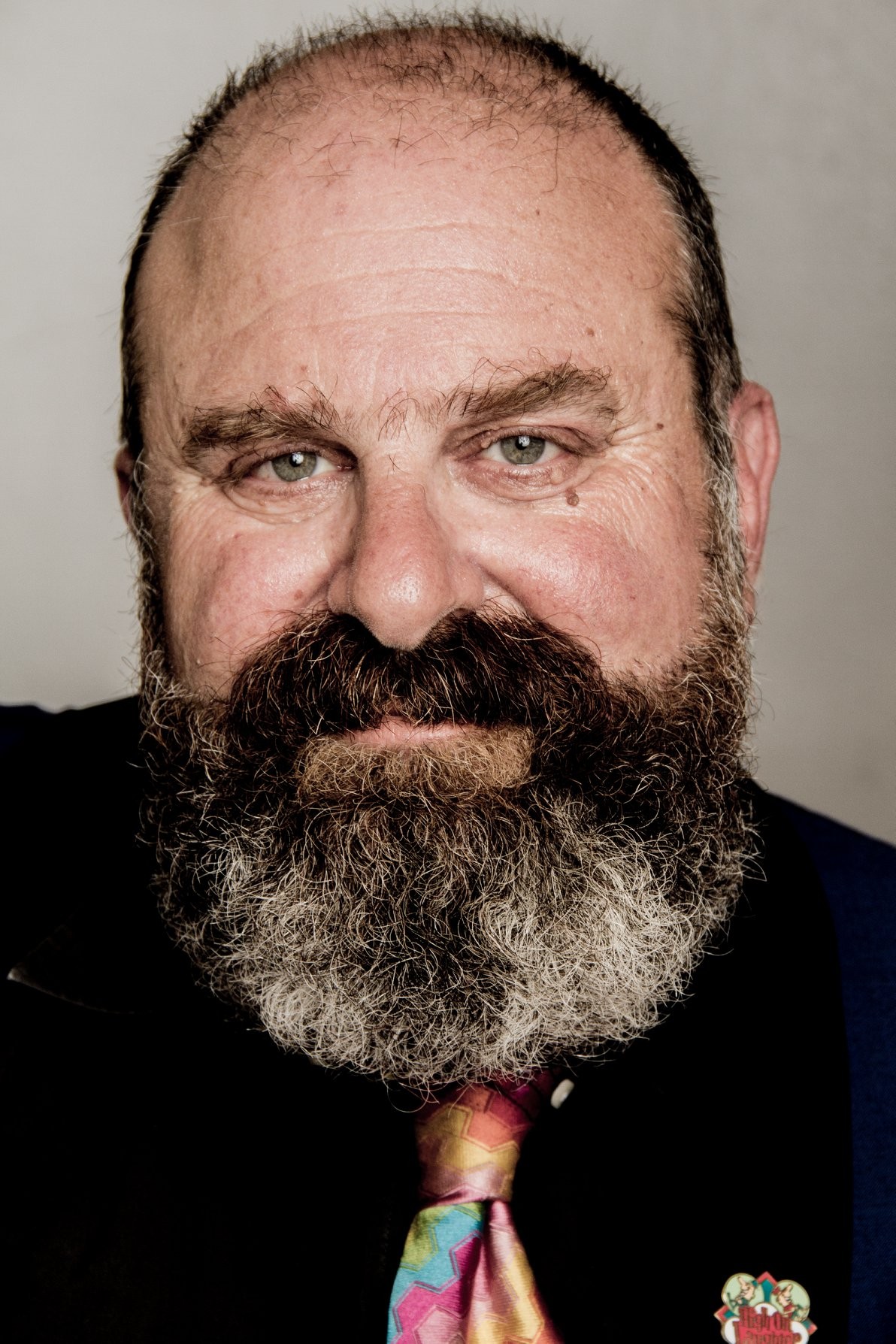
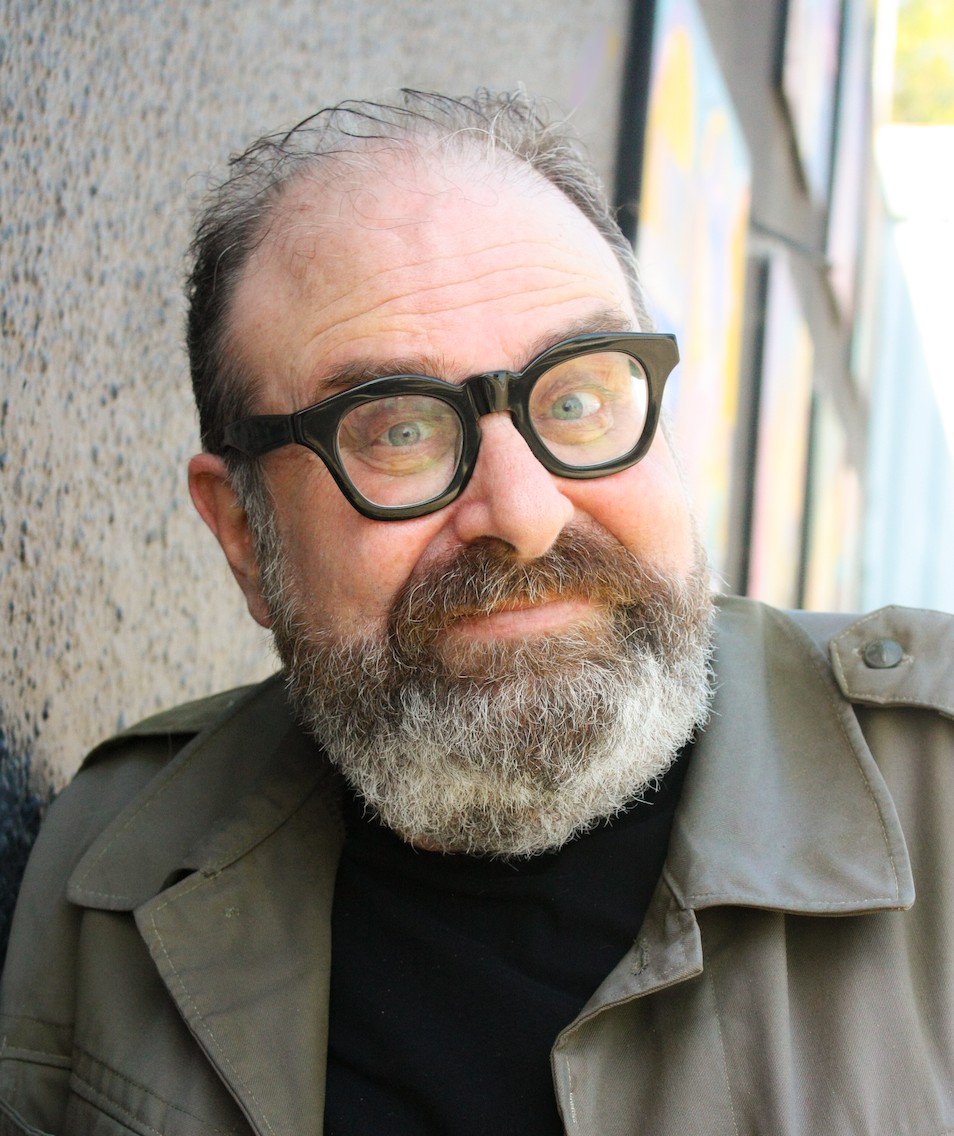
Troy Conrad: B&W Comedy Store wide-angle hallway photo Rosie Tran: Friendly headshot w/beard Mark Maryanovich – buzz cut and beard with rainbow tie