

We’re excited to introduce you to the always interesting and insightful Steve Twinley. We hope you’ll enjoy our conversation with Steve below.
Steve, appreciate you joining us today. It’s always helpful to hear about times when someone’s had to take a risk – how did they think through the decision, why did they take the risk, and what ended up happening. We’d love to hear about a risk you’ve taken.
In mid-2023, something had to change. I was Managing Director of a life science recruitment company, with 17 years’ experience, and I was getting burned out.
My home life was amazing. Happily married, with two children aged 13 and 11. But I left the house at 7am, got home at 7pm at the earliest, and was constantly stressed, with daily headaches, neck pain, a never-ending list of worries, and I was no longer enjoying the job that used to give me so much joy and purpose.
Clichéd as it sounds, turning 40 was my catalyst for making a change. Work was taking its toll on my physical and mental health and I simply couldn’t continue any more.
The problem was that I was the main earner in our household. Leaving this job was a huge risk.
I would love to say that I had a clear future plan, but one thing I have learned about myself over the years is that I am good at managing the present, yet pretty terrible at planning ahead.
I had qualified as a counsellor a few years before, and volunteered as a therapist and Samaritan alongside my recruitment career, because I have always loved helping people. When the time came to leave recruitment, I had a thought to be a full-time therapist but had no idea how to make this work financially, given that it would be a massive pay cut. I just knew that I had to get out of my present situation.
Taking this risk was both terrifying and exhilarating. I had originally thought about taking a month off, but within 3 days of leaving my head was already spinning with ideas, and the seeds of my business Purpose Mentoring were sown – to provide counselling to people in pressurised jobs.
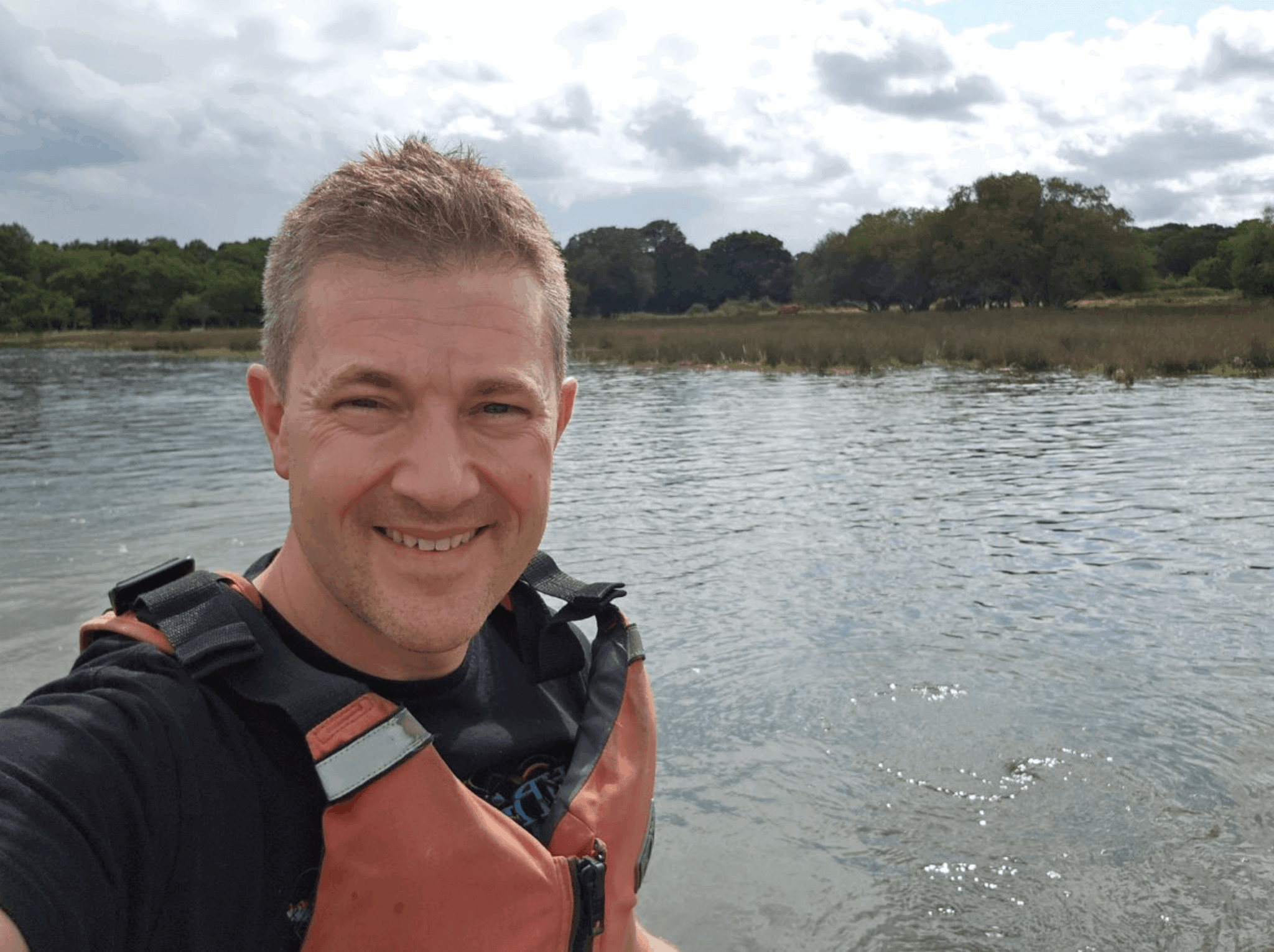
Awesome – so before we get into the rest of our questions, can you briefly introduce yourself to our readers.
My background is somewhat unique! Alongside 17 years’ commercial experience in recruitment and business leadership, I am a qualified, BACP-accredited Counsellor and have a first-class degree in Psychology from Oxford University.
Through my business Purpose Mentoring, I provide online therapy and coaching to people in pressurised jobs. I help people who are balancing the stresses of work alongside personal responsibilities and challenges at home.
It is a privilege working with such a range of clients, including business leaders, sales directors, medical staff, police officers, and team members who have been referred to me to support their personal and professional development.
I formed Purpose Mentoring in 2023 and have amassed over 2,000 therapy hours so far, helping over 150 people with a range of challenges including anxiety, depression, working with trauma, relationship problems, conflict with colleagues, stress management, illness, burnout, career changes, and the responsibilities of being a parent or carer.
If it is hard to switch off from work when you get home, or if the pressures of home are impacting on your work, then it can be so helpful to talk about it with a trained professional who is separate from colleagues, family and friends. I provide a confidential, safe space, which can be available either inside or outside of working hours.

If you could go back, would you choose the same profession, specialty, etc.?
I reflect on this a lot, and I wouldn’t change the order of events in my career because each step I made has got me where I am today. Having a background in psychology, counselling, recruitment and business leadership has given me a wide range of skills to use in my sessions with clients.
However, if I could go back then I would definitely want to feel more confident and certain in making decisions, trusting my gut instinct more and not trying to make something work that was no longer serving me. For example, towards the end of my recruitment career, I put up with daily headaches for months, taking painkillers and convincing myself that this was ok, when actually this was a sign that the path I was on at the time wasn’t right for me any more. I just didn’t want to admit it to myself and feel like a failure.
I look back on the different stages of my career with a lot of pride and fondness. Recruitment can be a fantastic industry, particularly being able to help people secure new positions and to be there to support them through significant life and career changes. Similarly, managing a business, and leading teams, can be incredibly rewarding. But after a few years, I realised that I craved something else – something deeper and more aligned to my Counselling training. In hindsight, it was probably the ‘burnout’ that we often read about, but it took me a long time to realise it because I didn’t want to feel like I had failed.
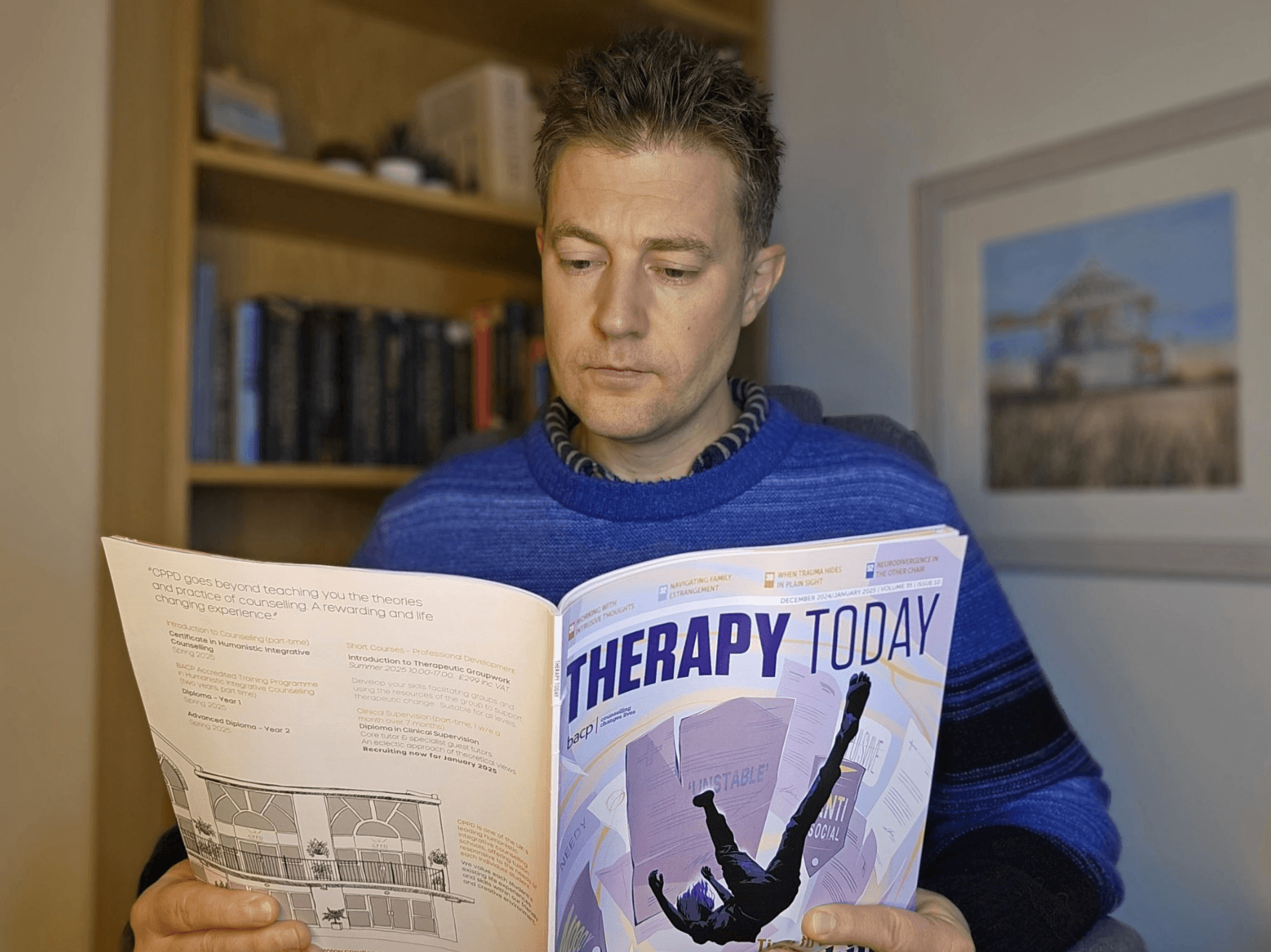
Any advice for growing your clientele? What’s been most effective for you?
When I first launched Purpose Mentoring in November 2023, I had no clients and was essentially reinventing myself, having moved from leading a Recruitment business into becoming a full-time Counsellor. My initial strategy was to speak with Recruitment business leaders across the UK, talking in fairly general terms about their approach to wellbeing and the steps they take to support their teams. This has gradually led to introducing my service, which is to support particular individuals in their teams who may be struggling.
The key to growing my clientele has been patience, and respecting that my clients will engage in their own time.
My main platform for business development has been LinkedIn. My general approach has been to connect with business leaders and / or HR business partners, follow up with a short, clear, personalised voice note (these have a much higher success rate than a copy-and-paste written message) and keep in periodic contact without being pushy. Over time, this has led to a range of good, healthy client partnerships and a number of recommendations, which is where the majority of my work comes from now.
I have had much more success from having a relaxed, hands-off approach than by being more sales-y. People in Recruitment, who are typically salespeople themselves, tend to be sceptical about anything too pushy or gimmicky, especially when it comes to something more intangible like employee wellbeing.
Contact Info:
- Website: https://www.purposementoring.com
- Facebook: https://www.facebook.com/purposeonlinementoring
- Linkedin: https://www.linkedin.com/in/steve-twinley/