

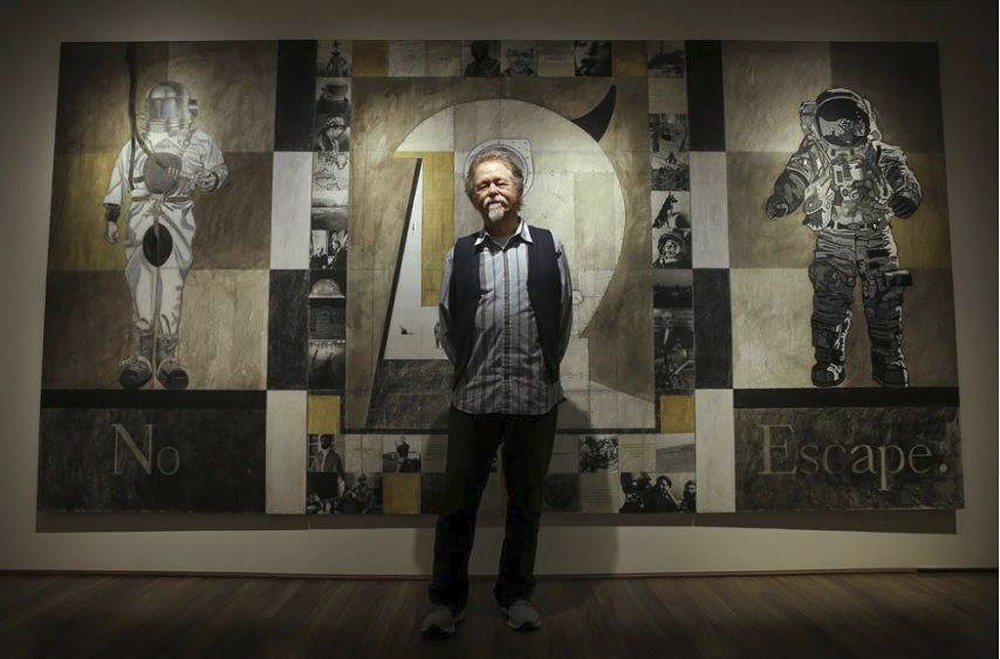

We caught up with the brilliant and insightful Steve Sherrell a few weeks ago and have shared our conversation below.
Steve, thanks for joining us, excited to have you contributing your stories and insights. We’d love to hear about when you first realized that you wanted to pursue a creative path professionally.
This was 1968. I was eighteen years old. I was starting college at Ball State University in my home town of Muncie, Indiana. My father was an artist, a window trimmer and visual merchandiser for the local large department store. He suggested that I study architecture but my grades were not strong enough. The counselor said that maybe I could try an art class. I didn’t know at that time in my life that I was artistic but I thought it might be interesting. I signed up for Drawing One. It was basically a still life class and I did what I was supposed to do. At one point the teacher had us work with brown craft paper and charcoal on the floor with nothing to look at- just draw from imagination. I can still picture it 54 years later. As I was drawing it started to take me away from the me I was and turn me into a different person. Something happened to me as I worked on my hands and knees on the floor of the drawing room. One definition of the word epiphany is “An illuminating realization or discovery, often resulting in a personal feeling of elation, awe, or wonder.” That day in that room on the floor I had an epiphany that I was an artist, and that I was going to be an artist for the rest of my life. It has held true. I have been making art most every day since 1968.
Great, appreciate you sharing that with us. Before we ask you to share more of your insights, can you take a moment to introduce yourself and how you got to where you are today to our readers?
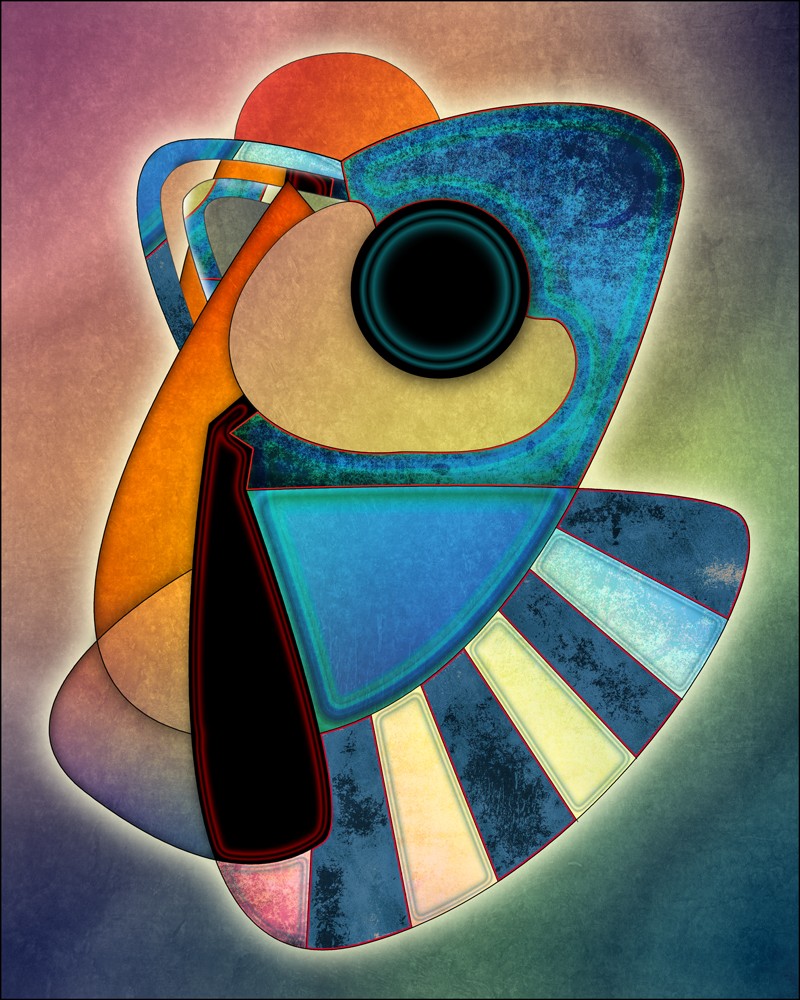
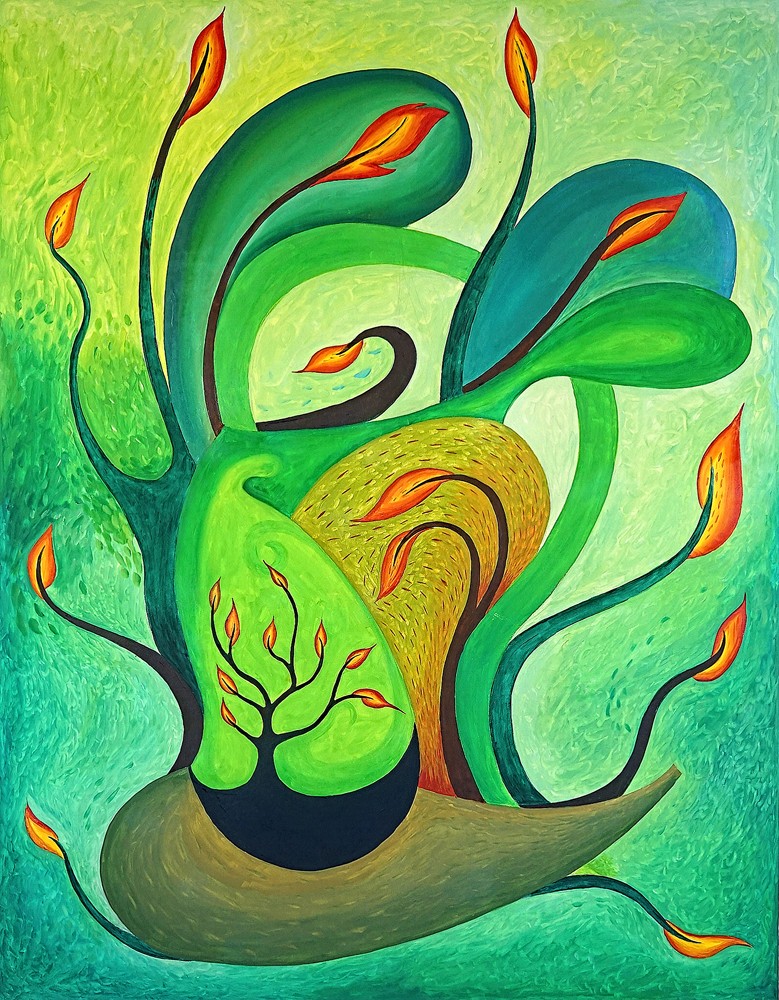
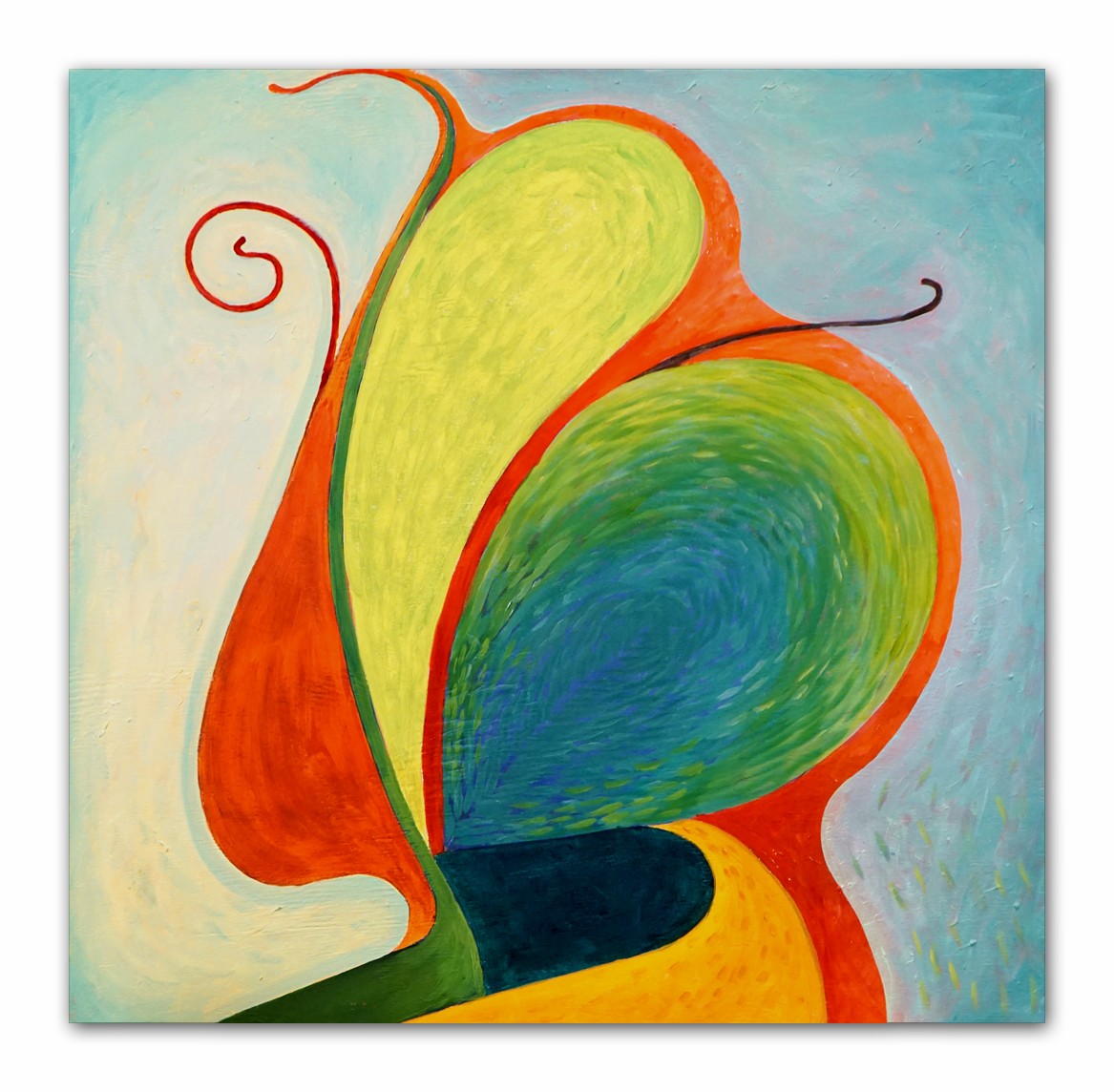
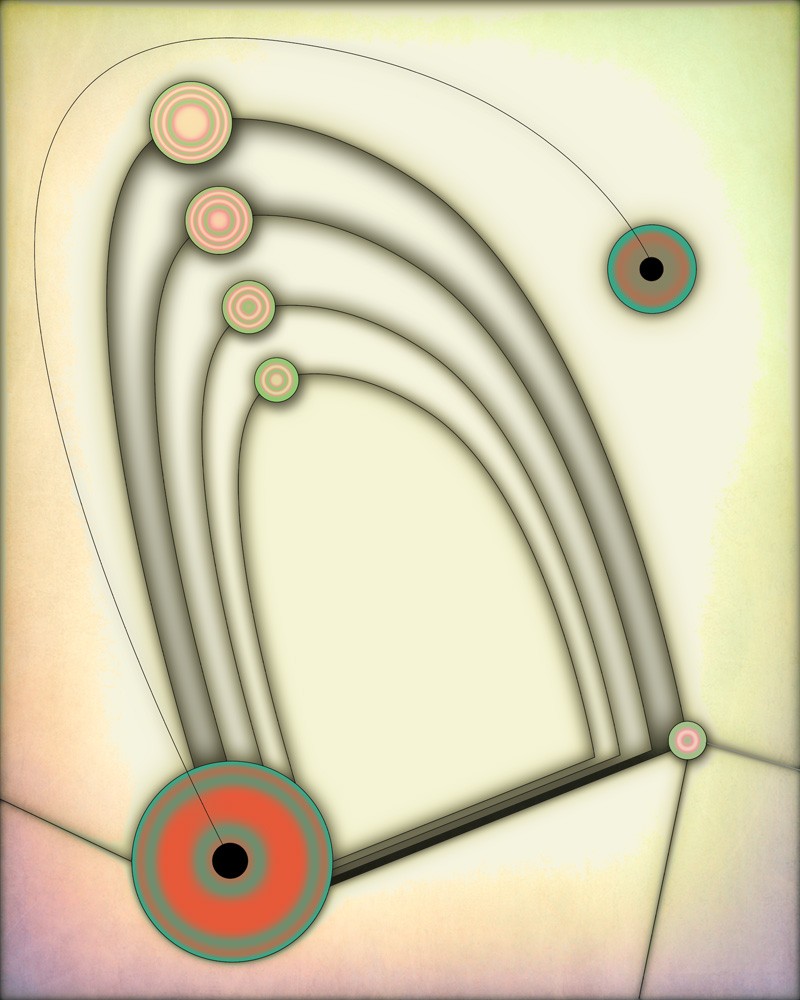
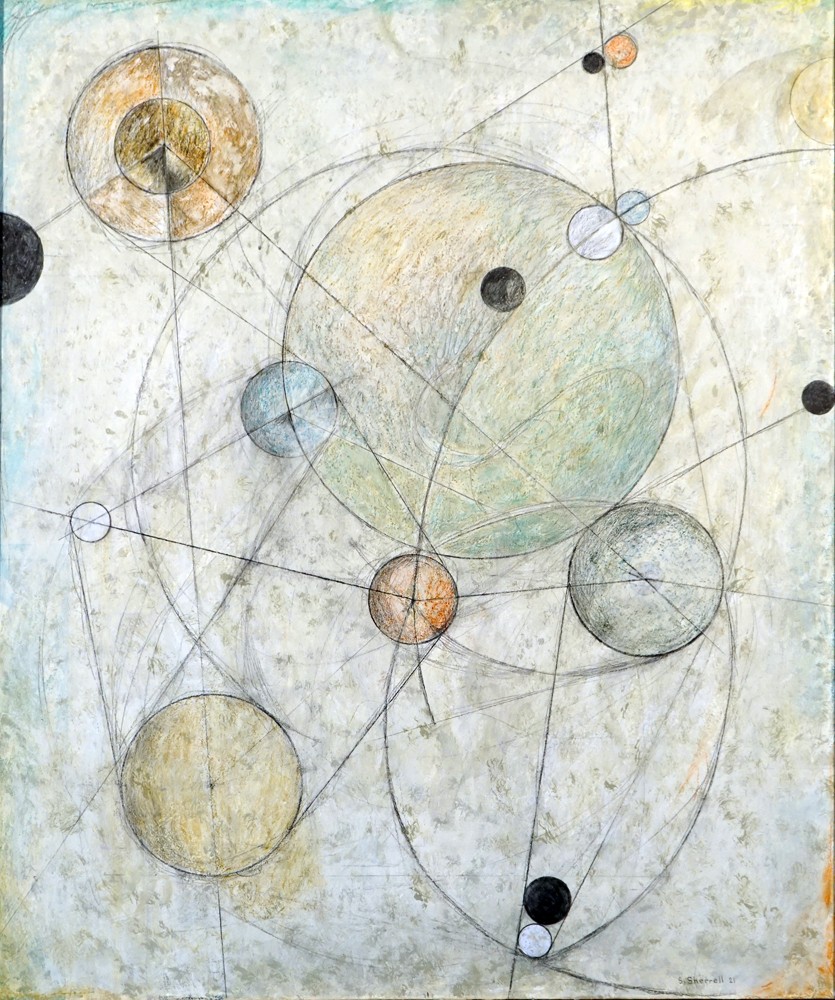
I am an artist. livi in the Chicago Metropolitan area. which covers 10,000 square miles and has a population of roughly 10 million people. I paint and make digital art. As a fine artist, not a commercial artist, my goal is to make great artwork with little concern about the monetization of my work. My life as an artist began in 1969 and started making computer art in 1992 on an Amiga A1200 Computer. Teaching art at the college level for 30 years supported my family, and I retired as a Professor of Art. After I retired I was asked to run a gallery complex at a local art center, Water Street Studios in Batavia, Illinois which I still do, The goal in fine art is to find collectors and get exhibitions of your work I have show hundreds of times and have many collectors. Very few artists are celebrities. Art does not elicit celebrity like other arts but I have been showing in the Chicago scene for decades and have many friends in Chicago and its surrounds. Both my MFA and BFA are from the School of the Art Institute of Chicago, I have have founded many galleries and am well known in this region.
Supporting the arts is important to me and I’ve tried to help artists as much as I can. It is not easy to survive as an artist but as my teacher, Stan Brakhage used to love to say “Success in the arts is survival” I have survived.”
Is there something you think non-creatives will struggle to understand about your journey as a creative?
Most fine artists I have known, and I do know many many artists, did not choose to be an artist. Being a person who follows their own inner necessity, does not make for an easy, stress free life. When you ask why an artist does what they do, you will never hear “Because the money’s good” or “Going up the ladder is easy because there is need at the top for skilled people” I chuckled when I wrote those. It is really difficult to earn a living as an artist. Most who do work in the larger field of ‘the arts’, which means doing artwork for people in business is for their business. This is not what is generally described as the fine arts where artists are making creative things for themselves and then hope to find people who want it. For the non artist then, for them to understand why an artist does what they do and why, they need to understand that we have little choice. Vassily Kandinsky, the great modern painter described the notion of inner necessity. The need to do something even if it may be counter productive. Artists have an urge that they cannot put down without experiencing psychological pain.
What can society do to ensure an environment that’s helpful to artists and creatives?
1. Art is LOCAL. If you live in a town and want to help the arts, find the local artists and buy their arts. I have told people who wanted original art but had no money to go to the local college or high school and buy art from the students. You always hear about this or that painting selling for 60 million dollars. Well, that is someplace else. The stuff around you will sell for much less. 2. Art is an investment for very rich people. For the rest of us, we should buy what we like or from artists we are impressed with.
3. Go to museums and galleries when you travel. They make a good landing spot for day activities that will not involve shopping. Museums generally have good places for lunch and you might learn something.
4. You should not feel intimidated by the arts. Like what you like and don’t worry about that weird thing that is next to it. It will not bite you and maybe someday you will say’ Wow, I never thought I’d ever like something like that!”
5. Don’t discourage your children from choosing the arts. Art has done nothing but enrich my whole life.
Contact Info:
- Website: www.stevesherrell.com
- Instagram: https://www.instagram.com/stevesherrell.art/
- Facebook: https://www.facebook.com/steve.art/