

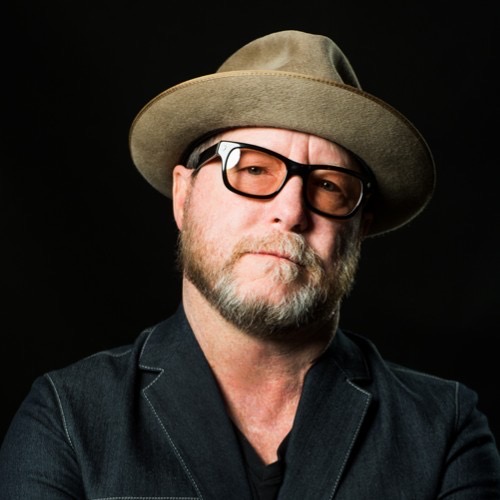

We’re excited to introduce you to the always interesting and insightful Steve Schofield. We hope you’ll enjoy our conversation with Steve below.
Alright, Steve thanks for taking the time to share your stories and insights with us today. We’d love to hear you experience with and lessons learned from recruiting and team building.
Building a team starts with knowing that talent alone is not enough. You can put the best directors, producers, editors, creatives, and technologists in a room, but if they do not trust each other, the work will only go so far. What I’ve always tried to build is a culture where people feel backed up, challenged, and proud to bring their best thinking forward.
For me, that means looking for a mix of instincts. I want people who know their craft, obviously, but I also want people who are resourceful, collaborative, and steady when things get complicated. The best teams are not made up of people who all think the same way. They are made up of people who bring different strengths to the table and know how to move toward the same outcome.
It also means creating an environment where good ideas can come from anywhere. Some of the strongest teams I’ve been part of had a real sense of openness – people could solve problems together, speak honestly, and stay focused on the work instead of politics. That is especially important now, because the business is moving faster and the workflows are getting more complex. You need teams that can adapt quickly without losing their standards.
At Schofield’s Flowers, that has become a big part of how we grow. We are building a team that can operate across live action, experiential, post, and AI-created content, and that only works if the foundation is strong. You need people who are excited by what is next, but who also understand taste, relationships, and execution. Technology can expand what a team can do, but the right team is still what makes the work matter.
Great, appreciate you sharing that with us. Before we ask you to share more of your insights, can you take a moment to introduce yourself and how you got to where you are today to our readers.
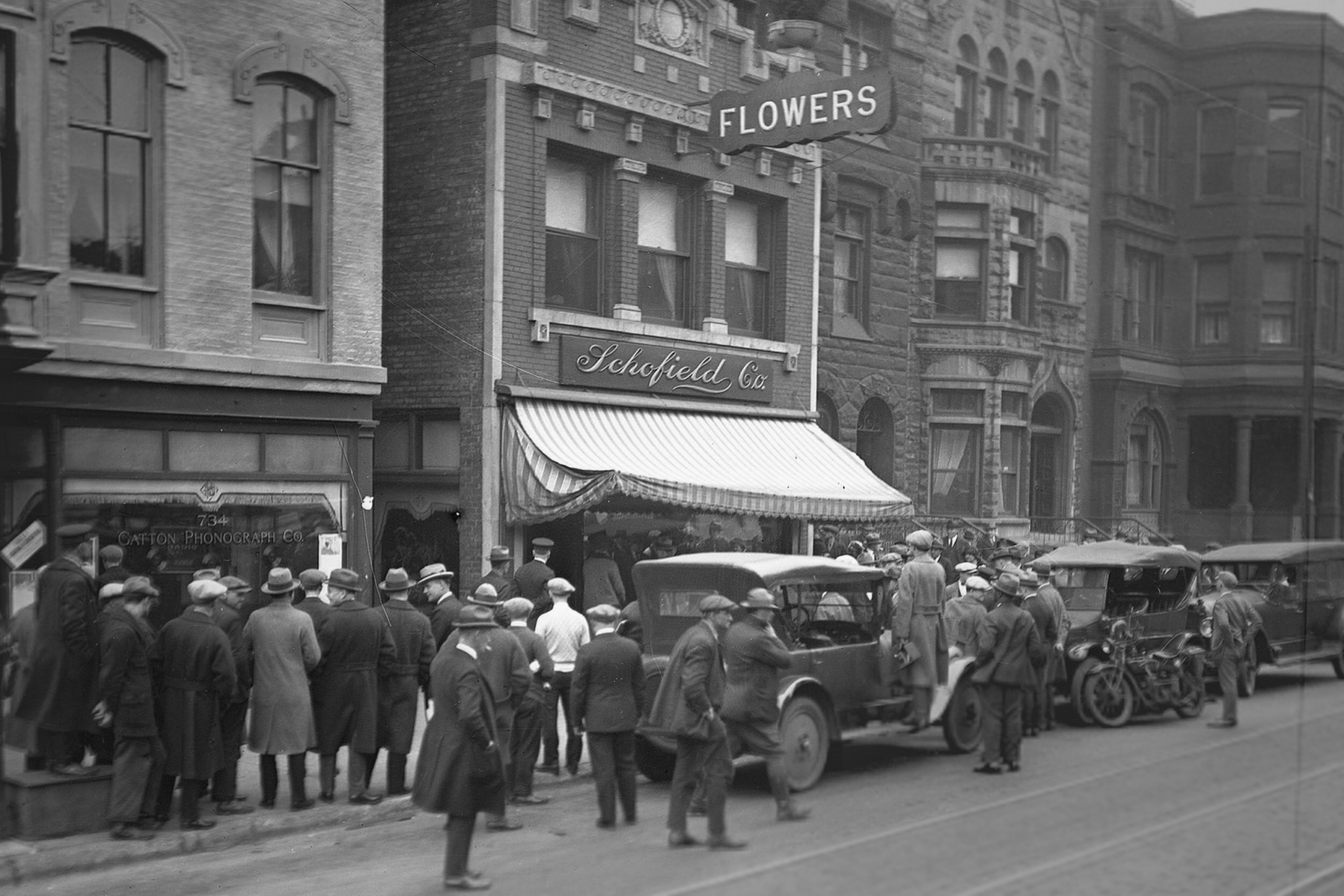
I got started in a pretty unconventional way. In my first career, I wore a badge and a gun. I was a young cop in the Chicagoland area, and in between calls I’d be writing comedy bits in my squad car, trying to make sense of human behavior from the front row. That experience taught me something I’ve carried into every chapter since – in advertising, production, experiential, all of it – how you treat people under pressure is the thing they remember.
From there, I built a career across decades of change. I’ve seen this business move from three-quarter-inch tape to AI-generated video in seconds. From the early days of BMW Films on dial-up to real-time virtual production. From one 30-second spot taking weeks to campaigns like Lenovo, where we were delivering 85 assets in 85 languages almost overnight. The tools keep changing, the speed keeps changing, but for me the core has stayed the same – take care of people, stay curious, and keep figuring out how to make the work better.
And now AI is the next major shift. It’s making production faster, more scalable, and far more efficient. Things that used to take a week in post can now happen in hours. AI can help with rough cuts, highlight pulls, and workflow automation, which means creatives can spend less time getting buried in repetitive tasks and more time focusing on taste, storytelling, and polish. That’s the part that excites me most. AI is not replacing the human element – it’s giving talented people more room to do what only they can do.
Can you share a story from your journey that illustrates your resilience?
I remember back on BMW Films, we had a director in his trailer saying he would not shoot outside anymore. We were in tsunamis of rain in Los Angeles, staring at an overnight pivot, a massive overage, and a lot of nervous faces. We pulled the team together, worked all night, rebuilt the sequence in a way that protected the creative and respected the money, and walked in the next morning with a plan. My job in those moments is to project calm and competence. People remember how you made them feel when everything was going sideways, not whether you hit every beat of the original board.
What do you think is the goal or mission that drives your creative journey?
What drives me creatively is the belief that work should do more than function – it should carry a point of view. Whether it’s storytelling, production, brand building, or developing new ideas, I’m interested in work that has identity, emotional charge, and a reason to exist beyond filling space. I’m drawn to building worlds, shaping narratives, and helping ideas become more fully themselves.
There’s also a larger mission underneath that: to keep expanding what’s possible. That means pushing creative work into new forms, embracing new tools without losing taste, and finding ways to make things that are both meaningful and forward-moving. The goal is not just to make good work – it’s to build something lasting, recognizable, and culturally resonant.
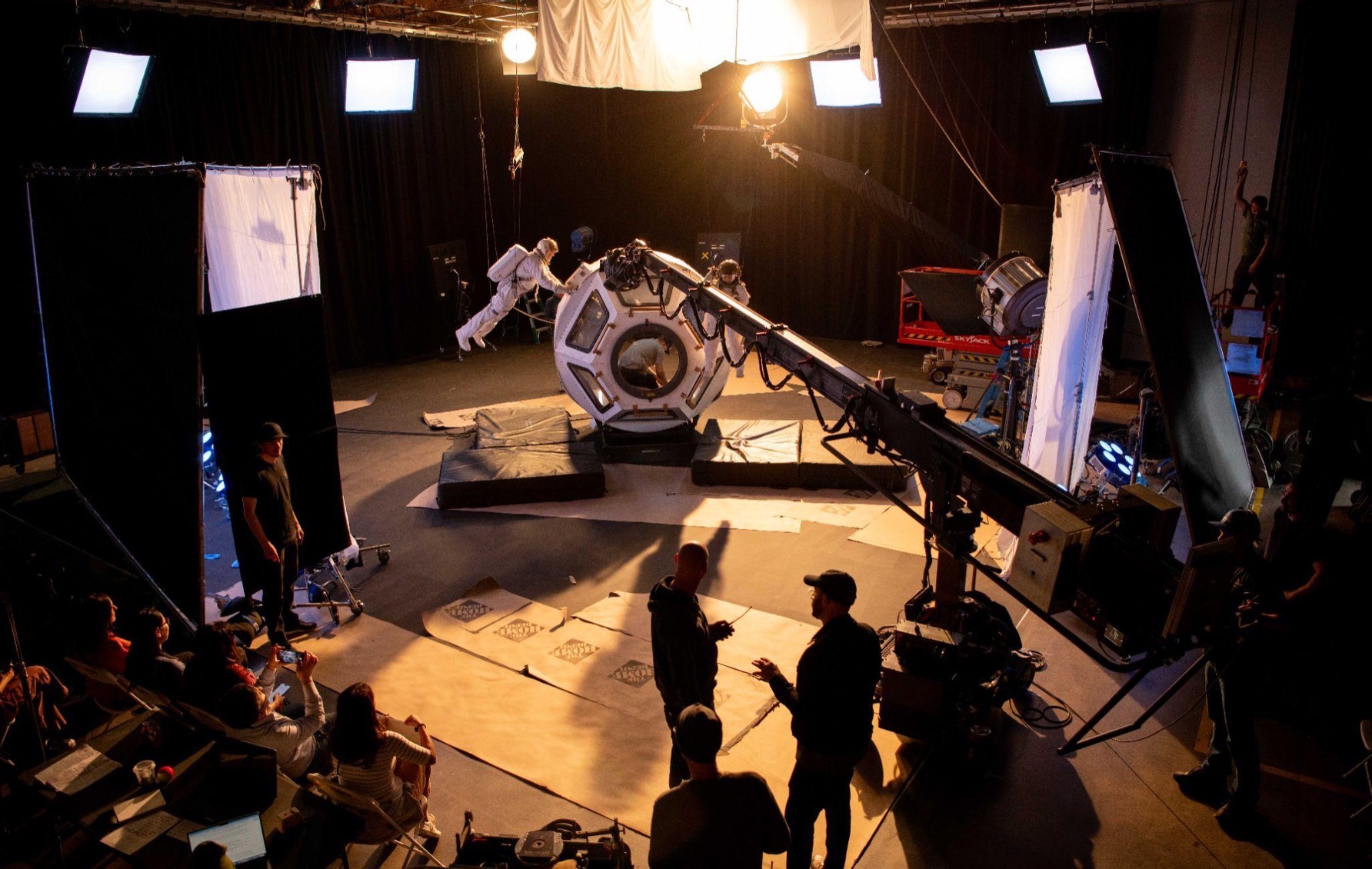
Image Credits
All shot by staff photographer