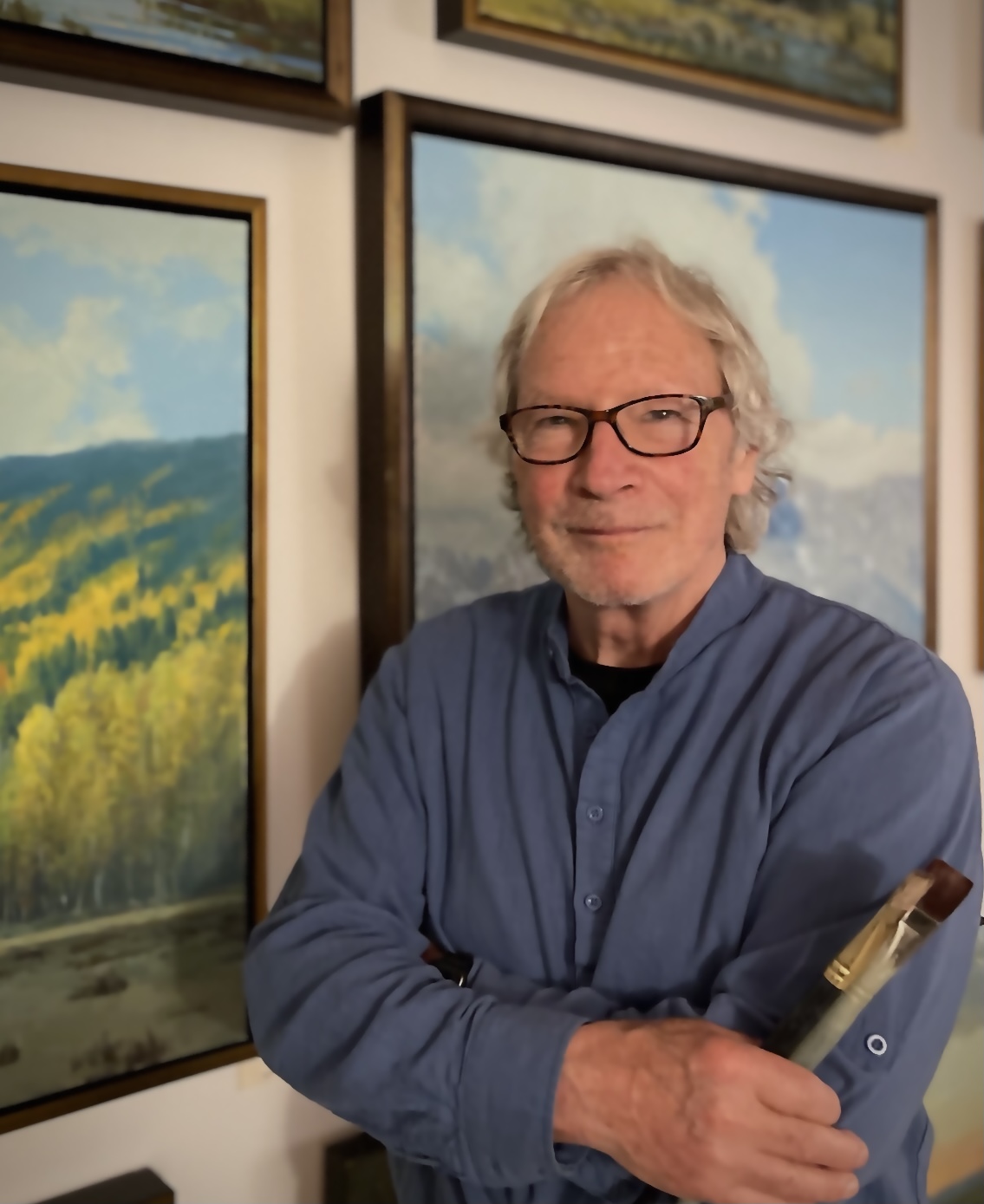

We’re excited to introduce you to the always interesting and insightful Steve Courchaine. We hope you’ll enjoy our conversation with Steve below.
Steve, thanks for joining us, excited to have you contributing your stories and insights. Learning the craft is often a unique journey from every creative – we’d love to hear about your journey and if knowing what you know now, you would have done anything differently to speed up the learning process.
I did not attend art school, but developed my craft through many years of practice and pure determination. Although I started out in a business career, my true passion was painting, and I would take up a brush as often as I could. It was a natural progression towards art, and a true calling.
I studied many art books on drawing, design and Composition. I started out with simple pencil sketches to improve my drawing and observation skills. Over the years, I completed many small paintings based on photographs and other artists’ paintings. Frustrated, knowing that I had reached a plateau in my skill level, I sought out other established artists for help. It was not until I studied with a few highly skilled landscape artists, and the renowned figurative artist, Morgan Weistling, that I finally started to achieve a professional level of ability.
I have discovered that becoming an artist is not so much about talent, as it is about the internal drive to create and never give up. Painting was not a choice for me, but a necessity. I do wish I had sought out other artists for help earlier in my career. Painting is a craft that is passed on through the generations, from one artist to another. My suggestion to others wanting to pursue painting, study with several artists who demonstrate a master skill level. Also, many high quality artists have published videos, which I found very beneficial early in my career.
As always, we appreciate you sharing your insights and we’ve got a few more questions for you, but before we get to all of that can you take a minute to introduce yourself and give our readers some of your back background and context?
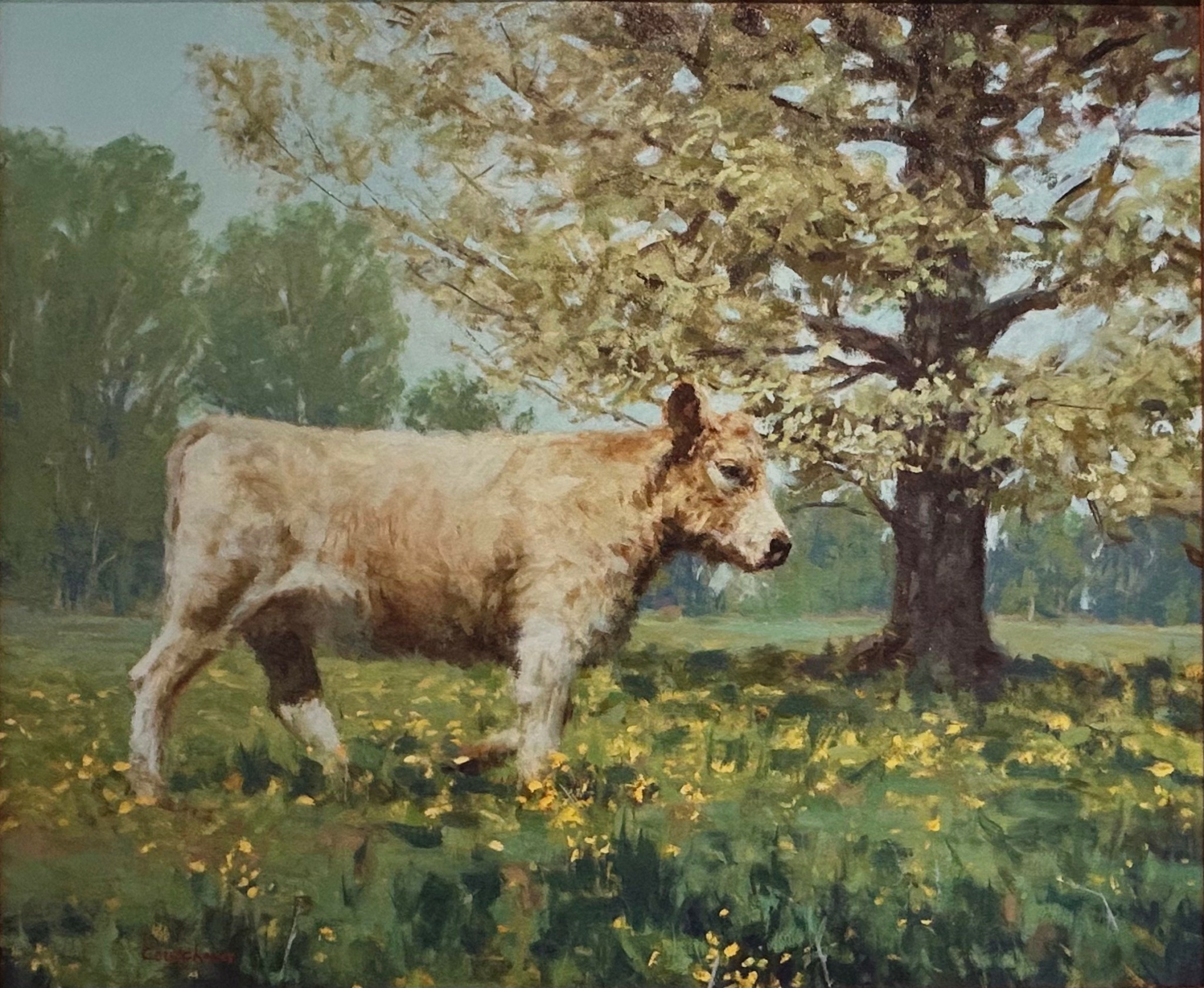
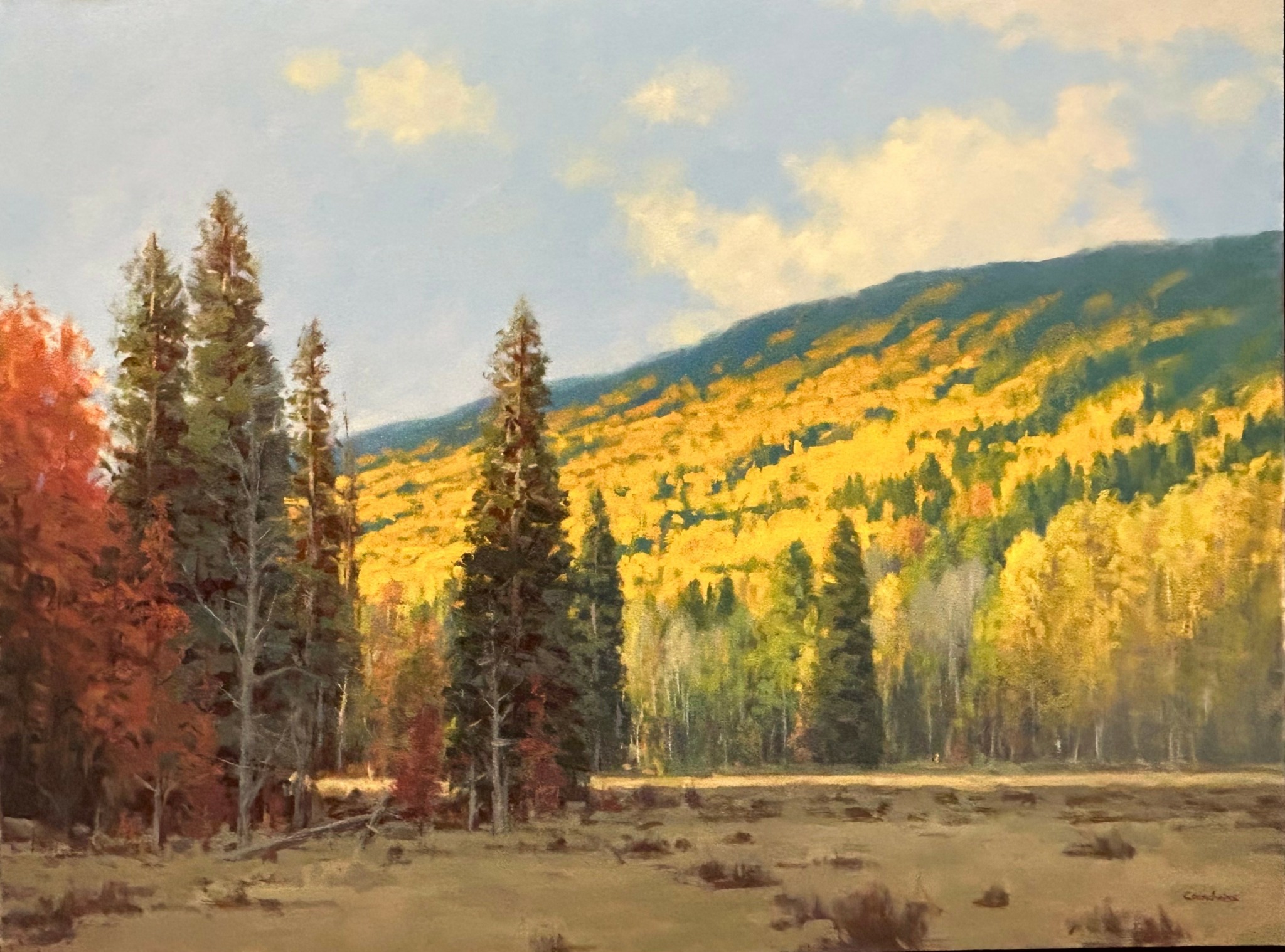
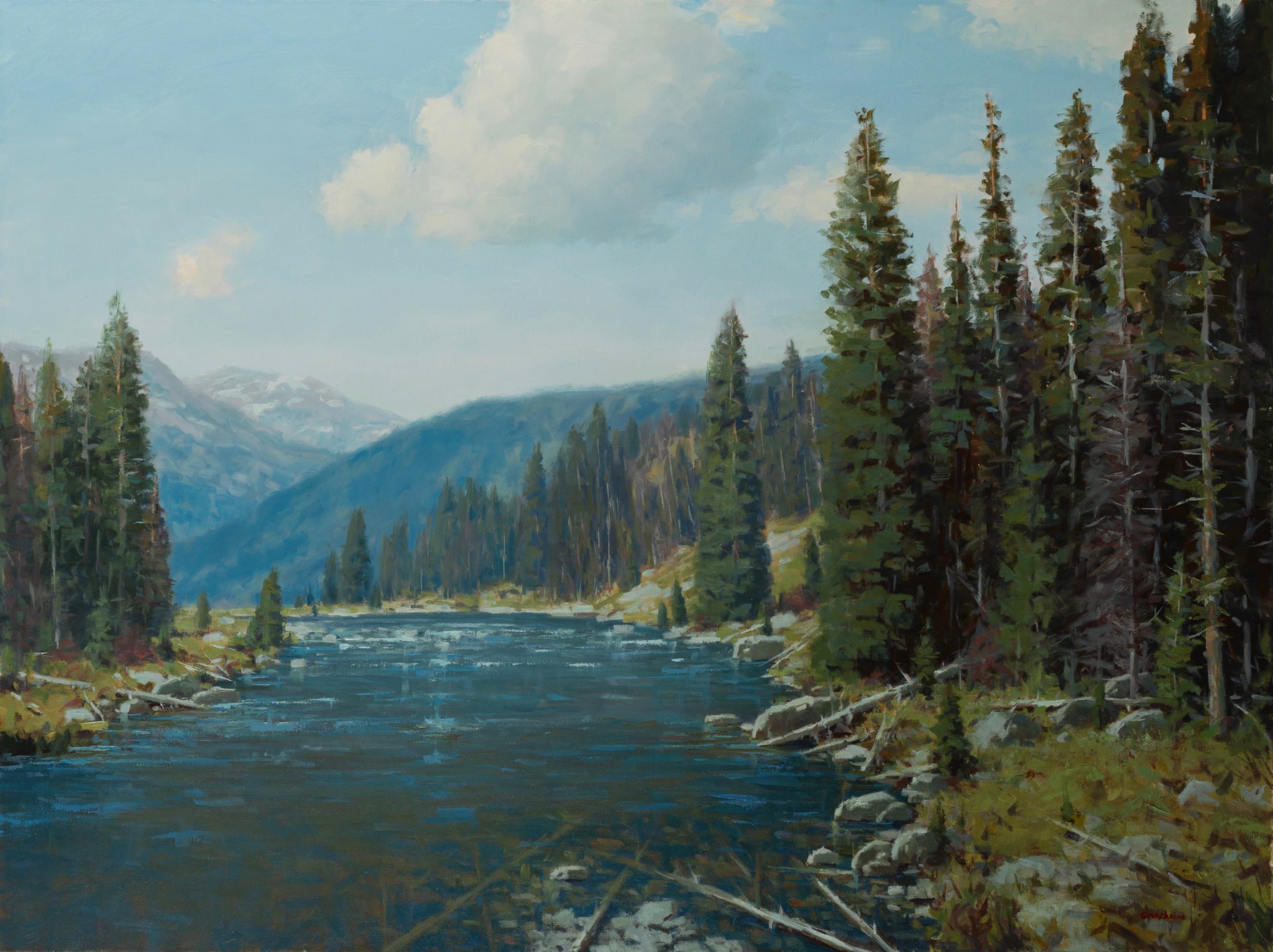
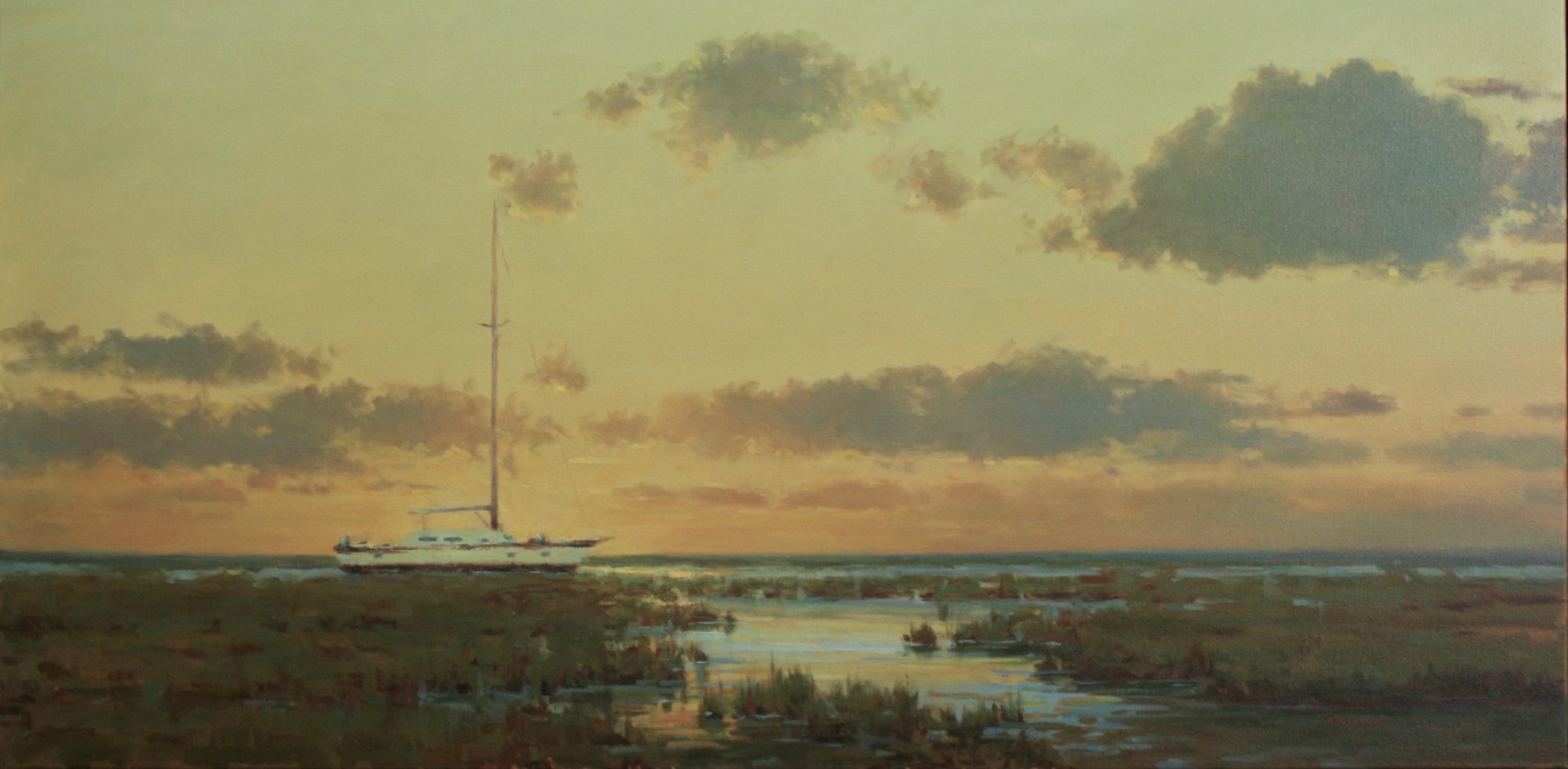
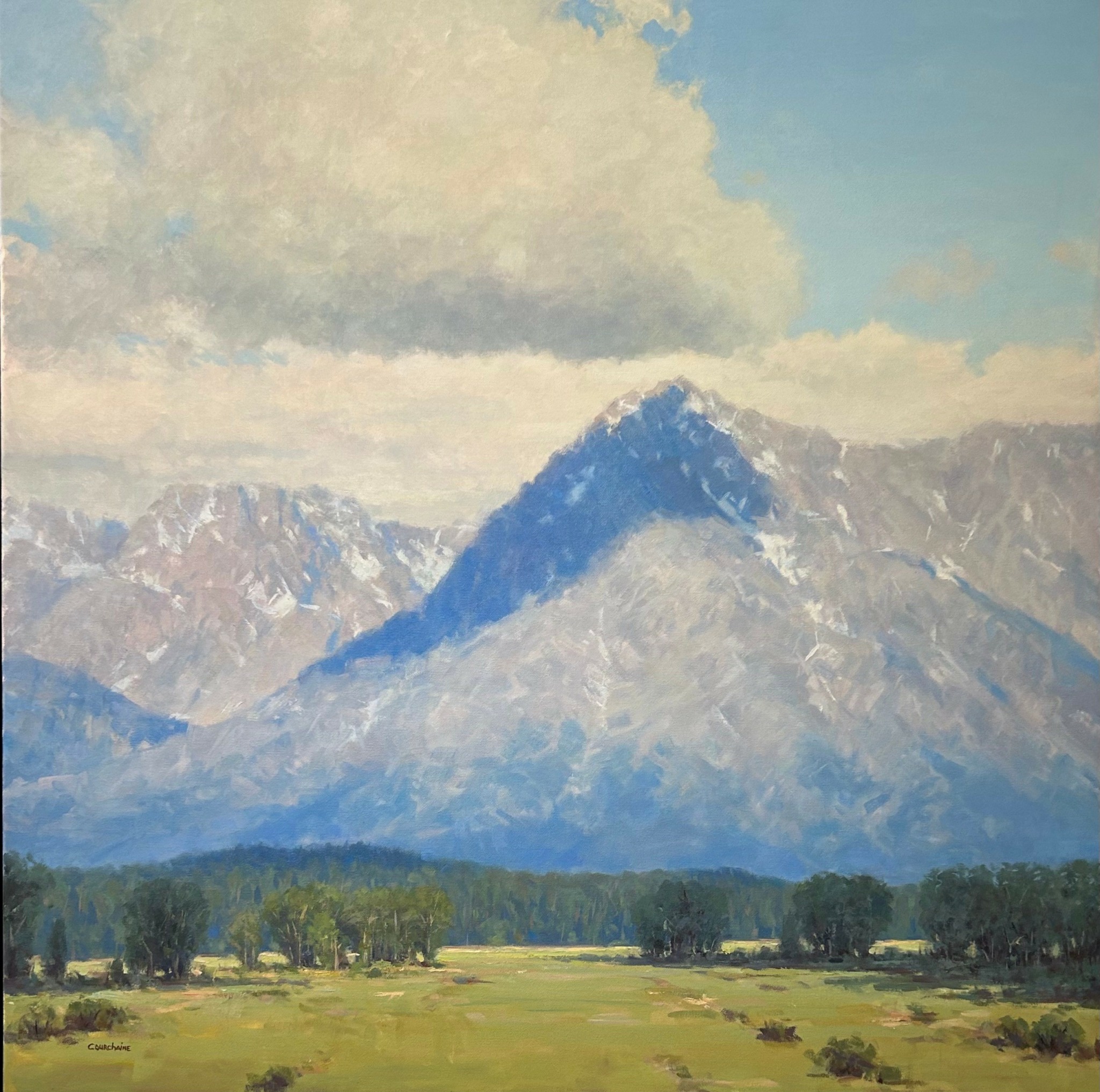
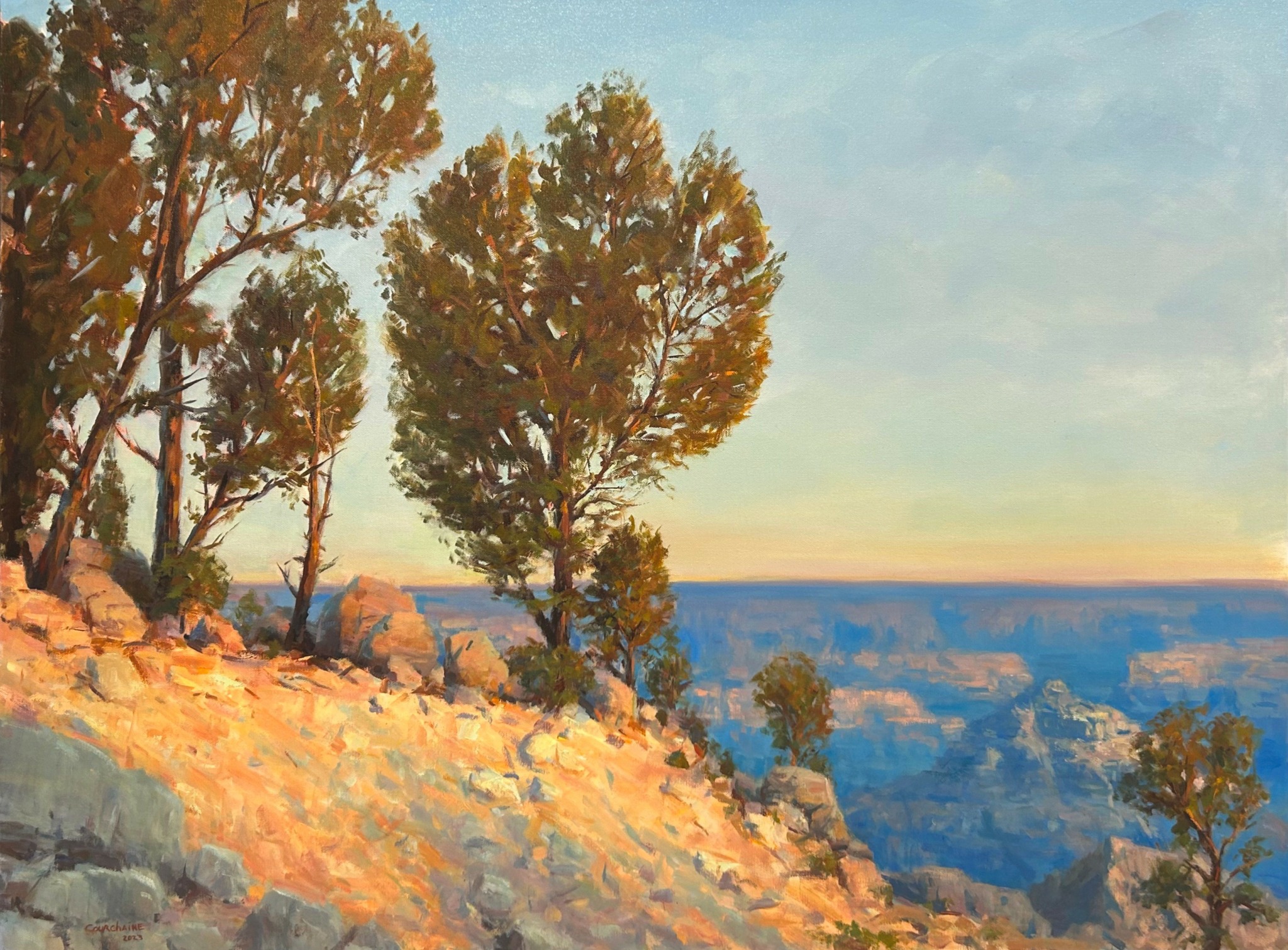
I am a fine art oil painter. I was born and raised in the south, currently residing in Greenville, South Carolina. My subjects are primarily landscapes, but figurative work, as well. I started out in a business career after graduating college, but began seriously pursuing painting in my early 30s, and began painting full-time in 1997. I consider myself a traditional representational artist, with an impressionistic/realism style. For me, it’s more about capturing the light rather than every blade of grass.
My studio is located in the Greenville Center for Creative Arts (GCCA). The Center is located in one of many old refurbished mills located throughout the Greenville area. When I first started my career in Atlanta, I showed my work in a gallery, but since moving to Greenville in 2004, I’ve enjoyed working and selling out of my studio. I am in a fortunate situation where I can focus on painting subjects that I love rather than meeting the expectations of the gallery owner. I do, however, get great satisfaction out of commission requests, whether it be Landscape or portrait work. I just completed a major portrait project series for St. Joseph’s Catholic high school here in Greenville. It consists of four portraits of the school’s house patron saints.
My process for completing a large landscape painting consists of doing many small studies, first in the 6”x8” or 9”x12” sizes, and gradually increase sizes from there. Theses studies are done from photographs, or paintings done on location. I don’t consider myself a “plein air”painter, since the majority of my work is done out of my studio. Most of my landscape paintings are “inspired” rather than copied from nature or photographs. During the “study phase“, I am working out design and value composition decisions. Once I have a solid study to work from, I will begin the larger painting.
What’s the most rewarding aspect of being a creative in your experience?
As an artist, one of my greatest satisfactions is to receive compliments of my work from visitors to my studio. Particularly, when my work stirs some kind of emotion . After all, as artists, we are not just copying a subject, but communicating something to the viewer. That being said, the most rewarding aspect of my art career, without doubt, comes when someone appreciates the work enough to acquire it. There is no greater compliment or satisfaction. After all, I invested 30 plus years in creating it!
Is there something you think non-creatives will struggle to understand about your journey as a creative? Maybe you can provide some insight – you never know who might benefit from the enlightenment.
I think the creative process is often misunderstood by some to be free flowing from start to finish, without pauses or re-dos. Sure there have been times when people wrote a number one song in 10 minutes, but most require much effort. If you look at one of John Singer Sargent’s portraits, for instance, you would think that it was painted with great ease and freshness. He was a master for keeping his paint strokes precise, with regard to color temperature and value. In actuality, Sergeant, would often repaint his subject’s face many times before he got it right, so when he applied the final stroke, it retained its accuracy and freshness. Painting never gets easier, but the art is in making it look easy. I never start a large landscape without a multitude of smaller studies. I will work and re-work the initial sketch until I get it right. In the case of portrait work, I will spend hours on the eyes, until they’re accurate. So the bottom line is this, creating a great painting, a song, or any piece of art, requires a little talent, and a lot of effort.
Contact Info:
- Website: https://stevecourchaineartstudio.com
- Instagram: https://instagram.com/CourchaineArt
- Facebook: https://facebook.com/courchaine.artstudio