

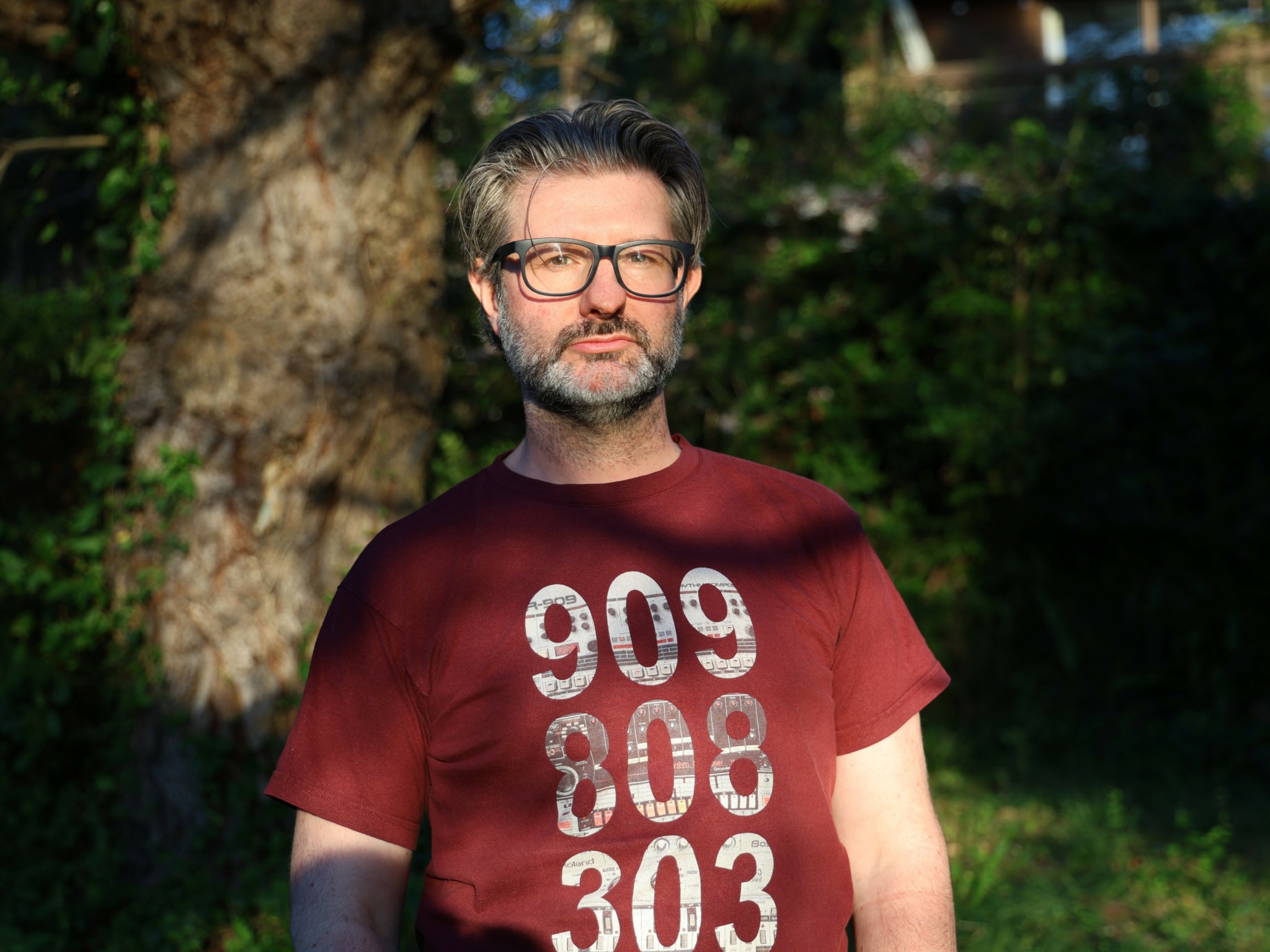

We recently connected with Steve Ash and have shared our conversation below.
Alright, Steve thanks for taking the time to share your stories and insights with us today. Before we get into specifics, let’s talk about success more generally. What do you think it takes to be successful?
Success is very much a subjective term. For some people, success is big money, fast cars and three holidays a year. For other people, success is being true to your vision and achieving the personal goals you’ve set yourself. I think we all sit somewhere on this spectrum. For me, success is definitely more to do with having a creative career that makes me happy – a career where I can explore all my different skills and life goals, whether that’s writing a blog post for a business client, releasing a new album of my electronic music, or publishing a book that brings a brand new story to the world.
At the highest level of entrepreneurship, people tend to use money as a points system – a way to keep score on how they’re doing against their peers and their competitors. But that’s not my kind of points system. I need to feel creatively satisfied in what I do. That’s why I left the corporate world and went freelance. That way I could set my own agenda, reach for my own goals and explore the creative areas I felt were most interesting.
Obviously, I need to earn money and make a living. I have a family to support and bills to pay like we all do. So, I set my prices for my freelance writing work at a price point that provides enough income to keep us comfortable. But making ‘big bucks’ has never been what drives me. I’ll leave that to the CEOs of this world.
Steve , love having you share your insights with us. Before we ask you more questions, maybe you can take a moment to introduce yourself to our readers who might have missed our earlier conversations?
My Freelance Writing:
I’ve been running CommsBreakdown, my freelance writing business, since 2015. I’d worked in both large corporate environments and smaller startups prior to this. Previously, I’d worked as a writer for PwC, the global accounting firm, and as a marketing copywriter for Xero, the New Zealand cloud accounting software business.
Link to CommsBreakdown website: www.commsbreakdown.com
But in 2014, my role was made redundant and I was left with no job and a young family to care for. I’d never considered working for myself until this point. I’d always liked the stability of a regular, predictable salary and the security that this gave. But with no job and a big need to earn some money fast, starting my own sole trader business seemed like a good direction to take.
I had contacts in the accounting technology world from my previous role, so I began to grow a client base of software companies that needed an experienced writer who understood finance, accounting, technology and small business issues. Having that niche has proved to be incredibly valuable and has allowed me to create a freelance business that’s been trading for a whole decade now!
My Music:
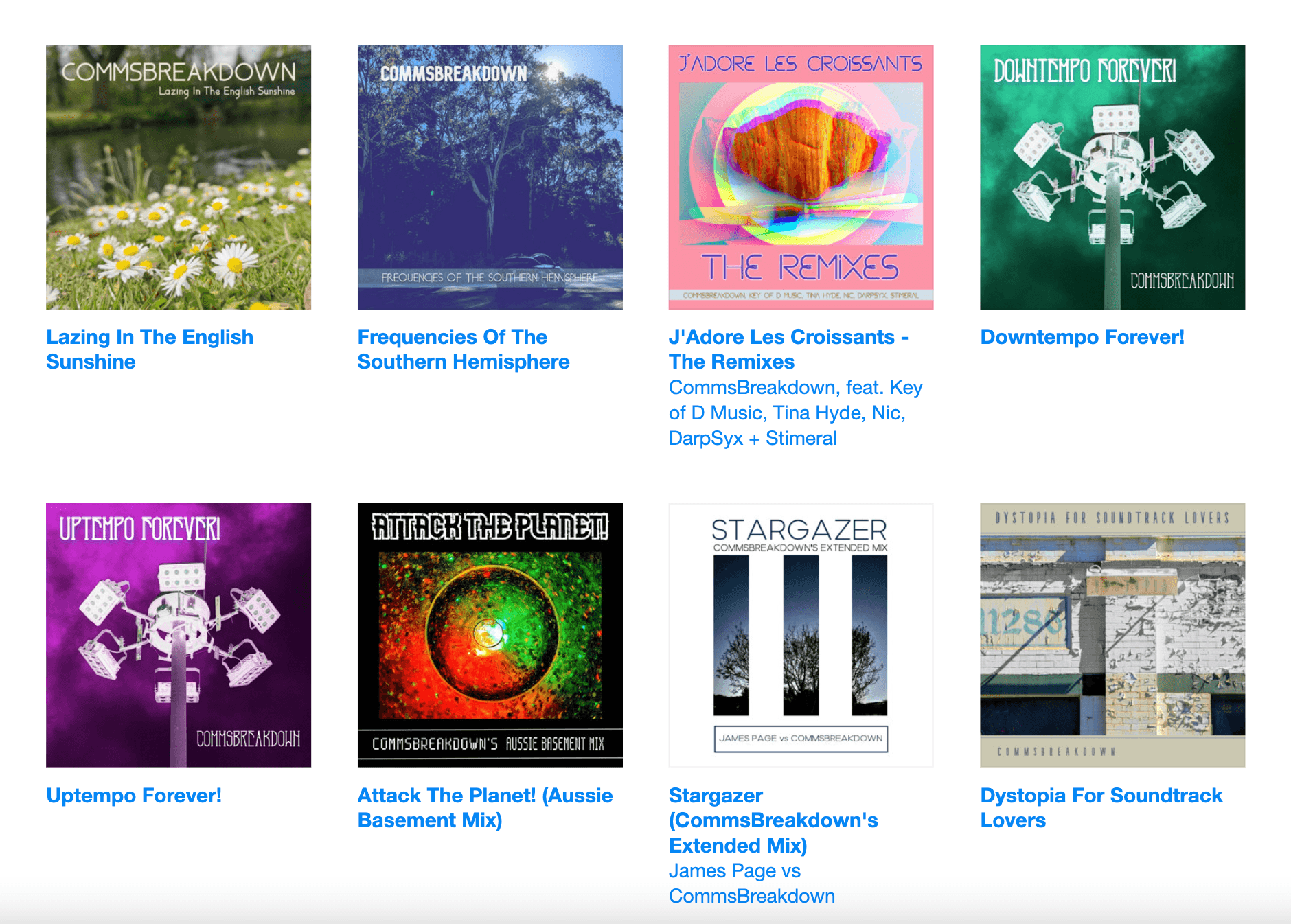
When I’m not writing, I’m also a musician and music producer. I make ambient, electronica, downtempo, techno, dance and post-rock music under the CommsBreakdown name. You can find my music on Bandcamp and also all the major streaming sites, like Spotify, Apple Music, YouTube Music, Amazon Music etc,
Link to CommsBreakdown Bandcamp page: https://commsbreakdown.bandcamp.com/
Link to CommsBreakdown LinkTree: https://linktr.ee/commsbreakdown
I’ve been making music since I was a kid. I was one of those kids that spent hours playing around with a Casio keyboard, making noises and trying to recreate the pop and dance hits of the day. Over the years, I gradually expanded my skills, bought myself professional keyboards, recording gear and played in various bands that didn’t really get anywhere.
Then in the late nineties, I found myself surrounded by the emerging UK dance, jungle and drum & bass scenes and started making music that was aimed squarely at the dance floor. One track, Panic Attack by Wavebreaker, made it onto a CD compilation by Vibez recordings and suddenly I was (almost) a professional musician.
Around the same time, I also connected with the guys at The Black Dog, a much-revered electronic act on the Warp Records label and began working with them on new productions, collaborations and remixes. In the early noughties, I worked on remixes for artists as diverse as U2, Hanson, Elbow and A Guy Called Gerald. I loved being involved with the music industry, but it’s a tough business and at the time it didn’t translate into a tangible career path.
I didn’t make much music for many years, but with a writing career in place, I decided that I’d get back into production and making my own music. With platforms like Bandcamp and Distrokid now around, it’s easier than ever to release your own music. So, since 2024, I’ve been writing, recording, producing and releasing my own instrumental electronic music as CommsBreakdown.
I have three albums and several EPs and single available through the streaming sites, including Frequencies Of The Southern Hemisphere, Dystopia For Soundtrack Lovers and Music For A Civilised World.
Link to Frequencies Of The Southern Hemisphere: https://distrokid.com/hyperfollow/commsbreakdown/frequencies-of-the-southern-hemisphere
Link to Dystopia For Soundtrack Lovers: https://distrokid.com/hyperfollow/commsbreakdown/dystopia-for-soundtrack-lovers
Link to Music For A Civilised World: https://distrokid.com/hyperfollow/commsbreakdown/music-for-a-civilised-world
I’ve also just released a charity fundraising single, raising money for the green music charity, Earth Percent. Lazing In The English Sunshine is available on the CommsBreakdown Bandcamp page and all royalties go directly to Earth Percent.
Link to Lazing In The English Sunshine: https://commsbreakdown.bandcamp.com/track/lazing-in-the-english-sunshine
My Books:
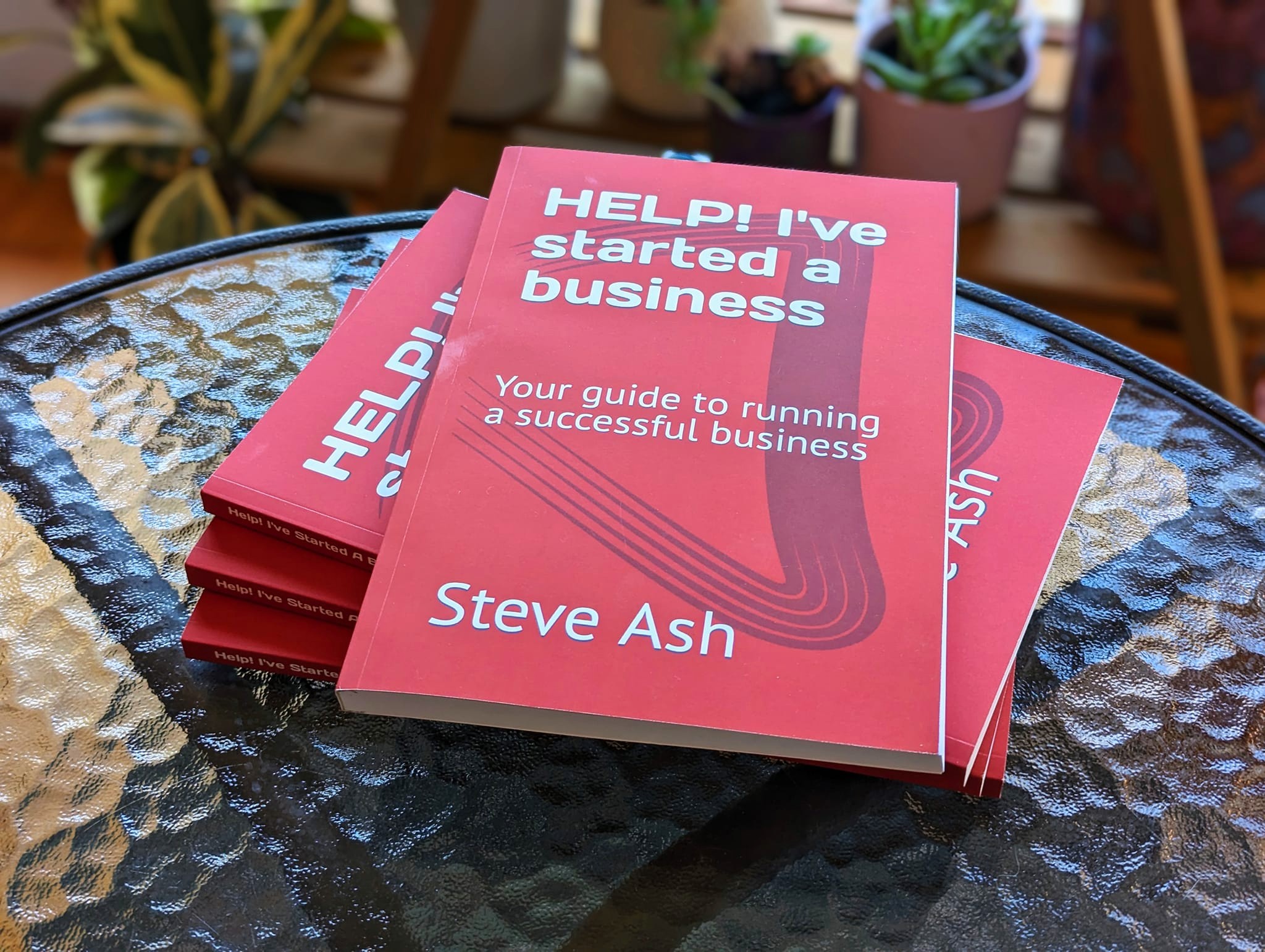
On top of my freelance writing and music production, I’m also a self-published author. I’ve written several business books over the years, aimed at helping business owners and freelancers make a success of their enterprises. Using the experience I’ve gained working with experienced business owners, advisers and consultants, I wrote ‘HELP! I’ve Started A Business’, a 101 guide to starting and running your own business.
Link to ‘HELP! I’ve Started A Business’: https://www.amazon.com/Help-Ive-Started-Business-successful/dp/B0BLG1F3M1
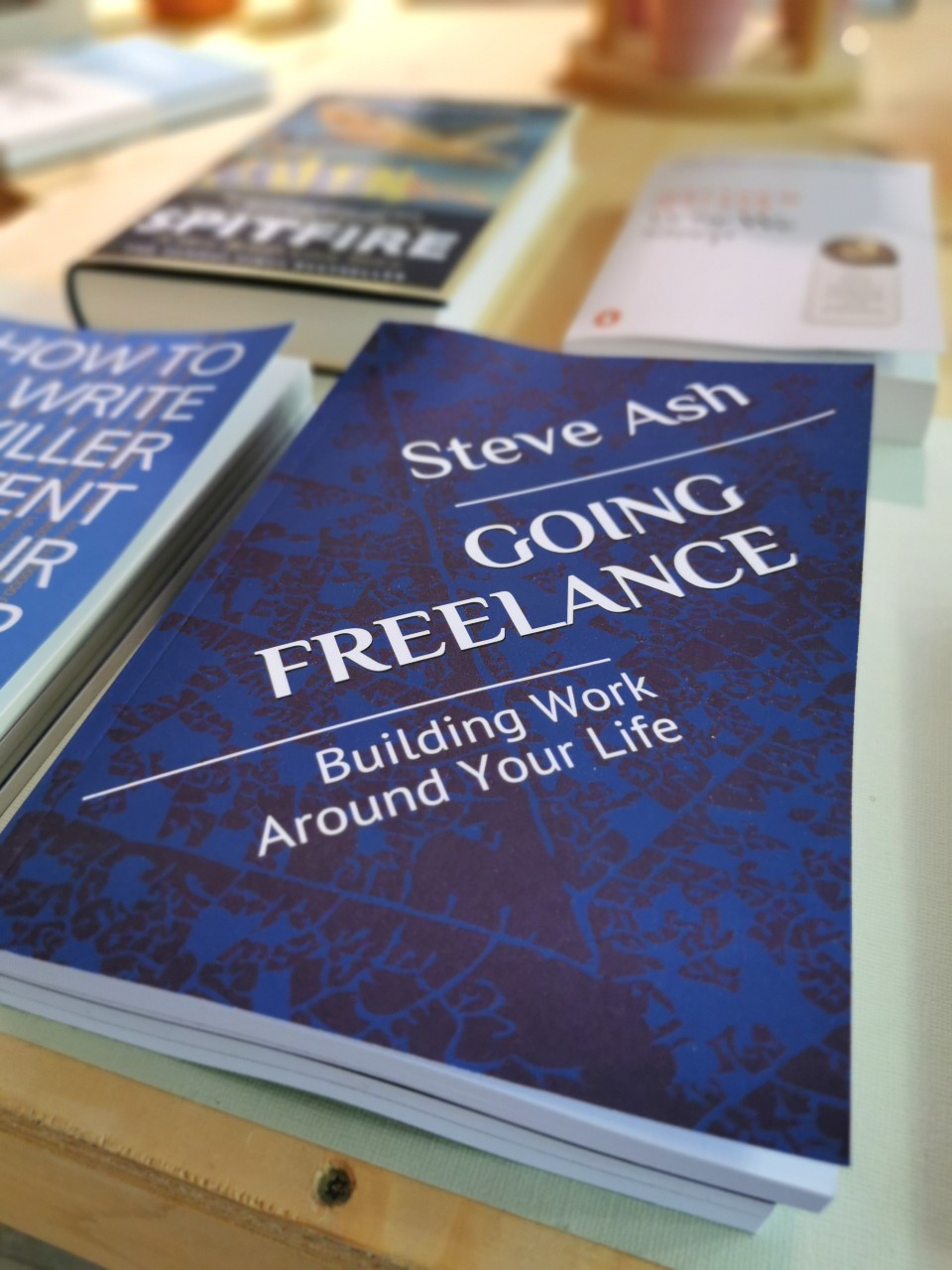
I’ve also written ‘Going Freelance: Building Work Around Your Life’, a guide for anyone thinking of ditching their day job and becoming self-employed. Based on my own experiences as a freelancer, this book lays out guidelines for finding clients, getting a stable income and managing the day-to-day tasks of running a business as a solopreneur.
Link to ‘Going Freelance: Building Work Around Your Life’: https://www.amazon.com/Going-Freelance-Building-Work-Around-ebook/dp/B08454G97N
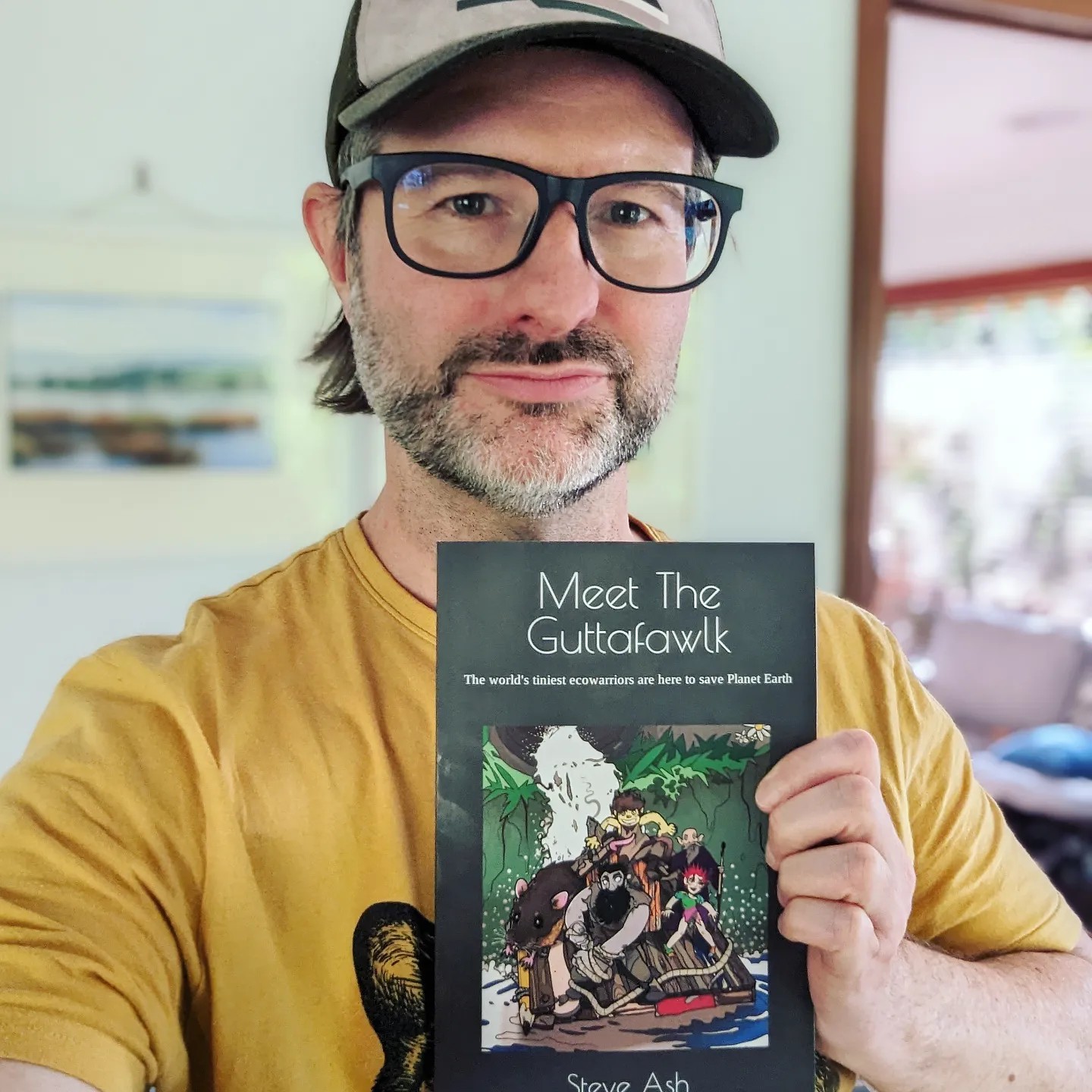
My most recent book was a fiction book for younger readers called ‘Meet The Guttafawlk’, an eco-fantasy story about a group of tiny eco-warriors on a mission to save Planet Earth and Mother Nature from the destructive power of the humanity. Moving into fiction storytelling was a lot of fun and I may write a sequel… if I ever have the spare time!
Link to ‘Meet The Guttafawlk’: https://www.amazon.com/Meet-Guttafawlk-worlds-tiniest-ecowarriors-ebook/dp/B0CN6KRDB8
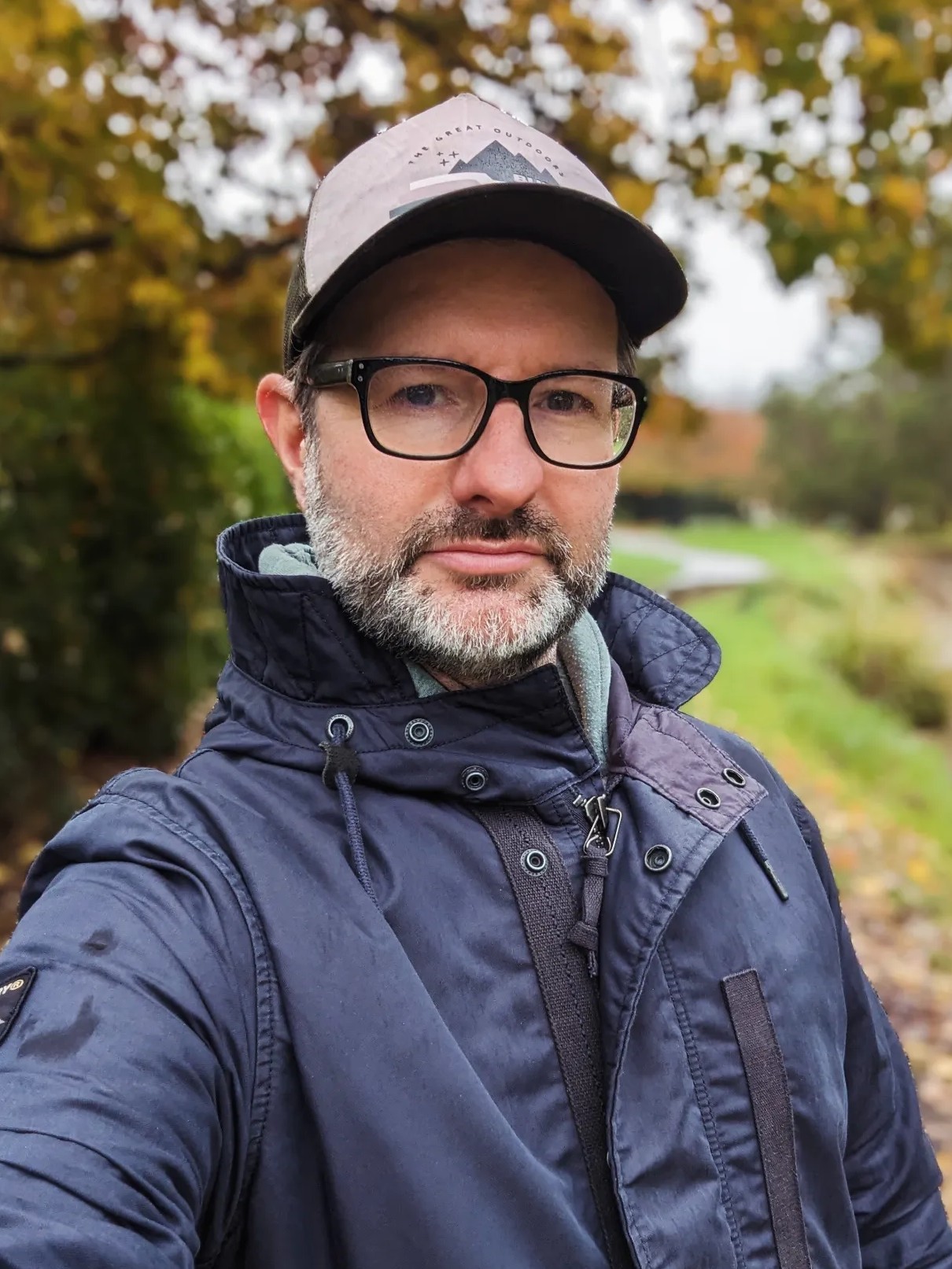
Is there something you think non-creatives will struggle to understand about your journey as a creative? Maybe you can provide some insight – you never know who might benefit from the enlightenment.
I work across several different creative industries, and that creative drive has always been part of what I do, whether it’s in business, as a side hustle or in life in general. For me, I think it’s interesting how many non-creatives (especially those at the top of the management tree) fail to understand the fact that creatives LOVE the process of producing creative work.
Whether it’s painting a painting, writing a new blog post, recording a new song, or designing a new website, creatives love the actual ‘doing’ of the creative work. That’s why we do it – we have an idea, or read a brief, and to try and execute our own creative interpretation of that idea.
With artificial intelligence (AI) now so prevalent in both the business and creative worlds, this is such an important point to make. There’s a real disconnect between how the ‘tech bros’ view the creative process and how real creatives and artists see the creative process.
Tech companies want to automate and streamline that creative process, so you can create a book, an image or a piece of music simply by writing a prompt and pressing a button.
Creatives want to actually enjoy that same creative process and make it as human, emotional, personal and unique as possible. We want to put something of our own humanity and life experience into that piece of art. While AI can do amazing things, and can be a useful tool, it can’t write a poem that holds true life experience, or a song that truly plucks at our emotional heartstrings.
I hope, that in time, we’ll realise that AI is going down the wrong path and will learn to use this amazing technology to do what it’s good at – analysing data at superhuman speeds, finding patterns and trends, and helping us solve the world’s big problems – not just giving lazy marketers a way to automatically write a below-par blog post.
If we look at the current investigation by The Atlantic into how Meta has stolen millions of works by established authors, to feed its new Llama AI, you can see just how destructive the way we’re currently using AI can be. Stealing published work, without permission or any financial compensation, is theft, whatever way you look at it – and it undermines the creative experience, skill and imagination of human authors.
I’d love to see AI used more morally, with more forethought and focus on society’s big problems. I think we need a cure for cancer more than a ChatGPT-generated short story.
For you, what’s the most rewarding aspect of being a creative?
As a creative, I think there are two very distinct points of reward. Both are probably equally important, but they come from very different drivers.
The first one is the reward you feel yourself as a creative when you finish a piece of art. It’s the feeling you get when you finish writing a book, or recording a song, or painting a picture. It’s knowing that you achieved your goal and that the work is exactly how you wanted it to be. In other words, that you’ve achieved the vision you set out for yourself. To paraphrase Rick Rubin; always make art for yourself, not for an imagined audience. Once you set out to try and please an audience, you lose touch with your true vision and start to compromise.
The second point of reward is knowing that people have enjoyed your art. This might sound contradictory to the first point, but there’s a difference between making art to intentionally please and flatter a specific audience, and an unsolicited audience actually getting some pleasure or emotion from what you’ve created.
For example, when I make music, I am both creator and audience. I make music to express my own inner emotions, to make sounds that please my own ears and to come up with a track that fits the initial vision in my head.
But it’s incredibly rewarding when someone out there in the world listens to this music and genuinely feels something. I’ve had some incredible comments and feedback from listeners to my albums, and that’s a pretty amazing creative reward for a musician. Knowing that you can take people on a journey through the sounds you make is a real bonus!
So, ultimately, my advice for creatives is to make yourself the audience. Stick to your vision, aim for something new and interesting and push the boundaries. But also do your best to find a following of people who see the value in what you do. People who are moved by your art and will support you to make more art, literature, music or poetry.
Contact Info:
- Website: https://commsbreakdown.com
- Instagram: https://www.instagram.com/steve.ash2/
- Linkedin: https://www.linkedin.com/in/steve-ash-5ab7a530/
- Other: CommsBreakdown Bandcamp page: https://commsbreakdown.bandcamp.com/
CommsBreakdown Music LinkTree: https://linktr.ee/commsbreakdown
CommsBreakdown Writing Portfolio: https://commsbreakdown.com/portfolio/
Amazon Author Page: https://www.amazon.com/stores/Steve-Ash/author/B07WLQ2K6L
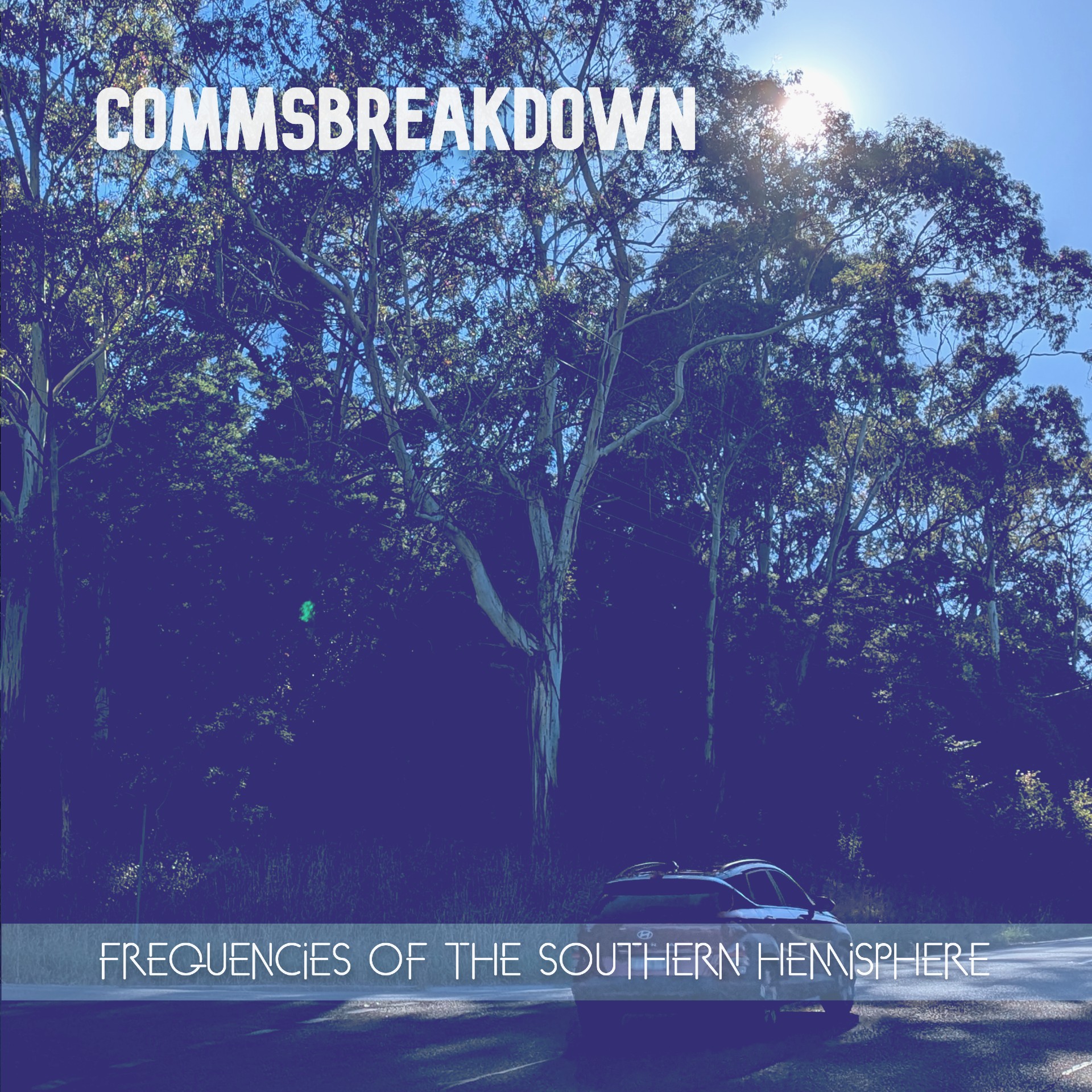
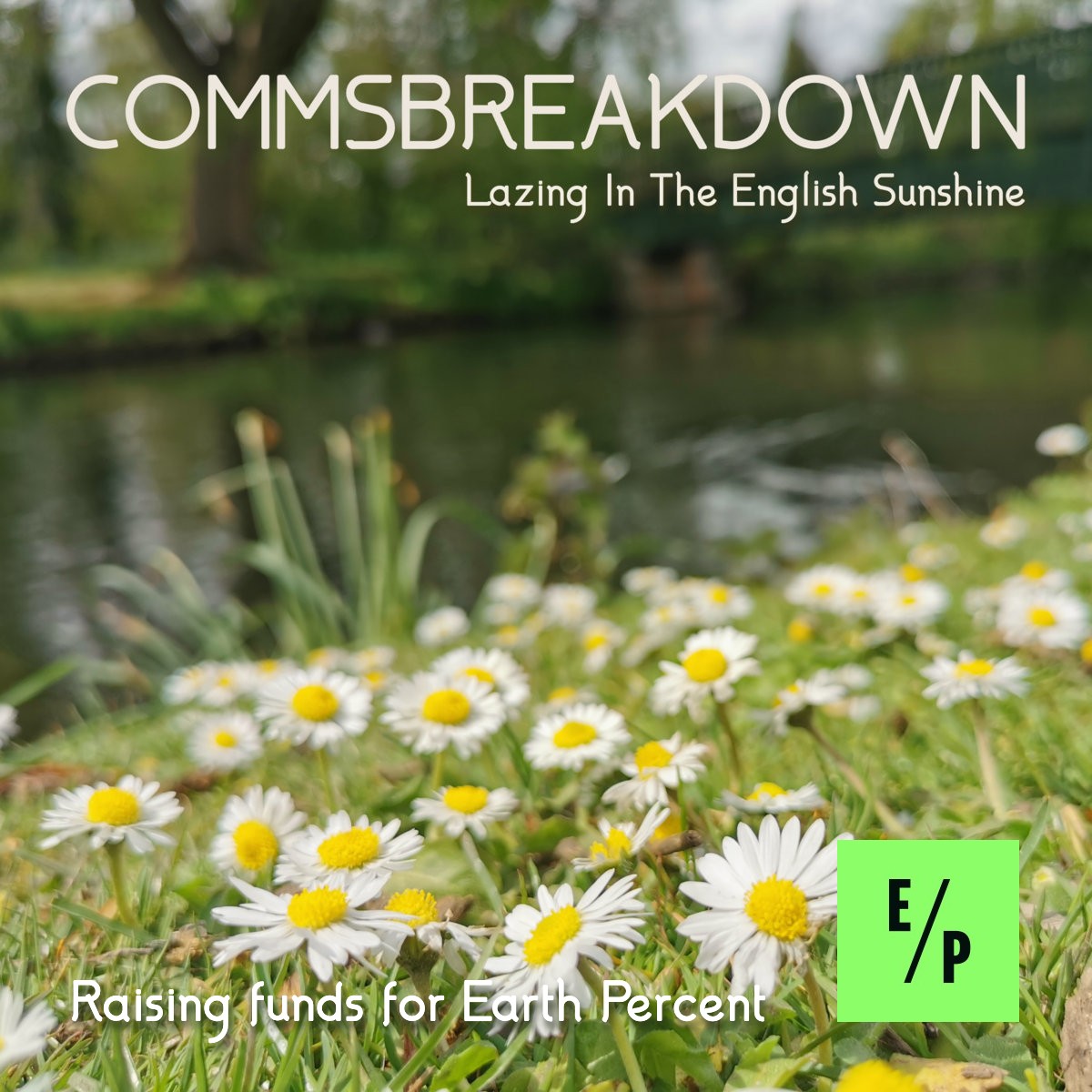
Image Credits
All images photographed and owned by Steve Ash.