



Alright – so today we’ve got the honor of introducing you to Stephen Gleason. We think you’ll enjoy our conversation, we’ve shared it below.
Stephen, thanks for joining us, excited to have you contributing your stories and insights. Can you talk to us about how you learned to do what you do?
I’ve always had a fascination with the way things sound. Like most young musicians I initially learned to play guitar by listening and watching others. I had a very musical background and formal training was thrust upon me at a young age at the unrelenting request (demand?) of other musicians in my family. Being immersed in music at an early age is special because it allows your nervous system to engage with sound during those critical developmental years. There is a certain vulnerability that is difficult (if not impossible) to achieve when you are more settled as a mature artist. After a while it was clear the instrument worked well for me; my hands and body seemed to bond with the overall physicality of playing. Several years of dedicated exploring prompted me to start taking lessons at age 12. After resisting quite a bit, I soon realized how much I liked reading and analyzing music. Shortly thereafter, I began teaching kids locally and soon I had a faithful little student base. In high school, I enrolled in every music class and ensemble I could find; these were my first rewarding experiences with teachers that ultimately sparked my interest in academia. The one ensemble that surprisingly excited me the most, however, was choir. Through ensemble singing I learned a great deal about voice-leading, harmony, and interpretation. This would also change the direction of my life which was up until this point solely focused on guitar, my principal instrument in college. At the same time, however, I was feverishly studying and singing in a cappella groups as well – this all sparked a very unique career path of performing and teaching. One thing that I developed over the years was my perspective on time management – something that eluded me as a young person. I do believe it was due to classic artist’s folly: being seduced by the projects I was drawn to while neglecting the ones I should have done. More often than not, the less obvious more challenging work that I got involved with resulted in some of my biggest periods of growth.
As with any field of study, discipline and dedication are mandatory if you are trying to refine your craft. I would say, however, that pursuing and cultivating creative and musical partnerships has been an essential skill that has had a lasting impact on my life and career. Students and acquaintances from ten, twenty years prior are now all surging in their industry. Those who were once students quickly become colleagues and peers, adding depth to your network. Additionally, the ever-changing tides of the music and education business require a very resolute sense of identity – personally and artistically. There were many instances where I questioned my work and whether or not it was meaningful. To handle this, I had to develop a system and process that was work/study driven, but also sensitive to the ebb-and-flow of branding and market trends, thus allowing me to be authentic yet remain open to change.
A big obstacle for me early on was my inability to say “no” to projects I felt were not a good fit or representation of me as an artist. Being young and hungry to work, you have a tendency to jump at every opportunity; I felt compelled to work in as many situations as possible. While this can provide a bedrock of experience, it can also inhibit you from evolving and establishing yourself as an artist with a clear direction and voice. It is encouraging to see young students and artists break from this behavior as social media has provided a unique outlet and opportunity for them to showcase and grow as individuals – more so than any previous generation.
As always, we appreciate you sharing your insights and we’ve got a few more questions for you, but before we get to all of that can you take a minute to introduce yourself and give our readers some of your background and context?
I’m a professor in contemporary voice and guitar at the Frost School of Music, University of Miami. I work with a majority of singer/songwriters in the program and our sessions cover everything from vocal training/care, composition, self- accompaniment, and music production – another area I’ve been quite involved with both professionally and academically. I have been actively involved with the technology curricula at the university and have just released an online music production basics course for those looking to enter the world of digital audio recording.
I’ve arrived at this point in my career as a result of my life-long experience with music, teaching, and art. Having been a bit of an enigma throughout my career, I’ve had the opportunity to operate in many facets of the industry as both a performer and educator – in jazz as well as popular music. I started playing and singing professionally when I was about 19 in the New York corporate-orchestra scene, playing and singing 4-5 nights/week. All the while I was singing in a vocal jazz quintet and teaching college classes in harmony, sight-singing, and ear training. It was during those years that I learned so much about my craft and the business. This was an incredible training ground that led me to so many exciting projects and collaborations with musicians, DJ’s, as well as producers. In a way this was a critical juncture, as it steadily came to define what I offer as a musician and teacher today. There is no typical lesson or class for me, I teach the individual in front of me and address their needs on a case-by-case basis. This could mean accompanying someone on guitar for a pop song or standard repertoire, co-writing an original composition, working on production or sometimes traditional voice training.
When I was on-the-road with the band we would have to cover such a wide range of styles and sounds at a very high level, where money is on the-line. This type of learning is experiential and what I am most proud of. What has always allowed me to stand out is the realization that no job description or template exists for this work – it is something I created, curated and parlayed into a long career.
Is there a mission driving your creative journey?
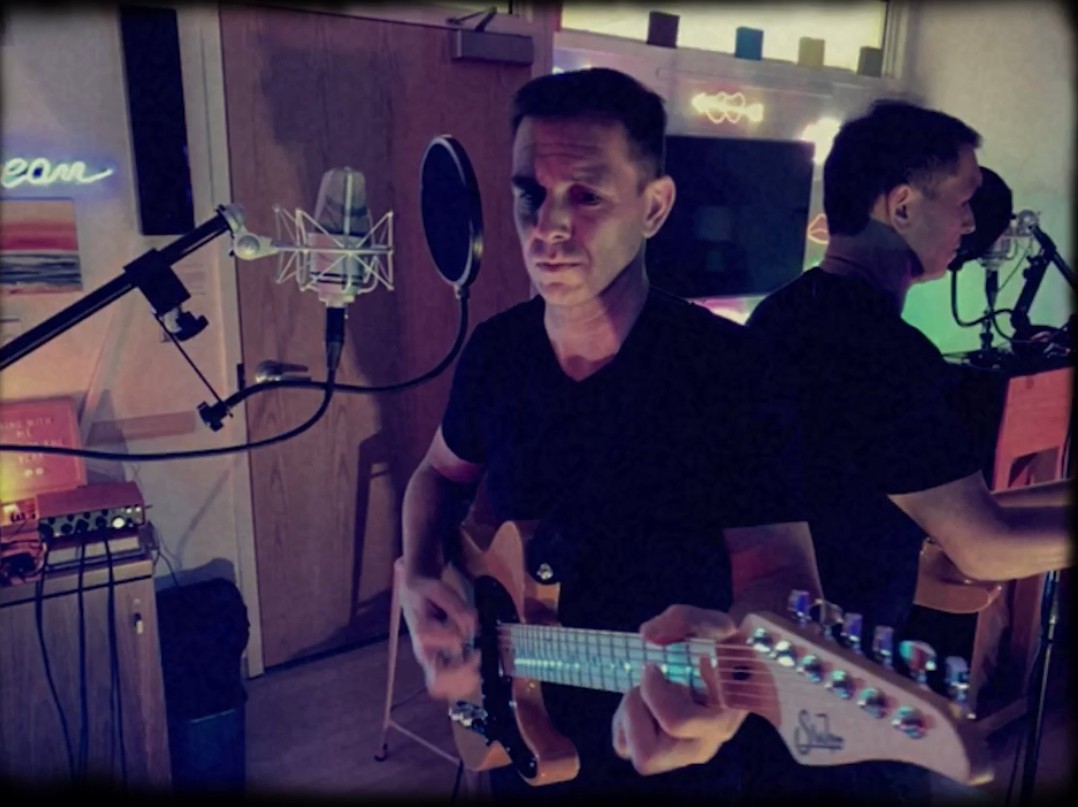
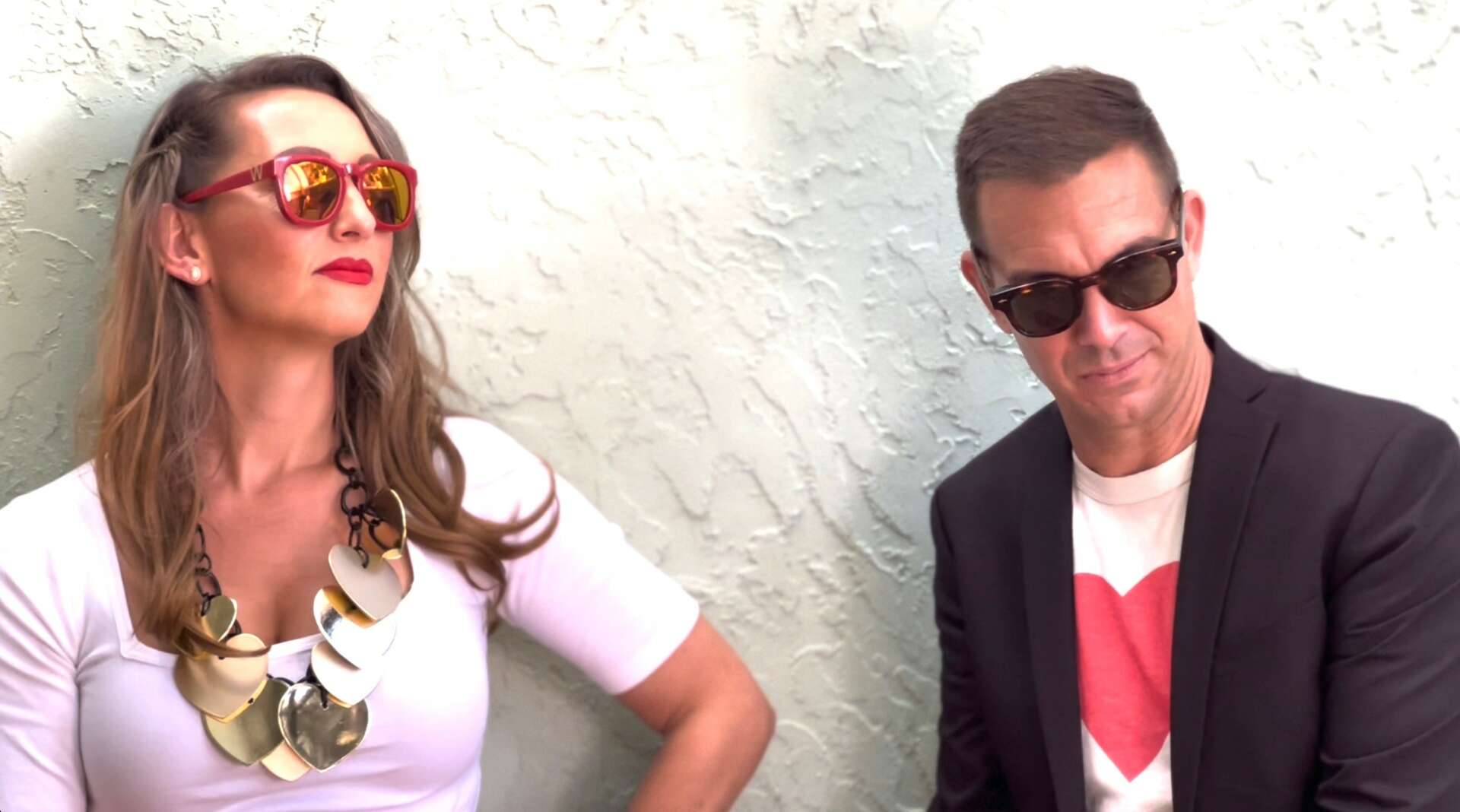
Without question there has been a pivot in my career toward my own work as an artist, composer, and producer. When you are teaching or working as a studio musician, your talents are helping to fulfill and satisfy someone else’s vision. This is a very specialized skill, mind you, and requires a great deal of restraint and discipline. This has been a very rewarding aspect of my career and a role I have assumed most of the time. So much so that I’ve put many personal projects on the back-burner for too long – this was something that I felt strongly about changing. Recently I’ve re-released a vocal jazz EP that was recorded some time ago, I have a duo project with one of my colleagues at the Frost School where we reinvent 70’s and 80’s covers, I also have a solo guitar record and solo composition record coming out soon, too!
That being said, from a philosophical standpoint I think there is an overall responsibility to make a distinction between drive and ambition, though the two at times intersect. I have never been overly ambitious, which is more associated with vanity or proving something to others. I have always been driven by my work and any subsequent success has been a result of the process.
What’s the most rewarding aspect of being a creative in your experience?
“I am only as good as you are” I always say. For me being able to collaborate with other people has been the best reward in this creative space. While it is exciting to play solo, I much prefer accompanying someone or performing with a group. It is a completely different energy playing with other human beings; one that requires a different level of commitment and communication. As an educator, operating in a creative space with students every day is completely different than most work environments. There is an extreme vulnerability when you are working with someone on their art that requires not only professional, but human finesse. That being said, I have a very sizable student roster with young artists from various musical/academic backgrounds, all with very different needs and goals. This environment affords me an opportunity to reinvent myself everyday – which is truly an amazing thing.
Contact Info:
- Website: www.stephenjgleason.com
- Instagram: www.instagram.com/stephenjgleason
- Linkedin: https://www.linkedin.com/in/stephenjgleason
- Youtube: https://youtube.com/c/StephenGleasonNYC
Image Credits
Sarah Fuesler