We caught up with the brilliant and insightful Stephanie Hong a few weeks ago and have shared our conversation below.
Stephanie, looking forward to hearing all of your stories today. Can you talk to us about a project that’s meant a lot to you?
Though it’s yet to be filmed, my series Everything Is Fine already feels like it’s going to be my legacy.
Back in 2020, I began ideating a television series about a 20-something sexual assault survivor who, after losing everything, finds herself suddenly surrounded by an eclectic group of roommates who help her to rebuild her life, one moment and one shenanigan at a time.
It’s a half-hour, ensemble comedy drama, with an emphasis on the comedy. Think 90% shenanigans, 10% gut punch. Throughout the course of 3 seasons, Everything Is Fine explores what joy & healing can look like with chosen family, whether larger systems of justice succeed or fail.
This is, by far, the most personal story I’ve told on paper. It’s grounded in my experience of coming to terms with sexual violence & familial trauma in an immigrant household in the conservative, sex-shy, Christian South.
In making a comedy drama that’s both painfully honest and laugh-out-loud funny, I’m hoping to create something so entertaining that it brings people together, so authentic that it helps the underrepresented feel seen, and so nuanced that it serves as a touchpoint for kinder & more understanding discourse in conversations where — even for many well-meaning folks — reaching across political aisles & cultural barriers has become seemingly too daunting to attempt.
Due to the generosity of ArtsBuild & the Barking Legs Theater, I’ve been able to create a show bible for the series, which outlines 39 episodes with arcs for each of the 9 core characters, as well as a pilot script and a stand-alone short film script.
Looking ahead, I am prioritizing seeking mentorship, both within the television industry and beyond, to help make what I see so clearly in my mind accessible to audiences across the globe.

Stephanie, love having you share your insights with us. Before we ask you more questions, maybe you can take a moment to introduce yourself to our readers who might have missed our earlier conversations?
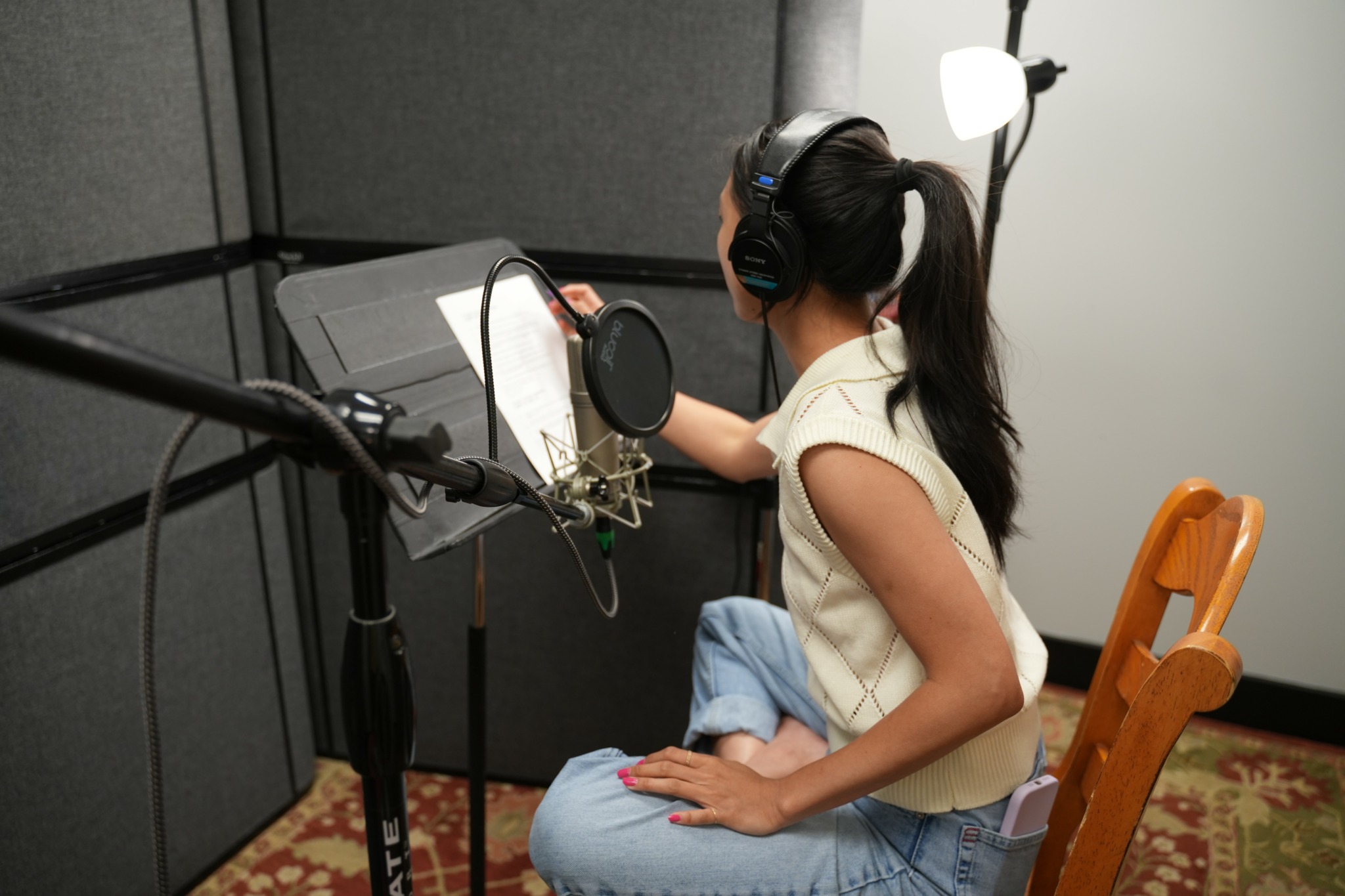
My name is Stephanie, and I’m an actor, writer, & filmmaker.
I have always loved a good story.
I was a speech & debate kid in high school (think: theater kid-adjacent). Truthfully, I always knew I loved the arts but never thought I could make a living doing it, so I allowed myself to love and invest in a career where I could still connect with, entertain, and otherwise be in a position to help people feel seen & loved: as a high school English teacher.
Of all things, my Facebook algorithm kickstarted my acting career at 23. I was targeted, hard, by a call for extras for the movie adaptation of the musical Dear Evan Hansen. I figured if the administration at my school could regularly mistake me for a high school student, maybe Hollywood might too.
When I got on set, it’s like I suddenly remembered how much I’d loved performing. And, cliché as it may sound, I felt like I was being called.
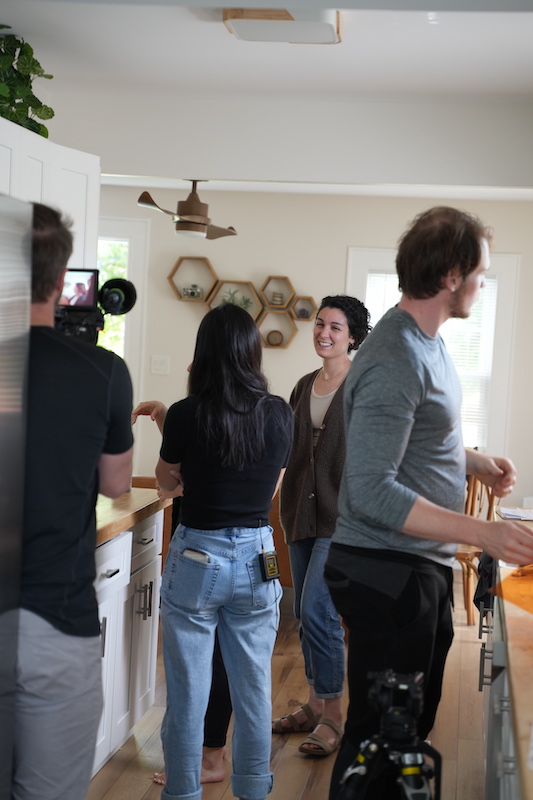
So I began submitting myself to any acting job I could find — on Actors Access, on Instagram, on Facebook. And on every set I was hired to be on, I watched and learned everything I could. How did sets work? Who were all of these people who weren’t actors? What were their jobs? What went into the art of movie magic? And most of all, could I please be a part of making it?
I signed with my agency Screen Artists Talent about a year after my first acting gig, and they’ve connected me to opportunities I couldn’t have imagined just a few years ago — including as the Season 3 host of the Emmy Award-winning series Hope Givers, a variety show for teens that champions mental wellness, diversity, and kindness.
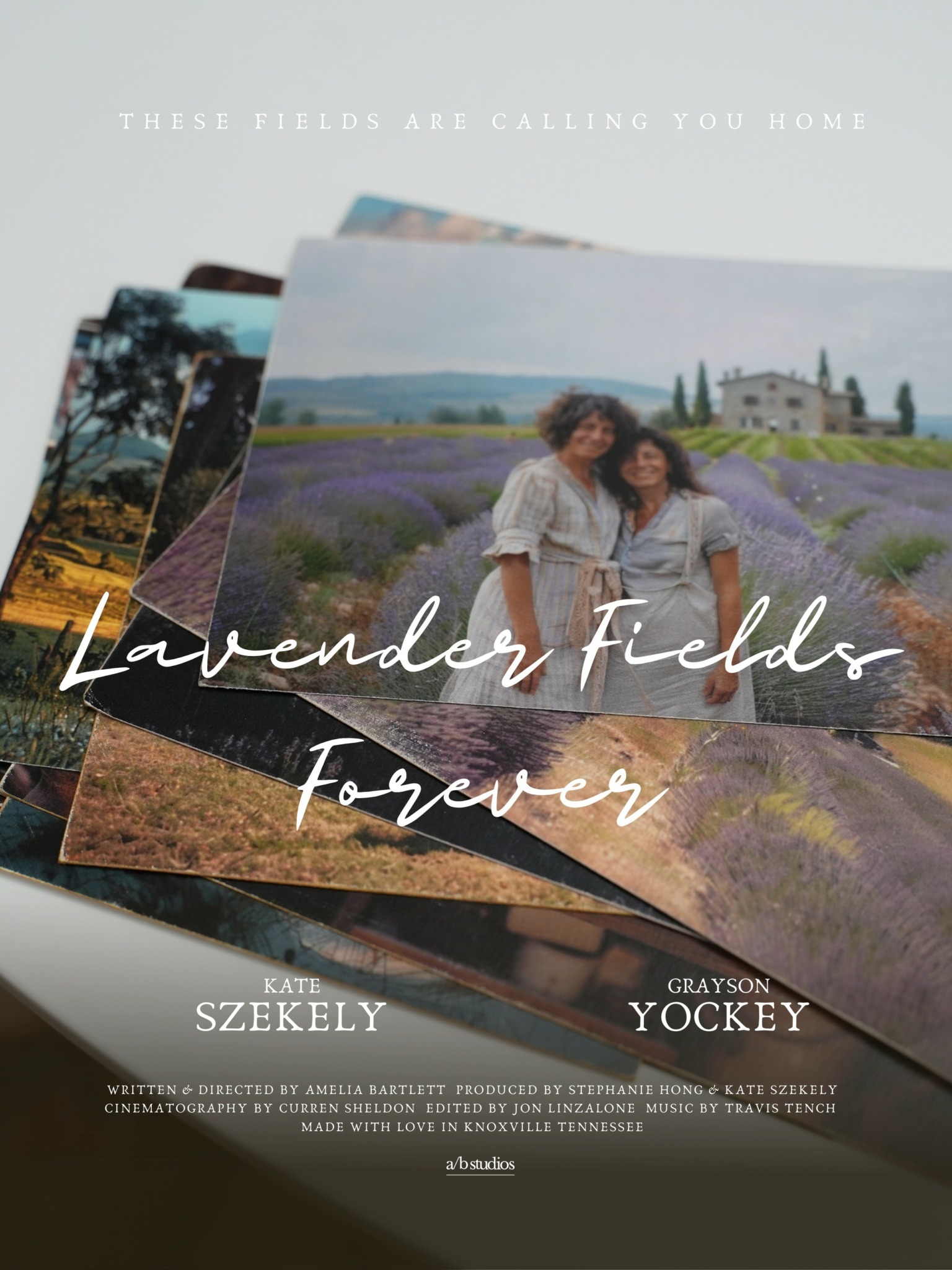
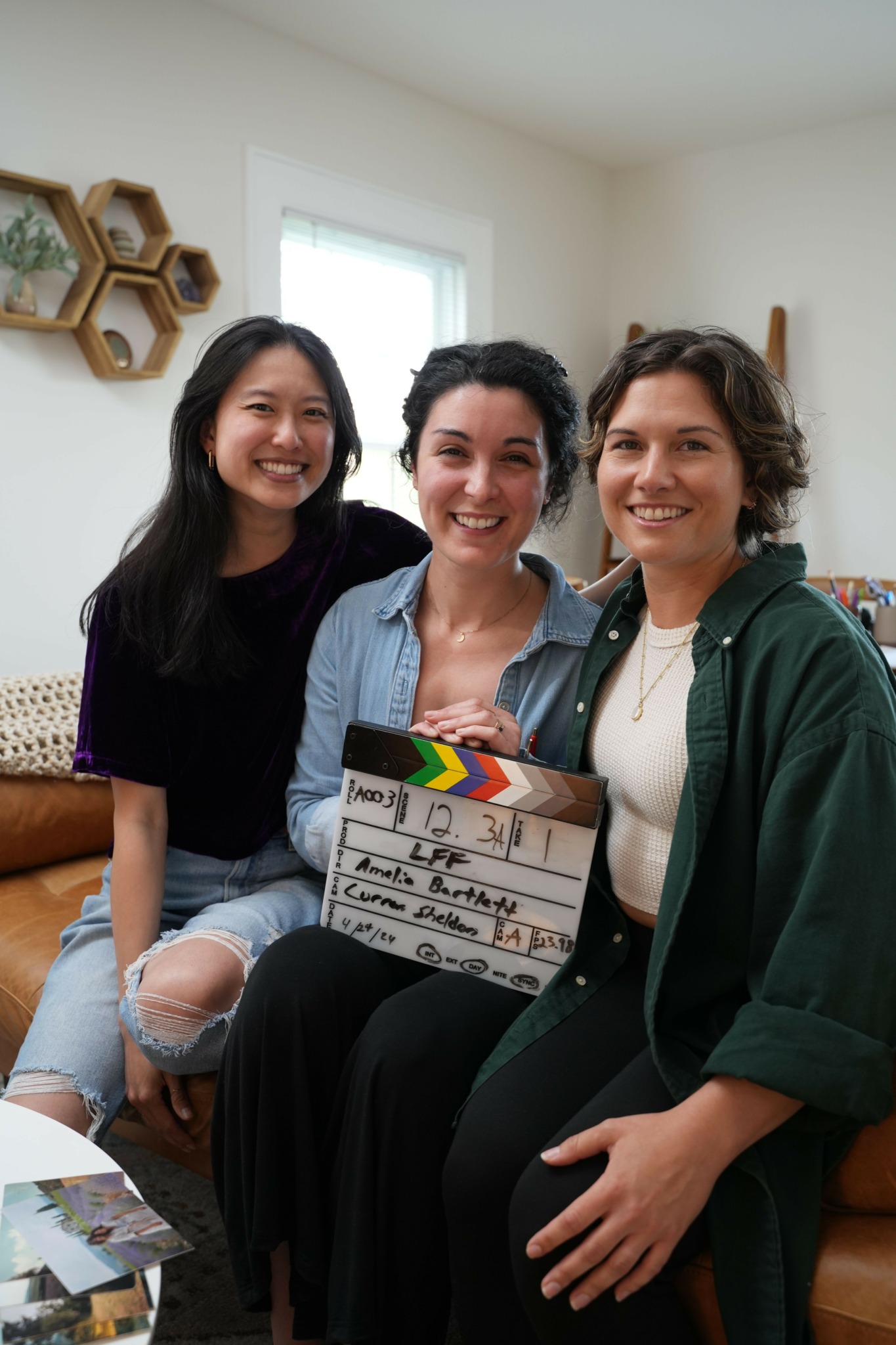
Nowadays, when I’m not acting, I’m making films behind the scenes. I most recently directed a short film called “How to Get the Girl,” a proof-of-concept for a feature film I’ve written with the same title.
In an industry that’s notoriously competitive & volatile, my philosophy is grounded in the belief that I am a person first, and an artist second. There is no use for me to chase a dream in the industry if doing so costs my mental, emotional, or physical health. I rest easy knowing that if the day comes that the industry no longer wants me, I will still have the person I’ve chosen to be. And though it was never the driving intent, moving about with this mentality has made me a better and more confident actor: all I have to do is show up & be.
Is there mission driving your creative journey?
My ultimate goal in my creative journey is in alignment with my mission in my personal life: to leave it better than I found it. Broadly, that looks like being a part of the ongoing movement for more meaningful representation of AAPIs in mainstream media, upholding the dignity of the American South as a creative filmmaking region, and using whatever platform I have to build bridges across barriers. Daily, that looks like showing up prepared & passionate, supporting fellow filmmakers & storytellers, and letting curiosity & empathy lead in my interactions with others.

We often hear about learning lessons – but just as important is unlearning lessons. Have you ever had to unlearn a lesson?
I’m still unlearning this one: Do what you love, and you’ll never work a day in your life.
I can certainly appreciate the sentiment here — that our lives are significantly less miserable if we don’t hate what we do for work. But as a people-pleaser who has a hard time with boundaries, it took me a long time to realize that even work that you enjoy isn’t the same as rest.
I thought I learned my lesson after I was a classroom teacher, when I was so emotionally invested and passionate about what I was doing that I routinely worked 70- to 80-hour weeks. During the school year, I was a teacher, but I wasn’t a person.
I consider myself incredibly lucky now to be able to act & make films full-time, and on the whole, I certainly work fewer hours than I did as a teacher. But even now, especially during the easily all-consuming processes that are pre-production & production, I can feel myself slipping into old patterns: falling into intense hyperfocus & tunnel vision and then wondering, days or weeks in, why I feel drained and exhausted.
For folks with similar dispositions, blocking out time — whether daily, weekly, or as schedules & projects allow — to rest and recharge is invaluable. You can ask me in a couple years if I’ve gotten better about taking care of myself alongside my work.
Contact Info:
● Website: https://www.stephaniehongofficial.com/
● Instagram: https://www.instagram.com/stephaniehongofficial
● Linkedin: https://www.linkedin.com/in/stephaniehongofficial