



Alright – so today we’ve got the honor of introducing you to Stephan Crawford. We think you’ll enjoy our conversation, we’ve shared it below.
Stephan, appreciate you joining us today. Can you talk to us about a project that’s meant a lot to you?
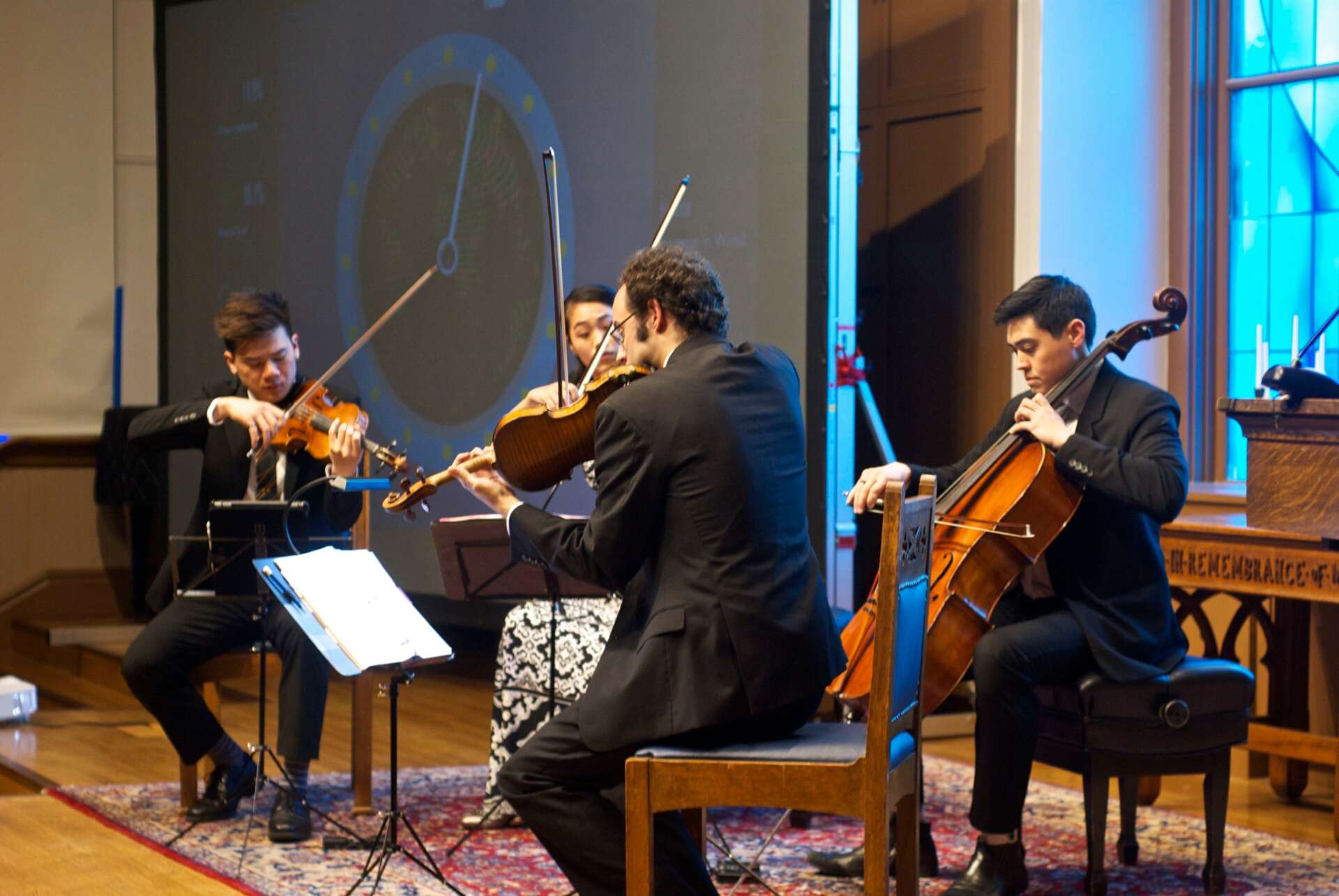
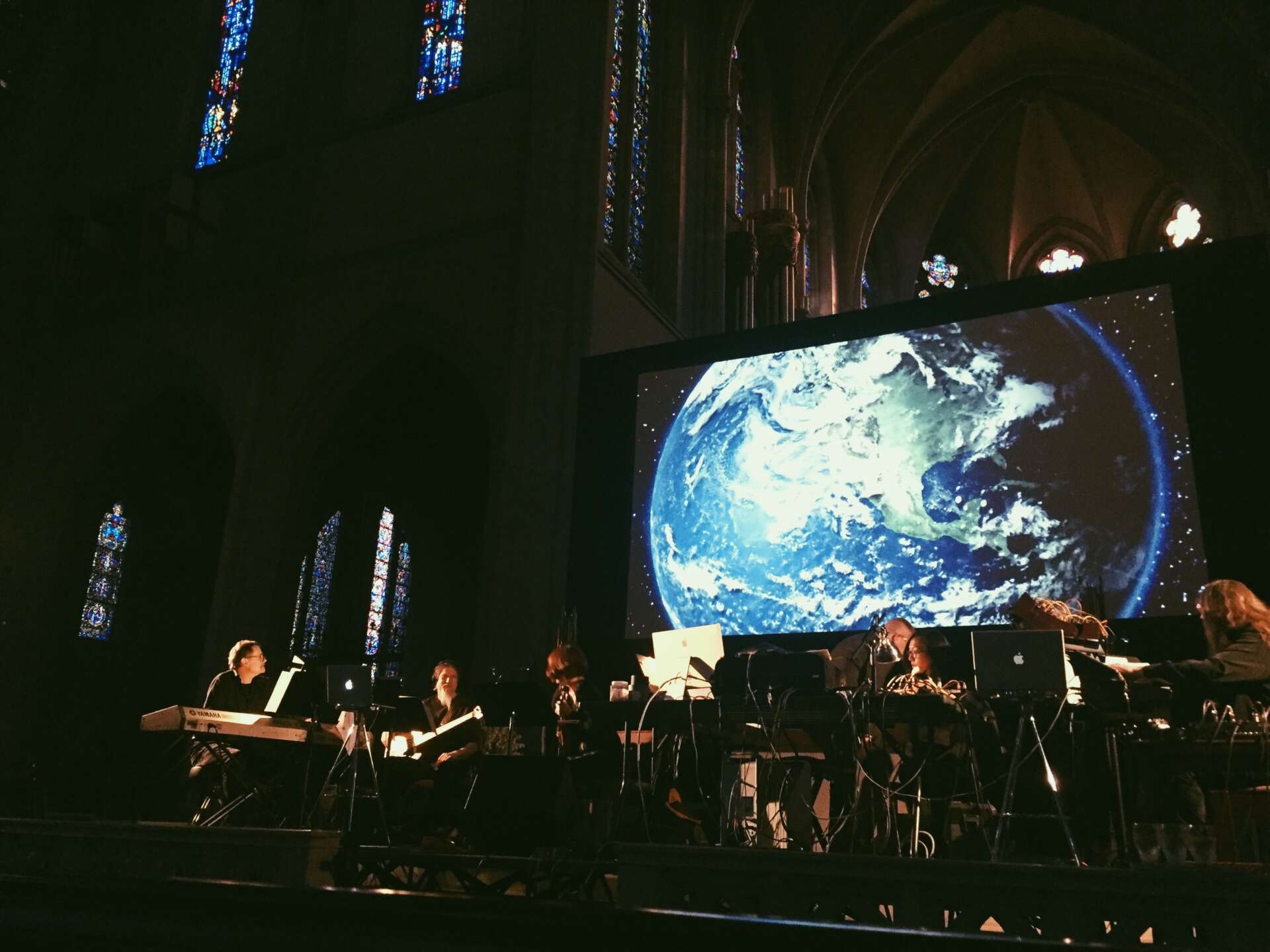
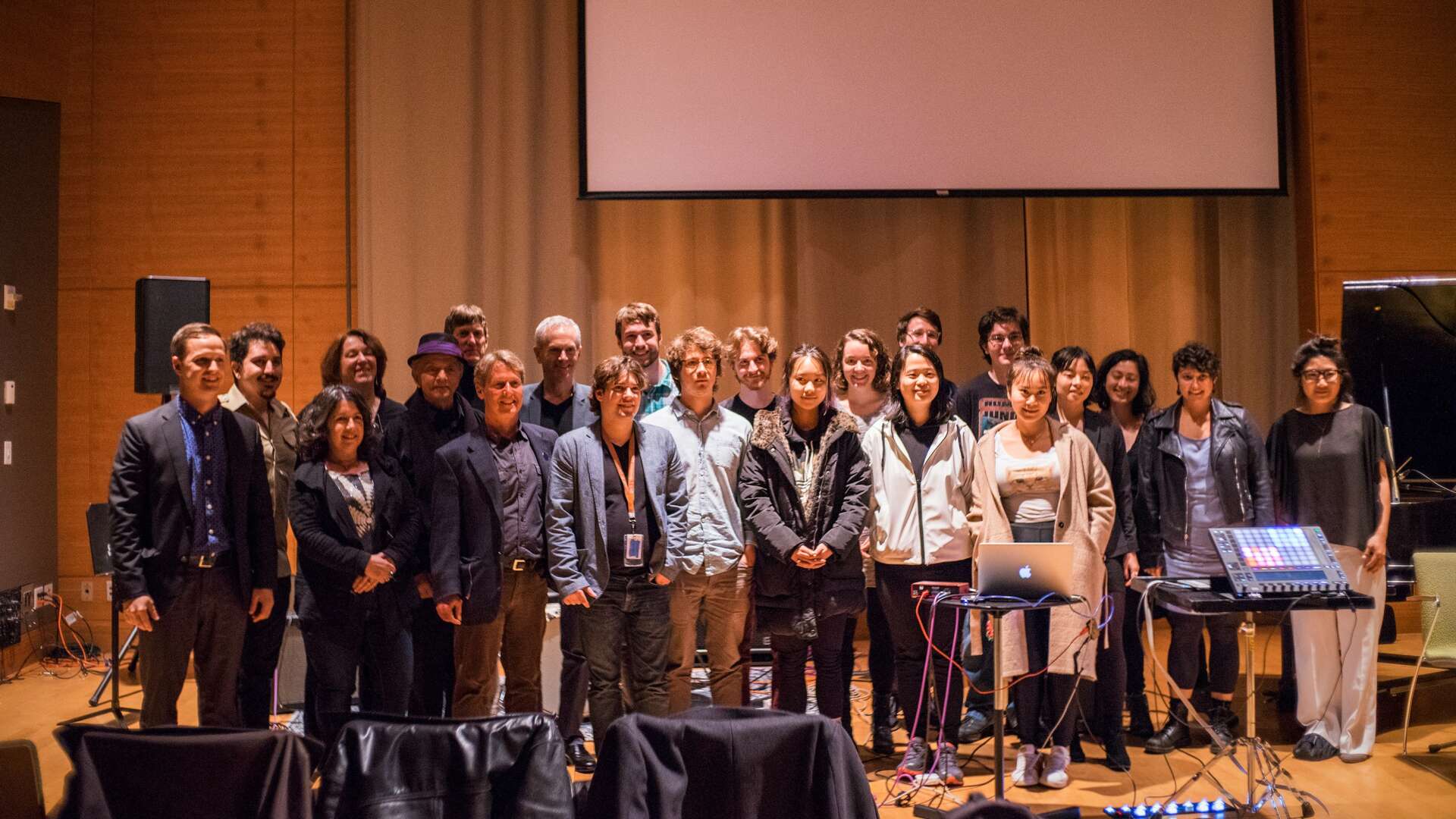
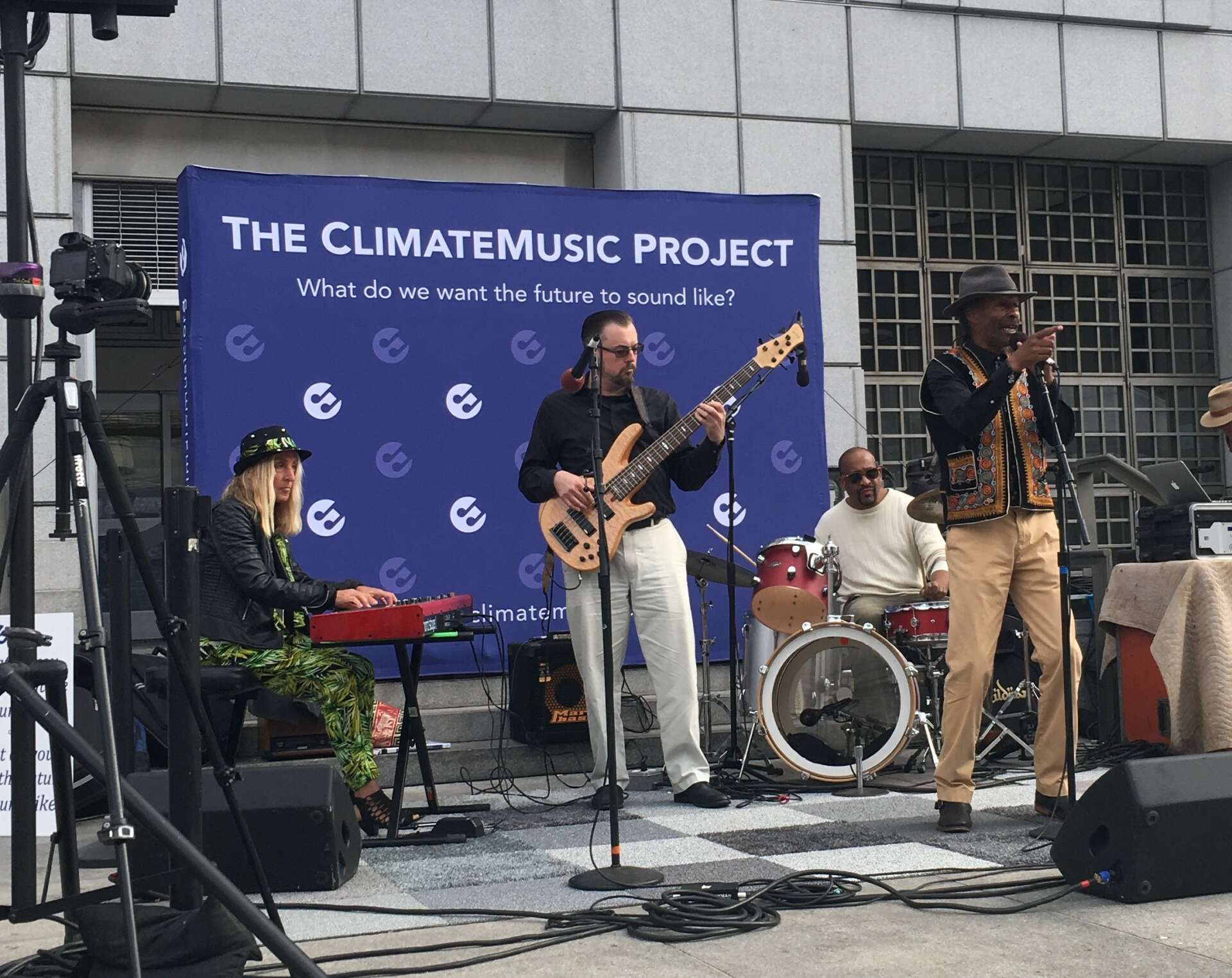
Founding and helping to lead The ClimateMusic Project is the most meaningful work I’ve done so far. Founded in 2014, I had just finished a Master’s degree in environmental sciences and was looking for a way to apply what I had learned in the context of my creative studio practice. My initial thought was to create a kinetic sculpture that would mimic the processes of the carbon cycle, but one night in my studio I was mulling it over while tapping a metal rod against my workbench. The rhythmic tapping suggested music, and that was it. Fast forward 9 years, and we are now an interdisciplinary non-profit collaborative that includes experts across the arts, sciences, public policy, and technology. Our mission is to connect people to climate science and action through “science guided” music that inspires and motivates people to learn more about the climate emergency and to take action. We have reached audiences in 30 countries, and have partnered on events with leading national and international institutions, including the National Academy of Sciences, The World Bank, The World Economic Forum, and the European Union, among many others.
This work is meaningful to me because we live in an unprecedented time in human history, when our species’ impact on the Earth’s life support systems is at a global scale. The good news is that we have the knowledge and tools to steer a safe course into the future. What’s still missing is the understanding and political will to act, and that’s where art, including music, comes in. So for me, this work is an opportunity for our team to play a small part in solving the most critical challenge of our time.
As always, we appreciate you sharing your insights and we’ve got a few more questions for you, but before we get to all of that can you take a minute to introduce yourself and give our readers some of your back background and context?
I am an interdisciplinary artist based in San Francisco, California. By “interdisciplinary”, I mean that my work explores the places where apparently dissimilar spaces, disciplines, or ideas collide, such as, broadly, science and art. I had a previous career in public service, which was rewarding in its own right, but also stable enough to allow me to dive into the arts in the evenings, during weekends, holidays, and during my vacation time. In 2006 I found the studio that I am still in, and at the end of 2017 I left public service to focus full-time on my creative practice.
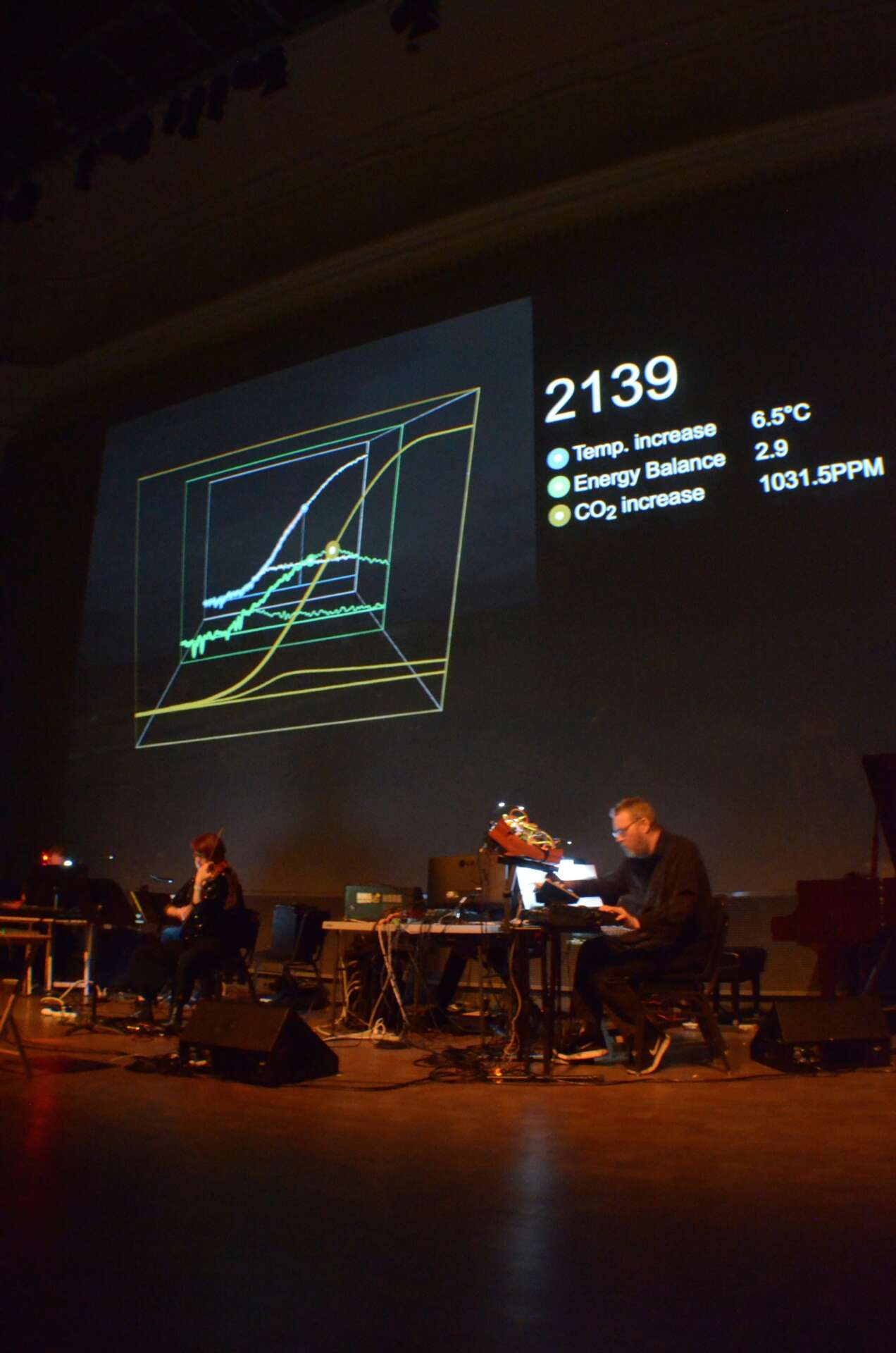
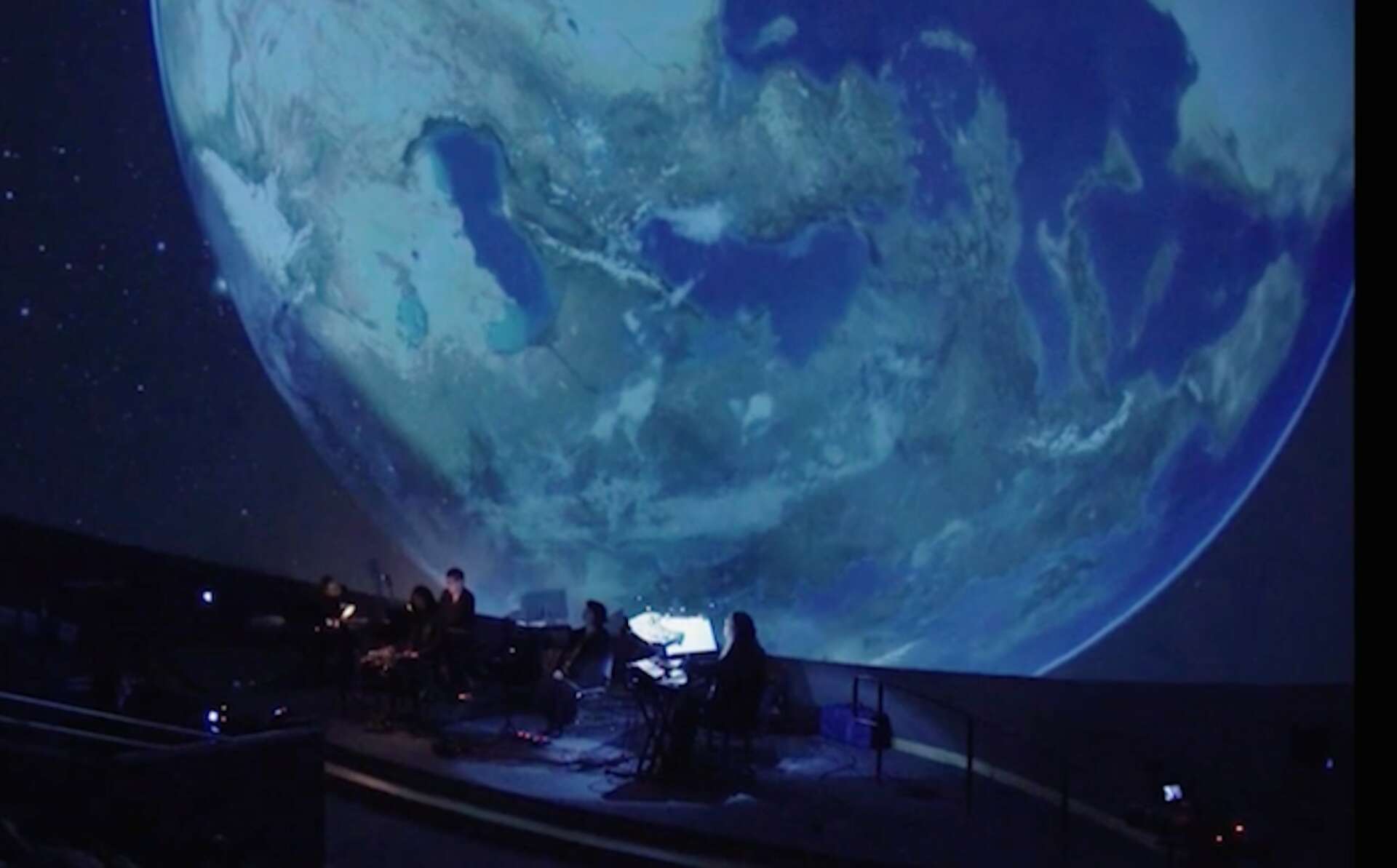
The most significant project to emerge from the studio so far has been “The ClimateMusic Project”, a cross-disciplinary collaborative that connects people to climate science and action through the emotional power of music. Our music is “science-guided”, meaning that it integrates specific insights from science, and is developed via an active collaboration between a composer and a team of leading scientists. Composed in a variety of genres, from classical to world music, each composition explores a different aspect of the climate crisis. Our newest work “Audyssey” is by the distinguished artist Eduardo Del Signore, and has as its theme solutions to the climate crisis. Each composition also includes an engaging visual element that reinforces the story within the music, so that live performances provide a multi-sensory experience for our audiences.
Why music in this context? Music is familiar, accessible, and—for most people—much easier to relate to than articles or lectures about the climate crisis. The ClimateMusic Project harnesses this universal language to tell the urgent story of climate change to broad and diverse audiences in a way that resonates, educates, and motivates. Music is also a great convener and community builder. Many people feel overwhelmed by the enormity of the climate challenge, but facing it from within a community builds feelings of solidarity and opens new conversations around solutions that build confidence that the crisis, though unprecedented and complex, is solvable and that we all have a role to play.
Our newest work is due to premiere late this year. It’s by an artist who justifiably has a place in Rock and Roll history and is still going strong. If you’re curious about who it is, keep an eye on our website (climatemusic.org), as we’ll announce the new work later this summer!
What’s a lesson you had to unlearn and what’s the backstory?
Our society rewards productivity and punishes perceived “failure”. This perspective was hammered into me early in my first career, and I initially had to struggle to let go of it in my studio practice. From the perspective of an artist, art is a set of problems waiting to be solved, and “failure” is not a relevant concept in this context. Case in point: A number of years ago I was working on a large sculpture. Part of it included strands of kelp that I had to model in wax prior to casting them in bronze. My initial concept involved three intertwined strands, but in the process of making the third one I a made a “mistake” that rendered it unusable. Each strand took me about four hours to make, so rather than redoing the work I chose to step back and reconsider the design. I discovered that I could make an even more elegant design using just the two strands, and so this “failure” actually opened the door to improving the finished work. Not all failures lead to such a happy outcome, but in the studio context, all can be learned from and provide grounding for new creative pathways.
Is there a particular goal or mission driving your creative journey?
Yes. Simply put, to contribute to a better world. In my opinion, the arts have a more critical role in society today than they ever have had. We live in a complex world in which disruptive change is accelerating. Artistic expression has the potential to make the abstract “personal”, to communicate complex ideas intuitively so as to spark fresh insight, to challenge preconceptions and biases, and to build understanding and solidarity within and between communities.
To cite the climate crisis as but one example, the members of the science team at The ClimateMusic Project routinely stress that we have the knowledge and tools to solve the climate crisis. The wild card is now human behavior and what we collectively choose to do in the remaining years of this decade. In the United States, there is still much confusion, fear, and ignorance surrounding the reality and causes of the crisis, and possible solutions to it. In this context, the arts can and must act to convene new conversations, spark new insights, build solidarity, and mobilize effective action.
There is so much bad in the world today, but there is also so much potential for good. The arts are an indispensable resource for harnessing this potential.

Contact Info:
- Website: http://sc2arts.com, https://climatemusic.org
- Linkedin: https://www.linkedin.com/in/stephan-crawford-948598/
Image Credits
Ashlyn Perri, Zachary Reiss-Davis, Tim Guydish, Darin Limvere, San Francisco Conservatory of Music