

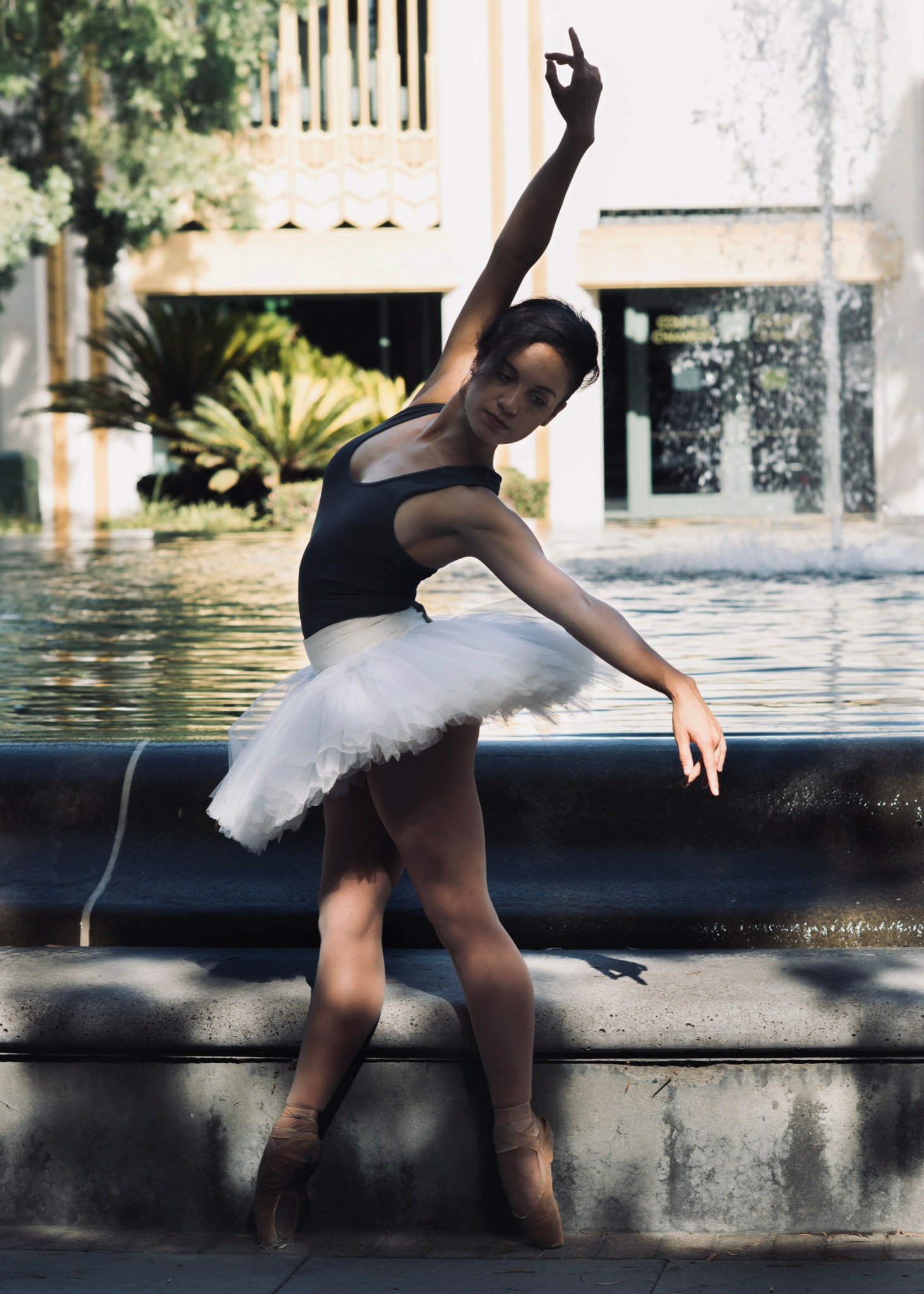

We recently connected with Steffi Carter and have shared our conversation below.
Steffi, appreciate you joining us today. Do you wish you had started sooner?
There are several strains of “what if?” moments we all experience. And while the wondering (what else could I have done?) often troubles us, I think it’s very beautiful that these moments revolve around our autonomy — our responsibility to ourselves, and our greater communities.
I have spent a lot of time running my “what-if” calculations.
What if I had…
… started ballet earlier? I’d’ve lost interest in early creative movement, baby-ballet classes.
… started ballet at the Cecchetti academy I moved to when I was ten? I might not’ve been mature enough for the method.
… gone to bigger-brand summer intensives as a teenager? I wouldn’t’ve witnessed the ballet culture I try to emulate today.
… joined my first company at eighteen instead of twenty-three? I wouldn’t’ve experienced the intense period of exploration, expansion, and clumsy stumbling my university offered. It took four years of university before I even realized I wanted to dance professionally.
… stayed in traditional ballet company structures instead of freelancing abroad? I would’ve never been given the opportunity to perform classical principal roles.
… gone to grad school sooner? My research would’ve suffered without having first served at every professional level of the ballet institution I now challenge and hope to change.
… been born later? This one does occasionally upset me.
What if I had been born later, when ballet’s just starting to reckon with its systemic issues? Maybe ballet would know what to do with me when I came of age. But then, ultimately, I wouldn’t’ve learned how to fight for it and my fellow artists.
No matter how I interrogate my origin story, I end up grateful. My creative development has been — despite all what-ifs — just right for me.
My favorite what-ifs aren’t looking back, but forward.
What do I do next?
Great, appreciate you sharing that with us. Before we ask you to share more of your insights, can you take a moment to introduce yourself and how you got to where you are today to our readers.
No matter how much the industry demands our singular passion and pursuit, no dancer is just one thing. We are all dancers, actors, writers, occasional singers, teachers, choreographers, directors, costume designers, composers, cinematographers, researchers, and forever students.
For it, I always struggle with introducing myself. It is easier in an audition room, where I can show you. Or a class, where I can teach you. Or a project, where I can work with you.
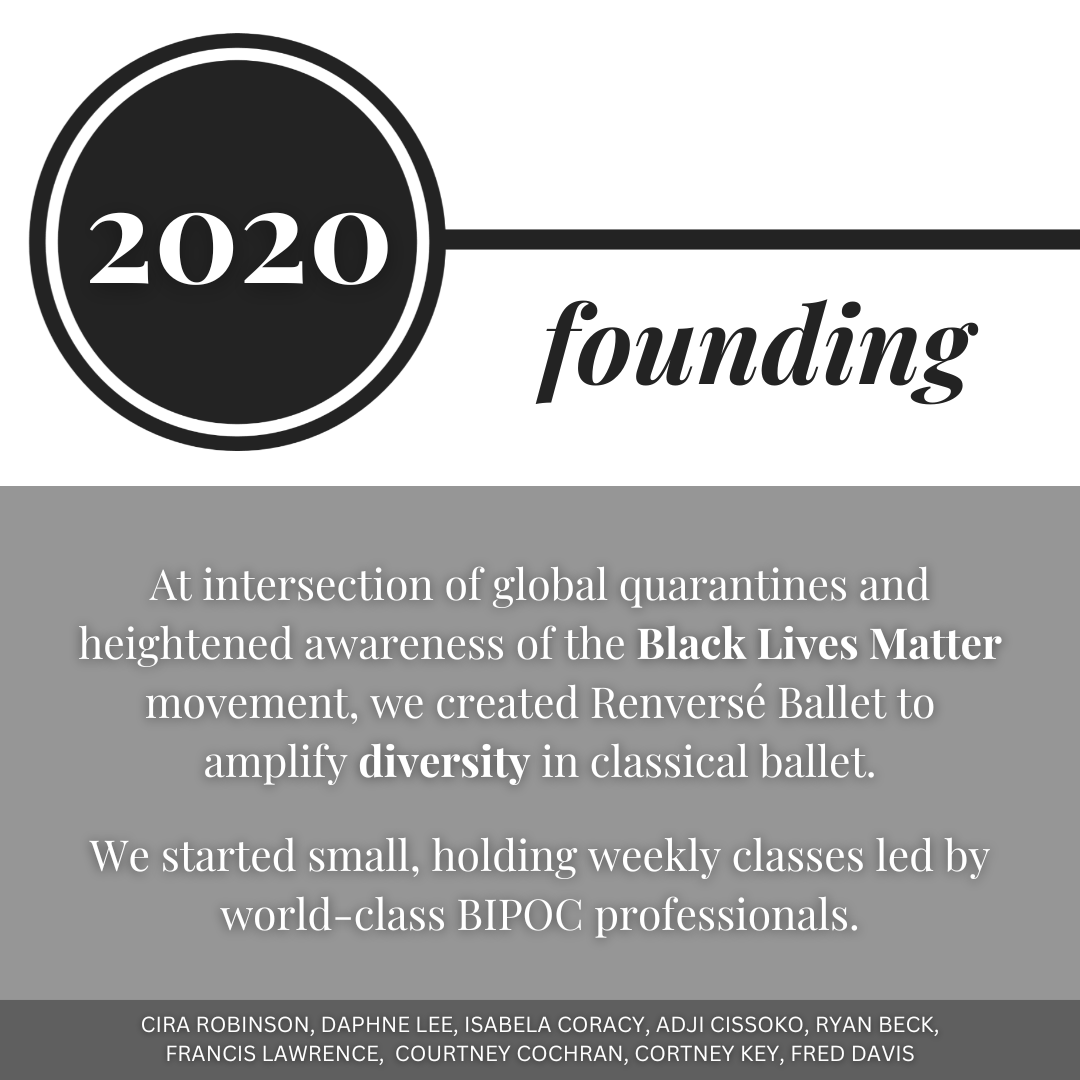
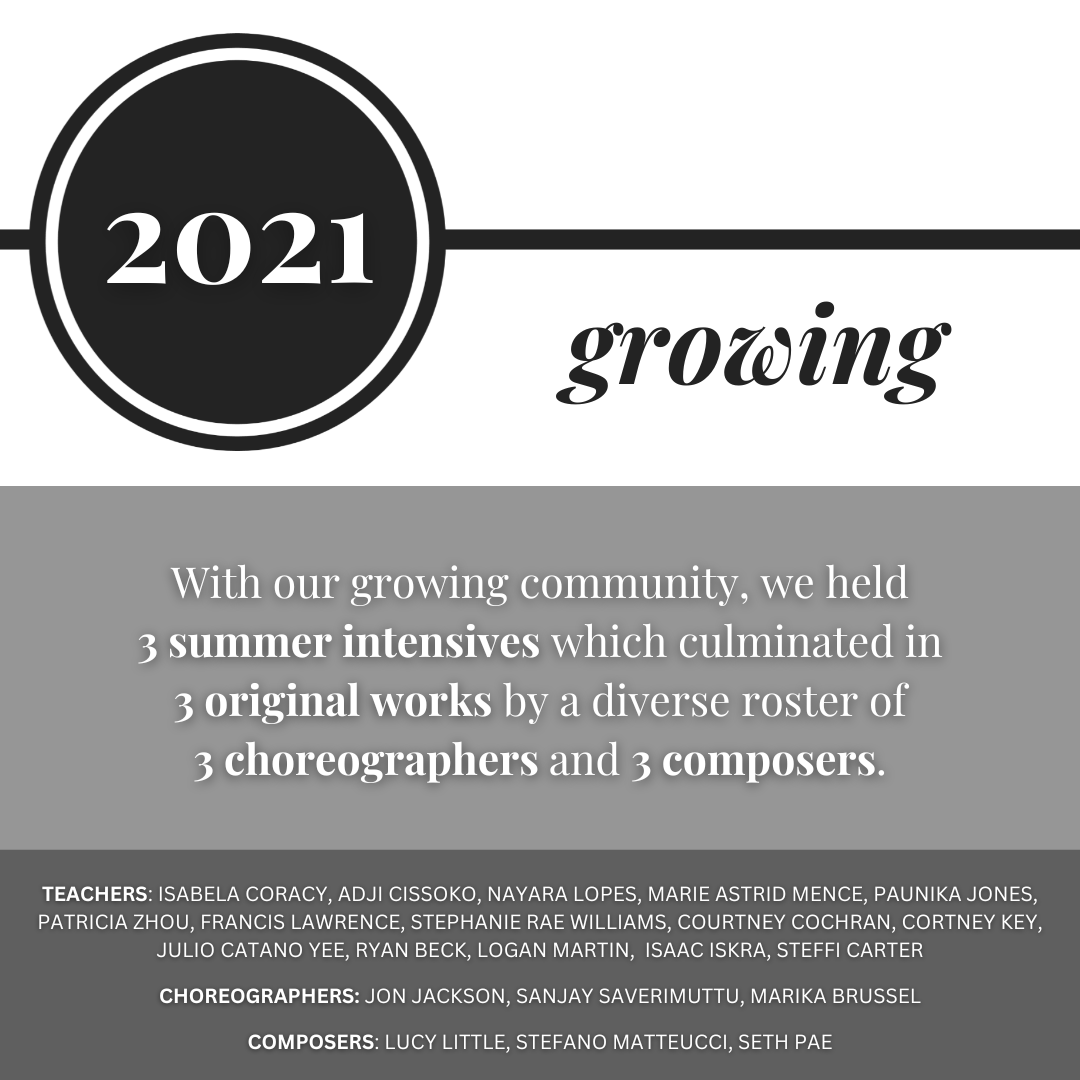
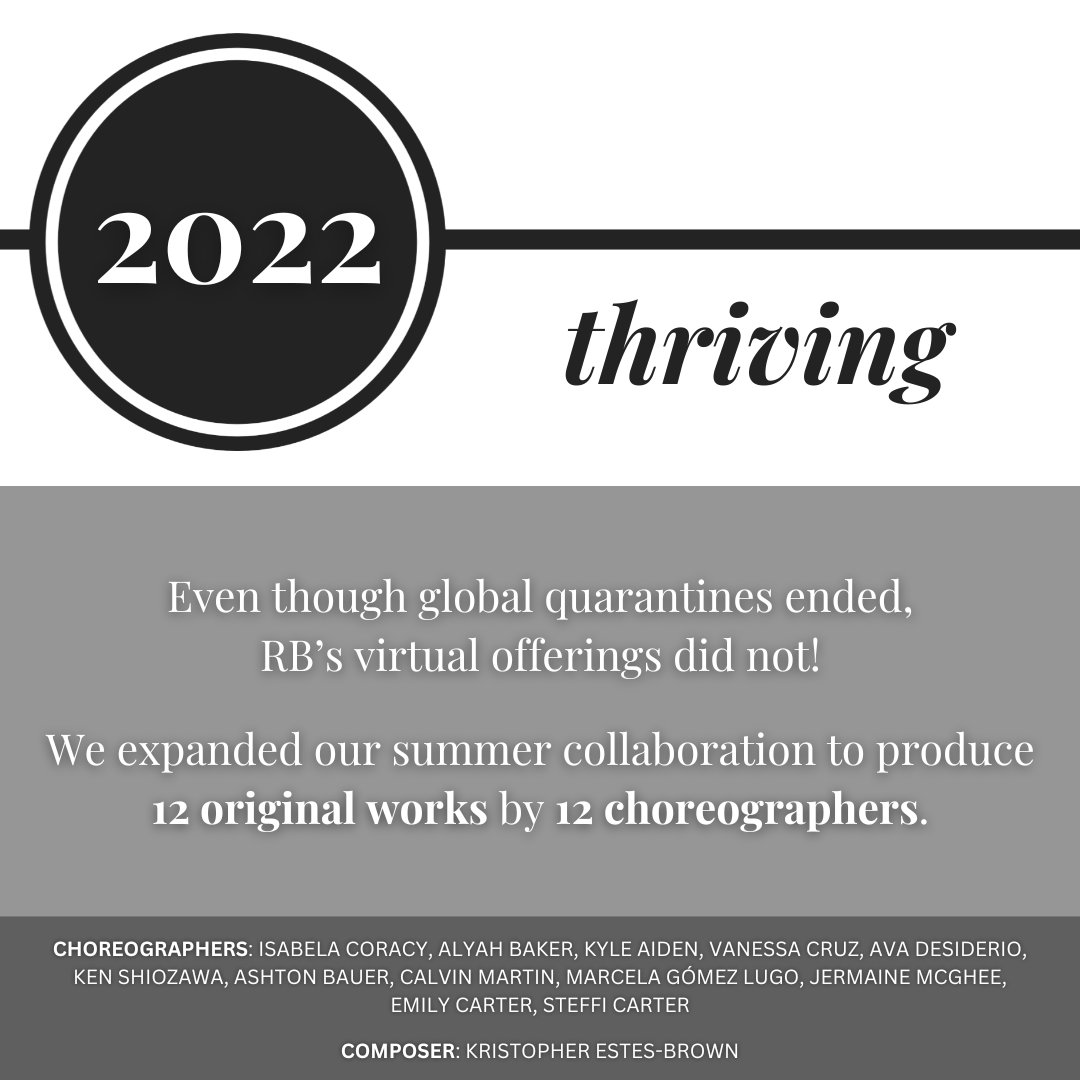
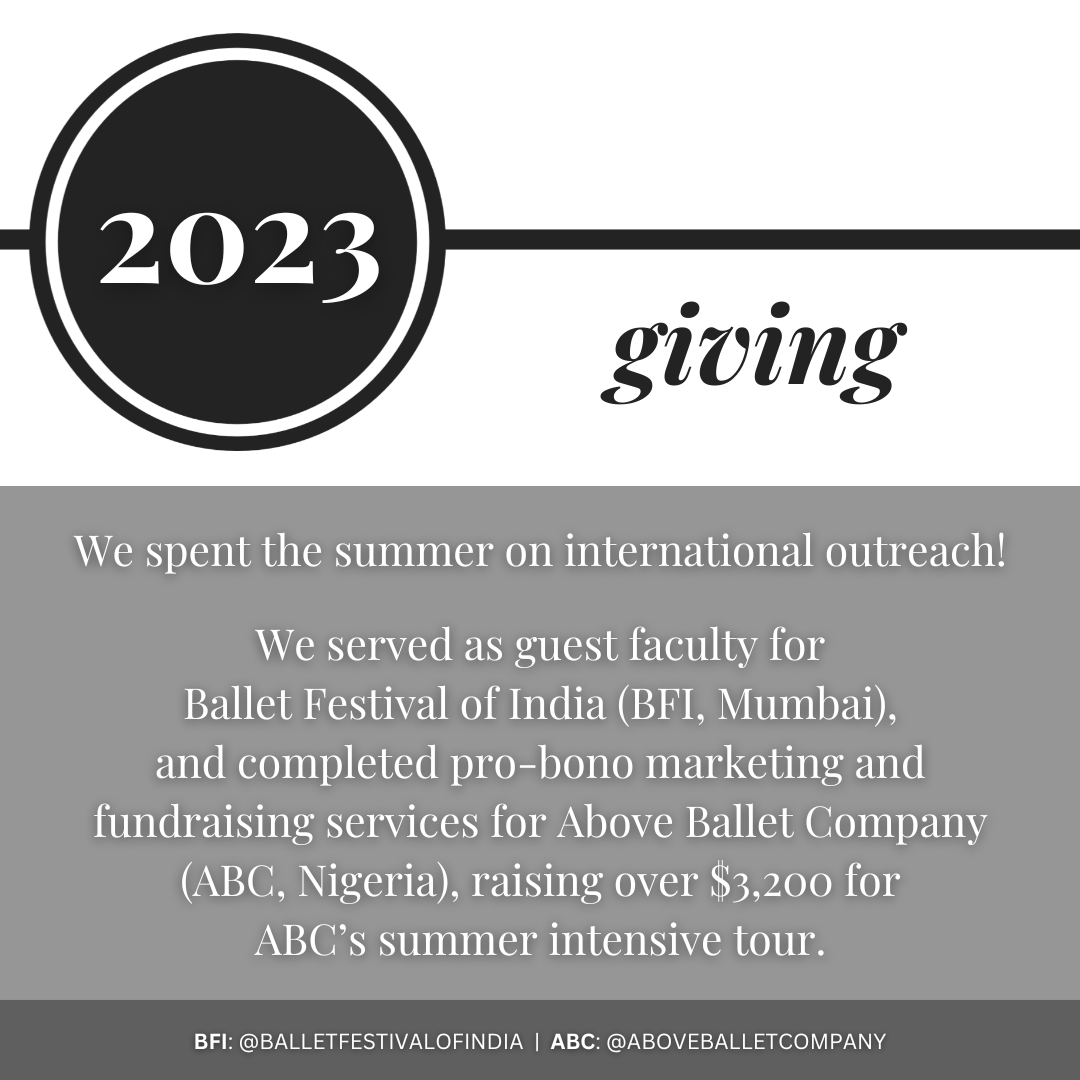
The ongoing work I am most proud of is artist advocacy through Renversé Ballet (RB). RB is a virtual ballet platform committed to creating a more diverse, informed, and inclusive ballet community through classes, choreography, discourse, and research. Our accessible classes and intensives are taught by our world-class professional faculty, and our performance opportunities are made possible by our diverse roster of performers, choreographers, and composers. For international outreach, RB provides pro bono marketing and fundraising services for companies in Nigeria, India, US, and UK. And most recently, I have conducted academic research through RB.
My body of research feels cohesive and iterative NOW, but I didn’t intend to connect such dots:
– “Waltz of the Powers: Exploring the importance of dance in the performance of citizenship” (BA Political Science, University of Chicago)
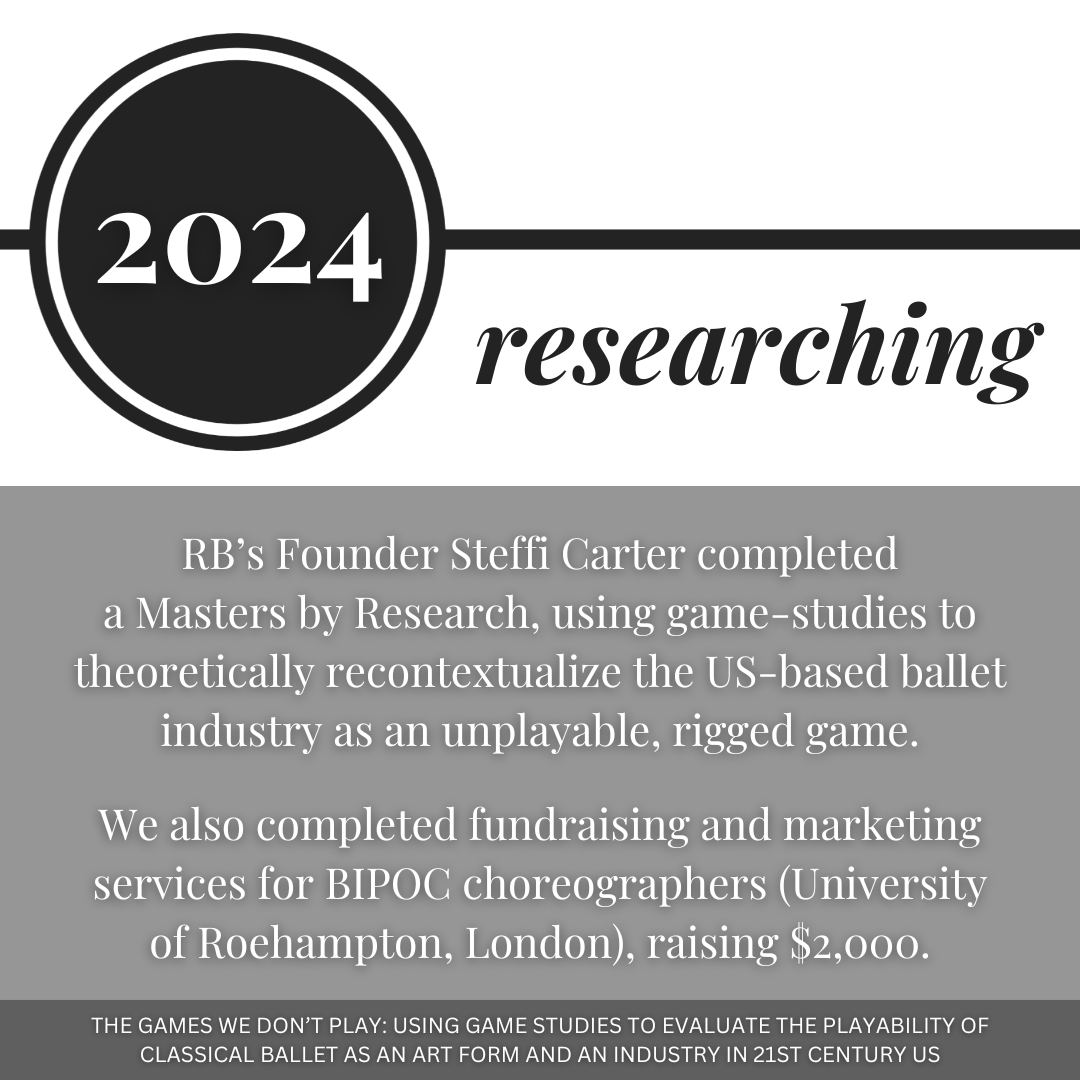
– “The Games We Don’t Play: Using game studies to evaluate the playability of classical ballet as an art form and an industry in the 21st Century United States” (MRes Choreography and Performance, University of Roehampton)
– “Gamechangers: Using game-based simulations to develop fluid organizational alternatives to professional ballet company hierarchy in the US industry” (PhD proposal; accepted, seeking funding)
When I’m not writing, I’m creating choreographing or costuming. My staged works include short- and full-length dance works which challenge gender norms and rectify racial stereotypes in classical ballet. My research-driven fiber objects include high-fantasy costumes and fashion collections which increase cultural visibility and breathe life into cultural myths and legends.
And when I’m not creating my own works, I’m teaching. As a progressive ballet teacher, I integrate feminist, democratic, ludic, clowning, and critical theory practices into my artist-centered pedagogy. I have been a certified ballet teacher for over half my life, so it is an integral part of my identity. I love teaching fellow artists how to engage with movement in ways which render transferable skills for multiple fields and pursuits.
Then I write about it, and we start from the top.
But my greatest gift is uplifting fellow artists.
What do you think is the goal or mission that drives your creative journey?
I wish to be of use to the world I have loved and quarreled with my whole life: Ballet.
Our main problem is in our pipeline. There are too many brilliant, overeducated, and un/underemployed artists with actionable skills who are turned away from this industry because there’s only one way in and one way up: A long and fruitful performance career at companies with brand recognition. Otherwise, the industry doesn’t trust you nor your skills enough for leadership positions.
Our leadership selection process is built to bottleneck at the audition level: We have so many talented dancers who are — for many indefensible reasons, overlooked — auditioning for only so many performance contracts. We choose our industry leaders from an infinitesimal population, the few artists who were originally chosen for their performance abilities, not their leadership skills. And while performance and leadership are not unrelated, they’re not interchangeable either.
But what of all the brilliant artists turned away? What of all their expertise, experience, and energy?
If we can’t put them onstage, how else can they be employed and utilized in this industry?
These are the questions I seek to answer through my ongoing research in (and proven record of) redistributing power in creative structures to grant artists greater autonomy; my choreography about the conflict and convergence of identities, chaos and comedy, and the performance of heritage and citizenship; and my artist-centered pedagogy which continues postmodern praxes of egalitarian structures and somatic protest, with original game-based exercises and clowning practices.
No matter how much you love it, ballet will not always love you back.
But my question is not, “Why won’t / when will ballet love us?”
It’s, “How can we expand the ways ballet allows us to love it?”
Do you think there is something that non-creatives might struggle to understand about your journey as a creative? Maybe you can shed some light?
Everyone is creative! But, something people often struggle to understand about professional-creatives:
Artistic paths look different because our pursuits operate at greater financial risk within more exclusionary power structures and more arbitrary justice systems.
Often, this is exactly what we’re trying to change by sticking around.
Contact Info:
- Website: https://steffirina.weebly.com/
- Instagram: https://www.instagram.com/steffirina
- Other: https://www.renverseballet.com/
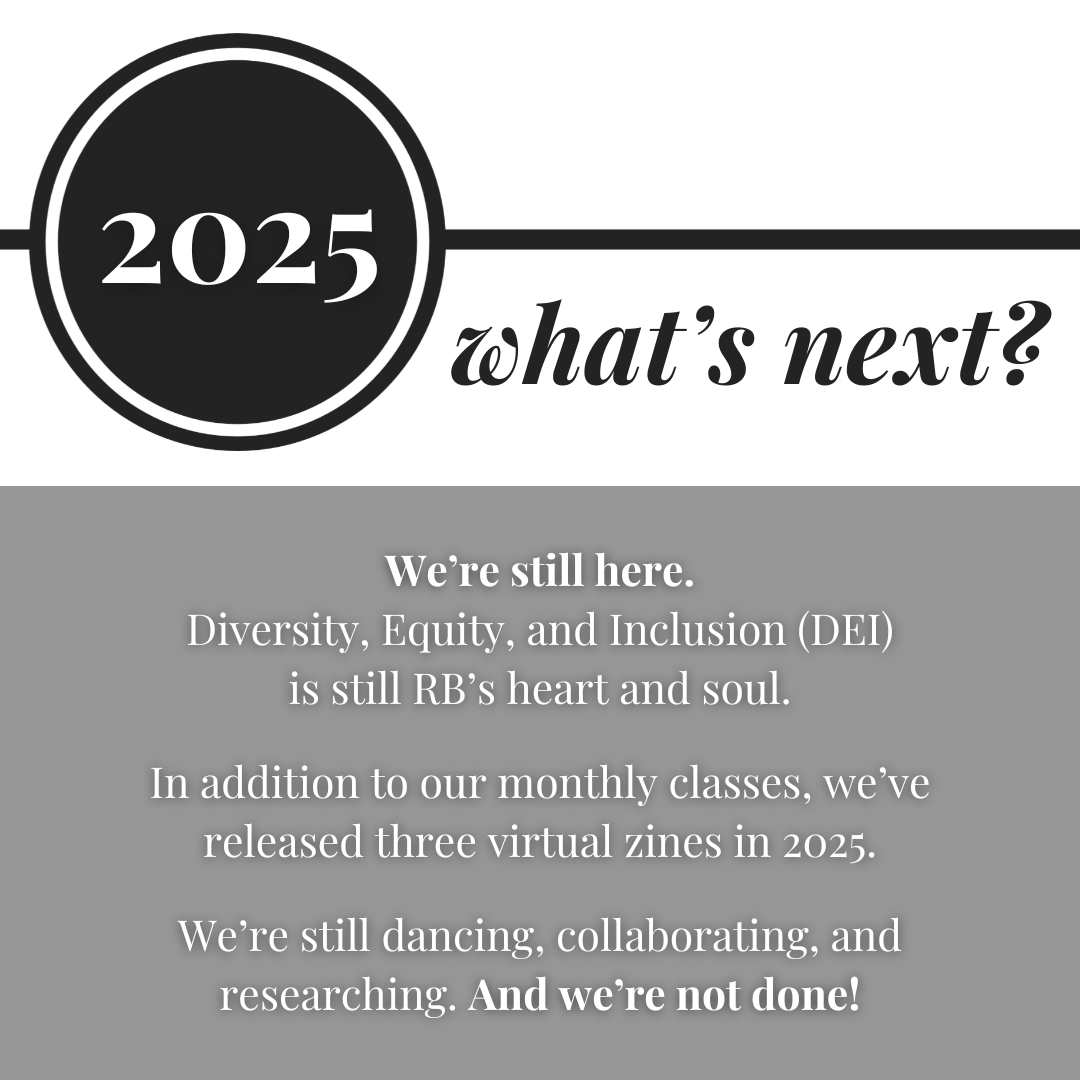
Image Credits
Dance Shot: Greg Olive
RB History Slides: Renversé Ballet