

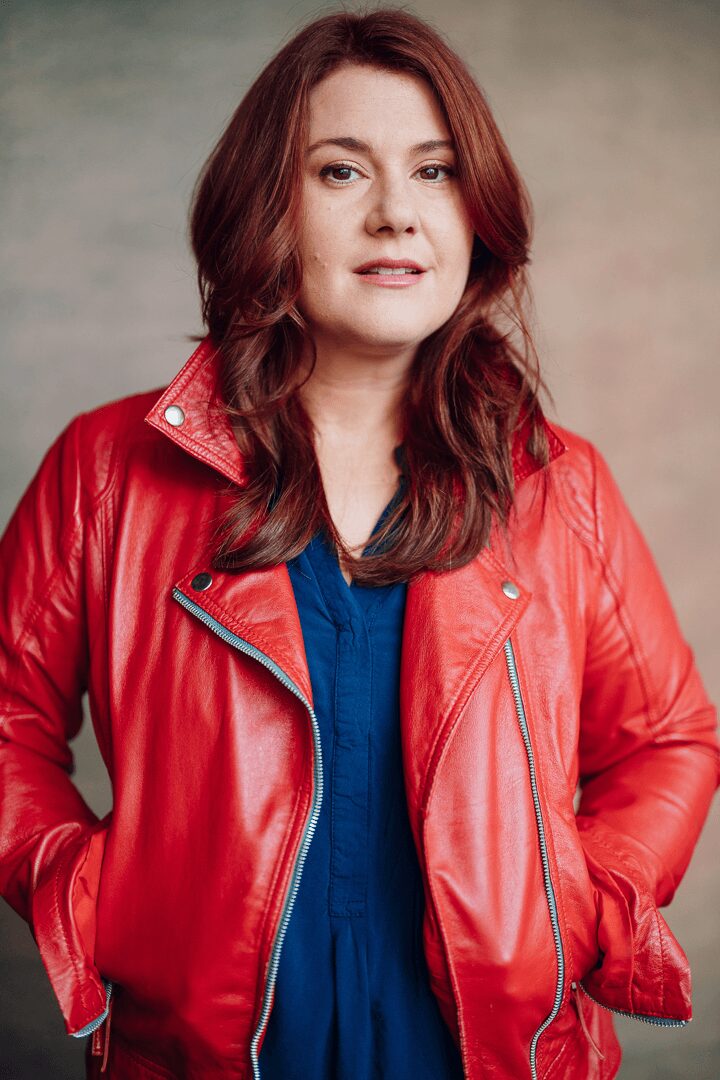

We caught up with the brilliant and insightful Stefanie Black a few weeks ago and have shared our conversation below.
Stefanie, appreciate you joining us today. How did you scale up? What were the strategies, tactics, meaningful moments, twists/turns, obstacles, mistakes along the way? We’d love to hear the backstory the illustrates how you grew your brand.
IAMA Theatre Company started back in the summer of 2007. A group of friends, recent LA transplants and college friends. We wanted to create our own artistic journey where we got to call the shots. Tell the stories we wanted to tell. Create opportunities for ourselves and our peers. This was pre-iphone, pre-TikTok, pre-most social media. We knew how to throw a kick-ass party and then produce a kick ass play that our generation wanted to come see. We saw an opportunity to make theater for us and those like us, somewhere between the Gen X and Millenial generations. Our “party to the stage” model lasted almost five years before we felt the urge to scale up, to grow. We wanted to expand our small family to a larger community of other artists like us, who needed it as much as we did. We expanded from a group of actors, to a group of actors, writers, directors and some designers as well. We found our sweet spot in developing new work and new voices. We saw our audience grow from a theater that fit 40 to filling a theater made for 99, and sometimes more! Our first major hurdle was when AEA threatened our production model by eliminating the 99-seat plan in Los Angeles. We joined the fight with our fellow membership companies and succeeded in maintaining our ensemble status and the right to produce as we saw fit for the benefit of our ensemble. As we celebrated our 10th anniversary, we finally completed a project of news plays (Leslye Headland’s The Seven Deadly Plays) that started it all back in 2007; it was time for a new chapter. We created stronger infrastructure and made plans to grow our non-profit from beyond our LA audience to a more national recognition. Our path was forged; and then while in the middle of our 12th season, the world shut down. Covid hit us when we were three weeks into our first premiere production of a musical, our largest and most challenging show to date, but also the show with the most possible gains, not just financially, but also artistically. We found ourselves stuck in our homes, in front of our screens with a choice. We either figure out how to pivot or we close our “doors.” IAMA was founded by a group of strong type A women, failure was never going to be the option. So we made our PIVOT. We recommitted to developing new works. We made the artistic the priority. We didn’t need a theater with four walls, we just needed each other and open hearts. We utilized our new “zoom” world as creatively as possible and once shifts were made, we found our way online to a season of digital productions. We even partnered with a regional theater across the country to make this happen! We also heard the call for change. We looked deep within and answered. We looked at ourselves critically and make plans to keep going. These plans included building a bigger board, working with Culture Shift and other organizations to ensure that Anti-Racist theater practices were deeply embedded into the fabric of our organization. We welcomed new artists into our ensemble. We created more opportunities for employment and artistic programming. We made it a point to pay any and all artists who work with us. In a time where the newspapers were saying that the theatre was dying, IAMA grew almost 400% and we are still growing. We started an Education program and we broke through a few developmental hurdles we had struggled with, including receiving our first national grant from the NEA to support our annual New Works Festival. This “scale up” is due to the investment that we continue to have in our artists and the stories they need to tell. We put our money where our mouth is. We’ve taken risks and made financial decisions that most might shy away from, for fear that they can’t afford it or the goal is too high. We’ve also embraced that we cannot do it alone. We are not one theater floating on an island, but part of a larger community, so we’ve made the connections, we’ve built partnerships to help share resources and audiences. Collaboration is at the core of our values and it is the key to future success. In the last three seasons, we’ve collaborated with four different institutions. I have been on this journey now for almost 17 years, first as a founder and now as the Artistic Director for the last 10 years, but I keep looking ahead. We have so much more to do!!
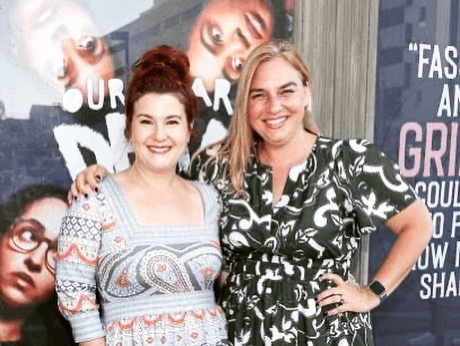
Great, appreciate you sharing that with us. Before we ask you to share more of your insights, can you take a moment to introduce yourself and how you got to where you are today to our readers.
I grew up in suburban PA, but my parents exposed me and my sister to all the arts from a very young age. I was a theater kid from birth. I spent my entire childhood at theater camp and followed my dream to college to study drama at NYU. To be honest, I just wanted to be on Broadway. That was the dream. But as dreams go, they expand and I found myself leaving New York and moving to Los Angeles where my world would explode with creative possibilities. I had studied acting and directing in college, as well as interned and worked for casting directors and other theater companies. Particularly one that focused on new play development. This was the seed for my passion to help create paths for new plays and musicals. Once I got to LA and started working regularly as an actor and IAMA had been launched, I found myself curious about the camera. I wanted to direct, but I didn’t go to film school. So I taught myself. I wrote a few shorts, gathering friends and those more skilled and experienced than me. I used my curiosity and willingness to learn to expand my career path. I asked every director I worked with on a TV set if I could shadow them on their next project. I used my theater directing experience to get a job directing for the ABC Talent showcase. I sought out to be a true “hyphenate” artist. I didn’t want to do just one thing and I knew I was capable of more, so I went after it. I consider myself an actor/writer/director/producer. IAMA is my main creative home, but I am also a member of Film Fatales and a few other groups. I have worked in theater, television and film. I have directed shorts and features. I have written films that have gone to festivals and been aired on television. I want to write TV shows too! I guess if I had to choose something that I am the most proud of, it would be the way that I keep pursuing the next pivot. I don’t take NO as the final answer and I don’t see the path as straight, I stay on it, but lean into the twists and turns. It all keeps me going to the next exciting place.
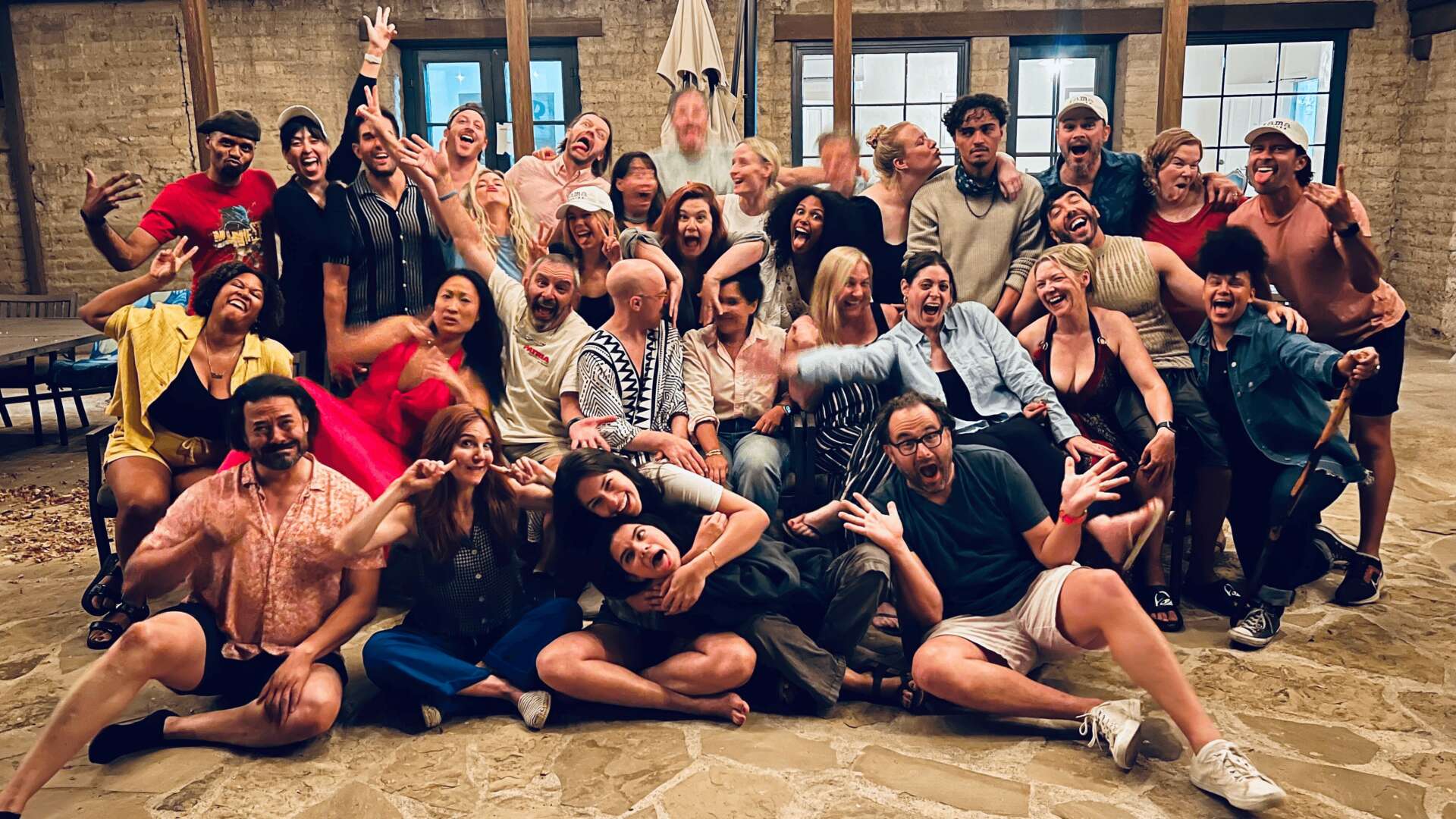
Do you have any insights you can share related to maintaining high team morale?
It’s funny, I don’t think of myself as a business owner and really I’m not. I run a non-profit and I am one of two leaders who report to a board of directors, who essentially “own” the company. YET, I am a leader. I am responsible for maintaining a staff and team of creative people who are all dedicated to making theater. It’s not the most glamorous or financially lucrative business there is, but it is very fulfilling. My best advice on how to be successful at managing a team and creating a supporting and thriving environment all starts with communication. At IAMA, we list our main values publicly on our website. They are Creativity, Professionalism, Caring, Acceptance, Trust, and Communication. I work hard to embody these values on a daily basis, in every interaction I have. Whether, its in person, over an email, text, zoom, etc, I live these values. I am open about my shortcomings and moments where I misstep or misspeak. I have learned to ask for help when I need it. I trust those around me to have my back, and that we are all on the same team, moving towards the same goals. I know it can be important to have healthy work/life boundaries, but I work in an artistic field, where that line is blurry. I think it’s super important to know and be invested in the full lives of those you work with. Create an environment where they feel safe to be themselves and share past experiences that might directly affect how they do their job. Empathy is your best friend as a leader. The ability to sit and listen, let others speak first. I’m actively working on all these things daily. It’s so important to know that we all make mistakes and we are all capable of great growth, so I hold myself to these standards, modeling them for others and encouraging them to join me.
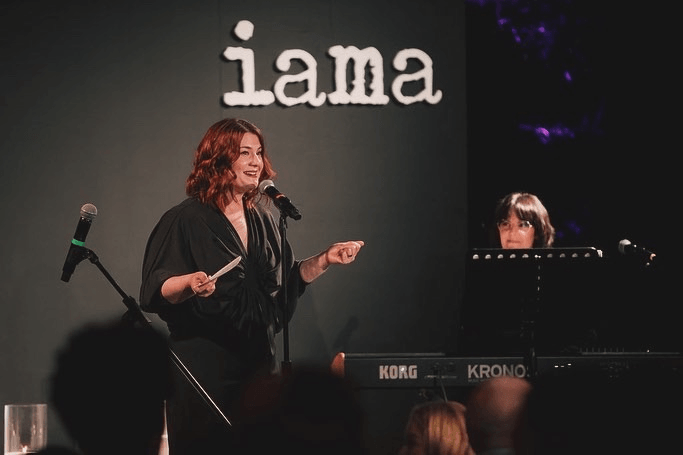
Any advice for growing your clientele? What’s been most effective for you?
As I run a theater company, I’ll reframe for what has worked in growing our audience and our artist community. First, let’s talk audience. Once the iPhone was introduced and Facebook continued to grow, we welcomed Instagram in with open arms! IAMA has always been at the forefront of using social media to connect our theater with the larger LA community and those beyond. We got really lucky that one of our founding members was a natural Brand Master! He truly had a vision for how social media was going to take over the world and he set IAMA up strong. We had cool logos, fun stories, plenty of events to capture and the most innovative ways of sharing this information and content. That allowed us to straddle the theater world and the larger entertainment world, a cross-over that we still thrive in. Our original slogan was IAMA: You Can’t Tivo Theater!. LOL. We immediately let you know who we are, what space we were taking up. We have always acknowledged that our audience is comprised of traditional and non-traditional theater goers. We pride ourselves on being a place where many young people have their first theatrical experience, on stage and in the audience. We embraced this inclusive approach to marketing and audience development. We continue to rely heavily on social media for growing our audience with a healthy dose of collaboration thrown in. Meaning- we partner with other like-minded organizations and combine our audiences, doubling our marketing efforts which only propels the growth. Now, let’s talk about our artist community. The most effective strategy for growing our artist community has been opportunity. Each year we create more and more creative opportunities for artists, whether its actors, writers, director or designers. We’ve increased the amount of readings and workshops we can produce over the last five years. We’ve continued to employ understudies for every role in a MainStage production and we’ve introduced shadowing and assistant work to our design and directing opportunities. The more we program and prioritize working artists, the stronger we will be. These two things together have grown the IAMA brand to be what it is today and is helping to steer us towards where we want to go with increased programming and a larger reach for audience.
Contact Info:
- Website: https://iamatheatre.com
- Instagram: https://www.instagram.com/iamatheatre/
- Facebook: https://www.facebook.com/iamatheatre

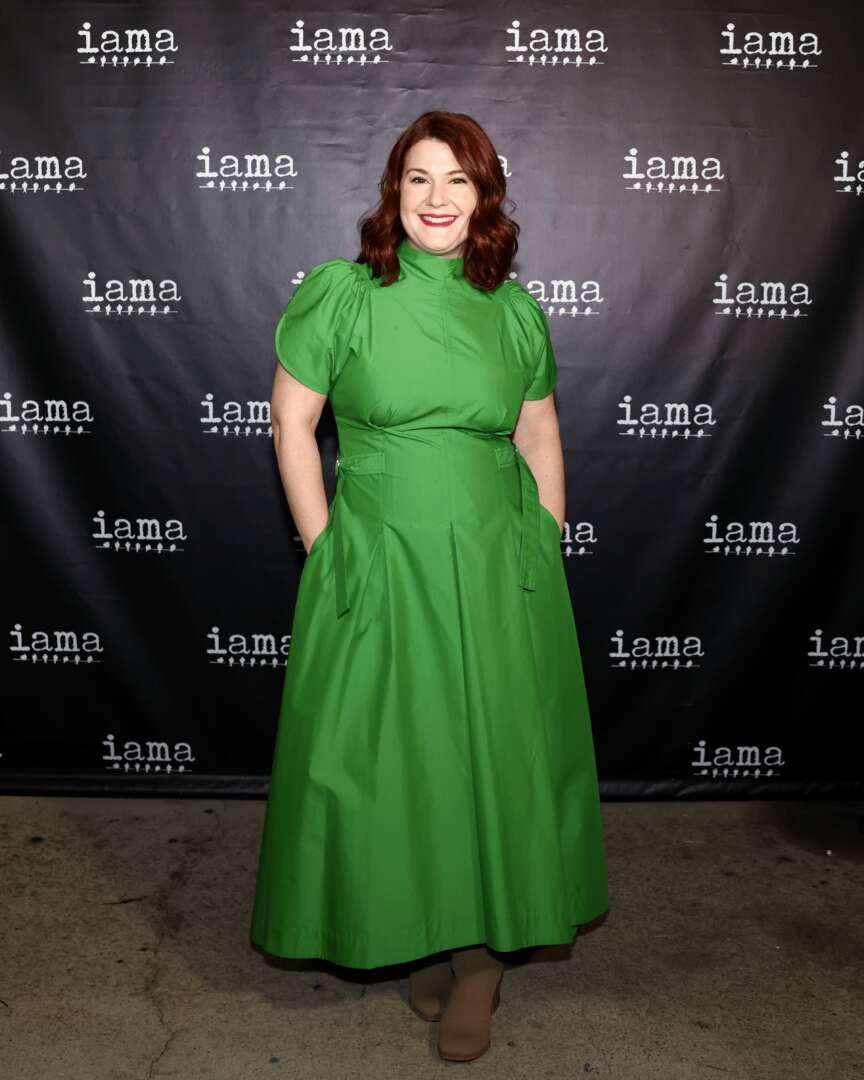
Image Credits
Jeff Lorch, Jessie Alcheh, Jackson Davis