

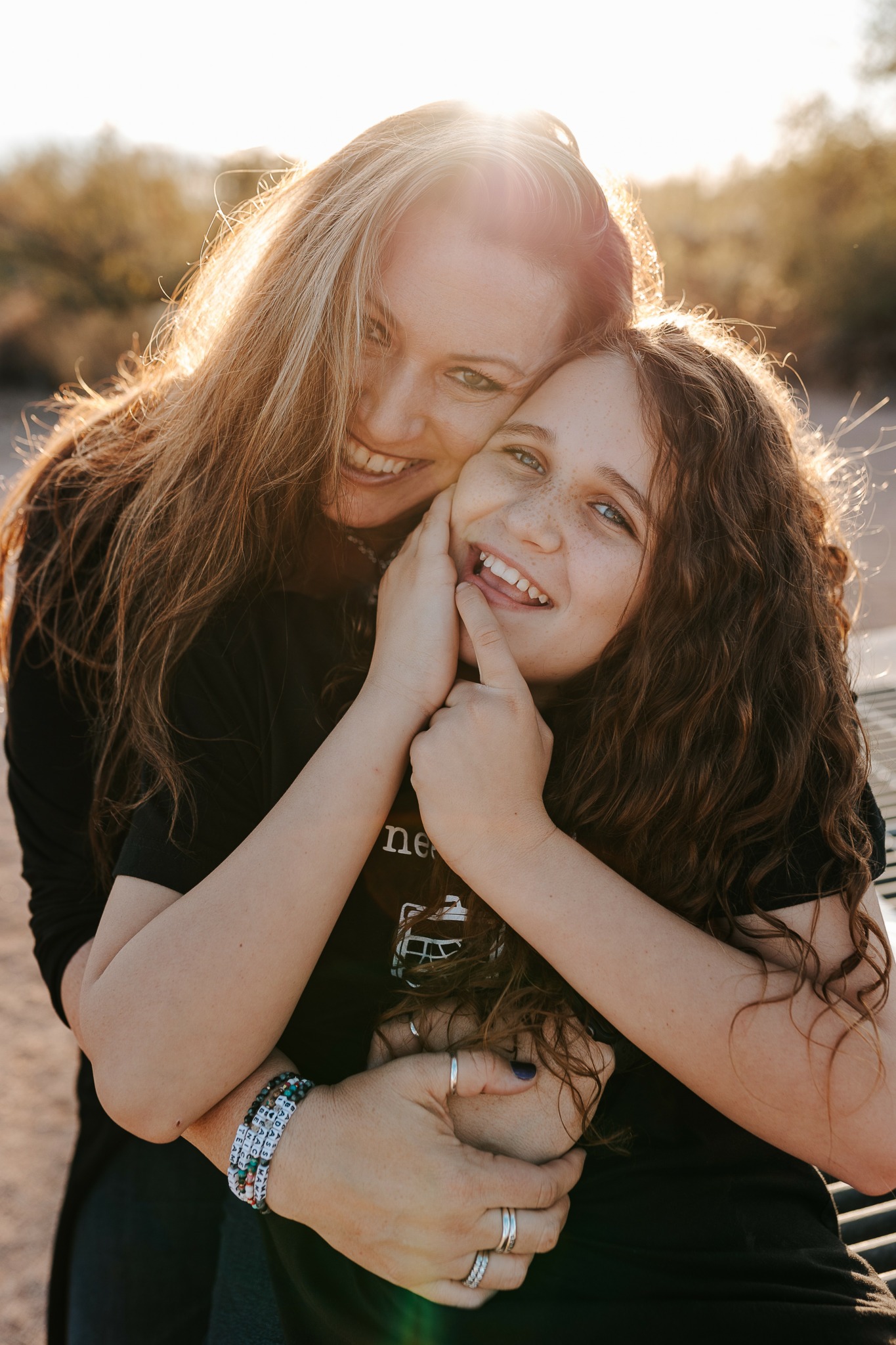

We were lucky to catch up with Stefanie recently and have shared our conversation below.
Alright, Stefanie thanks for taking the time to share your stories and insights with us today. Let’s start with the story of your mission. What should we know?
I am the super proud mom of an amazing 11-year-old named Lilly, also known as Lillybug. She is nonspeaking, she is autistic, she has apraxia, and she is without doubt the coolest kid I have ever met.
We started testing Lilly for various things when she was 8 months old, after discussing different challenges with her doctor, including lack of response to sound and zero babbling.
At 10 months old we did some brain stem scans in the hospital that told us she was capable of hearing, so we then started testing for Autism as our next logical step. She was diagnosed with Autism at 14 months old and we started attending parenting classes and therapy that same month. So it goes without saying that we have been on this journey for quite a while.
Having both Autism and apraxia made communication a massive struggle for her, and although we did everything the experts told us to do, I always knew there had to be something out else there to help her communicate. Sign language was not working for her because of motor planning challenges, and PECS (which is a laminated picture card system) was super limited, so we researched everything under the sun and learned about something called an AAC device shortly before she turned 3.
AAC stands for Augmentative and Alternative Communication, and the device is whatever is used to make that happen. I know there is actually a bunch of information about AAC devices out there today, but almost 10 years ago there was basically nothing. I had never heard of an AAC device until my husband and I started scouring the interwebs researching different communication options for disabilities.
When we learned about AAC devices it was like something clicked, I just KNEW that we needed to get something like that for Lilly (even though we hadn’t seen one in person and had no idea how it would work).
I figured out what it would take to make my own device without waiting to see if insurance could provide one, bought an iPad mini and the best AAC app according to our research, used every ounce of my super technical brain to figure out how to set it up, and I started teaching Lilly to use it on my own.
The fact I was able to figure this thing out and teach her was pretty amazing when you consider that I had no idea what I was doing, and I promise you that I did so many things wrong. I configured it in way I would tell a parent NEVER to do today, but then I spent the next nine years making up for all my cluelessness and had to fix her device many times along the way.
I studied everything I could about AAC devices, learned different apps and methodologies, took classes, met with numerous speech therapists, traveled for training… THEN I started teaching other parents how to setup and implement AAC with their kids, I taught many speech therapists how to configure devices (since most SLPs don’t learn about devices it in school), I started going into schools and giving training to teachers and staff, basically I became somewhat of an AAC expert.
AAC and communication are my passion now and I am determined to help as many people as possible! I have helped families for years online and now I also help through my nonprofit.
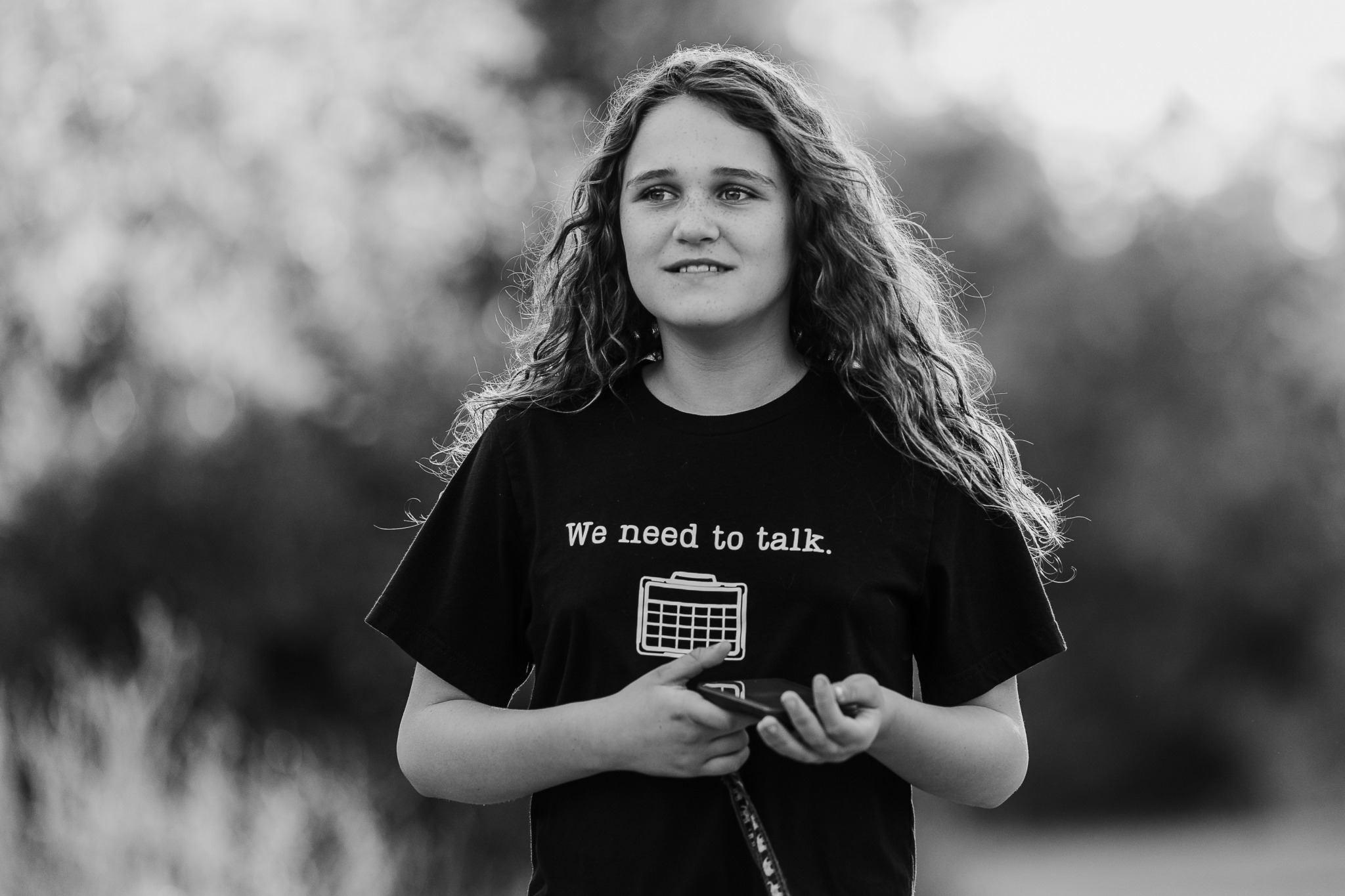
Awesome – so before we get into the rest of our questions, can you briefly introduce yourself to our readers.
For someone to get an AAC device today for their child, the methods vary by state and county, even down to the city – some can get it through school or insurance, some have access to local or state funding, and some can pay for it themselves like I did.
The sad truth is that it rarely seems easy to get one and some people never seem to be able to get one, no matter how hard they try – they are held back by geographic location, lack of access to speech therapists or good schools, lack of good insurance, lack of private funding, lack of knowing ANYONE who can help them (outside of people like me they meet online).
In a perfect world, children and adults would be given an AAC device whenever it is determined they would benefit from it, because communication is a basic human right we all deserve, but sadly that’s not the case for far too many people with complex communication needs.
So, in 2021 my cousin and I launched a nationwide nonprofit called Lilly’s Voice to provide AAC devices to families of children 2-18 that haven’t been able to get them through other funding sources and can’t afford them on their own. Through Lilly’s Voice we buy the device, help parents choose an app, provide training, and do all we can to support them remotely.
Our original goal with Lilly’s Voice was to provide 1 device a month, maybe 2 if we were really lucky with donations – however, we had no idea what we were getting into when we launched. Since May of 2021 we have provided over 415 AAC devices, that equates to one device every 3 days (approx) for over 3 years.
What we do for Lillys Voice is completely volunteer, we are just a team of two who also work full time job. In my case, I am also a very hands-on parent a child with a disability. So needless to say, we are super busy… but it is absolutely worth it.
Every single person has a right to communicate.
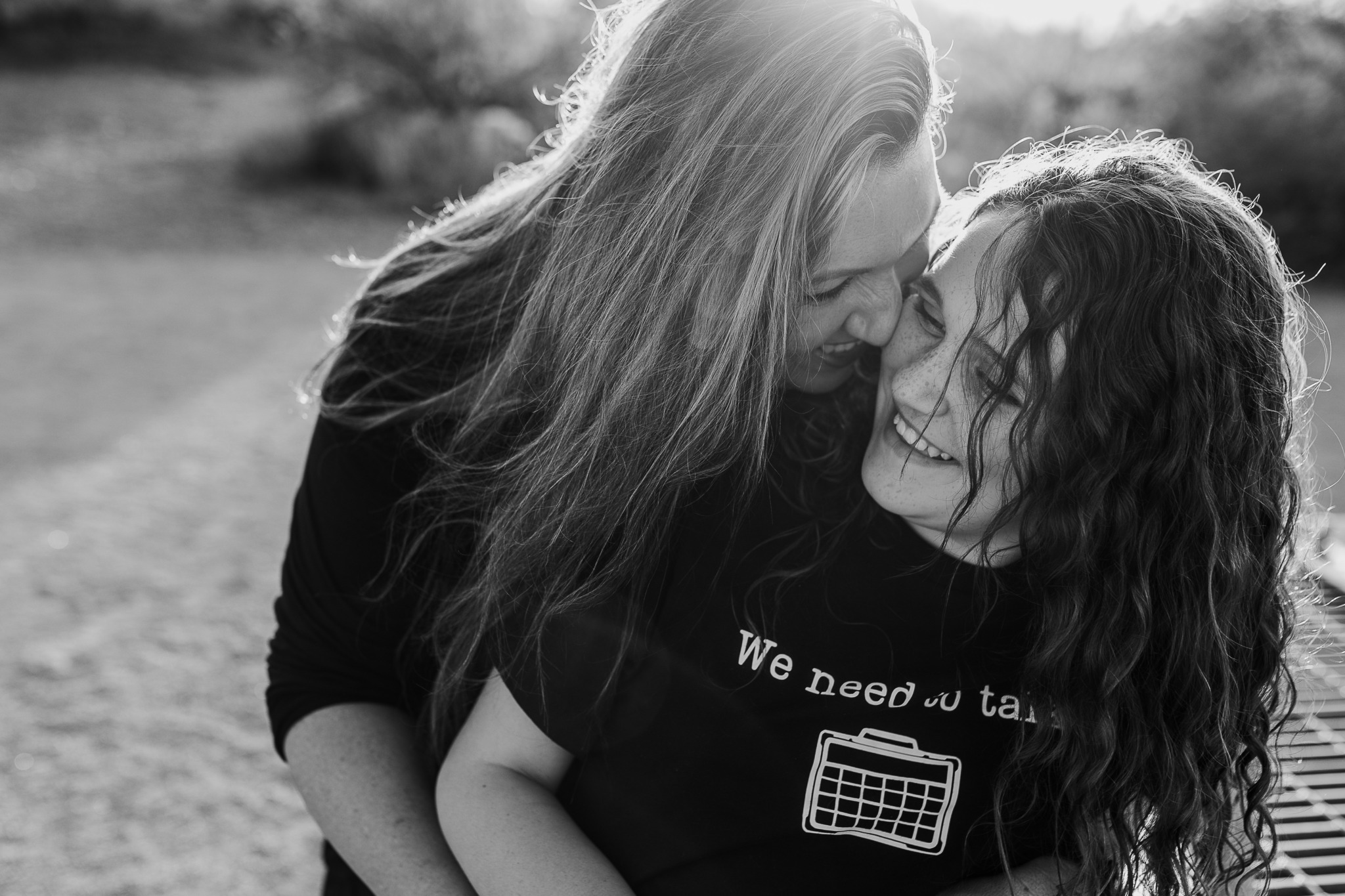
Can you tell us the story behind how you met your business partner?
My cofounder is actually my cousin, so we met as children. However, I will share how she got involved in the world of AAC because she is not organically part of this community. Long before the nonprofit was launched, I was trying to help parents acquire AAC devices for their children as well as training them on how to configure AAC devices and model for their children.
In 2021, an online mom friend in New York was desperate to get a device for her daughter, so I started doing some fundraising to help her buy a device on her own, and one of the people I reached out to was my cousin, Amy. She donated quickly to the cause and then kept asking questions, because she was absolutely baffled that all people didn’t have access to devices through insurance or school (like she assumed they did). She became so passionate about the fact that every person has a right to communicate that she is the one that originally pitched the idea of creating a nonprofit together. From that moment on, we launched into making everything happen… and haven’t slowed down since!
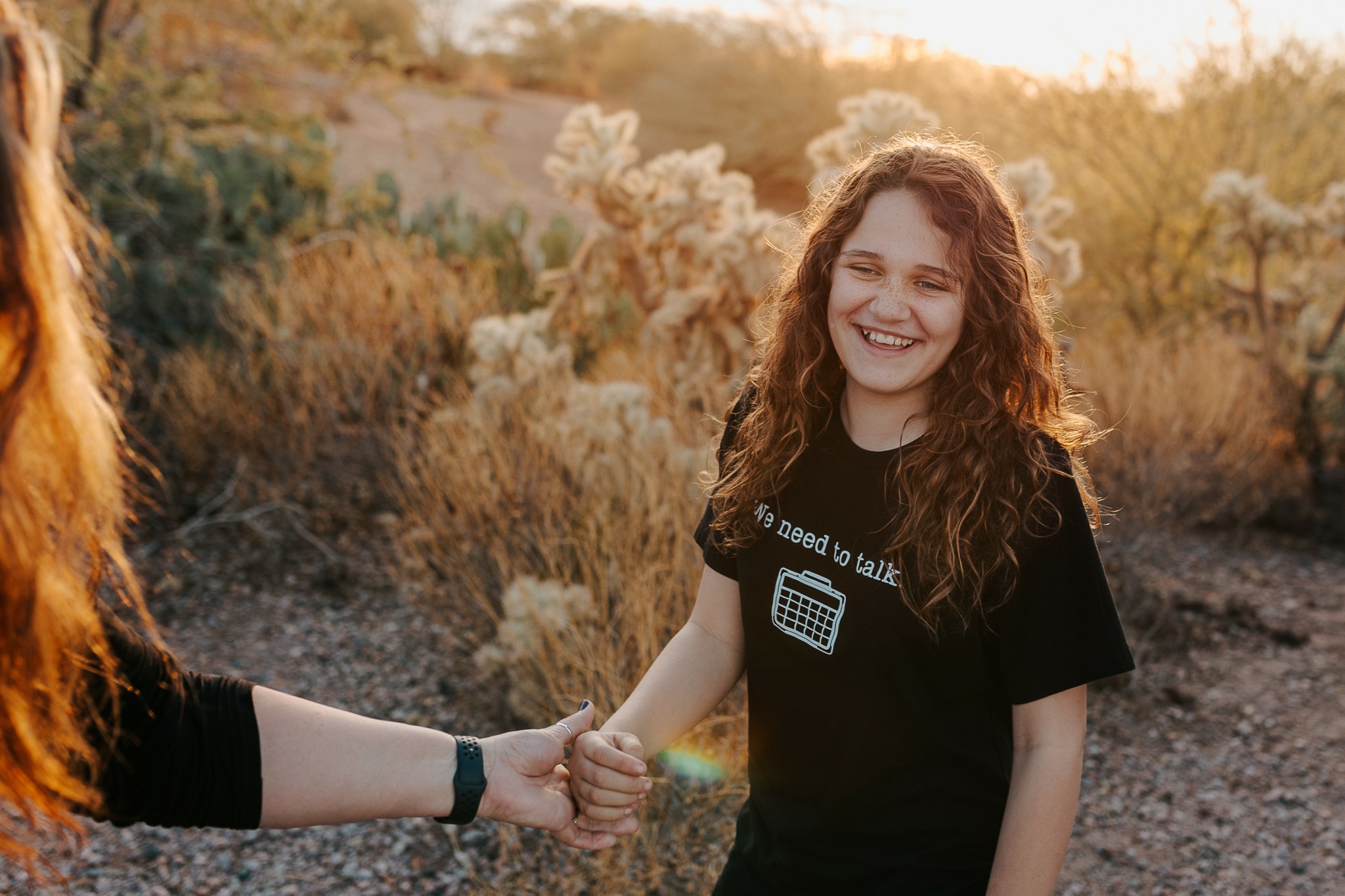
How about pivoting – can you share the story of a time you’ve had to pivot?
Running a nonprofit was not something I ever planned on doing. I already have a full-time job that I love at a company where I have worked for 23 years, and I am a very involved parent to a nonspeaking autistic child that I adore (we also homeschool). I always just figured my time was as full as it could be. In my spare time, I have always tried to help other parents on a similar journey as mine, because it is the right thing to do, but not until my cousin proposed the nonprofit idea did I ever think it would be possible to help more. When we launched in 2021, we had no idea what to expect (and had a lot to learn) – but here we are, years later, with an amazing system in place to do what we do – while both still working full time for the jobs that pay the bills.
Contact Info:
- Website: https://LillysVoice.org
- Instagram: LillysVoice and AFriendForLillybug
- Facebook: Lilly’s Voice
- Youtube: Lilly’s Voice

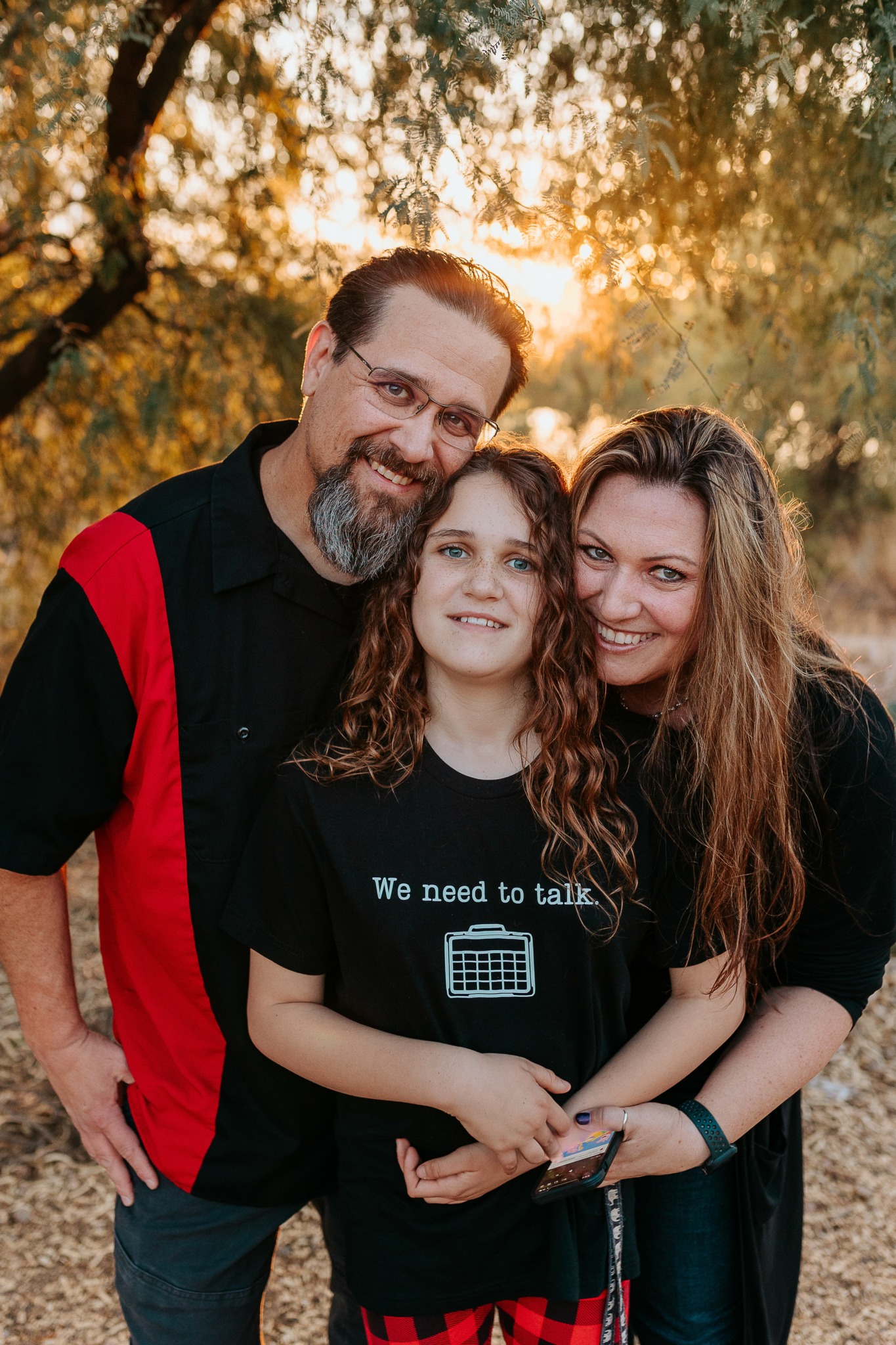
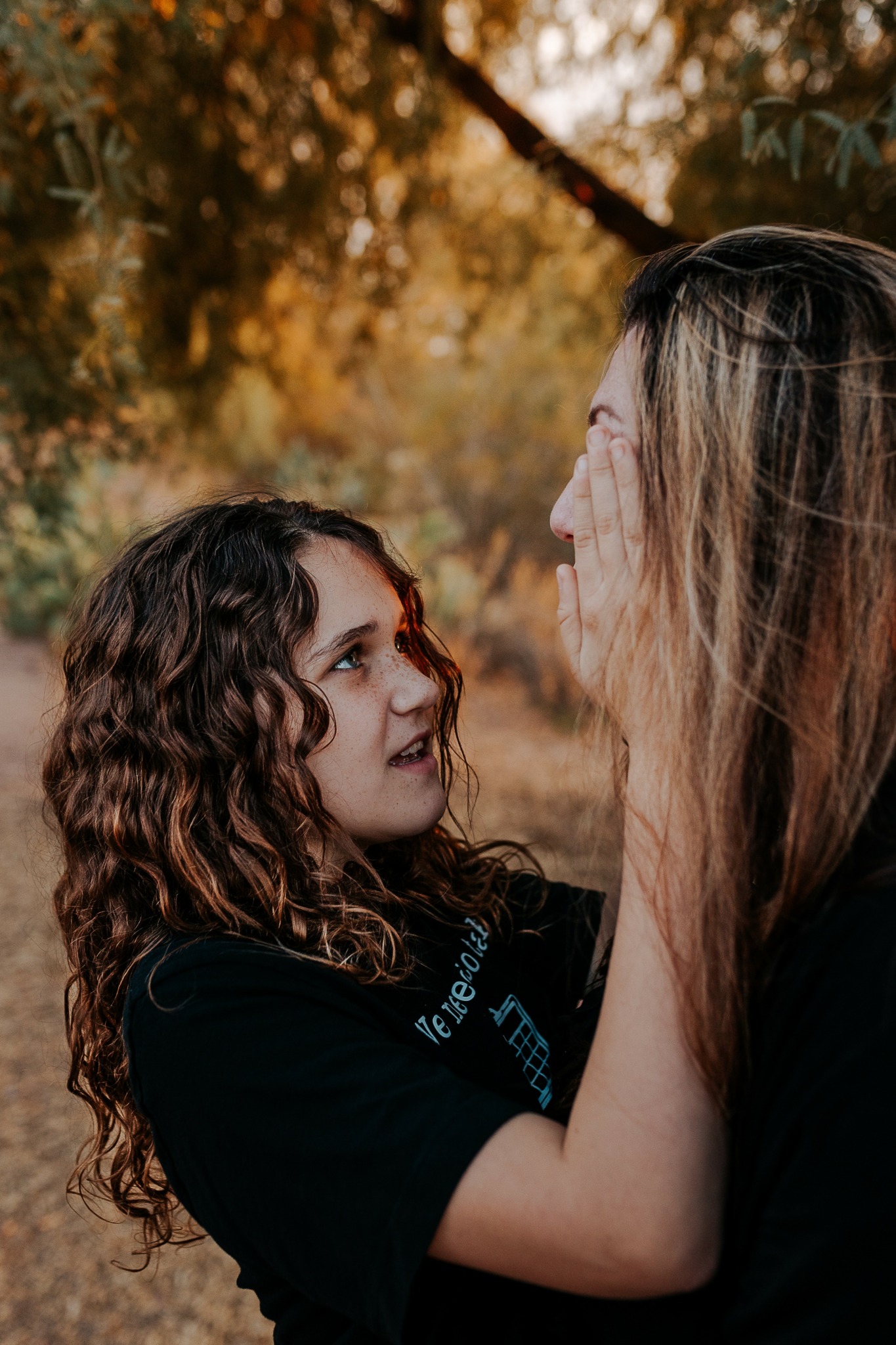
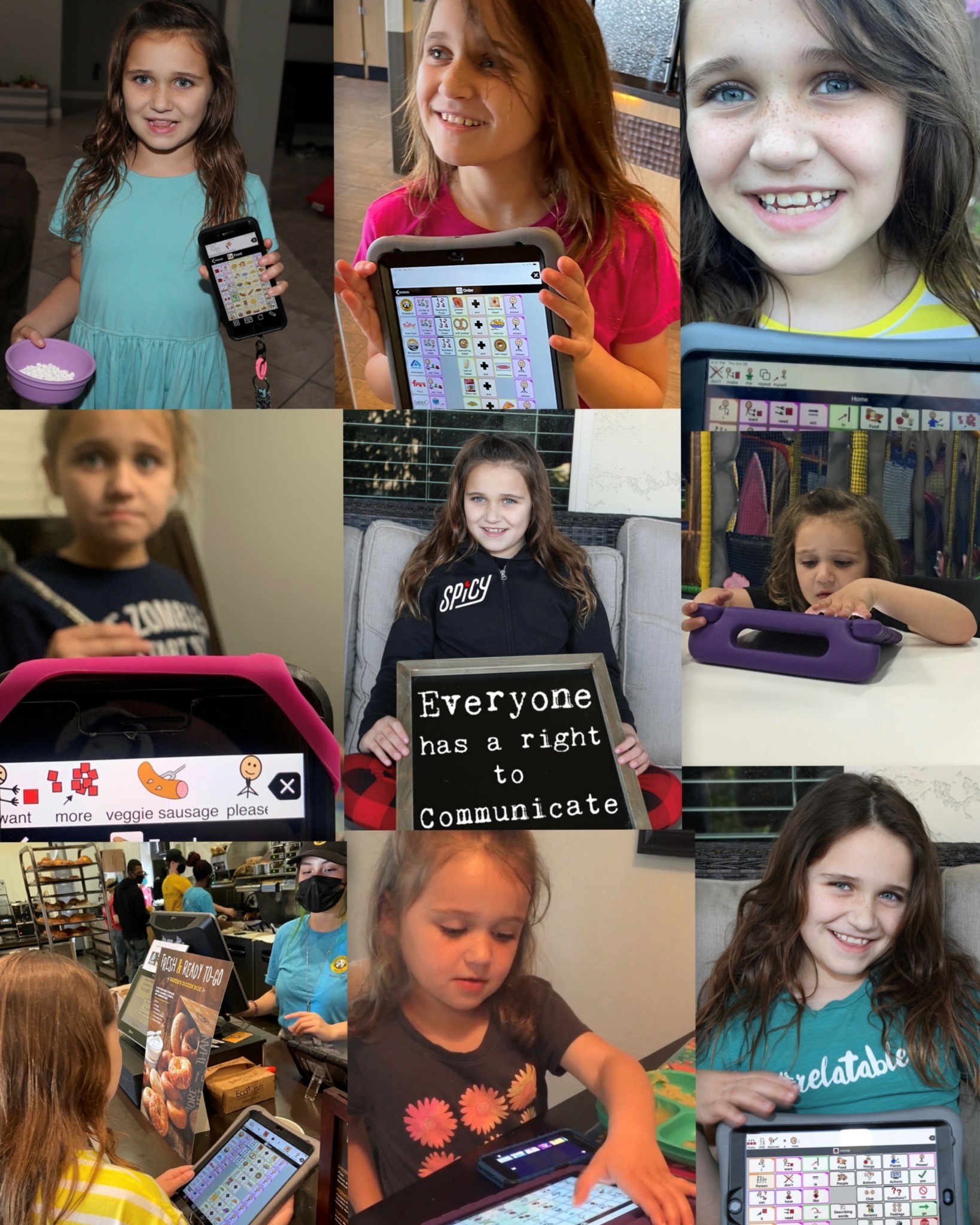
Image Credits
Rachel Elizabeth Photography