

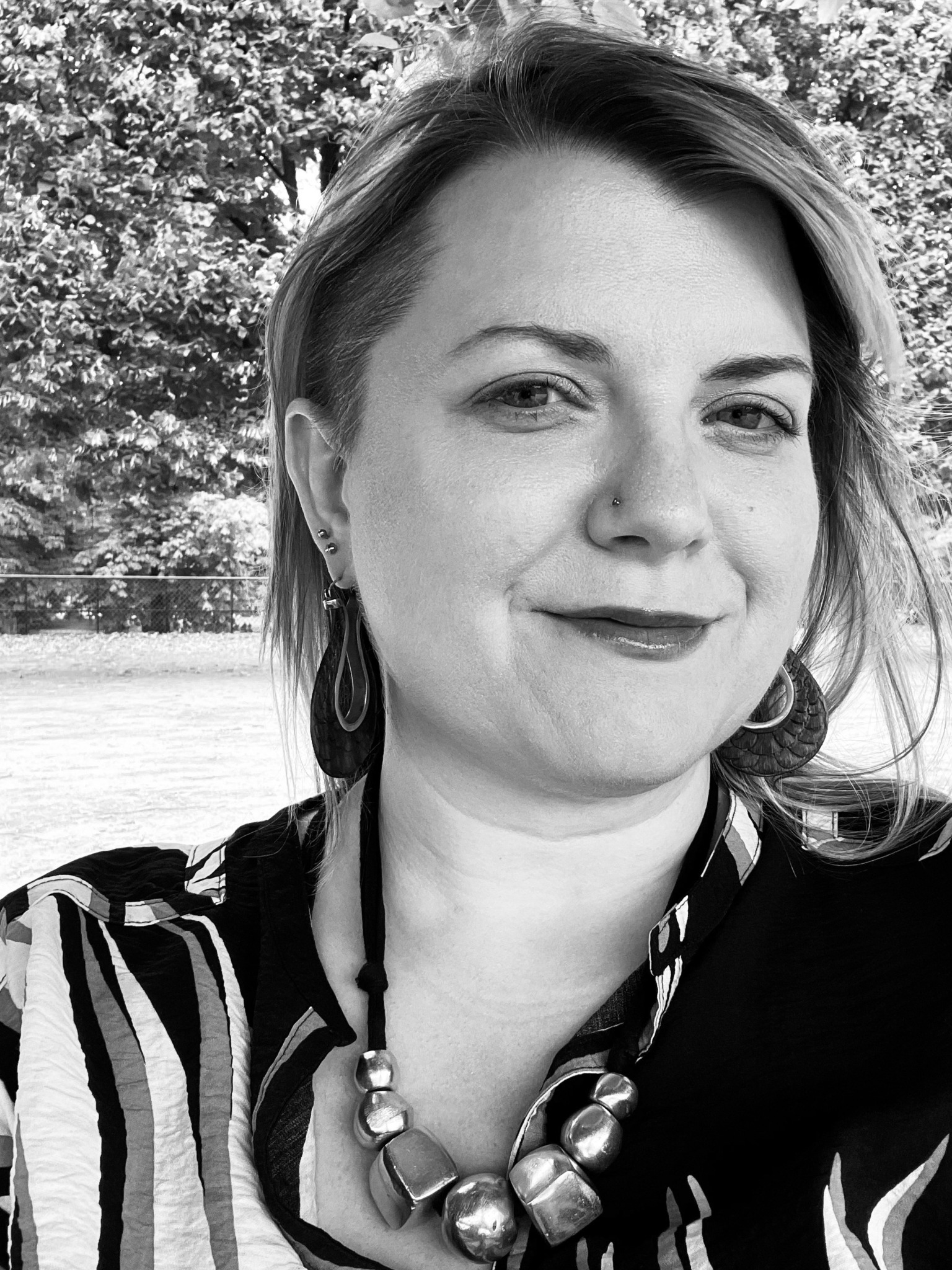

We were lucky to catch up with Stefani Byrd recently and have shared our conversation below.
Stefani, looking forward to hearing all of your stories today. What’s been the most meaningful project you’ve worked on?
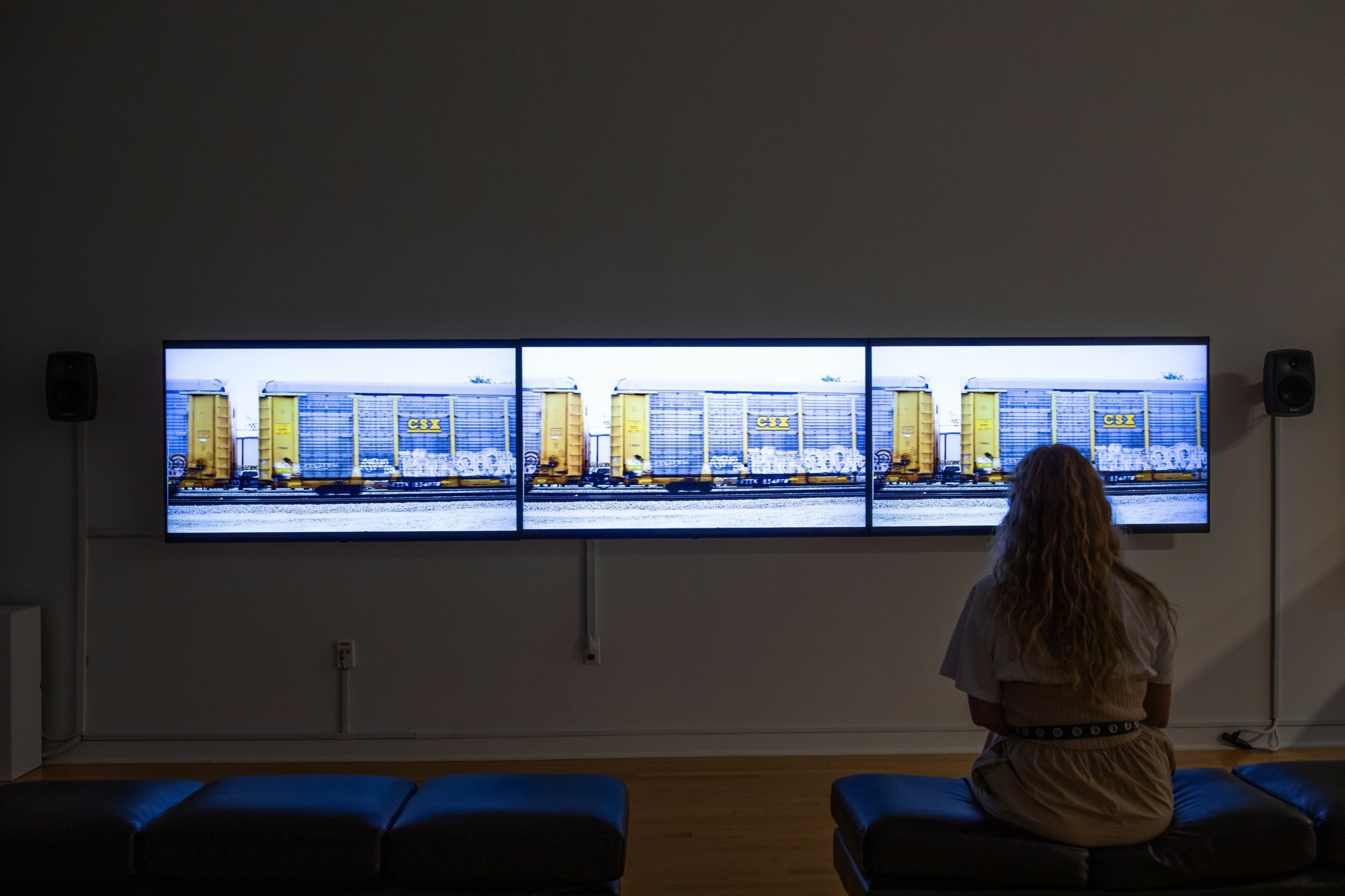
In January 2020, I was approached by composer Caroline Louise Miller to collaborate on an audio visual project about the history of transportation and labor in America. That project expanded in scale and complexity to become one of the largest projects of my career titled Here There. It became a three channel video and immersive audio visual installation that explores complex historical relationships among labor, industrial infrastructure, and collective memory through an examination of three significant Transcontinental Railroad sites in Northern California.
I can’t say that from the beginning of this project we knew where the road would lead us. We chose rather to let the site and the process of researching guide the form rather than imposing our will on the material. The work has been deeply informed by the repeating themes of how America chooses to define itself in terms of power, capitalism, and labor. It was also shaped by the loss of my father who spent his career as a switchman for the Norfolk Southern Railroad.
Stefani, love having you share your insights with us. Before we ask you more questions, maybe you can take a moment to introduce yourself to our readers who might have missed our earlier conversations?
I’m a bit of an oddity in that I knew I wanted to be an artist from around age four or five. That was a gut knowing that I had from the time I was very small that has never changed. What has changed over the years is how I define what the word “artist” means to me. That evolved from those words meaning being a painter, to being a photographer, and later shifting my practice to video art and large scale interactive digital media installation pieces.
I will say that I also had three talented uncles who all had careers in the arts. My uncle Byron Keith Byrd was an abstract expressionist painter who was based in New York and Miami who was a major inspiration and supporter of mine. My other uncle Monti Kyle moved to New York City at the age of seventeen with an ambition to build a career in the fashion industry. He’s still traveling around the world now designing men’s outer wear. I lost the youngest of the three uncles, Brent Byrd, when he was in his late twenties to the AIDS crisis. During his life he was a talented designer and artist in his own right.
That makes it sound like this career path was easy for me and supported by my family. That’s actually not the case, but I did have these other wonderful anomalies in my rural blue collar family that showed me that something bigger was possible for me. It still meant that I had to have grit and not let anyone take that dream from me. Again, that choice and life path wasn’t easy but I knew that it would be the only thing that would truly fulfill me and give my life the kind of purpose I craved.
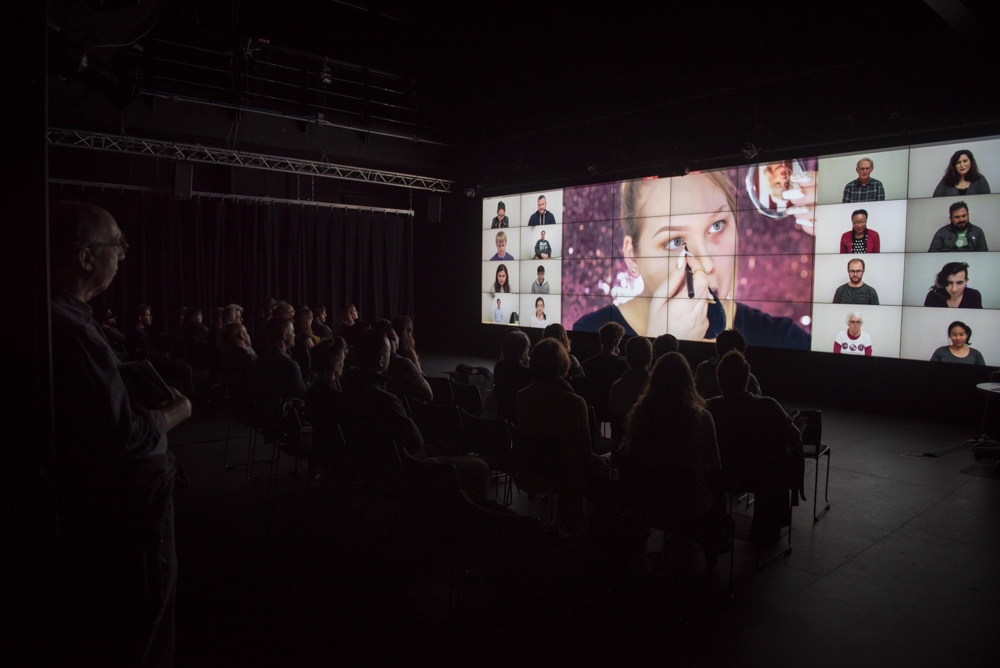
The core concern of my early artistic work was barriers to empathy between human beings, and how technology augmented or amplifies those barriers. For example, the 2011 interactive street art installation “I Go Humble…” featured live video feeds of improv performers, two women and two gay men, who interacted with passersby on the streets of downtown Atlanta at a busy intersection. Their instructions were to catcall all the men that walked by from 9am until 6pm. This was a rebuttal to the culture of catcalling present in the public park directly across the street from the installation. I was interested in turning the tables on this behavior perpetrated by straight men and confronting them with what that felt like to be sexualized and verbally accosted in public as if it were a compliment. Part of the question was how does the presence of the mediation of the video monitor impact that interaction. It was also a question as to whether empathy could be learned or trained through simulated social interactions.
As I matured as an artist, I came to the uncomfortable realization that this curiosity about empathy, or lack thereof for other people, was a direct result of growing up in a rural environment where so many of the community members embodied a lack of compassion and empathy for others that were not a part of their accepted social group. That is a hard pill to swallow, but true. My community existed under a hard in or out group type of dynamic. If you are part of the socially accepted dominant group, then there could be a tremendous sense of respect, support, and aid from fellow community members. If you were part of an “out” social group, there was a tangible shift in how you as an individual would be treated. Being someone who is queer identified but who has passing privilege, it made me hyper aware of my own difference and also to the negative responses that would accompany the knowledge of my authentic self.
That isn’t an atypical experience for most queer people who grew up in rural conservative areas, but it is also not one that I would recommend. It did however make me a keen observer of humans and social dynamics which shows up directly in my artistic practice. Those lived experiences led me to study human psychology, sociology, politics, American history, literature. I think being confronted with the ugly side of human nature from such a young age drove me to want to understand those impulses. I’ve never been one to shy away from a harsh truth or want to sugar coat it. That doesn’t interest me. What I am interested in is trying to understand why humans behave this way.
In your view, what can society to do to best support artists, creatives and a thriving creative ecosystem?
I’m a product of the Atlanta art community between the years of 2005 to 2013. The support I received altered the trajectory of my life. During those years I lived in Atlanta and completed my BFA in Photography at Georgia State University. I studied conceptual photography with the brilliant and wonderful Nancy Floyd and Conne Thalken. After graduation, I was lucky to be at the right place at the right time. There is such a rich and supportive art community in Atlanta and so many scrappy artist-run spaces. That energy cranked into high gear while I was there. Galleries like whitespace, Eyedrum, Mint Gallery, and Beep Beep! Gallery (RIP) were there to show new and edgy work that was outside of what would get shown at traditional for profit spaces.
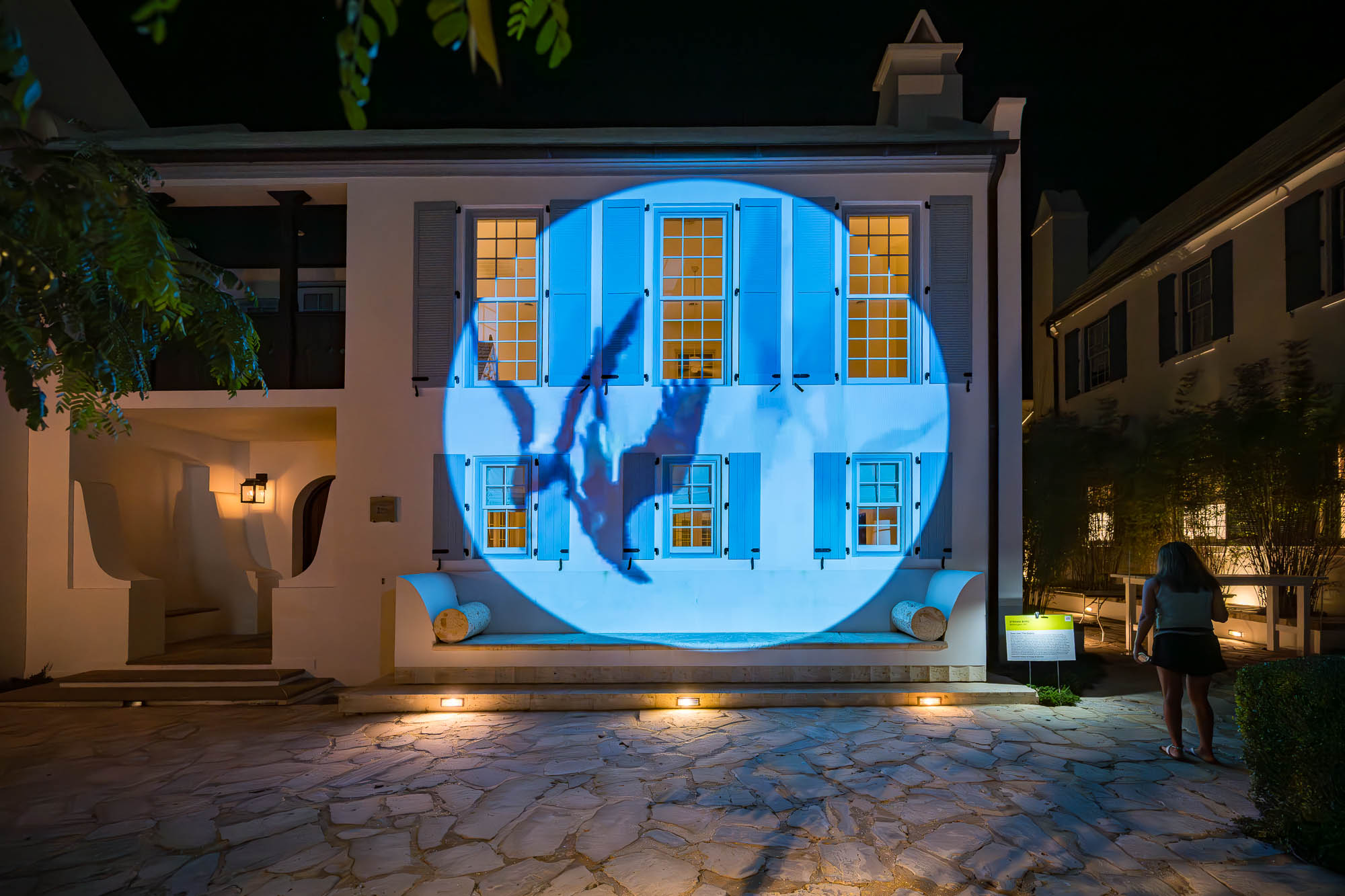
In 2008, it marked the beginning of the Le Flash! Festival in Castleberry Hill arts district which set the template for what became FLUX NIGHT. Le Flash! was the first outdoor all night contemporary arts festival festival in Atlanta where artists took over a portion of the city with projected video, lights, dance, and sound art for a night of experimental work. It only lasted for two years, but the organization Flux Projects came on the scene to pick up where Le Flash! left off. FLUX NIGHT became an annual festival for the city. Some major artists like Gyun Hur, Anya Liftig, Micah and Whitney Stansell, and dance ensemble gloATL received major support from this festival. Flux Projects was started by arts lover and investment analyst Louis Corrigan and it is still in operation and directed by Anne Dennington. Other support came in the form of my first major write up about my practice by independent arts writer Kathy Fox in the local online art magazine ArtsATL. I also received grants from arts organization IDEA Capital to attend professional development workshops with Creative Capital. In 2013, I relocated to San Diego to attend a fully funded MFA program to study art and technology. The portfolio of work that earned me that scholarship was a direct result of the support from the arts community of Atlanta.
All this is to say, it was a village of people that prepared and supported me to become the artist I am today. That included arts education, mentorship, professional development training, project funding, and the development of the audience for contemporary art in that city. I will always be immensely grateful for each of these people and the countless others I didn’t mention. If only all artists could be so lucky as to have that type of community support. That’s what artists everywhere need.
Alright – so here’s a fun one. What do you think about NFTs?
The artist Beeple sold what is essentially a meme for $69 million dollars. That to me seems like one of the most grotesque but darkly comedic manifestations of the art market. What a farce. Honestly though I don’t find NFTs, or Beeple for that mater, to be particularly interesting.
A societal structure where artists are tasked with selingl their work for survival binds us to a model of commodification. That seems so antithetical for what art should and could be. What if we instead normalized models of collective support? Art existed outside of capitalism for thousands of year and it can again.
Every year climate change reveals more of the devastating impacts of capitalism on our world and we move further and further out of balance. I don’t see NFTs as utilizing the power of art to address the issues of our times and drawing attention to the injustices we live alongside. It is merely participating in a system that we should collectively be challenging and dismantling.
You see this too with Beeple and his new piece at Art Basel Miami. On the surface it appears to critique the oligarchy and “tech bro” culture, but the exhibition is funded by the crypto marketplace OpeaSea. The critique is paper thin. It is merely a regurgitation of what it claims to subvert and is perfect for the attention economy of “instagram-able” work. I’m sure Instagram is teaming with documentation of that piece. If that is the penultimate of what being an artists means today, then artmaking has become a farce. I reject that framework.
Contact Info:
- Website: https://www.stefanibyrd.com
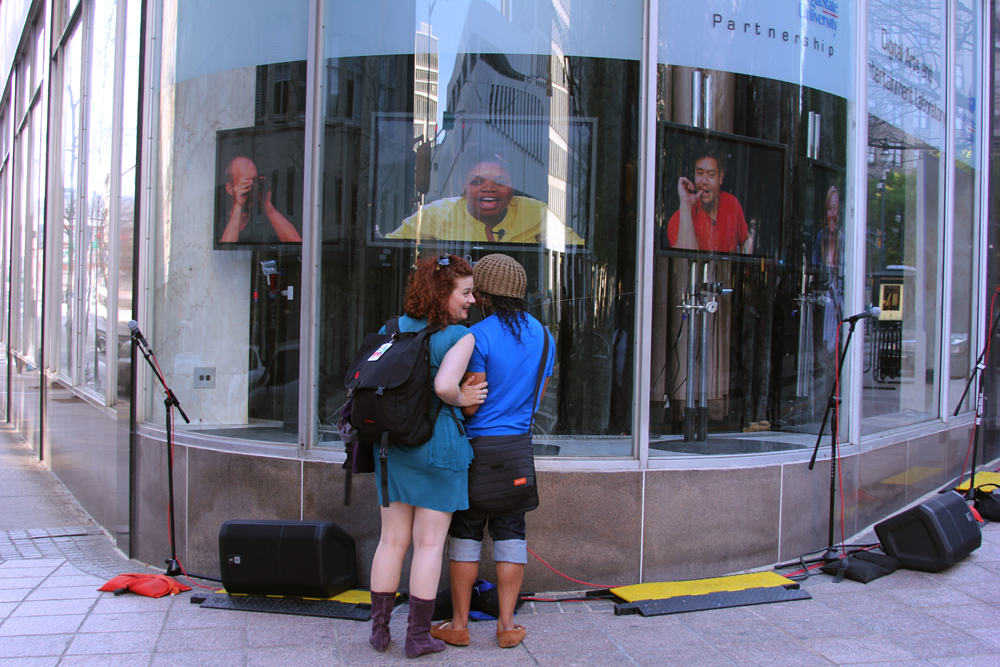
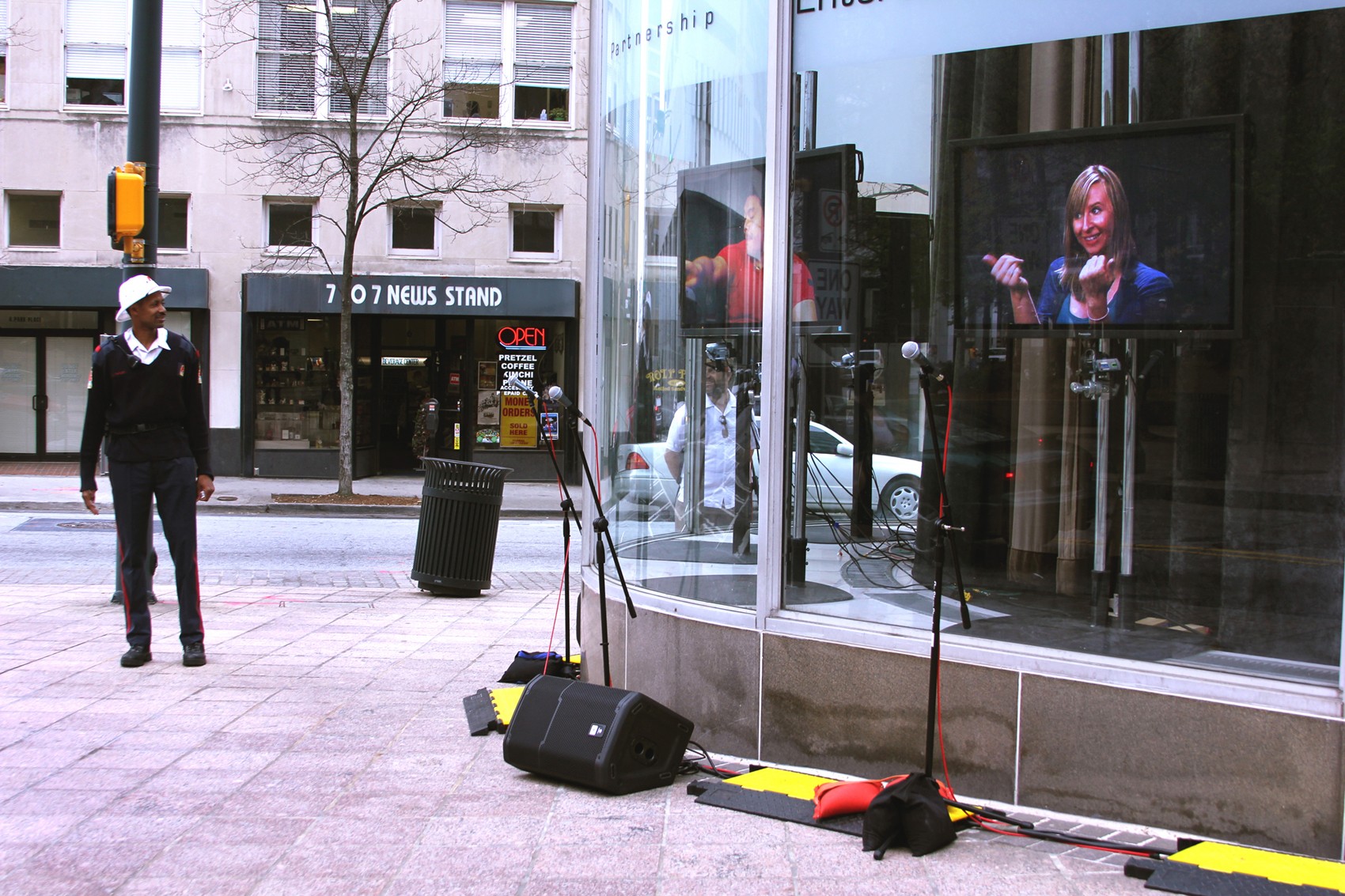
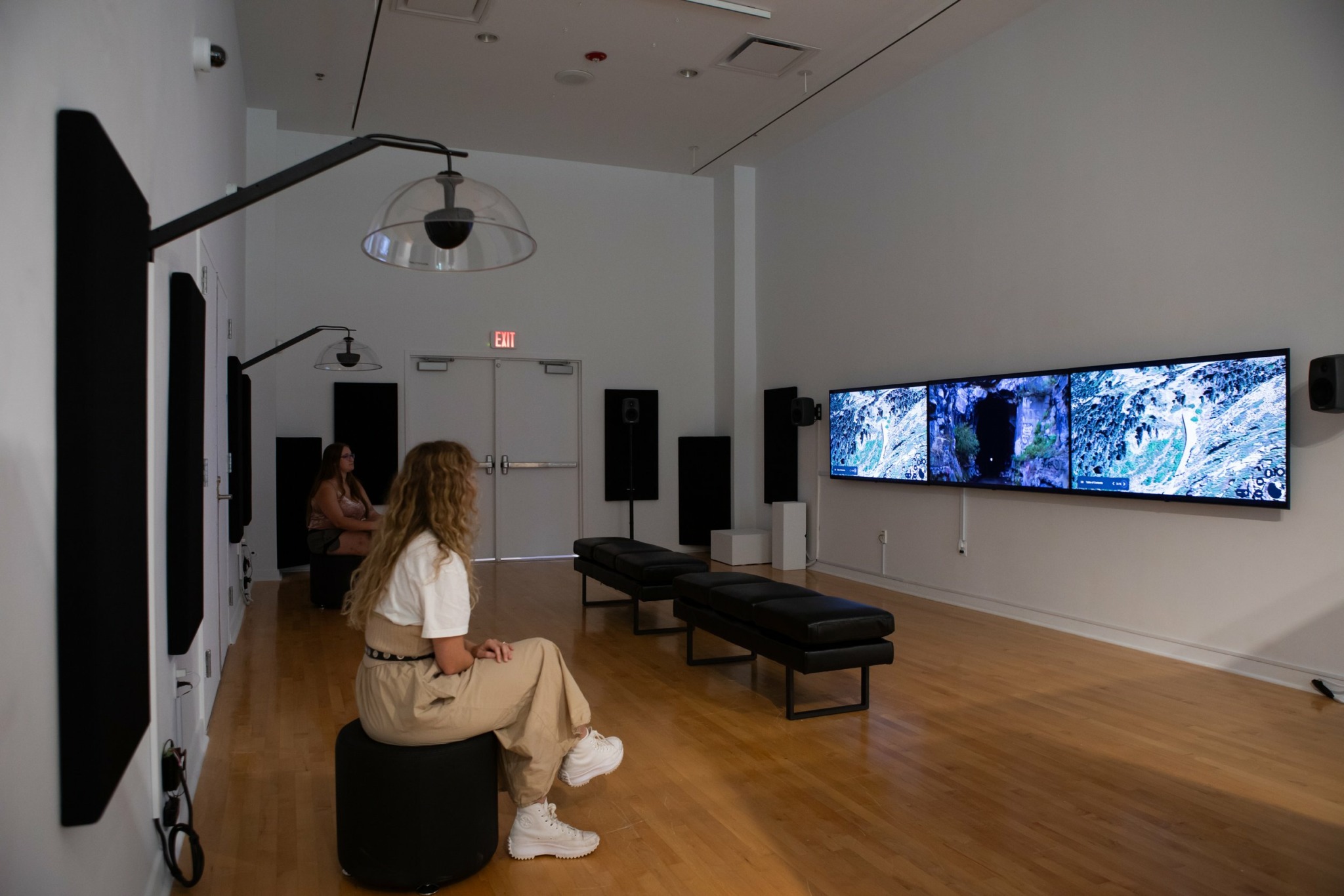
Image Credits
(c) Stefani Byrd. All Rights Reserved.