

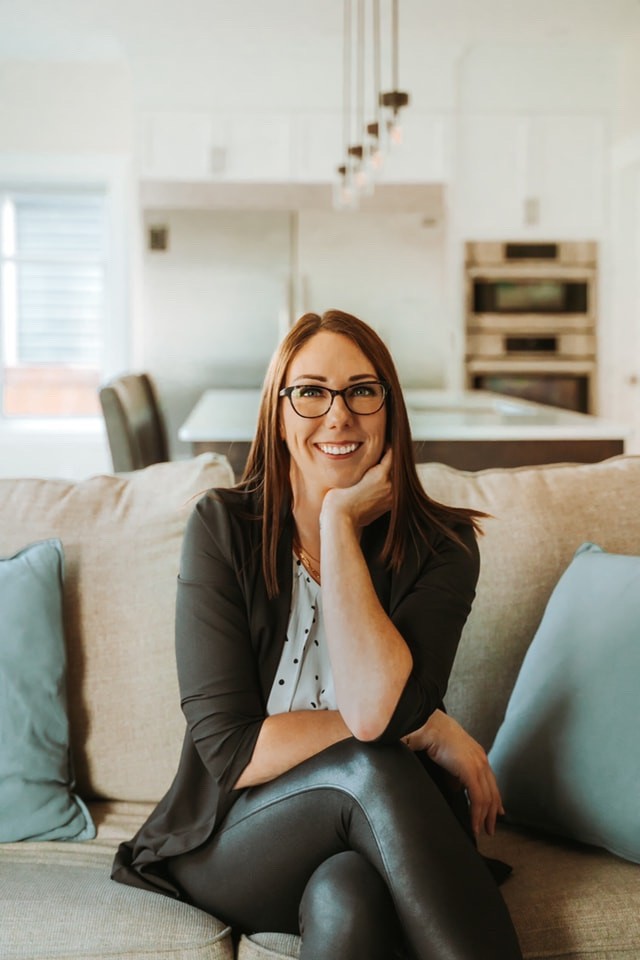

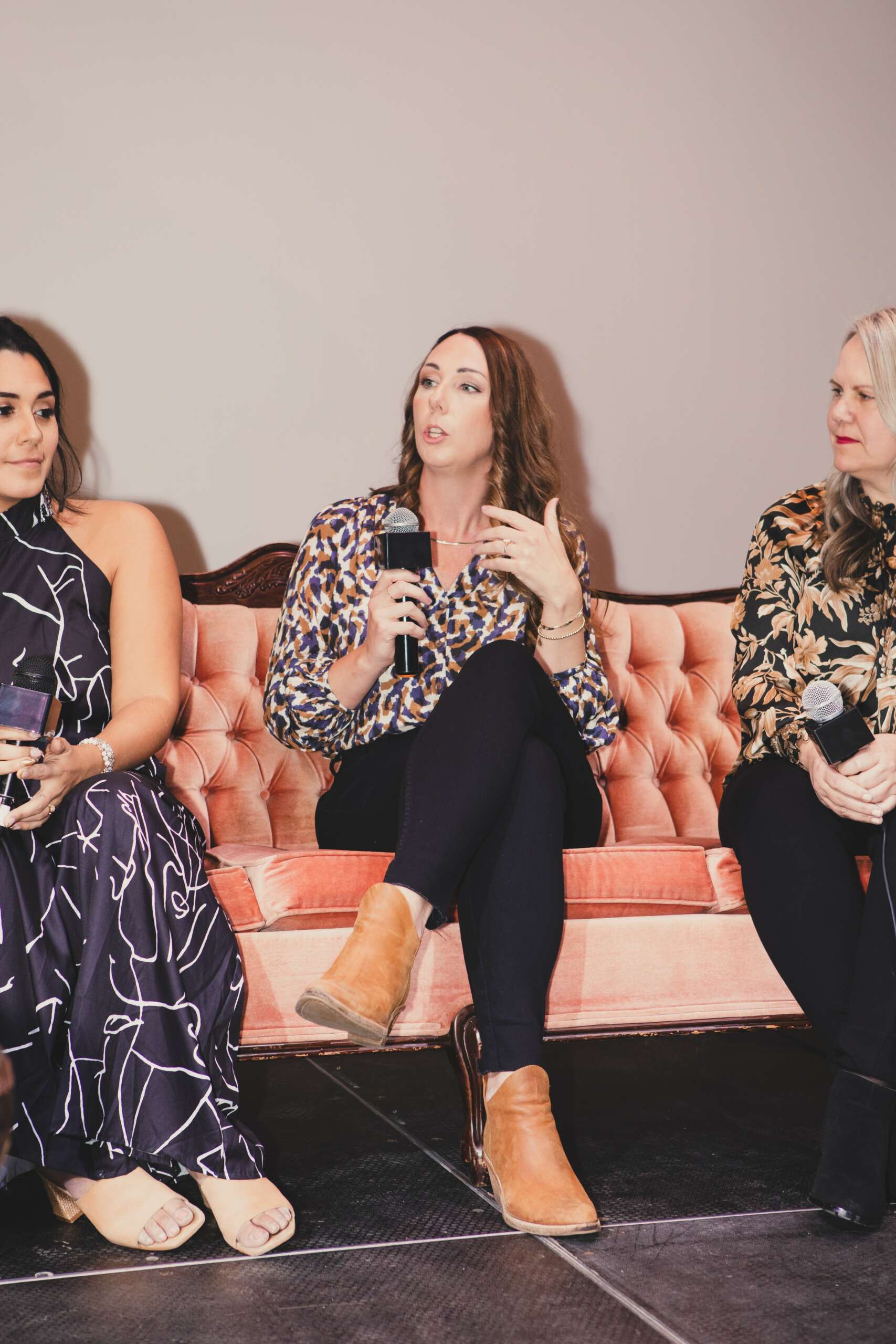
We recently connected with Staci Millard and have shared our conversation below.
Staci, thanks for taking the time to share your stories with us today Folks often look at a successful business and imagine it was an overnight success, but from what we’ve seen this is often far from the truth. We’d love to hear your scaling up story – walk us through how you grew over time – what were some of the big things you had to do to grow and what was that scaling up journey like?
Scaling a business was never a part of my plans. I was a girl from the prairies who loved accounting, and just had this deep desire to help people. When I started my business, I really just had this focus on giving customers a better quality service than what they were receiving. In business speak I saw a hole in the market where I noticed that lots of people were complaining about how things were done and the lack of service and I just set off to fill that gap. Early on, it’s pretty easy to build a business when you deliver a great quality service, low overhead, and competitive rates. Where the scaling challenges really came into place is after that initial success when you’re trying to move from a couple key staff members to a full on team when you no longer have your hands on everything that’s happening within the business anymore. There were really two key lessons that I learned along the way one of those lessons was that I really needed to specifically learn a lot about leadership. As you grow, when you get less involved with all the day-to-day, you arent hands on and you now have to manage through things like systems and you have to be able to lead somebody and encourage them to do well. I went to business school, so I thought I had that down pat. I thought I knew how to run the business, but in fact there was a lot about leadership that was really never taught and unless you work at one of the fortune 500 companies that spend a lot of time and energy on leadership training, you don’t really learn a framework for it. The second thing that, I really had to learn, was to lean into the numbers and systems. It felt very counter intuitive to how I had started the business with personalized 1:1 service and a down to earth nature. But doing everything for everyone and being hands on doesn’t lead to scalability. Because I had such a focus on wanting to do well for the customers and wanting to treat my employees well it almost felt wrong to think of the business as anything other than a part of me. But when I removed myself from the equation, saw my business as something separate, and really leaned into the numbers and systems behind it, everything changed. What felt like it was counterintuitively, my customers got better service, my team was happier and more engaged, and I was less burnt out now that I no longer had to be everything to everyone.
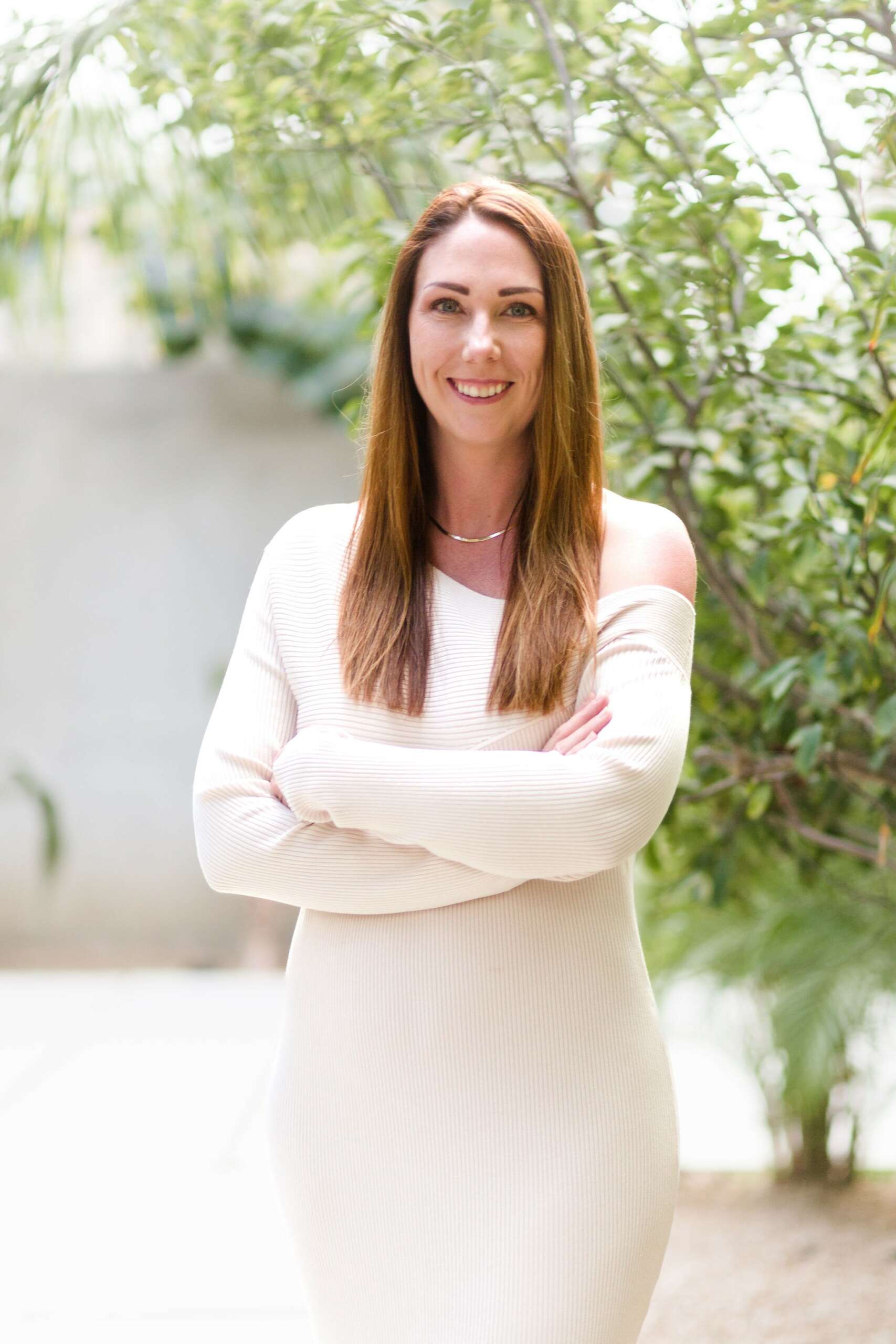

As always, we appreciate you sharing your insights and we’ve got a few more questions for you, but before we get to all of that can you take a minute to introduce yourself and give our readers some of your back background and context?
From an early age I loved puzzles and watching the pieces come together. Thats probably why I loved accounting- watching the numbers come together to tell a story about a business. Everything got a lot more fun, and impactful, when I became a business owner myself. It felt like a big game of learning what strategies worked for people and what didn’t. Because I was offering accounting for small businesses, I actually got to see the behind-the-scenes not just you know the highlight reels that you see on social media, but truly who is making money and who is happy and who wasn’t. The more that I learned about more I learnt about the strategies and mindsets that had the best impact, the more that I wanted to teach it to others. I feel like there’s a lot of misinformation in the business world. The failure statistics of businesses are so high still, and I felt like I had a lot of knowledge and the missing key. Thats when the mission of our accounting firm changed from being about tax compliance and financial reporting and moving to more of a fractional CFO role where we are focussed on using what we’ve learnt, using what we know, to fast track our client success. We use the numbers within our client’s business, their own particular DNA, how that business owner operates, and what they value, and how they want people to experience their business, coupled with the information that we can see, and we use it to create help them create some thing great.
Have you ever had to pivot?
About six years into my business I was really starting to feel burnt out. One of the things about the industry that I was in was that the set up sort of limited in my growth opportunities. Because of the associations we held, there were limitations on what we could offer and how we could offer it and those limitations I felt like lead to a lower quality of service but also an inability to scale. One day I sat down and looked at how I would craft my business if I could go back and do it all over again. The picture was so different from where I stood but I knew if I didnt get back into alignment that everyone would suffer. Thats when I decided to sell the business as it stood. There were buyers who were interested in the setup the way it was and it gave me a chance to start over without burning it all down. I think thats an interesting conversation because often the narrative is to jump ship or burn things down when they arent working but if you take a pause there can be many opportunities that maybe you didnt see at first. This was a chance for me to pivot and create something that would have an even larger impact.
Conversations about M&A are often focused on multibillion dollar transactions – but M&A can be an important part of a small or medium business owner’s journey. We’d love to hear about your experience with selling businesses.
Building on that story, I sold my original business as it stood. One of the key lessons I had been learning as scaling was about creating a business that could operate without you. While I dont feel like I ever achieved that under the original set up, many of the lessons and attempts that I had made to get closer to that model leant a hand to creating a scalable business. A couple key factors here are that you need to have sales systems that work without you- you cant be responsible for all the sales. I worked hard to build an internal referral system and an overall firm reputation that meant I didn’t have to be out driving sales for us to be signing new clients. We also focused heavily on systems within the business that meant we didnt have to heavily rely on any key staff member. Instead it was about processes and it was easier to find someone to complete a task whether we lots a team member or someone was out sick for the day. All of those changes in systems also lead to high client satisfaction and retention rates, high employee satisfaction, and high profitability which all made the business more attractive to potential buyers. The moral of the story is that despite starting a business that is very personal to you and you made even feel like you are the business, you need to be able to separate yourself from the business if you plan to see it one day.
Contact Info:
- Website: https://thriveaccounting.co/
- Instagram: https://www.instagram.com/staci.millard/
- Linkedin: https://www.linkedin.com/in/stacimillard/