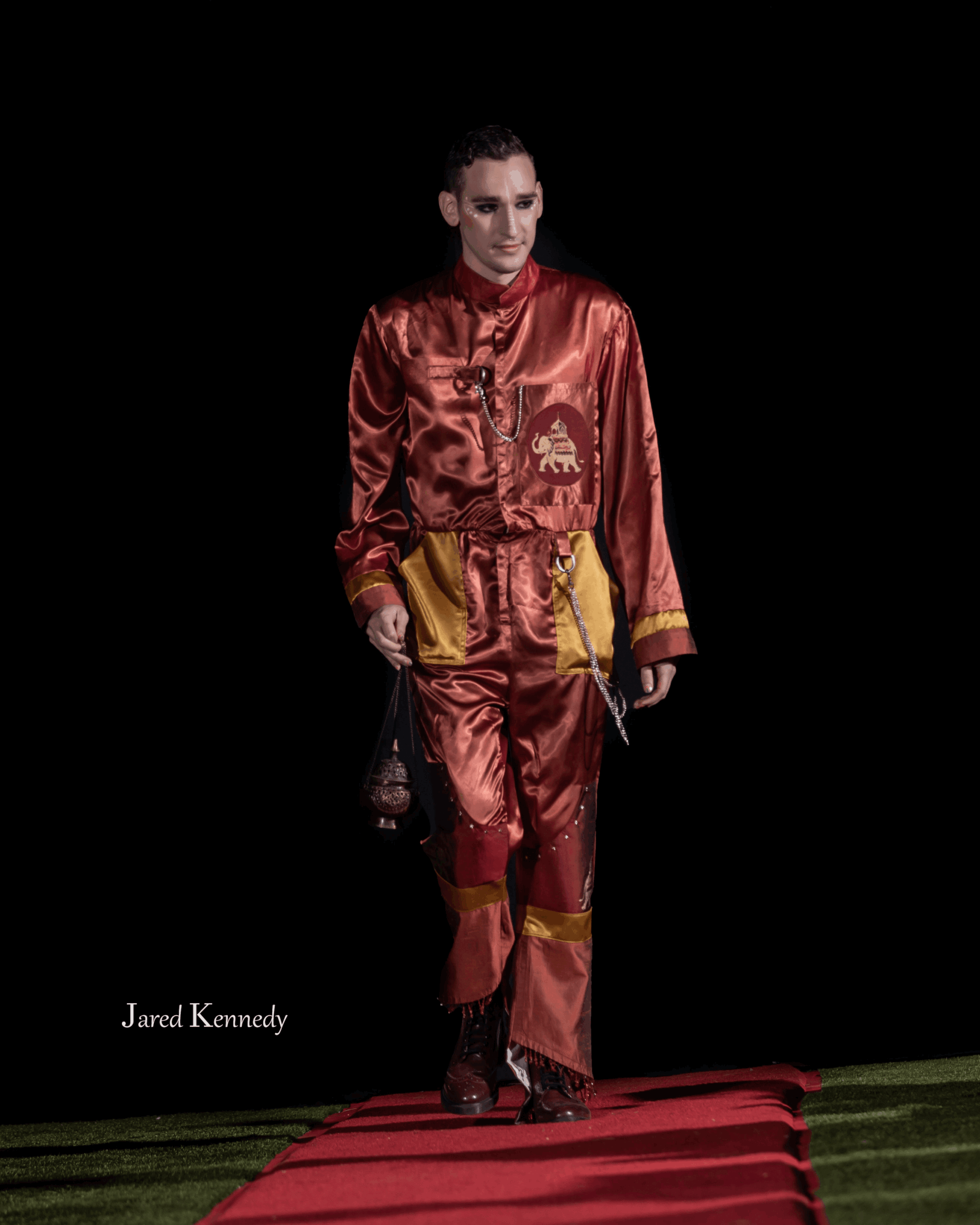
We recently connected with Staci Bernstein and have shared our conversation below.
Alright, Staci thanks for taking the time to share your stories and insights with us today. Can you tell us about an important lesson you learned while working at a prior job?
I’ve already had a career in the arts, and there were tons of lessons that were learned from that. I feel like the biggest one was the power of collaborations and involving the community. I remember a friend of mine who was a modern dancer telling me that she had done the best work of her life and it was a solo show and nobody had been there in the audience. It was Grant funded. She spent months working on it and like four people showed up. Whereas there are tons of amateur shows that I’ve been to where there’s 20 people in the lineup, they all have three minutes and there’s you know 100 200 people easily showing up to watch it. Even the fashion shows that I do now… if I have 30 people in the show, there’s a good chance I’ll have 50 or 60 people in the audience. It’s very important to make partnerships and it’s very it’s very strong win-win kind of situation when you do group shows or group performances or group any endeavors. I always look for partnerships when I start a project of any kind. I started a YouTube channel to leverage my background to bring more attention to the work that needs to be done transforming our fashion habits and my very best performing YouTube video is the best performer because I collaborated with the Arc Thrift Stores and they pushed it out to their feed and it has seen so much more play, than any of the videos I’ve done on my own.
Staci, before we move on to more of these sorts of questions, can you take some time to bring our readers up to speed on you and what you do?
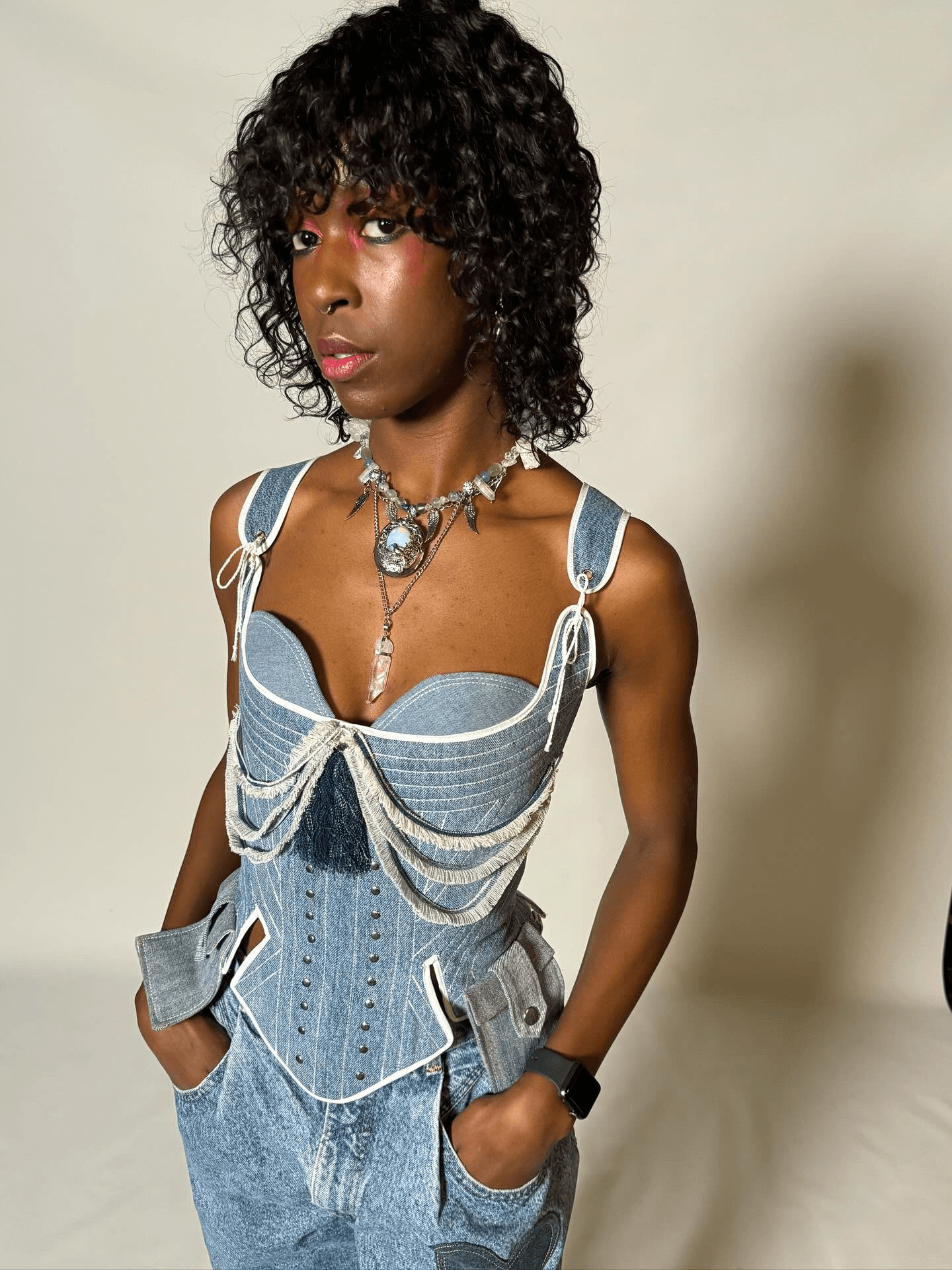
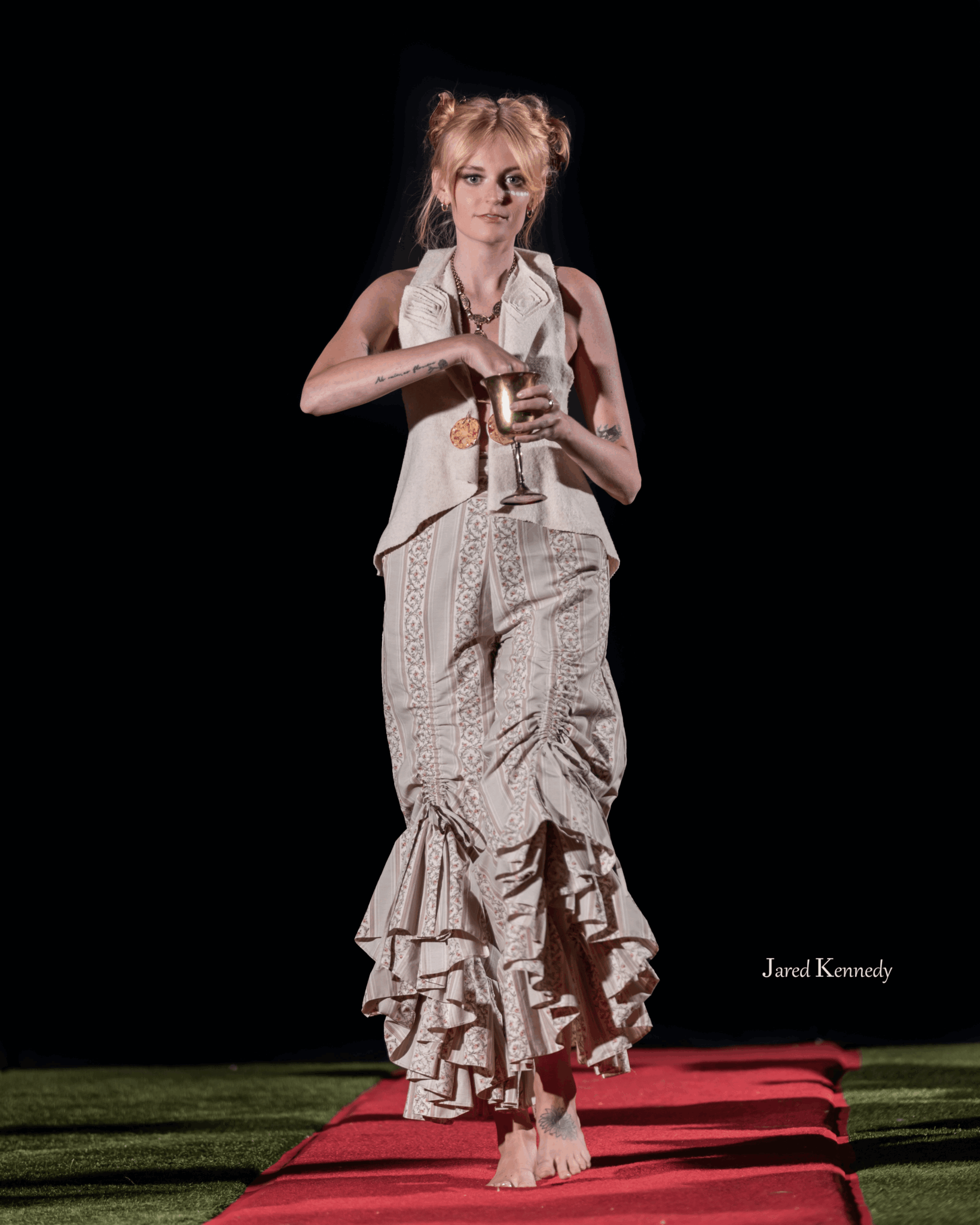
I started sewing as a way to destress from my career and filming video production. And as I learned more and more about it and went to fashion design school, I became aware of the environmental impact of the fashion industry and all of the promises associated with our fast fashion habits, when Fashion REBELution was it was a group of like-minded designers coming together to meet on zoom during Covid to challenge each other to come up with new designs that offered some form of sustainability. And over the years it has migrated to more of an educational organization where we help people transition from trend followers to style leaders. We help them save money on their clothes, to make their clothes last longer to make them more stylish and successful. For anyone that’s pursuing a careers in the environment and or in a dress to impress social setting where people educated and know how trashy fast fashion really is fashion is no longer skin deep. Your values are obvious in the clothes you wear and if your in the cheapest and latest from SHEIN and people aren’t treating you with the respect you want we are here to help get you on the same page. People don’t want to be embarrassed by their old-fashioned habits but they don’t know what to do instead. we help with everything from clothing care to restyling and reworking garments. Get the most value they can out of their wardrobe without damaging or impacting the earth . I run community events in collaboration with libraries and with nonprofit organizations to offer mending and sewing socials; to offer basic classes o alterations and up-cycling and reworking clothes. we have some no so classes. And I also make YouTube content supporting the same kinds of activities. Please join us at Fashion REBELution on YouTube if you are looking to up your fashion game while spending less.
What’s worked well for you in terms of a source for new clients?
My best source of clients are free events that I do. It gives me a chance to meet people so we can make a personal connection and I can demonstrate my knowledge and help them at the same time. I really enjoy them.
Can you open up about how you funded your business?
When I started my business, I didn’t actually take out a loan. What I did was I offered people store credit in exchange for their used clothes so the materials that I need for my first inventory were basically provided by friends and family. Very few people actually use their store credit, but it also allowed me to develop an email list of people that cared about up-cycling, fashion, or me. I quickly had a lot of resources so my initial investments were very low. I also have very low overhead as I’m mainly an educational service so I go on location. I travel with a bunch of sewing machines and sewing supplies and I come and I offer my workshops in various locations so I don’t have the expenses of a brick and mortar business. One of my big lessons from my last career in the arts was to stay lean and streamline and that makes it really affordable to things like this.
Contact Info:
- Website: https://Www.FashionREBELution.org
- Instagram: @fahionrebelution
- Facebook: FashionREBELution
- Youtube: Fashion REBELution