

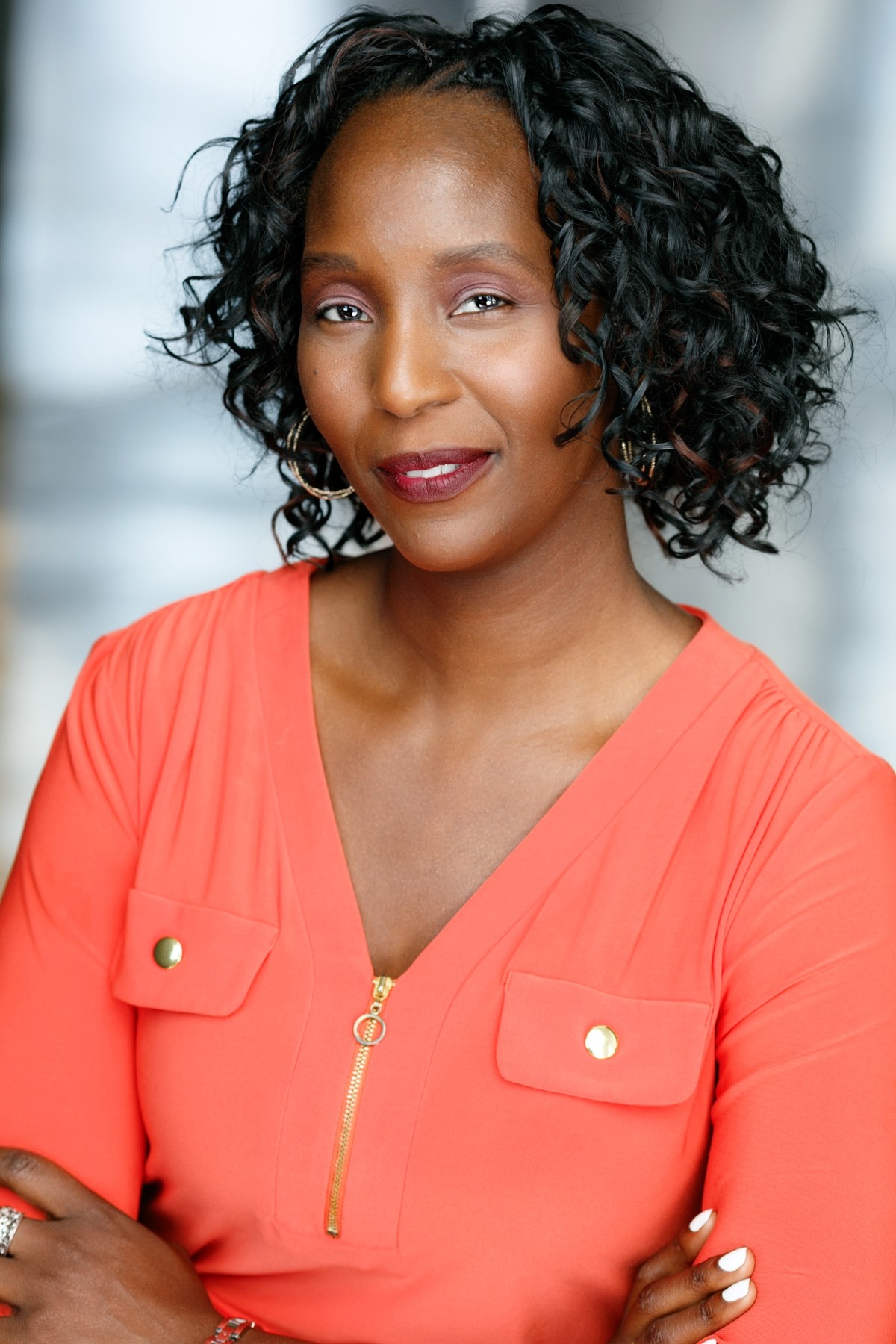

We caught up with the brilliant and insightful Stacey Gordon a few weeks ago and have shared our conversation below.
Hi Stacey, thanks for joining us today. How did you came up with the idea for your business?
I came up for the idea for Unconscious Inclusion: The Work Beyond the Workshop (TM) because in 2020, the world changed and not just because of the pandemic. George Floyd’s on camera murder sparked an awareness in people that we all know should’ve already been present. For years, diversity, equity, and inclusion practitioners as well as learning and development professionals, have offered unconscious bias training as a way to address the rampant discrimination and bias that is present in workplaces. Unfortunately, prior to 2020, DEI wasn’t a priority and because of that, the bare minimum solution had been to enroll employees into unconscious bias training.
Since nothing has changed in the workplace, the complaint has been that unconscious bias training doesn’t work and therefore it is a waste of time, money, and focus. After 2020, I had to agree.
Using principles of neuroscience, I designed a program specifically to address the problem. And part of addressing the problem required identifying the correct problem. The problem is not that unconscious bias training doesn’t work. The problem is that unconscious bias training is not the solution to bias in the workplace. Additionally, unconscious bias training can never be a solution when it is offered once every three years in a two-hour workshop or an online session that individuals can quickly click through.
Part of the solution to bias in the workplace is self-reflection and interpersonal awareness combined with system change. The difficulty in addressing bias in the workplace is that it is embedded in multiple areas and this is why a one-size-fits-all training solution can never work.
What can work, is combining several different learning elements in order to change the way people learn. There was a time when online learning wasn’t a thing. No one took online learning courses, professional development and training was done through books, in-person workshops or videos via CDs (prior to that, it was VHS). As we’ve evolved, so have our learning styles and our capacity for learning. We provide content in several different mediums which speaks to the different learning styles we have as unique individuals. We mix the media and provide content in video, audio, text form and utilize quizzes.
We know that cramming information into our brains doesn’t allow us to process and learn. Memorization is not learning. In order for people to truly absorb information, we need to receive it in small doses. We also need to repeat it and additionally, we need guidance in how to put the concepts into practice. These three ways of addressing adult learning also makes our program unique because the goal is to have actual impact. We are not just professionally invested in the outcome of this program. We are personally invested in seeing actual change because the world we leave to future generations depends on this.
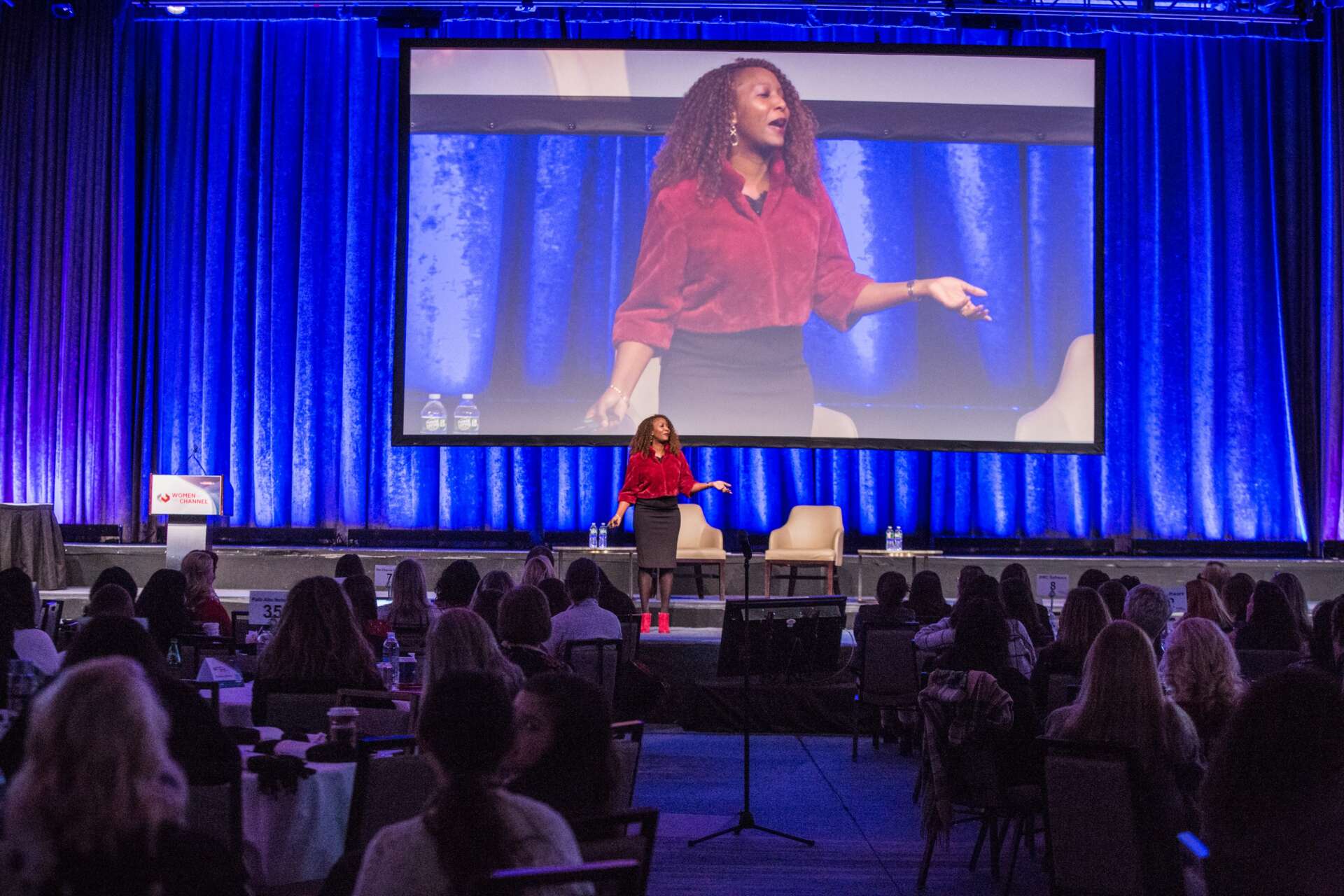

Great, appreciate you sharing that with us. Before we ask you to share more of your insights, can you take a moment to introduce yourself and how you got to where you are today to our readers.
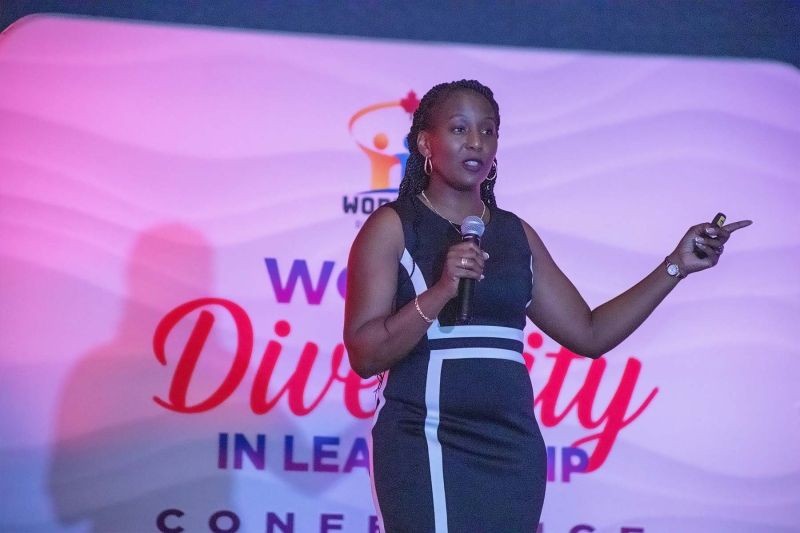
I am a workplace culture consultant, keynote speaker, author, and facilitator of learning. I am the founder of Rework Work and started my business as a recruiter, but quickly realized creating equity at work was my passion. It is my goal to disrupt the way employers interact with employees and create inclusive workplace cultures. I have worked with people managers and executive leaders from companies such as American Express, ADP, Kia Motors, Hewlett Packard, GE, The Obama Foundation and many others to deliver education, coaching and consulting that supports organizational change and leadership development in furtherance of creating inclusive workplace cultures.
As a globally recognized keynote speaker, leadership consultant and DEI strategist, I have provided subject matter expertise to Harvard Business Review, SHRM, Fast Company, Skillsoft, Forbes, NPR and BBC Radio.
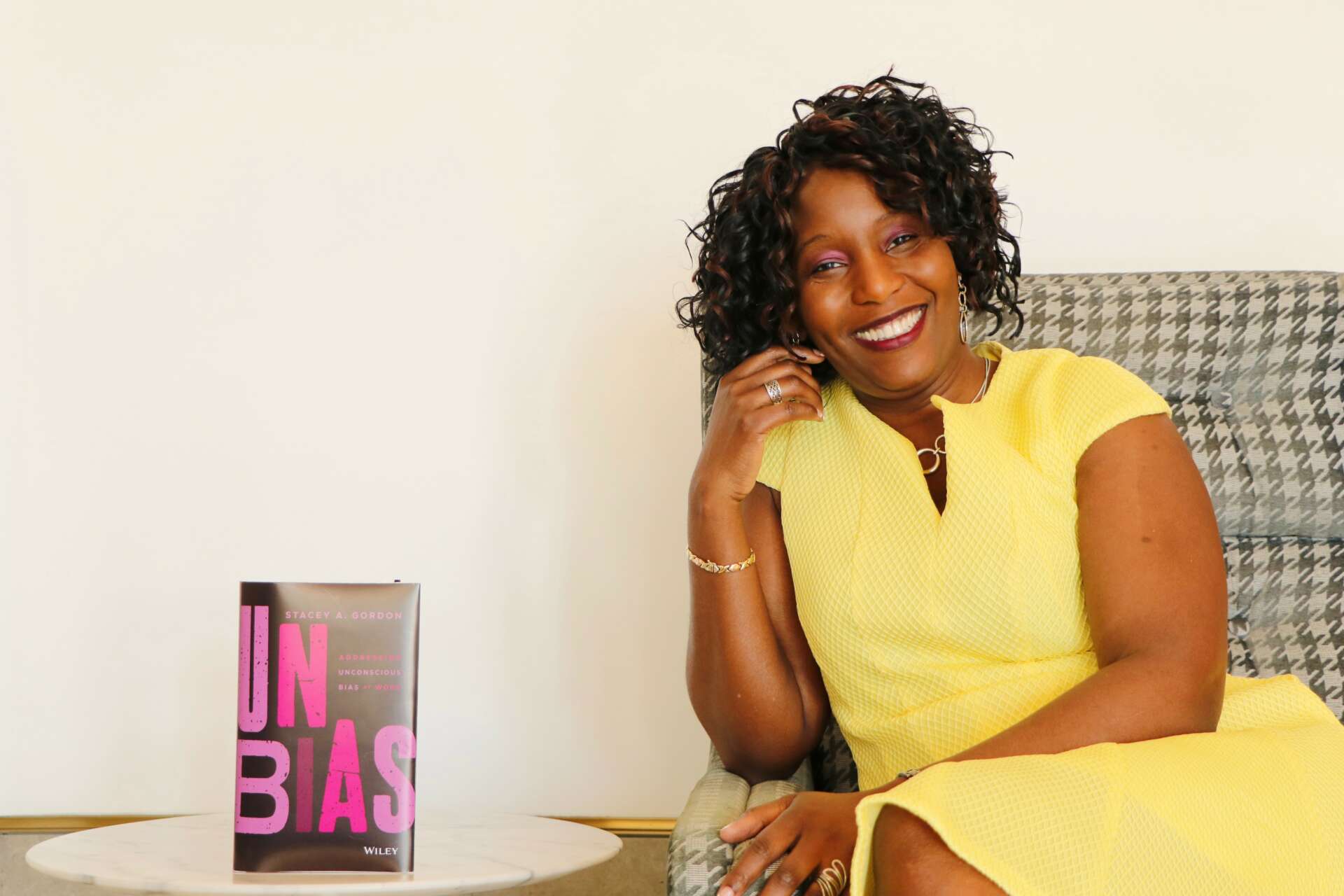
My book, UNBIAS: Addressing Unconscious Bias at Work debuted at #1 on Amazon’s Hot New Release list while my unconscious bias course on the LinkedIn learning platform was the #1 most watched course of 2021 and has been translated into several languages. My audience is quickly approaching 2 million unique learners and I have been recognized as a passionate supporter of DEI by Forbes, Pepperdine University and LinkedIn. While I have quite a few accolades under my belt, I am most proud of the fact that I continue to be referred among clients because they value my work and I truly feel as though I’m starting to make a difference.
Through Rework Work, I aim to change the working world for the better – making workplaces work for all. I want to move beyond the traditional meaning of DEI (Diversity, Equity and Inclusion) by encouraging my clients and learners to Disrupt, Evolve, and Innovate which is a new approach to DEI designed to help move professionals from awareness to action in their application of concepts like unconscious bias and inclusion. I offer a weekly newsletter, Lead With Inclusion, which breaks down actions we can take in various situations throughout the workplace. While these concepts can sometimes be complex, I use my influence to show that making day-to-day changes to shift workplace culture can, in fact, be simple.
We’d love to hear the story of how you built up your social media audience?
I was an early adopter of LinkedIn and they are celebrating 20 years this year. I’ve spent nearly as long on the platform writing articles, sharing my experience and expertise, connecting with other professionals and engaging with my network. Sometimes luck is all about preparation meeting opportunity and it just so happens that I became a Lynda.com author right before LinkedIn purchased them, which made me a LinkedIn Learning Instructor. My consistent engagement on LinkedIn combined with my newfound status on LinkedIn Learning provided me with a new level of visibility.
For those starting out, credibility and consistency is key. It’s not so much about knowing everything, but being highly credible in what you know and being able to back that up without being rude, snarky or patronizing.
Does your business have multiple or supplementary revenue streams (like a ATM machine at a barbershop, etc)?
I think supplemental lines of revenue are important when running a business because you need to maintain your operational costs at all time and when you’re building a new product, you’re not going to be able to net revenue immediately. In fact, you’re probably going to increase expenses as you build and without other income, you’ll falter. Having my book, online courses, speaking engagements and consulting revenue has helped to keep the business moving forward.
Contact Info:
- Website: learn.reworkwork.com
- Instagram: instagram.com/reworkwork
- Linkedin: https://www.linkedin.com/in/staceygordon/
- Youtube: https://www.youtube.com/watch?v=9UoE1GKRopQ&autoplay=1
Image Credits
Bradford Rogne photography Brittney Jean photography Monica Hurtado Torres