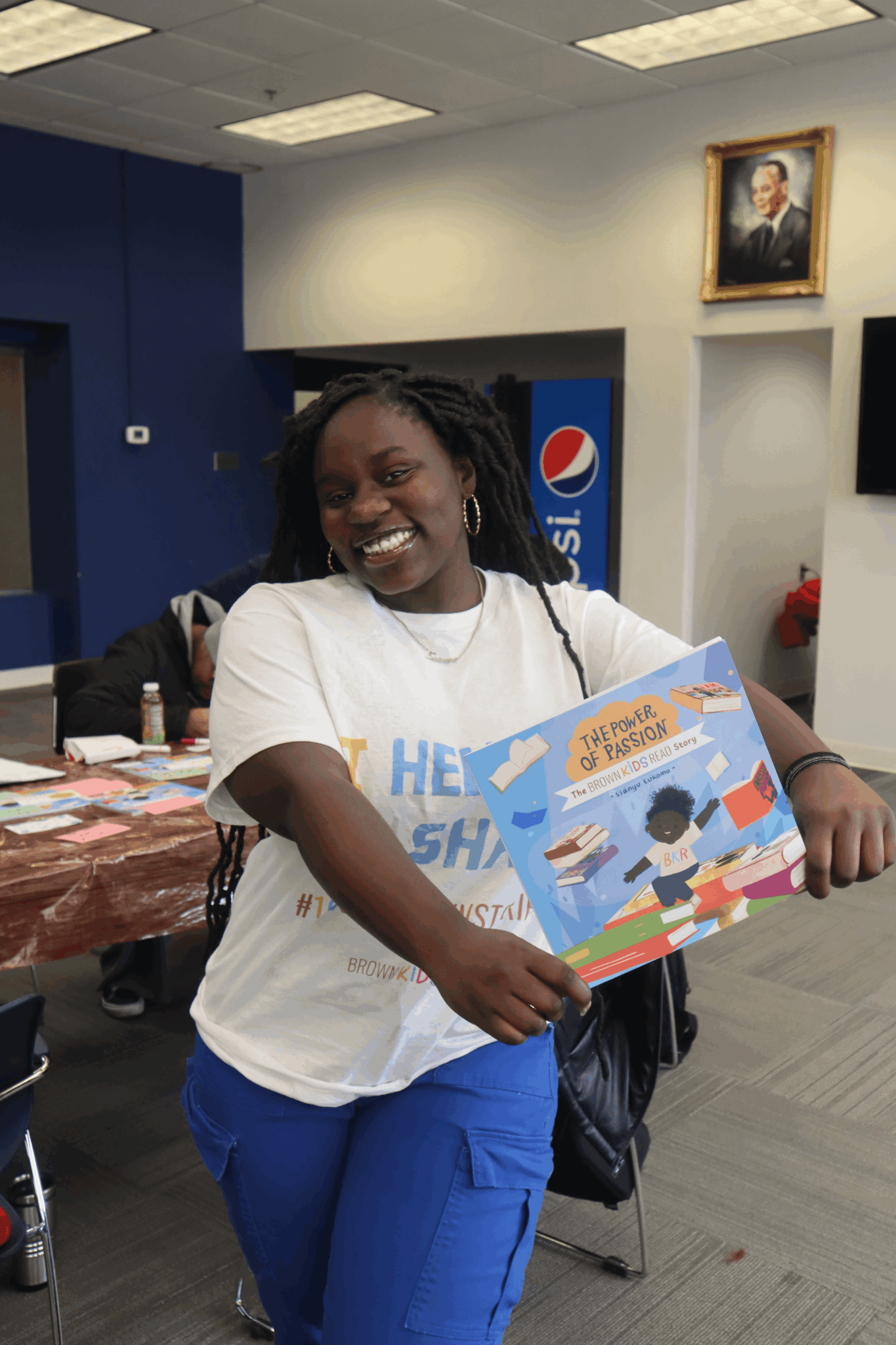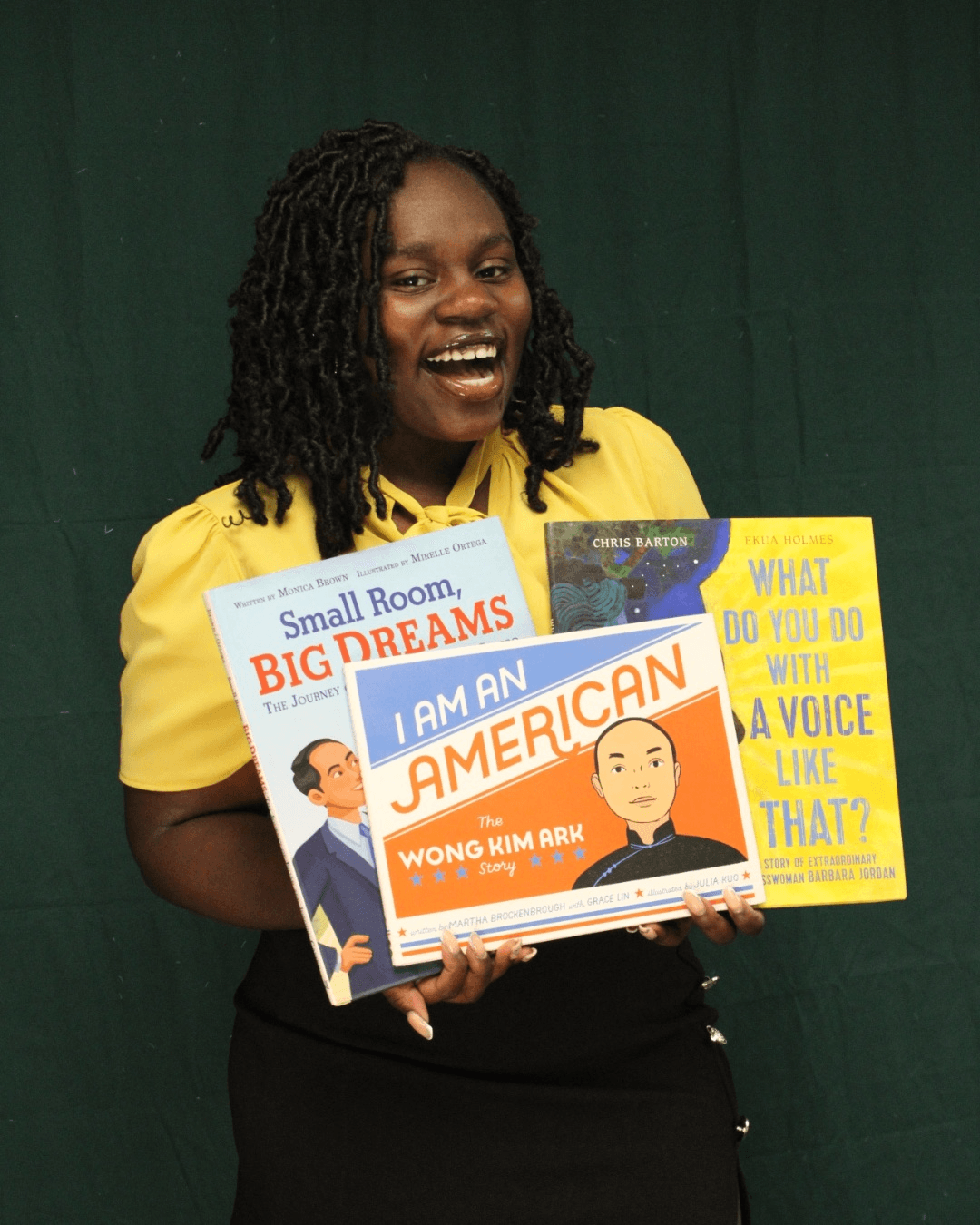

We were lucky to catch up with Ssanyu Lukoma recently and have shared our conversation below.
Ssanyu, looking forward to hearing all of your stories today. One of the most important things small businesses can do, in our view, is to serve underserved communities that are ignored by giant corporations who often are just creating mass-market, one-size-fits-all solutions. Talk to us about how you serve an underserved community.
When I was 12 years old, I had a conversation with my friend, another 12-year-old boy, who told me that he didn’t like to read anymore because the books in our school district didn’t represent young, Puerto-Rican boys like him. When I heard his mindset, I was devastated but determined.
From four years old, my parents were very intentional about crafting a home library for me that featured both mirror and window books. Mirror books are stories where I felt reflected in and could relate to the main characters, and window books are stories where I could step into someone else’s shoes and view the world through their eyes. Growing up in a home where reading was a part of the family culture, caused me to become a pre-teen girl who was passionate about books and wanted to share that love with others. So, when my friend told me how he felt about reading, I wanted to increase the access that he, and every other student who felt similarly to him, had to diverse children’s books.
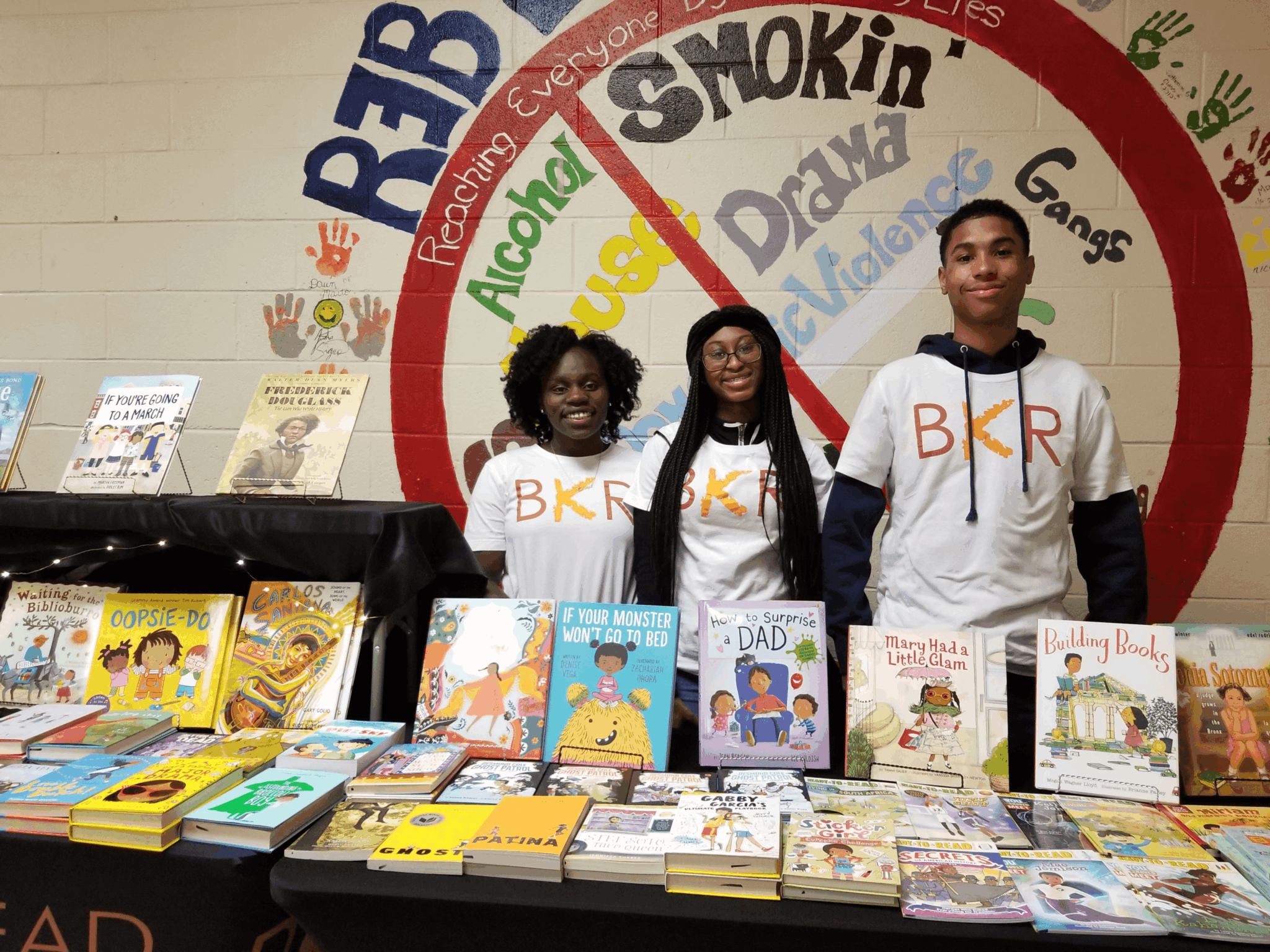
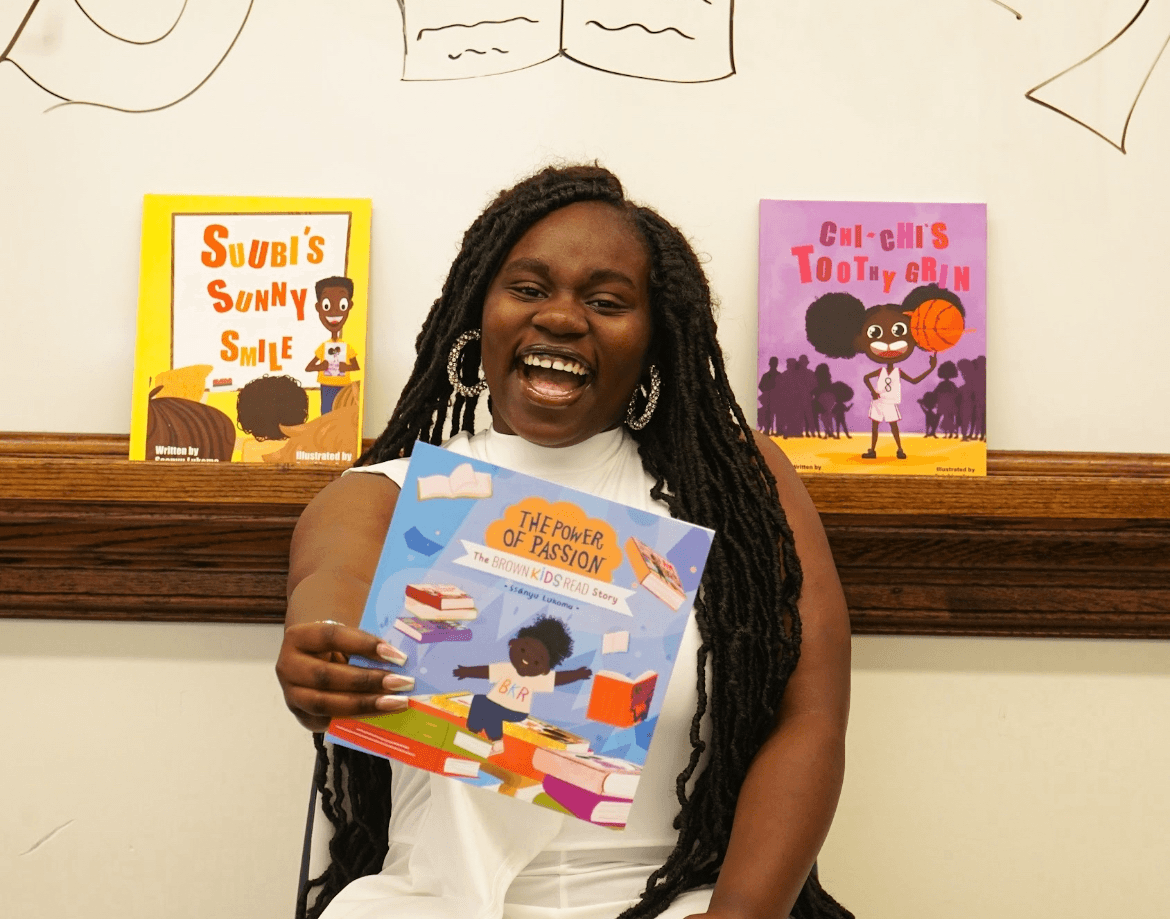
The following year, in 2018, I founded a non-profit organization called Brown Kids Read to motivate all children, but especially children of color, to read more diverse children’s books. When I first started BKR, I identified two underserved communities — minority students who didn’t have enough access to mirror books and caucasian students who didn’t have enough access to window books. Both book types are essential to help young readers develop into empathetic and socially aware leaders. So, through Brown Kids Read, I created an online and pop-up bookstore called The Brown Reads Bookshelf, where all of the books sold were written by and/or featuring people of color.
Then, about 3 years in, I identified another underserved group — parents who couldn’t afford to start a home library for their young readers. Unfortunately, for many families, books are a luxury and are understandably, not made a priority to have in the home. So, instead of selling books through Brown Kids Read, I wanted to pivot and primarily distribute books for free to serve all communities simultaneously. Through Brown Kids Read. now thousands of students have been provided with free books that feature main characters of color.
Ssanyu, before we move on to more of these sorts of questions, can you take some time to bring our readers up to speed on you and what you do?
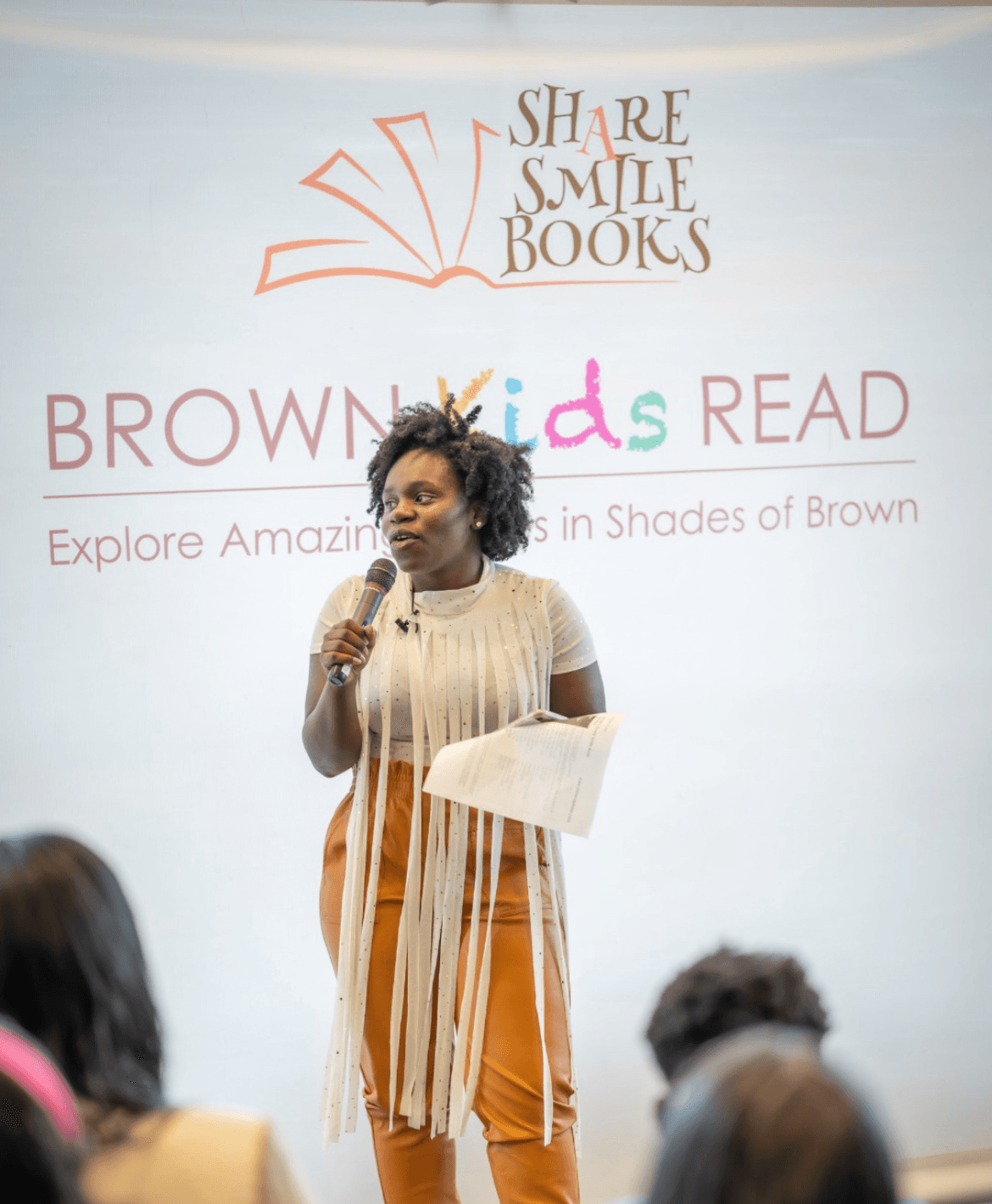
Brown Kids Read was the first time I truly got to explore my entrepreneurial and leadership skills. I’ve always been passionate about books and that’s why I started Brown Kids Read. But now, I am more than the founder of a non-profit organization. I am a 4x published author, the former Miss HBCU Teen 2023, a broadcast journalist a student at Howard University, and an inspirer.
My primary goal is to encourage others to explore their passions and make an impact on their communities in the process. After starting Brown Kids Read, I realized that I wanted to be an entrepreneur for the rest of my life!
Have you ever had to pivot?
At fourteen, I founded my nonprofit, Brown Kids Read, with the vision of hosting community reading events for families. However, after months of planning and investing, my ReadingRocks! events repeatedly drew fewer attendees than expected, leaving me devastated. Despite my initial stubbornness and desire to stick to my plan, I realized that Saturday afternoon events couldn’t compete with other weekend activities. I had to pivot.
After market research, I shifted to a new model: the Brown Reads Bookshelf, a pop-up bookstore I took to established events with built-in audiences. This change grew Brown Kids Read and taught me resilience, flexibility, and problem-solving. When the pandemic hit, I pivoted again, launching the Book Junkie Podcast to continue promoting diverse books. These lessons shaped my journey, teaching me to embrace failure as an opportunity to learn and grow, rather than a roadblock to success.
Any insights you can share with us about how you built up your social media presence?
When I was 13, I created the Instagram account for Brown Kids Read without knowing anything about social media. The only reason I even got Instagram was for my nonprofit! In the beginning, my strategy was simple: post something every day. Whether it was a book-related graphic I found through a Google search or a flyer for an upcoming event, I was just focused on filling up the feed. However, I soon learned the value of storytelling and authenticity. I started showing my face more, making book review videos, and even interviewing authors on Instagram Live. I transitioned from just posting daily to being intentional with my content. Now, every post, whether for Brown Kids Read or my personal account, is planned with a purpose and an end goal in mind.
For anyone just starting to build their social media presence, I recommend focusing on creating authentic and intentional content that aligns with your mission. It’s not about how often you post—it’s about how meaningful your posts are.
Contact Info:
- Website: ssanyuspeaks.com and brownkidsread.org
- Instagram: @ssanyuspeaks and @brownkidsread
- Linkedin: https://www.linkedin.com/in/ssanyu-lukoma
- Youtube: https://www.youtube.com/@ssanyuspeaks