

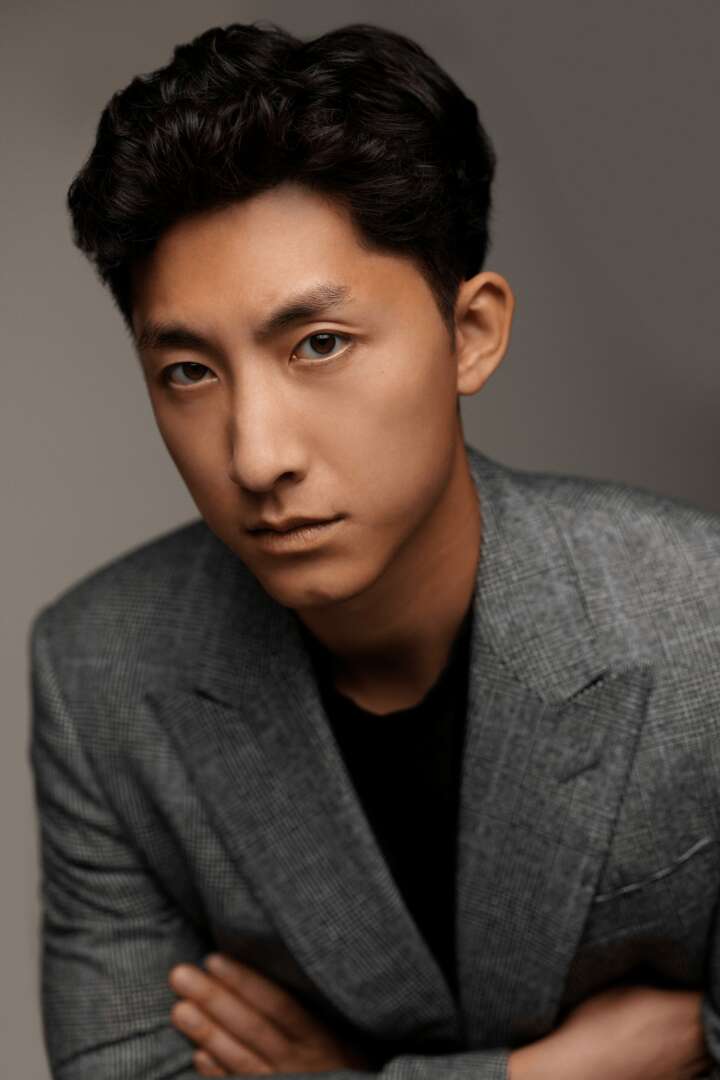

We’re excited to introduce you to the always interesting and insightful Spike Zhao. We hope you’ll enjoy our conversation with Spike below.
Spike, thanks for joining us, excited to have you contributing your stories and insights. Can you talk to us about how you learned to do what you do?
People always ask me what are the things I need to learn to become an action actor. Truth is, I believe the answer varies a lot and depends on what type of action actor you want to become. When I first started doing movies, especially action movies, I wasn’t aware that action actors, just like actors who specialize on dialogue scenes, also need to have their unique traits and characteristics. But if you think about it, all the successful action actors have their specialties and their recognizable style. Fortunately, I was already proficient in many styles of martial arts when I first started doing action movies, and it didn’t take too long for me to figure out what are the prioritized skills to learn.
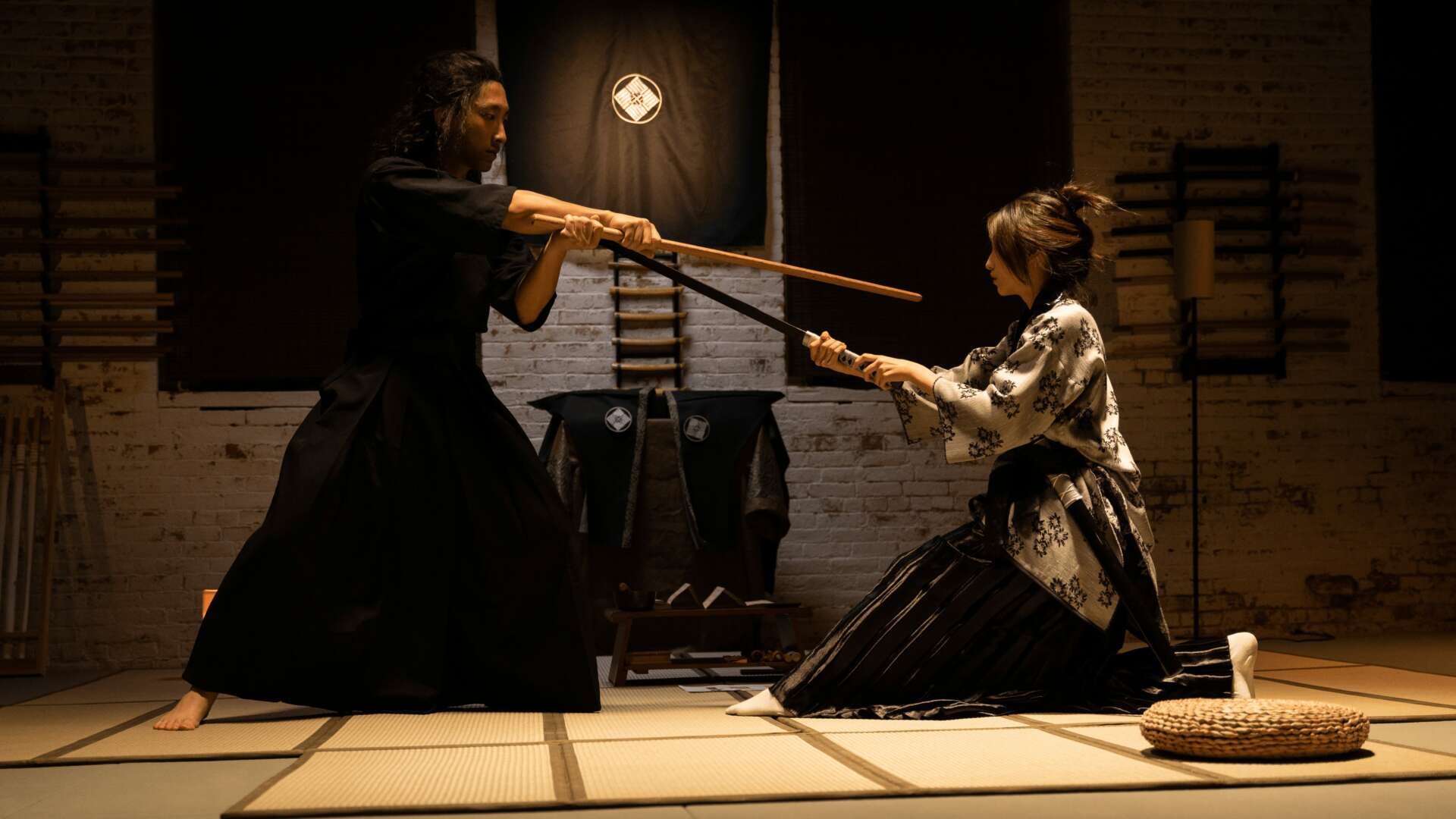
At the beginning stage, I naturally assumed that in order to do well in fight scenes, all I need to learn is martial art. But action film is more than that. The first thing you’ll learn when you start doing a fight scene is, the stage combat is less of a fight but more of a dance. You’re cooperating with your “opponent” in a meticulously planned two-person dance routine, and the rhythm matters a lot. But this underlying principle of stage combat contradicts with the habit of a lot of the striking arts, such as boxing, since on of the most important essences of boxing is to find out and break the opponent’s rhythm while hiding your own rhythm. Naturally, I spent some time to get used to “feed” my actions to my opponent better.
Another interesting thing is, fight scenes sometimes require you to show you’ve put in a lot of power in your strikes when in fact you barely put any power in the hit. However, a lot of martial arts would teach the practitioners to be subtle in their strikes and to subtly release the maximum power without any telegraphed movements. In result, many of the effective strikes don’t look like they have any power behind them at all. But in order to transit that onto the big screen, sometimes I’ll have to exaggerate the movement in a way that compromise the form and also doesn’t look right, in order to have it look “correct” on the camera. Therefore, it’s important to learn the proper moves and techniques, but it’s also important to know how to change up your movements in order to make it look “normal” on the camera.
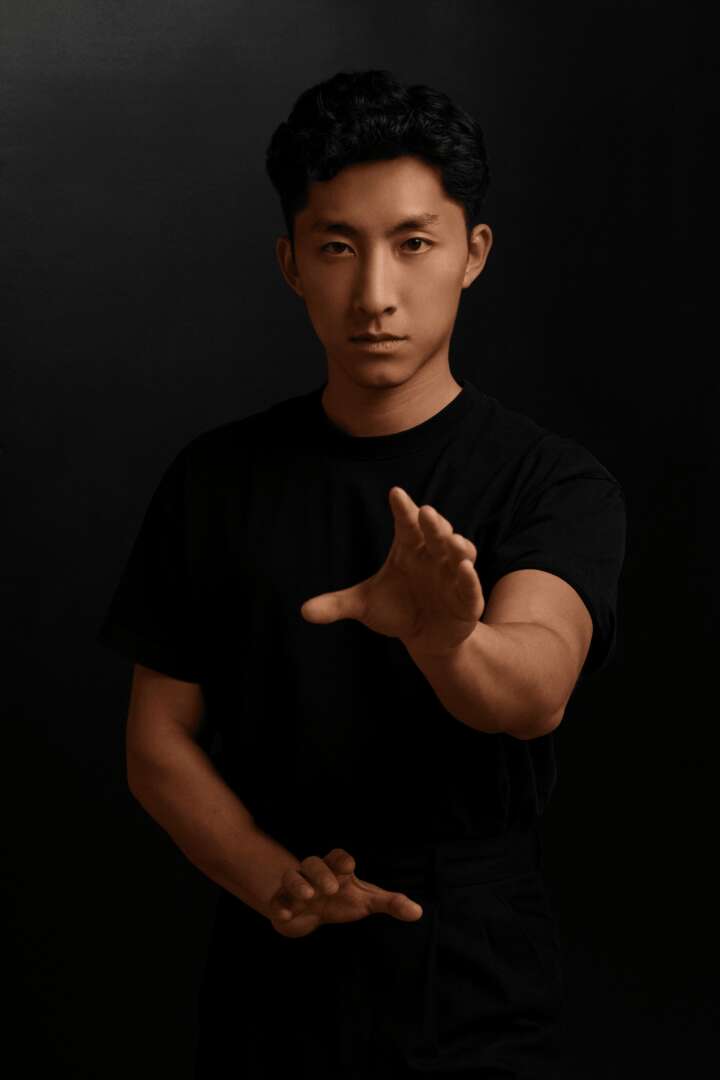
Great, appreciate you sharing that with us. Before we ask you to share more of your insights, can you take a moment to introduce yourself and how you got to where you are today to our readers.
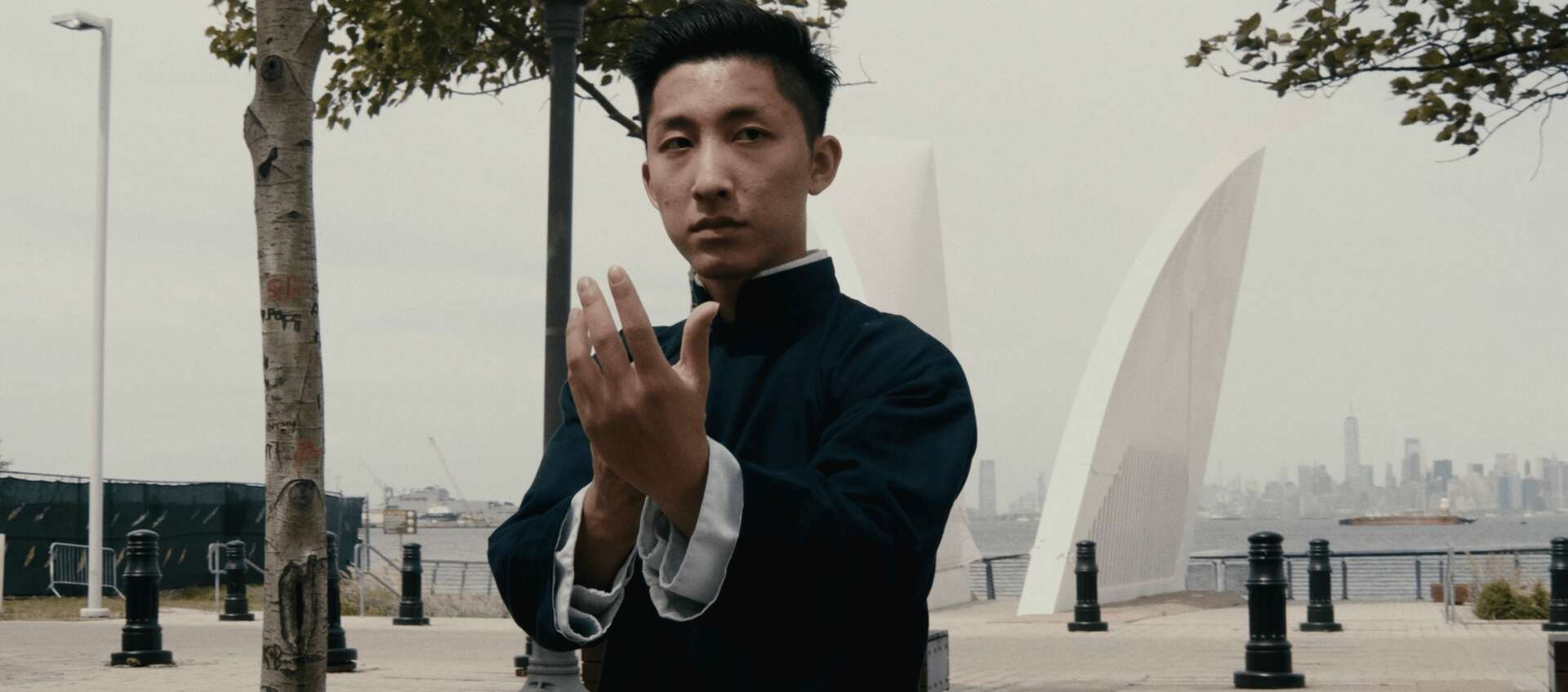
I fought a lot when I was in middle school. Sometimes, my classmates and I would spontaneously start friendly but full-contact sparring during class breaks, using bare knuckles and avoiding headshots. I wasn’t trained in any forms of combat sports or martial arts by that time but somehow my punches are just naturally fast and swift, and one classmate even gave me the nickname as “Ip Man Zhao” as a joke. Later on I started formally training in various styles of combat sports and martial arts. I’ve trained boxing extensively with the head coach of the Jilin Provincial boxing team, and I’ve also learned martial arts such as Muay Thai and Bajiquan, etc.
During my college years in U.S., I continued training in boxing and has been into various competitions. I’ve also continued my journey in learning various styles of martial arts by learning Escrima, Wing Chun, Bagua, Kyokushin Karate, Xingyi, Jeet Kune Do, etc. And I gradually realized my love for martial arts and the urge to turn that passion into my career. Unfortunately there are only so few paths to turn martial arts into a career, and after careful decision, I chose to use it in action acting and fight choreography in films. I believe this is one of the wisest decisions I’ve ever made because it’s a career I can dedicate myself to for my entire life, even as I age and my body becomes less mobile. I will still carry that knowledge and choreography things that are authentic and beautiful.
I believe there are definitely different styles of action actors who have specialties of their own. As a professional who is still exploring and growing at the moment, I strongly feel that I am better at designing fights that involve authentic martial arts movements and techniques yet also emphasize being realistic and showcasing the beauty of brutality. My background in traditional martial arts offers me authentic knowledge in martial art techniques, and my experience in boxing competitions also provides me with a better understanding of timing and distance. I especially love to incorporate martial art moves into contemporary story settings, such as assigning Chinese martial art joint lock techniques to a secret agent or designing a double knife fighting system based on Bagua for a hitman character. I believe those elements add a different touch and flavor to fight scenes, without losing touch with reality.
Is there mission driving your creative journey?
I chose this path for two main reasons: to keep refining my martial art skills, and also to spread the beauty and culture of traditional martial arts to a broader audience.
As I described before, I stepped into this field because of my love for martial arts. To me, cultivating my martial art skills definitely helps with my career as an action actor, and I always believe that if you can manage to combine your passion and your career, you would have an extremely strong drive and infinite motivation to build up your career.
On the other hand, I do sincerely hope that the things I do could make a difference in the action cinema. Hardcore action movies are dying out, and many of the fight scenes nowadays are less and less appealing. With a foundation in traditional martial arts, I do hope I could bring the beauty of them onto the big screen and show the contemporary audiences that fight scenes could also be done this way.
We often hear about learning lessons – but just as important is unlearning lessons. Have you ever had to unlearn a lesson?
I
Contact Info:
- Website: https://www.imdb.com/name/nm14228412/
- Instagram: https://www.instagram.com/gearlesszhao/
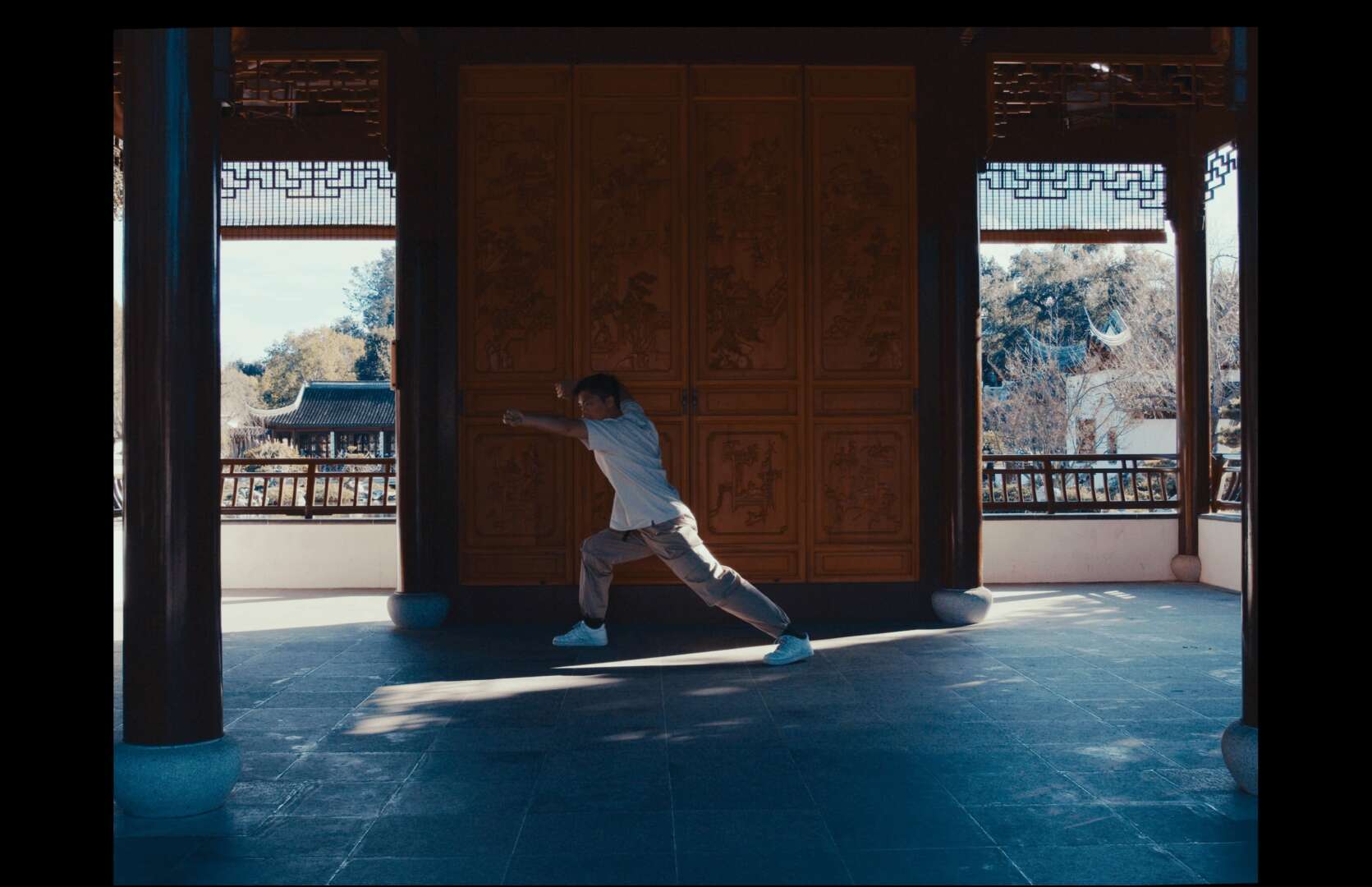
Image Credits
Personal photo: photographed by Wolf Marloh
Additional photo (the first photo, martial art posing portrait with black background): photographed by Wolf Marloh