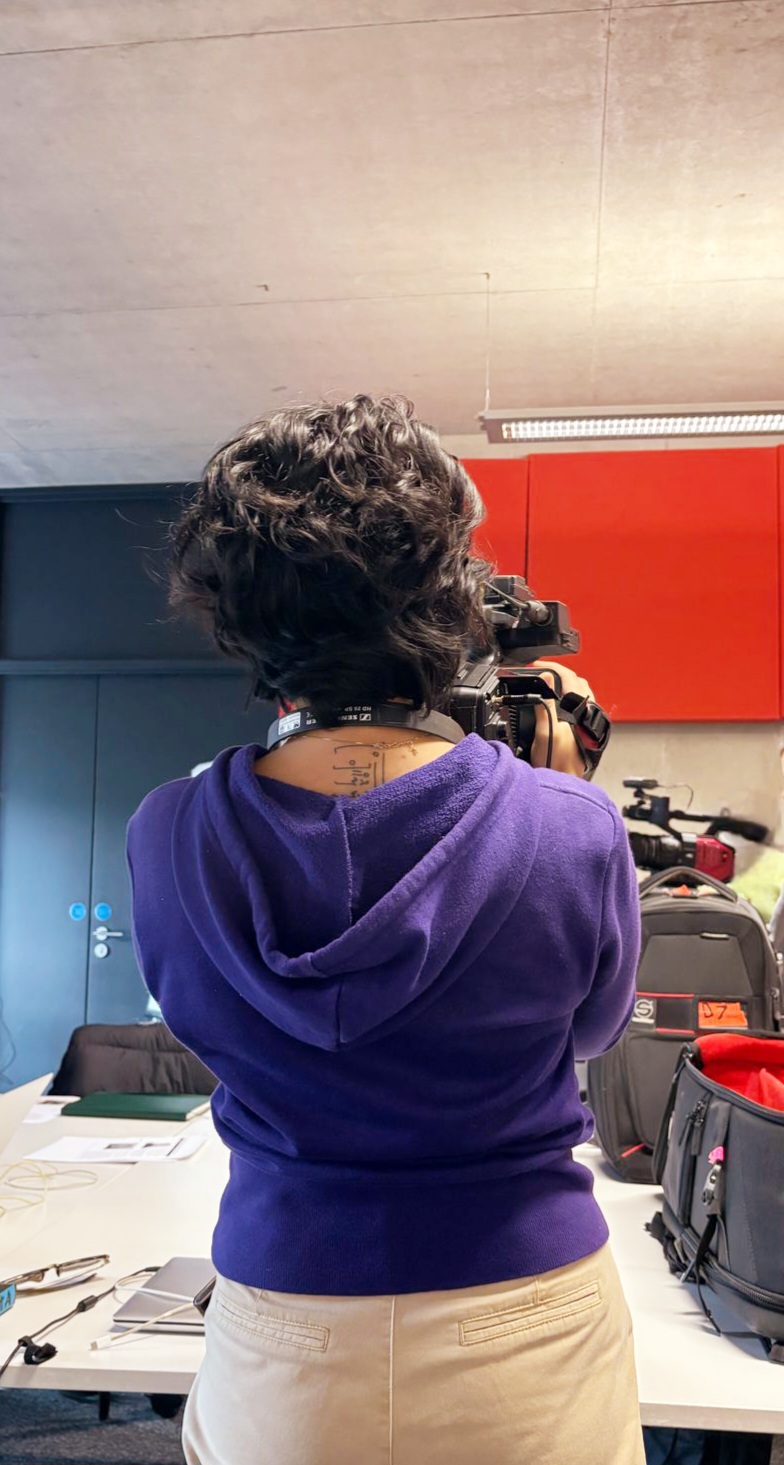

Alright – so today we’ve got the honor of introducing you to Sormeh Behbahani. We think you’ll enjoy our conversation, we’ve shared it below.
Sormeh, looking forward to hearing all of your stories today. Can you talk to us about how you learned to do what you do?
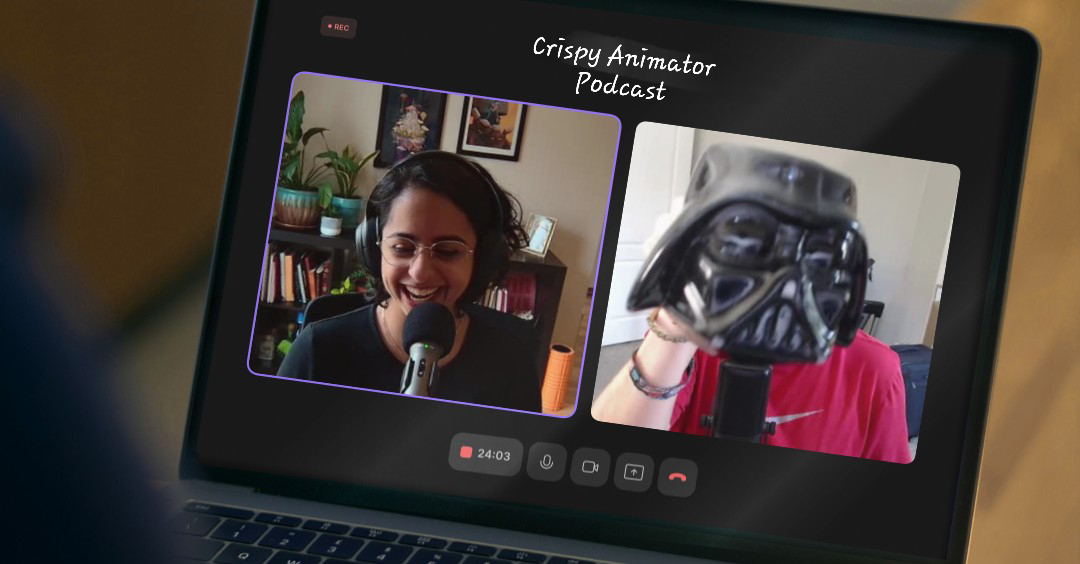
When my cohost and I first launched our podcast, our main goal was to create a space where artists, especially those dealing with job loss, could feel seen and understood. It felt like something everyone was quietly experiencing, but hardly anyone was talking about. While news coverage mainly focused on the writer strikes, and post-agreement discussions hinted that the industry would slowly bounce back, the reality was that layoffs were still happening and many of us were being left behind.
We wanted our podcast to be as conversational and authentic as possible, so we went into each episode with no scripts, just a few questions off the cuff. In the early days, most of our guests were people we knew, which made hosting a bit easier, but as we started inviting strangers on the show, we quickly realized we were lacking in some areas. That’s when I decided to put in more work behind the scenes. I dove into research, listened to other podcasts, and honed my interviewing skills. What I discovered was that the true magic of a podcast lies in the hosts’ ability to create a conversation that feels effortless, as if you’re just a couple of friends hanging out and talking. This is a skill I’m still developing, and I’ve noticed it gets stronger the more I practice.
Two crucial lessons I’ve learned are the importance of finding the right cohost and building a strong team. First, having a cohost who shares your vision and values is essential for creating an atmosphere that feels authentic, comfortable, and truly resonates with your audience. This dynamic is the foundation of a successful podcast. Second, don’t be afraid to make tough decisions when someone isn’t the right fit. A cohesive, dedicated team is key to growth, and without the right people on board, progress will be much harder to achieve.
Sormeh, before we move on to more of these sorts of questions, can you take some time to bring our readers up to speed on you and what you do?
Movies have always been a part of my life, but I never considered them as a potential career. Growing up in Iran, being an animator wasn’t even on anyone’s radar, let alone something people would pursue professionally. At nineteen, I moved to France and began to explore the world of art and design. It was there that I truly started to understand myself and discovered that I viewed the world in a way that was different from those around me.
My journey continued when I moved to California, but at that point, I veered away from my creative exploration. I finished my degree in Communications and found myself in the world of property management. Years passed, and yet, that persistent ache, my passion for animation, grew stronger. It wasn’t until I came across an online animation school called Animation Mentor that I saw a clear path forward. After some research, I discovered that animation could actually be a career; something I could pursue.
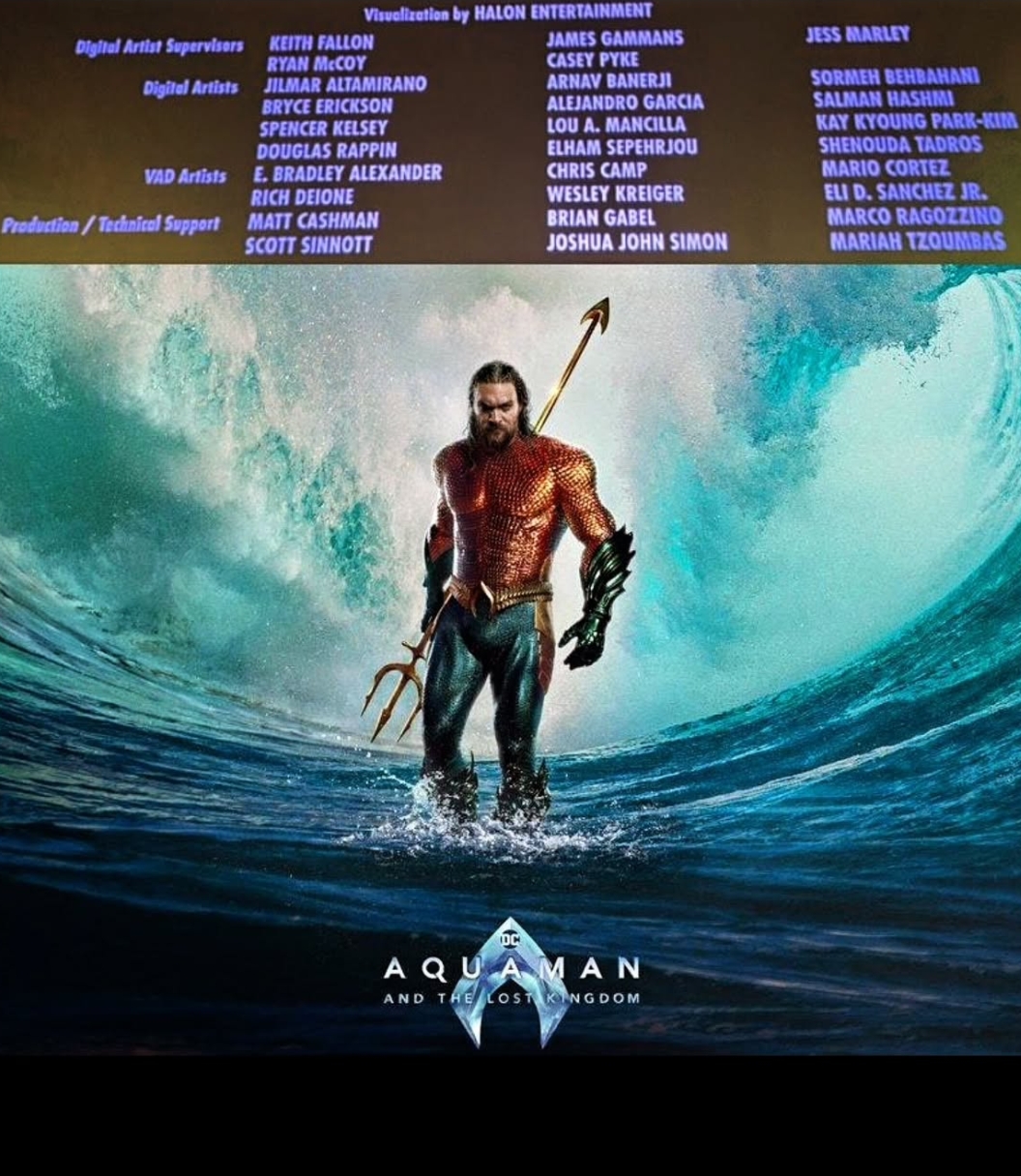
I took the leap, enrolled in the courses, and that’s how my journey in animation began. I went on to work on AAA games like NBA2K and WWE, but my true passion was always film. I was constantly seeking an opportunity to transition into that world. My goal was never to work for Disney or Pixar—I didn’t dream of working on the next Toy Story. Instead, I wanted to be part of a project at ILM, working on the next Mission Impossible movie. Against the odds, I succeeded. I became a previz animator and worked on Mission Impossible: Fallout and Kingdom of the Planet of the Apes, which won multiple awards.
However, what I didn’t foresee was the inevitable shift that would come with the writer’s strike. Everything changed. Colleagues and friends in the industry started getting laid off, and my time came shortly after. We all thought it would be temporary, but two years later, people are still being laid off. The instability of the industry became undeniable. Taking on short-term contracts didn’t pay the bills, and I saw so many people struggling, but it wasn’t something the media was talking about enough.
That’s when I decided to start a podcast with an old coworker. We wanted to create a sense of community; a space where artists could feel heard, understood, and supported. A place that could offer a sliver of hope. Our tagline was “Survive to 25,” a nod to the uncertainty we were all experiencing. But as I continued interviewing people, it became clear that the situation wasn’t going to improve anytime soon. The industry was transforming into something I no longer recognized or felt a connection to, as if its very soul was being gradually stripped away.
I realized that I didn’t want to be part of an industry so unstable that I’d have to rely on side gigs just to make ends meet. That’s when I made a decision to pivot. I’m currently pursuing my Master’s in Creative Business at NFTS, with the goal of creating a business that can reignite the heart of the industry. I’m no longer an animator working for big studios, bringing their visions to life. I’m carving my own path, showing the world what animation can do when driven by passion and purpose.
My podcast will soon reflect this shift, as well. The journey is evolving, but the core purpose remains: to support artists, inspire change, and rediscover the power of creativity.
Is there a particular goal or mission driving your creative journey?
For me, art and creativity allow me to create change. Each artist has the ability to use their chosen medium to communicate that change, helping the audience see or experience the world in a new way. Having lived in the Middle East, Europe, and North America, I’ve been exposed to diverse cultures and industries, all of which have influenced my art. Through my work, I aim to offer my audience a perspective—one that either challenges their usual way of thinking or resonates deeply with their own experiences.
My mission is to challenge the system, create change, and help others along the way. I want to make work that entertains, but also encourages people to question, reflect, and take action. I aim to create experiences that challenge the status quo, highlight overlooked truths, and amplify unheard voices. Ultimately, I want to contribute to a world where art isn’t just a reflection of reality, but a force for change.
Looking back, are there any resources you wish you knew about earlier in your creative journey?
Your network is one of the most valuable resources you’ll have as an artist. When you first start your journey, the focus is often on learning and perfecting your craft. You’re taught to master the techniques of your field, and while that’s undeniably important, there’s another lesson that doesn’t always get the attention it deserves: networking. Early on, my peers and mentors told me that networking matters, but it was rarely emphasized in the same way as technical skill. It took me years to fully understand it’s importance.
Now, I’ve come to realize that artistic skill and a strong network are equally vital. Without the right connections, your career can only move forward by chance, based on luck rather than opportunity. What most people don’t realize is that after a while your network becomes more than just a list of contacts; it becomes your community. This is the group that will support you through challenges, obstacles, and transitions. When you face the inevitable setbacks: being laid off, not getting that promotion you’ve worked tirelessly for, or pivoting to a new path, it’s your community that truly understands what you’re going through and provides the encouragement and resources you need.
No matter how exceptional you are at your craft, without a supportive network, the journey becomes much harder. It’s your network that keeps you grounded, lifts you up in times of need, and provides opportunities for growth and collaboration. It’s essential to surround yourself with people who not only inspire you, but who also believe in you and your journey.
Contact Info:
- Linkedin: https://www.linkedin.com/in/sormehb
- Youtube: https://www.youtube.com/@CrispyAnimator